Forgotten amusement parks can make Michigan’s summer past feel surprisingly close. Across the state, places that once buzzed with music, rides, lake breezes, and packed crowds now live on through old photos, local memories, and the traces left behind.
Their stories matter because these parks helped shape family traditions, neighborhood life, and the identity of lake towns that grew around seasonal fun. What remains is often quiet, but that silence gives the history even more pull.
For anyone curious about Michigan’s lost attractions, these old amusement parks offer a nostalgic look at joy, change, and the places time slowly left behind.
1. Silver Beach Amusement Park – St. Joseph
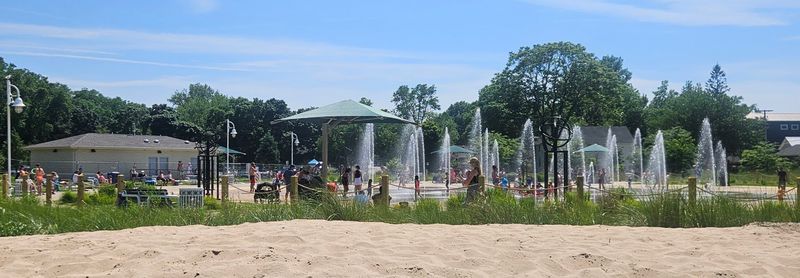
Lake wind and old postcard charm still cling to the story of Silver Beach Amusement Park in St. Joseph. Even without the rides, the setting helps explain why this place stayed in family memory for so long.
Pictures from its busy years often show a classic shoreline fun zone, the kind of place where a beach day could turn into a full evening of games, lights, and noise. That mix mattered in a lake town, because visitors did not need a huge travel plan.
They only needed a warm day, a few dollars, and enough energy to stay out until dark.
Today, the park is usually discussed through local history groups, old images, and conversations between generations. That is part of the draw.
A forgotten amusement park can reveal how people once spent free time before giant theme parks and endless screen time changed the rhythm of summer.
Silver Beach also works as a reminder to look closely at what survives around a site. Nearby shoreline features, public spaces, museum displays, and historic photos can tell more than an empty lot ever could.
Readers who want to explore the story should compare then and now images, check local archives, and pay attention to how the waterfront is used today.
There is also a simple lesson here for travelers. When visiting places with lost attractions, do not rush in expecting obvious ruins.
Sometimes the best clues are subtle, like the curve of a path, the location of an old entrance, or a longtime resident mentioning where the noise used to carry on summer nights.
That quiet contrast gives Silver Beach its staying power. A place built for excitement is now remembered through absence, and that gap between past energy and present calm is exactly what makes it linger in the mind.
2. Ramona Park – East Grand Rapids
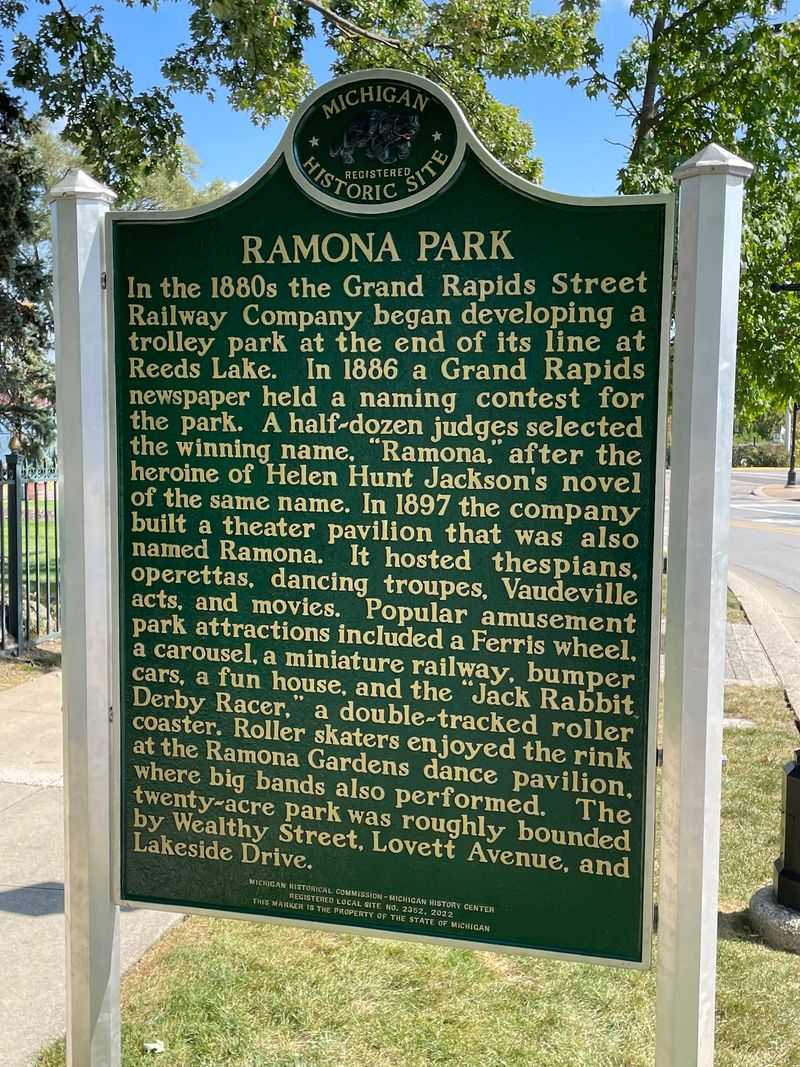
Across the edge of Reeds Lake, Ramona Park still carries a strong local legend in East Grand Rapids. The name sounds cheerful, but its afterimage has a quieter pull now, shaped by water, memory, and the idea of a lost summer hangout.
Lakeside parks once had a special advantage. They offered rides and amusements, but they also gave people a reason to arrive early and stay late.
Boating, walking, dancing, and watching the shoreline could all fit into the same trip, which made a park like Ramona feel bigger than its ride list alone.
That broader social role is one reason people still talk about it. An old amusement park was often part fairground, part meeting place, and part community stage.
In a city area growing around the lake, that kind of destination helped define where fun happened and who gathered there.
Readers curious about Ramona Park should look beyond the standard lost-roller-coaster angle. Old maps, shoreline photos, and transit connections can reveal just as much as ride pictures.
Noticing how people reached the park, where they gathered, and what businesses stood nearby can turn a simple history search into a fuller neighborhood story.
There is practical value in that approach. Many forgotten parks leave behind almost no visible structures, so context becomes the real artifact.
A dock location, a curve along the shore, or the remembered spot of a dance hall can anchor the imagination better than any dramatic rumor.
Ramona Park stands out because it joins fun and place so neatly. Reeds Lake is still there, calm and familiar, while the noise that once animated the shore is gone.
That split between a living landscape and a vanished attraction gives the site an eerie power that lasts well after the lights went out.
3. Oakwood Amusement Park – Kalamazoo
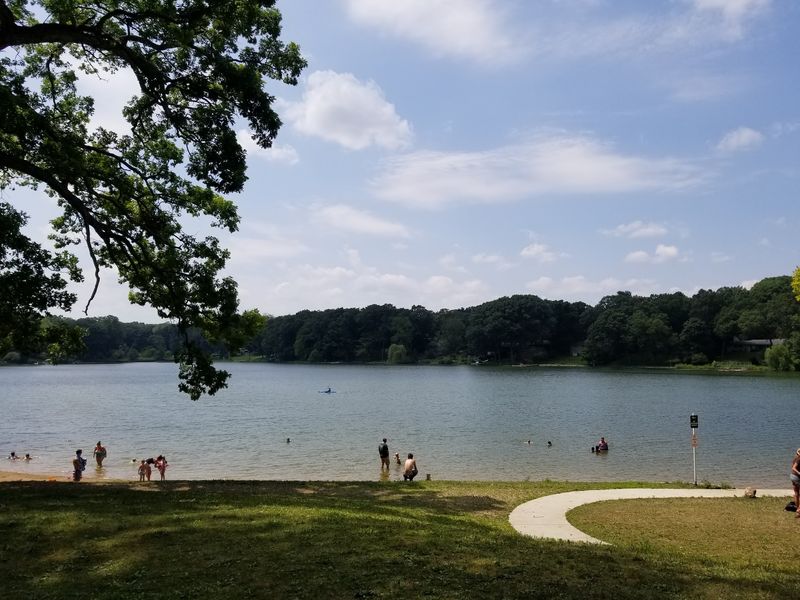
Not every lost amusement park sat beside a giant shoreline or drew statewide attention. Oakwood Amusement Park in Kalamazoo has a quieter profile, which somehow makes its disappearance even more interesting.
Places like this often mattered most to nearby families rather than distant tourists. They were woven into local weekends, school breaks, and community habits.
That means the real story is not only about rides. It is also about how neighborhoods once organized fun around a shared destination that felt easy to reach and easy to remember.
When a park fades from everyday view, the details can blur fast. People may remember a coaster, a dance area, or a food stand, but not the exact layout.
That uncertainty is part of the eerie pull. The site becomes a puzzle built from fragments, and each memory carries a slightly different version of the same place.
For readers interested in Oakwood, the smartest way to explore is by layering sources. Start with local newspapers, photo archives, and historical society material.
Then compare those records with current maps and street patterns around the old location. Even small clues, like the width of a former path or the position of a parking area, can suggest how the park once moved and breathed.
There is a useful takeaway in that process. Forgotten parks teach people how quickly popular entertainment can disappear when land use changes, tastes shift, or maintenance becomes too hard to sustain.
They also show why preserving ordinary fun spaces matters just as much as saving grand public buildings.
Oakwood may not have the loudest reputation on this list, yet that works in its favor. Its story captures a more everyday kind of loss, the kind tied to routine family outings.
Because of that, the silence around it lands with unusual force.
4. AutoWorld – Flint
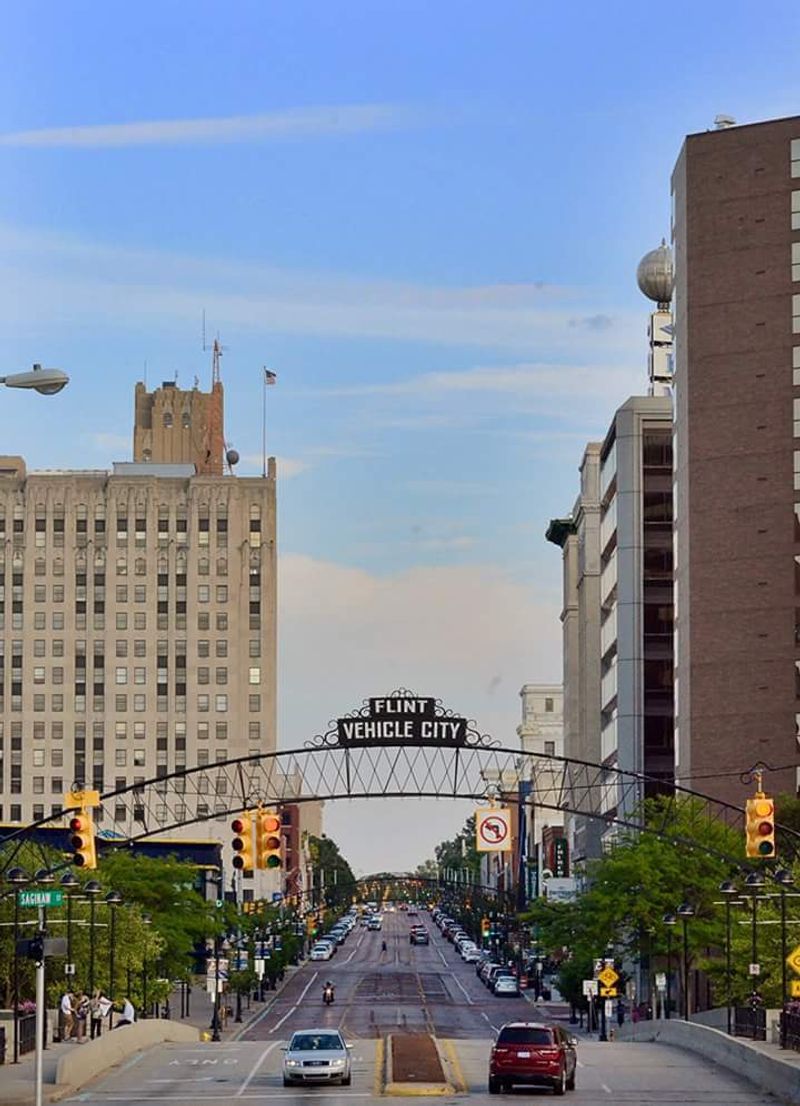
AutoWorld in Flint had a different kind of dream behind it. Instead of a lakeside midway or old picnic grove, it leaned into indoor spectacle and a future-facing theme tied to the city’s automotive identity.
That choice makes AutoWorld especially fascinating among Michigan’s forgotten attractions. It was not rooted in the same turn-of-the-century amusement model as many older parks.
Its story points to another chapter, one where cities hoped entertainment could help revive downtown energy and present a bold civic image.
Because of that, the silence around AutoWorld carries a sharper edge. The place was designed around motion, invention, and excitement, yet it became a symbol of how big plans can fade when reality gets complicated.
Readers do not need every statistic to understand the emotional contrast. A place built to celebrate progress can become a time capsule almost overnight.
Looking into AutoWorld works best when history is balanced with setting. Flint’s broader economic changes, downtown development efforts, and local memories all shape how the site is understood.
Photos of interior spaces, exhibit areas, and promotional material can reveal how strongly the attraction tried to project confidence and fun.
There is a practical lesson here for anyone interested in lost landmarks. Not all abandoned entertainment stories are about neglect in the usual sense.
Some are really about timing, expectations, and the hard truth that even ambitious projects need steady public support to survive.
AutoWorld still stands out because its concept was so specific. It tied amusement to industry, civic pride, and a futuristic mood that now reads as both bold and bittersweet.
In Flint, that combination gives the memory of the place a strange weight, as though the building absorbed a huge promise and never fully let it go.
5. Deer Forest – Coloma
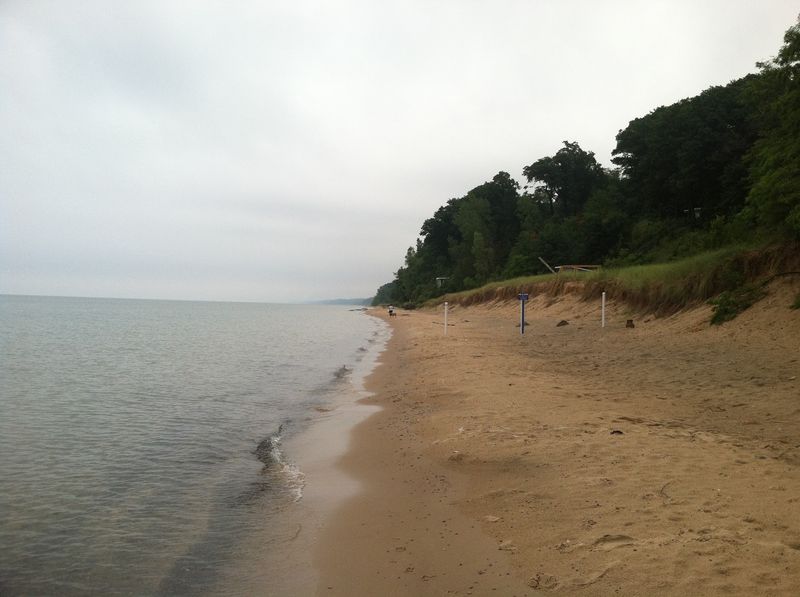
Deer Forest in Coloma lands in a slightly different category, and that is part of its charm. It blended animal attraction, roadside fun, and storybook flavor in a way that feels very tied to an earlier family travel style.
Road trips once depended on places that could catch attention fast. A name like Deer Forest promised something simple and memorable, especially for kids staring out a car window.
Parents could stop, stretch, and spend part of a day somewhere playful without needing the scale of a giant amusement destination.
That roadside energy gives the site a distinct afterlife. Forgotten places with animals, themed buildings, or fairy tale touches often remain vivid in memory because they were so visually direct.
Even when details vanish, people tend to remember the odd mix of excitement and strangeness that came with stepping into a man-made world built just off the highway.
Readers exploring Deer Forest should pay attention to design as much as history. Look at old entrances, mascot imagery, painted signs, and the kind of structures meant to charm young visitors.
Those elements help explain why such places felt bigger to children than they might appear in old photographs today.
There is also a broader lesson here about family entertainment in Michigan. Not every beloved attraction needed major thrill rides.
Some succeeded by offering novelty, animals, and a chance to wander through a place that felt separate from ordinary life for an hour or two.
Deer Forest lingers because it connects to that gentler roadside world, one filled with station wagons, snack stops, and carefully chosen detours. The silence around it is different from the silence of a giant coaster park.
It is smaller, quirkier, and perhaps a little stranger, which makes the memory stick in a very specific way.
6. Lake Lansing Amusement Park – Haslett
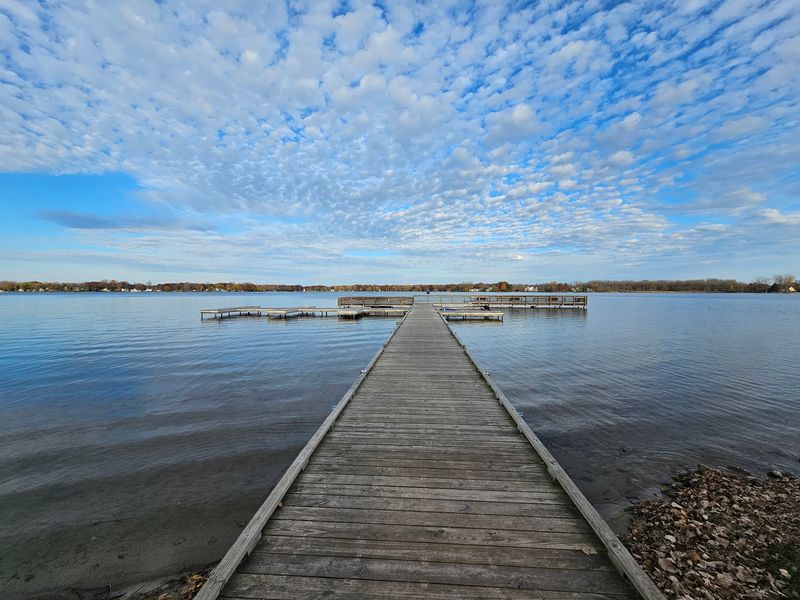
By the water in Haslett, Lake Lansing Amusement Park once fit a classic Michigan formula. A lake, a crowd, and a collection of amusements made the area more than a simple outdoor stop.
That combination worked because visitors could shape the day however they wanted. Some came for rides.
Others likely came for swimming, socializing, music, or the pleasure of being near the water after a hot inland afternoon. In that sense, the park was part recreation area and part social scene, which gave it a wider purpose than a stand-alone midway.
When parks like this disappear, the lake remains as a steady witness. That can make the loss more striking than at inland sites.
The landscape still looks useful and alive, yet one layer of its past has gone quiet. The contrast invites people to imagine where the sounds once traveled and where the lights once reflected after sunset.
Anyone researching Lake Lansing Amusement Park should focus on community patterns as much as ride history. Search for boating culture, summer events, transportation routes, and local gathering habits.
Those details can explain why the park mattered beyond the thrills themselves.
There is practical value in that broader view. It helps modern readers understand how entertainment used to connect with geography in a more direct way.
Parks near lakes succeeded not only because of attractions, but because nature already supplied part of the day’s appeal.
Lake Lansing’s lost park remains compelling because it sits at the meeting point of leisure and landscape. The shoreline still encourages people to gather, relax, and look outward across the water.
Knowing that a lively amusement spot once shared that same edge gives the area an extra layer, quiet now, but not fully erased from local memory.
7. Pleasure Island Water Theme Park – Norton Shores
Pleasure Island Water Theme Park in Norton Shores brings a more modern flavor to the list. Water parks carry a loud, bright energy by design, so their absence can look especially stark once the crowds and color are gone.
There is a practical reason for that strong visual impact. Slides, pools, and themed structures are built to feel playful even from a distance.
When those features age or disappear, the change is dramatic. The site no longer reads as carefree.
Instead, it can look oddly exposed, almost like a stage after the audience has left.
That visual shift helps explain why defunct water parks grab attention so easily online. People recognize the shapes immediately, but the purpose has drained away.
In Michigan, where warm-weather fun already has a limited season, a closed water attraction can seem like a symbol of a summer that stopped mid-scene.
Readers looking into Pleasure Island should think about more than slides and wave pools. Consider the era when regional water parks expanded, the way families planned short summer trips, and how seasonal businesses depend on constant upkeep.
Those factors often matter just as much as the original concept.
There is a useful lesson in that. Attractions centered on water and weather can rise fast because they match what families want in hot months, but they can also become difficult to maintain when habits change or costs climb.
A fun idea alone does not guarantee a long life.
Pleasure Island stands out for its boldness. The name promises escape, noise, and sunshine, which makes the silence afterward hit harder.
It belongs to a different amusement era than the old trolley parks, yet it creates the same haunting effect. A place meant for shrieks, splashes, and packed parking lots is now remembered in still images and scattered local recollections.
8. Walled Lake Amusement Park – Walled Lake
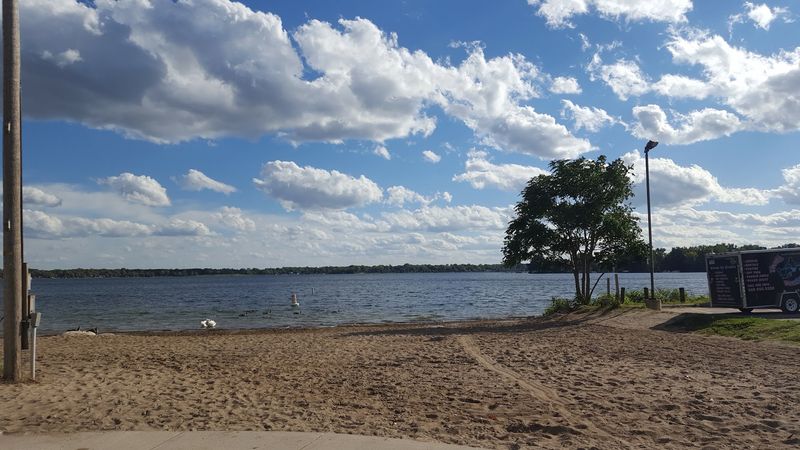
Walled Lake Amusement Park sits in one of those settings that almost tells the story by itself. A lakefront attraction in a growing community had every reason to become a summer anchor, and for a long time, that kind of formula worked beautifully across Michigan.
The appeal was straightforward. Water drew people in, while rides and entertainment gave them reasons to stay.
Add music, snacks, and evening lights, and a local outing could turn into an event. That made parks like Walled Lake more than side attractions.
They became part of the seasonal identity of the town around them.
Now, the absence is the main feature. That is not meant in a gloomy way.
It is simply how forgotten amusement places operate in memory. The land still carries normal daily life, but older layers remain just beneath it, waiting for someone to connect a photo, a map, and a story told by a longtime resident.
Researching Walled Lake Amusement Park can be especially rewarding because the surrounding area helps frame the history. Shoreline development, transportation access, and nearby neighborhoods all matter.
Looking at how people moved between city spaces and lake spaces may explain why the park held such a strong place in local recreation.
There is a wider point here too. Amusement parks often seem temporary in hindsight, yet they influenced business activity, youth culture, and family routines in ways that lasted well beyond the rides themselves.
Once gone, they leave behind a social outline that can still be traced.
Walled Lake’s old park has that layered quality. It belongs to the familiar Michigan story of leisure by the water, but it also reflects how quickly those lively public spaces can change form.
The lake remains active and visible. The old noise does not, and that gap gives the place its chill.
9. Prehistoric Forest – Onsted / Irish Hills
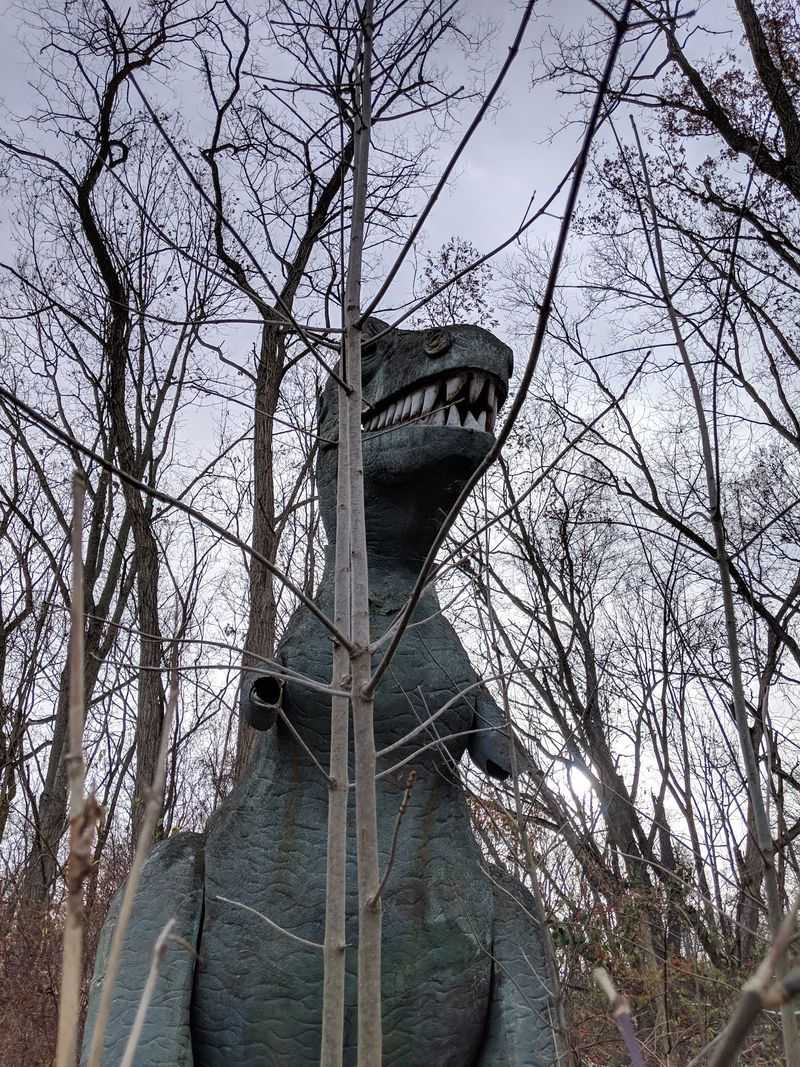
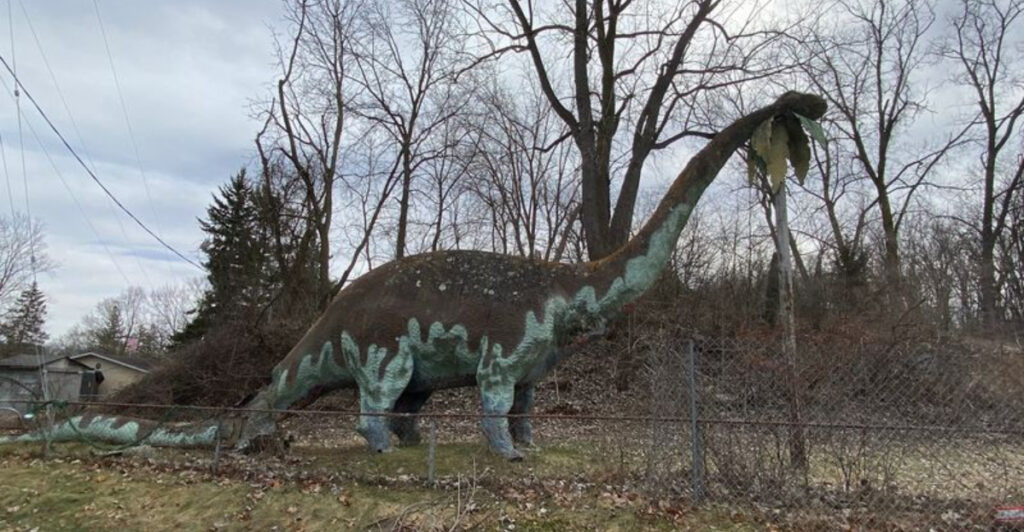
Giant dinosaurs in the woods are hard to forget, even when the park itself fades. Prehistoric Forest in the Irish Hills area near Onsted had that built-in advantage: one unforgettable visual idea.
Roadside attractions often thrived by being instantly legible from a sign or a quick description. Dinosaurs delivered that in one word.
Families knew what kind of fun to expect, and children likely did the rest of the convincing. That simple power helps explain why the memory of Prehistoric Forest remains strong even among people who know only a few details.
The Irish Hills region also matters here. It developed a reputation for quirky stops, family outings, and attractions clustered along travel routes.
In that setting, a dinosaur-themed park fit right in. It was part of a broader roadside culture that turned the drive itself into part of the adventure.
Readers exploring this site should pay close attention to visual culture. Statue design, painted maps, entrance signs, and souvenir imagery can reveal more than a plain timeline.
Roadside places sold an experience in seconds, so their branding was often half the story.
There is a practical lesson tucked inside that history. Attractions built around one big visual gimmick can be wonderfully memorable, but they also depend on constant maintenance and public curiosity.
Once either fades, the property can slip from delight to eeriness with surprising speed.
Prehistoric Forest has that exact shift. A child might have seen towering creatures and adventure.
An adult looking back may picture still trees, faded paint, and huge statues standing where crowds once laughed. Very few attraction types age in such a strange way.
That is why this place keeps turning up in conversations about forgotten Michigan fun spots. It captures a lost roadside era and wraps it in dinosaurs, which is hard to top for pure weirdness.
10. Playland Park – Grand Blanc Township
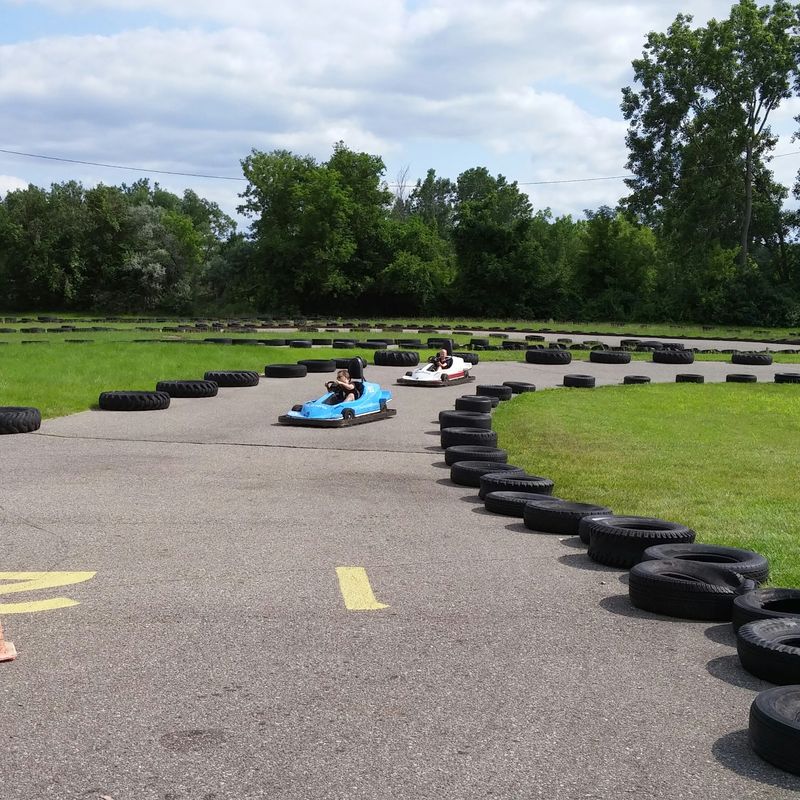
Playland Park in Grand Blanc Township sounds like the kind of place built for easy fun and repeat visits. The name is simple, cheerful, and broad, which fits many mid-century family attractions that aimed to be part of everyday local life.
That local angle is important. Some parks became regional names, while others mainly served nearby communities who returned again and again.
Those repeat visitors gave a place its personality. They knew where to meet, which rides to hit first, and how long a few hours there could stretch on a summer evening.
When that kind of park disappears, the loss can feel oddly private. It may not dominate history books, yet it can loom large in neighborhood memory.
That makes Playland Park intriguing. It represents a category of forgotten amusement site that mattered deeply to regular people without needing national fame.
For readers trying to picture it, a good approach is to think small-scale and practical. Look for clues about family pricing, common ride types, concession stands, and the park’s relationship to surrounding roads or growing suburbs.
Those details can reveal how the attraction fit into ordinary routines rather than once-a-year vacations.
There is a broader insight here as well. Entertainment history is not only about giant destinations with famous coasters.
It is also about modest places that gave nearby kids their first taste of independence and gave adults a familiar stop close to home. Losing those spaces changes the texture of community life in quiet ways.
Playland Park carries that quiet kind of absence. Its story suggests packed weekends, simple thrills, and a park that likely relied on local loyalty more than flash.
Because of that, the silence around it lands differently from the grander parks on this list. It is less dramatic, more everyday, and in some ways more haunting for exactly that reason.
11. Edgewater Park – Detroit
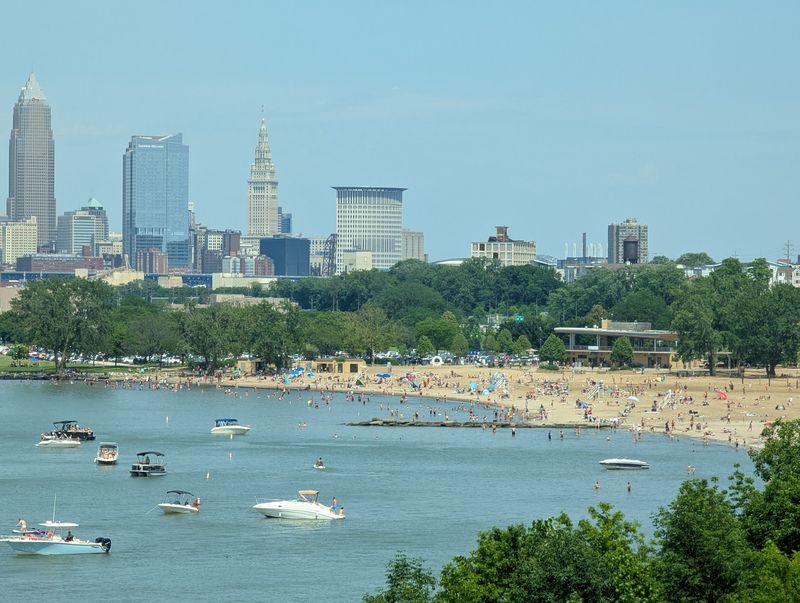
Edgewater Park in Detroit brings an urban layer to this list that changes the mood right away. A city amusement park carries different pressures, different crowds, and a different rhythm than a lakeside stop built mainly around vacation season.
In a major city, an amusement park could be both an escape and a mirror of everyday life. People arrived from dense neighborhoods, streetcar lines, and busy work schedules, then stepped into a designed space for release.
That tension between city intensity and planned fun gives places like Edgewater a special historical weight.
The name itself suggests a waterfront edge, and that pairing of urban life with open air recreation helped many older parks succeed. Water views softened industrial surroundings.
Music, rides, and lights added excitement without requiring a long trip out of town. For families and young people, that kind of access would have mattered a lot.
To understand Edgewater Park, it helps to look at Detroit’s broader growth rather than isolate the park alone. Study transportation routes, neighborhood patterns, and how recreation fit into the city’s changing identity.
That context can explain why such places rose, thrived, and eventually slipped away.
There is also a useful reminder here for modern readers. Cities are constantly rebuilding themselves, and entertainment spaces often vanish first because the land becomes valuable for other purposes.
When that happens, a park can disappear physically while remaining vivid in family memory and old local photos.
Edgewater Park stands out because it likely balanced joy and city grit in equal measure. That combination gives the site a stronger echo than a simple amusement ground in the middle of nowhere.
Detroit keeps moving, growing, and reinventing itself. Against that motion, the lost park reads like a paused scene, one where the music stopped but the river and skyline kept going.
12. Water Funland / Lutz’s Funland USA – Au Gres
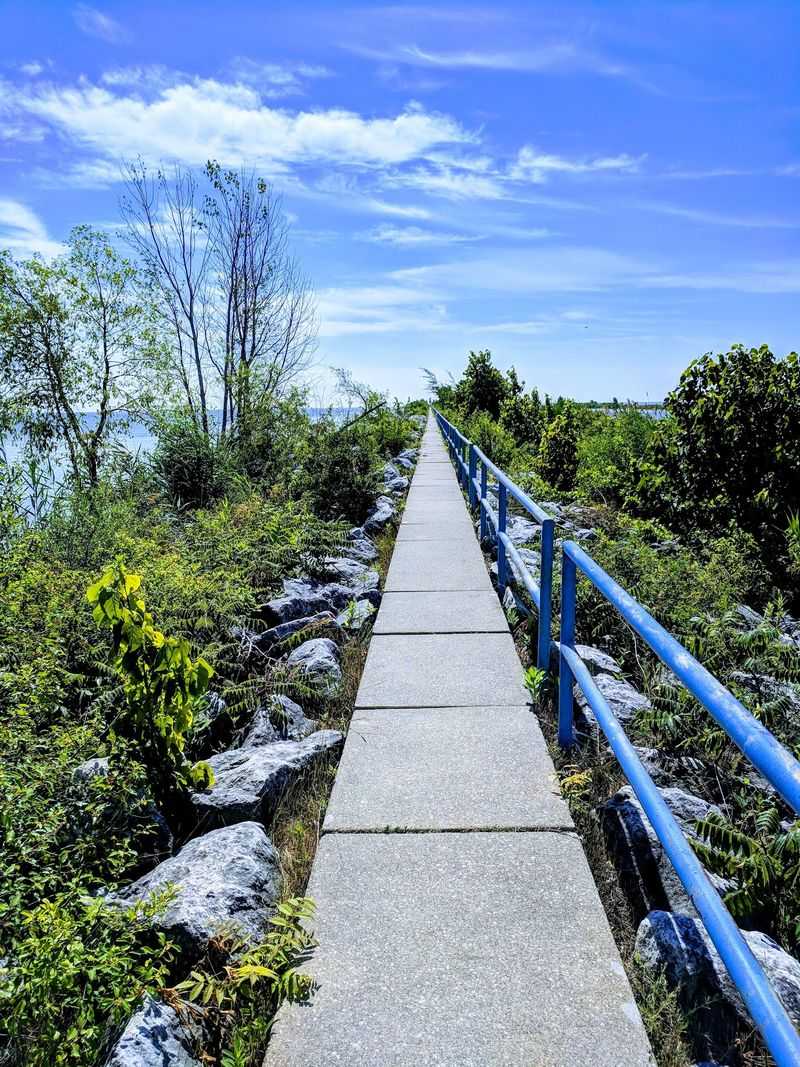
Few names capture old-school summer energy quite like Water Funland and Lutz’s Funland USA in Au Gres. Even before seeing a photo, the branding suggests bright signs, family detours, and a business built to catch vacation traffic in a lakeside town.
That roadside resort-town setting matters a lot. In places where seasonal visitors pass through, attractions often need to explain themselves quickly and promise fun just as fast.
A compact water and family entertainment spot could do exactly that. It did not need to be enormous.
It only needed to look lively, convenient, and exciting enough to pull people in for part of the day.
Because of that, sites like this can become deeply tied to memories of specific kinds of Michigan trips. Cabin weekends, fishing plans, beach stops, and drives along the water all create the backdrop.
The attraction becomes one piece of a larger summer pattern, which helps it linger long after closure.
Readers looking into Water Funland or Lutz’s Funland USA should pay attention to roadside marketing, small-town tourism, and the practical scale of the property. Search for postcards, old vacation photos, and local advertisements.
Those sources often reveal how the place wanted to be seen and what kind of families it hoped to attract.
There is a helpful lesson in that search. Smaller attractions can disappear with less documentation than big parks, so preserving scraps matters.
A brochure, a snapshot, or a remembered sign may hold more value than expected when piecing together local history.
In Au Gres, that missing-piece quality adds to the eerie effect. The town still points toward summer, water, and passing visitors, but one chapter of that seasonal fun has gone quiet.
The old attraction survives mostly as a vivid name and a cluster of impressions, which is sometimes all a forgotten park needs to stay strangely alive.
Share this story