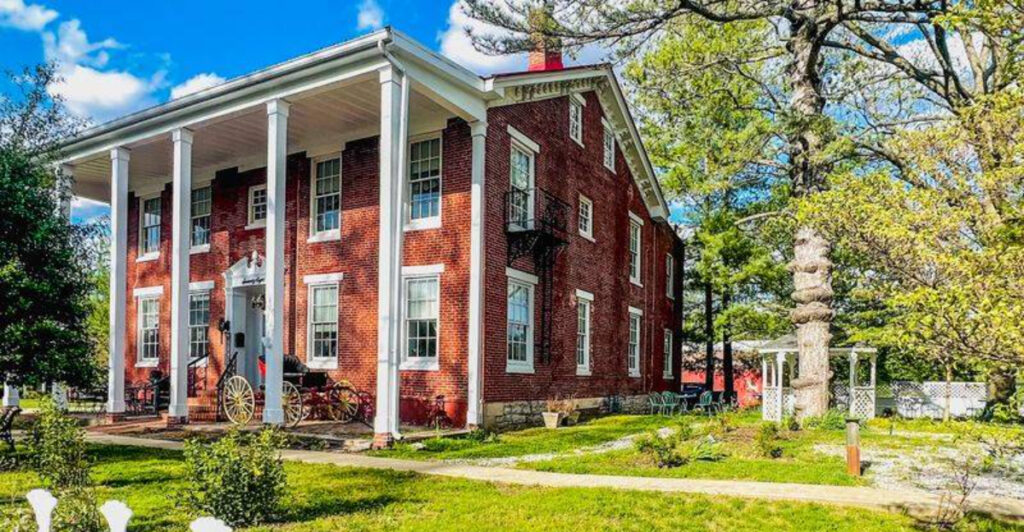
Missouri has a way of surprising people with river views, brick-lined streets, friendly neighbors, and stories that reach back hundreds of years. Beyond the busy cities, its small towns offer historic homes, family-owned shops, outdoor adventures, local festivals, and peaceful places where visitors can slow down without running out of things to do. Some communities sit beside the Missouri or Mississippi River, while others are surrounded by vineyards, farmland, wooded hills, or quiet roads that make every drive feel scenic.
Whether you are planning a weekend trip, searching for a calmer place to live, or simply curious about the Show-Me State, these towns reveal how much character can fit inside a small Missouri destination, from German traditions in Hermann and French colonial history in Sainte Genevieve to Mark Twain memories in Hannibal and antique treasures in Kimmswick. Each place has a different personality, so travelers can choose between theater performances, winery visits, river walks, museums, bike rides, historic tours, and homemade meals.
Housing costs, job options, schools, health services, and travel time should always be researched before any move, but spending a few days in town can help you understand its daily rhythm. Visit during more than one season if possible, talk with local residents, explore streets away from the main attractions, and notice how easily you can reach groceries and other basic services. You may arrive expecting a pleasant day trip and leave wondering whether a welcoming Missouri town could become your next home.
1. Hermann: A Little Germany Beside the River
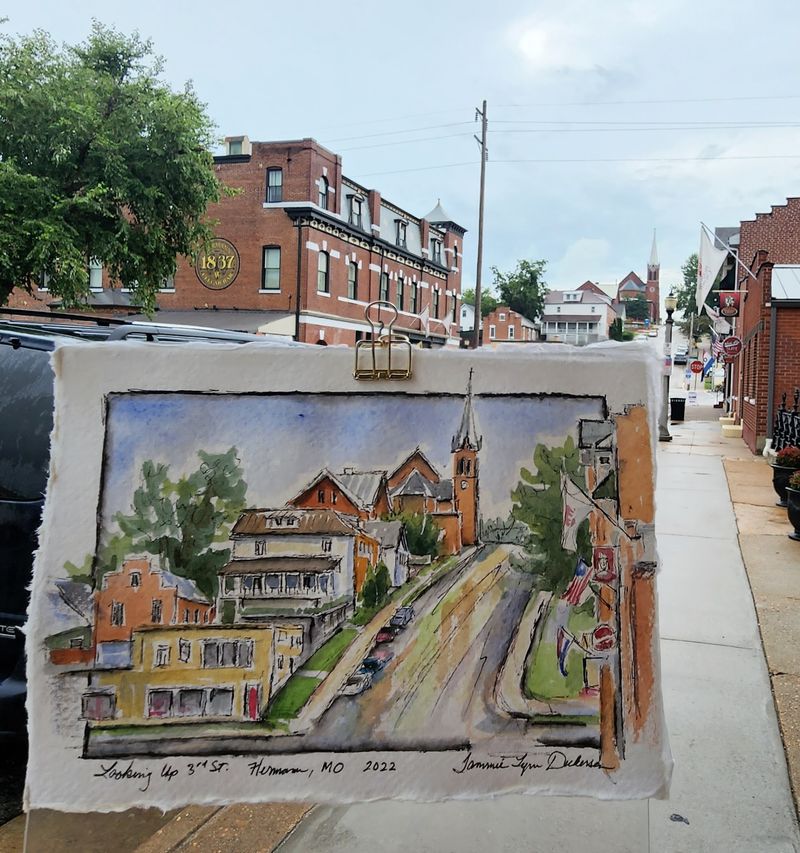
Grapevines, red-brick buildings, and wooded river hills make a weekend here feel like a quick trip to Europe.
Hermann was founded by German settlers in the 1800s, and that background still shapes its food, festivals, architecture, and welcoming personality.
Start near the historic district, where old homes and businesses sit along walkable streets.
Deutschheim State Historic Site explains how early German families lived, while the Hermann Farm offers another look at regional agriculture, horses, and settlement history.
Wine is a major part of local life, so adults can visit nearby wineries and compare hillside views as well as Missouri-grown varieties.
A trolley or planned driver is a smart choice during busy weekends because tasting locations are spread around town and parking can fill quickly.
Travelers who do not drink still have plenty to enjoy.
Browse independent stores, eat German-inspired dishes, photograph river scenery, or follow quiet country roads through vineyards and farmland.
October brings popular festival crowds, music, and seasonal food, but spring and early summer often provide a calmer experience.
Reserve lodging months ahead for major events, especially if you want a bed-and-breakfast within walking distance of downtown.
Anyone thinking about moving should visit on an ordinary weekday after the tourists leave.
Check internet service, health care access, flood maps, employment choices, and the distance to larger shopping areas before choosing a home.
The hilly landscape adds beauty, though steep sidewalks and older buildings may create challenges for people with limited mobility.
Ask lodging hosts about stairs, parking, and accessible entrances instead of assuming every historic property has modern features.
Families can turn the visit into an easy history lesson, and couples may appreciate the relaxed pace after sunset.
Bring comfortable shoes, leave extra room in your schedule, and watch the river from a peaceful overlook.
Hermann works because it preserves its roots without feeling frozen in time.
With thoughtful planning, newcomers can enjoy a small community, lively traditions, and natural scenery while remaining connected to the wider Missouri region throughout every season of the year.
2. Sainte Genevieve: Missouri’s French Colonial Treasure
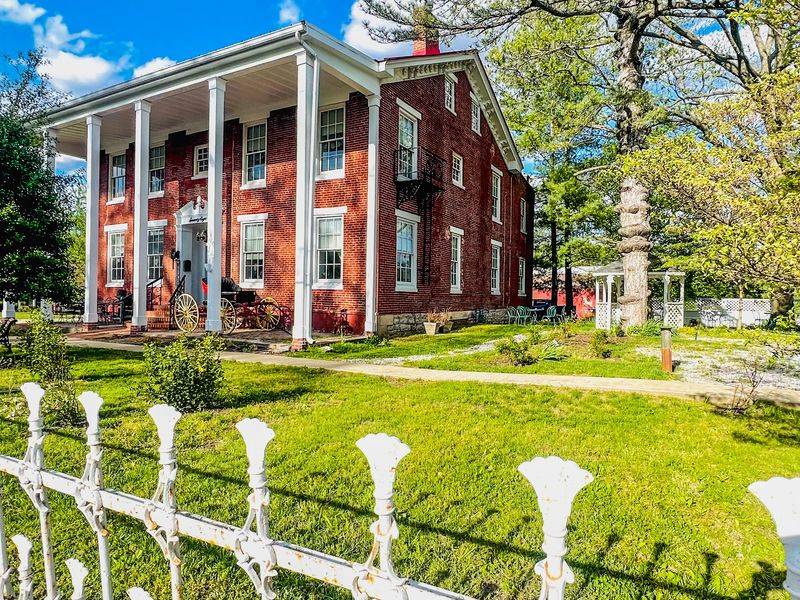
Long before Missouri became a state, French-speaking settlers built a community near the Mississippi River.
Their remarkable story remains visible in Sainte Genevieve, where rare vertical-log houses, shaded gardens, and old streets create one of the state’s most distinctive historic settings.
Begin at Ste. Genevieve National Historical Park to understand why the surviving buildings matter.
Rangers can explain construction methods, colonial trade, regional cultures, and the complicated lives of free and enslaved people who shaped the settlement.
Several historic homes offer guided tours, but schedules can change by season.
Check opening times before arriving, wear shoes suited to uneven ground, and allow enough time to listen rather than rushing between sites.
Downtown adds art galleries, small stores, restaurants, and cozy lodging to the history lesson.
The area is compact enough for a relaxed walk, although summer heat makes water, sunscreen, and an afternoon break sensible additions.
Nearby wineries, rolling countryside, and public natural areas can fill a longer weekend.
Pickle Springs Natural Area is known for unusual rock formations and a short trail, yet hikers should still carry water and avoid slippery rocks after rain.
Local festivals celebrate French heritage, music, crafts, and food throughout the year.
Event weekends feel energetic, while quieter dates make it easier to study architectural details and speak with shop owners.
Potential residents should remember that historic charm and modern convenience do not always appear in equal amounts.
Examine property maintenance needs, river flood information, commuting distances, medical services, schools, and reliable internet access before making plans.
Older houses can be beautiful, but repairs may require specialized materials or approval if a property has historic protections.
A careful inspection and clear repair budget can prevent a romantic purchase from becoming an expensive surprise.
Sainte Genevieve suits people who value preservation, neighborly events, and an unhurried daily pace.
It also gives visitors a richer picture of Missouri, showing that the state’s cultural roots include French, African, Indigenous, and American influences.
Stay overnight if possible, because lamplight and quiet evening streets reveal a softer side of town.
By morning, fresh air, church bells, and historic rooftops may make leaving surprisingly difficult for many thoughtful travelers today.
3. Hannibal: Following Mark Twain’s Footsteps
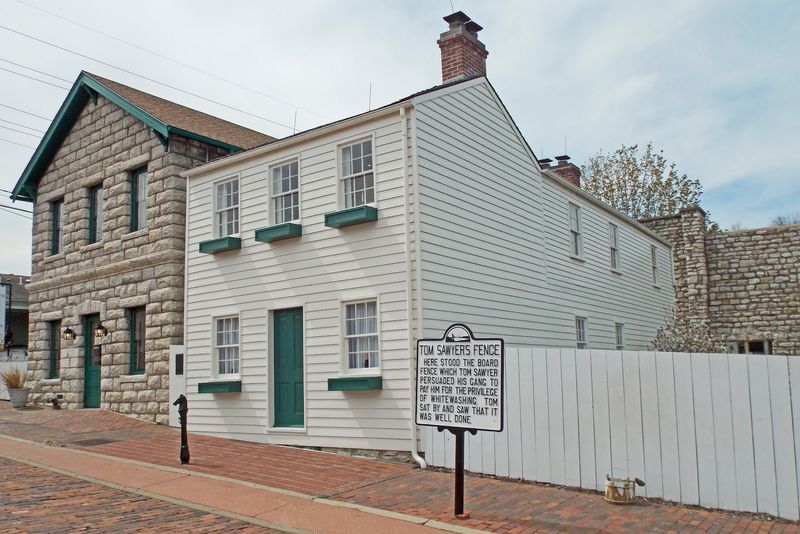
A white fence, a mighty river, and tales of childhood adventure give Hannibal an instantly familiar mood.
The hometown of Samuel Clemens, better known as Mark Twain, turns literary history into an experience that remains fun even for visitors who have not read every book.
The Mark Twain Boyhood Home and Museum is the natural first stop.
Exhibits connect real people and places with characters from The Adventures of Tom Sawyer and Adventures of Huckleberry Finn, helping young readers see how an author’s surroundings can feed imagination.
Afterward, wander along Main Street for shops, snacks, murals, and historic buildings.
Comfortable shoes are useful because attractions sit at different levels, and the famous climb to the Mark Twain Memorial Lighthouse involves many steps.
Mississippi River views provide a second reason to visit.
A sightseeing cruise can offer stories and broad scenery, but river levels and weather sometimes affect schedules, so confirm your trip before building the entire day around it.
For an underground change of scene, Mark Twain Cave offers guided tours through cool passages.
Bring a light jacket, follow all safety directions, and ask about accessibility because natural surfaces may be difficult for some travelers.
Families can keep costs manageable by choosing a museum package and packing water.
Summer weekends and festival dates attract larger crowds, whereas early fall often brings pleasant walking weather and colorful hills.
People considering a move should explore beyond the visitor district.
Compare neighborhoods, school choices, property conditions, job opportunities, health services, and travel time to larger Missouri communities.
Living near the river also means learning about flood risks and insurance requirements.
Review official maps and property records instead of judging safety only by how far a building appears from the water.
Hannibal has more energy than many towns of similar size because tourism supports restaurants, events, and entertainment.
At the same time, daily life remains quieter once visitors leave the central streets.
The best approach is to mix famous stops with unscheduled wandering.
Read a few Twain pages before arriving, watch barges move past the bluff, and listen for stories from residents who know the town beyond its literary fame.
That balance of legend, scenery, and practical services makes Hannibal appealing for weekend explorers and future Missourians alike.
Few places let imagination and everyday river life meet so naturally along one compact stretch of Missouri shoreline.
4. Arrow Rock: A Tiny Village With a Big Story
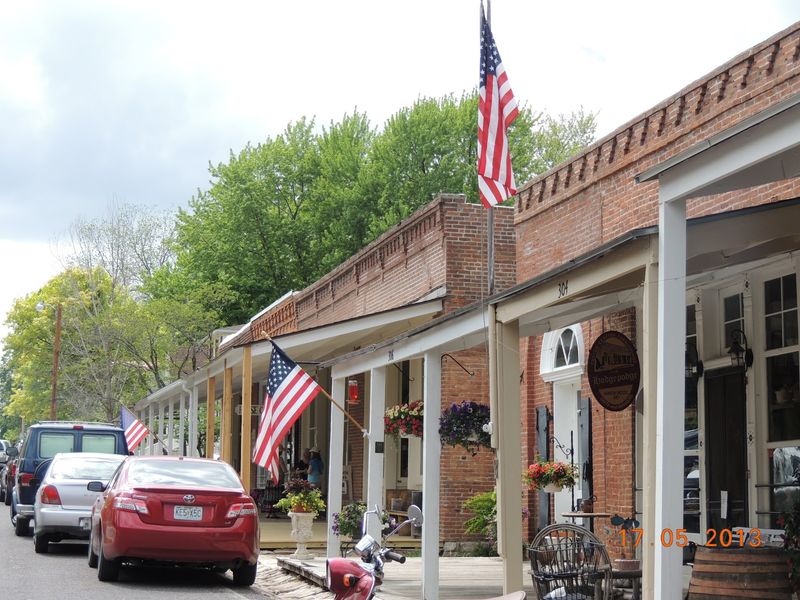
Some places whisper their history instead of placing it behind glass.
Arrow Rock feels that way, with preserved buildings, leafy paths, and quiet corners that make the nineteenth century seem close enough to touch.
The village played an important role in westward travel and Missouri’s development.
Arrow Rock State Historic Site includes a visitor center, museum displays, historic structures, and information about the people who lived, worked, traveled, and traded in the region.
Walking is the easiest way to explore, so begin with a map and give yourself time.
Streets and paths may be uneven, and opening hours for individual buildings can vary, especially outside the main visitor season.
One significant stop is the home associated with Dr. John Sappington, a physician known for advancing quinine use against malaria.
Interpretation around town also helps visitors understand African American history, including the lives and achievements of residents after slavery.
The Lyceum Theatre gives the tiny community an unusually strong performing arts scene.
Theater fans should check the production calendar early, purchase seats ahead of time, and consider pairing a performance with dinner or an overnight stay.
Arrow Rock is not a destination packed with chain stores or late-night activity.
Its appeal comes from calm surroundings, carefully protected architecture, local conversation, and the freedom to notice details that would disappear in a busier place.
Pack basic supplies, keep your fuel level in mind, and confirm where you plan to eat.
Mobile service may feel less dependable in rural areas, making downloaded directions helpful.
Future residents should think honestly about limited services and transportation.
Everyday errands, medical appointments, employment, and school needs may involve driving to other Missouri communities, while historic homes can demand steady upkeep.
For retirees, artists, history lovers, or remote workers with reliable internet, the peaceful setting can be deeply attractive.
Families may also enjoy the close community, though they should carefully research education and youth activities.
An overnight visit reveals more than a quick afternoon stop.
When tour groups depart and evening settles over the old rooftops, the village becomes wonderfully still.
Come ready to learn rather than simply collect photographs.
Arrow Rock rewards patient travelers with thoughtful stories, skilled theater, and an uncommon sense of continuity, proving a place does not need a large population to hold an important part of Missouri’s identity for future generations.
5. Boonville: River Views and Katy Trail Adventures
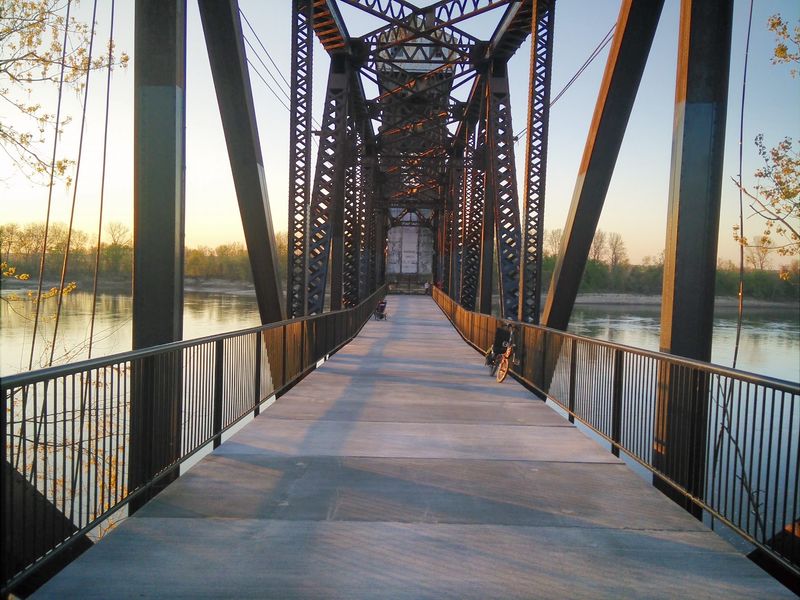
Listen closely near the river, and you may hear bicycle tires rolling across a bridge before you see their riders.
Boonville blends outdoor recreation, handsome architecture, and practical small-town services in a way that feels active without becoming rushed.
The Missouri River shaped the community’s history and still defines its scenery.
Begin downtown, where brick storefronts, local businesses, and historic buildings invite a slow walk, then visit a river overlook to watch trains, boats, weather, and wildlife.
Cyclists know Boonville as a useful stop along the Katy Trail State Park.
The trail follows a former railroad route across Missouri, and the nearby bridge crossing creates memorable views for walkers and riders.
You do not need to be a serious athlete to enjoy it.
Rent or bring a bicycle, choose a short section, carry water, and turn around before fatigue makes the return trip unpleasant.
History appears at sites connected with early Missouri travel, the Civil War, railroads, and river commerce.
Check museum schedules in advance because smaller attractions may have limited days or seasonal hours.
Food and lodging options make the town suitable for a weekend base.
Reserving a room is wise during festivals, college events, or popular riding seasons, particularly in spring and fall when trail temperatures are comfortable.
Visitors can also reach nearby farms, wineries, and natural areas by car.
A flexible plan works better than a packed timetable because river weather and rural business hours may cause unexpected changes.
Prospective residents will find more everyday resources here than in Missouri’s tiniest historic villages.
Even so, compare health care, schools, employment, child care, housing conditions, and broadband service with your household’s needs.
Anyone considering property near the river should study flood maps and insurance costs.
Older houses deserve professional inspections for roofing, foundations, wiring, heating systems, and hidden water damage.
Boonville’s central location can help people who want a quieter home while retaining access to Columbia and other mid-Missouri destinations.
Test the drive at the hour you would normally commute rather than relying only on a map estimate.
Spend your final evening beside the water or at a local performance.
The combination of trail culture, river history, and useful amenities gives Boonville a grounded charm that supports both easy visits and realistic conversations about putting down roots in the heart of Missouri.
6. Carthage: Victorian Beauty on the Ozark Plateau
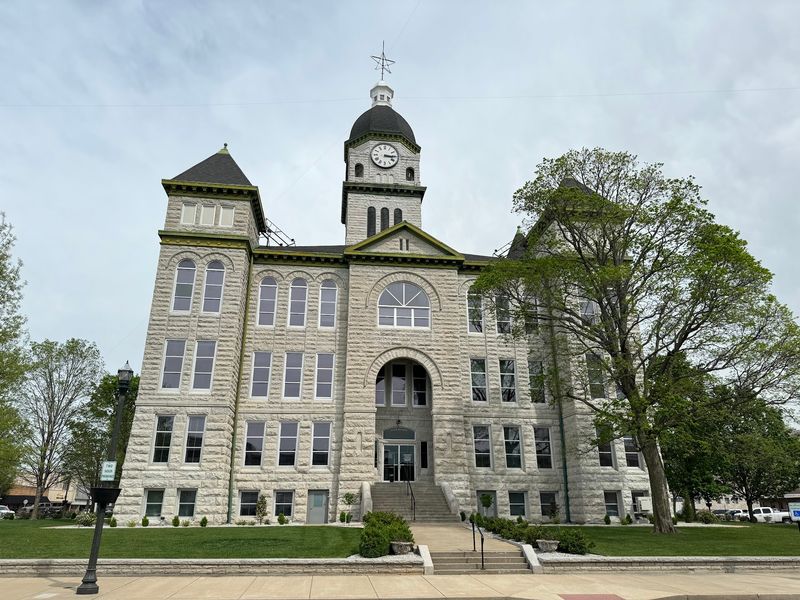
At the center of town stands a courthouse so grand that first-time visitors often stop in their tracks.
Built from local stone, the Jasper County Courthouse gives Carthage’s square a bold landmark and hints at the history found throughout the community.
Take a lap around the square before entering any attraction.
Detailed facades, public art, local shops, and changing light on the courthouse make the area especially rewarding for photographers.
Carthage experienced major Civil War action, and local museums help explain the Battle of Carthage and its effects.
History here extends beyond warfare, covering Route 66, regional industry, immigration, architecture, and the growth of southwest Missouri.
The town is also known for an impressive collection of Victorian homes.
A self-guided drive can be enjoyable, but respect private property, park legally, and avoid blocking narrow residential streets while taking pictures.
Route 66 travelers will find classic roadside character in and around Carthage.
Build extra time into the journey because old alignments, signs, diners, and nearby stops are more fun when the day is not controlled by a strict schedule.
Families may enjoy parks and seasonal community events, while art lovers can look for local galleries and creative displays.
Attraction hours can be limited, so verify details directly rather than trusting an outdated travel listing.
The surrounding region provides access to larger shopping areas and other southwest Missouri destinations.
Carthage can therefore feel peaceful without being completely isolated, which may appeal to residents who want space and convenience.
Before moving, compare neighborhood conditions block by block.
Review school information, job options, tornado safety, home insurance, medical access, utility costs, and commute times to Joplin or another workplace.
Historic houses may offer generous rooms and beautiful woodwork at appealing prices.
They can also bring high heating bills, aging pipes, foundation concerns, or costly restoration projects, making a thorough inspection essential.
Summer weather is often hot and humid, while spring storms require attention to forecasts.
Ask where shelters are located and keep multiple ways to receive weather warnings.
Carthage rewards people who enjoy layers rather than a single headline attraction.
Courthouse grandeur, Civil War stories, Route 66 nostalgia, and ordinary neighborhood life share the same streets, creating a Missouri town with both visual drama and a practical, welcoming center for curious travelers and future neighbors alike.
7. Rocheport: Bluffs, Bikes, and Vineyard Sunsets
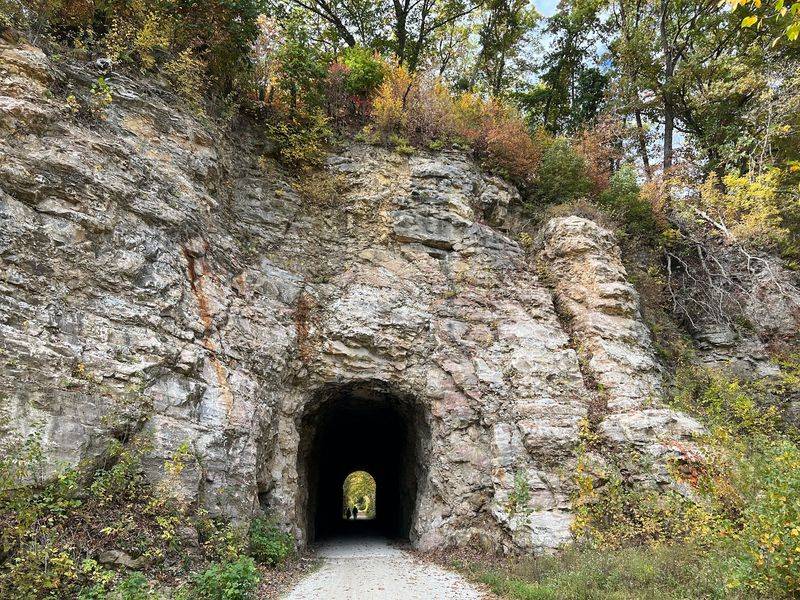
A bicycle leaning outside a cafe seems perfectly at home in Rocheport.
Tucked beside the Missouri River and limestone bluffs, this small community offers a restful mix of trail adventure, historic streets, vineyard scenery, and good food.
The Katy Trail State Park is the main thread running through the experience.
Riders and walkers can follow a level crushed-stone path beneath tall bluffs, through wooded areas, and past views shaped by the river.
Plan distance carefully because a pleasant outward ride still requires energy for the return.
Carry water, a tire repair kit, insect protection, and downloaded directions, especially when temperatures rise or mobile signals fade.
The town itself is compact and best explored slowly.
Historic homes, quiet lanes, small lodging properties, and locally owned businesses create an intimate atmosphere that feels far removed from nearby highway traffic.
Adults may enjoy a winery stop overlooking the river valley.
Arrange transportation if you plan to taste wine, and confirm hours because private events or seasonal schedules can affect access.
Food choices are appealing but limited compared with a larger city.
Restaurant reservations are helpful on weekends, while backup snacks can save the day if a kitchen closes earlier than expected.
Bird-watchers and photographers should visit near sunrise or late afternoon, when softer light reaches the bluffs and river bottoms.
Flooding, storms, heat, and winter ice can influence trail conditions, so check official updates before setting out.
Rocheport can be romantic for a weekend, but full-time living requires a practical review.
Grocery trips, medical care, schools, employment, mail service, internet speed, and winter road conditions deserve attention.
Remote workers should test broadband at the exact property they are considering.
A general coverage map may not reveal slow speeds, weak signals, or limited provider choices along rural roads.
Proximity to Columbia gives residents access to more jobs, health services, education, and entertainment.
Drive the route during busy periods and bad weather to understand how that connection would work in everyday life.
Stay at least one night instead of treating the village as a quick trail stop.
Once evening quiet settles beneath the bluffs, Rocheport shows its strongest quality: a rare ability to make simple activities feel meaningful, whether you are pedaling beside wildflowers, sharing a meal, or watching Missouri’s river valley darken beneath a broad, colorful sky.
8. Fulton: History, Murals, and College-Town Energy
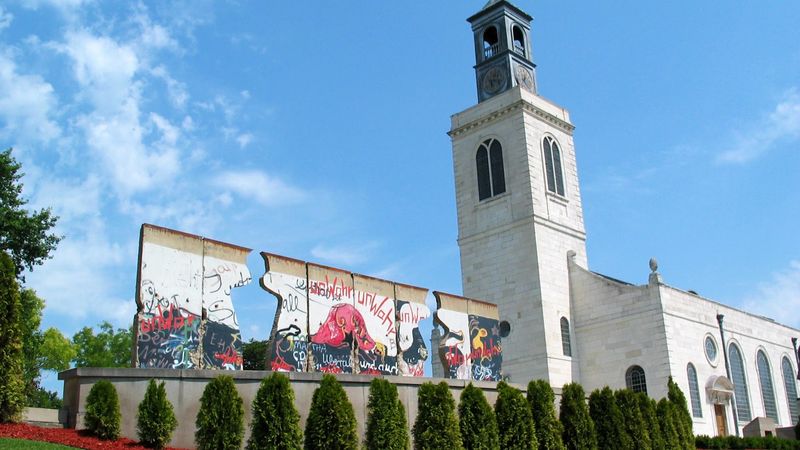
Few Missouri towns can connect a famous wartime leader, a transplanted London church, colorful murals, and a lively college campus.
Fulton manages that unusual combination while keeping the relaxed scale and friendly rhythm people expect from a smaller community.
The National Churchill Museum, located at Westminster College, explains Winston Churchill’s 1946 Iron Curtain speech.
Visitors can explore exhibits about his life and the Cold War, then step inside the Church of St. Mary the Virgin, Aldermanbury, which was moved from London and rebuilt here.
Allow more time than you expect for the museum because the subject reaches far beyond one speech.
Families can prepare younger visitors with a simple Cold War overview so unfamiliar names and events make more sense.
Downtown Fulton’s Brick District offers restaurants, shops, historic architecture, and community gatherings.
Public murals add bright surprises, making a self-guided art walk an easy and inexpensive activity.
Two colleges contribute performances, lectures, sports, and youthful energy.
Academic calendars matter, since graduation, homecoming, and special programs may change traffic, restaurant demand, and hotel availability.
Outdoor breaks are easy to include at local parks or nearby natural areas.
Missouri weather shifts quickly, so carry a light layer, watch forecasts, and keep an indoor option ready when storms appear.
Compared with a tiny tourist village, Fulton provides a wider range of everyday services.
That makes it more realistic for people who want small-town surroundings without giving up groceries, schools, medical offices, and regular community programming.
Moving decisions still deserve detailed research.
Compare neighborhoods, property taxes, utility bills, employment, child care, school offerings, health care needs, and travel time to Columbia or Jefferson City.
College activity can be a benefit or a concern depending on the street.
Visit possible homes during evenings and school events to understand parking, noise, and foot traffic before signing anything.
History fans should check for guided programs, while casual travelers can combine the museum with lunch and an art walk.
Calling ahead helps confirm hours during holidays or campus breaks.
Fulton feels thoughtful rather than sleepy.
Global history, higher education, local creativity, and familiar routines meet within a manageable area, giving visitors several reasons to return and prospective residents a community that continues learning while honoring its Missouri roots with confidence, curiosity, and visible civic pride every day.
9. Kimmswick: Sweet Treats and Antique Finds

The smell of fresh-baked pie can turn an ordinary afternoon into a road-trip memory.
In Kimmswick, sweet treats share the spotlight with antique stores, historic buildings, seasonal festivals, and a compact setting near the Mississippi River.
Walking between shops is part of the fun.
Visitors can browse vintage dishes, furniture, gifts, crafts, and decorative items, although individual businesses often keep different hours and may close on quieter weekdays.
Bring reusable bags and measure your vehicle before buying a large antique.
A tape measure, photos of the intended space, and a firm spending limit can prevent an exciting find from becoming an awkward mistake.
Food draws many day-trippers, especially diners searching for famous pies or comforting Missouri meals.
Popular restaurants can have long waits, so arrive outside peak lunch hours or place your name on a list before shopping.
Historic sites, including the Anheuser Estate, add depth beyond retail stops.
Tour availability changes, making advance confirmation useful for anyone who wants architecture and local history to anchor the visit.
Festival days bring music, vendors, food, and cheerful crowds.
They also create traffic and parking challenges, so follow posted directions, use shuttle services when offered, and keep a meeting point if your group separates.
Travelers seeking quiet photographs should choose a nonfestival morning.
Softer crowds make it easier to notice porches, gardens, signs, and the small details that give the streets their storybook character.
Because the town is close to the Mississippi River, weather and flooding deserve respect.
Check road conditions after heavy rain and never drive through water covering a roadway.
Kimmswick offers convenient access to the greater St. Louis region, which broadens employment, shopping, and medical choices for residents.
Commuters should still test routes during rush hour and calculate fuel, parking, and vehicle costs.
Anyone looking at a historic home should investigate insurance, flood risk, repair rules, foundations, electrical systems, and energy efficiency.
Charming woodwork cannot replace a careful professional inspection.
The community is a strong choice for shoppers, food lovers, and people who enjoy regular celebrations.
It may feel busy during special events and very calm at other times, so visit under both conditions.
Come hungry, keep an open trunk, and resist rushing.
Kimmswick’s playful blend of pie, antiques, river history, and friendly storefronts proves that a tiny Missouri town can fill an entire day with simple pleasures and perhaps inspire a much longer stay.
10. Weston: Hillside History With a Lively Spirit
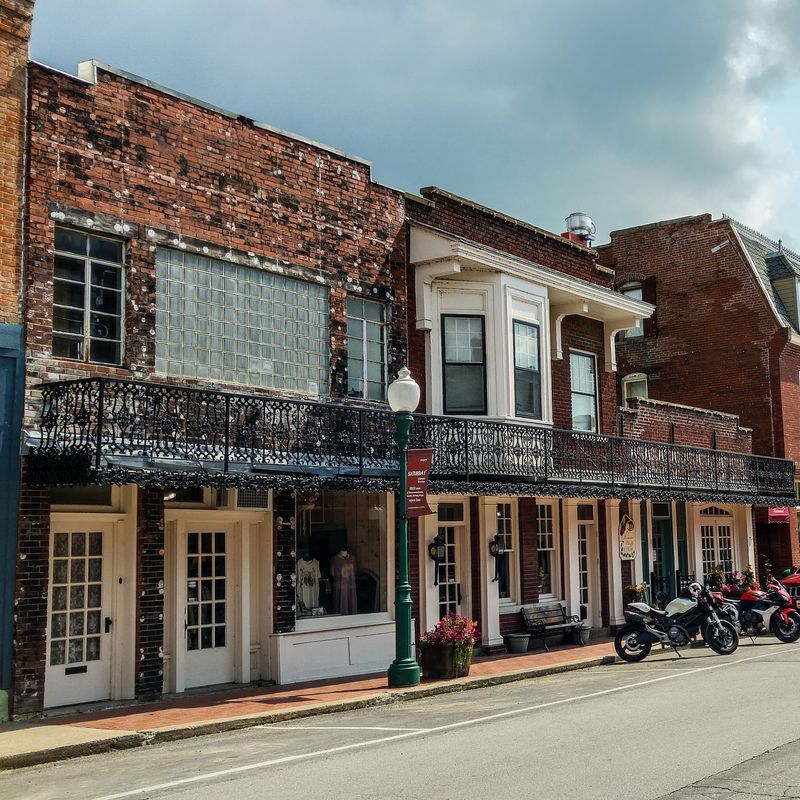
Brick storefronts climb gently through a landscape of wooded hills, giving Weston a cozy appearance that changes beautifully with each season.
The town pairs preserved architecture with energetic festivals, local food, outdoor recreation, and an easy connection to the Kansas City area.
Begin downtown, where independent stores sell gifts, clothing, antiques, and regional goods.
Sidewalks and older entrances may be uneven, so comfortable shoes are helpful and visitors with mobility needs should ask businesses about access.
Weston’s nineteenth-century past appears in museums, homes, and commercial buildings.
Guided tours can reveal stories that are easy to miss, including the town’s river trade, changing transportation routes, and diverse residents.
Nearby Weston Bend State Park provides hiking, camping, picnicking, and broad views across the Missouri River valley.
Trail conditions vary with rain and season, making sturdy footwear, water, insect protection, and a current park map useful.
Adults can explore local wineries, breweries, or a distillery, depending on their interests.
Choose a designated driver, check tour requirements, and remember that tasting stops can be busier during autumn weekends.
Seasonal celebrations are a major draw, especially when leaves change and farms offer harvest activities.
Reserve lodging early and expect slower traffic during popular events, since the town’s historic street pattern was not designed for modern crowds.
Winter brings a quieter mood and decorated storefronts, while spring adds green hills and comfortable walking temperatures.
Visiting in different seasons helps prospective residents understand tourism patterns and the community’s year-round pace.
People considering a move often value Weston’s character and access to Kansas City employment.
Test the commute at normal work hours, and research schools, health services, internet providers, property taxes, and grocery options.
Hilly terrain may affect winter driving and home maintenance.
Ask about road treatment, drainage, retaining walls, foundation movement, and insurance before buying a hillside property.
Historic homes deserve inspections by professionals who understand older construction.
Budget for heating, roofing, masonry, windows, and electrical upgrades rather than focusing only on purchase price.
A balanced visit includes downtown browsing, a good meal, a park walk, and time without a schedule.
Weston feels festive when crowds arrive and pleasantly settled when they leave, offering both community spirit and natural breathing room.
For travelers who want history near a major metro, the location is hard to beat.
Its hills, local businesses, and changing seasons may turn a casual Missouri getaway into serious thoughts about staying permanently.
Share this story