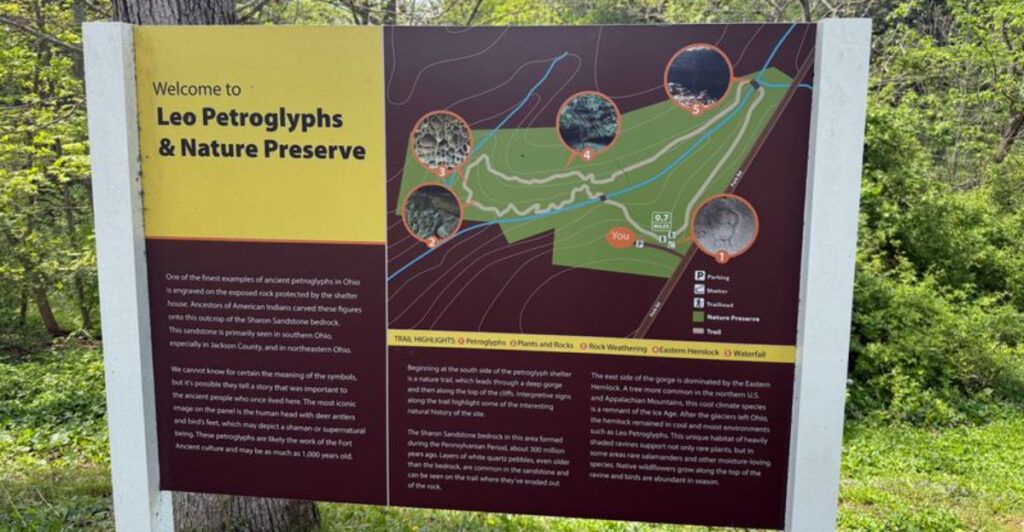
Hidden in the hills near Ray, Ohio, Leo Petroglyphs and Nature Preserve is a small place with a big story. Ancient carvings on stone give visitors a rare look at people who lived here long ago.
Along with the history, the preserve also offers a peaceful trail, a creek, and rocky scenery. It is the kind of stop that feels simple at first, then stays in your mind long after you leave.
1. Stone Messages From Long Ago
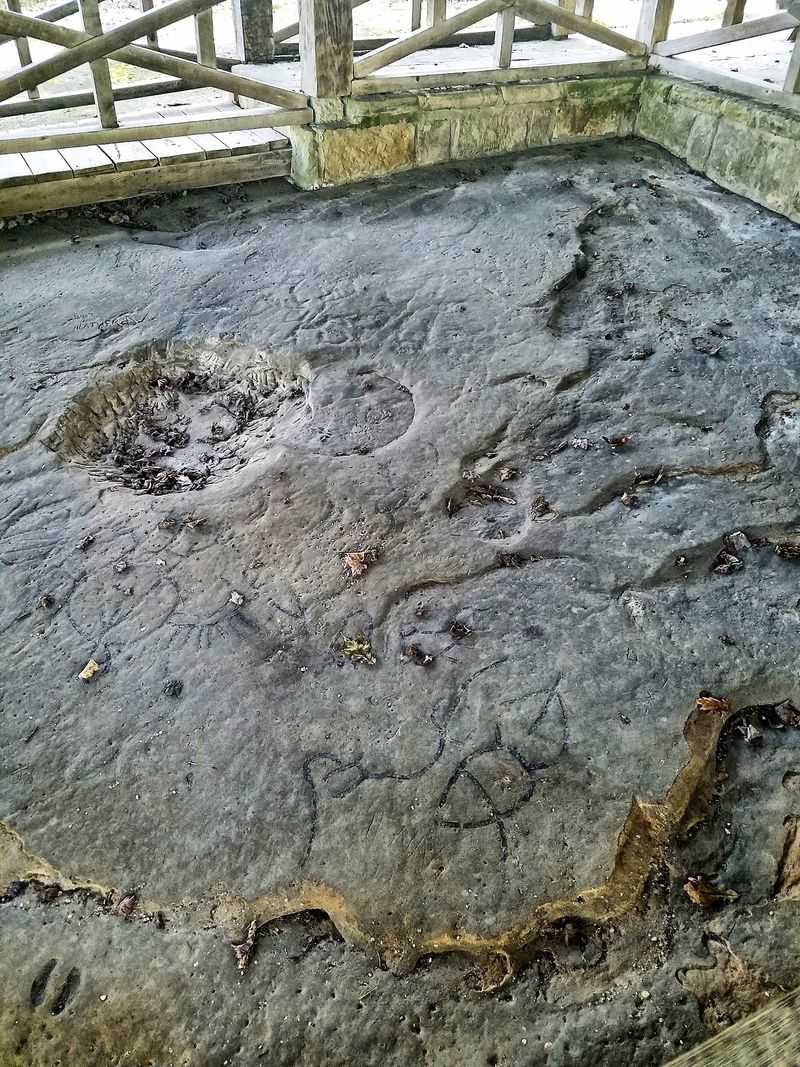
One look at the carved rock here can stop a conversation cold. The petroglyphs at Leo Petroglyphs and Nature Preserve are the main reason people come, and they leave many visitors thinking about the people who made them centuries ago.
Shapes cut into the stone include figures and symbols that still spark questions today.
No one can ask the original artists what every mark means, so part of the wonder comes from not knowing everything. Some visitors see faces, animals, or patterns, while others simply enjoy standing near something very old.
Reading the signs on site can help you notice details you might miss at first glance.
Bring patience when you visit, because this is not a place to rush. Slow looking often makes the experience better.
A careful visit can turn a simple roadside stop into a memorable lesson about Ohio’s deep past and human creativity.
2. A Shelter That Makes Viewing Easy
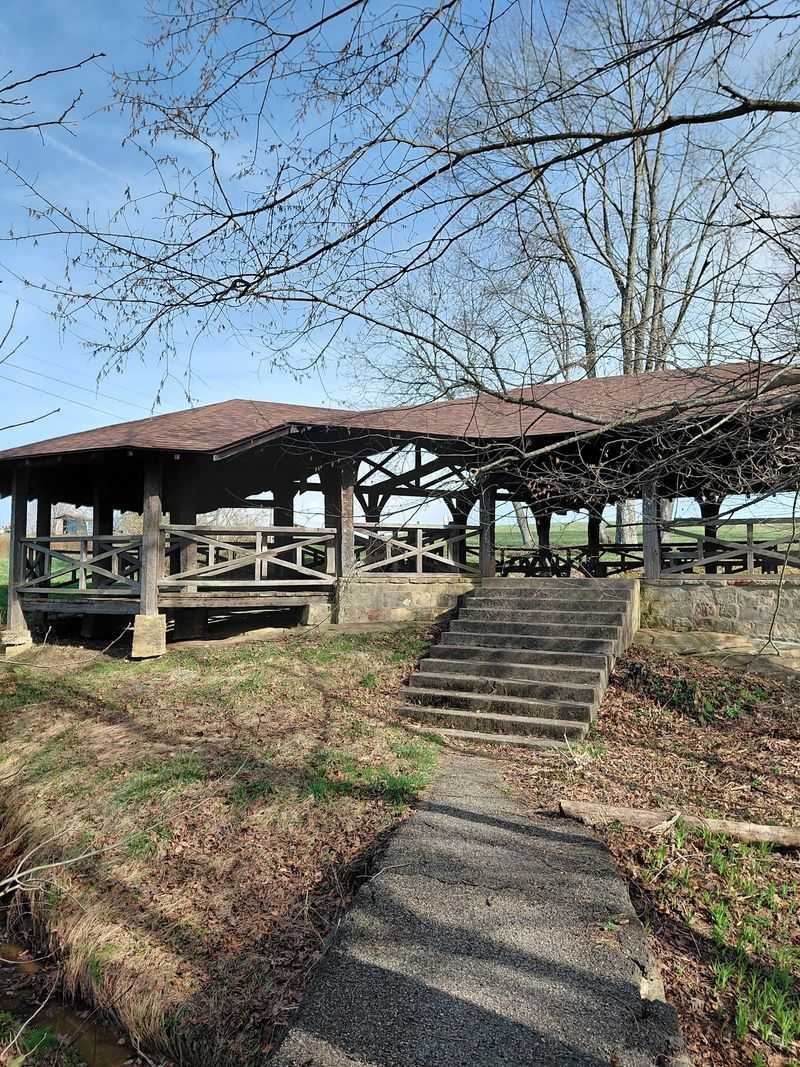
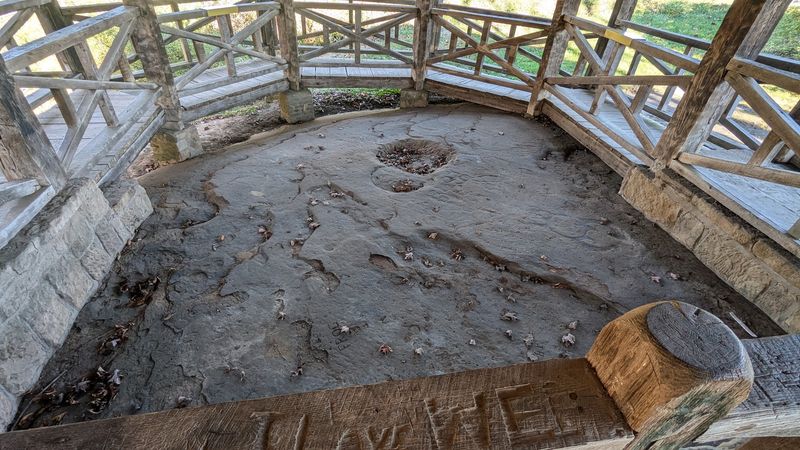
Some historic sites ask for a long walk before you see anything, but not this one. At Leo Petroglyphs and Nature Preserve, the carvings sit right by the parking area under a pavilion, which makes the site easy to reach for many kinds of visitors.
That simple setup is one reason families and casual travelers often enjoy stopping here.
The shelter helps protect the rock from weather while still allowing close-up viewing. Fencing keeps people from getting too near, and posted information gives helpful background without making the visit feel like homework.
Benches and the covered space also make it easier to pause, read, and look carefully.
If you want a short outing with a strong reward, this feature matters a lot. You can see something special even if you are not planning a hike.
That makes the preserve welcoming for road trippers, grandparents, and anyone with limited time.
3. The Quiet Setting Adds to the Mystery
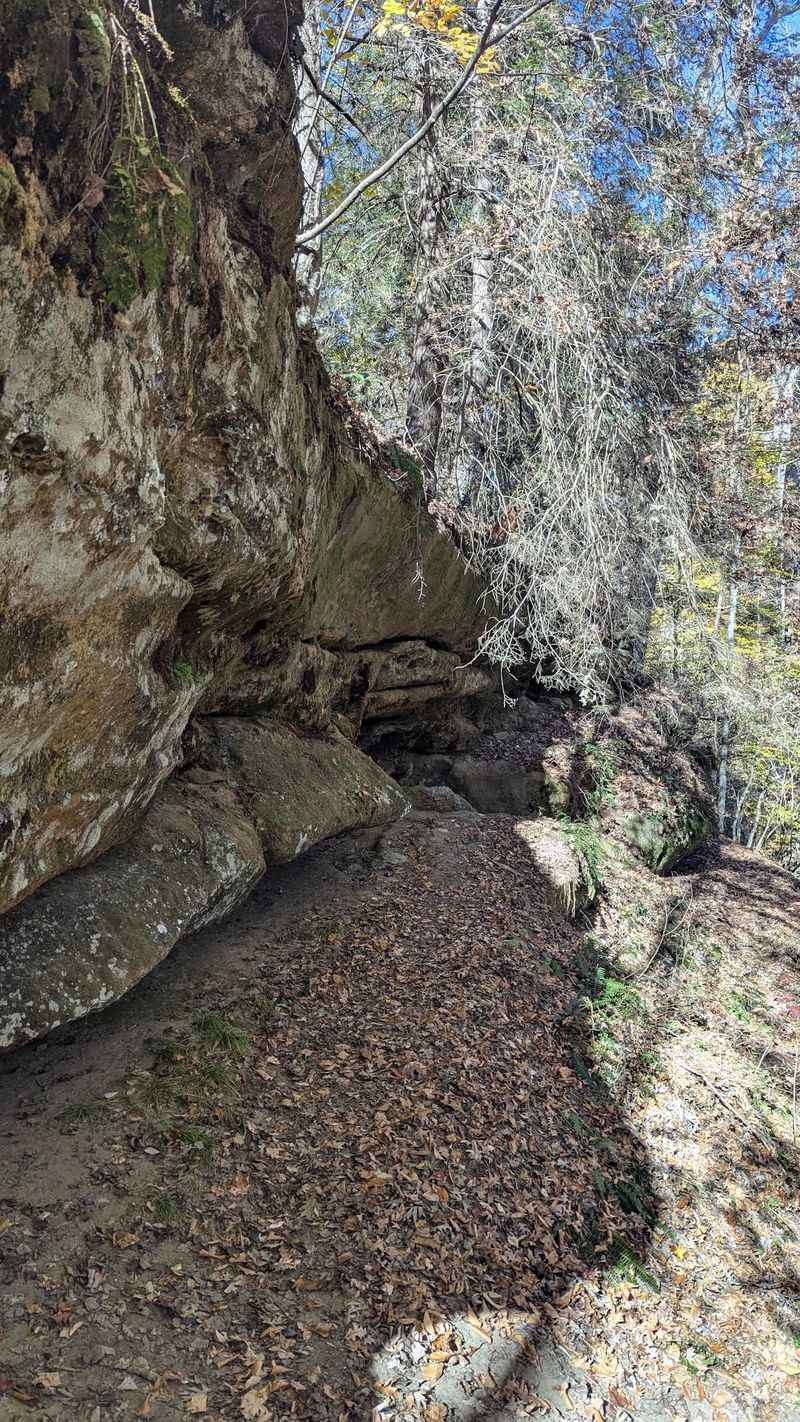
Getting here feels a bit like finding a secret. The preserve sits in a rural part of southern Ohio, away from busy city noise and large tourist crowds.
That quiet setting matches the mood of the place, because the old carvings seem even more powerful when the world around them is still.
Many visitors mention that the area feels secluded, and that is part of its charm. You are not walking into a flashy attraction with gift shops and loud signs.
Instead, the landscape invites you to listen to birds, notice the trees, and imagine how different life once looked in this region.
Plan ahead before you go, since services nearby may be limited. A charged phone, water, and a simple map can make the drive easier.
The peaceful location rewards visitors who enjoy slower travel and places that feel overlooked in the best possible way, full of character and quiet wonder.
4. A Short Trail With More Than Expected
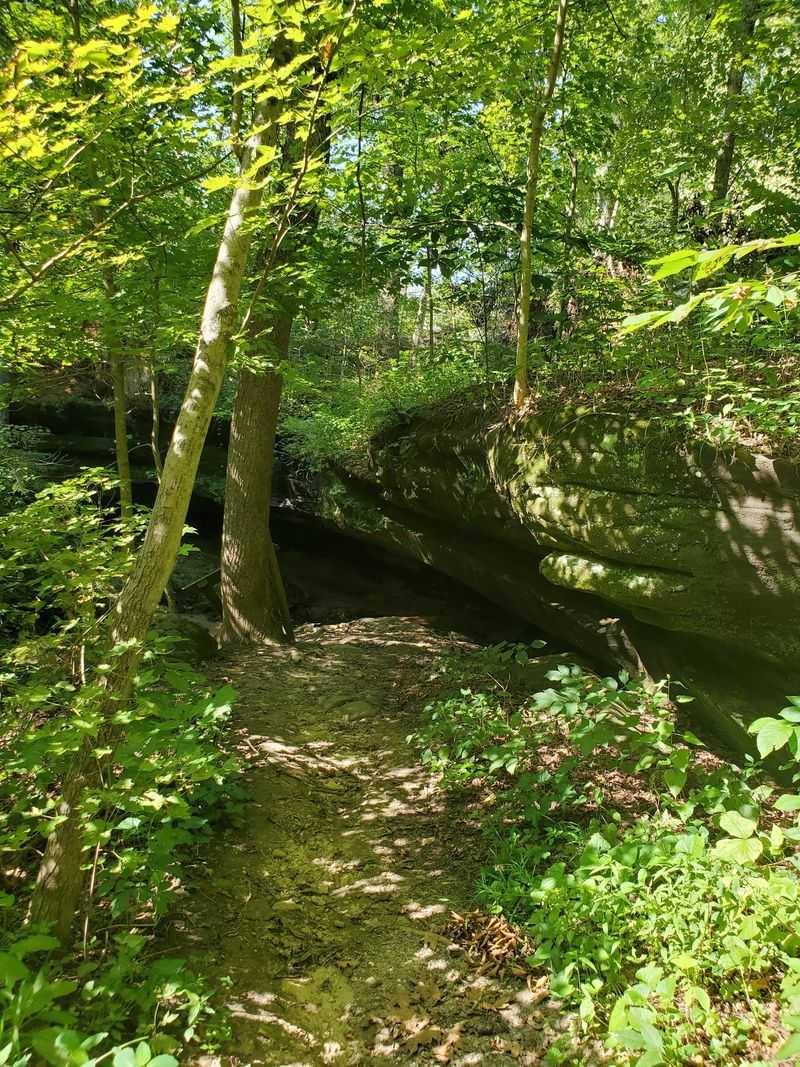
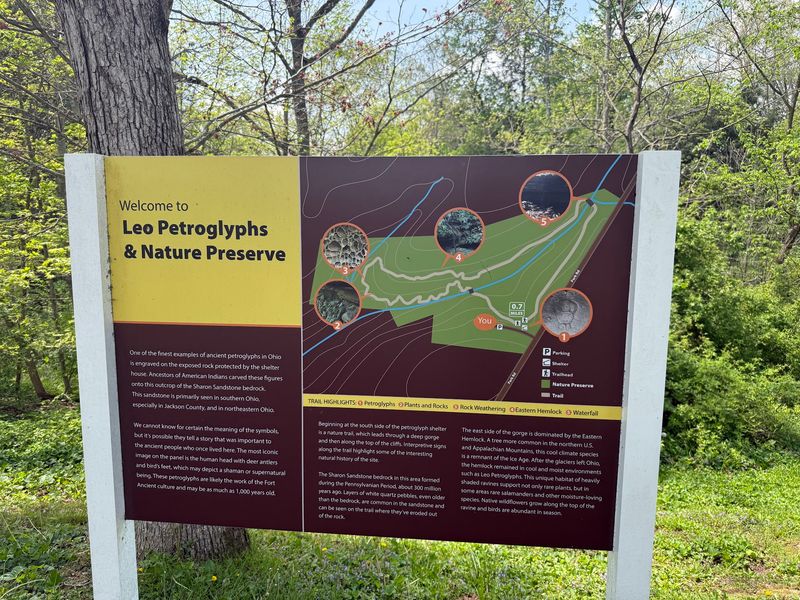
Plenty of people come for the carvings and then discover the trail is part of the fun. Behind the petroglyph area, a short loop lets visitors explore the preserve beyond the historic stone.
Reviews often describe it as brief, but that does not mean boring.
The path moves through woods and along uneven ground, so good shoes are a smart idea. Some people find it easy, while others say slippery spots, fallen branches, or narrow sections make it feel more adventurous than expected.
A walking stick can help if you want extra balance, especially after rain.
What makes the trail appealing is how much variety it packs into a small distance. You may spot rock walls, creek views, and changing plants as you go.
If you enjoy small hikes that feel active without taking all day, this little loop can turn a history stop into a well-rounded outdoor visit.
5. Gorge Views, Creek Sounds, and Small Waterfalls
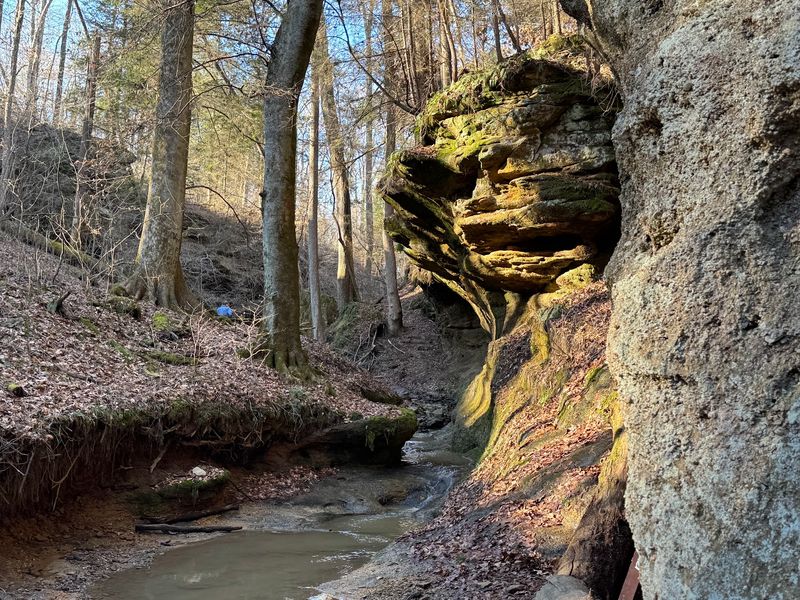
Just when the ancient carvings have done their job, the landscape adds another surprise. The preserve’s trail passes through a pretty gorge area with a creek, rock formations, and small waterfalls that give the visit a calm, natural soundtrack.
It is easy to see why so many people call the hike a hidden gem.
The stream and bedrock features make the route especially photogenic, though slippery surfaces can appear near wet rocks. Step carefully, keep your hands free when possible, and watch children closely near uneven edges.
After heavy rain, extra caution is a wise move.
Nature lovers often enjoy this section as much as the petroglyphs themselves. The mix of water, stone, and forest creates a different mood from the shelter area near the parking lot.
Pack light, move slowly, and take time to notice the details, because some of the preserve’s best moments are tucked beside the creek.
6. A Place That Shows Why Preservation Matters
There is beauty here, but there is also a hard lesson. Visitors often notice signs of damage and graffiti around the petroglyph site, which can feel upsetting when you realize these carvings have lasted for centuries.
Seeing old history marked by modern carelessness reminds people how fragile important places can be.
The shelter and fencing help, yet preservation also depends on visitor behavior. Staying behind barriers, avoiding touching the rock, and refusing to add names or marks are basic actions that matter.
Even small choices, like speaking up when others act carelessly, can help protect the site for future visitors.
For families, this can become a useful teaching moment. Kids quickly understand that once damage is done, it cannot simply be erased.
Leo Petroglyphs and Nature Preserve is more than a scenic stop. It is also a real example of why respect for history should be practiced, not just talked about in classrooms and museums.
7. Planning a Visit That Feels Worth the Drive
Some places impress with size, while others win you over with character. Leo Petroglyphs and Nature Preserve fits the second kind.
Open all day and easy to access from the parking lot, it works well for a quick stop, a quiet picnic, or a short outing with a little hiking mixed in.
Before you go, wear sturdy shoes and bring water, since the trail can be uneven, muddy, or slippery in spots. Bug spray is a good idea in warmer months, and a walking stick may help if balance is a concern.
Because the preserve is rural, it is smart to fuel up and check directions ahead of time.
The best attitude for this visit is simple: do not rush. Read the signs, study the carvings, and leave time for the loop trail if conditions allow.
When approached that way, this modest Ohio preserve often feels richer, stranger, and more memorable than visitors first expect.