
Dinner table rules used to feel like law in many Michigan homes. Across generations, families passed down habits about manners, respect, clean plates, conversation, chores, and what definitely did not belong near the meal.
Some of those old rules still make sense today, while others can feel harder to follow in a modern house filled with takeout boxes, sports schedules, homework, and buzzing phones. Looking back at them shows how family life has changed, but also how much people still value gathering around the table.
For anyone who grew up with strict mealtime expectations, these old-school rules may bring back memories and maybe start a friendly debate before dessert arrives.
1. Chew With Your Mouth Closed
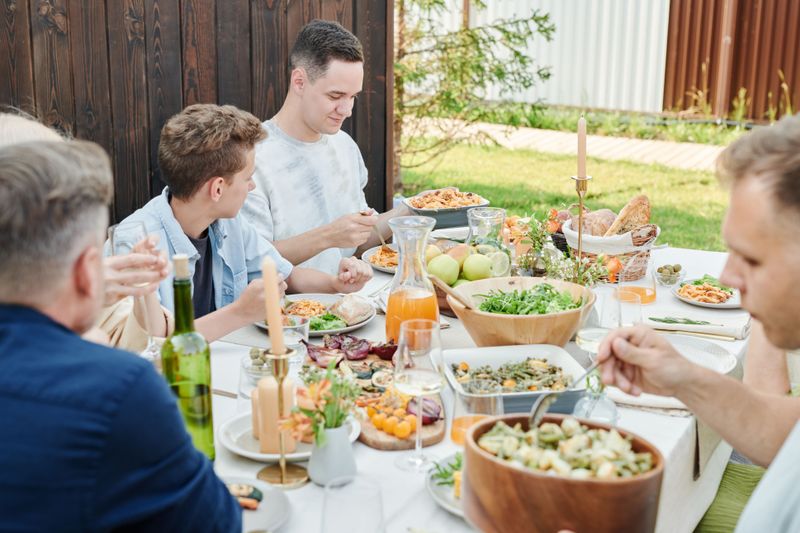
At plenty of old Michigan dinner tables, this rule was nonnegotiable. Grandparents often saw open-mouth chewing as one of the quickest ways to ruin a meal, especially during Sunday dinners, pot roasts, and cold-weather comfort meals that brought everyone to the table at once.
Modern families may roll their eyes at how often the reminder used to come up, but the rule still has a pretty clear point. Nobody wants to see half-chewed bites while trying to enjoy mashed potatoes, salad, or a bowl of soup.
Closed-mouth chewing helps meals stay calm, clean, and a lot less gross for everyone nearby.
Still, the rebellion today usually comes from the way the rule was enforced. Older relatives might have corrected kids sharply in the middle of dinner, which could make the table feel tense fast.
Parents now are more likely to give a quiet reminder instead of turning one messy bite into a full lecture.
There is also a practical side that still matters. Chewing slowly with your mouth closed can help kids focus on their food, avoid talking with a full mouth, and lower the chance of spraying crumbs across the table.
That matters whether dinner is homemade chili in January or pizza on a busy school night.
Families who want the manners without the drama can keep the rule simple. Model it, mention it kindly, and move on.
That approach respects other people at the table while avoiding the old-school style where one small slip could bring the whole meal to a halt.
2. Wait Until Everyone Is Served Before Eating
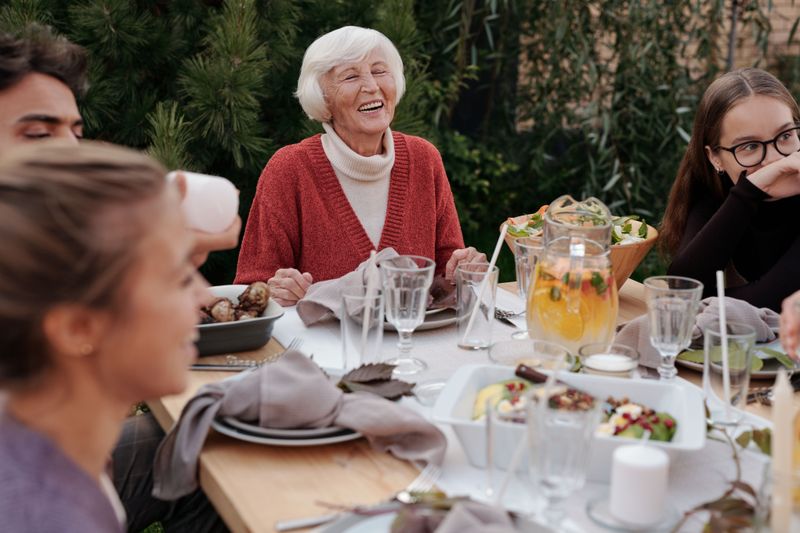
Few old table rules tested hungry kids more than this one. When the food smelled great and a hot roll was sitting right there, waiting for every plate to be filled could feel like a long, unfair pause, especially in a busy Michigan home after school and work.
The idea behind the rule was respect. Holding off for a minute showed that the meal was shared, not a race, and that every person at the table mattered.
It also gave the cook a chance to sit down before forks started clinking and people began asking for seconds.
Modern families may push back because dinner looks different now. One child might get home late from practice, another person may still be on a work call, and one parent may be serving food in shifts while handling a toddler.
In that kind of real-life chaos, making everyone wait can turn a simple meal into a frustrating standoff.
Even so, the rule can still work with a little flexibility. Some families choose to wait when everyone is already present, but they skip it when schedules are scattered.
Others let people begin once the main meal is on the table, while still pausing for a quick check that nobody has been forgotten.
That middle-ground approach fits modern life better than a hard command. It keeps the spirit of fairness without forcing every dinner to run like a formal holiday meal.
In the end, the best version of the rule is less about control and more about teaching patience, awareness, and the simple habit of noticing who is sharing the table with you.
3. Thank The Cook And Help Clear The Table
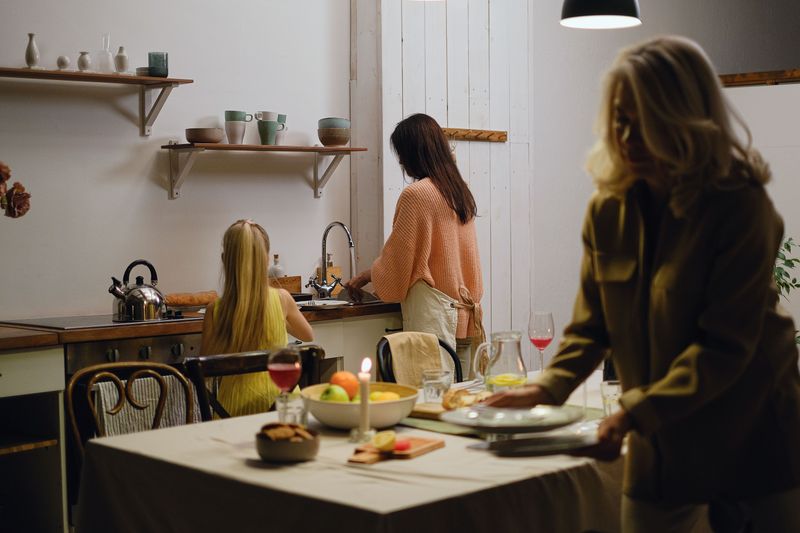
After the last bite, many old Michigan households expected two things right away: say thanks, then start helping. Kids were often taught that dinner did not end when the plate was empty.
The meal wrapped up only after the cook was appreciated and the table looked less like a storm had passed through.
That rule carried real weight in homes where one person had spent time planning, cooking, serving, and cleaning. A simple thank you recognized effort, while clearing plates showed that the job belonged to the household, not just the person who made the meatloaf, soup, or baked chicken.
Modern families might resist because life is less orderly now. People eat at different times, grab leftovers from the fridge, or finish homework at the counter while someone else washes pans.
In that setup, a formal thank-you line and assigned cleanup routine can sound old-fashioned, even if the idea behind it is still solid.
There is also a fairer way to handle it today. Instead of expecting one parent, often mom in older traditions, to carry the full load, families can rotate simple jobs.
One person stacks dishes, another wipes the table, and another stores leftovers. Younger kids can bring napkins or cups, which helps them join in without feeling bossed around.
The most useful part of this rule is not the ritual. It is the message that meals take work and shared spaces need shared effort.
A quick thank you and a few helping hands can keep dinner from becoming one person’s unpaid second shift, which is a lesson many modern families can still get behind.
4. Keep Your Elbows Off The Table While Eating
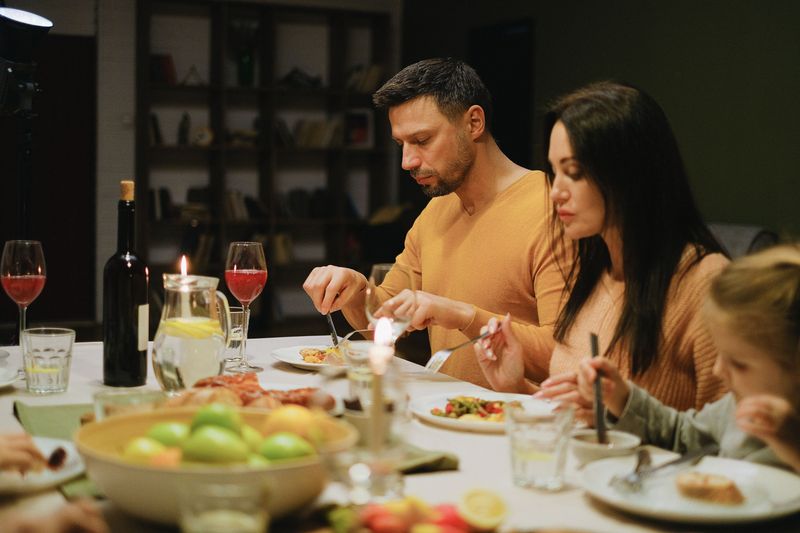
Some old rules stick around mostly because adults heard them when they were kids, and this is one of the biggest examples. Elbows off the table was repeated at dinner tables across Michigan so often that many adults can still hear the correction in a parent or grandparent voice.
The original point was partly about posture and partly about space. A crowded table full of serving bowls, glasses, and side dishes leaves little room for bony elbows spreading out.
Keeping arms lower could make the meal look neater and prevent accidental bumps, spills, and jostling while people passed food around.
Here is where modern families often rebel. Plenty of people do not see a resting elbow as rude, especially during casual dinners at home.
If everyone is comfortable, talking, and not knocking over milk, the rule can seem more picky than helpful. It may also sound like one of those manners that survived long after its reason faded.
Still, the rule has a small bit of usefulness when the table is tight or the meal is more formal. Kids leaning too far in can crowd siblings, tip drinks, or block dishes from others.
Teaching body awareness matters more than turning elbows into the evening’s main problem.
A modern update makes more sense than strict enforcement. Instead of barking the old line, families can remind each other to leave room, sit comfortably, and avoid shoving into neighbors.
That keeps the dinner table pleasant without acting like a tucked elbow decides whether someone has good character. Manners work better when they help people live together, not when they create unnecessary tension over every bite.
5. Wash Your Hands Before You Sit Down
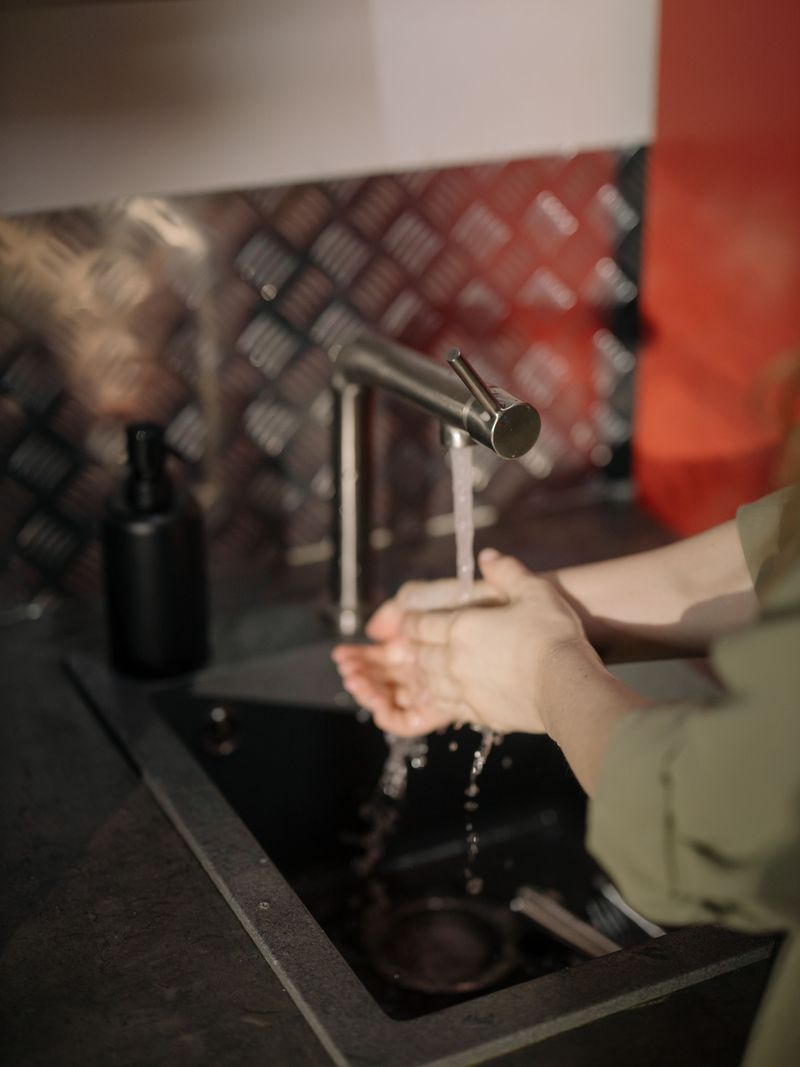
Long before hand sanitizer showed up in backpacks and cars, families in Michigan were already repeating this dinner rule. Coming in from school, yard work, garage projects, or snowy play meant one thing before eating: head to the sink and wash up properly.
Unlike some old table rules, this one still holds up very well. Clean hands matter, especially when people share serving spoons, pass bread, or grab corn on the cob, sandwiches, or rolls.
It is a simple step that helps keep dirt, germs, and mystery smudges out of the meal.
Modern families are less likely to rebel against the idea than the timing. On hectic nights, someone may be eating in shifts, another person may already be at the counter, and a younger child might forget after rushing in.
That is why the reminder works better as a routine than as a scolding delivered after everyone has already sat down.
There is also a chance to make the rule more practical than dramatic. Instead of treating handwashing like a test of manners, families can connect it to everyday health and respect for shared food.
A quick wash before tacos, pasta, or burgers protects everyone and takes less time than arguing about whether someone touched the dog, the soccer ball, or the car door.
In many ways, this is the rare old-school habit that fits modern life almost perfectly. It is easy, useful, and fair to every person at the table.
Even families that reject strict mealtime rules often keep this one because it solves an obvious problem without turning dinner into a ceremony.
6. Ask To Be Excused Before Leaving The Table
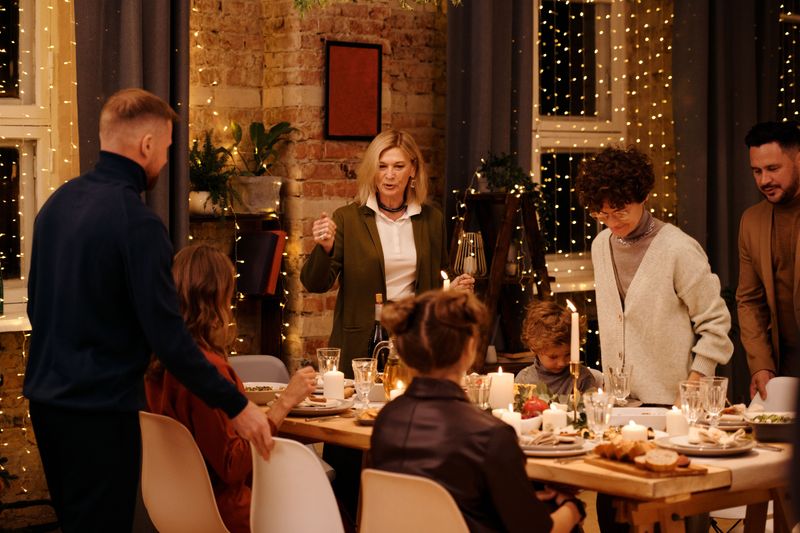
Not long ago, leaving the table without permission could earn a sharp look in many Michigan homes. Dinner was treated as a shared event, not a quick pit stop, so kids were often expected to stay seated until everyone was mostly finished and then ask to be excused.
The rule was meant to show respect and keep the meal from breaking apart too soon. If one person got up, others often followed, and the table could empty before anyone had a chance to talk, finish eating, or enjoy a few calm minutes together.
In homes that valued family dinner, that mattered a lot.
Modern families may resist because schedules and attention spans are completely different now. One child may need to get to homework, another may have evening practice, and a toddler may last only ten minutes before melting down.
In many houses, making everyone sit still until released can feel more like crowd control than family connection.
There is also a tone issue. The old version sometimes sounded like children needed permission to stop existing as part of the furniture.
Today, many parents prefer a more respectful exchange, such as finishing the meal, checking whether anyone needs help, and then leaving without a formal script.
A flexible version can still be useful. Asking before getting up teaches awareness and keeps people from disappearing mid-meal without a word.
It also gives the cook or host a chance to answer, ask for help, or simply know what is happening. The best modern form of this rule is brief, polite, and realistic, not stiff or controlling.
That way dinner stays connected without feeling like a courtroom where every chair movement needs approval.
7. Pass The Salt And Pepper Together
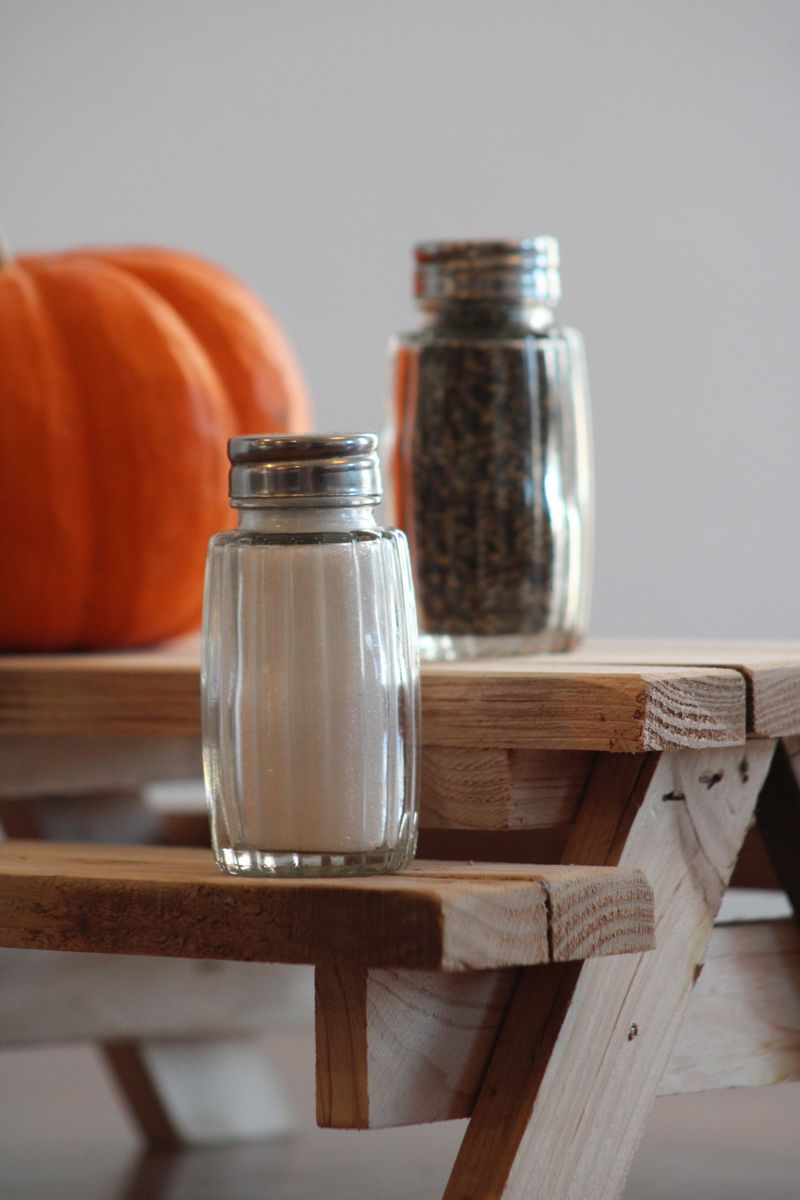
Here is a rule that often surprises younger people. In many older homes, asking for salt meant the pepper had to travel too, even if nobody wanted it.
The pair was treated almost like tablemates that should never be separated during dinner.
The custom likely stuck because it created order. Keeping the shakers together made them easier to find, easier to return, and less likely to leave one side of the table hunting for pepper while the other side guarded the salt.
At a full dinner table, small systems like that helped avoid extra reaching and confusion.
Modern families often see this as one of the more random old manners. If someone wants salt, passing only salt seems faster and more sensible.
Kids especially may wonder why a seasoning they did not request is suddenly part of the deal. That reaction makes sense in a world that values efficiency over formal routines.
Still, the rule can be handy when people share meals at a crowded table. Passing both items together cuts down on repeated requests and keeps related things in one place.
It also teaches a broader idea that matters more than the spice pair itself: pay attention to the flow of the table and try to make things easier for others.
Families do not need to treat this like sacred law to get some value from it. Use it when it helps, skip it when it does not, and avoid turning condiment traffic into a power struggle.
Of all the old dinner rules, this one is less about deep moral meaning and more about neatness, rhythm, and a tiny bit of table logic that once made perfect sense.
8. Don’t Complain About The Food

A steaming dish hits the table, one kid squints at it, and an old rule echoes across generations: do not complain about the food. In many Michigan households, criticizing dinner was seen as rude to the person who cooked and ungrateful to the family effort behind the meal.
The reason is easy to understand. Preparing dinner takes time, money, planning, and energy, especially after a long day.
Hearing a loud groan about vegetables, casseroles, or a new recipe can sour the mood fast. Older families often used this rule to keep peace and protect the cook from a running list of opinions.
Modern families, though, may push back on the all-or-nothing version. Kids and adults both have tastes, allergies, texture issues, and strong dislikes.
Telling people they can never speak honestly may shut down useful conversations about what works and what does not. It can also turn dinner into a place where people fake smiles and stay annoyed.
A better update is to separate disrespect from feedback. Saying, this is disgusting, is hurtful and unnecessary.
Saying, the spice is a little strong for me, or, next time could the onions be smaller, is more helpful. Families can teach kindness without demanding silence about every preference.
That balance matters because meals are repeated every day, not once a year. A dinner table works best when people can be honest and still be decent to each other.
The old rule had a good goal, but modern households often do better with a clearer one: do not insult the food, and learn how to speak about likes and dislikes with basic respect.
9. Put Your Napkin In Your Lap
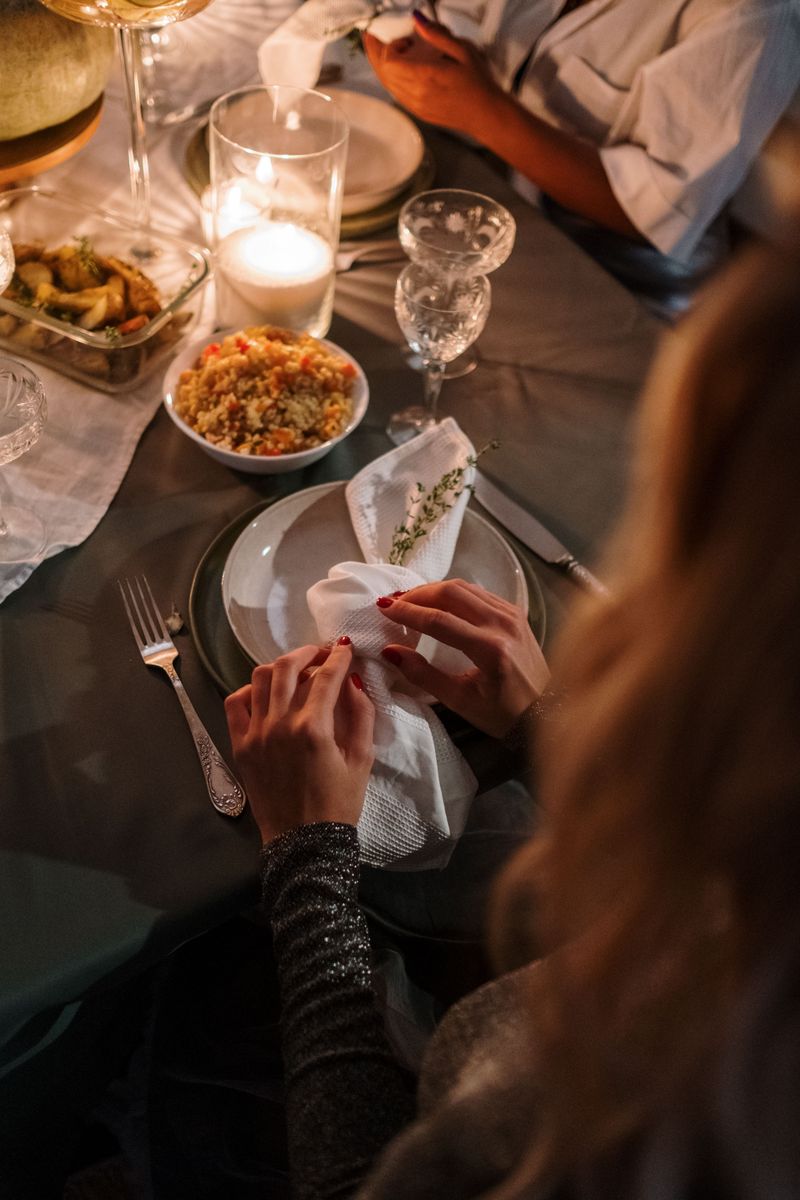
Some dinner rules arrive before the first bite, and this one lands right away. Napkin in your lap was a standard move at many old Michigan tables, especially when meals involved sauce, soup, or anything likely to leave a mark on school clothes or Sunday outfits.
At its core, the rule is practical. A lap napkin helps catch crumbs, gives hands and mouths a cleaner place to dab, and keeps sleeves from doing the work they were never meant to do.
It also signals that the meal has started, which once mattered in homes where dinner followed a clear routine.
Modern families may not reject the napkin itself so much as the formal vibe around it. Paper towels, casual dinners on the go, and takeout containers have changed the look of mealtime.
For a lot of households, insisting on perfect napkin placement every night can seem more like a performance than a useful habit.
Even then, the rule earns its place during messier meals. Pasta, tacos, barbecue, sloppy sandwiches, and berry desserts can turn shirts and chairs into cleanup projects.
Teaching kids to use a napkin well is not fussy when it saves time later and keeps the table looking less chaotic.
The smartest version of this old custom is relaxed and clear. Keep napkins available, show children how to use them, and do not act shocked if someone forgets on pizza night.
Manners should make family meals easier, not tenser. In that spirit, the lap napkin remains one of the more useful traditions, just without the old pressure that made a crooked fold sound like a major social failure.
10. Ask For Food To Be Passed Instead Of Reaching Across The Table
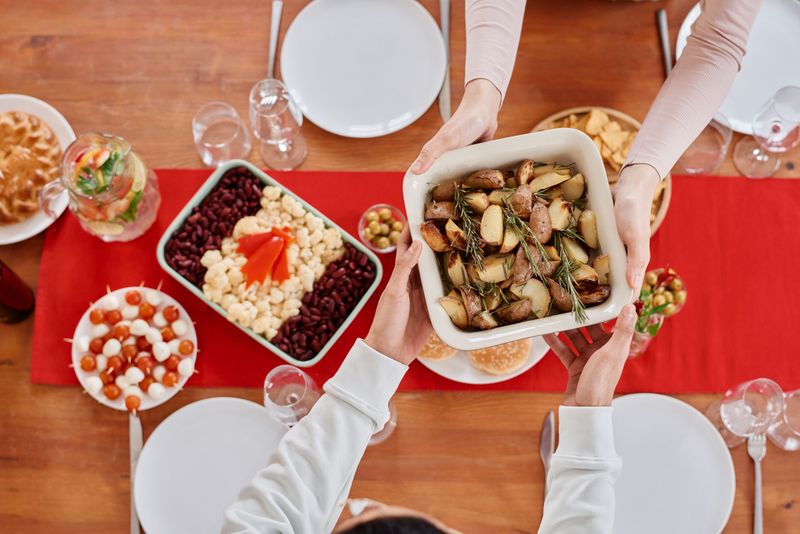
Reaching across the table used to trigger fast corrections in many homes. An arm flying over plates, glasses, and serving bowls was seen as a recipe for spills, sleeve-dragging, and plain bad manners, especially during fuller family dinners where every inch of table space counted.
Older Michigan families often preferred a simple system. Ask politely, wait a second, and let the nearest person pass the dish.
That kept traffic moving in one direction and made the meal feel less chaotic. It also reminded kids that other people were part of the dinner, not just obstacles between them and the potatoes.
Modern families might rebel because the rule can sound stiff when the table is small and the bowl is right there. If nobody is in the way, reaching may seem quicker than making a formal request.
Casual weeknight meals do not always need the same manners as a holiday spread with extra chairs, more dishes, and less elbow room.
Still, the old advice solves real problems. Reaching can knock over drinks, dip a sleeve into gravy, or block someone else from serving themselves.
Asking for a dish also encourages kids to use clear words like please and thank you, which builds confidence as much as courtesy.
A modern version works best when it matches the setting. At a crowded table, ask and pass.
At a quiet two-person meal, use common sense. The bigger lesson is not about forbidding movement.
It is about sharing space without grabbing, leaning over people, or acting like speed matters more than everyone else’s comfort. That remains a useful rule in any decade, even if today’s families enforce it with a lighter touch.
11. Say Please And Thank You
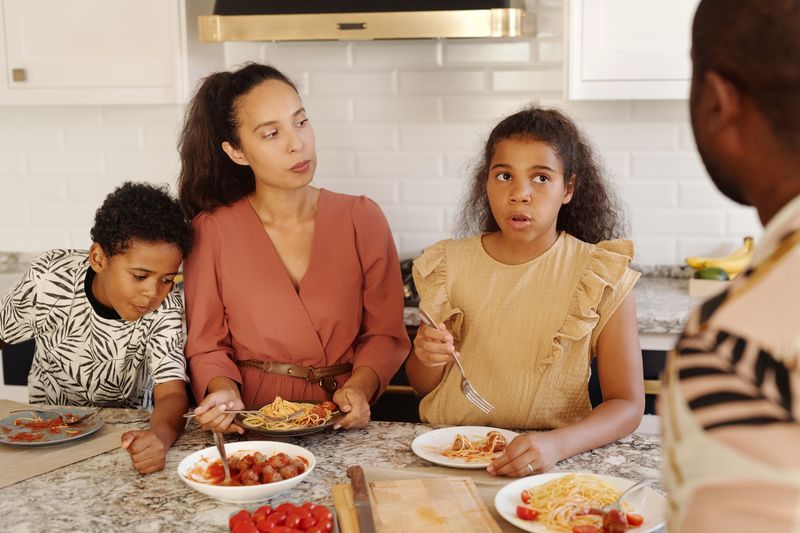
Two tiny phrases carried big weight at old dinner tables. Please and thank you were expected in many Michigan homes not only because they sounded polite, but because they shaped the whole tone of the meal.
One request could come off demanding or thoughtful depending on just those few words.
The rule still makes sense today because it is simple and useful. Saying please when asking for bread, milk, or another scoop of potatoes shows basic respect.
Saying thank you recognizes the person who passed the dish, filled the glass, or cooked the meal. Those small habits help meals stay smoother and less snappy.
Where families sometimes rebel is the constant correction. Some adults used to stop the conversation again and again until the exact wording came out right, which could make dinner feel like a manners drill.
Children might focus more on not getting called out than on actually learning why polite words matter.
There is a better way to keep the rule alive. Use the words naturally, model them often, and give reminders without turning every missing please into a courtroom objection.
Kids tend to absorb respectful language faster when they hear it used all around them instead of only during corrections.
Another reason this rule lasts is that it works far beyond the kitchen. The same habits help at school, in stores, at a friend’s house, and later at work.
That gives the old custom more staying power than many stricter table rules. Modern families may skip the rigid tone that once came with it, but the core idea remains strong: a meal goes better when people ask kindly, respond warmly, and remember that everyday politeness is not old-fashioned at all.
12. Sit Up Straight And Keep Your Chair Tucked In
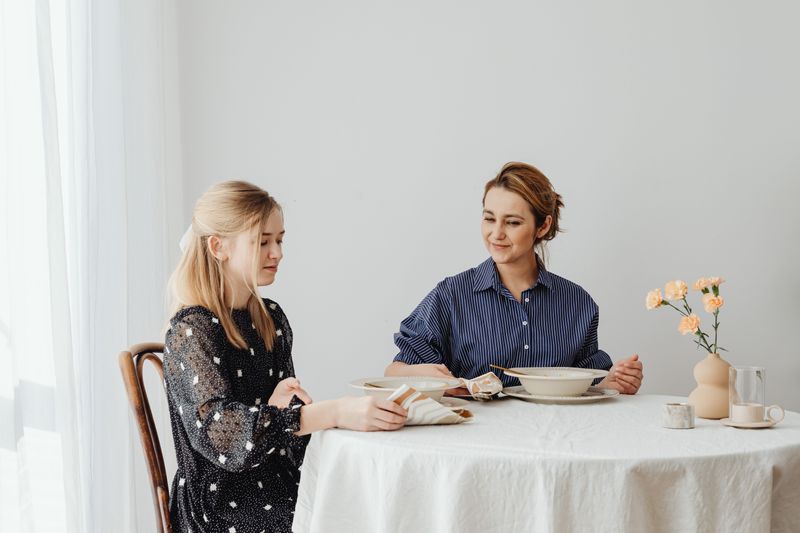
Posture rules once came bundled with dinner in a lot of homes. Sit up straight, do not slouch, and push your chair in were common instructions at old Michigan tables where neatness and self-control were treated as part of good upbringing.
Part of this rule was about safety and order. Chairs sticking out into walkways could trip someone carrying hot food, and slumping too low over a plate could lead to spills, stains, and awkward reaching.
Sitting straighter also made it easier to eat comfortably and stay aware of what was happening around the table.
Modern families may rebel because the rule can sound stiff, formal, and a little overdone for a regular Tuesday dinner. After long school days, work shifts, practices, and screen time, not everyone wants posture coaching with their pasta.
Constant reminders about how to sit can also distract from conversation and make dinner feel more tense than helpful.
Yet there is still some value here when the focus shifts from perfection to comfort and shared space. A tucked chair keeps the room easier to move through.
Better posture can help kids eat more neatly and avoid resting half their body on the table. The useful part is the practical effect, not the polished image.
Families today can keep this rule without sounding like an old etiquette class. A quick reminder to sit in a way that leaves room for others and prevents accidents is enough.
That approach respects the original idea while dropping the stricter style that once made every slouch seem like a moral problem. In a modern home, good table manners work best when they support real life instead of fighting it.
Share this story