Grocery savings usually start with knowing where each shopping habit works hardest. Across Michigan, the best deals are not always limited to a clipped coupon or a single weekly ad, especially when shoppers know which stores are better for pantry stock-ups, quick produce runs, store-brand staples, or family-size basics.
Some markets stand out for low prices, dependable specials, smart private labels, and shelves that make meal planning feel a little less stressful. That kind of strategy can help a careful cart stretch further without turning every trip into a guessing game.
For Michigan families looking to spend smarter, these stores may have better deals waiting right on the shelf.
1. D&W Fresh Market – Grand Haven, MI
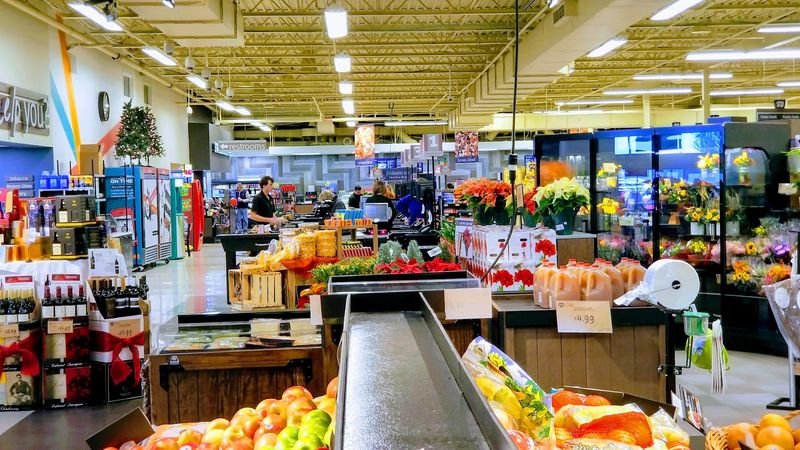
A smart grocery run in Grand Haven can start with balance, not just bargain hunting. D&W Fresh Market often appeals to shoppers who want regular food shopping to stay practical while still leaving room for fresh produce, bakery picks, and prepared foods that save time on busy nights.
That mix matters when a store helps with both daily basics and small treat purchases in one stop.
Weekly ads are usually the first place to focus. Sale cycles can make a real difference on meat, fruit, snacks, and household staples, especially when buyers plan meals around what is featured instead of building a list first and hoping prices work out later.
Store brand items are another useful lane to check because they can trim totals without forcing major changes in the cart.
Grand Haven shoppers who like easy dinner shortcuts may notice value in the deli, ready sides, or grab and go sections when compared with takeout. A lower grocery bill is not always only about the cheapest can of beans.
It can also mean avoiding an extra restaurant stop by picking up soup, salad, rotisserie style options, or sandwich supplies in one pass.
Seasonal buying helps here too. When local favorites, holiday baking goods, or summer cookout items move into ad space, the better strategy is timing purchases instead of shopping the same way every week.
D&W works best for people who watch promotions, mix fresh foods with pantry basics, and stay flexible. Used that way, the store can support quality minded shopping without making the register total jump more than expected.
2. ALDI – Warren, MI
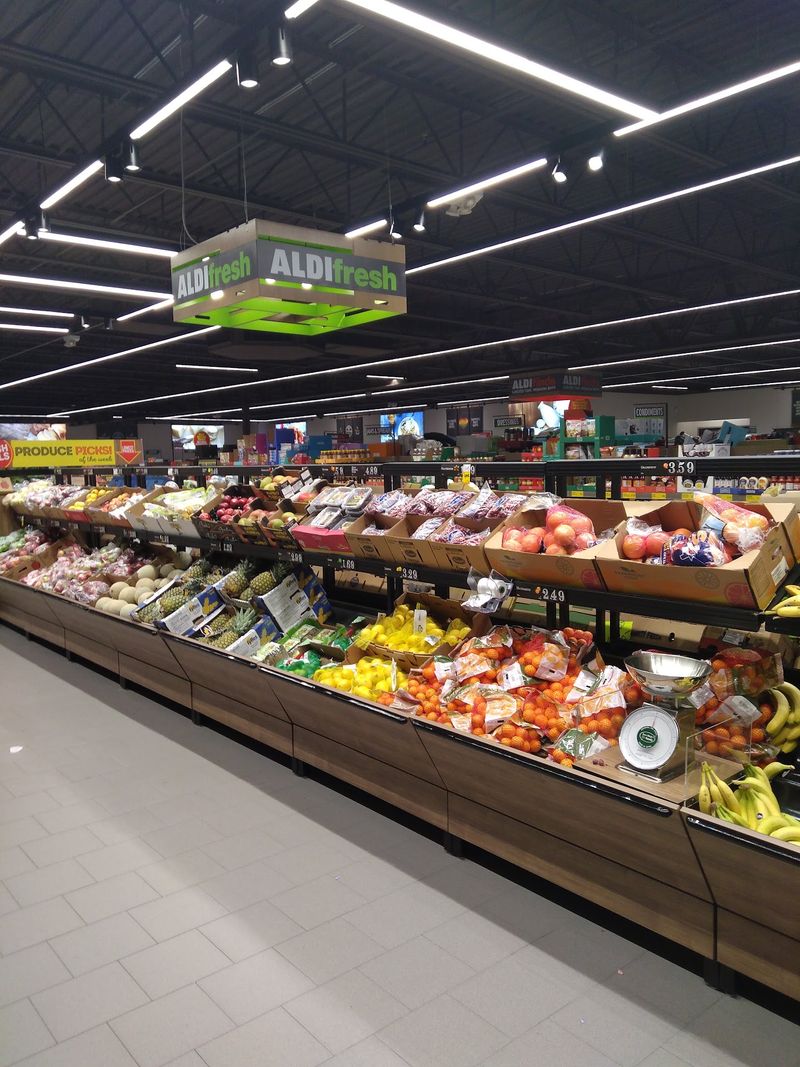
Few stores make bargain shopping feel as direct as ALDI in Warren. The layout is usually simple, the shelves stay focused on fast moving basics, and the prices can catch attention before the cart is even half full.
For families trying to cut grocery costs without turning shopping into a long project, that straightforward style can be a major win.
The first advantage is store brand strength. Instead of sorting through ten versions of the same cereal or pasta sauce, shoppers often choose from a smaller set of options with pricing that tends to stay competitive.
That saves money in two ways: lower shelf prices and fewer impulse grabs caused by endless variety.
Produce can be a good deal when buyers shop with a plan. Picking up fruit and vegetables that match meals for the next few days helps avoid waste, which is one of the easiest ways a grocery budget slips.
Refrigerated staples, bread, eggs, cheese, and frozen foods are also worth comparing because a full week of basics can add up differently here than at larger traditional chains.
Another small trick is paying attention to limited time aisle finds without letting them take over the trip. Those seasonal and household specials can be useful, but the best value usually comes from sticking to pantry goods, lunch items, and dinner ingredients first.
ALDI works especially well for shoppers who build a menu before walking in, bring their own bags, and treat the visit like a mission. In Warren, that can mean leaving with a full cart, a shorter receipt, and fewer extras that quietly raise the final total.
3. VG’s Grocery – Fenton, MI

Fenton shoppers often want a store that covers the basics without making every trip feel rushed or oversized. VG’s Grocery can fit that middle ground well, especially for households that like neighborhood scale shopping while still chasing useful weekly savings.
A solid deal is not always about the absolute lowest sticker price. Sometimes it comes from a store that helps people shop efficiently and avoid overbuying.
One practical move is checking the ad before building dinner plans. When proteins, canned goods, snacks, or breakfast staples rotate into specials, the smartest carts usually follow those price drops instead of sticking to the same list every week.
That approach can stretch a budget more than buying random sale items after arriving.
VG’s can also be a handy stop for shoppers who prefer service departments over giant warehouse style browsing. Meat, deli, and bakery sections may offer ways to buy for real life portions rather than bulk amounts that sit too long at home.
For smaller families, couples, or older shoppers, that can mean better value because food gets used instead of tossed.
Another helpful angle is combining sale items with a small stock-up strategy. Pasta, cereal, frozen vegetables, paper goods, and lunch ingredients are easier on the budget when bought during promotions and then worked into later weeks.
Local grocery habits matter here. A store like VG’s tends to reward people who pay attention, shop steady, and use circular deals as a planning tool.
In Fenton, that can turn a regular neighborhood market into a reliable place for smarter spending, especially when convenience and price need to work together instead of competing.
4. Meijer – Grand Rapids, MI
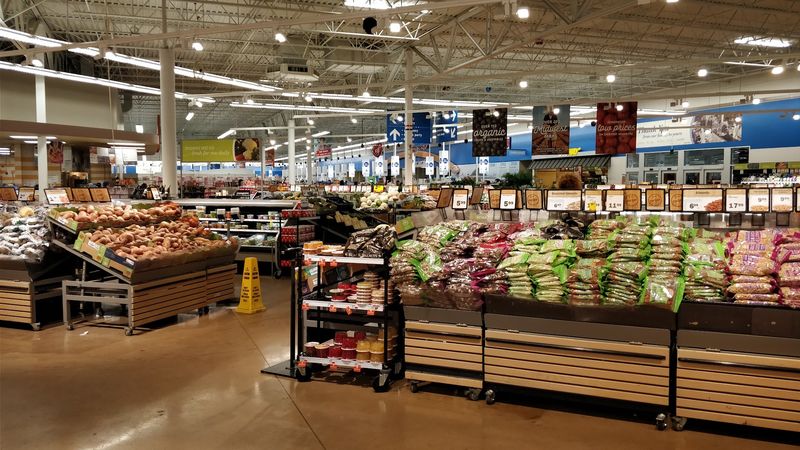
Big carts can either save money or wreck a budget, and Meijer in Grand Rapids proves both can happen in the same trip. The store gives shoppers a huge range of groceries, household items, and pharmacy basics, which makes it useful for one stop errands.
The trick is using that size wisely instead of wandering into extra spending.
Price matching personal habits matters here more than chasing every single sale. Some shoppers do best by using mPerks style digital offers, weekly ad specials, and rewards based savings to target the foods they already buy.
Others save most by stacking store brand pantry goods, frozen vegetables, milk, eggs, cereal, and cleaning supplies into one organized run.
Because Meijer carries so much, meal planning becomes the secret weapon. Building a list around sale produce, discounted meat, and lower priced staple foods can turn a regular visit into a pretty efficient stock-up trip.
Grand Rapids families with packed schedules may also find value in the broad mix of lunchbox items, ready dinner helpers, and home essentials, since combining stores can cost time and gas.
Impulse buying is the main thing to watch. Endcaps, seasonal displays, and nonfood sections can add surprise items fast, so stronger savings usually come from shopping the perimeter first and sticking to core aisles with a list.
Still, for people who need variety, easy parking, and a chance to cover many needs at once, Meijer can be a strong budget player. In Grand Rapids, it works best as a strategy store: plan ahead, use digital tools, and let the weekly promotions guide the bigger purchases that shape the final bill.
5. Martin’s Super Markets – St. Joseph, MI

Along the lakeshore, grocery shopping can work better when a store handles both everyday needs and a few nicer extras without turning the receipt into a shock. Martin’s Super Markets in St. Joseph often suits that kind of trip.
It can be a useful place for shoppers who want decent variety, dependable fresh foods, and enough weekly promotions to make planning ahead worthwhile.
The best approach is not to treat every aisle the same. Some categories are ideal for watching sales, especially meat, produce, snacks, breakfast foods, and pantry basics.
When shoppers build meals from ad prices first, then add the must have items second, total cost usually lands in a better spot than shopping by habit alone.
Prepared foods and service counters can also play a role in value. A ready side, deli item, or bakery option may sound like a splurge, but it can still save money if it replaces a restaurant stop or cuts down on food waste at home.
For busy households in St. Joseph, convenience sometimes supports the budget rather than hurting it.
Store brand choices are worth a close look too. Many shoppers lower their totals by mixing name brands only where it matters most and using private label items for staples like pasta, canned vegetables, shredded cheese, or paper products.
Martin’s tends to reward flexible shoppers who compare sections, time purchases around promotions, and stay focused on the week ahead. Used carefully, it offers a middle path between strict discount shopping and premium priced browsing, which can be exactly the sweet spot for families trying to eat well while keeping grocery spending under better control.
6. Fresh Thyme Market – Troy, MI
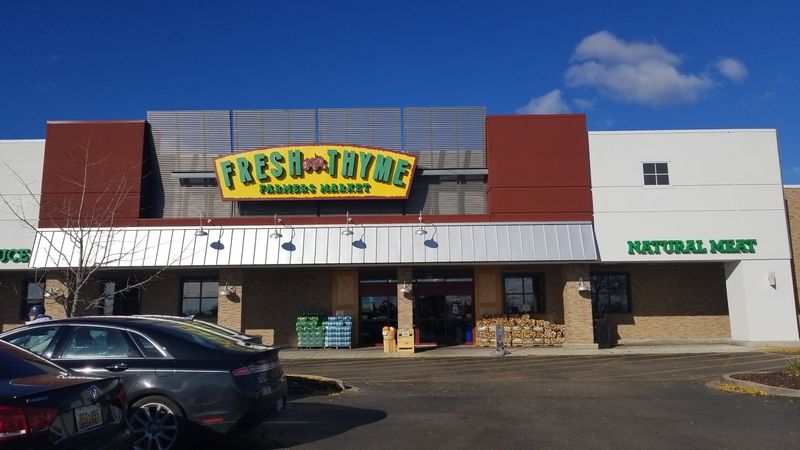
Fresh food fans in Troy often head straight for produce first, and Fresh Thyme Market plays well to that habit. The store can be a smart pick for shoppers who care about fruits, vegetables, specialty ingredients, and natural food options but still want to keep an eye on price.
Better deals here usually come from targeted buying, not a full cart with no plan.
Produce specials are often the headline move. Shopping fruits and vegetables that are featured for the week can lower meal costs while adding variety, and that matters if the goal is eating well without paying top shelf prices for every item.
Fresh herbs, salad ingredients, and seasonal picks can go further when meals are built around them instead of treating them like extras.
Bulk sections and smaller quantity shopping can help too. Buyers who need just enough nuts, grains, snacks, or baking ingredients for one recipe may avoid overspending by purchasing measured amounts rather than full packaged sizes.
That kind of control is especially useful for people trying new foods or cooking for fewer people.
Troy shoppers may also find that Fresh Thyme works best as a selective store. It can be great for produce, specialty pantry items, yogurt, cheese, frozen options, and sale based health focused foods, while some other basics may be better compared with another stop.
That is not a weakness. It is part of smart shopping.
A store does not need to win every category to save money overall. Fresh Thyme shines when people use the ad, focus on seasonal produce, and fill in meals with affordable staples that support healthier choices.
Done right, the cart looks colorful, practical, and much more budget aware than many shoppers expect from a specialty leaning market.
7. Save A Lot – Detroit, MI
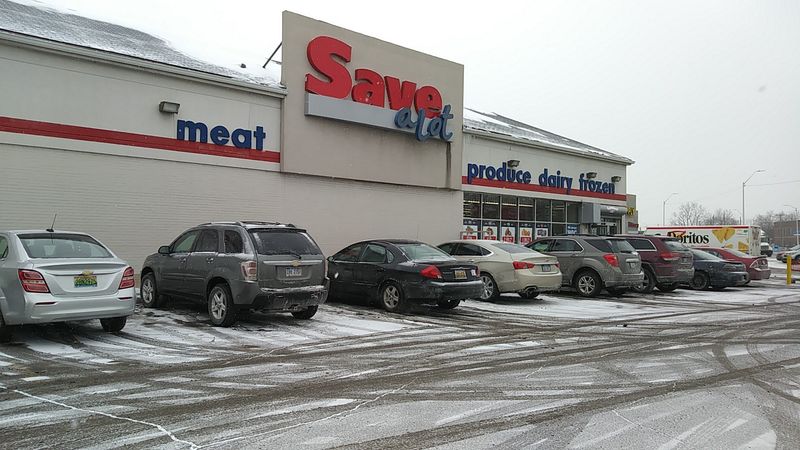
When the goal is keeping dinner affordable, Save A Lot in Detroit can be a no nonsense place to start. The store is built around value focused shopping, and that simplicity can help households move through the aisles with fewer distractions and better control over spending.
A smaller format often means less temptation, which is a quiet advantage for anyone watching every dollar.
Core groceries are where the strongest savings usually show up. Pantry staples, canned vegetables, rice, pasta, bread, milk, eggs, frozen foods, and basic meats tend to matter more to the weekly budget than fancy extras.
Shoppers who begin with those categories can shape a solid meal plan before adding snacks or convenience items.
Detroit families stretching paychecks may find real value in pairing low cost basics with flexible recipes. Chili, pasta bakes, soups, tacos, rice bowls, breakfast for dinner, and sandwich nights all work well when ingredients are bought at discount pricing.
That kind of meal planning makes one trip carry farther across the week.
It also helps to stay open to store brands and changing selections. A rigid list can miss the best opportunities in a discount store, while a flexible list lets shoppers switch vegetables, proteins, or cereals based on price.
Save A Lot tends to reward practical thinking more than brand loyalty. The best carts here are often built by people who compare unit prices, stock up lightly on essentials, and know how to turn simple ingredients into several meals.
In Detroit, that approach can make the store a dependable choice for budgeting, especially when everyday groceries matter more than browsing, specialty choices, or a long shopping trip.
8. Kroger – Ann Arbor, MI

Ann Arbor shoppers often juggle busy schedules, varied diets, and a close watch on spending, which is where Kroger can be useful. The store has enough range for everyday groceries, but the real savings usually come from using its digital tools and loyalty pricing with a plan.
Walking in without that plan can still lead to a full cart, just not always the best total.
Digital coupons are a key part of the experience. Shoppers who take a few minutes to load offers before leaving home may spot lower prices on snacks, yogurt, frozen meals, drinks, pantry goods, and household products.
Combined with weekly specials, those discounts can shift the budget more than many people expect from a regular chain grocery trip.
Another strength is choice. Households in Ann Arbor often include students, families, and shoppers with specialty food needs, so having several price levels in one category can help.
A basket can mix store brand cereal, sale produce, name brand coffee, and affordable frozen vegetables without forcing a separate trip across town.
The challenge is avoiding overbuying because the selection is broad and promotions can be tempting. A better strategy is choosing a few strong sale categories, then filling in only the staples needed for the week.
Kroger also works well for fuel points minded shoppers who want grocery spending to support other savings later. For many people, that extra layer matters.
In Ann Arbor, the store can be a smart budget stop when shoppers use the app, compare private label items, and treat promotions like tools instead of invitations to toss extra items into the cart.
9. Family Fare – Holland, MI
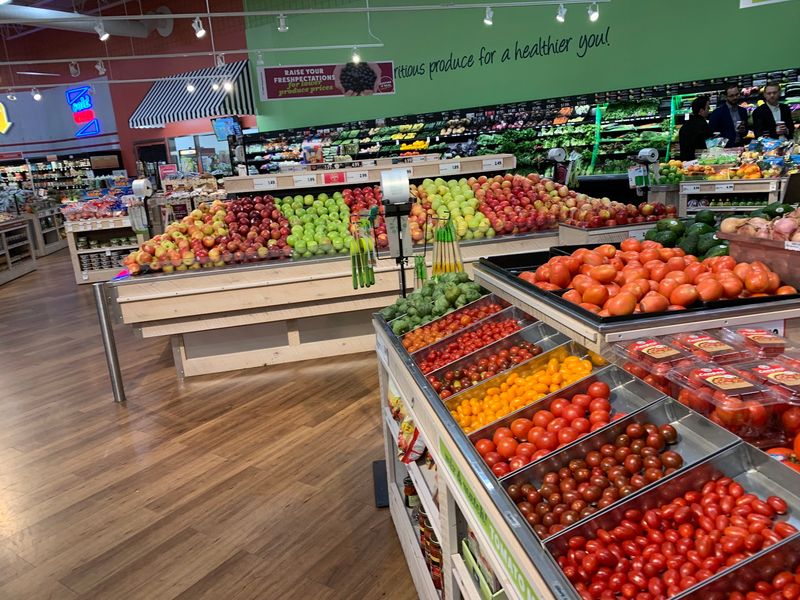
Some grocery stores shine because they fit real weekly routines, and Family Fare in Holland lands in that lane. It can be a practical option for shoppers who want a familiar neighborhood market with sale driven opportunities across common household needs.
Better deals here often come from consistency. People who track promotions over time usually know when it makes sense to stock up and when it is smarter to buy only what is needed.
The weekly circular is the place to start. Discounts on meat, produce, cereal, dairy, frozen foods, and paper goods can shape most of a family menu if shoppers let the ad guide dinner plans.
That approach works especially well in Holland, where busy households may want one store that covers lunch packing, after school snacks, and larger weekend meals.
Family Fare can also reward shoppers who look closely at package sizes. Sometimes the better shelf price is not the better value once unit cost is compared, and that matters on staples bought again and again.
A little math in the aisle can save more over a month than chasing random one day deals.
Store brands, loyalty savings, and seasonal promotions make the store most useful for people who shop with a notebook mindset, even if the list lives on a phone. Holiday baking, cookout season, soup weather, and school schedule changes all affect where the strongest value shows up.
Family Fare works well when buyers stay alert, mix promoted items with basics, and avoid paying full price for foods they know will cycle into sale territory soon. In Holland, that steady, organized style can turn an ordinary grocery stop into a much more budget friendly habit.
10. Walmart – Lansing, MI
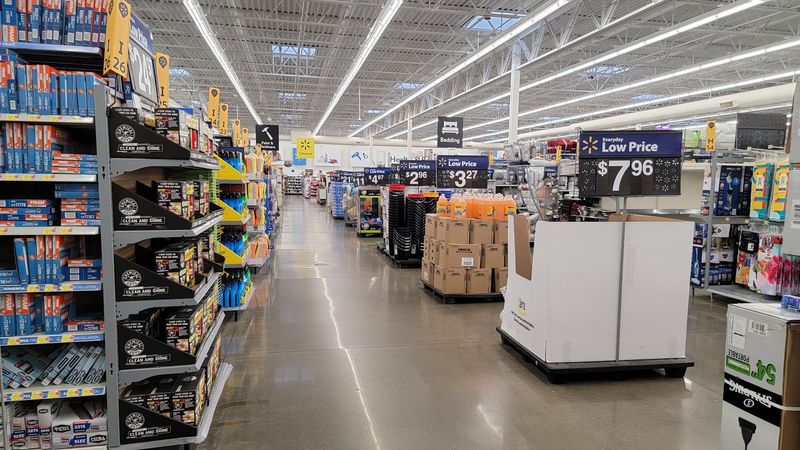
For many Lansing shoppers, Walmart is the classic place to test how far one trip can stretch. Grocery aisles packed with low priced basics, plus household goods in the same building, can make it easier to control both food spending and extra errands.
The big advantage is convenience paired with scale. The risk, of course, is buying far more than planned.
Staples are often where Walmart earns attention. Bread, milk, eggs, pasta, canned goods, peanut butter, cereal, frozen vegetables, and cleaning supplies can help form a lower cost base for the week.
Families who build meals around those basics usually have more room left for produce, proteins, and a few treats without losing control of the budget.
Store pickup or a carefully managed online cart can be useful here. Seeing the total rise in real time may help shoppers cut extras before checkout, and that matters in a store where general merchandise sits only a few aisles away.
Lansing households balancing gas costs, school schedules, and household needs may find that one organized Walmart order replaces several smaller trips.
Price alone is not the whole story, though. Better value comes when cheaper ingredients actually get used.
That means buying realistic amounts, comparing sizes, and resisting bulk purchases that look smart but end up lingering too long in the pantry. Walmart tends to work best for people who know their staple list, want broad selection, and prefer a one stop routine.
In Lansing, it can be a reliable budget tool when the shopper stays focused, plans meals first, and remembers that the lowest total usually comes from discipline rather than a giant cart.
11. Gordon Restaurant Market – Wyoming/Grand Rapids area, MI
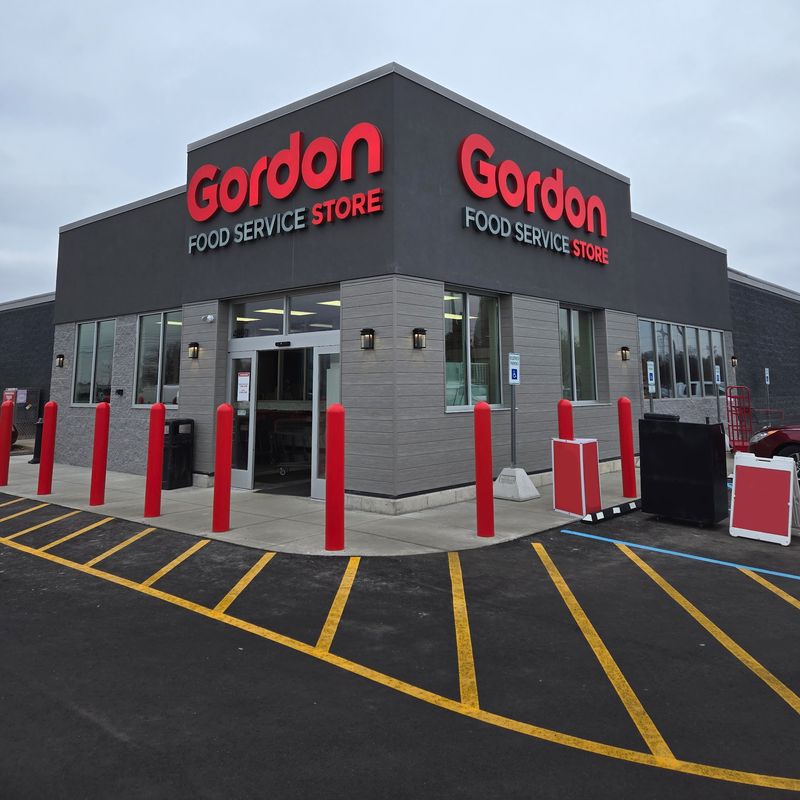
Not every strong grocery deal comes from a standard supermarket setup, and Gordon Restaurant Market in the Wyoming and Grand Rapids area proves that quickly. The store is especially interesting for shoppers who think in larger portions, pantry stocking, and meal prep instead of just tonight’s dinner.
Buying smarter here often means changing the way the kitchen is planned at home.
Bulk style packages can be useful for families, shared households, frequent cooks, and anyone comfortable portioning food after the trip. Cheese, frozen proteins, sauces, seasonings, dry goods, and disposable kitchen supplies may offer value when the price per unit works out better than smaller retail sizes.
The key is matching package size to real use, not getting excited by quantity alone.
This store can also help with entertaining and batch cooking. People preparing for graduation parties, game days, holiday gatherings, or freezer meal weekends may find the format especially practical.
Instead of grabbing many tiny packages from several stores, shoppers can often handle the bigger food plan in fewer moves.
For everyday budgets, Gordon Restaurant Market works best as a selective stop rather than an automatic weekly run for every item. It shines when buyers know what freezes well, what stores well, and what their household goes through steadily.
In the Grand Rapids area, that can mean strong value on ingredients used in volume, while produce or small fresh items may be better handled elsewhere. The store rewards organized shoppers with cabinet space, freezer room, and a plan for dividing larger purchases at home.
Used that way, it becomes less about restaurant supply curiosity and more about a practical route to lower per serving costs on foods people already rely on.
Share this story