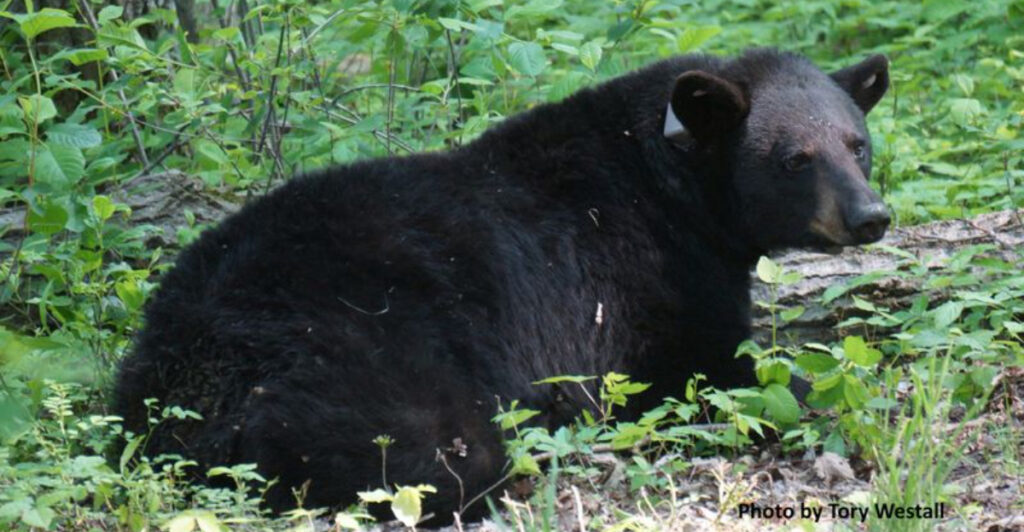
Late summer is the time of year when black bears in Ohio start moving around more, and that means people are noticing them in places where they may not have been common before. Young bears are often searching for new territory, while older bears are looking for easy food such as bird seed, pet food, trash, or crops, so neighborhoods near woods, rivers, and parks can suddenly become part of their path.
For families, hikers, campers, and anyone who enjoys being outside, knowing where sightings are rising can help prevent surprise encounters and remind everyone to handle food, garbage, and outdoor spaces more carefully. Across Ohio, reports are popping up in a mix of rural areas, growing suburbs, and well-known recreation spots, which makes this a fascinating wildlife story and a useful safety topic at the same time.
1. Aurora, Portage County
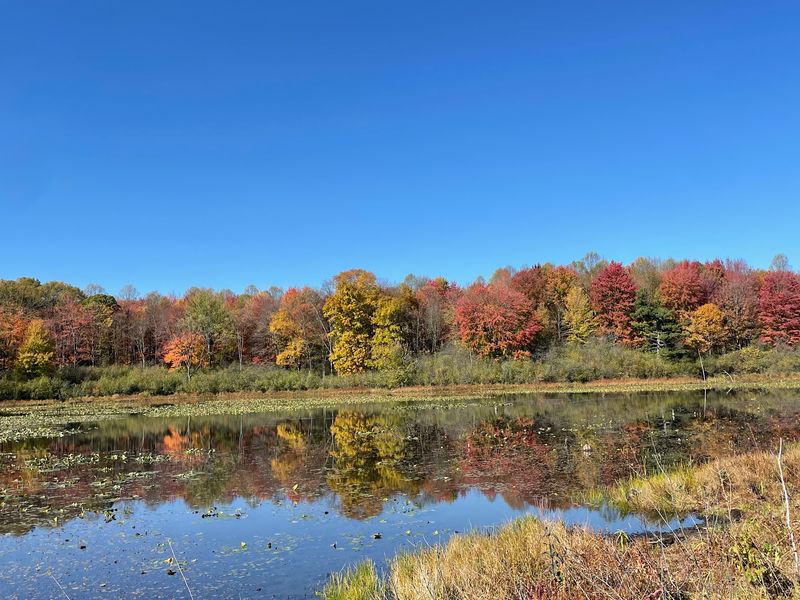
Late summer can make even a quiet neighborhood feel a little wild. In and around Aurora, black bear sightings have been getting more attention as bears travel through wooded edges, cross roads, and sniff around places where food is easy to find.
Aurora sits in a useful kind of landscape for a roaming bear. There are forested pockets, wetlands, creeks, and stretches of development that still connect to larger natural areas in Portage County and nearby counties, giving young bears room to wander.
Many late summer sightings happen because bears are in a high-calorie season. They want fruit, corn, bird seed, garbage, and pet food, and a backyard can seem like a simple stop if those things are left outside overnight.
People in Aurora do not need to panic, but they do need to pay attention. A black bear usually wants to avoid humans, yet it may return to the same street if it keeps finding meals without much effort.
The smartest step is to remove attractants before a bear ever visits. Bring bird feeders in, clean grills, lock trash in a garage or sturdy container, and pick up fallen fruit from trees as quickly as you can.
If you see a bear, give it space and head indoors if you are close. Keep dogs on a leash, do not run toward the animal for a photo, and report the sighting to local authorities or the Ohio Department of Natural Resources if needed.
One reason Aurora stands out is its mix of homes and green space. That border area often becomes a travel route, especially when young male bears are testing new ground late in the season.
For residents, the message is simple and practical. A cleaner yard and a little awareness can help keep both people and bears safe as sightings continue to rise.
2. Montville Township, Geauga County

Out in Geauga County, the mood feels calm until wildlife reminds everyone who else uses the land. Montville Township has seen growing interest in black bear activity because the area offers the kind of cover and food that wandering bears appreciate.
Forests, fields, wetlands, and scattered homes create a patchwork landscape. For a bear moving through northeastern Ohio, that patchwork works like a chain of stepping stones, helping it travel without staying in open view for very long.
Late summer is when hunger drives many of these trips. Bears are trying to pack on weight before colder weather, so sweet corn, berry patches, bee yards, bird seed, and unsecured trash can pull them close to homes.
Montville Township also sits in a region where wildlife corridors still matter. A bear does not need a giant unbroken forest to move around, only enough connected cover to rest, feed, and keep going.
Residents can lower the chance of repeat visits with a few steady habits. Store garbage indoors until pickup day, rinse food containers, keep pet food inside, and take feeders down if a bear has been spotted nearby.
There is another simple trick that helps. Motion lights, loud human voices from a safe distance, or banging on a pot from inside a protected area can sometimes encourage a bear to leave before it gets comfortable.
Children should also know the basics. Never approach a bear, never try to feed one, and always tell an adult if they see a large dark animal near the yard, road, or woods.
Montville Township is a good example of how Ohio’s bear story is changing. Sightings do not mean bears are taking over, but they do show that more of the state is becoming part of their late summer travel map.
3. Ashtabula County
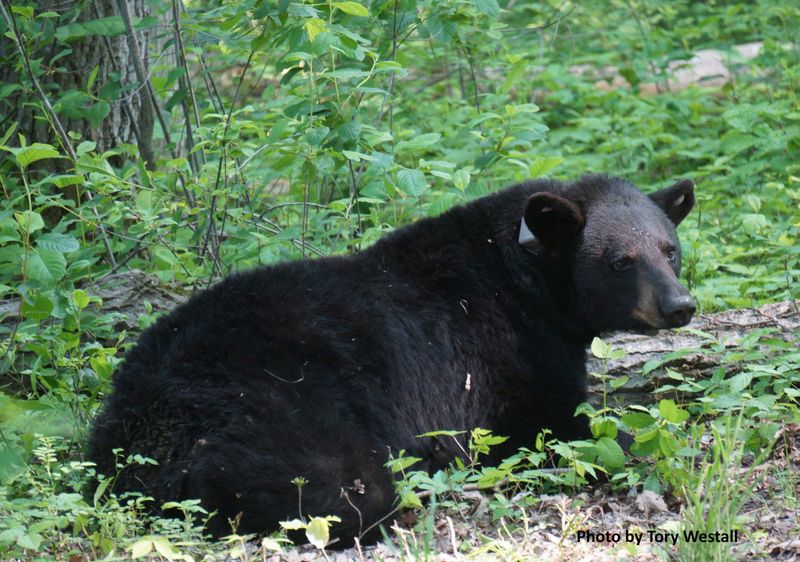
Some parts of Ohio seem built for wildlife stories, and Ashtabula County is one of them. With its broad mix of forests, farms, streams, and quieter rural roads, the county has become a place where black bear sightings are easier to imagine and more often reported.
Bears moving through this area may be passing between habitat zones rather than settling in one exact spot. Late summer is especially active because food is a daily mission, and natural cover lets them travel with less stress.
Cornfields can attract attention, but they are not the only draw. Orchards, berry bushes, compost piles, chicken feed, and outdoor trash all add up, especially when a hungry bear finds several food sources in one stretch.
Ashtabula County is large, which matters more than people may think. A bear can stay mostly unseen in wooded tracts, creek corridors, or field edges, then suddenly appear near a home, barn, or roadside at dawn or dusk.
That surprise factor makes prevention really important. Residents should secure livestock feed, clean up around grills and smokers, and avoid leaving coolers, seed, or food scraps on porches or in open sheds.
Drivers have a role too. When local sightings rise, motorists should slow down on dark rural roads, especially near wooded bends, because a bear crossing at night can be hard to spot until the last second.
If a bear is seen, distance is your friend. Go inside, bring pets in if possible, and watch from a safe place rather than trying to follow where it went.
Ashtabula County’s growing number of late summer reports fits a bigger Ohio pattern. Bears are using varied landscapes more often, and communities that stay alert without overreacting are usually the ones that handle sightings best.
4. Cincinnati East Side, Clermont-Hamilton County Corridor
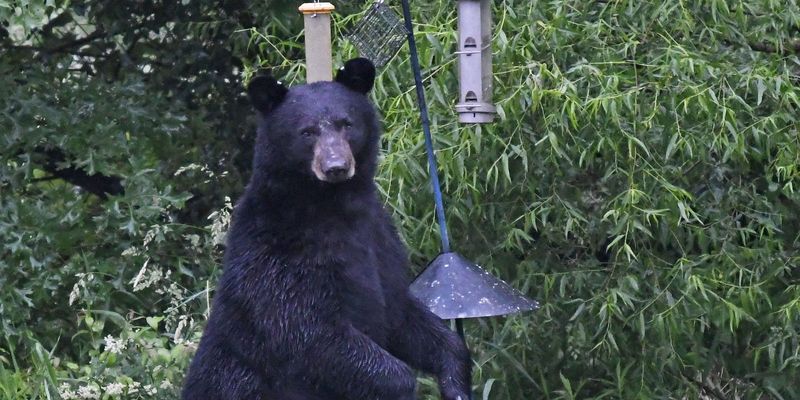
A bear sighting near Cincinnati can catch people off guard, which is exactly why this corridor gets so much attention. On the east side, where Clermont and Hamilton counties meet through wooded hills and developed neighborhoods, black bears can move through in ways many residents do not expect.
This part of Ohio is not deep wilderness, yet it offers travel cover in ravines, creek valleys, parkland, and forest patches between homes. For a roaming bear, those green strips can work like hidden hallways across a busy landscape.
Late summer brings a strong push for calories, and suburban edges can provide them fast. Trash cans, bird feeders, backyard fruit trees, and pet food bowls may all smell better to a bear than searching longer in the woods.
That does not mean every sighting leads to trouble. Most black bears want an easy path out, but repeated access to food can make them linger and increase the chance of close human encounters.
People living in this corridor should think like smart neighbors. Secure garbage, feed pets indoors, clean outdoor eating areas, and remind kids not to wander toward wooded ravines if a sighting has been reported nearby.
Dog walkers need extra care too. Keep pets leashed, avoid headphones on wooded paths, and turn around calmly if you notice fresh tracks, a strong animal smell, or movement in thick brush.
One odd thing about suburban bear sightings is how quickly news spreads. A single report on social media can travel across several neighborhoods in minutes, so it helps to share accurate details such as time, location, and direction of travel.
The Cincinnati east side corridor shows that Ohio’s bear movement is not limited to remote places. Even near a major city, late summer conditions can bring wildlife right to the border of everyday life.
5. Mohican State Park, Ashland County
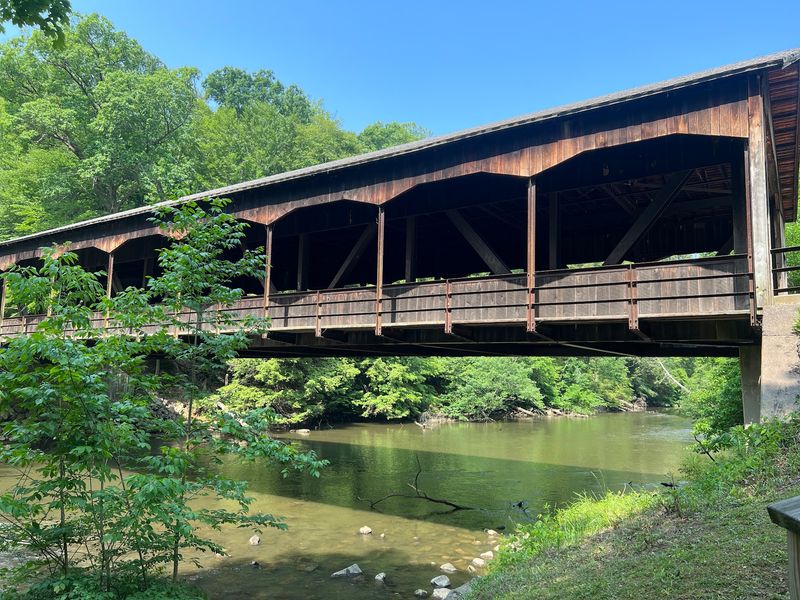
Campers love Mohican for its deep woods, winding trails, and peaceful feeling, so a black bear sighting there can seem both thrilling and a little unsettling. In late summer, that mix of excitement and caution becomes more common as bears move through rich habitat in and around the park.
Mohican State Park gives wildlife many things it needs. Forest cover, water, slopes, and connected natural land create a strong travel area, and that makes the park one of the Ohio spots where bear reports feel believable year after year.
Food is the key reason activity can climb late in the season. Natural foods matter, but campgrounds and picnic areas can also tempt a bear if visitors leave snacks, coolers, trash, or greasy cooking gear out overnight.
That is why bear safety in parks starts with simple habits, not fear. Store food securely, never keep scented snacks loose in a tent, throw trash away promptly, and clean the picnic table before heading to bed.
Hikers should make their presence known on quieter trails. Talking with friends, watching for scat or tracks, and staying alert at dawn and dusk can reduce the odds of surprising a bear at close range.
If you do spot one, stop and stay calm. Back away slowly, keep children close, give the animal an escape route, and never crowd it for a better photo.
Mohican has long been known for outdoor adventure, which makes wildlife awareness part of the experience. A bear sighting is not a sign that the park is unsafe, but it is a reminder that visitors are sharing space with native animals.
Among Ohio’s late summer hotspots, Mohican stands out for one big reason. People and bears are often drawn to the same beautiful landscape, so careful camping and trail behavior matter even more here.
6. Cuyahoga County Eastern and Southern Suburbs
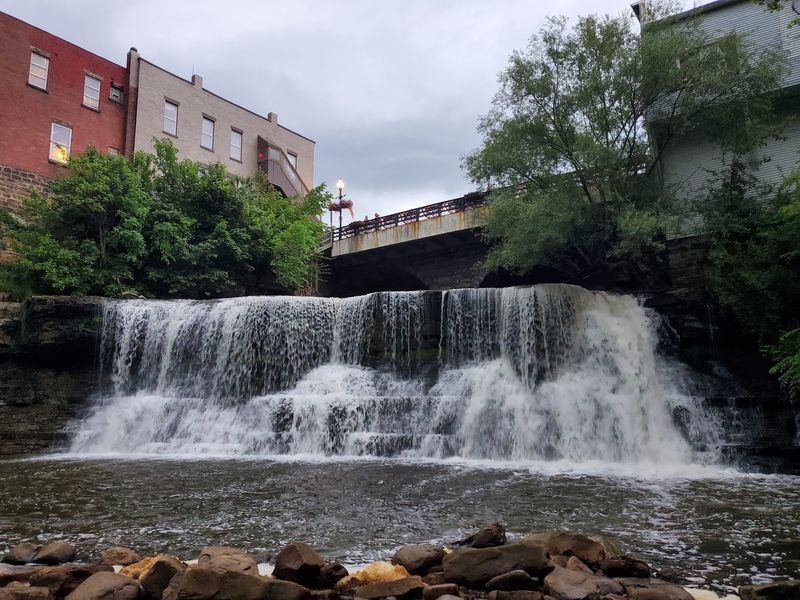
Few things wake up a neighborhood chat faster than word of a bear near the block. In the eastern and southern suburbs of Cuyahoga County, sightings have become more talked about because wooded neighborhoods and creek corridors can guide black bears through places many people think of as fully suburban.
The setting here is a big part of the story. Backyards, park systems, small forests, river valleys, and roads all fit tightly together, creating a landscape where a bear may stay hidden for hours and then appear near homes almost without warning.
Late summer raises the chances because bears are eating heavily before fall. Bird feeders, garbage cans, outdoor refrigerators, and fallen fruit from landscaping trees can turn a quiet yard into an attractive stop.
Suburban residents sometimes make one mistake without realizing it. They assume a bear that shows up once will not come back, but a repeat visit becomes much more likely if food remains easy to reach.
A smart response starts with cleanup. Bring feeders in, lock trash away, keep garage doors closed when food or seed is stored inside, and remind neighbors that one unsecured yard can affect an entire street.
Another useful step is staying calm with good information. If local police or wildlife officials share a recent sighting area, avoid crowding the spot and use the alert to tighten up outdoor habits for a few days.
Parents can help by giving kids simple rules they will remember. Watch from inside, never chase after the animal, and tell an adult right away.
Cuyahoga County’s eastern and southern suburbs show how adaptable black bears can be while moving across Ohio. Even in busy areas, connected green space and easy meals can lead to more late summer sightings than people expect.
7. Pomeroy, Meigs County
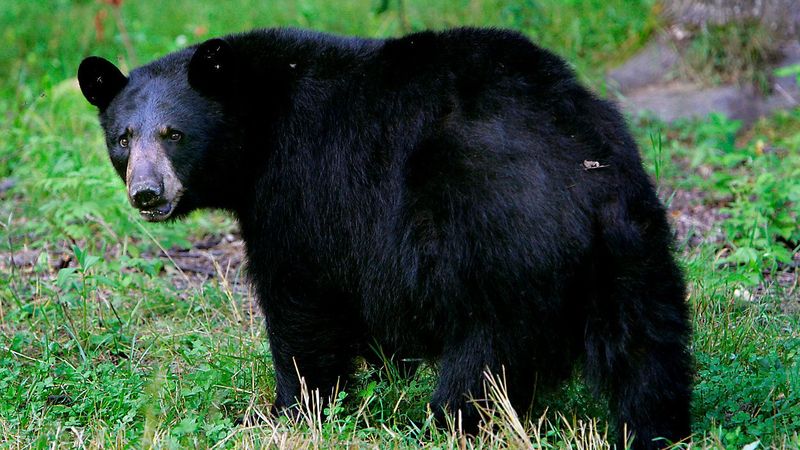
Along the river hills near Pomeroy, wildlife can feel close even on an ordinary day. Meigs County has the kind of rugged, wooded terrain that makes black bear movement easier to picture, and late summer reports fit that landscape well.
This part of southeastern Ohio offers a strong mix of forest cover, hollows, creeks, and quieter back roads. Bears traveling through the region can stay under cover for long stretches, then pop into view near a yard, garden, or roadside bend.
Late summer matters because bears are feeding hard and moving often. In places around Pomeroy, that could mean checking orchards, corn, bird seed, garbage, or even areas where outdoor cooking leaves strong smells behind.
Rural homes sometimes have extra attractants without meaning to. Feed for chickens or other animals, open sheds, compost piles, and unsecured trash can all reward a curious bear and make it return later.
The good news is that most black bears avoid direct conflict. They usually want food and a quick exit, so reducing temptations is one of the best ways to keep the situation from turning into a pattern.
People in the Pomeroy area should also be careful on roads near dawn and dusk. A bear crossing in shadowy hill country can appear suddenly, especially on curves bordered by trees and brush.
There is a local common-sense feel to handling sightings here. Neighbors who share timely updates, secure outdoor food, and keep a respectful distance usually help the whole area stay calmer and safer.
Pomeroy stands out because its setting feels naturally connected to Ohio’s bear range. As sightings increase in late summer, the town and surrounding hills remind us that wildlife movement is shaped by terrain, food, and human habits all at once.
8. Bellville, Richland County

Bellville may look like a peaceful small-town stop, but late summer can add an unexpected visitor to the picture. In Richland County, black bear sightings around areas like Bellville have drawn attention because the surrounding mix of woods, fields, and scattered development gives roaming bears several reasons to pass through.
The landscape here works in a quiet, practical way for wildlife. Forest edges offer cover, farm country can supply tempting food, and nearby roads or creek lines can act like travel routes that guide an animal from one patch of habitat to another.
Bears seen near Bellville may be young animals exploring new ground. That often happens in late summer, when they are searching for calories and space at the same time, which can lead them into places people do not expect.
A yard with bird seed, fruit trees, pet food, or loose trash can turn into a short stop on that journey. If the bear finds a reward, there is a better chance it will circle back on another evening.
That is why prevention matters more than drama. Residents can help by taking down feeders, keeping trash secure, cleaning grills, and checking barns or outbuildings for feed that is easy to smell.
Bellville is also close enough to outdoor recreation areas that visitors should stay alert too. Campers, hikers, and people fishing nearby should pack food carefully and avoid leaving scraps behind after a long day outside.
One helpful habit is simply looking around before stepping out at dawn or after dark. Bears are often most active in lower light, and an extra moment of attention can prevent a startling close encounter.
Bellville’s rising sightings tell a bigger Ohio story in miniature. When natural cover, seasonal hunger, and human food sources come together, black bears can appear almost anywhere that offers an easy and quiet path.
Share this story