New York is famous for bright lights, busy sidewalks, packed trains, and places that seem to move faster than your thoughts, but the city and nearby areas also have calm corners where you can hear birds, water, wind, or even your own footsteps. Finding these quieter spots matters because travel should not always feel like a race from one famous landmark to the next, especially when you want space to breathe, think, take photos, or enjoy a slower day with family or friends.
Some of the best peaceful places around New York are tucked beside rivers, hidden on old streets, planted inside gardens, or built around history that feels far away from the noise of Times Square and crowded museums. If you like beautiful views, old stone paths, green lawns, secret-feeling stairways, and places where you can pause without being pushed along, these seven spots can help you see a softer side of New York that many visitors miss.
1. Bannerman Castle (Beacon)
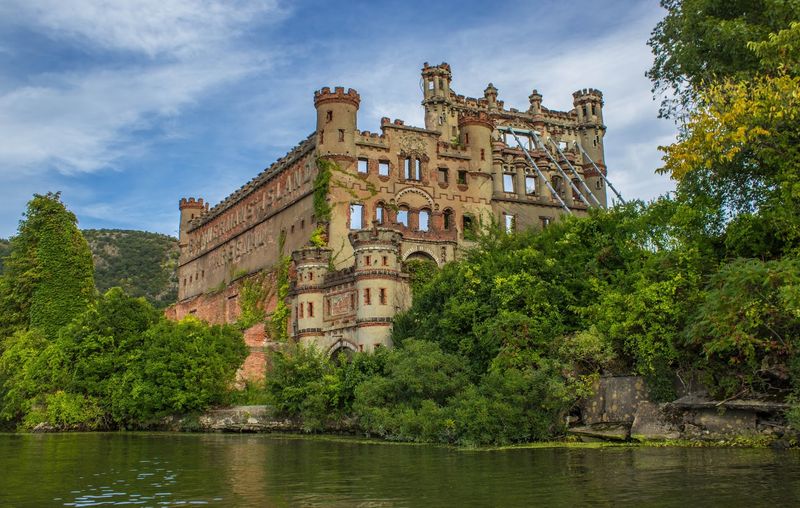
A castle ruin in the middle of the Hudson River feels like something from a storybook, not a day trip near New York.
The broken towers, stone walls, and island setting give Bannerman Castle a quiet, almost secret mood.
It is best for travelers who want history without the push and buzz of a crowded city block.
You reach the island by guided boat tour, so the visit already feels slower than a normal sightseeing stop.
The ride from Beacon lets you watch the river, hills, and passing trains before stepping onto Pollepel Island.
Since access is limited, the number of people stays smaller than at major New York attractions.
The castle was built by Francis Bannerman VI, a Scottish-born businessman who used it to store military surplus goods.
Its dramatic look was partly for advertising, which makes the place even more unusual.
Today, the ruins are fragile, so visitors follow safe paths with guides who explain what happened here.
Bring comfortable shoes because paths can be uneven, and choose a tour time with good daylight for photos.
A light jacket helps on the boat, even when the city feels warm.
If you enjoy sketching or slow photography, this is a lovely place to take your time.
The mood here is peaceful, but not boring.
Birds circle above the river, plants grow around the old stone, and the water keeps everything feeling calm.
You get the feeling that nature is gently taking the island back.
For a quieter trip, visit on a weekday or pick an early tour when available.
Pair it with a walk around Beacon afterward, where small cafes and river views make the day feel complete.
Bannerman Castle is not in the center of New York City, yet it shows how much wonder sits just beyond the usual rush.
2. Untermyer Gardens (Yonkers)
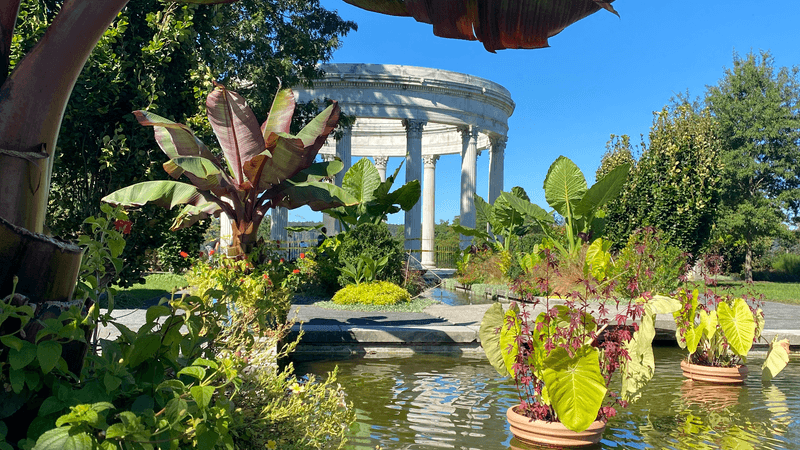
Some gardens feel polished, but Untermyer Gardens feels a little magical, like someone opened a gate to another world.
Tucked in Yonkers above the Hudson River, it offers fountains, stone steps, colorful plantings, and wide views without the nonstop press of Manhattan crowds.
It is a peaceful choice when your mind needs room to stretch.
The Walled Garden is the star, with long pools, tall columns, and paths that invite you to walk slowly.
Persian garden ideas helped shape its design, so everything feels balanced and calm.
Even if you do not know much about garden history, the place is easy to enjoy.
Samuel Untermyer, a lawyer and civic leader, once owned the estate and wanted the gardens to feel grand and welcoming.
Over time, parts fell into disrepair, but careful restoration has brought back much of their beauty.
That comeback story adds heart to every flower bed and stone wall.
Visit in spring or summer for bright blooms, though fall brings warm colors and cooler walking weather.
The stairs can be steep in places, so wear shoes that can handle a bit of climbing.
Bring water, especially if you plan to explore beyond the main garden areas.
Quiet seekers should not skip the Vista, a long stairway and path leading toward a Hudson River overlook.
It feels far away from traffic, even though the city is not very far off.
Pause there for a few minutes and let the view do its work.
Photography is wonderful here, but be mindful of others who came for stillness.
Keep voices low, step aside on narrow paths, and treat the gardens like a shared retreat.
Untermyer Gardens gives you beauty, history, and fresh air in one graceful stop, making it one of New York’s best calm escapes.
3. Sylvan Terrace (New York)
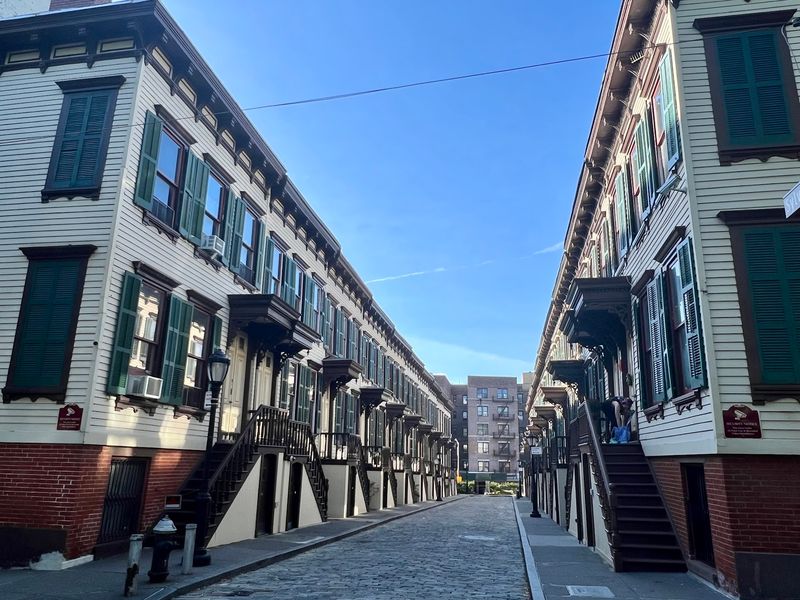
Blink near busy Washington Heights and you might miss one of New York’s sweetest little time capsules.
Sylvan Terrace is a short cobblestone street lined with wooden row houses that look wonderfully different from the tall buildings around them.
The calm here comes from its small size, old charm, and tucked-away feeling.
The street sits beside the Morris-Jumel Mansion, Manhattan’s oldest surviving house.
That nearby landmark gives the block an extra layer of history, since the area played a role during the American Revolution.
Walking here can feel like stepping out of modern New York for a few quiet minutes.
Because Sylvan Terrace is a real residential street, the best way to visit is with respect.
Do not crowd doorways, lean on fences, or treat homes like movie sets.
A slow walk, a few thoughtful photos, and a soft voice are the right approach.
The houses were moved and redesigned in the late 1800s, and their matching porches and painted fronts make the street feel almost like a stage scene.
That is part of its charm, but the magic is not loud.
It is in the creak of old wood, the pattern of stones under your feet, and the surprise of finding such a place in Manhattan.
Come in the morning if you want the most peaceful experience.
The light is often gentle, and fewer people are likely to be around.
Afterward, you can visit the Morris-Jumel Mansion grounds or wander nearby streets for more neighborhood flavor.
This spot works well for travelers who like short, meaningful stops instead of long lines.
You will not need a full afternoon, but the memory can stay with you.
Sylvan Terrace proves that New York’s quiet side is sometimes hidden in plain sight, just around a corner from everyday city life.
4. New Croton Dam & Old Croton Aqueduct State Historic Park (Dobbs Ferry)
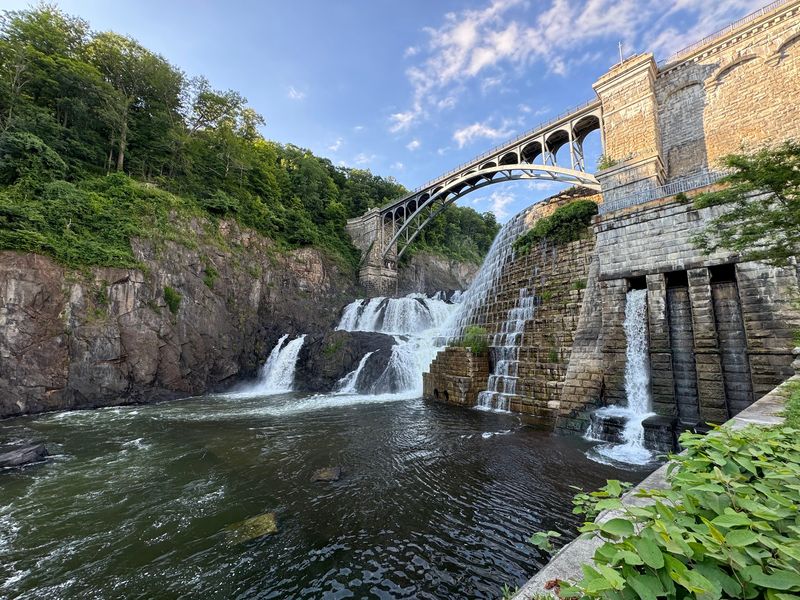
Water has a way of making even a busy brain slow down, and the New Croton Dam offers plenty of it.
The huge stone structure, rushing spillway, and green surroundings create a peaceful but powerful scene.
It is the kind of place where you can stand still and simply listen.
The dam helped supply water to New York City, which makes it more than just a pretty view.
It is part of the larger Croton water system, one of the great engineering stories connected to the city’s growth.
Knowing that history makes the walk feel richer.
Nearby, the Old Croton Aqueduct State Historic Park follows the path of the old water route toward the city.
The trail is calm, shaded in many sections, and good for walking at an easy pace.
You can enjoy trees, stonework, and glimpses of local neighborhoods without feeling trapped in a crowd.
Although the title mentions Dobbs Ferry, the aqueduct trail stretches through several Hudson Valley communities, so planning your exact starting point matters.
Check maps before you go, and decide whether you want a short walk or a longer outing.
Public transit may help with some sections, but a car can make visiting the dam easier.
Pack snacks, water, and sturdy shoes, especially if you plan to combine the dam with a trail walk.
The stone areas can be sunny, while wooded paths may be muddy after rain.
Families can enjoy it too, as long as children stay safely away from edges and fast water.
For the quietest mood, try a weekday morning or a cool fall afternoon.
The sound of water, the old aqueduct route, and the wide outdoor space make this a refreshing break from New York’s louder landmarks.
It is history you can walk beside, not just read about.
5. Southpoint Park (New York)
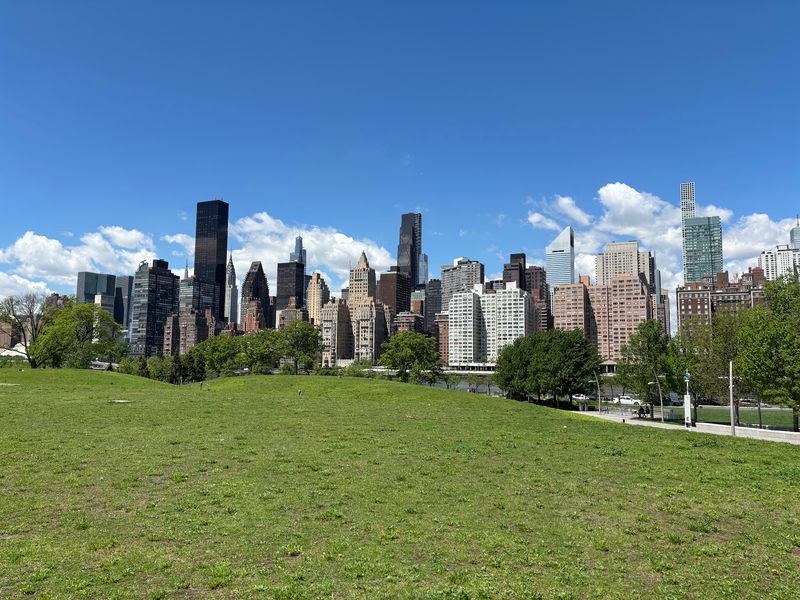
Right between Manhattan and Queens, Roosevelt Island holds a calm surprise at its southern end.
Southpoint Park gives you open sky, river air, skyline views, and enough space to feel like the city has stepped back.
It is close to famous sights, but the pace is much softer.
The park sits along the East River, with paths that are easy to follow and views that change as you walk.
You can see parts of Manhattan, Queens, and the water traffic moving between them.
Ferries, birds, and the occasional breeze add motion without making the place feel hectic.
One reason this spot feels special is its mix of nature and ruins.
The remains of the old Smallpox Hospital stand nearby, giving the area a haunting piece of New York history.
The stone shell is fenced for safety, but it still adds character to the landscape.
Southpoint Park is also near Franklin D.
Roosevelt Four Freedoms State Park, so you can combine both for a longer, thoughtful visit.
Start with the quieter lawns and paths, then continue toward the formal memorial if you want a stronger sense of design and ceremony.
Together, they make the island’s southern tip feel meaningful.
Getting there can be part of the fun.
The Roosevelt Island Tram offers a short ride with great views, while the subway and ferry are useful options too.
If crowds make you tired, choose a weekday or come in the morning before more visitors arrive.
Bring a book, a simple picnic, or just your walking shoes.
Benches and grassy spots make it easy to pause, but shade can vary, so dress for the weather.
Southpoint Park is proof that you do not always need to leave New York City to find a quiet riverfront break with room to breathe.
6. Inwood Hill Park (New York)
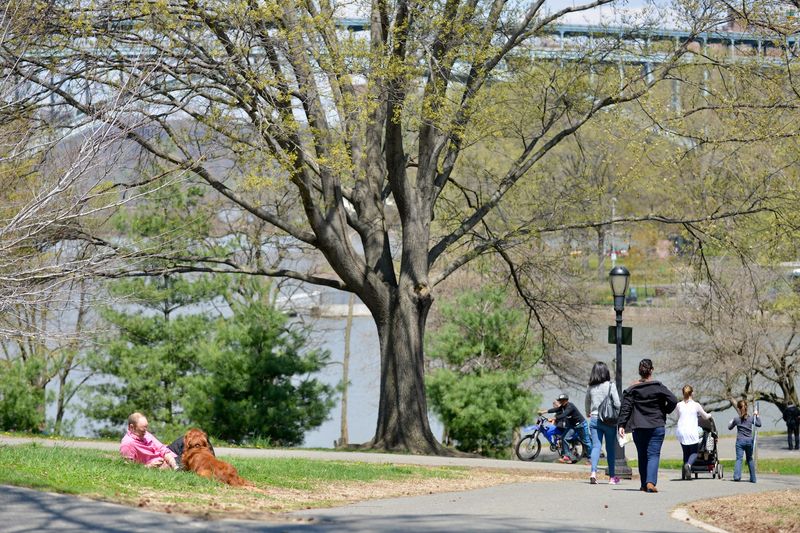
At the top of Manhattan, the city suddenly feels older, wilder, and much less polished.
Inwood Hill Park has forest paths, rocky slopes, river views, and a sense of nature that is rare on the island.
It is perfect when Central Park feels too busy and you want something more rugged.
This park is known for having one of Manhattan’s last natural forest areas.
The trails twist through tall trees and uneven ground, so the walk feels more like a small hike than a city stroll.
You may hear birds before you hear traffic.
History runs deep here too.
The area is connected to Lenape history, and signs around the park help visitors understand that the land has meaning far beyond modern recreation.
Taking time to read and reflect makes the visit more respectful and thoughtful.
Wear real walking shoes because some paths are steep, rocky, or root-covered.
After rain, the ground can get slippery, so move carefully and stay on marked routes.
A phone map helps, but do not rush, since wandering slowly is part of the pleasure.
The park’s overlooks give you beautiful views of the Hudson River, the Harlem River, and nearby bridges.
Bring water and maybe a snack, then find a quiet place to sit after climbing.
Early mornings are especially peaceful, with cooler air and fewer people on the trails.
Families, solo walkers, and nature lovers can all enjoy Inwood Hill Park, but it is best for people who do not mind a bit of dirt on their shoes.
Keep the park clean, avoid loud music, and let the woods stay restful for everyone.
In a city known for glass towers and crowded sidewalks, this northern Manhattan park feels like a deep breath from an older New York.
7. Wave Hill Public Garden & Cultural Center (Bronx)
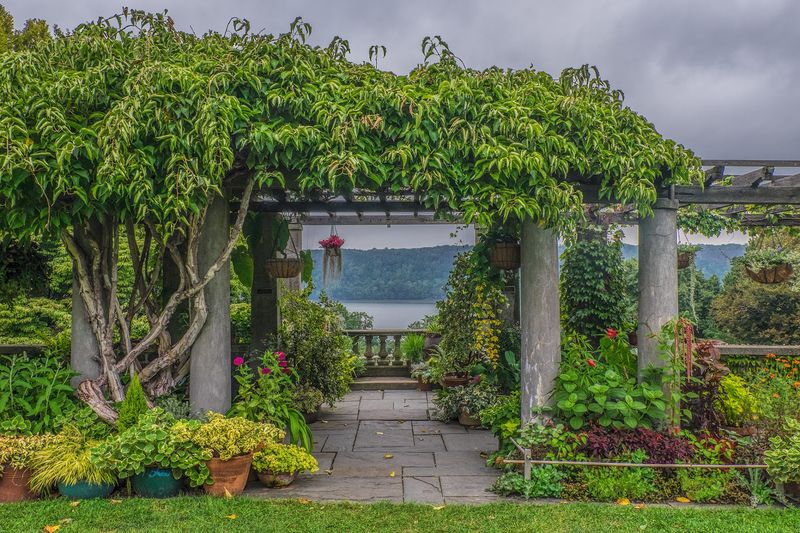
A quiet garden with a grand river view can change the whole mood of a day.
Wave Hill in the Bronx offers lawns, flower beds, greenhouses, art programs, and sweeping views of the Hudson River and the Palisades.
It feels cared for, calm, and welcoming without being stiff.
The grounds were once part of a private estate, and several historic houses still add charm.
Famous guests and residents passed through over the years, including Mark Twain for a short time.
That little history detail makes the peaceful paths feel even more interesting.
Garden lovers will enjoy how many moods fit into one place.
You can wander through colorful plantings, step into warm glasshouse spaces, or sit under trees with a view across the river.
The design encourages slow looking, which is exactly what crowded travel often steals from you.
Wave Hill also works well if you like culture mixed with nature.
Exhibits, workshops, concerts, and family programs often appear on the calendar, so check ahead before visiting.
Even with events, the grounds usually keep a gentle rhythm compared with bigger New York attractions.
Plan your visit around the weather, because the outdoor views are a major part of the experience.
Comfortable shoes help on the paths, and a camera is worth bringing for flowers, architecture, and river scenes.
If you need a quiet rest, look for benches facing the Palisades.
Getting to Wave Hill may take a little planning, depending on where you start in New York.
Public transportation and shuttle options can work, but always check current schedules.
Once you arrive, the extra effort feels worthwhile.
This Bronx retreat is ideal for readers, walkers, plant fans, and anyone who wants beauty without shoulder-to-shoulder crowds.
Move slowly, notice small details, and give yourself permission not to hurry.
Wave Hill shows that New York can be graceful, green, and deeply peaceful.
Share this story