Main streets have a way of telling Michigan’s best small-town stories one storefront at a time. Across the state, historic downtown blocks bring together local shops, old buildings, familiar gathering places, and the slower pace that makes people want to look around instead of simply pass through.
Their value goes beyond shopping, because these streets help communities hold onto character in a world where too many places can start to feel the same. A good stroll can reveal history, personality, and the everyday rhythm of a town all at once.
For anyone planning a Michigan day trip with charm, local flavor, and a stronger sense of place, these old main streets are worth exploring.
1. Owosso
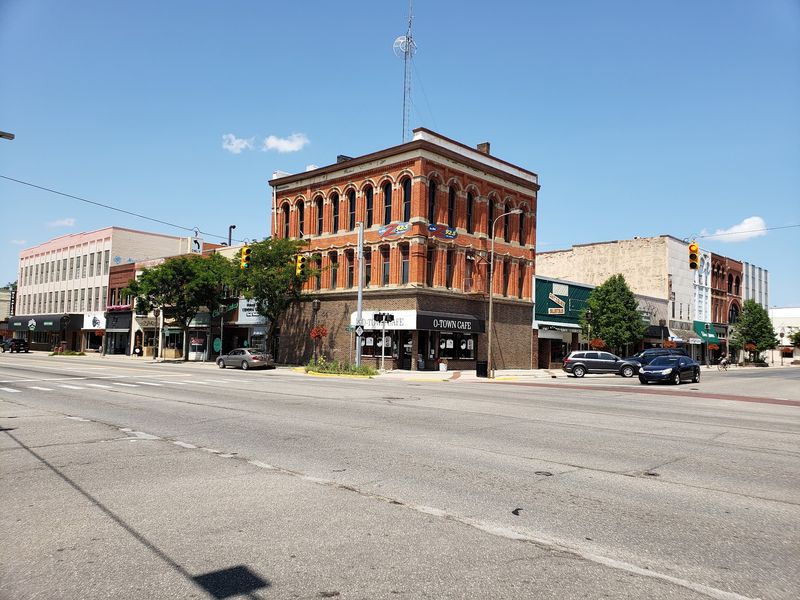
Owosso has the kind of downtown that invites a slower pace without asking for much effort. Brick buildings line the street, shop windows pull attention from half a block away, and older details around the storefronts give the area a strong sense of place.
A good visit here starts with no strict plan. Walk a few blocks, notice painted signs, look up at upper-floor windows, and pay attention to how older buildings still shape the rhythm of everyday business.
That is part of the appeal. Main Street in Owosso works well for people who like browsing bookstores, gift shops, cafes, and public spaces without needing to rush from one stop to the next.
Local downtowns stand out when they feel useful, not staged, and Owosso fits that idea nicely. It can be a smart stop for families, couples, or solo travelers because the compact layout makes exploring easy on foot.
Try visiting in the late morning or early evening when the light hits the brick facades and window displays look their best. Comfortable shoes help, especially for anyone who likes ducking into several stores instead of picking just one.
Architecture fans may enjoy studying decorative trim, older cornices, and the varied widths of the buildings. Even when businesses change over time, those original structures help keep the street tied to its past.
For a stronger day-trip plan, combine downtown browsing with a meal and a few minutes on a nearby bench to simply watch the street. Main streets reveal their personality best when people take time to notice ordinary scenes, like neighbors chatting or shoppers carrying bakery boxes.
Owosso offers exactly that kind of easy, grounded experience. It is a place where history is not locked behind glass, but built right into the sidewalks, storefronts, and daily routine.
2. Charlevoix
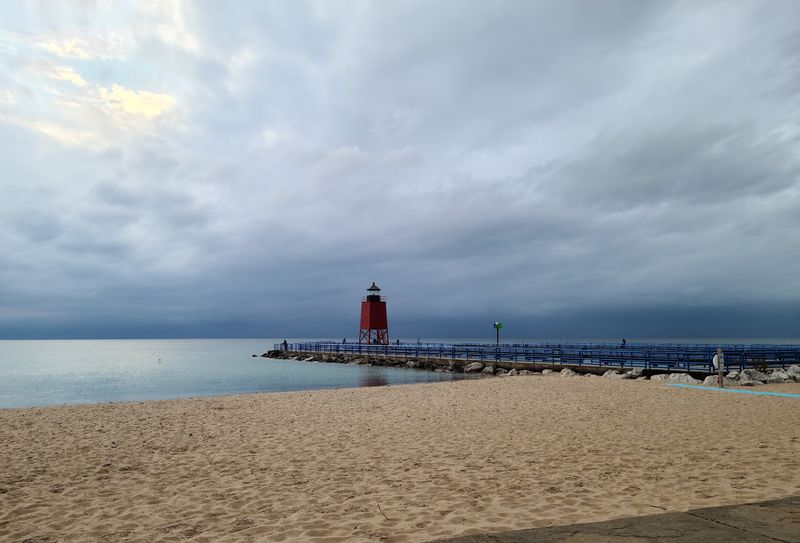
Charlevoix brings water-town energy to its historic main street, and that mix gives downtown an easy sparkle. Boats and beaches may grab early attention, yet the heart of town proves that shopping streets can be just as memorable as the shoreline.
Storefronts here often look crisp and inviting, with tidy windows, colorful signs, and details that suggest many years of local business life. A walk through downtown can shift quickly from ice cream and coffee to clothing, gifts, books, or a relaxed meal.
That variety makes Charlevoix especially friendly for mixed-age groups. One person might want to browse boutiques, another may be happy finding a bench, and kids usually do better when short walks lead to quick rewards.
Look beyond the first row of displays and the older bones of the street become more noticeable. Historic buildings give structure to the block, helping the downtown feel connected rather than scattered around seasonal tourism.
Morning can be a great time to explore before the busiest hours arrive. Parking tends to feel less stressful then, and the quieter pace makes it easier to appreciate window details, landscaping, and the way the street opens toward the waterfront setting.
Visitors who want a balanced trip should pair downtown time with simple people-watching. Watch cyclists pass, notice how locals move through errands, and pay attention to how the street serves residents as much as visitors.
That everyday use matters. Main streets stay interesting when they support real town life instead of only acting as a pretty backdrop for photos.
Charlevoix succeeds because it blends beauty with usefulness. The result is a downtown where history, shopping, and lakeside freshness meet in a way that feels lively, polished, and pleasantly easy to enjoy without needing a packed itinerary.
3. Hart
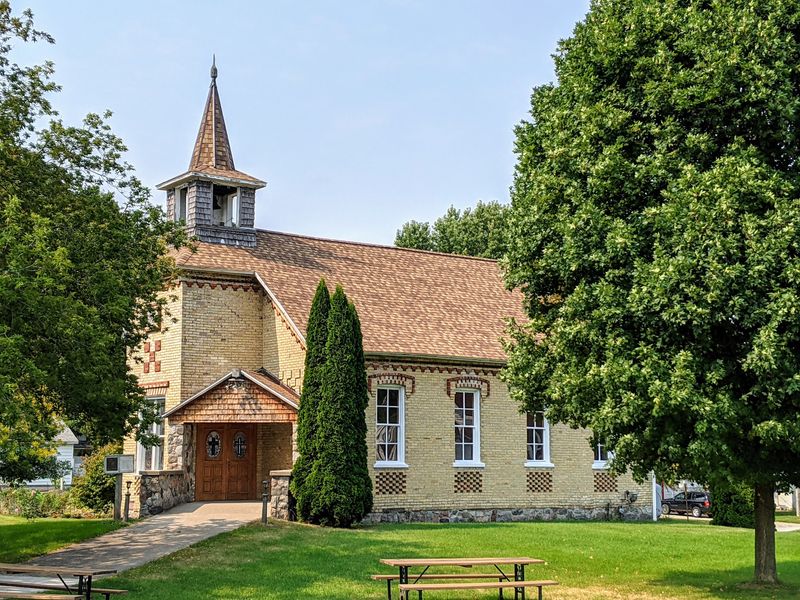
Hart does not need flashy tricks to make an impression. Its main street leans on steady strengths, like older buildings, practical local businesses, and the kind of layout that makes a short walk feel fuller than expected.
At first glance, the downtown may seem simple, and that is part of why it works. Nothing feels forced, so visitors can focus on shop windows, corner details, and the everyday pulse that gives the street its shape.
Hart rewards people who pay attention to smaller things. A painted sign, an old brick wall, a storefront with a neat display, or a local cafe can turn an ordinary stop into a pleasant surprise.
Because the area is manageable on foot, it is a strong pick for travelers who want a relaxed break instead of a packed schedule. Even a quick visit can include browsing, a snack, and enough time to notice how the town still centers community life around downtown.
Weekday afternoons often show the place at its most natural. There may be less hustle, which makes it easier to take in the architecture and understand how businesses fit together block by block.
For families, Hart can be a useful reminder that not every outing needs big attractions. Sometimes the best travel moments come from simple routines, like sharing a treat, checking out a shop, and walking without a countdown.
Older main streets also teach quiet lessons about durability. Buildings that have stood through changing trends give towns a visual memory, and Hart still carries that memory in a clear, approachable way.
Anyone planning a western Michigan road trip could place Hart between larger destinations and end up remembering it for different reasons. The downtown offers calm, history, and local character in a format that feels easy to enjoy, even on a brief stop.
4. Boyne City
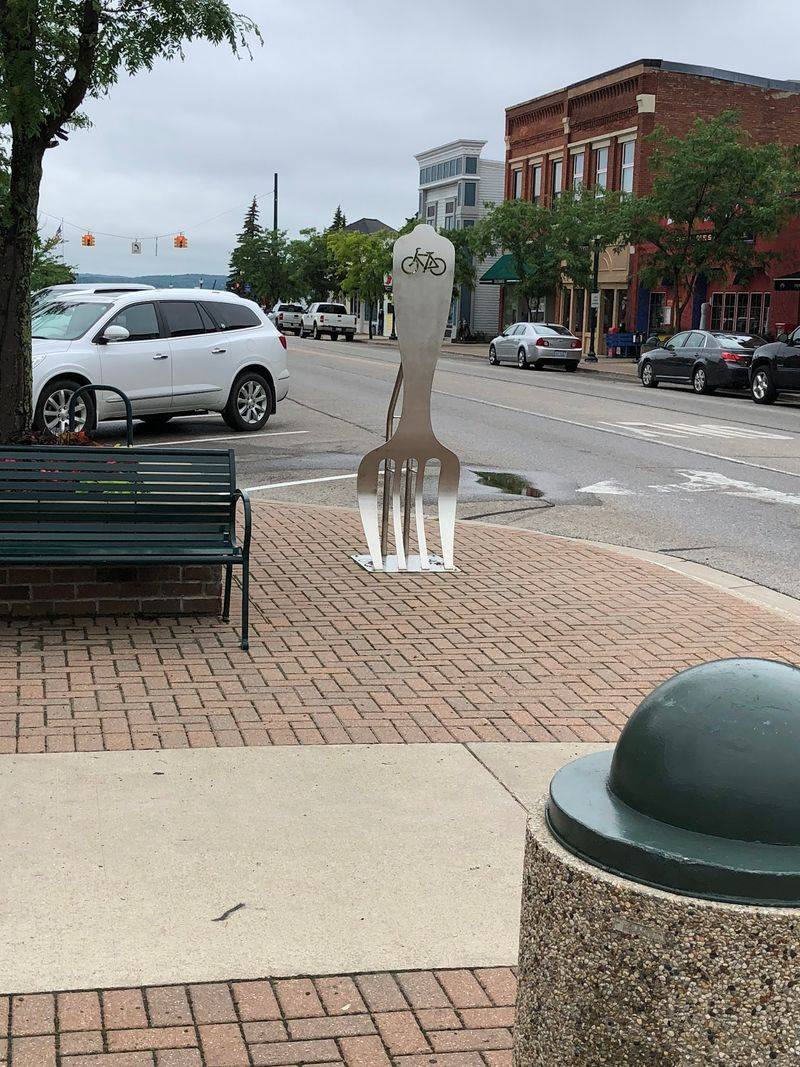
Boyne City knows how to keep a downtown lively without making it feel crowded or overdone. The main street area mixes northern Michigan freshness with older commercial buildings, giving visitors a place that feels active but still easygoing.
Shops, eateries, and service businesses help the district stay useful through more than one season. That matters, because a main street with regular local traffic often has stronger energy than one that depends only on weekend visitors.
Walking here can be pleasantly unpredictable. A block that starts with practical errands may quickly turn into window shopping, a coffee stop, or a pause to admire the neat presentation of storefronts and street plantings.
Boyne City also benefits from its wider setting. Nearby water and outdoor recreation shape the town’s identity, yet downtown holds its own by offering a clear center where people can gather, browse, and spend time between other plans.
Visitors should look upward once in a while. Upper-story windows, rooflines, and older facade details can reveal just as much personality as the businesses at sidewalk level.
An ideal visit leaves room for flexibility. Start with a meal or drink, wander at an unhurried pace, and save time for the places that catch attention unexpectedly rather than trying to cover every storefront in order.
For day trippers, Boyne City works well because it gives several kinds of appeal in a compact area. Some people want shopping, some want scenery, and others simply want a downtown that still acts like a downtown.
That final point is where the street shines. It offers a genuine town center with useful businesses, historic structure, and enough personality to make even a short walk feel like time well spent on a northern Michigan route.
5. Marshall
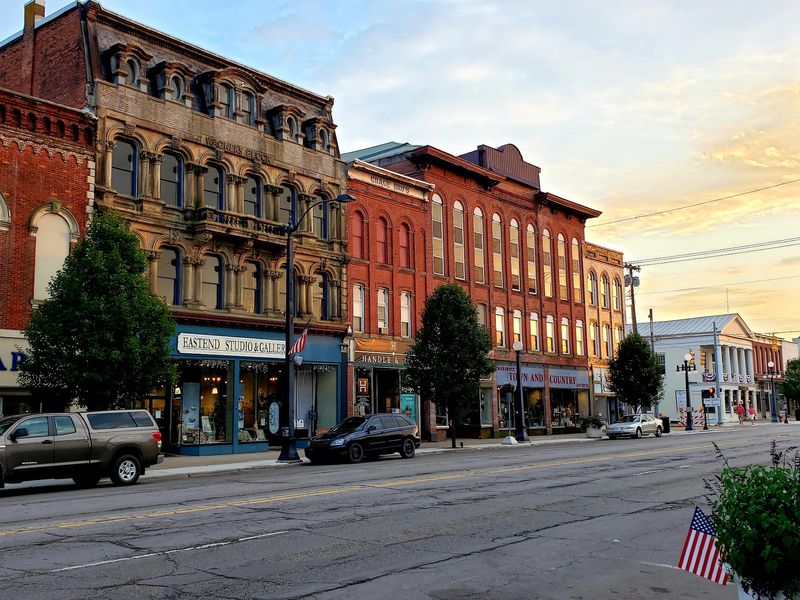
Marshall carries itself with confidence, and the downtown shows why almost right away. Historic buildings stand with impressive detail, giving the main street a polished look that still feels lived in rather than overly formal.
Here, architecture does a lot of the talking. Decorative brickwork, strong cornices, tall windows, and carefully kept facades turn a regular stroll into a visual lesson on how older business districts were built to last.
That rich setting helps every stop feel a little more memorable. Even grabbing lunch or stepping into a small shop gains extra charm when the street around it has depth, texture, and a clear link to the past.
Marshall is a smart pick for travelers who like history but do not want a museum-only experience. The downtown lets visitors enjoy old structures in active use, which often makes local history easier to connect with and more fun to notice.
Try walking one block slowly, then another at normal speed. The first pass helps reveal small design details, while the second shows how the street works as an everyday place for dining, shopping, and social life.
Photo lovers may appreciate the clean lines and balanced streetscape, especially when natural light brings out the color of brick and stone. There is a neatness here that suits people who enjoy towns with visible care and civic pride.
Because the downtown is so visually strong, it helps to leave time for simply looking around instead of hurrying indoors. Benches, corners, and storefront reflections can all add to the experience.
Marshall proves that historic main streets can feel both refined and approachable. It offers structure, beauty, and practical downtown life in one place, making it easy to see why so many people remember the street long after the trip itself ends.
6. Niles
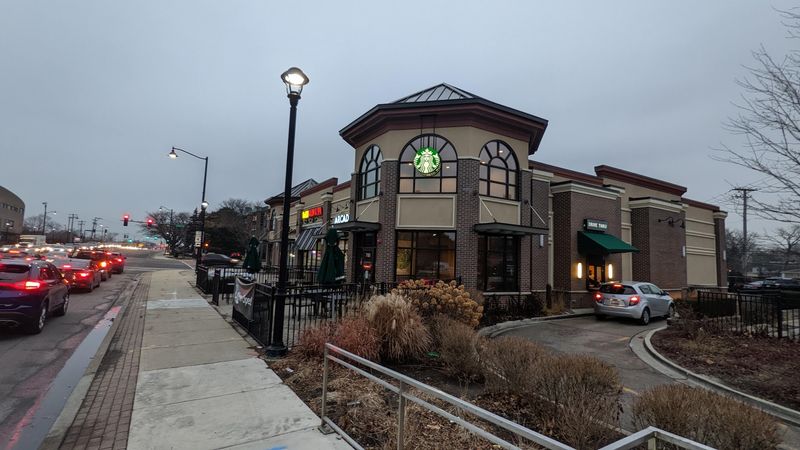
Niles has a downtown that feels sturdy, seasoned, and ready to be explored one block at a time. Older buildings anchor the main street with a sense of continuity, while local businesses keep the area from turning into a frozen history display.
That balance is one of Niles’s best qualities. Visitors can enjoy architectural character and still find the practical mix of shops, restaurants, and services that makes a town center useful in daily life.
Some main streets impress through polish alone, but Niles has a more grounded appeal. The street suggests years of commerce, conversation, and routine, which gives it a human scale that many travelers find easy to enjoy.
A flexible plan works best here. Park once, walk slowly, and allow time for unexpected stops, whether that means peeking into a store, checking out an older building, or grabbing a drink and watching the block for a few minutes.
The downtown can be especially rewarding for people who like signs of local identity rather than heavy tourist packaging. Simple details, like display windows, historic facades, and the spacing of storefronts, do a lot of quiet work.
Niles also suits travelers who appreciate variety without huge distances between stops. The compact setup lowers the stress level, making it easier to explore with kids, older relatives, or anyone who prefers shorter walks.
For a more memorable outing, pay attention to transitions between blocks. Sometimes one section feels more commercial, another more civic, and that shift can reveal how the town developed over time.
Niles shows that a historic main street does not need constant spectacle to stay interesting. Its strength comes from durability, local rhythm, and the steady visual pull of older architecture still serving a living downtown in southwest Michigan.
7. Saline
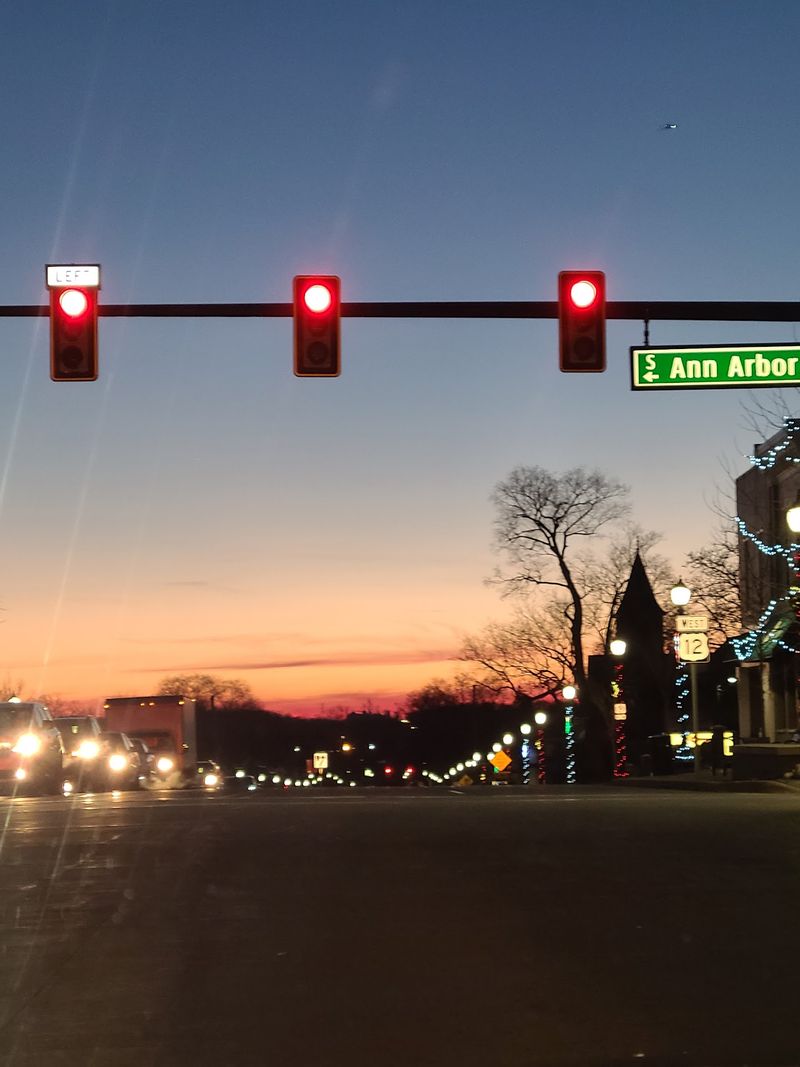
Saline offers a neat, welcoming downtown where the historic main street still plays a real role in town life. The buildings give the area a classic look, but the street never comes across as stiff or distant.
Instead, the blocks feel approachable. Visitors can move easily between shops, food spots, and local services while enjoying the visual order that older storefronts bring to a walkable business district.
One of Saline’s strengths is how manageable the experience feels. There is enough to look at without becoming overwhelming, which makes the town a great match for a low-stress afternoon outing.
Families can do well here because the pace is comfortable. Short walks, quick stops, and casual dining options often make a downtown more enjoyable for mixed groups, especially when no one wants to spend all day in the car.
Saline also rewards repeat visits. A first trip may focus on getting the lay of the land, while later visits can turn into favorite routines, such as checking seasonal window displays or revisiting a shop that stood out before.
The architecture helps hold everything together. Brick facades and older commercial layouts give the town center a consistent look, which is one reason the street remains pleasant to stroll even without a packed event calendar.
For visitors coming from larger nearby communities, Saline can feel like a refreshing reset. The downtown encourages attention to small details, like signs, landscaping, and the easy pattern of people moving from errands to coffee breaks.
That simple rhythm is a big part of the draw. Saline shows how a historic main street can stay relevant by remaining useful, attractive, and easy to enjoy, all while keeping a clear sense of local character at the center of the experience.
8. Cheboygan

Cheboygan brings a northern edge to the classic Michigan main street experience. The downtown reflects a working town with history, local business, and a waterfront region identity that gives the streetscape extra personality.
Older buildings provide a solid frame for the district, and that structure matters. When architecture has weight and consistency, even a simple walk between shops can feel more interesting and more rooted in place.
Cheboygan is a good reminder that charm does not need to be delicate. There is a practical, sturdy side to the downtown that can appeal to travelers who enjoy places with a bit more grit and less polish.
That does not mean the street lacks warmth. Cafes, storefront displays, and the scale of the blocks keep the area friendly and accessible, especially for visitors who want to browse without committing to a long day.
Take time to notice how the town’s broader setting shapes the mood. Northern Michigan communities often carry a different pace, and downtown Cheboygan benefits from that steadier energy.
A smart visit might combine a meal, a few shops, and a slow circuit around the main commercial blocks. Looking up at the facades can be just as rewarding as peering into windows, since historic upper stories often hold some of the strongest design details.
Cheboygan may also appeal to road trippers who prefer towns that still serve residents first. That kind of street life tends to produce a more believable experience than a district built mainly for quick snapshots.
In the end, the downtown stands out for its mix of resilience, history, and local usefulness. Cheboygan keeps its main street relevant by letting old buildings, daily routines, and northern Michigan character work together in plain sight.
9. Howell
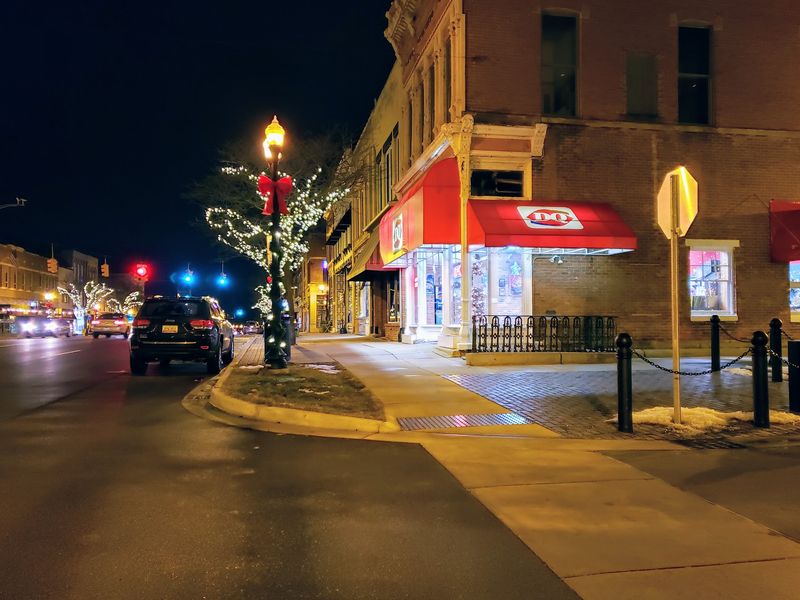
Howell has a downtown that knows how to stay busy while holding onto its historic look. The main street blends eye-catching brick buildings with an active mix of shopping and dining, creating a center that feels useful throughout the week.
Energy is one of Howell’s big advantages. A lively block can make historic architecture easier to appreciate, since the buildings are not just pretty shells but part of real, ongoing town life.
Visitors often notice how walkable the area is. Once parked, it is easy to move between stores, cafes, and nearby corners without needing to check a map every few minutes.
That convenience makes Howell a strong option for a casual day trip. A short visit can still include browsing, people-watching, and enough time to pick up on the details that give the street its identity.
Look for contrasts while walking. One storefront may feel polished and modern, while the building above it still carries older lines, windows, and trim that hint at earlier decades of downtown business.
Howell also works well for visitors who like a slightly busier small-town scene. There is often enough movement to keep things interesting, yet the area remains much easier to navigate than a larger city center.
To make the most of a stop, choose one anchor activity, like lunch or coffee, then let the rest of the visit unfold naturally. Main streets often reveal their character between planned stops, not only inside the places already marked on a list.
Howell succeeds because it combines strong historic bones with present-day momentum. The result is a downtown that looks established, stays active, and gives travelers a clear sense that the main street still matters as more than a backdrop.
10. Grayling
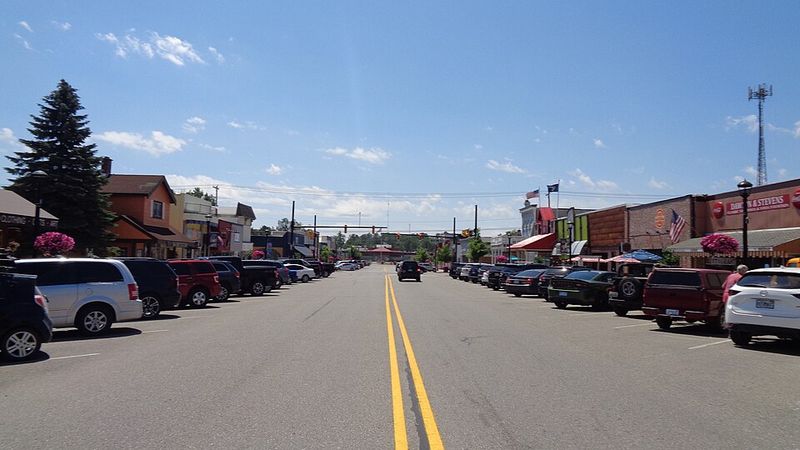
Grayling brings an up-north flavor to the idea of a historic main street, and that gives the downtown a distinctive edge. Outdoor recreation may shape many visits, but the central business district adds a grounded, community-focused side to the town.
Older storefronts, local businesses, and a practical layout help the area stay approachable. Nothing about the street needs heavy explanation, which is useful for travelers who prefer places that are easy to read and easy to enjoy.
Grayling can be especially satisfying after time spent on the road or outdoors. A short downtown walk offers a reset, with chances to eat, browse, and notice the older structures that still frame daily activity.
The buildings themselves are part of the pleasure. Brick facades and traditional storefront widths create a rhythm along the block, making even simple errands or snack stops feel tied to a longer local story.
Visitors should keep expectations flexible and curiosity high. One of the best ways to enjoy Grayling is to let the town unfold in small pieces rather than chasing a packed lineup of attractions.
That approach suits the place. Main streets in outdoor gateway towns often shine when they act as a comfortable base, not a nonstop performance, and Grayling handles that role very well.
For families or friend groups with different interests, downtown can serve as common ground. Some may want coffee, others may browse shops, and everyone can regroup without much walking or planning stress.
Grayling shows how a historic main street can complement a town’s natural setting instead of competing with it. The downtown adds texture, history, and practical convenience, helping visitors see the community as more than a launching point for nearby adventures.
11. Three Rivers
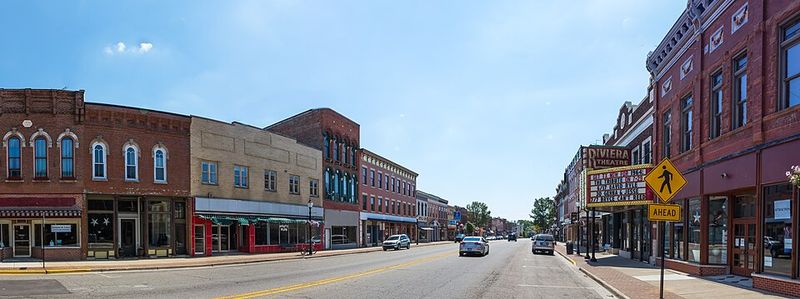
Three Rivers has a name that already sparks curiosity, and the downtown gives that curiosity somewhere to go. Historic commercial blocks help shape a main street that feels solid and familiar, with enough variety to keep a casual walk interesting.
The town’s broader setting adds context, but the street itself does real work. Shops, food options, and local businesses create a center where visitors can spend time without needing a large agenda.
One helpful way to experience Three Rivers is to think in layers. At sidewalk level, there are displays, signs, and places to stop, while above that the older buildings tell a quieter story through window shapes, trim, and brick patterns.
That layered look often gives older downtowns their strongest appeal. A block can serve everyday needs while still showing traces of earlier eras in the structure and scale of the buildings.
Three Rivers is also friendly to people who enjoy shorter, easygoing outings. The walkability lowers pressure, and the town center feels suitable for lingering a bit rather than racing through it.
Visitors may get the most from the district by mixing movement and pause. Stroll one stretch, stop for a snack or drink, then continue after taking in the flow of the street for a few minutes.
The downtown’s continued usefulness is an important part of its appeal. When locals and visitors share the same blocks for errands, meals, and conversation, the street tends to feel more grounded and more alive.
Three Rivers offers that steady, lived-in quality. Its historic main street may not rely on grand gestures, but it delivers a dependable mix of architecture, accessibility, and local rhythm that makes the town center pleasant to explore at almost any pace.
12. Lapeer
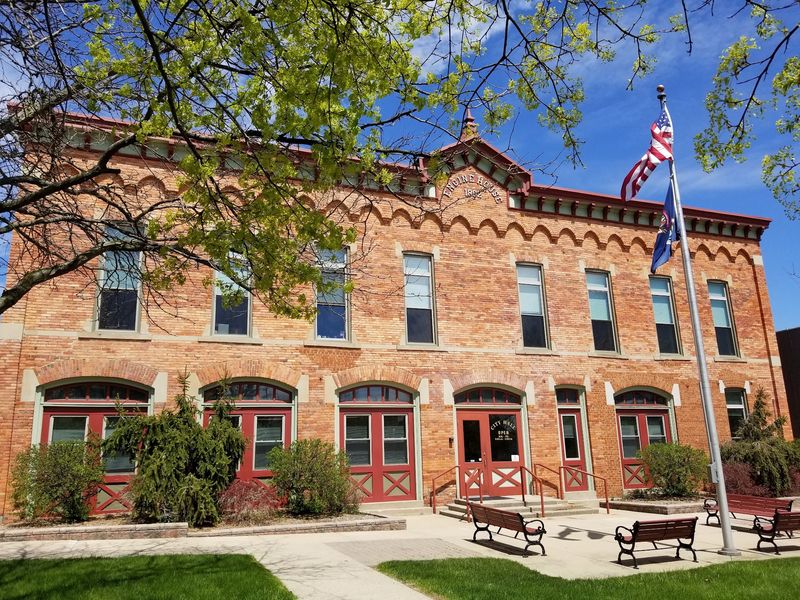
Lapeer offers a downtown that looks established without feeling stuck in the past. Historic buildings give the main street visual strength, while active businesses keep the area connected to current town life in a practical, easy-to-enjoy way.
Some places win visitors over with grand landmarks, but Lapeer works through consistency. The storefronts, block layout, and older architectural details create a steady sense of place that unfolds best on foot.
That makes it a good stop for travelers who appreciate downtowns that are simple to navigate. Park nearby, choose a direction, and let the street reveal itself through signs, window displays, and changes from one block to the next.
Lapeer can also suit people who enjoy quieter exploration. There is room to notice building materials, decorative trim, and the useful pattern of businesses that help a main street remain part of everyday routines.
Midday is often a comfortable time to visit, especially for anyone who wants enough activity to feel lively without dealing with peak crowds. The balance can make a short outing feel fuller and less rushed.
Another plus is flexibility. Downtown Lapeer works whether the plan is lunch and a quick walk or a slower afternoon of browsing and taking in historic character.
Try pausing at corners before moving on. Intersections often give the best view of how older buildings relate to one another and how the district holds its shape as a true center, not just a strip of separate businesses.
Lapeer stands out by being dependable in the best sense. Its historic main street remains attractive, functional, and easy to explore, showing how a town can preserve older character while still making downtown part of ordinary life in the present.
13. Blissfield
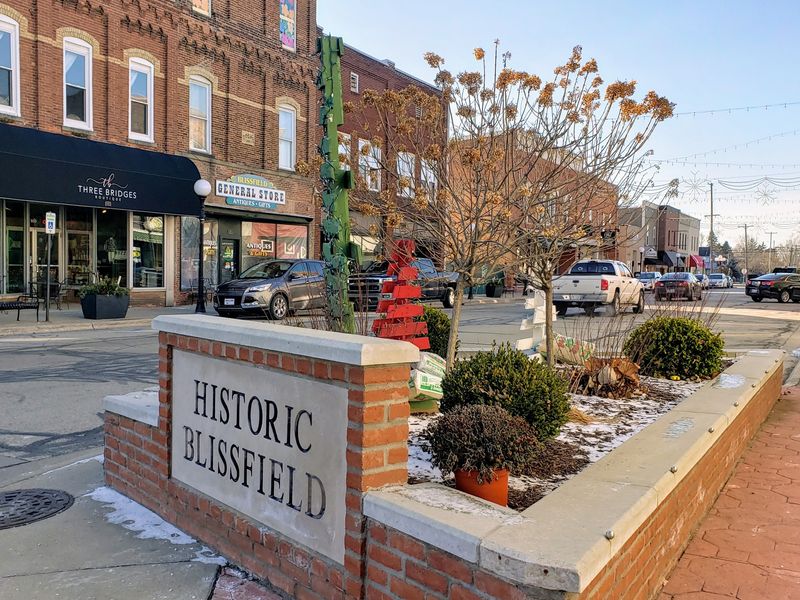
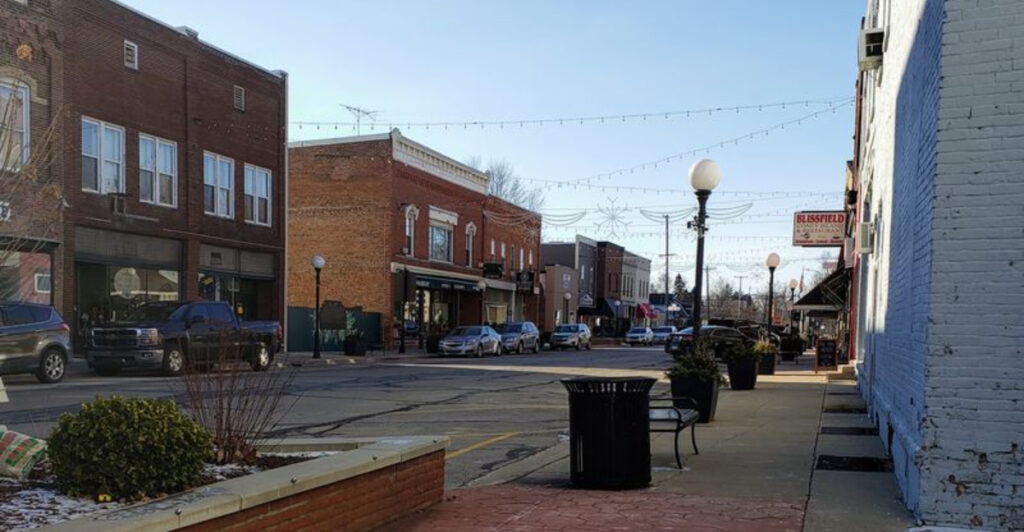
Blissfield has a name that already sounds cheerful, and the downtown lives up to that first impression in a grounded way. Historic buildings, tidy storefronts, and a compact village scale make the main street easy to enjoy without much planning.
The appeal here comes from closeness and clarity. Businesses sit within a comfortable walking range, and the older commercial buildings help the whole district read as one connected place instead of a scattered collection of stops.
That compact setup can be a real advantage for day trippers. Visitors spend less time figuring out logistics and more time noticing display windows, brick details, signs, and the small touches that reveal local pride.
Blissfield is also the sort of place where a short visit can still feel complete. A meal, a walk, and a little browsing may be all it takes to appreciate why historic main streets still matter in smaller communities.
Because the downtown is modest in size, it helps to slow down and look carefully. Smaller places often hide their best details in plain sight, such as rooflines, decorative trim, or a storefront arrangement that has likely served many businesses over the years.
Families, couples, and solo travelers can all do well here because the pace is gentle and the walking is manageable. That simplicity makes the town a strong fit for readers looking for pleasant, low-pressure stops in southern Michigan.
Blissfield also shows how village downtowns preserve continuity. When older buildings remain in use, they keep local history visible in a direct and practical form, right where people shop, eat, and meet.
The result is a main street with warmth, order, and a clear sense of identity. Blissfield proves that small scale can be a strength when a downtown stays walkable, well-kept, and rooted in the buildings that shaped it long ago.
Share this story