Quiet camping often starts where the pavement gets thinner and the crowds fall away. Across Michigan, tucked-away campgrounds near forests, calm lakes, and rougher back roads offer a slower kind of outdoor trip than the famous spots that fill up fast.
The appeal is simple but powerful: more room to breathe, darker skies for stargazing, better chances for peaceful fishing, and mornings that feel far from the usual rush. These places may not always announce themselves loudly, which is part of what makes finding them feel rewarding.
For Michigan campers who like hidden corners, quieter nights, and a little extra breathing room, these overlooked campgrounds deserve a closer look.
1. Kingston Lake State Forest Campground
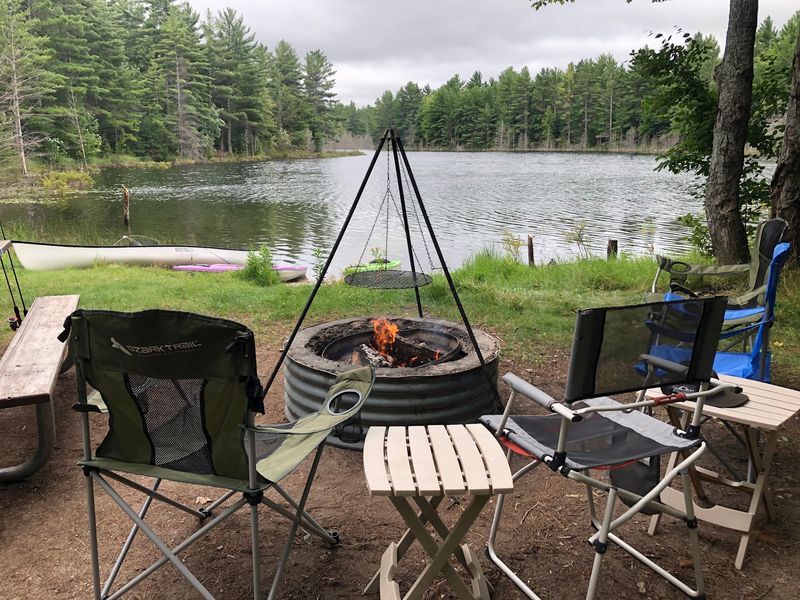
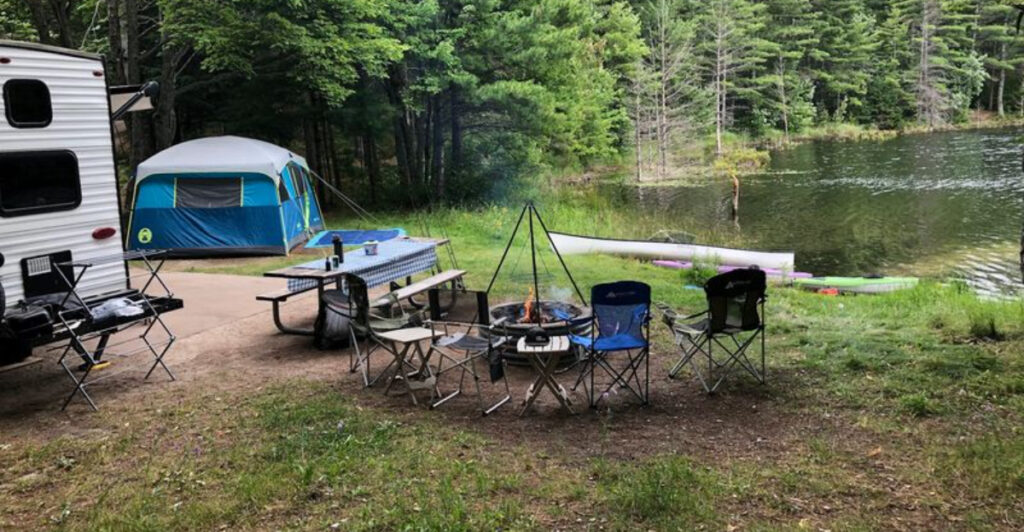
First impressions here are simple in the best possible way. Kingston Lake State Forest Campground is the kind of place that strips camping back to the basics, with trees, water, and enough space to notice the wind moving through the pines instead of hearing traffic all night.
Campers who enjoy a less polished setup often connect with spots like this because the setting does much of the work. A quiet lake nearby gives the whole area an easy rhythm, and that can make an overnight stay feel less rushed than a weekend at a larger, busier campground.
Packing smart matters more at a state forest campground than at a resort-style park. Bring backup water, a flashlight with fresh batteries, easy meals, and a plan for uneven ground, because rustic sites usually reward people who arrive prepared instead of expecting a store around the corner.
Families can do well here too, especially if the goal is teaching kids how to enjoy a simpler camp setup. Short shoreline walks, skipping stones, and listening for birds at dusk can fill more time than expected when there are fewer distractions pulling everyone in different directions.
A good visit usually starts with timing. Midweek stays may feel even calmer, while shoulder-season trips can offer cooler air and fewer bugs, though warmer clothes become more important once the sun drops.
Driving in slowly is a smart move, especially after rain or after dark. Rustic campgrounds sometimes sit at the end of roads that ask for patience, and arriving before sunset makes it easier to choose a site, organize gear, and settle in before the woods turn fully black.
Kingston Lake works best for campers who do not need constant activity to enjoy themselves. Bring a canoe if allowed, a notebook, a deck of cards, or just a chair for the shoreline, and the place can deliver a very full weekend without ever feeling busy.
2. Blind Sucker #2 State Forest Campground
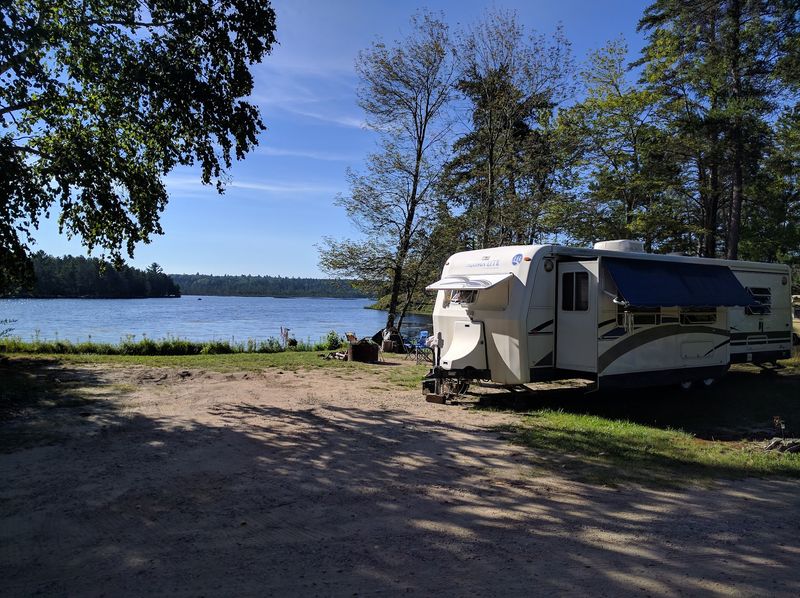
Some campground names sound like an inside joke from a mapmaker, and Blind Sucker #2 definitely earns a second look. Behind the unusual name, though, sits a rustic Michigan campsite that appeals to people who like their camping quiet, wooded, and a little off the usual path.
The strongest draw is often the sense of separation from busier travel corridors. Instead of long rows of RVs and bright lights, a place like this usually gives campers a more natural setup, where the main evening entertainment is a campfire, tree frogs, and maybe a little river noise nearby.
Preparation makes all the difference at campgrounds like this one. Keeping food simple, bringing extra dry socks, and packing a tarp can save the day when weather shifts, because remote forest sites tend to reward practical planning more than spontaneous overpacking.
Fishing-minded campers may find the area especially appealing, depending on conditions and local rules. Even if nobody casts a line, water nearby changes the mood of a campsite in a big way, adding movement, cooler air, and a natural place to explore during slower parts of the day.
Kids usually remember the odd name, which helps turn the trip into a mini adventure before the tent is even up. That playful detail can make the campground easier to talk about later, and it adds personality without the place needing oversized attractions or organized activities.
Bug spray belongs near the top of the packing list, especially in warmer months. Long sleeves for evening walks, dry storage bins, and a headlamp for late-night trips around camp also help keep a rustic stay comfortable instead of frustrating.
Blind Sucker #2 fits campers who enjoy low-key nights and early mornings more than packed schedules. Show up with solid gear, respect the setting, and leave room for a little silence, and the campground can offer exactly the kind of northern Michigan reset that busy parks often cannot.
3. Big Knob State Forest Campground
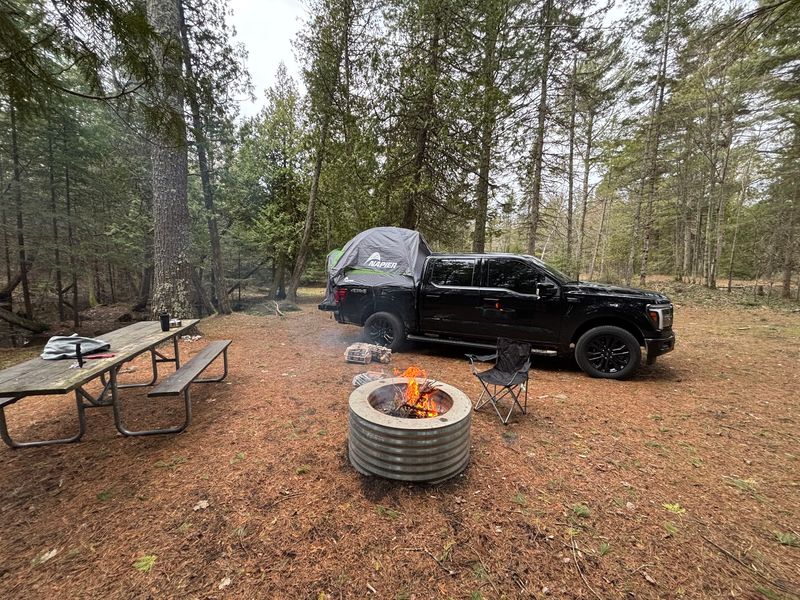
Big Knob State Forest Campground has a name that sounds bold, and the setting often matches that mood. Rustic campgrounds with higher ground or rolling terrain tend to leave a stronger memory than flatter, busier parks, especially when the road in already hints that the trip is shifting away from the usual routine.
Campers often notice the landscape first. Changes in elevation, thicker woods, and wider views can make a site feel more dramatic without needing major facilities, and that gives the place an edge for anyone who likes scenery to be part of the whole camping experience.
Because the terrain may be less uniform, site selection matters. Arriving early gives more time to find level ground for a tent, check for roots or rocks, and set up camp without racing the sunset, which always seems to move faster in the woods than expected.
Hikers and walkers may enjoy the general area simply because uneven land creates more interesting short outings. Even a basic stroll near camp can feel more active when the landscape rises and dips, and that keeps a simple overnight trip from feeling too static.
Wind can be a bigger factor at open or elevated places, so sturdy stakes and an extra layer are smart additions. A camp chair that sits low and stable also helps, especially for evenings when the fire is going but the air has a little extra bite.
One nice trick at quieter campgrounds is planning a slower morning than usual. Coffee tastes better when there is no line for anything, breakfast takes less effort when nobody is rushing off to a scheduled event, and even basic camp chores seem easier without noise coming from every direction.
Big Knob works best for campers who like a little rugged character in their weekend. It is not about polished extras.
It is about trees, changing ground, a good fire, and that satisfying feeling of sleeping someplace that many Michigan travelers never bother to seek out.
4. Holland Lake State Forest Campground
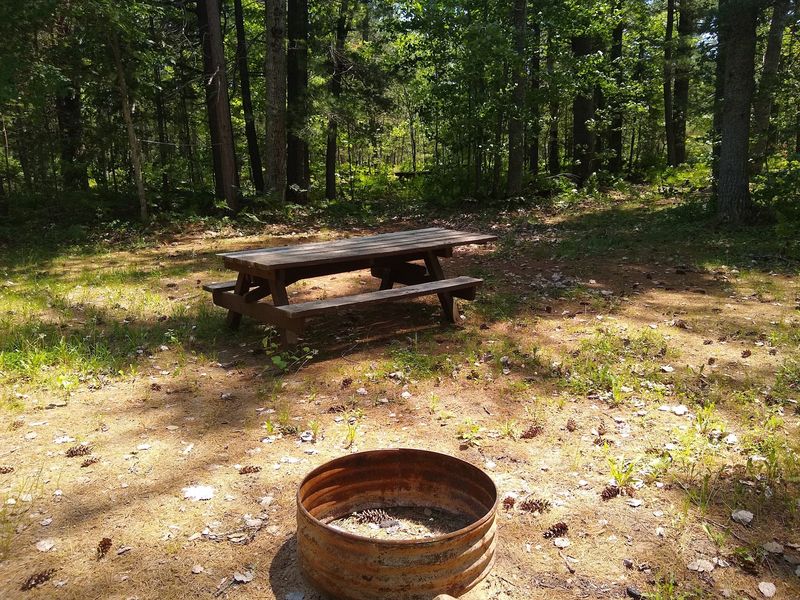
Not every memorable Michigan lake needs a famous beach town attached to it. Holland Lake State Forest Campground offers a quieter kind of water-centered trip, one where the lake itself does the talking and the campground stays focused on simple access, basic comfort, and plenty of breathing room.
Lakeside campgrounds usually have an easy advantage because the day naturally organizes itself around the shore. Mornings can start with still water and coffee, afternoons can lean into paddling or reading near camp, and evenings often settle into long stretches of watching light fade across the surface.
That slower pace makes this kind of campground especially useful for campers who want rest without feeling bored. A small lake can be enough for exploring by canoe, watching birds, or just giving kids a safe-looking edge of nature to study while adults handle meals and camp chores nearby.
Bringing water shoes, a compact folding chair, and a dry bag can make the visit much smoother. So can simple food that cooks quickly, because one of the best parts of a relaxed lake campground is spending less time overthinking logistics and more time enjoying whatever the weather is doing.
Rustic campgrounds also ask for a little flexibility. The road in might be rougher than expected, the site may be less level than a developed park site, and phone service may drop out, but many campers see those trade-offs as part of the reason to go.
Evening insects can be lively near water, so repellent and long sleeves are wise. A lantern with warm light works better than a bright flood of white light too, keeping camp more comfortable while still helping with cards, cooking, or one last walk to the shoreline.
Holland Lake is a smart pick for people chasing a low-noise weekend. It suits travelers who do not need a packed activity list to have a good trip, just a decent campsite, a calm lake, and enough daylight to enjoy both.
5. Emily Lake State Forest Campground
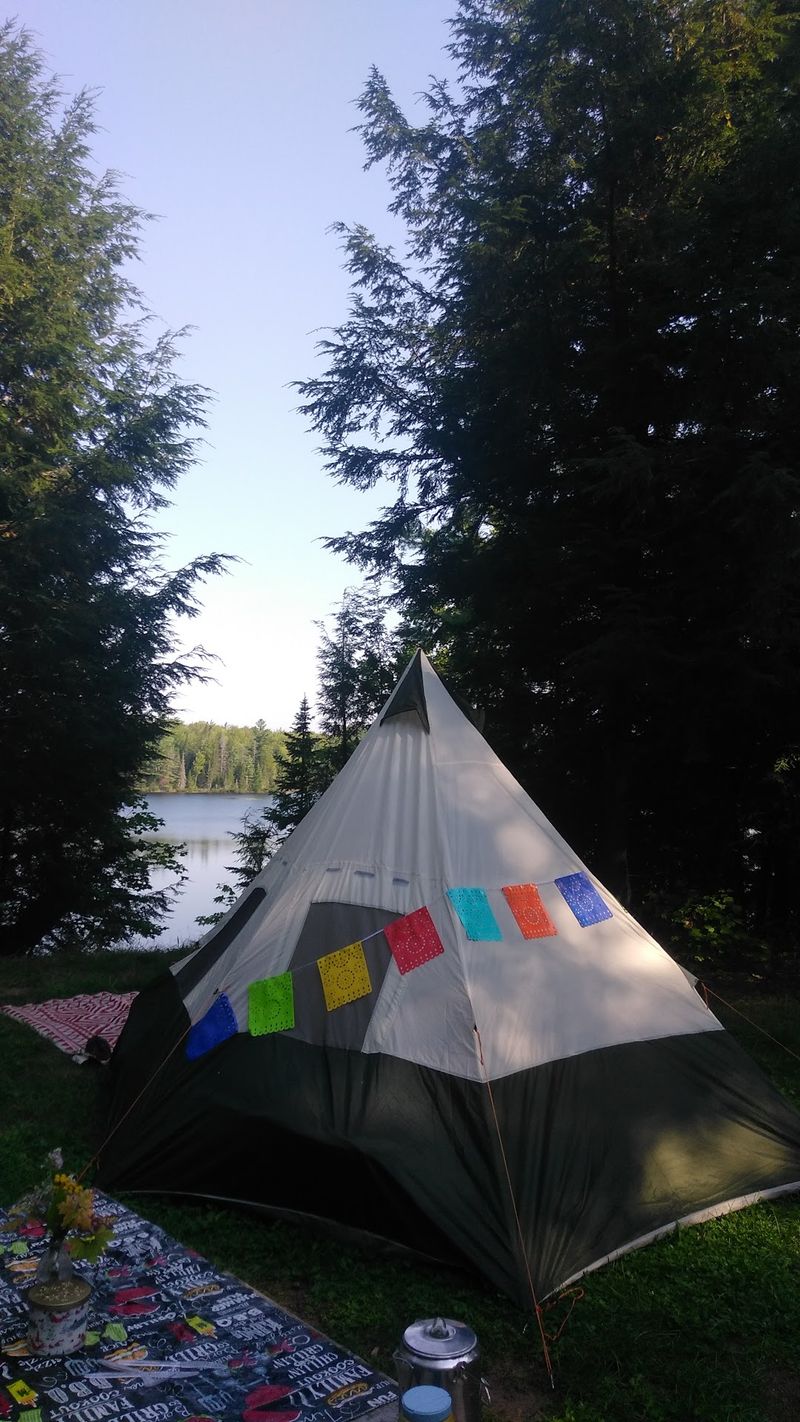
Emily Lake State Forest Campground has a softer sound than some of Michigan’s rougher-named camping spots, and that tone fits the kind of trip many people hope to find there. A small lake, a forest setting, and a rustic layout can combine into a weekend that feels calm without being dull.
One of the biggest advantages of a place like this is how easy it is to keep the plan simple. Set up camp, get near the water, make dinner before dark, and let the day unfold from there instead of trying to cram in too many side trips or backup activities.
That makes Emily Lake appealing for newer campers as well as longtime regulars. Beginners often do better at a quiet lake campground where the main attractions are close by, while experienced campers can enjoy the lack of noise, less crowded surroundings, and fewer signs telling them where to stand.
It helps to arrive with realistic expectations about rustic camping. Facilities may be limited, campsites may be more spread out, and creature comforts may depend mostly on what fits in the car, so extra paper goods, water, and a weatherproof layer deserve space in the packing list.
For families, the easiest activities are often the ones that work best. Looking for frogs near the edge, making simple camp breakfasts, and giving everyone a small camp job can turn an ordinary night outdoors into a trip that feels organized without becoming overly scheduled.
Campers who like photography may want to save time for early light on the lake. Even without dramatic cliffs or huge beaches, small inland water can produce beautiful reflections, and a quiet shoreline gives a scene room to breathe in a way that busier parks rarely can.
Emily Lake suits people who enjoy peaceful routines more than nonstop movement. Cook something easy, keep the gear practical, and plan for a little downtime by the water, and this less-talked-about campground can deliver the kind of northern Michigan stay many travelers spend years trying to find.
6. Mouth of Two Hearted River State Forest Campground
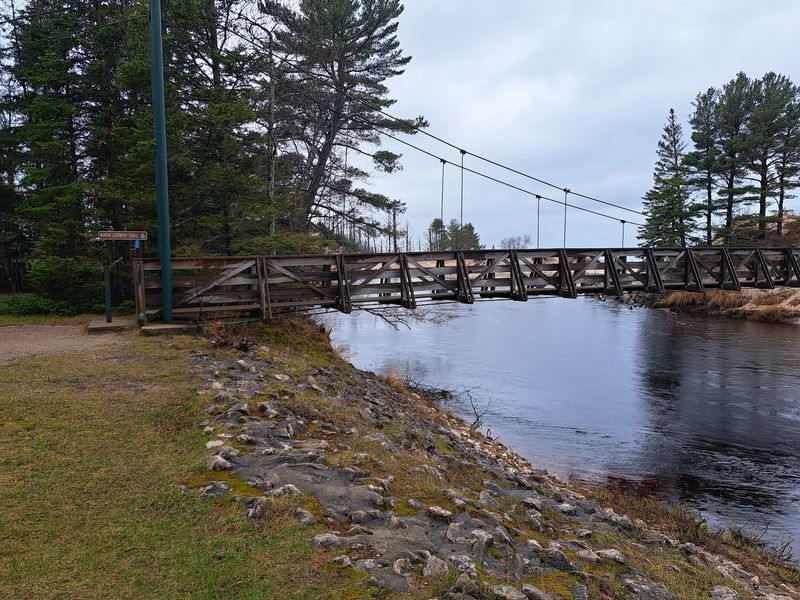
Few campground names in Michigan carry as much natural drama as Mouth of Two Hearted River State Forest Campground. The combination of river and big water nearby gives the area a rugged edge, and that alone can make it stand out from quieter inland campgrounds with a more tucked-away mood.
Where a river meets a larger body of water, the scenery often shifts quickly. Sand, stones, moving current, open shoreline, and changing weather can all shape the day, so campers who enjoy variety in the landscape may find plenty to pay attention to without needing planned entertainment.
This is the sort of place where conditions matter. Wind off the water can cool things fast, fog or mist may change visibility, and beach walks can feel very different from one hour to the next, which makes layers, rain gear, and secure tent setup especially important.
A trip here works best when the schedule stays flexible. One part of the day may be great for exploring the river mouth, another may be better for staying close to camp with a hot drink and a jacket, and that changeable rhythm is part of the appeal.
Campers who enjoy shoreline photography, birdwatching, or simply watching moving water may get the most from a stop here. There is a natural restlessness to places where land and water interact, and even a short walk can reveal driftwood, tracks in the sand, and different light every time.
Meals should stay easy and sturdy, especially if the wind picks up. A camp stove with some shelter, sealed food storage, and warm breakfast options can turn a chilly morning from annoying into memorable in a good way.
Mouth of Two Hearted River is a strong choice for campers who like their Michigan trips with a little more weather, a little more wild shoreline, and fewer distractions. It asks for preparation, but in return it offers a setting that rarely blends into the background.
7. Portage Bay State Forest Campground
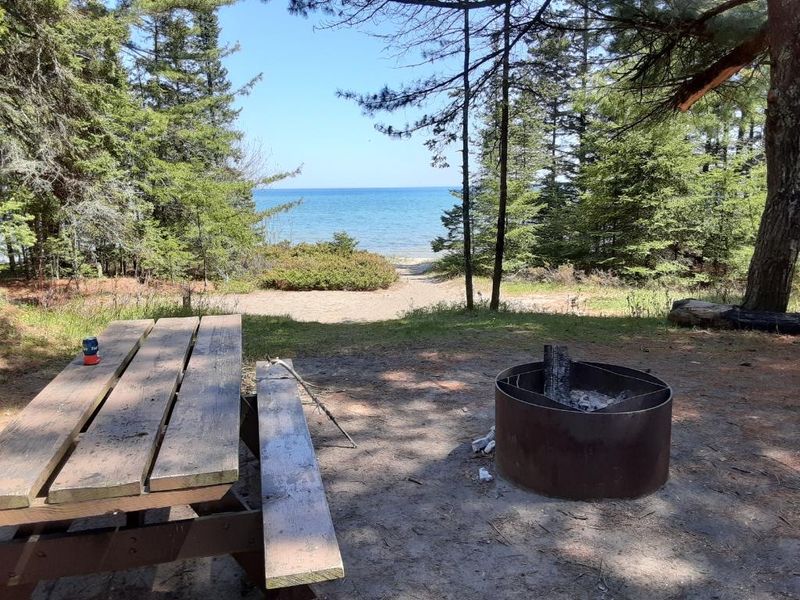
Portage Bay State Forest Campground has the kind of name that hints at water travel, old routes, and quiet coves, even before the car door opens. Bay campgrounds often feel different from river or inland lake sites, with broader views and a sense of weather moving across the landscape in real time.
That setting can be great for campers who like variety without noise. A bay may offer calmer pockets of water at times, wider horizons than a small lake, and shoreline changes that make a basic walk more interesting than just looping around a campground road.
Because open water can influence the day, smart packing goes beyond the usual tent and cooler. Wind-resistant layers, a hat, and a dry place for extra clothes help a lot, especially when mornings start cool and afternoons swing warmer before evening turns sharp again.
Paddlers may be drawn to the area depending on access and conditions, but even campers staying on land can enjoy the shoreline focus. Watching light move across a bay, listening for water against the edge, and scanning for birds can fill time in a satisfying, low-effort way.
One useful tip is to organize camp for quick weather changes. Keep rain gear near the door of the tent, weigh down loose items before leaving for a walk, and choose meals that can be made even if wind makes open-fire cooking less practical for a while.
Portage Bay also suits people who like campgrounds that leave room for thought. Bigger views often slow people down, and a simple chair pointed toward the water can become the best seat of the whole trip without needing much else around it.
For Michigan campers who usually default to the same few lakes every summer, Portage Bay offers a nice switch in scenery and pace. It is rustic, water-shaped, and a little less obvious on the average travel list, which is exactly why it catches attention once discovered.
8. Bodi Lake State Forest Campground
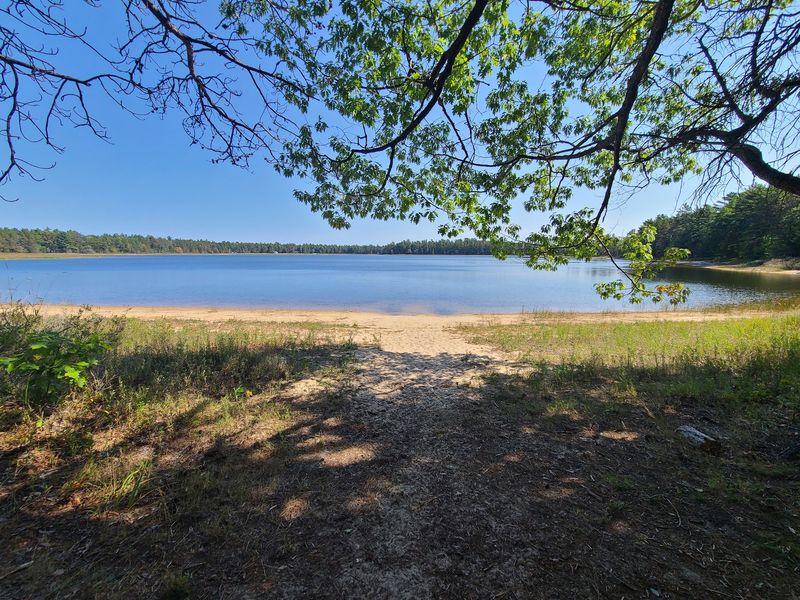
Bodi Lake State Forest Campground is easy to overlook if the trip plan is built around bigger names and larger parks. That is often how quieter places stay appealing, though, tucked just far enough from the usual spotlight to reward campers who are willing to trade convenience for a more relaxed setting.
The lake is the center of attention here, and that is plenty. Small or lesser-known lakes often create the kind of easy camping day many people actually want, where there is time to paddle, cast a line, read in a camp chair, or let dinner cook without feeling like everyone needs a next activity.
Rustic setups are usually best when expectations stay grounded. Bring the practical gear first, such as extra water, a tarp, bug spray, and simple lighting, then add the comfort items that matter most, whether that is a better pillow, a favorite skillet, or a dry pair of shoes just for camp.
Bodi Lake may work especially well for campers who want a quieter reset after crowded schedules. A less hectic campground can make basic routines stand out in a good way, from hearing loons or frogs after dark to noticing how long twilight hangs over the water.
Kids do not always need elaborate features to stay interested. Shoreline exploring, leaf collecting, and campfire cooking can hold attention surprisingly well when phones are tucked away and the setting gives them enough room to poke around safely and stay close to camp.
As with many remote campgrounds, arrival time matters. Reaching the site before dusk makes setup easier and leaves room to inspect the tent area, get oriented near the lake, and settle food before night sounds start making the woods feel bigger than they did from the road.
Bodi Lake is a good match for campers who appreciate steady, quiet weekends. It does not need flashy extras.
The draw is a peaceful lake, a modest camp setup, and the chance to enjoy Michigan outdoors without sharing every sunset with a crowd.
9. Hog Island State Forest Campground
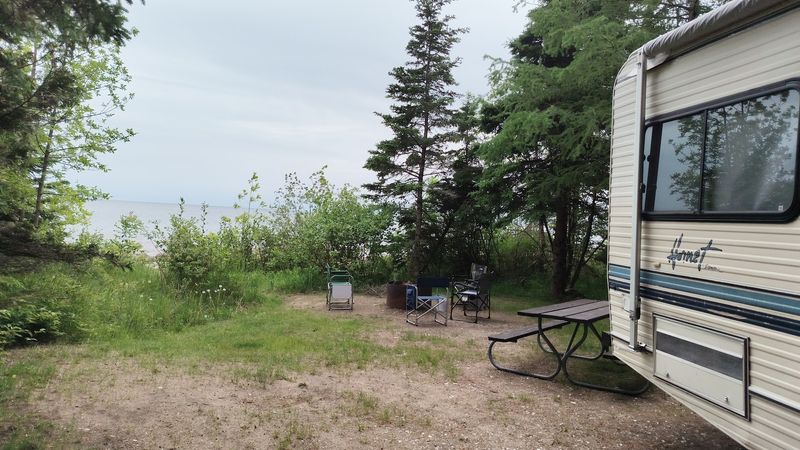
Hog Island State Forest Campground wins points for having a name nobody forgets. That bit of personality helps, but the real reason to notice it is the chance to camp in a place with a more rugged, less polished character than Michigan’s better-known summer stops.
Campgrounds near islands or protected shoreline areas often have a nice visual mix. There may be open water in one direction, woods in another, and enough shoreline detail to make every short walk feel a little different depending on light, wind, and water level.
For campers who get bored in heavily organized parks, that variety can be a real upgrade. The setting encourages wandering, noticing small changes, and spending more time outdoors instead of retreating to the car, which is often a sign that a campground is doing its job well.
Still, rustic camping asks for patience. Roads can be rough, facilities can be basic, and changing weather may shape the whole experience, so it helps to pack with the location in mind instead of assuming every campground works like a modern recreation area.
A windbreaker, camp shoes that handle mud, and sealed bins for food are smart choices here. So is a backup plan for cooking, since exposed areas and damp conditions can make a simple fire take longer than expected when the evening air turns cool or breezy.
One nice feature of lesser-known campgrounds is how quickly people settle into the natural pace of the place. Without a packed calendar of events, conversations last longer, shoreline views get more attention, and even washing dishes can feel less annoying when the surroundings are quiet.
Hog Island makes sense for campers who want a trip with more texture than convenience. It offers water, woods, and a little unpredictability, which can be exactly the right mix for a Michigan weekend that stands apart from the same familiar parks everyone else is already talking about.
10. Fox River State Forest Campground
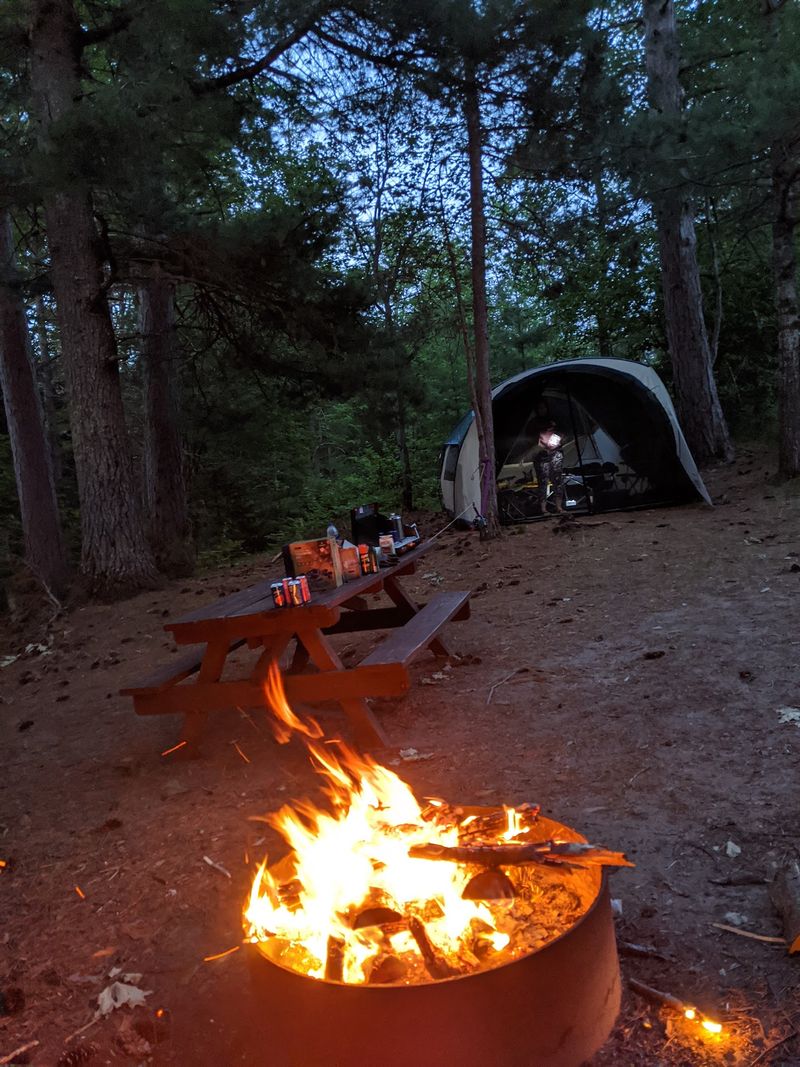
Rivers change the camping experience in a way lakes often do not, and Fox River State Forest Campground shows why. Moving water adds sound, motion, and a stronger sense of direction to the landscape, which can make even a quiet afternoon near camp feel active.
That is part of the appeal for campers who prefer a trip with a little natural energy. A riverbank invites short walks, careful exploring, and long stretches of watching current slip past while coffee cools in a mug, all without needing loud attractions or built-in programming.
Fox River may be especially appealing to anglers, paddlers, or anyone who likes camping close to water with a clear identity. A river does not just sit there.
It shapes how the campsite feels, how the air sounds at night, and how people tend to move through the day.
Because river settings can be damp, cool, or buggy depending on season and weather, packing a few extras is a smart move. Quick-dry clothing, insect repellent, and a ground cover for the tent can all improve comfort without taking up much room in the car.
Site awareness matters too. Choosing higher, drier ground when possible, keeping gear organized, and storing food carefully helps avoid the small frustrations that can build up fast when campers get sloppy in a rustic setting.
For families, riverside camping can create easy lessons in outdoor awareness. Kids can learn to respect moving water, notice tracks in mud or sand, and understand why camp boundaries matter, all while still having plenty of room to explore under close supervision.
Fox River is best for campers who appreciate a place with a strong natural soundtrack. The draw is not luxury.
It is the pull of running water, the shelter of the forest, and the kind of low-key Michigan camping trip that stays memorable because the setting does not try too hard.
11. Pike Lake State Forest Campground
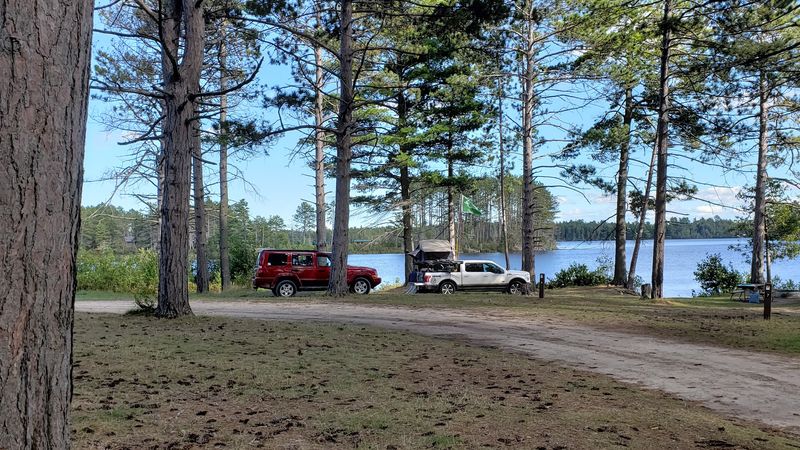
Pike Lake State Forest Campground has the kind of straightforward name that tells campers exactly where to focus. The lake is the star, and for many people that is enough reason to choose a quieter forest campground over a packed destination where every shoreline spot is already claimed.
There is a practical appeal to lake camping when the setup stays rustic. Days can be built around simple things like watching the water in the morning, taking a small boat out if conditions allow, or cleaning up dinner while light fades across the trees instead of a crowded parking lot.
Anglers may be especially drawn to places named Pike Lake, even if the trip ends up being more about relaxing than fishing. A lake with a purposeful, outdoorsy identity tends to attract campers who bring rods, tackle boxes, and a willingness to wake up earlier than usual.
That said, the campground can suit non-anglers just as well. Reading near shore, taking photos, teaching kids how to spot ripples and insects on the water, or simply stretching out a slower afternoon all fit naturally into the kind of trip this setting supports.
Preparation should stay focused on comfort and flexibility. Bring layered clothing, bug spray, easy breakfasts, and a chair that works on uneven ground, because rustic campgrounds reward people who think ahead about small annoyances before they become bigger ones.
Evening routines often become the best part of the stay. A simple meal, a quick walk, and a little time near the lake after sunset can do more for a tired brain than a full schedule of activities, especially when camp is quiet and the road in has already thinned out the crowds.
Pike Lake is a good choice for campers who want a straightforward outdoor weekend with a strong lake focus. It offers room to fish, rest, and unplug without needing the fame or bustle that usually follows Michigan’s most talked-about campgrounds.
12. Blind Sucker #1 State Forest Campground
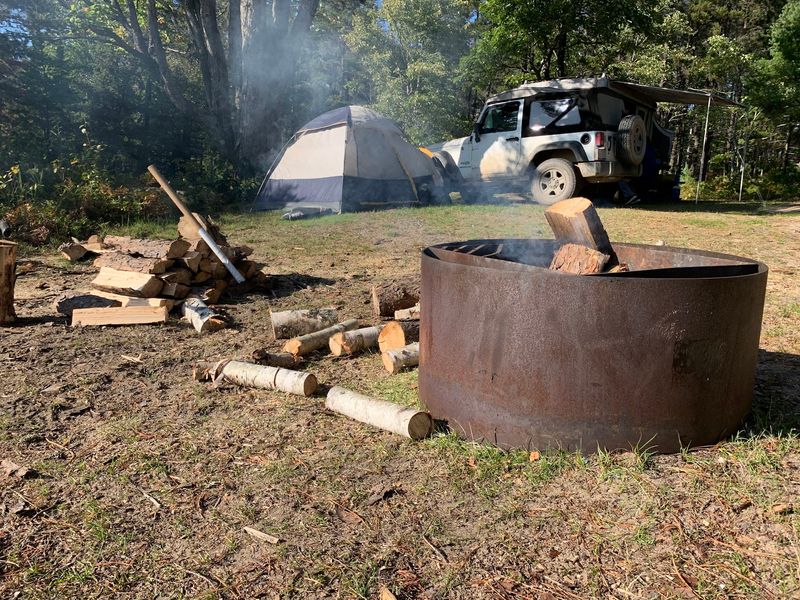
Before anyone even checks the campsite map, Blind Sucker #1 State Forest Campground gets attention for its unforgettable name. Once the joke is out of the way, though, what matters is that it offers the kind of rustic Michigan camping many locals say they want and then somehow never get around to trying.
Compared with developed parks, places like this usually strip the experience down to essentials. That can be a relief.
Fewer distractions often mean better campfire conversations, easier stargazing, and more awareness of ordinary outdoor details like bird calls, damp earth, and the way darkness settles in stages.
Campers should head in with a self-sufficient mindset. Extra water, solid lighting, weather-ready clothing, and dependable food storage make a big difference, especially where services are limited and a quick run to town may not be practical or even appealing.
The area may attract people who fish, explore nearby woods, or simply want a campsite that does not feel overmanaged. There is a certain freedom in a place that leaves more of the day up to the camper, as long as that freedom comes with good judgment and respect for the setting.
A helpful approach is to keep the schedule light. Set up camp carefully, take a short walk before dark, and pay attention to the basics such as tent placement, food handling, and where wet gear will go if weather changes overnight.
Because rustic campgrounds can get very dark, a headlamp and a backup lantern are almost always worth carrying. So are dry socks for evening, because even small comforts matter more when the nearest convenience store is not part of the plan.
Blind Sucker #1 suits campers who enjoy a trip with a little more effort and a lot less noise. It is a good reminder that some of Michigan’s most satisfying camp nights happen in places with odd names, modest facilities, and a strong sense of being pleasantly off the radar.
13. Lake Superior State Forest Campground
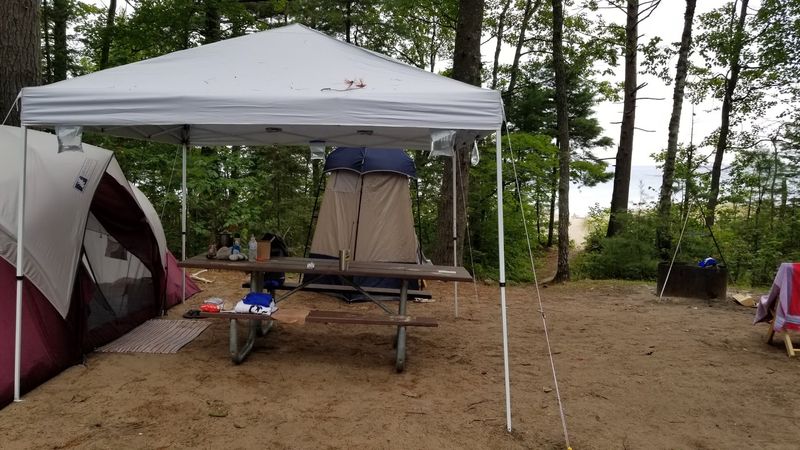
Lake Superior changes expectations fast. A campground tied to that shoreline, like Lake Superior State Forest Campground, carries a different mood from inland forest camping because the water is bigger, the weather has more influence, and the whole setting can shift from calm to dramatic in a short span.
That scale is a major part of the draw. Even a simple campsite feels more adventurous when a Great Lake is nearby, and many campers find that the sound of waves, the cooler air, and the broad horizon create a stronger sense of place than a standard weekend at a smaller lake.
Planning matters here more than people sometimes assume. Superior can bring chilly mornings, windy evenings, and damp conditions in almost any season, so layered clothing, a reliable rain jacket, and extra blankets can make a huge difference in how enjoyable the trip remains.
Campers who like to roam may appreciate having shoreline time as the main event. Walking the beach, collecting smooth stones where allowed, watching changing clouds, or simply sitting through a long sunset can fill hours without the trip ever feeling empty or repetitive.
Food should be simple and sturdy. Warm drinks, easy breakfasts, and meals that cook well even in breezier conditions tend to work better than anything too fussy, especially when fingers are cold and everyone would rather watch the lake than manage complicated cleanup.
Because the scale of the landscape can distract people, it is smart to keep camp organized. Secure loose gear, stake tents carefully, and avoid arriving late if possible, since setting up in fading light near a large, weather-shaped shoreline is harder than it sounds.
Lake Superior State Forest Campground is ideal for campers who want Michigan’s wild edge without a heavily built-up setting. It offers the basics, the lake, and a memorable reminder that some of the state’s least flashy campgrounds sit close to its biggest scenery.
Share this story