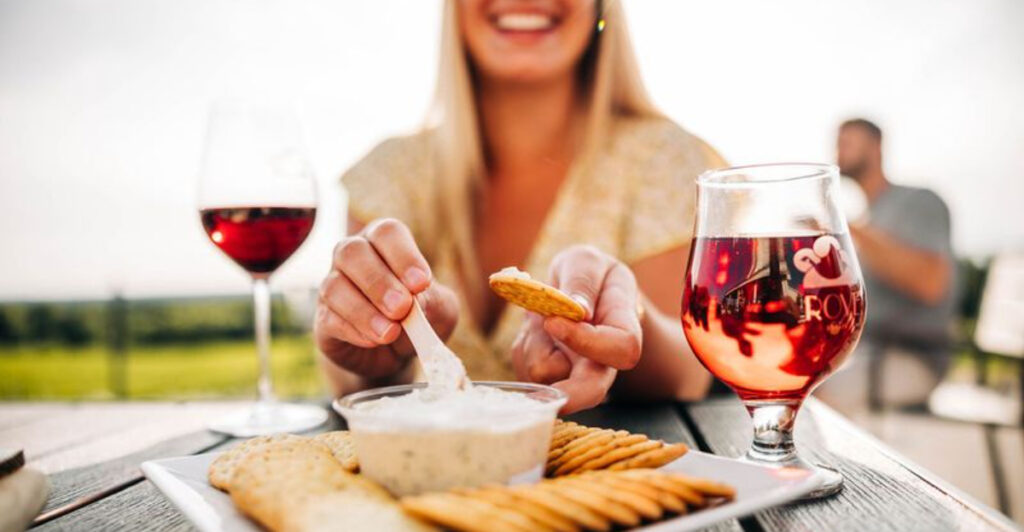
Vineyard views may bring people to Traverse City, but the food can make a winery stop even more memorable. Across the peninsula, certain wineries give travelers more than a good glass, pairing local pours with smart, flavorful plates that make the whole visit feel fuller.
That matters when a day of wine tasting also needs lunch, snacks, or a relaxed place to linger between scenic stops. Choosing wineries that handle both food and wine well can save time while making the trip feel more satisfying.
For anyone planning a Traverse City wine-country outing, these six spots offer plenty of flavor beyond the view.
1. Mari Vineyards
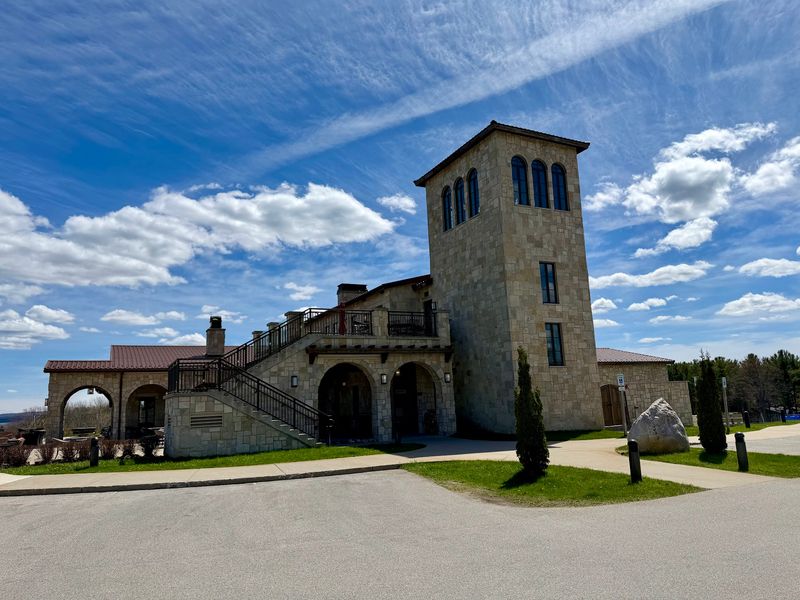
Perched high above the bay, Mari Vineyards brings a dramatic setting to the table before the first sip even arrives. The view grabs attention fast, but the smart move is slowing down and treating the visit like a full tasting stop, not a quick photo break.
Food here works best when approached as part of the wine experience instead of an extra add-on. Small plates, shared boards, and savory bites tend to fit the mood well because they let a group try different flavors without turning the meal into a heavy distraction from the glass.
A practical plan helps. Start with lighter options first, especially if crisp white wines or sparkling pours are on the table, then move toward richer choices like cured meats, warm breads, or heartier bites if the tasting shifts into reds.
That order matters more than many visitors expect. A bright pour can seem muted after salty or strongly seasoned food, so keeping the early plates simple can help the wine show more character.
Mari also suits travelers who want a slightly polished stop during a winery day. It works well for couples, small groups, or anyone hoping for a slower pace with room to talk, snack, and stretch out the visit instead of rushing to the next address.
Checking the current menu before arrival is a smart idea because winery food offerings can shift by season, day, or special event. That little bit of planning can help match expectations, especially for guests looking for lunch-like options rather than just nibbles.
Save a little time for the setting, but do not let the scenery do all the work. Ordering a thoughtful food pairing turns Mari Vineyards from a scenic tasting room into a fuller, more memorable stop on the Traverse City wine trail.
2. Rove Winery at the Gallagher Estate
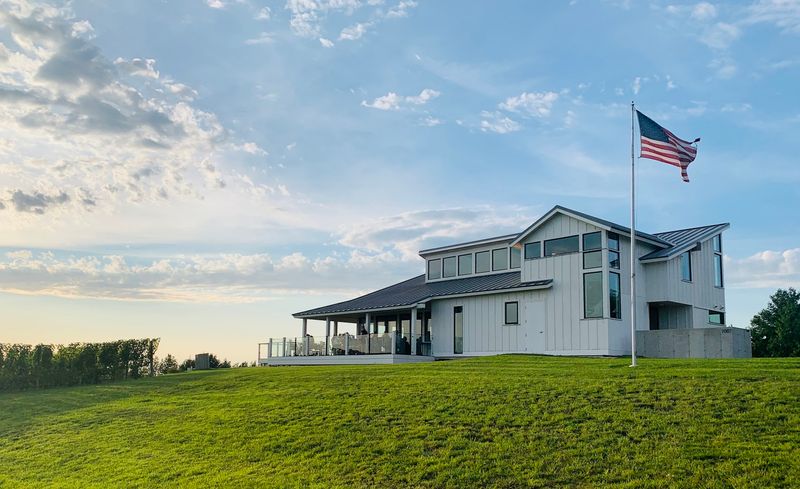
Fresh air seems to sharpen appetites, and Rove Winery at the Gallagher Estate is the kind of place where a snack can quickly turn into a full pause in the day. Open views and roomy grounds set an easy pace, making it a strong pick for visitors who do not want their winery stop to feel cramped or rushed.
The food approach here is best treated as casual but intentional. Think about simple dishes that pair cleanly with wine, not oversized plates that leave everyone too full for the next tasting room on the route.
That balance matters on a busy Traverse City afternoon. A shared board, a light lunch item, or a crisp seasonal option can keep the group satisfied while still leaving room to sample a few wines with clear attention.
Rove is especially handy for mixed groups because not everyone visits a winery with the same goal. Some want to compare pours, some mainly want the view, and others care most about finding a place with food that makes the stop feel complete.
Because of that, it helps to order in stages. Start with one easy plate for the table, taste through the first round of wines, then add another item only if the group wants to settle in longer.
That method keeps things relaxed and avoids over-ordering too early. It also gives guests a better chance to notice which wines wake up next to salty, creamy, crunchy, or lightly sweet flavors.
Before heading out, check hours and menu details since winery kitchens and snack offerings can change with the season. On a warm day, especially, Rove makes a strong case for slowing down, taking a seat, and letting good wine and smart food choices carry more of the afternoon than first planned.
3. Black Star Farms
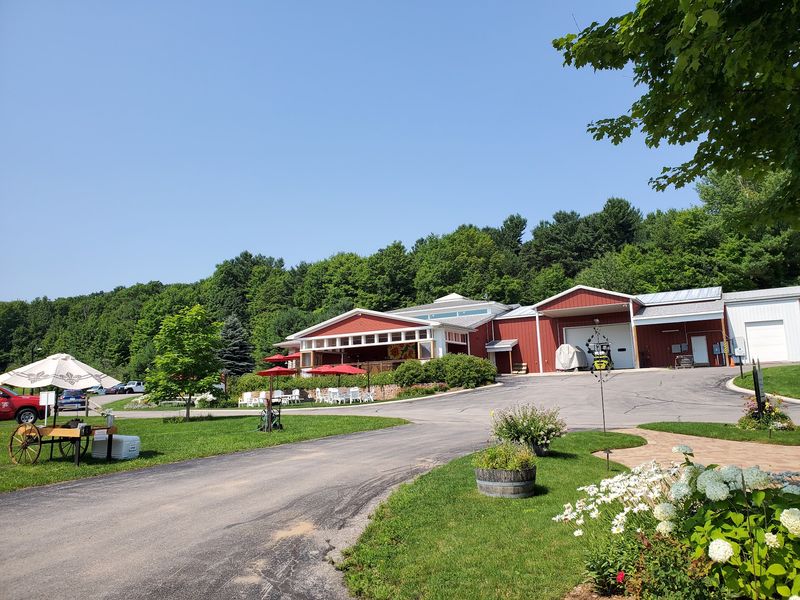
Some winery stops lean flashy, while Black Star Farms often shines by making the whole visit feel nicely put together. Wine and food sit side by side here in a way that suits travelers looking for a stop with a little more structure and a little less guesswork.
That can be a real advantage on a packed day in wine country. Instead of bouncing between a tasting room and a separate lunch stop, visitors can focus on one place that supports a more settled, complete outing.
Food pairings at a spot like this work best when they echo the style of the wines rather than trying to compete with them. Cheese, bread, fruit, spreads, and savory lunch items often make more sense than anything too spicy or overloaded with sauce.
A slower strategy fits Black Star Farms well. Give the table a minute to talk through the menu, look for a range of textures, and choose one or two things that can shift easily between different pours.
Soft cheese can mellow a bright white. A salty bite can wake up a fruit-forward red.
Even a simple cracker or piece of bread can help reset the palate between tastes, which is useful when several wines are lined up at once.
Black Star Farms also works nicely for travelers who want options for different energy levels. One guest might want a deeper tasting experience, while another just wants a calm place to sit with a glass and a plate that does not feel rushed.
Menus and service styles may vary, so checking current offerings before visiting is still a smart move. With a little planning, this stop can cover more than one need at once, giving a group a solid mix of scenic wine country, thoughtful food, and enough breathing room to enjoy both without hurrying through either.
4. Chateau Chantal
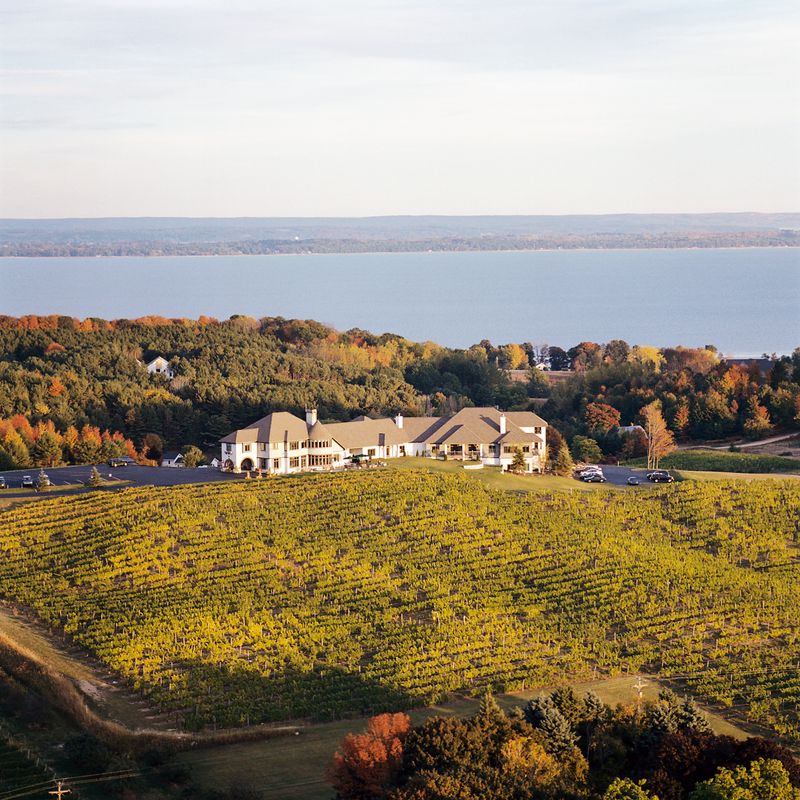
Few places make a lunch break look as tempting as Chateau Chantal. Set on Old Mission Peninsula with wide water views nearby, it is a natural choice for travelers who want their winery visit to include a strong visual payoff along with food that helps anchor the tasting.
At a place like this, pacing is everything. The scenery can make it easy to linger, so it helps to decide early whether the stop is meant for a quick glass and bite or a longer sit-down stretch in the middle of the day.
Food is most useful here when it supports that plan. Lighter choices can keep the visit easy and fresh, while richer small plates can turn the stop into more of a meal, especially for groups trying to avoid stacking too many wineries back to back.
One smart approach is to match the food order to the style of the wines being sampled. Crisp whites often pair well with brighter flavors and simple textures, while fuller wines usually handle creamier, saltier, or more robust bites with less effort.
That does not mean overthinking every forkful. It simply means using the menu to make the tasting clearer and more comfortable, especially for newer wine drinkers who may notice pairings more easily than tasting notes alone.
Chateau Chantal also suits visitors who like a setting that feels a touch more occasion-ready without becoming stiff. It can work for a casual date, a weekend outing with friends, or an afternoon pause that asks for a little more than crackers in a car between stops.
Because offerings can change, checking the current menu and reservation details ahead of time is wise. When the timing lines up, Chateau Chantal can deliver one of those rare winery stops where the view, the plate, and the glass all pull in the same direction.
5. Bonobo Winery
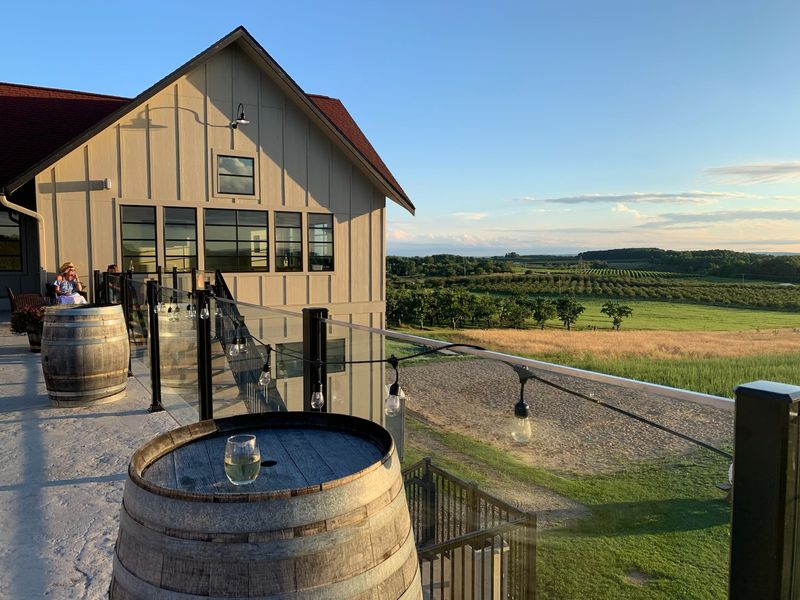
Bonobo Winery brings a slightly sleek edge to a Traverse City wine day, and that can be a fun switch if the schedule includes more rustic stops earlier on. The setting invites guests to settle in, order thoughtfully, and treat food as part of the main event rather than an afterthought.
Menus in places with a modern style often reward a little curiosity. Instead of defaulting to the safest option, it can pay to choose one familiar plate and one item with a sharper flavor contrast, then see how each behaves next to different wines.
That kind of comparison keeps the tasting lively. A creamy bite may soften a wine that first seemed crisp and firm, while a salty or savory plate can pull out fruit notes that were not obvious at first sip.
Bonobo works especially well for groups that like a social pace. Shared plates create an easy reason to slow down, trade opinions, and test pairings across the table without turning the stop into a formal lesson.
Timing matters here too. Arriving when everyone is hungry enough for food but not too tired to pay attention can make the whole visit stronger, especially if this is one of the later winery stops of the day.
Another useful tip is to keep one wine in the glass while trying more than one bite from the menu. That side-by-side approach often teaches more than moving quickly from pour to pour, and it gives the food a more active role in the experience.
Checking ahead for current offerings is still the safest move since kitchen items may shift with the season or service schedule. For visitors who want a winery stop with polished energy, easy conversation, and food that can hold its own beside the pours, Bonobo Winery makes a strong addition to the Traverse City lineup.
6. Brys Estate Vineyard & Winery
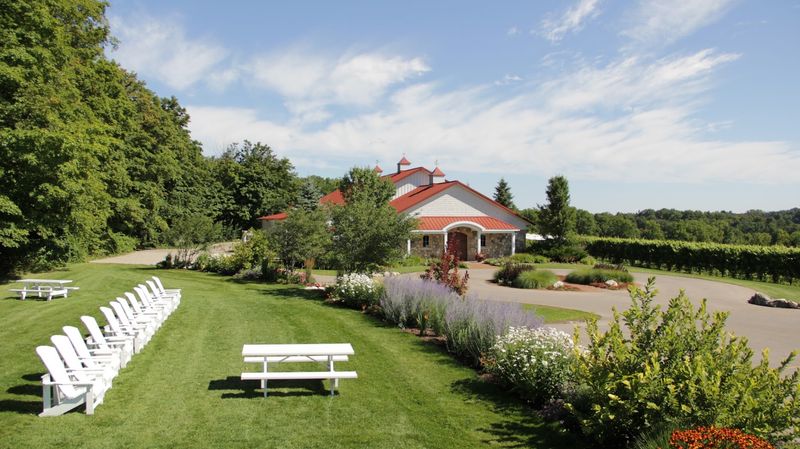
A winery day can use one stop that lets everyone exhale, and Brys Estate Vineyard & Winery fits that role well. The setting encourages a more relaxed rhythm, which pairs nicely with food that is satisfying, shareable, and easy to enjoy without making the visit feel overplanned.
For many travelers, that is the sweet spot. Good wine is important, of course, but a winery becomes far more useful when it also helps solve the midday question of where to eat without breaking the flow of the route.
At Brys Estate, a practical mindset works best. Look for foods that travel well across different wines, especially items with balanced salt, mild richness, and enough texture to keep tasting interesting from bite to bite.
That could mean a board for the table, a snack that bridges white and red pours, or a light meal that steadies the afternoon before the group heads to another tasting room. Simplicity can be a strength here because it leaves more room for the wines to stand out.
Another good move is to think about the order of the day. If Brys Estate is an early stop, lighter foods make sense.
If it lands later in the lineup, something more filling may help reset the group and keep everyone comfortable.
Visitors traveling with different budgets often appreciate this kind of flexibility too. One person can focus on a glass and a small bite, while another might turn the stop into a fuller meal break, and neither approach feels out of place.
As always, checking menus, seating details, and seasonal changes before arriving can save time. Brys Estate Vineyard & Winery is a smart pick for anyone building a Traverse City wine itinerary that needs more than scenic views alone, delivering a stop where the food supports the day and the wine stays center stage.