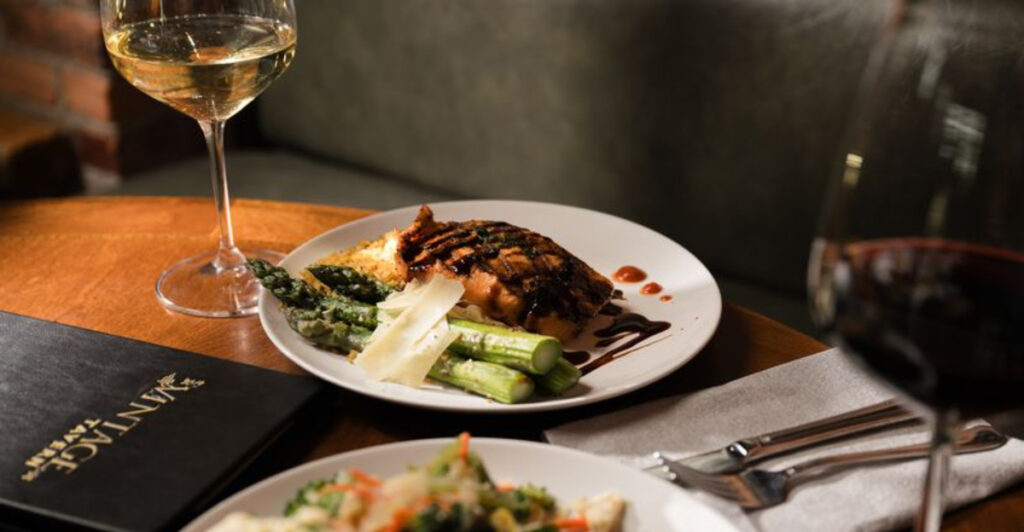
Historic buildings have a way of setting expectations before the first plate ever reaches the table. In Port Huron, Michigan, Vintage Tavern adds a modern dining surprise inside a 1904 setting, pairing old local character with a polished kitchen that feels built for a full night out.
The contrast is what makes the restaurant stand out, with history on the outside and thoughtful, ambitious cooking shaping the experience inside. It gives the town a place that feels rooted and current at the same time.
For anyone looking for a Michigan restaurant with atmosphere, craftsmanship, and a strong sense of place, Vintage Tavern quickly grabs attention.
Brick, Tin, and a Strong First Look
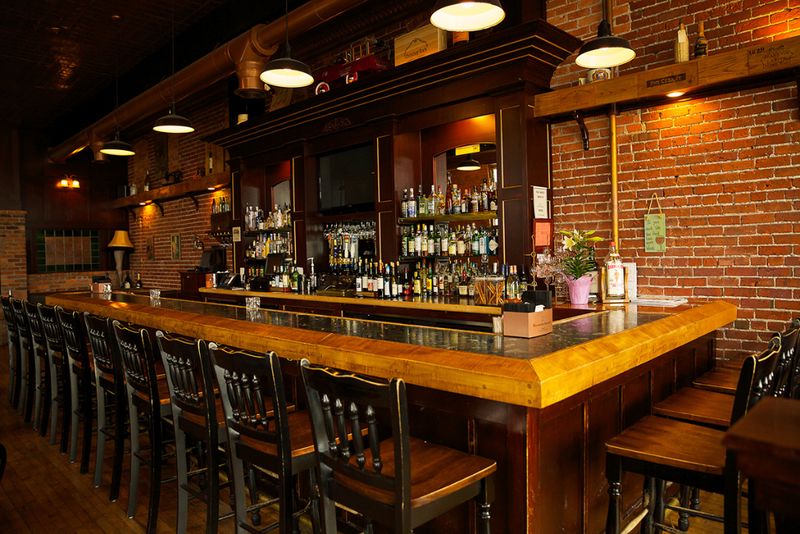
Before a menu ever lands on the table, Vintage Tavern already has a clear point of view. The building brings together old brick, decorative metal ceiling panels, and a bar setup that gives the room shape instead of noise.
Rather than chasing a trendy look, the space leans into age, texture, and solid materials that fit a downtown building with real history behind it.
That visual mix matters because it frames dinner as more than a quick stop. A simple lunch, a date night, or a celebration all seem to make sense here because the room has enough polish for a special meal and enough warmth to stay relaxed.
Even when the dining room gets busy, the design keeps the space from feeling random or thrown together.
Lighting also helps set the tone. It is bright enough to appreciate the details of the food, but soft enough to keep the room comfortable.
Big design choices, like exposed brick and a long bar, do much of the work, so the place does not need flashy extras to seem memorable.
In a waterfront town where plenty of spots rely on location alone, Vintage Tavern makes a visual argument of its own. The restaurant looks established, cared for, and intentional.
That sends a message before the first sip or first bite.
For anyone planning a visit, arriving with a few extra minutes is smart. The building itself is part of the experience, and the room deserves a slow first glance instead of a rushed walk to the table.
A Kitchen That Aims Higher Than Tavern Food
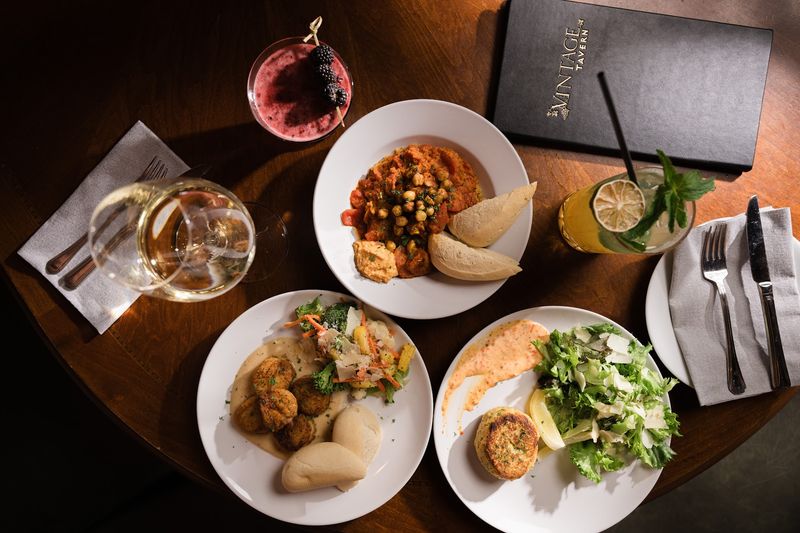
Here is the real twist in the story. Vintage Tavern may sit inside a historic building, but the kitchen is not stuck in the past.
The menu reads like a place that wants to serve familiar American tavern ideas with sharper technique, better presentation, and enough variety to make repeat visits interesting.
Popular dishes show that range. Dill pickle soup brings a playful local comfort note, while short ribs, walleye, ribeye, and seafood options push the restaurant into more polished territory.
Seasonal specials add movement, which keeps the menu from feeling fixed or predictable and gives regular diners a reason to check what is new.
That balance is one of the strongest things happening here. A person can order a sandwich, tacos, or salad at lunch and keep the meal casual, while dinner can lean toward steak, fish, richer sauces, and desserts that feel more dressed up.
The restaurant is speaking to more than one kind of appetite without becoming scattered.
Presentation seems to matter, too. Plates are described as neat, attractive, and carefully built, which fits the restaurant’s stylish setting.
Good presentation does not replace flavor, of course, but it does show that the kitchen pays attention to details beyond simple portion size.
Anyone trying the place for the first time should consider mixing a signature comfort item with a more ambitious entree. That is probably the best way to understand why the kitchen stands out in town.
Vintage Tavern is not trying to be a plain pub, and it is not acting like a formal white-tablecloth room either. It sits right in the middle, where creativity still leaves room for a satisfying meal.
Upstairs, the River Changes the Whole Meal
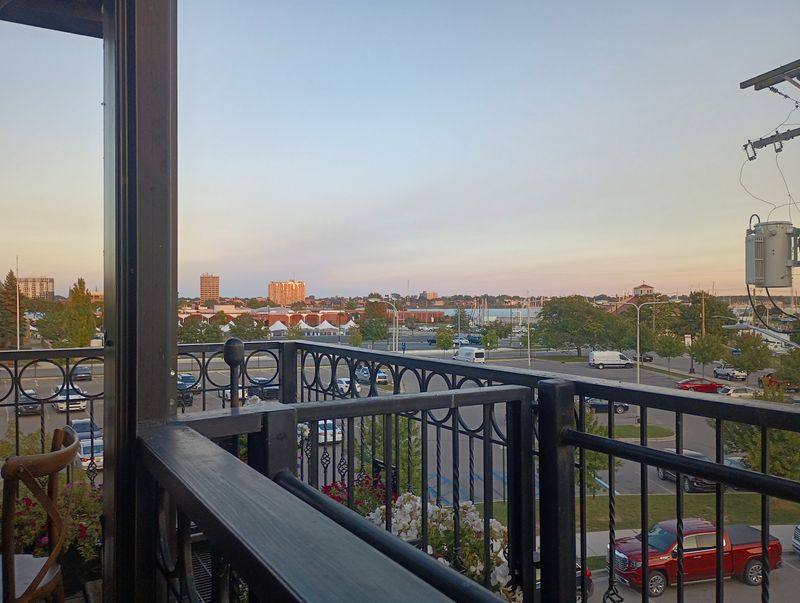
Not every restaurant gets a second personality, but Vintage Tavern does. Upstairs seating and the roof deck shift the experience from enclosed historic tavern to open-air perch, with river views adding motion, light, and a stronger sense of place.
A meal there is not only about the plate. The setting becomes part of the pacing.
That changes how the restaurant works across the day. Lunch upstairs can feel breezy and easygoing, especially for lighter dishes, a cocktail, or a casual meeting.
Dinner has a different rhythm, with reserved rail-side tables, evening light, and a little more energy in the room as conversations rise over the waterfront backdrop.
The practical appeal is obvious. People who want fresh air without giving up a full menu have a strong option here, and the upstairs area offers visual relief from a standard dining room.
In many towns, rooftop dining is treated like a gimmick. At Vintage Tavern, it seems woven into the building’s identity.
It also helps the restaurant serve different moods without changing its core style. Downstairs suits a cozy, brick-lined meal.
Upstairs opens things up and gives diners a wider frame, which can be useful if the indoor room feels busy during peak hours.
Planning matters a little more if the patio or rooftop is the goal. Prime tables can fill quickly, especially when the weather cooperates and evening reservations stack up.
Choosing that level of the building makes the visit more scenic and more distinctly Port Huron.
For travelers, that matters even more. Plenty of restaurants can serve a good entree.
Fewer can pair it with a view that reminds you exactly where you are in Michigan.
Port Huron, Michigan History With a Modern Pulse
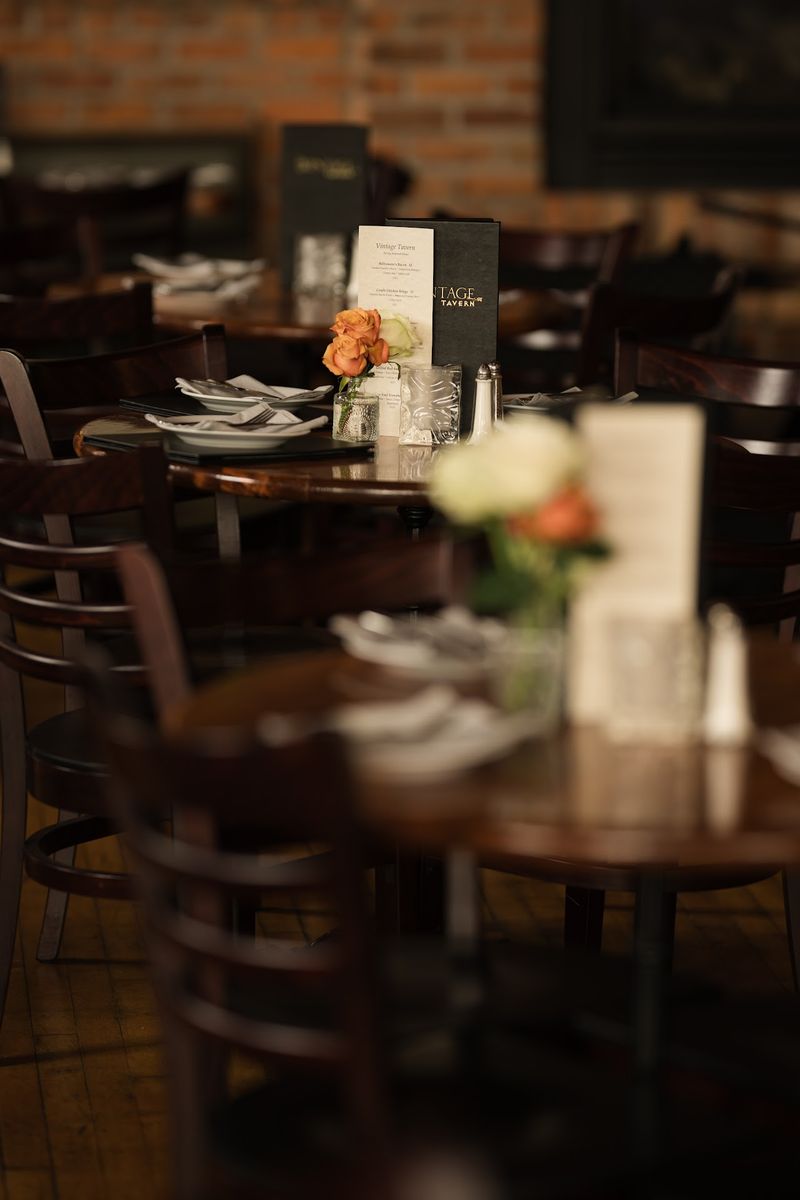
Old buildings can easily turn into museums with menus. Vintage Tavern avoids that trap by keeping the historic shell visible while letting the restaurant run like a current, active part of downtown Port Huron.
The result is not dusty, themed nostalgia. It is a working dining room where age adds depth instead of stiffness.
The smartest choice may be restraint. The decor draws from vintage cues, yet the room does not appear overloaded with props trying to prove a point.
Original-looking materials, structural character, and classic tavern notes do enough. That keeps attention on the meal while still reminding diners that the building has lived a longer life than many nearby spaces.
For a restaurant in a 1904 building, that balance is valuable. Preserved history gives people a reason to look up from the table, notice the ceiling, study the brick, and understand the setting as part of the city’s fabric.
Updated seating, service flow, and menu design then keep the experience in the present.
There is also a local benefit to this kind of reuse. Instead of letting an older property become background scenery, the restaurant gives it a daily purpose.
Lunches, celebrations, drinks with friends, and evening dinners all keep the building connected to community life rather than sealed off as a landmark people only admire from outside.
That connection adds a kind of quiet credibility. Vintage Tavern does not need to invent character because the address already has some.
The restaurant simply uses it well.
Anyone interested in Port Huron beyond the usual stop-and-go visit should pay attention to that layer. Eating here is also a simple way to experience one of the city’s older downtown spaces while it is busy, useful, and fully alive.
More Than Dinner: Drinks, Desserts, and Special Nights
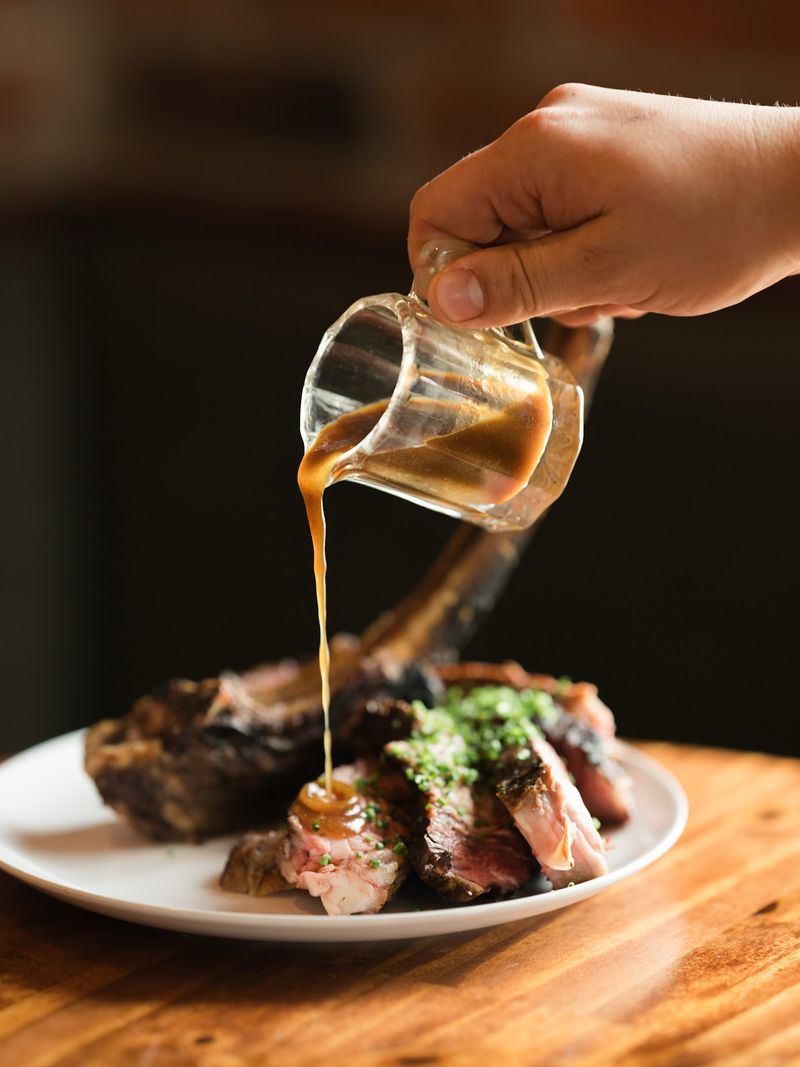
A strong kitchen may be the headline, but the full experience stretches beyond the entree. Vintage Tavern puts real weight behind drinks, desserts, and occasion dining, which helps explain why the restaurant works for birthdays, rehearsal dinners, date nights, and those evenings when a regular meal is not enough.
The beverage side appears especially broad. Wine, spirits, local brews, and seasonal cocktails give diners room to shape the night around the food instead of treating drinks as an afterthought.
That matters in a tavern-style restaurant with higher ambition, because a thoughtful glass of wine or a well-made cocktail can steer the whole tone of the meal.
Dessert plays a similar role. Rich chocolate cake, crafted sweets, and notable finishing plates push the evening past the point where many restaurants fade out.
Ending well is part of the restaurant’s appeal, especially for groups marking an occasion or couples stretching dinner into a longer night.
Service also seems built for those moments. Staff attention is often described as prompt, friendly, and polished, which makes a difference in a place that handles both casual lunches and milestone events.
A restaurant does not become a celebration pick by accident. It needs timing, patience, and enough confidence to manage details without making the room feel stiff.
Even the split layout helps. Someone can meet for drinks, settle into dinner, then move through the evening naturally instead of feeling locked into one narrow format.
That flexibility gives the restaurant a social range many single-room dining spots do not have.
For locals, that means one address can cover several needs. For travelers, it means choosing Vintage Tavern can solve the old problem of finding a place that looks special, serves seriously, and still knows how to keep the night moving.
How to Time It for the Best Experience
Good planning can noticeably improve a visit to Vintage Tavern. The restaurant opens at 11 AM most days, stays closed on Sunday, and runs through lunch and dinner, which gives diners a few distinct ways to use the space.
Choosing the right window depends on whether the goal is scenery, a quieter table, or a fuller night-out atmosphere.
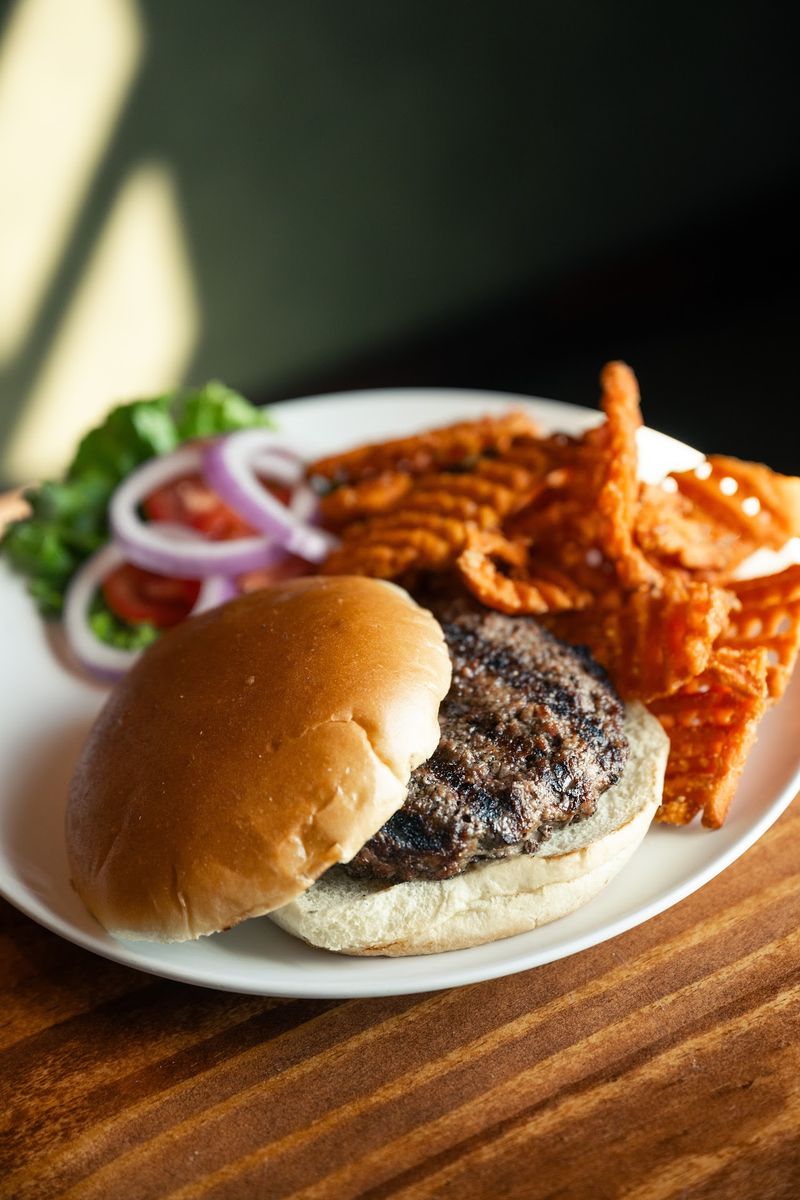
Lunch is a practical entry point. It gives first-time diners a chance to see the building, test the menu, and keep the meal lighter with sandwiches, salads, soup, or a simpler plate.
Midday also makes the upstairs area especially appealing when the weather is pleasant and the river view can do some of the work.
Evening service seems to draw more energy, especially around the dinner hour. That is usually the better time for anyone chasing the complete effect of the restaurant, from cocktails to richer entrees to dessert.
If rooftop or booth seating matters, reservations are a smart move rather than a last-minute hope.
Price is part of planning, too. Vintage Tavern appears positioned as a polished dining option rather than a bargain stop, so it makes sense to treat the visit like a proper outing.
Going in with that expectation helps diners choose well and enjoy the experience for what it is.
Group size also changes the strategy. A special event or celebration likely benefits from early coordination, while a solo lunch or casual weekday meal can be more flexible.
The restaurant seems capable of handling both, but the mood shifts depending on timing.
For the smoothest visit, think in layers: historic room or rooftop, lunch ease or dinner energy, quick meal or long evening. Vintage Tavern rewards that little bit of planning because the restaurant offers more than one version of itself, and each version suits a different kind of outing.
Why This 1904 Address Now Owns the Conversation
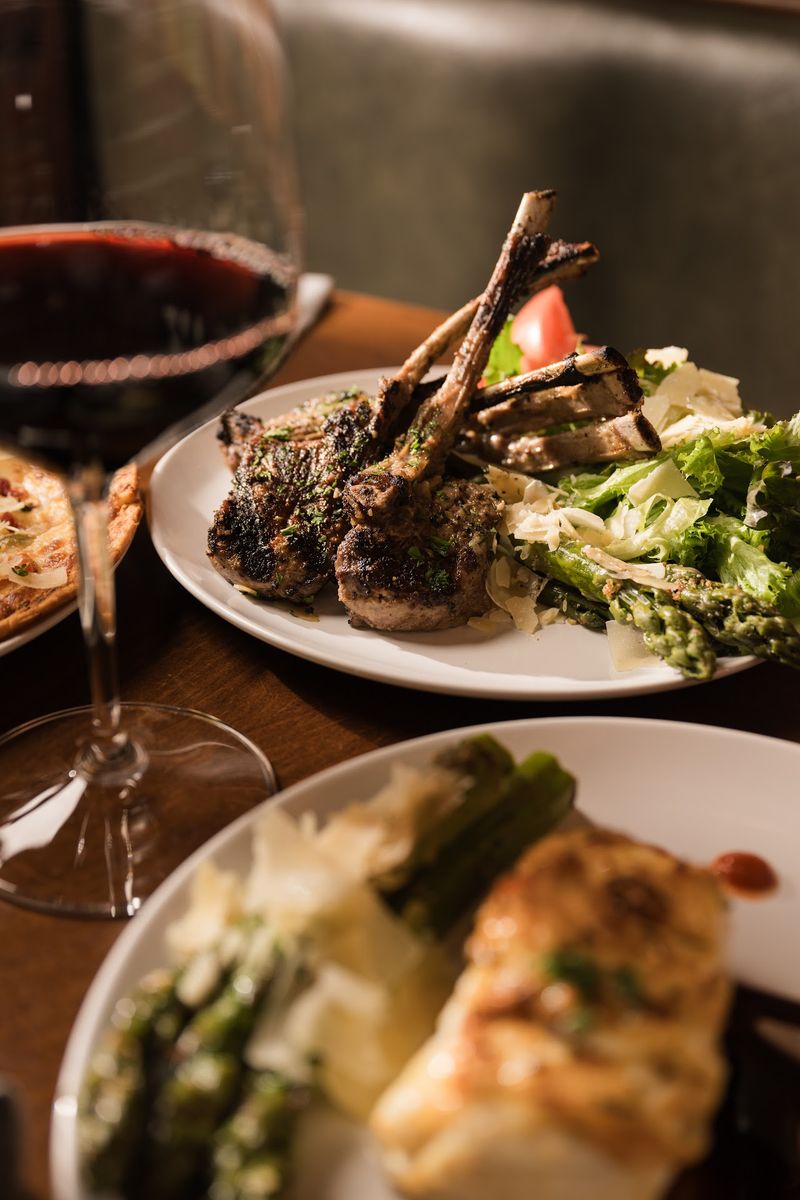
Some restaurants are known for one thing only: the view, the drinks, the old building, or a single famous dish. Vintage Tavern stands out because several strong pieces line up at once.
The address has age, the dining rooms have personality, the rooftop adds place-specific appeal, and the kitchen gives the whole operation real weight.
That combination is why the restaurant rises above being merely attractive. Plenty of historic spaces look nice but coast on atmosphere.
Plenty of modern kitchens serve sharp food in forgettable rooms. Vintage Tavern seems to avoid both problems by pairing visual character with a menu that reaches beyond routine tavern expectations.
Port Huron benefits from that kind of place. A town restaurant becomes more useful when it can host lunch, date night, a family celebration, a pre-event drink, or a dinner chosen simply because someone wants to eat well.
Vintage Tavern appears built for exactly that broad role, and the different levels of the building strengthen it even more.
The title of best kitchen inside a 1904 Michigan building lands because the contrast is easy to understand. Old walls suggest one story.
The polished food and curated drinks tell another. Put them together, and the restaurant gets a sharper identity than a new-build dining room could easily copy.
There is also a confidence to the setup. The place does not need gimmicks when exposed brick, rooftop seating, seasonal dishes, and a serious bar program already give diners several reasons to come in.
Each part supports the others.
For anyone deciding where to spend one memorable meal in Port Huron, Vintage Tavern makes a persuasive case. It turns a historic downtown building into an active, stylish restaurant where setting and kitchen push in the same direction, and that is not a common result.