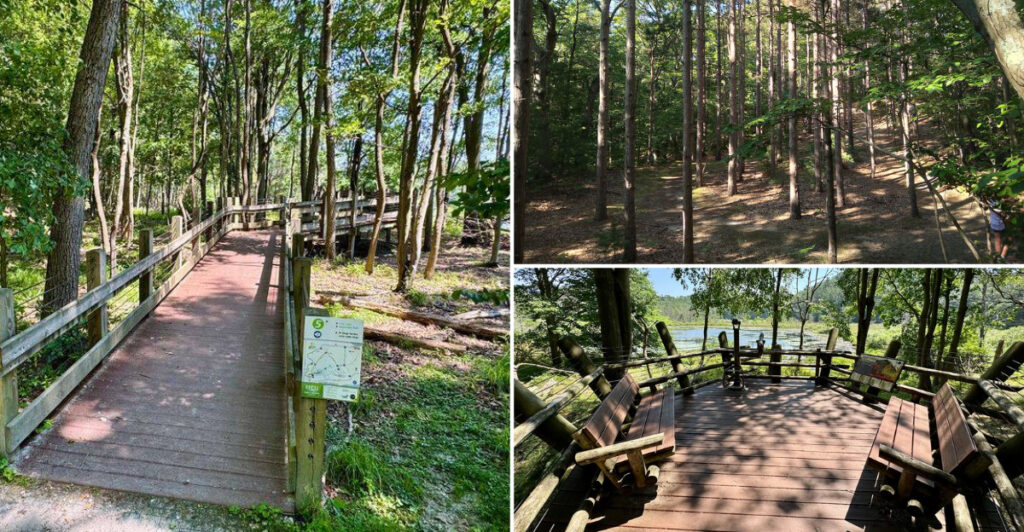
Quiet trails feel especially rewarding when water, woods, and easy walking all come together without much fuss. In Laketon Township, Michigan, Lost Lake Trail offers a calm West Michigan escape where hikers can slow down, follow a peaceful path, and notice the smaller details that busier places often rush past.
The route feels approachable, making it a good fit for a short outing, a fresh-air reset, or a simple walk under the trees with lake views nearby. Its charm comes from being scenic without feeling demanding.
For anyone who likes Michigan trails with still water, shaded paths, and a slower pace, Lost Lake Trail deserves a spot on the list.
Where the Woods Open Up to Water
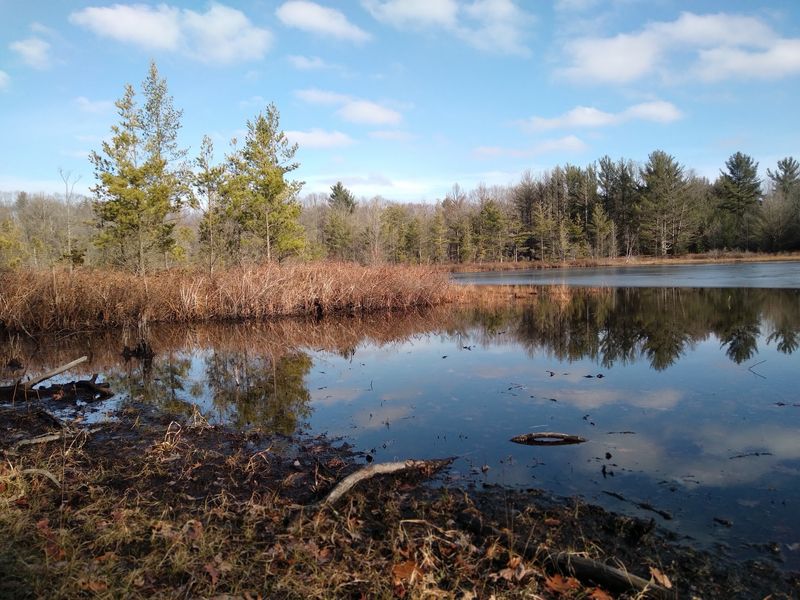
A good trail does not need huge cliffs or loud crowds to grab attention. Lost Lake Trail pulls hikers in with a calmer kind of drama, the kind that happens when a wooded path suddenly gives way to water and open sky.
That shift in scenery is the first big reward here, and it sets the tone for the whole walk.
Much of the route moves through a peaceful tree cover that helps block noise and keeps the setting grounded in simple natural detail. Leaves rustle overhead, trunks frame the trail, and the path invites an easy pace instead of a rushed one.
Then the lake appears, and the whole scene changes from enclosed and shaded to bright and open.
That contrast matters because it keeps the walk interesting without making it difficult. Hikers who enjoy variety get both forest texture and shoreline beauty in one outing.
Families, casual walkers, and anyone easing back into outdoor exercise can appreciate a route that feels scenic without demanding steep climbs or technical footing.
Along the way, it helps to look beyond the big view and notice the smaller parts of the landscape. Sunlight flickers across the ground, branches lean toward the water, and the edges of the lake can look different depending on wind, season, and time of day.
A quiet morning may make the water look smooth and glassy, while later hours can bring ripples and sharper reflections.
Bring shoes that handle dirt and roots well, and keep a phone or camera ready for the lake reveal. Lost Lake Trail is strongest when walked with patience, because the route works less like a race and more like a gradual unfolding of woods, shoreline, and sky.
The Lake Edge Is the Main Event
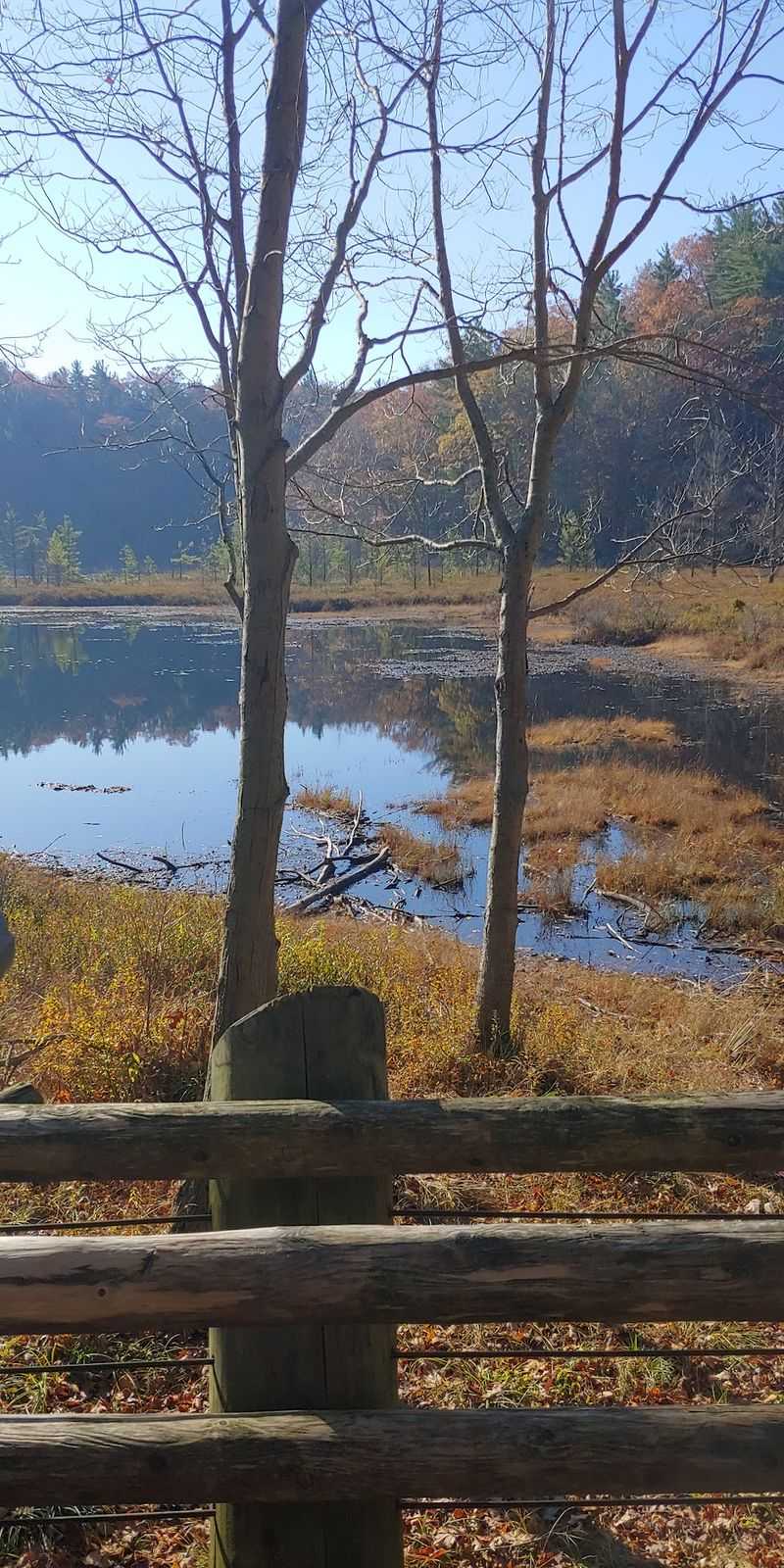
Plenty of trails pass near water, but Lost Lake Trail makes the shoreline a real part of the experience rather than a quick side note. The lake is not just something off in the distance.
It shapes the mood of the walk, giving hikers a steady visual anchor and a reason to slow their steps.
When the path tracks near the water, the whole outing takes on a softer rhythm. Instead of focusing only on the next turn, hikers can follow the changing edge of the lake, where reeds, branches, and small openings create different viewing angles.
That movement along the shoreline keeps the route active even when the walking itself remains easygoing.
One of the best parts of a lakefront trail is how often the scenery edits itself. A patch of still water can mirror the trees, then a breeze comes through and breaks the reflection into bright, moving pieces.
Birds may cut across the surface, and sunlight can slide from silver to gold as the day changes.
For anyone planning a visit, the smart move is to build in extra time for pauses. A trail like this is not only about mileage.
It is about standing at the edge of the lake for a minute longer than expected and letting the setting do the work. That makes it a solid pick for hikers who want a real outdoor break without needing an all-day trek.
If photography is part of the plan, try walking when the light is lower and softer. Morning and early evening usually give the water more character and reduce the harsh look that bright midday sun can create.
Even without a camera, the lakeside sections give Lost Lake Trail its strongest identity.
Michigan Quiet, Without the Long Drive Feel
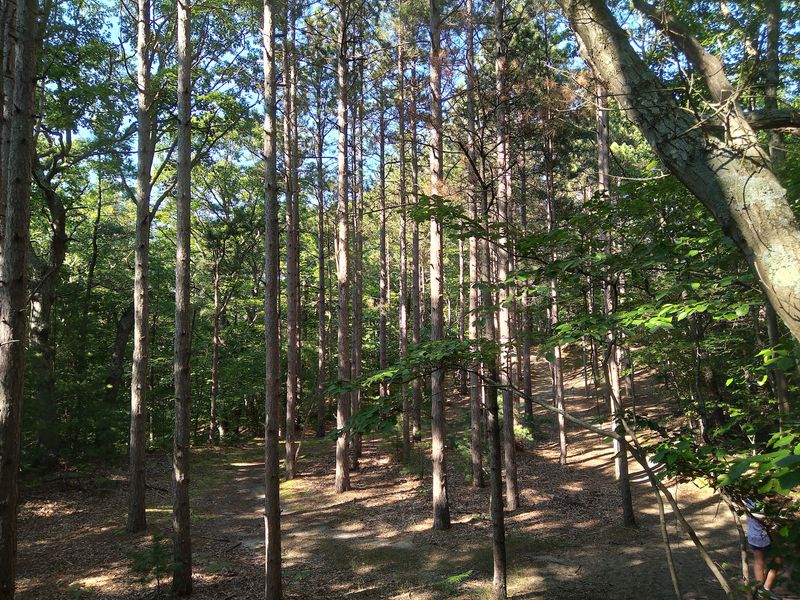
Some outdoor places impress with size, while others win people over by being easy to reach and easy to enjoy. Lost Lake Trail fits the second group.
It offers a strong taste of Michigan nature without requiring a major expedition, and that convenience is part of what makes the trail appealing.
In a state known for big shorelines and famous parks, smaller trails can be overlooked. Yet routes like this one play an important role because they make outdoor time more realistic for regular days.
Not every hike needs to be a weekend project. Sometimes the best trail is the one that lets you step into woods and water views without spending hours planning every detail.
The setting around Lost Lake Trail supports that kind of simple adventure. Laketon Township places hikers in a part of West Michigan where natural spaces still feel close at hand.
The trail can work for a spontaneous afternoon walk, a low-stress family outing, or a quiet solo trip when a crowded destination sounds less appealing.
That practical ease changes the whole tone of the experience. Instead of treating the hike like a big event, walkers can focus on noticing the trail itself.
The trees, the shape of the path, and the calm presence of the lake become the center of attention. There is less pressure to conquer something and more room to just be outside.
Anyone exploring Michigan beyond its best-known names should keep places like Lost Lake Trail on the radar. It shows how local trails can deliver scenery, movement, and a reset for the mind all in one package.
For hikers who value calm over spectacle, this route offers a satisfying answer close to home.
Small Details Make the Walk Better
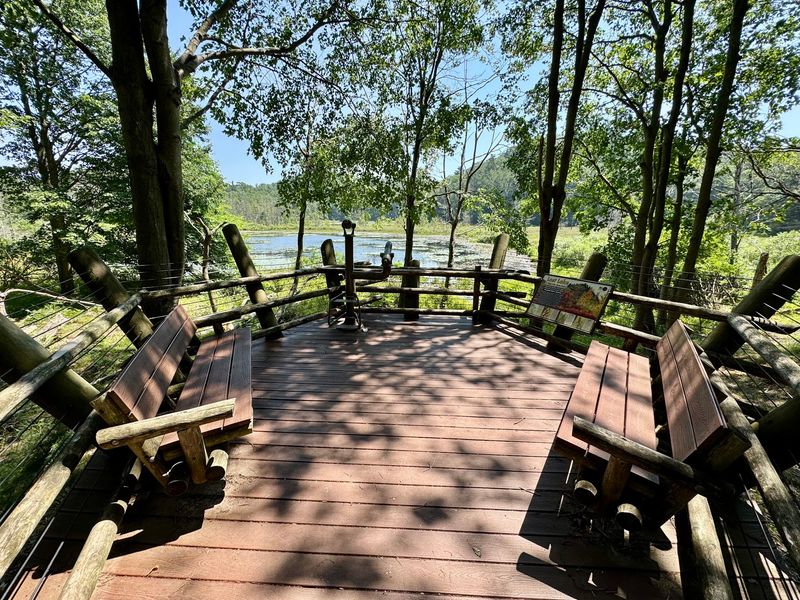
Flashy scenery gets attention, but the charm of Lost Lake Trail grows from the details underfoot and just beyond the path. A bend in the trail, a patch of roots, a sudden shaft of sunlight, or a thin opening through the trees can turn an ordinary stretch into the part people talk about later.
That close-up quality gives the hike texture.
The route works best when hikers pay attention to scale. Big lake views are one part of the story, but so are the patterns on bark, the sound of dry leaves, and the way the trail shifts between shade and brightness.
These smaller changes keep the walk lively, especially for kids or anyone who enjoys nature as a series of discoveries rather than one single overlook.
Because of that, Lost Lake Trail suits a slower pace. There is no need to rush through sections just to reach a finish line.
Taking time lets walkers spot the little things that shape the landscape, from uneven ground to low branches framing the water. Even a short stop can reveal new movement, like insects near the shore or wind changing the surface of the lake.
Practical habits make these details easier to enjoy. Comfortable shoes help on natural terrain, and dressing in layers can make changing shade and sun more pleasant.
Bringing water, even for a modest hike, also helps visitors stay focused on the scenery instead of the discomfort that can build on warm days.
Lost Lake Trail stands out because it rewards attention instead of demanding effort. The path does not need huge landmarks every few minutes to stay interesting.
Its strength comes from how the woods and water keep offering fresh, small moments, one after another, if hikers are willing to notice them.
A Trail That Fits More Than One Kind of Hiker
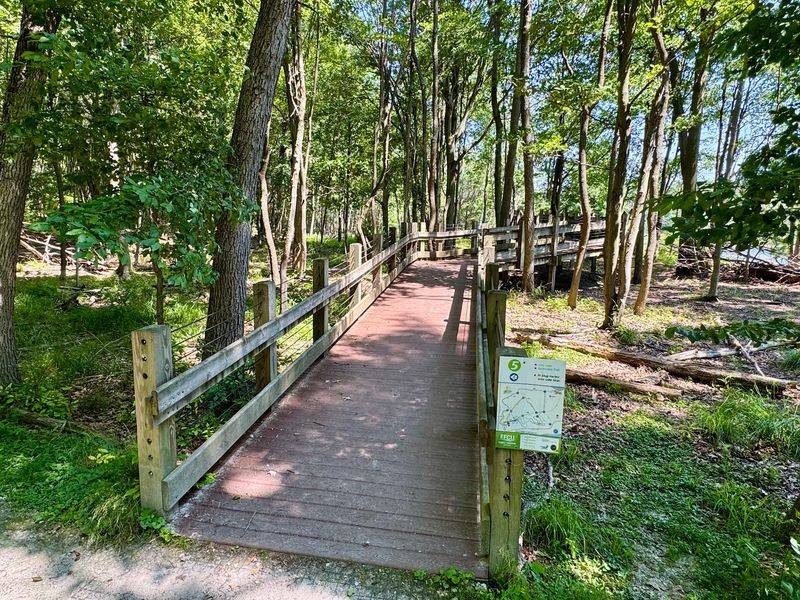
Not every scenic trail works for every kind of outing, and that is where Lost Lake Trail earns extra credit. The route can appeal to different hikers at the same time, which is harder than it sounds.
Someone looking for a peaceful nature walk, a parent planning a simple family trip, and a casual walker wanting fresh air can all find a reason to enjoy the same path.
Part of that flexibility comes from the setting itself. The mix of wooded corridor and lakeside scenery gives the trail enough variety to keep attention high without making the walk feel intense.
That balance helps beginners feel comfortable while still giving more experienced hikers a pleasant place to explore when they want something lighter.
The trail also invites different styles of use. One group may treat it like an unhurried weekend stroll, stopping often to look across the water.
Another may use it as a steady walking route for exercise and conversation. Nature watchers can focus on plants, birds, and changing light, while photographers may wait for reflections or openings in the trees.
For families, the practical lesson is to plan for interest, not speed. Kids often respond better when a trail gives them changing views and clear natural features to look for.
Adults who bring snacks, water, and realistic expectations usually have a smoother outing than those trying to hurry everyone along.
Solo hikers can enjoy a different side of Lost Lake Trail. The setting offers enough visual variety to hold attention, yet the overall mood stays calm and manageable.
That makes it useful as a reset on a busy week, a quiet break from screens, or a place to walk without needing a complicated agenda.
Best Timing Changes the Whole Experience
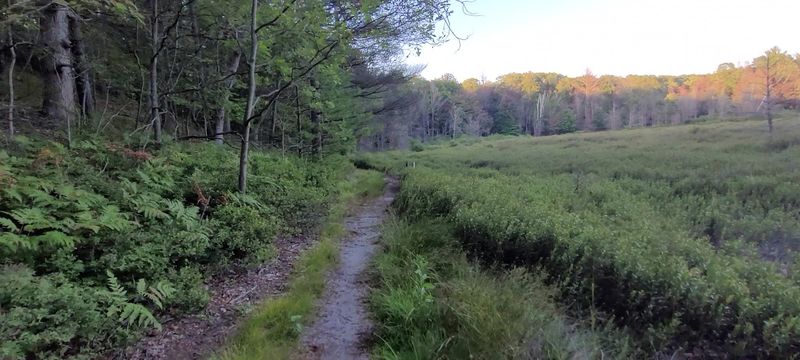
Timing can change a familiar trail more than distance ever will, and Lost Lake Trail is a strong example of that. Walk it at different hours or in different seasons, and the same route can show a new side of itself.
The path may stay in place, but the mood shifts with light, temperature, and the way the lake responds to weather.
Morning is often the quietest window for hikers who want stillness. Lower light can soften the shoreline, and cooler air usually makes the walk more comfortable, especially in warmer months.
Early hours also help the woods feel calmer, with fewer distractions and a better chance to notice subtle sounds coming from trees and water.
Later in the day, the trail can take on brighter, sharper contrast. Sunlight reaches differently across the path, and the lake may look more active as breezes build.
That can be great for hikers who want vivid color and clearer visibility, though midday heat can make the outing less relaxing if the weather is warm.
Season matters too. Green months bring thicker foliage and fuller shade, while cooler seasons can open wider views through the trees.
Leaf color, bare branches, damp ground, or crisp air all change how the route is read by the eye. A repeat visit at a new time of year can feel less like a rerun and more like a fresh walk in a familiar place.
The smartest approach is simple: match the trail to the day you want. Choose early hours for calm, cooler conditions, or pick later light for brighter lake scenes.
Add sturdy shoes after rain, carry water in summer, and leave room in the schedule to stop often, because timing shapes every step here.
Why Lost Lake Trail Deserves a Spot on Your Michigan List

Some trails become favorites because they challenge the body. Lost Lake Trail stands out for a different reason.
It offers a scenic, grounded outing that turns simple features, trees, water, changing light, and an easy walking route, into a trip that feels complete without needing dramatic scale.
That is a valuable quality in a state packed with outdoor options. Michigan has no shortage of places to hike, but not every trail gives such a comfortable blend of accessibility and scenery.
Lost Lake Trail proves that a route does not need towering overlooks or extreme terrain to hold attention. A well-placed path along a quiet lake can be just as satisfying, especially for hikers who want beauty without a hard push.
The trail also succeeds because it keeps its focus narrow. Woods and shoreline are the core experience, and the route does not need much else.
That clear identity helps visitors know what kind of outing to expect. It is a place for walking, looking, pausing, and noticing, rather than racing through miles for the sake of distance.
For practical planning, treat the visit like a small adventure and not an afterthought. Wear shoes meant for natural trails, bring water, allow extra time for stopping, and check conditions if weather has been wet.
A flexible schedule makes the experience better because the lake views and wooded stretches reward people who are willing to move slowly.
Lost Lake Trail earns its place on a Michigan hiking list by doing ordinary things extremely well. The path, the trees, and the water work together in a clean, appealing way.
For anyone looking for a scenic route along Lost Lake that is calm, approachable, and visually rich, this trail answers the search with confidence.