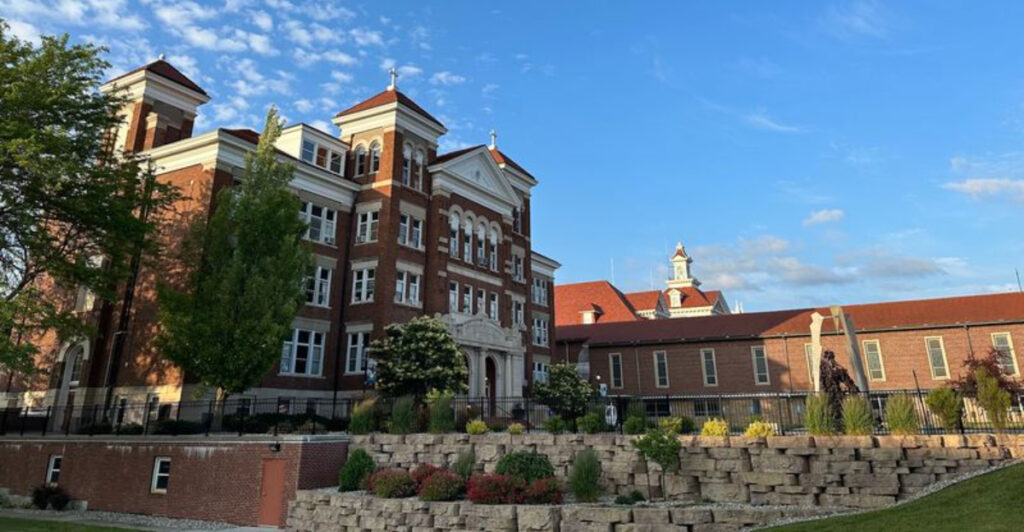
Michigan’s quieter towns often carry some of the state’s most interesting stories. Across the state, smaller communities are refreshing main streets, rethinking public spaces, supporting local businesses, and giving residents new reasons to stay connected.
That kind of growth matters because strong small towns help families, schools, shops, and civic life move forward together without losing the character that made people care in the first place. The best changes feel less like replacing the past and more like building on it.
For anyone curious about where Michigan’s next local success stories are taking shape, these towns deserve a closer look.
1. Marysville
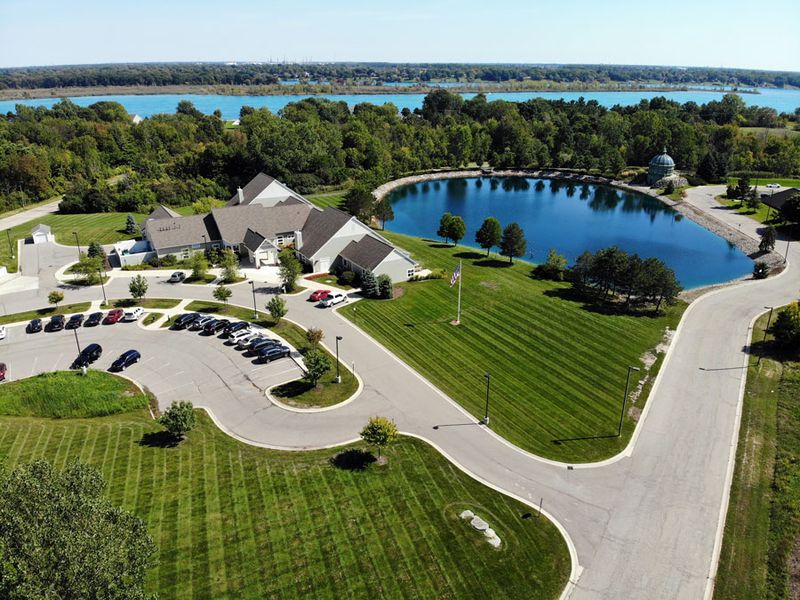
Fresh water and fresh energy make Marysville an easy town to watch right now. Set along the St. Clair River, it has the kind of location many bigger places would love, yet daily life still moves at a manageable pace.
That balance gives the community room to improve without turning into a place that feels crowded or rushed.
One of Marysville’s strongest advantages is how naturally the river shapes local routines. Parks, open views, and shoreline access can turn ordinary afternoons into something memorable, whether people are walking, meeting friends, or simply taking a break outside.
When a town has that kind of built-in asset, smart planning often means making it easier to enjoy, not replacing it with flashy distractions.
Downtown areas in towns like this often gain momentum through small, steady changes. Better sidewalks, cleaner storefronts, local events, and public gathering spaces can have a bigger effect than one giant project.
For residents, that usually means more chances to support nearby businesses and more reasons to spend time close to home.
Marysville also sits in a useful position for people who want access to larger job markets without giving up a quieter setting. Families, retirees, and remote workers may all see value in a town where errands are simpler and scenic views are part of regular life.
That mix can help spark housing updates, new business ideas, and stronger community involvement.
Anyone visiting should pay attention to how people use the public spaces. A lively park, a busy coffee stop, or a well-kept riverside trail can reveal more about a town’s direction than a slogan ever could.
Marysville’s next chapter looks promising because its appeal is practical, visible, and tied to everyday life.
2. Alma
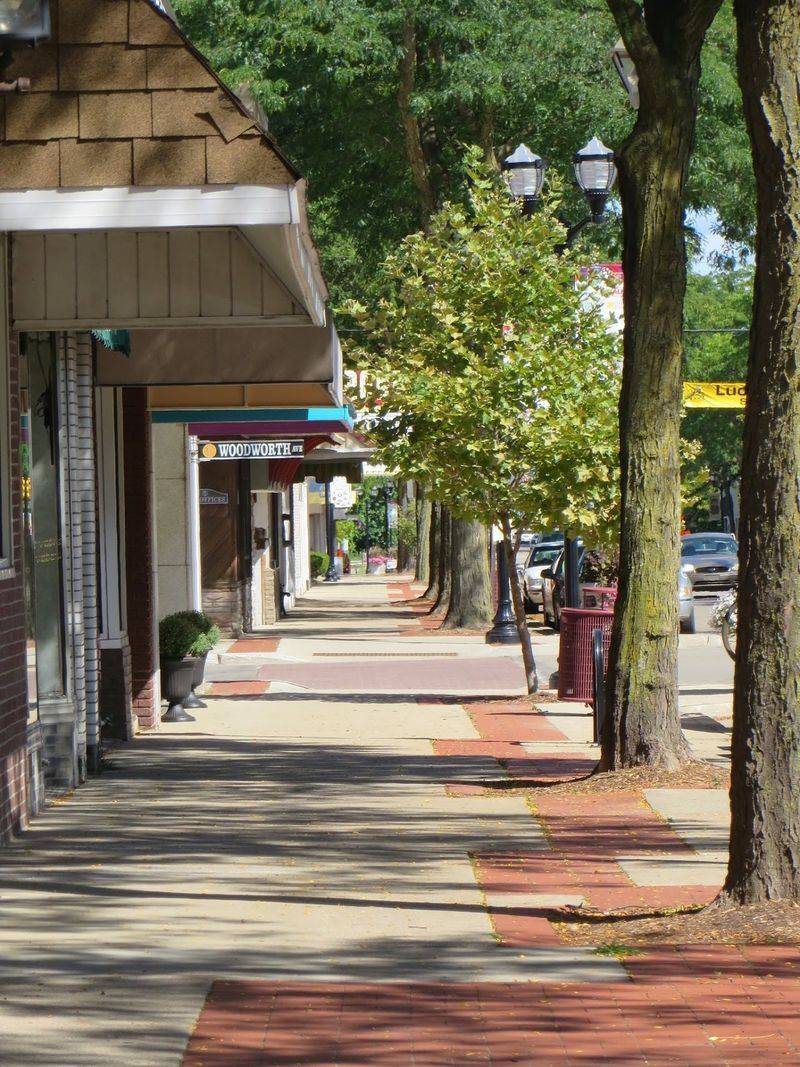
College towns often have a built-in spark, and Alma shows how that energy can spread beyond campus lines. A place with students, long-time residents, and local business owners all sharing the same downtown has plenty of chances to reinvent itself in practical ways.
The result is often less about dramatic change and more about building a stronger rhythm year-round.
Alma benefits from having an identity that already feels distinct. Education, community events, and a walkable center give it a framework many towns try hard to create later.
When local leaders and residents focus on improving storefronts, public spaces, and shared gathering spots, they are working with solid material rather than starting from scratch.
Another strength is the way a college presence can support local business variety. Coffee shops, bookstores, casual restaurants, and service businesses often do better when there is a steady flow of people with different schedules and needs.
That can make the downtown feel active on weekdays, not just during special events.
For visitors, Alma is the kind of place where it helps to slow down and notice the details. Look for older buildings still doing useful work, signs of student life mixing with community traditions, and businesses that clearly know their regular customers.
Those little clues often point to a town that is adapting with care instead of chasing trends.
Alma’s exciting new chapter likely depends on keeping that balance intact. Growth works best here when it stays connected to local routines, education, and public life.
The town does not need to imitate a larger city to move forward. It simply needs to keep strengthening the parts that already encourage people to gather, learn, and invest their time nearby.
3. Pinckney
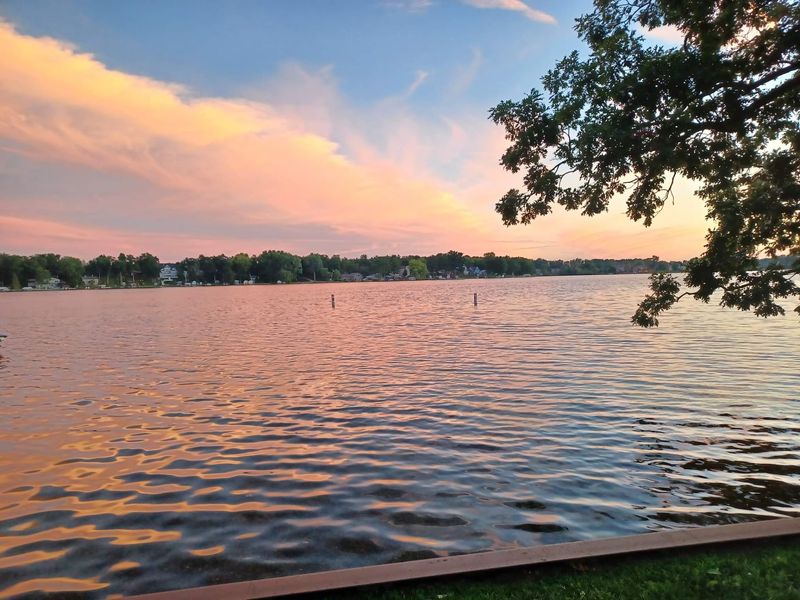
Pinckney has the kind of setup that catches attention fast: small-town streets, nearby water, and easy access to outdoor recreation. That combination gives the town a lively edge because it appeals to both full-time residents and weekend explorers.
Places connected to trails and lakes often gain new life when people start looking for experiences that feel active and close to nature.
Instead of relying on one single draw, Pinckney can build from several at once. A downtown stop for coffee or lunch works well when it connects naturally to hiking, biking, paddling, or local events.
Visitors may arrive for the outdoors, but local businesses benefit when the town center gives them a reason to stay a little longer.
There is also a practical side to Pinckney’s appeal. Communities with strong recreational access often become attractive to people who want a different pace without giving up things to do.
That can support home updates, local entrepreneurship, and public improvements that make the town easier to navigate on foot.
A smart way to experience Pinckney is to look at how recreation and daily life overlap. Notice whether trails link well with town, whether signage is clear, and whether local gathering spots feel active without being overbuilt.
Those details say a lot about whether a town is planning for long-term use instead of short bursts of attention.
Pinckney’s next phase stands out because it does not need a total makeover to feel current. The ingredients are already there: natural access, local business potential, and a scale that encourages connection.
With thoughtful upgrades and steady community support, the town can keep becoming more useful, more welcoming, and more interesting without losing the easygoing qualities that first draw people in.
4. Rogers City
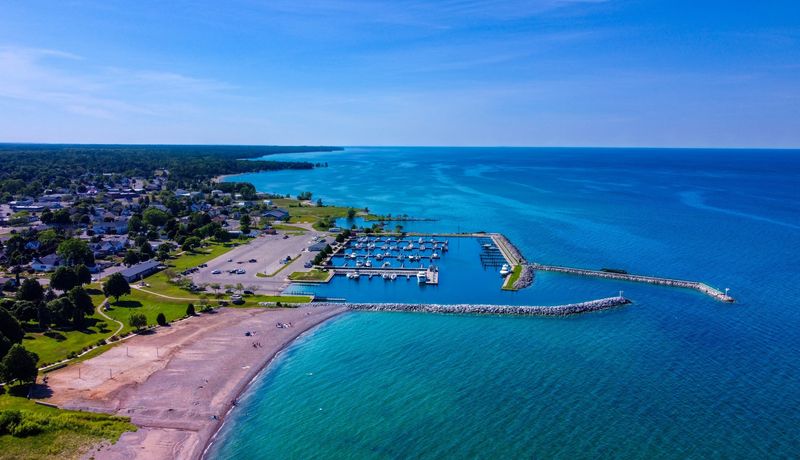
Lake Huron gives Rogers City a dramatic backdrop, but the town’s future is not only about scenery. Waterfront communities often face a big question: how can they use their location in ways that help residents year-round, not just during peak travel months?
Rogers City looks interesting because that question can lead to smarter public spaces, stronger local business ties, and a clearer sense of direction.
Harbor areas, shoreline parks, and downtown streets can work best when they feel connected instead of separate. A visitor who parks once, walks comfortably, and notices a few inviting stops is more likely to spend time and money locally.
For residents, those same improvements make ordinary errands and weekend outings more enjoyable.
Rogers City also has the advantage of a memorable setting that does not need heavy promotion to make an impression. Open water, changing weather, and broad views create a strong visual identity.
The challenge, and the opportunity, is turning that identity into practical momentum through events, storefront activity, and public areas that encourage people to linger.
Anyone curious about the town should pay attention to the waterfront first, then follow the path inward. Is the shoreline easy to use?
Do local businesses seem tied to the life of the community rather than standing apart from it? Answers to those questions often reveal whether a place is simply scenic or truly evolving.
Rogers City’s new chapter has promise because it can build around clear strengths instead of invented ones. The lake is real, the scale is manageable, and the chance to improve connections between outdoor space and downtown is easy to understand.
When a town leans into those basics with patience and consistency, progress becomes visible in everyday ways.
5. Lathrup Village
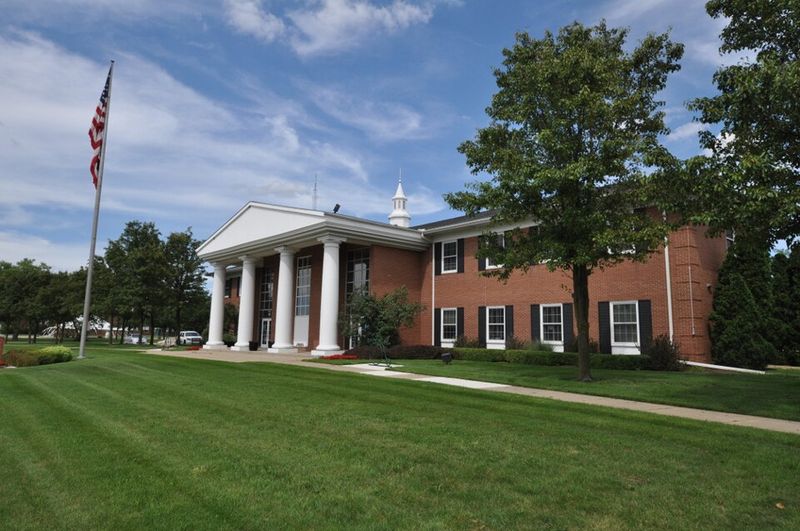
Not every exciting comeback story happens in a rural town or waterfront stop. Lathrup Village brings a different angle, showing how a small inner-ring suburb can refresh its identity by focusing on design, community pride, and quality of life.
That matters because places near major metro areas often get overlooked when people talk about local renewal, even though they can change quickly in smart, visible ways.
The town already has a strong starting point in its scale and neighborhood character. Tree-lined streets, established homes, and a compact footprint can make improvements easier to notice and easier to maintain.
When civic spaces, signage, landscaping, and local gathering spots get attention, the whole community can look sharper without needing oversized projects.
Lathrup Village also sits in a useful position for people who want access to a larger region while still valuing a close-knit setting. That can attract residents who appreciate shorter drives, older housing stock, and a stronger sense of local identity than a sprawling suburb might offer.
In many cases, that interest helps support home investment and community events.
A visit here should focus less on blockbuster attractions and more on how the town presents itself. Well-kept public areas, attractive neighborhood details, and signs of active community use often tell the story better than a tourist list.
In smaller suburbs, pride shows up through consistency.
Lathrup Village’s next chapter stands out because it can build on refinement rather than reinvention. It does not need to become louder to become more appealing.
By strengthening public spaces, supporting local activity, and protecting the qualities that make it distinct, the town can continue to grow in confidence while offering a more polished, connected experience for residents and newcomers alike.
6. Lapeer
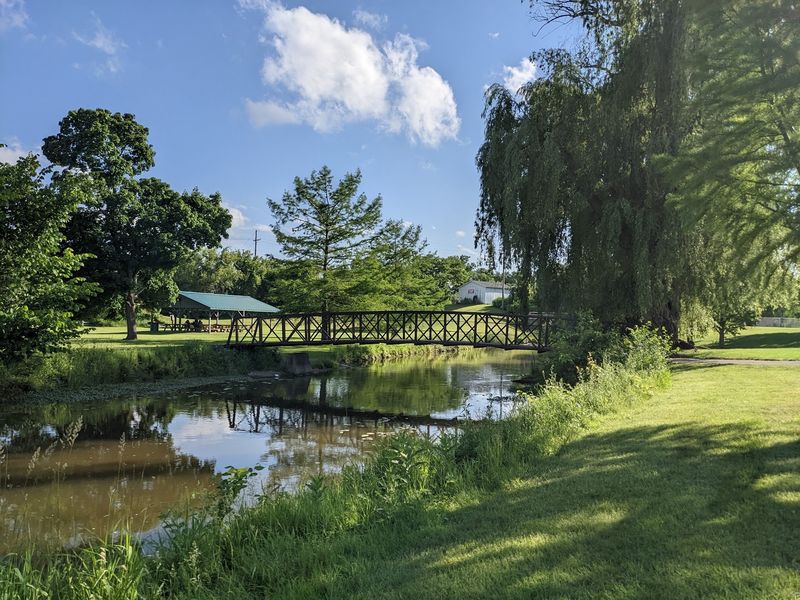
Lapeer has the bones of a town that can keep getting stronger: a recognizable downtown, regional connections, and enough activity to support both daily needs and local discovery. When a place has history built into its streets but still has room for fresh ideas, that creates a very watchable mix.
The goal is not to freeze the past in place. It is to make older assets work harder for present-day life.
Downtown Lapeer is likely where many people will notice change first. Historic buildings, walkable blocks, and visible public space can give small cities an advantage if they are clean, active, and easy to use.
A cluster of independent shops, casual dining spots, and event spaces can turn a quick stop into a longer visit.
The town also benefits from serving different kinds of people at once. Long-time locals, commuters, families, and visitors often use a place like Lapeer in different ways, which can support a broader mix of businesses.
That variety matters because towns build resilience when they are not depending on one single audience.
For anyone exploring, it helps to notice whether old and new elements are working together. A restored building with a modern business inside, a public gathering spot near traditional storefronts, or a neighborhood connection that makes walking easier can all signal a town making thoughtful progress.
Those are practical upgrades people feel in daily life.
Lapeer’s exciting new chapter seems tied to confidence. It already has visible structure, local purpose, and a setting that can support continued investment.
If the town keeps improving its center while making life convenient for residents, it can continue becoming a place where history adds texture instead of holding growth back. That is often when a community’s next phase starts to look real.
7. Gibraltar
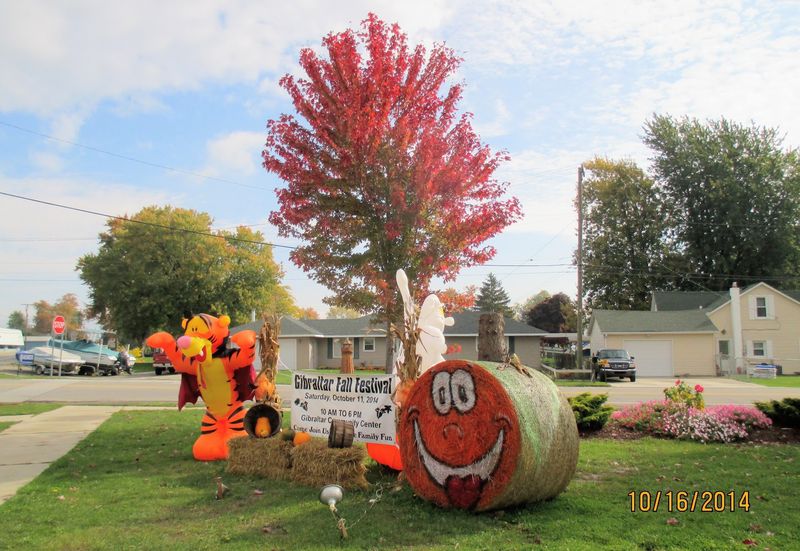
Water can completely shape a town’s identity, and Gibraltar proves that even a smaller community can have a strong sense of place because of it. Tied to the downriver area and connected to boating culture, the town has a distinct profile that stands apart from generic suburbia.
That gives it a real chance to sharpen how it uses public space, local amenities, and its shoreline character.
Places near marinas, canals, or river access often have an advantage that goes beyond pretty views. They can support recreation, social activity, and local business patterns that feel more dynamic than their size might suggest.
In Gibraltar, that means the next chapter could grow from making those assets easier to enjoy and better connected to daily community life.
Another point in the town’s favor is its scale. Smaller places can sometimes respond faster when residents rally around practical upgrades such as cleaner waterfront areas, better signage, attractive public gathering spots, or small business support.
Those moves may sound modest, but they can change how people experience a place almost immediately.
A good way to read Gibraltar is to watch how land and water meet. Are access points visible and welcoming?
Do nearby businesses and neighborhoods seem tied into the same local rhythm? When those pieces line up, a waterfront town becomes more than a pass-through.
Gibraltar’s momentum is interesting because it likely depends on using what is already there with more intention. The boating identity, regional location, and neighborhood scale offer a clear framework for growth.
If the town keeps improving access, public appeal, and community-facing spaces, it can become more noticeable without losing its local edge. That kind of progress usually looks steady from the outside, but it can reshape daily life in lasting ways.
8. Adrian
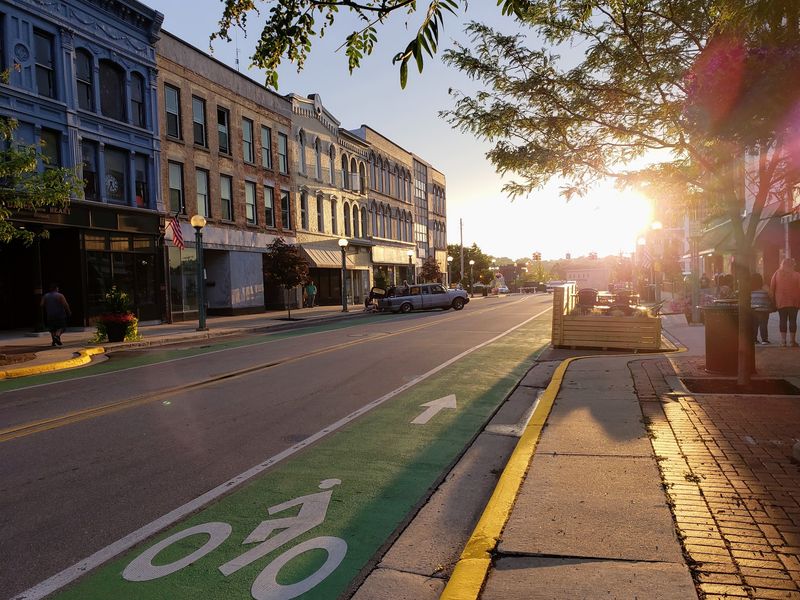
Adrian carries itself like a place with stories to tell, and that can be a real asset during a period of renewal. Historic buildings, educational influence, and a traditional downtown layout give the city a strong framework for moving forward.
When a town already has visible structure and civic identity, progress often comes from improving connections, filling gaps, and making public life more active.
One reason Adrian stands out is its layered personality. It is not only a historic center or only a college-influenced community.
It can draw energy from both, and that overlap can support restaurants, shops, events, and arts activity in a way that feels fuller than a one-note town. Variety matters because it helps different groups see themselves in the same place.
Downtown areas like Adrian’s often benefit from consistent upkeep and creative reuse. A well-used older building can do more for a city than a flashy but isolated project.
When storefronts are occupied, sidewalks are inviting, and public spaces are programmed well, people notice that a city is functioning with purpose.
Visitors should pay attention to how easily the city encourages wandering. Good local places tend to reveal themselves block by block, not through one giant attraction.
A strong cafe, an interesting storefront, or a lively street corner can say a lot about whether momentum is building.
Adrian’s next chapter could be especially compelling because it has room to strengthen what already exists instead of chasing a total reset. That includes downtown vitality, educational ties, and neighborhood-level improvements that make everyday life smoother.
Cities at this scale often make the biggest gains when they stay practical and persistent. Adrian seems well positioned for that kind of progress, which is exactly why it belongs in any conversation about overlooked Michigan towns on the rise.
9. Eastpointe
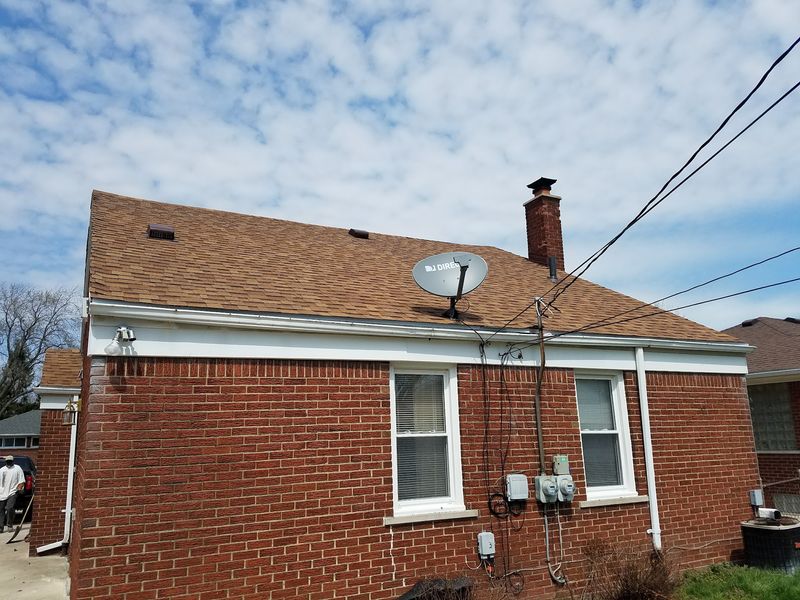
Eastpointe’s story is less about postcard scenery and more about neighborhood strength, access, and reinvention inside a metro region. That makes it especially interesting.
Communities near big cities often get judged too quickly, even though they may have some of the strongest opportunities for visible change through small business growth, corridor improvements, and local pride.
Location is one of Eastpointe’s biggest tools. Being close to jobs, services, and regional movement can help a city attract residents who want convenience without paying for a trendier zip code.
When that practical appeal is matched with cleaner streets, stronger retail areas, and active community spaces, the effect can be powerful.
Eastpointe also has the chance to redefine how people talk about it. A new chapter in a place like this often grows from consistent work rather than one headline-making project.
Better storefront occupancy, refreshed facades, improved public areas, and events that bring neighbors together can slowly reshape outside perception and local confidence at the same time.
Anyone spending time there should look beyond first impressions and focus on signs of investment. New business activity, updated public-facing spaces, and visible community effort often reveal where momentum is heading.
In metro communities, progress is sometimes easy to miss if people only compare them to larger destination cities.
Eastpointe belongs on this list because its path forward is grounded in usefulness. It can build around housing, accessibility, neighborhood networks, and commercial corridors that serve real daily needs.
That may sound less flashy than a resort town makeover, but it can matter more to the people who live there. When practical improvements add up, they create a stronger, more connected city with a clearer identity and a better future.
10. Blissfield
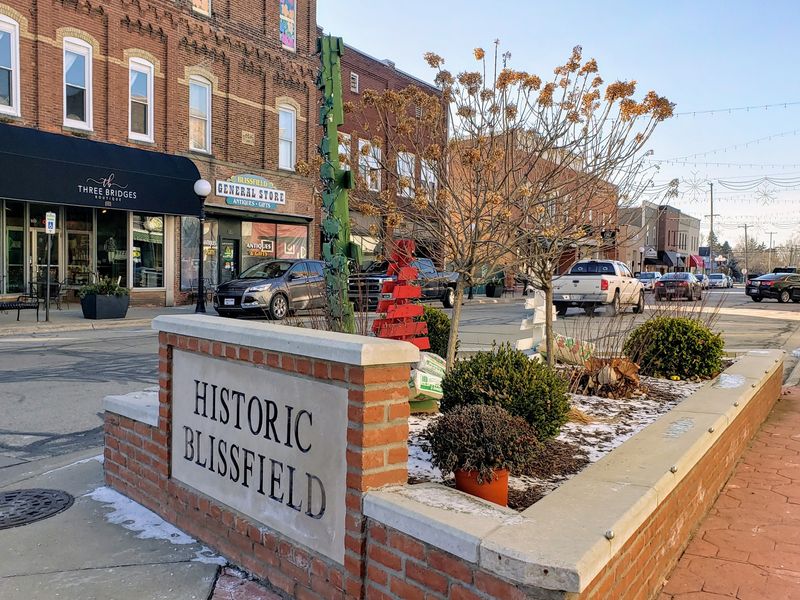
Blissfield sounds cheerful before anyone even arrives, and the town has the kind of traditional main street presence that can turn that first impression into real interest. Smaller villages often make their strongest case through detail: attractive storefronts, local routines, and a center that still works as a shared meeting place.
When those pieces stay active, a town’s next chapter can begin with surprising momentum.
Blissfield’s scale is part of its charm and its advantage. In a compact community, improvements are easier to notice, and local support can have a fast effect.
A refreshed business district, more visible events, or stronger links between shops and community spaces can change how both residents and visitors use the area.
The village setting also creates room for a slower, more intentional kind of growth. Not every town needs major expansion to feel renewed.
Sometimes the bigger win comes from preserving a walkable center, encouraging independent businesses, and making sure the public-facing parts of town look cared for and active.
A smart visit here would focus on the downtown experience. Are the blocks pleasant to walk?
Do businesses appear rooted in local life? Can a short stop easily stretch into lunch, shopping, or time spent looking around?
Those are the signals that show whether a small place is quietly building strength.
Blissfield’s exciting new chapter likely depends on keeping its center useful, attractive, and connected to everyday community life. That is where villages like this can really shine.
Instead of trying to become something louder or larger, Blissfield can move ahead by doubling down on the qualities that make a compact town function well. When local identity and practical improvement work together, the result is often more durable than trend-based growth.
11. Ypsilanti
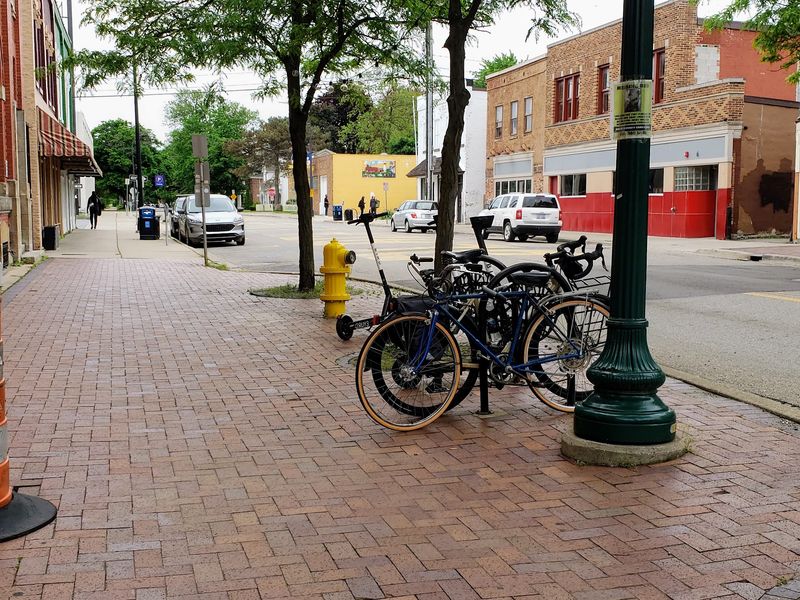
Ypsilanti has long had personality to spare, and that personality is a big part of why its next chapter feels so compelling. Creative businesses, historic architecture, and a strong independent streak give the city a presence that is hard to confuse with anywhere else.
When a place already has a bold identity, renewal can focus on strengthening systems around it instead of manufacturing character from scratch.
One of Ypsilanti’s biggest assets is its mix of uses and people. Students, artists, families, entrepreneurs, and long-time residents all shape the city in visible ways.
That kind of overlap can make commercial areas more interesting, public life more varied, and local culture more durable, especially when spaces exist for people to gather, perform, eat, and explore.
The city also benefits from having pockets of activity that can reinforce one another. Downtown blocks, historic areas, and neighborhood business zones each add to the wider picture when they are connected and supported.
In practical terms, that can mean better walkability, stronger small business survival, and more reasons for visitors to explore beyond one familiar stop.
Anyone trying to understand Ypsilanti should pay close attention to street-level details. Window displays, event posters, reused historic spaces, and the general flow of people can reveal a lot about how the city is evolving.
In creative communities, energy often shows up in ordinary corners first.
Ypsilanti belongs on this list because its new chapter is not about becoming interesting. That part is already handled.
The real opportunity is making the city more connected, more supportive of local enterprise, and more polished where it counts without sanding off its edge. If that balance holds, Ypsilanti can keep growing in a way that stays distinct, useful, and full of movement.