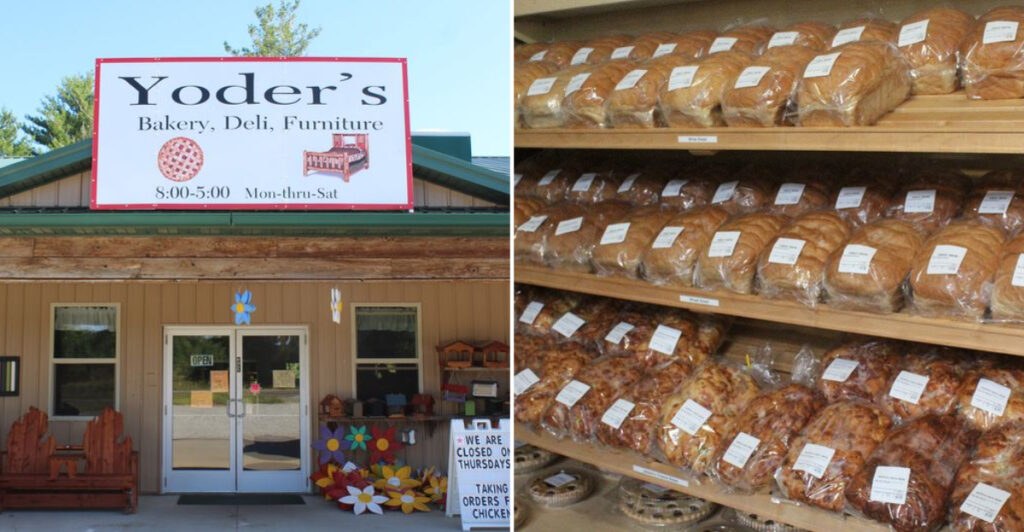
Fresh bread has a way of making an early stop feel completely worth it. In Tustin, Michigan, Yoder’s of Tustin draws shoppers with Amish market charm, bakery goods, hearty sandwiches, pantry staples, and the kind of shelves that make a quick grocery run turn into a longer look around.
The appeal goes beyond picking up a loaf, because places like this make food shopping feel more personal, practical, and tied to the people making it. Arriving at the right time can mean warm bread, tempting baked goods, and plenty of useful finds waiting inside.
For anyone who likes Michigan markets with fresh flavor, small-town character, and a hands-on food-trip feeling, Yoder’s is easy to notice.
Bread That Sets the Morning Pace
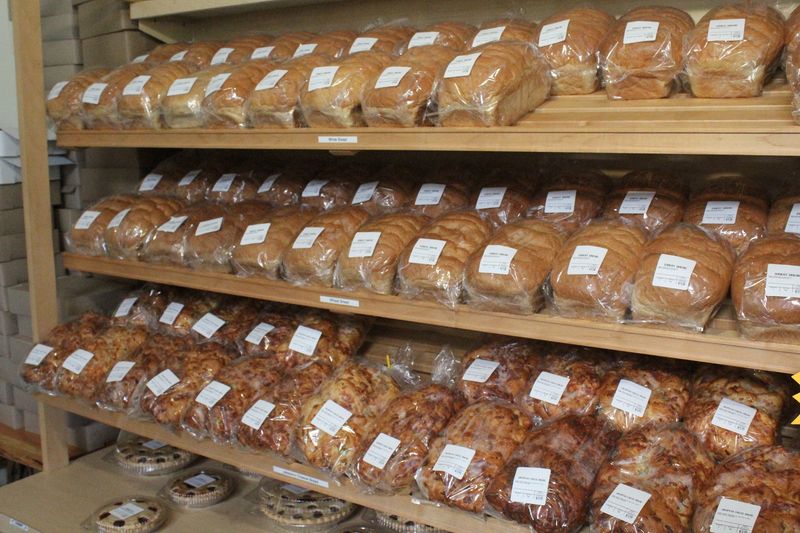
Morning starts a little differently at Yoder’s of Tustin when fresh bread is part of the plan. Shoppers often head in early because oven-fresh loaves are one of the store’s strongest draws, and that timing shapes the whole experience.
Instead of treating bread like a side purchase, the market places it near the center of why many people stop.
The appeal is easy to understand. Fresh bread changes how the whole store smells, and it also changes what ends up in the cart.
A loaf can become lunch, dinner, toast for the next day, or the base for a deli sandwich built a few steps away.
Yoder’s is not a giant supermarket where bread sits in long plastic rows under bright signs. It works more like a country market with a bakery identity woven into the grocery experience.
That smaller scale makes fresh items feel more immediate, especially when shoppers arrive before the day gets too busy.
The bread matters for practical reasons too. Fresh loaves can sell faster than packaged goods, so early arrivals simply have a better chance at the best selection.
That is why the title of this story fits the place so well. The schedule of the shopper often bends around the schedule of the oven.
There is also a comfort factor here. Bread has a way of making a store feel useful, dependable, and rooted in everyday life.
At Yoder’s, it helps set the tone before anyone even gets to the deli case, cookie shelf, or bulk bins.
Showing up early is not about chasing hype. It is about catching the market when one of its best features is freshest, warmest, and easiest to bring home in a paper bag or tucked beside groceries for the road.
Sandwiches Built on the Bakery’s Best Work
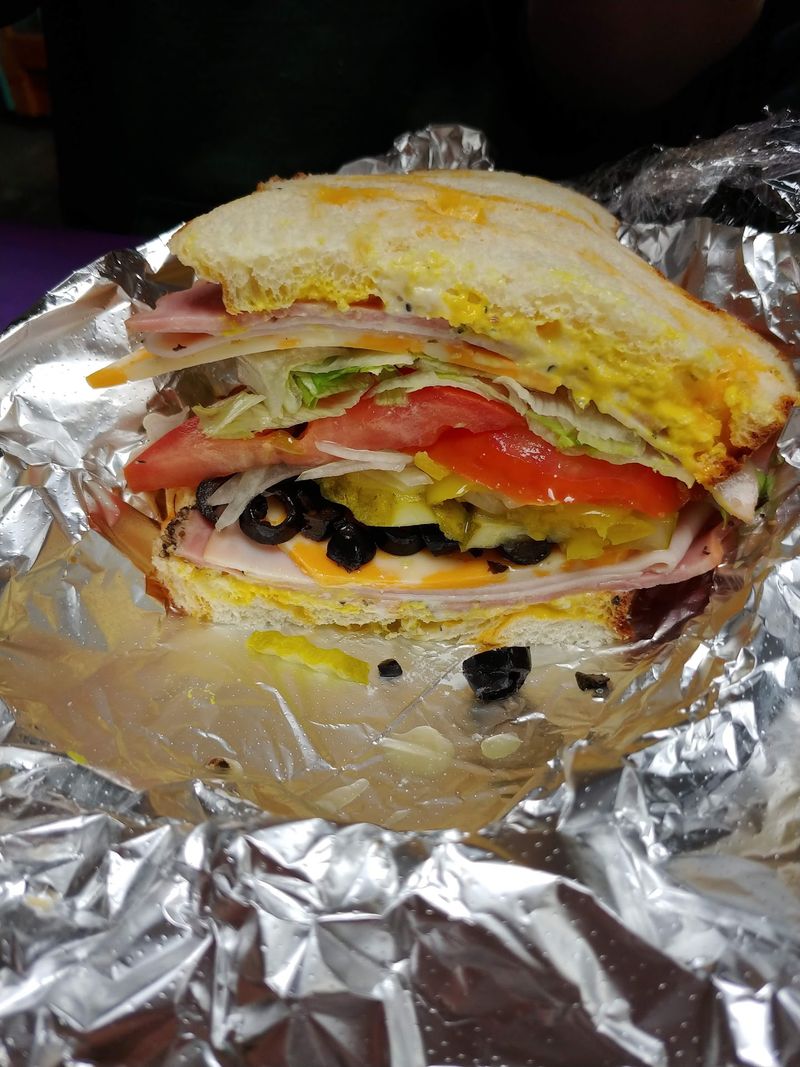
Here is where the bread turns from bakery star into lunch hero. Yoder’s deli sandwiches get plenty of attention, and the homemade bread is a big reason why.
A sandwich can have good meat, cheese, and toppings, but the whole thing lands differently when the bread tastes fresh and sturdy.
The setup sounds simple, yet it says a lot about how the store works. Instead of separating bakery and deli into two unrelated corners, Yoder’s links them in a way that feels practical.
Shoppers can buy a loaf for home, then order a sandwich made with that same house style of bread for the drive back.
That creates a smart rhythm inside the store. Some people come for groceries and end up leaving with lunch.
Others stop for a sandwich and notice breads, cookies, jams, soup mixes, cheeses, or bulk flour before reaching the register.
There is a satisfying, everyday quality to that kind of deli food. It is not trying to be flashy or oversized for social media.
The focus is on fresh ingredients, homemade bread, and a quick meal that fits the setting of a country market better than any fancy menu ever could.
Because sandwiches are one of the most talked-about items here, they also help first-time shoppers understand the store fast. One bite explains the logic of arriving hungry and early.
Fresh bread is not just a bakery feature on a side shelf. It is part of the store’s working system, shaping one of the most popular deli orders on site.
For anyone planning a stop, the best move is simple. Arrive with enough time to browse, then order food before heading out.
That way the market becomes more than a quick errand. It becomes a place that handles lunch and groceries in the same visit.
Bulk Bins, Baking Staples, and Useful Surprises
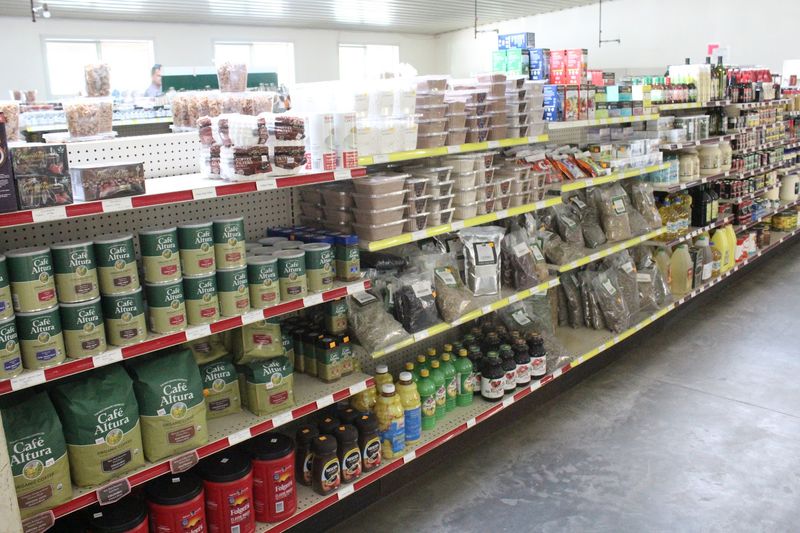
Not every standout feature at Yoder’s is warm from the oven. Beyond the bread and deli counter, the store earns attention for its bulk foods and practical pantry goods.
Flour, grains, baking supplies, candies, and shelf-stable basics help turn the market into more than a quick bakery stop.
That variety matters because it changes how shoppers move through the space. A person may arrive focused on bread, then notice ingredients for baking at home, a soup mix for later in the week, or a specialty item that does not usually show up at a standard grocery chain.
The trip expands without feeling overwhelming.
There is also a nice sense of usefulness to the selection. Bulk foods suggest planning, cooking, and stocking up rather than grabbing random extras.
In a place like Yoder’s, that practical side gives balance to the sweeter bakery items and keeps the store grounded as a grocery destination.
The scale appears modest compared with a superstore, but that smaller footprint can work in its favor. Instead of long stretches of repeated products, the shelves feel curated around the kind of goods that fit a country market, a home baker, or a traveler looking for something more interesting than gas station snacks.
The store’s grocery identity stays clear all the way through.
Plenty of shoppers also appreciate finding ingredients that support from-scratch cooking. Fresh bread often sparks that mood.
Once a loaf is in the cart, bags of flour, jars of jam, mixes, cheese, or pantry staples start making more sense together.
For practical travelers, this is one of the best reasons to slow down instead of grabbing a sandwich and leaving. The deli may pull people in, but the bulk section is where the market proves it can serve as a useful food stop, not just a tasty one.
Cookies, Fried Pies, and Saturday Donut Energy
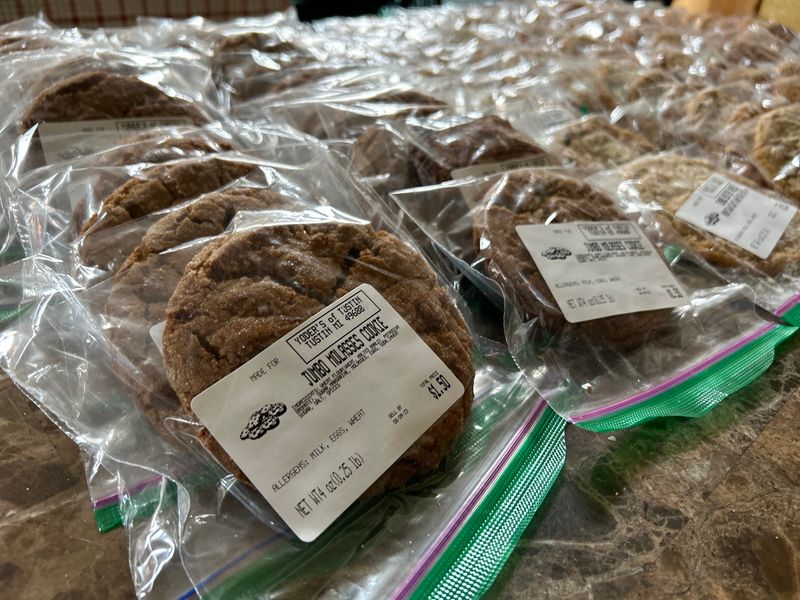
Sweet tooth shoppers have no trouble finding a reason to linger at Yoder’s. Alongside its fresh breads, the bakery case and packaged treats bring another layer of excitement with cookies, pies, and donuts that turn a grocery run into a small event.
The mood shifts fast when those bakery shelves come into view.
Some items have become especially tied to the store’s identity. Fried pies get regular attention, and Saturday donuts add a timing element that rewards planning ahead.
Then there are cookies, including buttery raisin and molasses varieties that help round out the bakery’s range with something easy to carry, share, or save for later.
That lineup works because it covers different cravings without losing the store’s practical style. A donut can be breakfast in the car.
A fried pie can be a treat for the road. Cookies slide into a grocery bag without much thought and somehow still become the first thing opened after leaving the parking lot.
There is also a smart contrast here. Fresh bread draws early shoppers for a staple, while sweets give the stop a little spark and personality.
Together, they create a bakery that feels broader than one signature product. It handles everyday bread needs and the fun side of bakery shopping at the same time.
Anyone visiting for the first time should leave space in the budget and the bag for at least one extra bakery item. The best approach is not overthinking it.
Pick the loaf that looks best, then add one sweet item that matches the timing of the visit.
If the stop happens on a Saturday, donuts deserve serious attention. On another day, cookies or fried pies keep the bakery experience strong.
Either way, Yoder’s shows that an Amish market can be both practical and playful, with bread leading the way and sweets finishing the job.
A Michigan Market With More Than Groceries
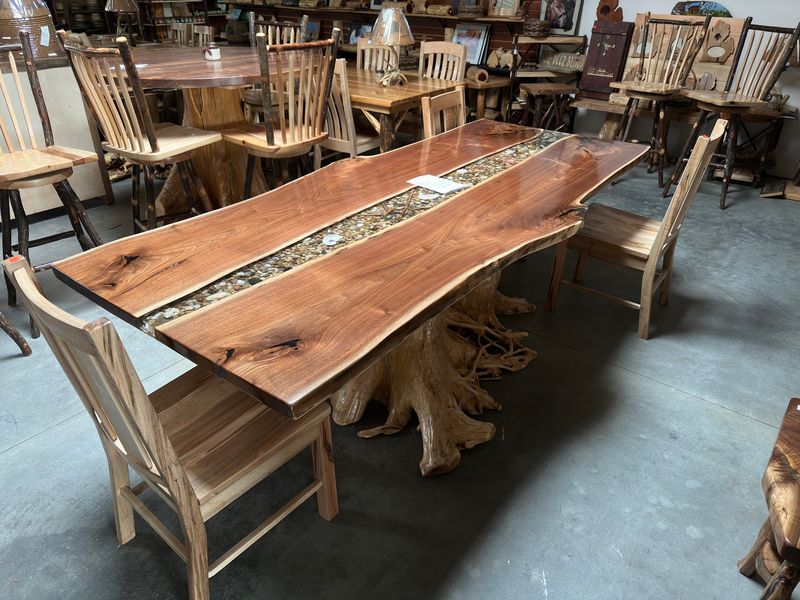
A visit to Yoder’s takes an interesting turn once the furniture side comes into view. After passing baked goods, deli items, and grocery shelves, shoppers run into handcrafted wood pieces and home furnishings that give the store a much broader identity.
That shift is part of what makes the place memorable.
Most grocery stops follow a familiar script. Grab food, pay, and go.
Yoder’s interrupts that routine by adding a section that speaks to the home itself, not just the kitchen pantry. The result is a market that mixes daily needs with longer-lasting goods in the same trip.
Furniture also changes the pace of browsing. Bread and sandwiches create quick decisions because they are tied to hunger and timing.
A wooden table, chair, or home accent asks for a slower look. Even people not shopping for furniture often drift through that section just to see the craftsmanship and compare styles.
The contrast works surprisingly well. On one side, there are practical foods meant to be eaten soon.
On the other, there are durable pieces made to stay in a room for years. That range makes Yoder’s feel less like a narrow specialty shop and more like a country destination with several lanes of interest under one roof.
For travelers, the furniture section adds a visual break after moving through aisles of bulk goods and bakery shelves. For local shoppers, it offers another reason to stop in even when the grocery list is short.
The place keeps revealing itself in stages rather than all at once.
That layered setup is useful for families or mixed-purpose errands too. One person can order sandwiches while another checks breads, and someone else can wander toward the wood furniture.
By the time everyone regroups, the visit has covered lunch, pantry basics, bakery treats, and a closer look at handcrafted home goods.
Plan the Stop Right: Cash, Hours, and Quick Detours
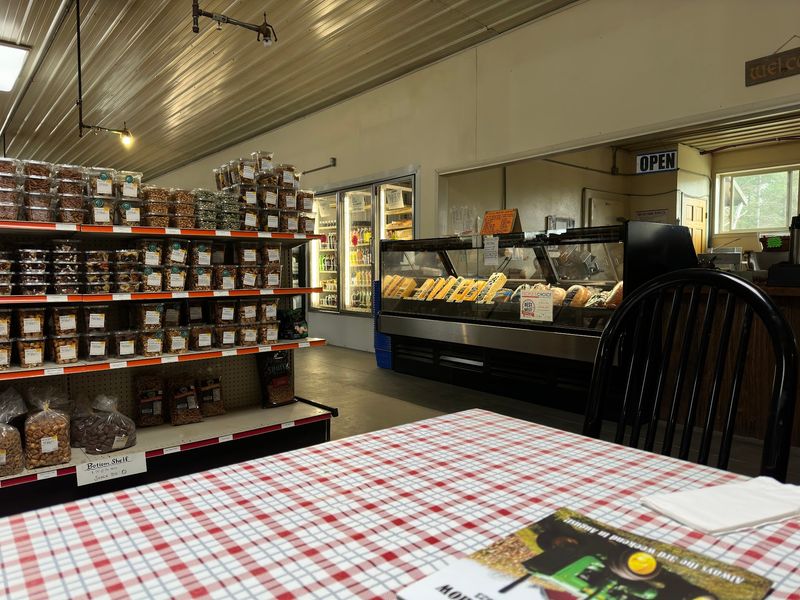
Good timing can make the whole Yoder’s visit easier. The store is known for opening at 8 AM on Monday, Tuesday, Wednesday, Friday, and Saturday, while Thursday and Sunday are closed.
Since fresh bread is a major draw and some bakery items are tied to certain days, arriving earlier in the day is a smart move.
Payment planning matters just as much as schedule planning. Yoder’s is cash only, with checks also accepted, so a card-first habit can trip up an otherwise simple stop.
That detail shapes the experience more than many shoppers expect, especially for travelers used to tapping a phone and walking out.
The store’s location also works in its favor. It sits close enough to the highway to make a detour feel manageable, which helps explain why road trippers often fold it into a larger drive.
Instead of becoming an all-day mission, the visit can function as a useful break for food, groceries, and a little browsing.
Inside, a smaller country market layout means the stop can be quick, but not rushed. The best plan is to bring cash, arrive with enough time to browse, and leave room for one unplanned purchase.
At a place with bread, cookies, sandwiches, bulk goods, and furniture, impulse buys are part of the rhythm.
It also helps to visit with a clear order in mind. Fresh bread first if that is the priority.
Deli sandwich next if lunch is part of the stop. Then sweep the aisles for pantry goods or sweets before checking out.
That simple strategy keeps the visit smooth and makes the title’s early-arrival idea practical, not dramatic. At Yoder’s, showing up prepared means better odds of getting the bakery items that draw people in, while also enjoying the rest of the market without backtracking or payment surprises.
Why the Bread Run Turns Into a Full Market Trip
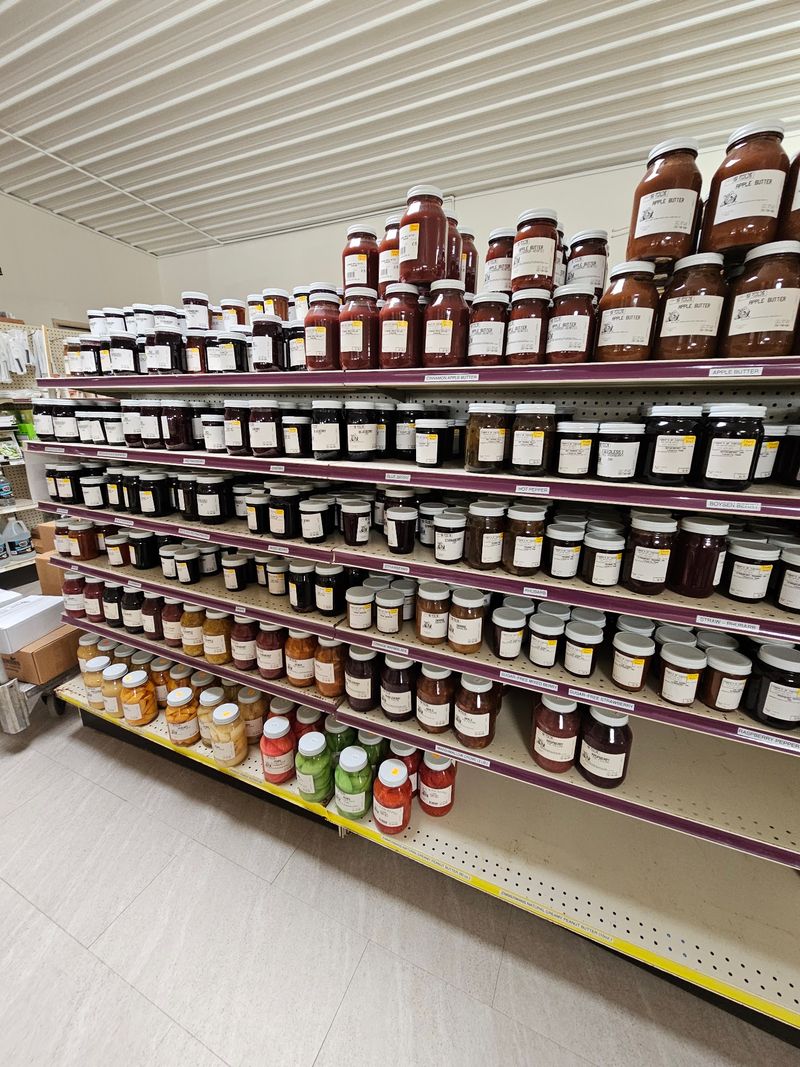
Some places are easy to explain in one sentence, but Yoder’s grows more interesting the longer the visit lasts. A shopper may arrive early for oven-fresh bread, yet end up leaving with sandwiches, cookies, pantry staples, and maybe even ideas for a future furniture purchase.
That expanding experience is a big part of the store’s appeal.
The bread is still the best starting point because it captures the market’s strongest quality right away. Freshness is immediate.
Timing matters. The item is useful, familiar, and easy to want.
Once that first goal is met, the rest of the store starts opening up in a natural order.
Next comes the deli, where homemade bread proves it is not only for the table at home. Then the bulk food shelves show the market’s practical side.
Bakery treats add a little fun. Furniture broadens the visit again, reminding shoppers that Yoder’s is not operating in just one category.
That progression keeps the store from feeling one-note. It is not only a bakery, not only a deli, and not only a grocery.
Instead, it succeeds by connecting those parts in a way that makes sense for a country market. Each section supports the next, so the trip builds rather than fragments.
There is also a nice lesson in how to enjoy it. Do not treat Yoder’s like a speed stop unless time forces it.
A little extra browsing reveals more of what makes the place useful and specific to its setting in Tustin. Even a short detour can feel fuller when the store offers several reasons to stay a bit longer.
That is why the early bread run matters. It is the spark that gets shoppers through the door, but not the only thing waiting inside.
At Yoder’s of Tustin, a loaf of bread often becomes the beginning of a much broader market visit.