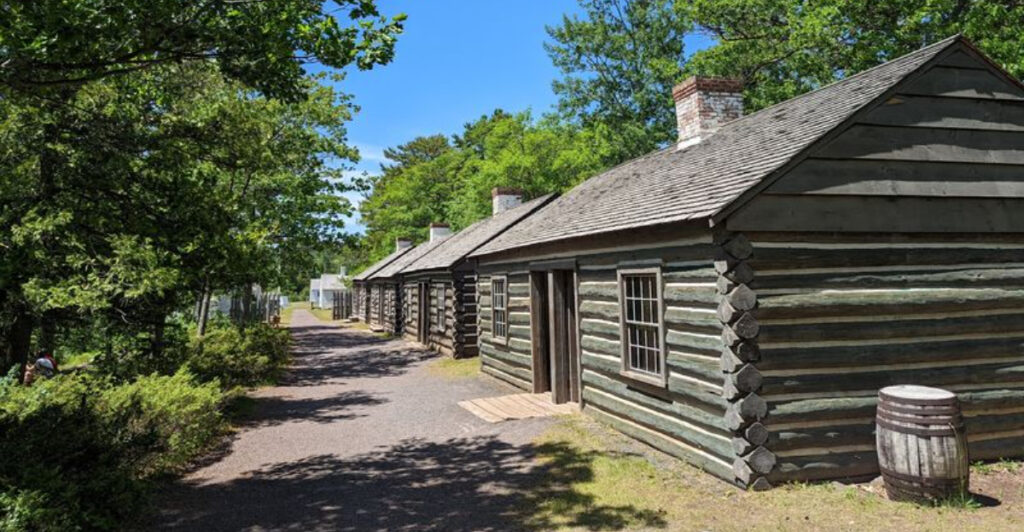
History feels more vivid when the setting still looks wild around the edges. At the very top of Michigan, Fort Wilkins Historic State Park blends Lake Superior scenery, quiet woods, and preserved military history into a place that feels both remote and easy to explore.
Visitors can walk through real 1840s buildings, look closely at old tools and supplies, and picture what daily life was like on a rugged frontier outpost. The park teaches without feeling stiff, making the past feel practical, human, and surprisingly close.
For anyone who likes Michigan stops with history, scenery, and a strong sense of place, Fort Wilkins deserves a closer look.
A Remote Fort With a Big Arrival
Reaching Fort Wilkins already sets the mood. Copper Harbor sits at the far northern end of the Keweenaw Peninsula, so the drive creates a sense that the modern world is slowly dropping away.
By the time the fort comes into view, the location helps explain why an army post was built here in the first place.
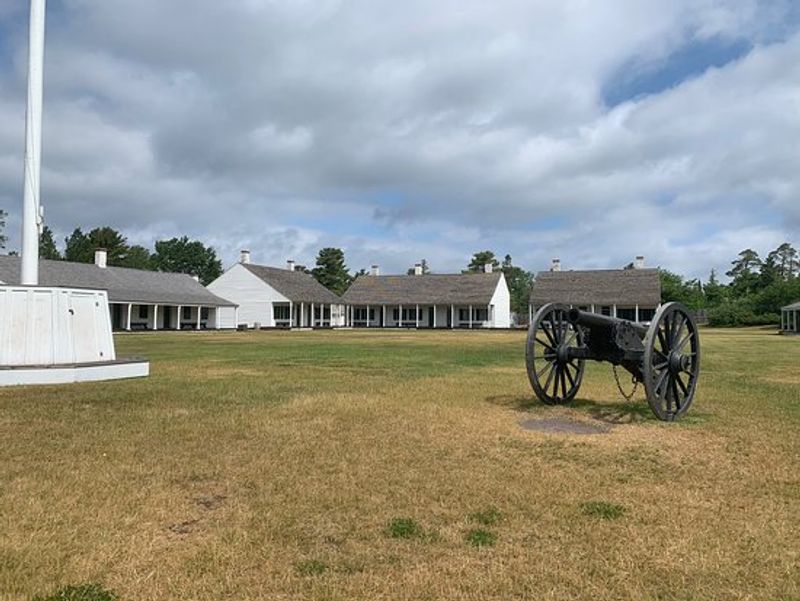
The setting is striking without trying too hard. Wooden buildings stand in a neat arrangement, the parade ground opens up the center, and forest presses in around the edges.
Nearby water adds another layer to the scene, reminding visitors that this post depended on distance, weather, and supply routes that were not easy to manage.
Fort Wilkins was established in 1844 during the copper mining boom, when the government wanted order in a fast-changing region. The post ended up seeing less conflict than expected, which gives the site a different kind of value today.
Instead of battle-heavy storytelling, the park focuses on daily work, military routine, and the challenge of living so far from larger settlements.
That makes the first walk through the grounds especially interesting. The place does not overwhelm with giant walls or dramatic towers.
It pulls attention through layout, scale, and quiet detail, letting visitors notice how practical every part of the fort had to be.
For history lovers, that understated arrival is a major part of the appeal. The park shows how geography shaped decisions long before highways and modern services.
Bring walking shoes, pause before rushing indoors, and take a few minutes to read the landscape itself. The fort becomes easier to understand when the isolation around it is part of the story.
Step Inside the Soldiers’ Everyday World
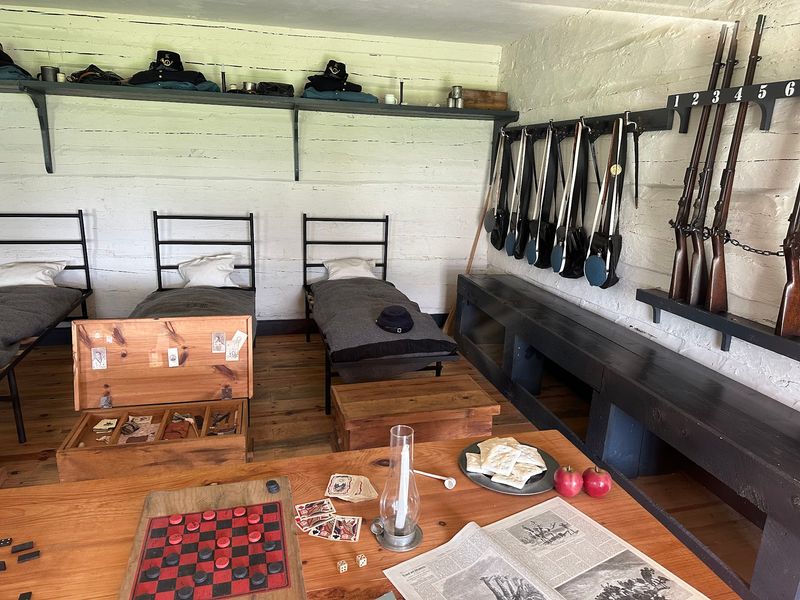
Forget the idea that old forts are all cannons and flagpoles. At Fort Wilkins, the real story often begins inside the buildings, where rooms are arranged to show how soldiers lived, worked, cooked, slept, and waited through long northern seasons.
That everyday focus gives the site a strong human side.
Many of the structures are open for self-guided exploration, and that matters a lot. Instead of staring at one museum case from a distance, visitors move through spaces that reveal how cramped, plain, and practical frontier life could be.
Barracks, officers’ quarters, workshops, and storage areas help break military history into understandable pieces.
Displays explain clothing, food, tools, and duties in clear language, which makes the park friendly for both kids and adults. A younger visitor can notice bunk beds, stoves, and simple furniture, while an older history fan can think about supply chains, discipline, and isolation.
That range is one of Fort Wilkins’ biggest strengths.
Some rooms carry more weight because they show how much effort went into basic survival. Heating, preserving food, caring for equipment, and staying organized were not side tasks.
In a place with harsh weather and long distances, those jobs were central to the post’s success.
Planning enough time helps here. A fast walk-through can take around an hour, but readers of exhibits will want longer.
The fort rewards patience because small details keep changing the picture, from medical concerns to family life connected to the post.
History lovers often want context, not just objects, and Fort Wilkins delivers that in a direct way. Each doorway adds another piece to the puzzle.
By the end of the tour, military history stops feeling abstract and starts looking like a long list of everyday tasks handled in a very demanding place.
Living History That Keeps the Past Moving
A costumed interpreter can change the entire pace of a visit. At Fort Wilkins, living history adds motion and personality to buildings that might otherwise seem still and silent.
Instead of reading every fact from a sign, visitors sometimes hear the past explained by someone dressed for the setting.
That approach works especially well in a fort built around routine. Military posts ran on duties, schedules, rules, and repeated chores, so a knowledgeable interpreter can show how those systems worked in real time.
Even a short conversation can make a kitchen, workshop, or quarters easier to understand.
The value is not just entertainment. Reenactors and interpreters help bridge the gap between modern habits and nineteenth-century realities.
Clothing layers, limited supplies, slower communication, and the need for constant upkeep become easier to picture when someone is there to connect objects with actual daily use.
Fort Wilkins benefits because its history is less about a single famous battle and more about lived experience. That means human explanation matters.
A role player discussing rations, weather, or drill practice can bring more energy to the site than a dramatic speech about distant events.
Families tend to appreciate this style because it invites questions. Children can ask simple things about beds, uniforms, or meals, while adults can go deeper into military purpose, copper country history, or frontier logistics.
The park supports both kinds of curiosity at once.
Timing can shape how much of this visitors catch. Seasonal operations vary, and some days may offer more active interpretation than others.
Even when the fort is quiet, signs and room setups carry much of the story, but live interpretation adds a memorable layer.
For history lovers, that moving, speaking presence matters. It turns a tour into an exchange instead of a one-way lesson.
Fort Wilkins is strongest when the buildings, artifacts, and human voices all work together on the same ground.
Michigan History Framed by Water and Woods
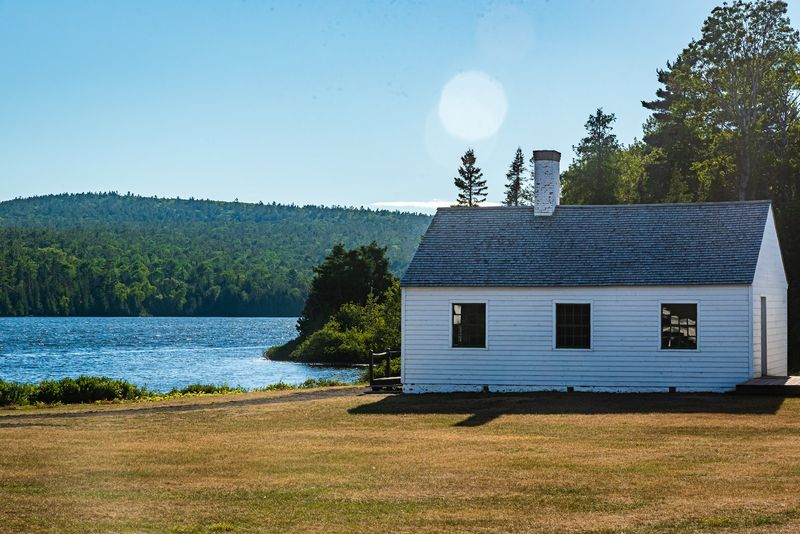
Some historic sites sit in busy towns where the old buildings feel boxed in by traffic and stores. Fort Wilkins offers the opposite experience.
Here, the natural setting is not background decoration, it is part of the explanation.
The park lies between major water features and thick northern woods, giving visitors a direct sense of the environment that shaped life at the fort. Lake Superior, nearby harbor views, and the surrounding landscape show why transportation, weather, and isolation mattered so much.
A map can tell that story in a flat way, but the shoreline and trees make it immediate.
For history lovers, that connection between nature and human decisions is a huge draw. The army did not build posts in random places.
A fort in Copper Harbor had to respond to shipping routes, mining interests, and the challenges of keeping order in a distant corner of Michigan.
The setting also broadens the visit. After spending time indoors with exhibits, a walk toward the water or along nearby paths resets the pace and helps the story settle in.
Quiet stretches of shoreline make it easier to imagine supply boats, rough weather, and the patience frontier life demanded.
Photographers get a bonus here too. The wooden buildings, open grounds, rocky edges, and northern light create strong contrasts without needing special effects.
In fall, color adds even more drama, while cooler months bring a starker, tougher look that fits the fort’s history.
A practical tip helps: wear layers and sturdy shoes. Wind off the water can change the comfort level fast, even on a day that starts mild.
Bringing a camera, a water bottle, and enough time for both the fort and the surrounding scenery makes the trip much better.
Plenty of parks offer nature. Plenty of museums offer history.
Fort Wilkins stands out because the land itself keeps reinforcing the lesson, one shoreline view and wooded trail at a time.
Artifacts, Cellars, and the Little Details That Surprise
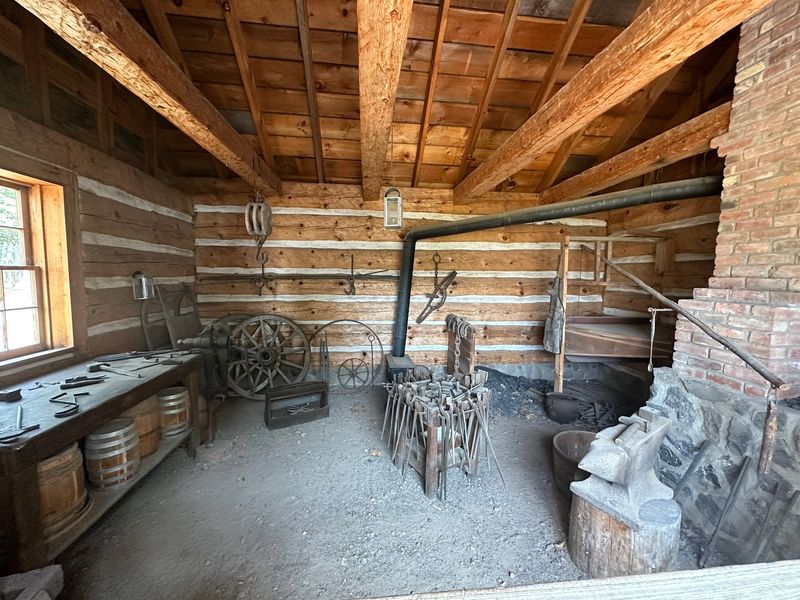
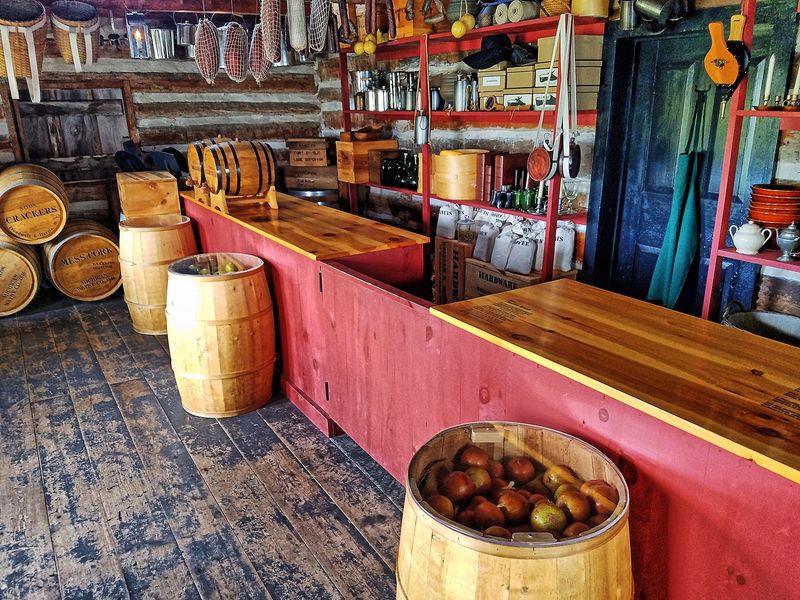
The biggest surprises at Fort Wilkins are often the smallest ones. A cellar view, a row of tools, an archaeological display, or a neatly staged work area can suddenly sharpen the whole visit.
Those details stop the fort from becoming a blur of similar wooden rooms.
Small features matter because they answer practical questions. How was food stored?
Where did people repair gear? What objects were close at hand during a normal day?
Fort Wilkins does a good job using artifacts and room setups to answer those things without overcomplicating them.
Archaeological finds are especially useful here. They connect the restored site to physical evidence from the ground, which gives the story more weight.
Instead of relying only on broad summaries, the park can point to actual remnants of daily life and show how historians piece the past together.
That method makes the fort appealing to readers, tinkerers, and curious kids at the same time. One person may focus on labels and dates, while another gets pulled in by cookware, hardware, or building techniques.
The site leaves space for both styles of exploring.
A smart way to tour is to slow down whenever a room seems plain at first glance. Plain rooms often hold the best clues.
Construction details, storage arrangements, and tool placement can reveal how much labor went into keeping the post organized and functional.
Because many travelers come for the bigger name of Copper Harbor or the scenery of the Keweenaw, these interior details can catch them off guard. The fort turns out to be larger and more layered than expected.
That sense of scale grows when each building contributes a different piece instead of repeating the same display.
For history lovers, these quieter surprises are where the park earns extra respect. Fort Wilkins does not depend on one dramatic object.
It builds interest through accumulation, showing how ordinary items, underground spaces, and careful interpretation can make frontier history vivid and easy to grasp.
How to Tour Fort Wilkins Without Rushing Past the Good Parts
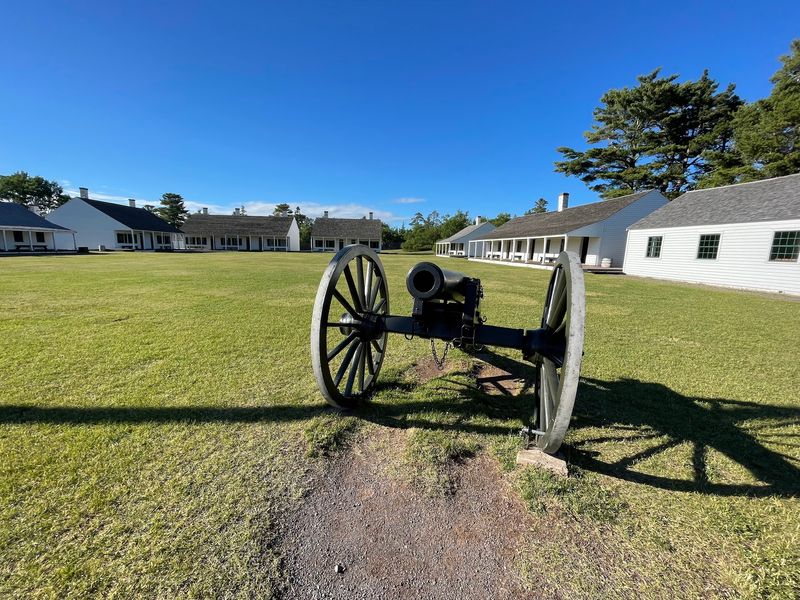
There is a simple trick to enjoying Fort Wilkins: do not treat it like a quick roadside stop. The park can be seen in a shorter visit, but the strongest experience comes from moving slowly and letting the site unfold building by building.
That pace matches the subject better anyway.
Start outside before stepping into the rooms. Looking over the layout first helps visitors understand how the fort functioned as a system, not just a collection of separate structures.
Once that bigger picture is clear, the interiors make more sense.
After that, give extra time to the buildings that explain work and daily living. Barracks and quarters matter, but kitchens, storage spaces, shops, and medical or service areas often reveal the most about how the post actually operated.
They show that military life depended on far more than drills.
Reading signs carefully pays off here because the information is usually direct and easy to follow. Younger visitors can still enjoy the tour by noticing room setups and objects, while older readers can connect those details to Michigan’s copper rush and the government’s presence in the region.
That layered approach makes the park friendly to mixed groups.
Practical planning helps too. Wear comfortable shoes, since the visit includes walking between buildings and around the grounds.
Dogs can enjoy parts of the park outdoors, but indoor access is limited, so travelers with pets should plan around that.
Restrooms, parking, and a small shop area make the site easier to manage for families or anyone spending a fuller afternoon in Copper Harbor. If time allows, pair the fort visit with a short walk near the water rather than trying to cram in too many stops at once.
The place works best when it has room to breathe.
History lovers often rush because they want to see everything. Fort Wilkins rewards the opposite habit.
Read a little more, linger in one more room, and let the details build into a fuller picture.
Why Fort Wilkins Deserves More Attention in Copper Harbor
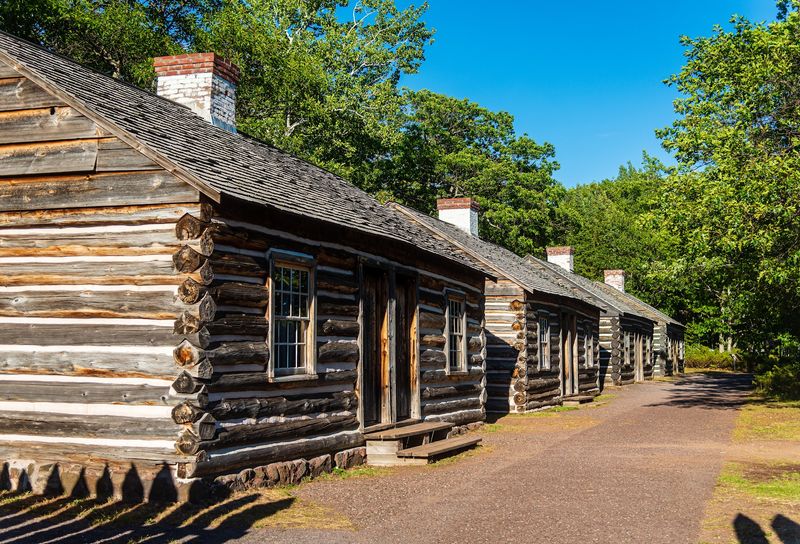
Fort Wilkins does not always get top billing when people talk about Michigan getaways. Copper Harbor is famous for rugged scenery, trails, and the dramatic pull of Lake Superior, so the historic park can sound like a side stop.
Once explored, though, it becomes clear that the fort is one of the area’s most rewarding places.
Its strength comes from balance. The site is educational without being stiff, scenic without letting the landscape take over the story, and accessible without flattening the harder parts of frontier life.
That mix gives it broad appeal, especially for travelers who want more than a quick photo opportunity.
History lovers will notice how much substance is packed into the grounds. The restored buildings, thoughtful exhibits, room-by-room interpretation, and occasional living history all work together to explain a specific moment in the Upper Peninsula’s past.
The park is not trying to cover every era at once. It stays focused, and that focus helps.
There is also value in the mood of the place. Fort Wilkins is not built around crowds, flashy technology, or a giant list of attractions.
It invites attention through clarity and setting. Visitors can actually hear themselves think, read at their own speed, and connect the fort to the wider Copper Harbor landscape.
That makes it a strong pick for families, road trippers, and anyone building an Upper Peninsula itinerary with some variety. One stop can offer military history, regional context, walkable grounds, and nearby nature.
Few places package those parts so neatly.
For practical travelers, the park is easy to fold into a day in Copper Harbor, but it also deserves to be more than filler between scenic stops. Give it real time.
The fort explains a chapter of Michigan that many people pass by on the map.
Underrated places usually earn that label because they stay quieter than they should. Fort Wilkins fits that pattern.
For anyone curious about how people lived, worked, and endured at the edge of Lake Superior, it delivers far more than expected.