Tennessee has some gorgeous lakes that attract swimmers every summer, but not every beach is safe for taking a dip. Some spots deal with water quality issues, pollution concerns, or hazards that make them less than ideal for a refreshing swim.
Before you pack your towel and sunscreen, check out these nine lake beaches across the state where you might want to think twice before jumping in.
1. Fall Creek Falls Lake at Fall Creek Falls State Park
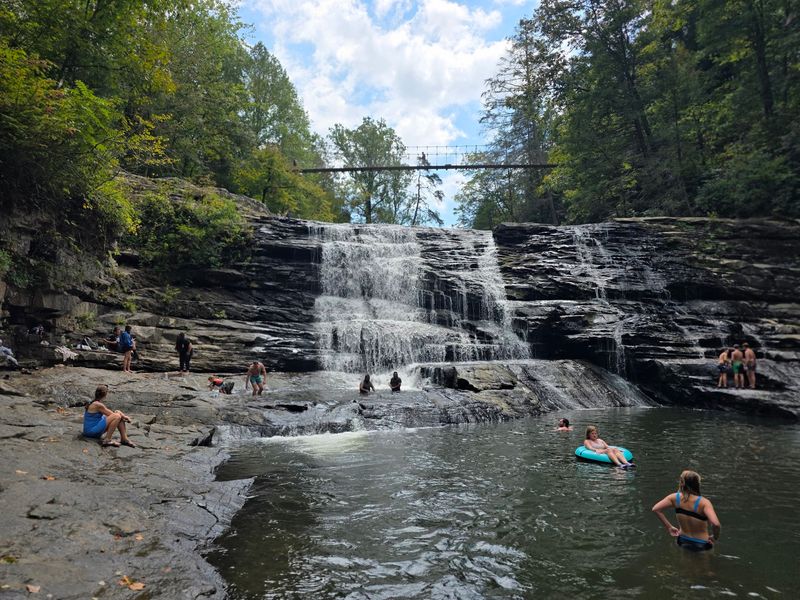
Fall Creek Falls State Park is famous for its stunning waterfalls and hiking trails, but the small lake tucked within the park doesn’t always make for the best swimming destination. The lake sits in a heavily forested area where runoff from trails and natural debris constantly finds its way into the water.
Algae blooms pop up regularly during warmer months, creating murky conditions that aren’t exactly inviting.
The lake’s shallow depth in many areas means the water heats up quickly, which speeds up algae growth and can create an unpleasant swimming experience. You might notice a greenish tint to the water or even a musty smell on certain days.
Park officials occasionally post advisories when conditions get particularly bad, but even on clear days, the water quality can be questionable.
Wildlife in the area also contributes to water quality concerns. Geese and other waterfowl frequent the lake, and their droppings add bacteria to the water that you definitely don’t want to swim through.
The park doesn’t have a designated swimming beach with regular testing or lifeguards, which means you’re taking your chances if you decide to wade in.
Another factor to consider is the lake’s primary purpose as a scenic feature rather than a recreational swimming spot. The park focuses its resources on maintaining the waterfalls and hiking areas, not on keeping the lake pristine for swimmers.
Dead leaves, fallen branches, and other organic matter collect in the water, creating a less-than-appealing environment for a swim.
If you’re visiting Fall Creek Falls State Park, stick to admiring the lake from the shore and save your swimming for a pool or a better-maintained lake beach. The park has so many other amazing features to explore that skipping a dip in this particular lake won’t ruin your trip.
Your skin will thank you for choosing a cleaner swimming spot elsewhere in Tennessee.
2. Center Hill Lake Near Edgar Evins State Park
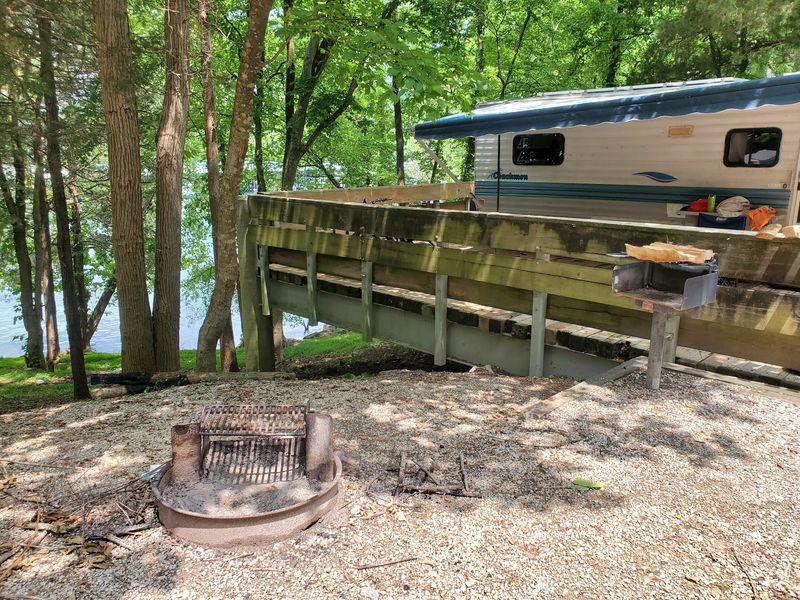
Center Hill Lake spans over 18,000 acres, but certain areas near Edgar Evins State Park have developed a reputation for water quality problems that make swimming risky. The lake receives runoff from agricultural areas and residential developments upstream, bringing fertilizers and other pollutants into the water.
During peak summer months, these nutrients fuel algae blooms that can turn sections of the lake into a soupy green mess.
The Army Corps of Engineers manages Center Hill Lake, and they’ve documented fluctuating water quality levels over the years. Some areas near the state park show elevated bacteria counts after heavy rains, when stormwater washes contaminants from surrounding land into the lake.
Swimming in water with high bacteria levels can lead to skin infections, stomach issues, or worse health problems that nobody wants to deal with on vacation.
Boat traffic near Edgar Evins State Park adds another layer of concern for swimmers. The area attracts plenty of boaters and jet skiers, especially on weekends, creating choppy waters and potential safety hazards.
Fuel and oil from watercraft can leave a sheen on the water’s surface, and nobody wants to swim through that.
The lake bottom near shore can be surprisingly mucky in spots, with soft sediment that feels gross underfoot and stirs up cloudy water when disturbed. Submerged logs and debris hidden below the surface pose additional risks, especially in areas where the water level fluctuates frequently.
The lake’s depth changes throughout the year as the Corps manages water levels for flood control, which means hazards that weren’t there last month might appear suddenly.
Local anglers report that certain fish species in Center Hill Lake have shown signs of pollution exposure, which should make swimmers think twice about water quality. While the park offers beautiful camping and hiking opportunities, you’re better off enjoying the lake views from a boat or the shoreline rather than taking a swim in these questionable waters.
3. Dale Hollow Reservoir Along the Tennessee Shoreline
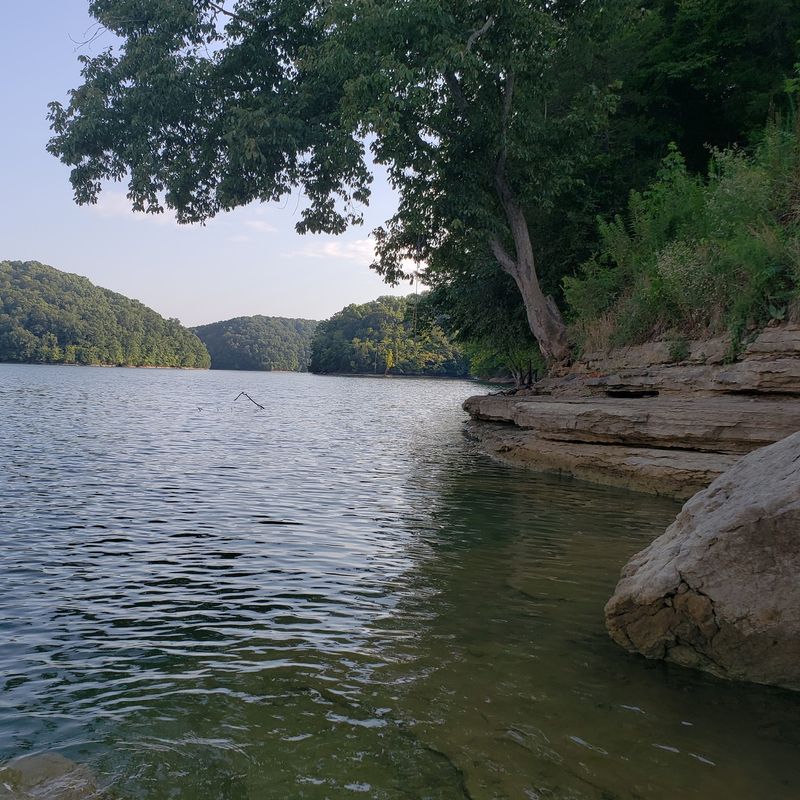
Dale Hollow Reservoir straddles the Tennessee-Kentucky border, and while parts of the lake have crystal-clear water, certain sections on the Tennessee side present problems for swimmers. The reservoir is known for its depth and clarity in some areas, but don’t let that reputation fool you into thinking every spot is safe.
Sections near residential areas and marinas deal with contamination from septic systems and boat activity that compromise water quality.
The Tennessee shoreline includes numerous private docks and development that contribute pollutants to the water. Lawn chemicals from lakefront properties wash into the reservoir during rainstorms, feeding algae growth and introducing toxins that can irritate skin and eyes.
Some coves and inlets with limited water circulation become stagnant during summer, creating pockets of poor water quality that smart swimmers avoid.
Dale Hollow’s depth creates temperature layers that can catch swimmers off guard. The surface might feel warm and comfortable, but just a few feet down, the water turns shockingly cold.
This thermocline effect can cause muscle cramps and disorientation, making it dangerous for less experienced swimmers. Combined with limited visibility in certain areas, these conditions create unnecessary risks.
Zebra mussels have invaded Dale Hollow Reservoir, and their sharp shells cover rocks and submerged structures near shore. Walking into the water barefoot can result in painful cuts that easily become infected.
The mussels also affect water quality by filtering out plankton that fish depend on, disrupting the lake’s ecosystem in ways that impact overall environmental health.
Another concern involves the reservoir’s purpose as a water supply source for downstream communities. Any contamination introduced by swimmers or recreational activities becomes a public health issue.
The Tennessee Wildlife Resources Agency monitors the lake, but enforcement of water quality standards varies by location. Areas with heavy recreational use show higher pollution levels, making them less suitable for swimming despite the lake’s overall reputation for clarity.
4. Fort Loudoun Lake in the Knoxville and Loudon County Area
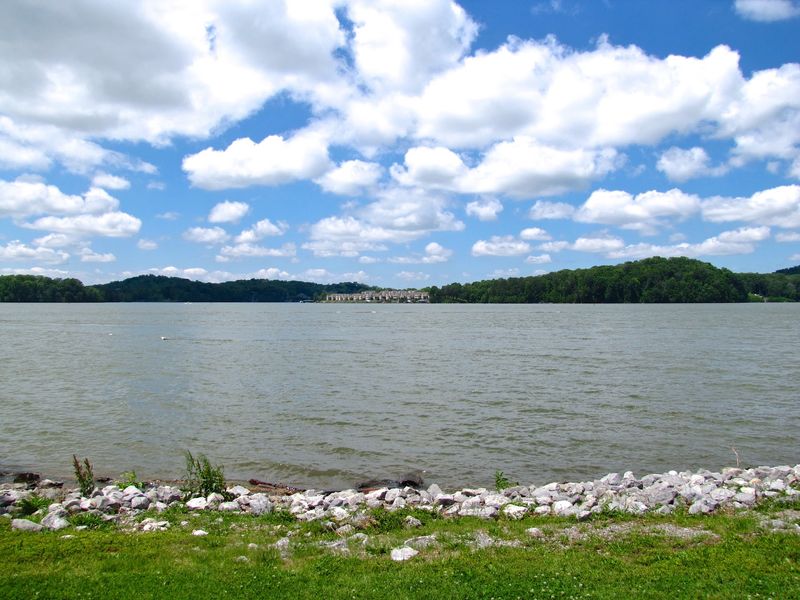
Fort Loudoun Lake flows through Knoxville and Loudon County, making it easily accessible but also heavily impacted by urban and industrial activity. The Tennessee River forms this reservoir, and by the time it reaches this area, it carries pollutants from upstream sources spanning multiple states.
Combined sewer overflows in Knoxville occasionally dump untreated sewage into the lake during heavy rains, creating serious health hazards for anyone swimming nearby.
Industrial facilities along the shoreline have historically released contaminants into Fort Loudoun Lake, and while regulations have tightened, legacy pollution remains an issue. Bottom sediments contain heavy metals and other toxins that can be stirred up by boat traffic or storms.
Fish consumption advisories warn anglers about eating certain species caught from the lake, which should definitely make swimmers reconsider getting in the water.
The lake’s location in a major metropolitan area means it receives constant pressure from development, roads, and parking lots that shed oil, tire particles, and other pollutants into the water. Stormwater systems channel this contaminated runoff directly into the lake without adequate treatment.
After a good rain, the water near urban areas can look visibly dirty and smell faintly of petroleum products.
Boat traffic on Fort Loudoun Lake stays heavy throughout the warm months, with powerboats, pontoons, and jet skis churning up the water constantly. The resulting turbulence keeps sediment suspended and makes visibility poor for swimmers trying to watch for hazards.
Waves from passing boats can be surprisingly strong near shore, creating difficult conditions for inexperienced swimmers or children.
The Tennessee Valley Authority manages water levels on Fort Loudoun Lake for power generation, navigation, and flood control, which means the shoreline and depth change regularly. Swimmers who visit the same spot repeatedly might find conditions completely different from one week to the next.
Debris accumulates along the shore as water levels drop, and the exposed mud flats attract insects that make hanging out at the beach unpleasant even if you skip the actual swimming.
5. Watts Bar Lake in Roane County
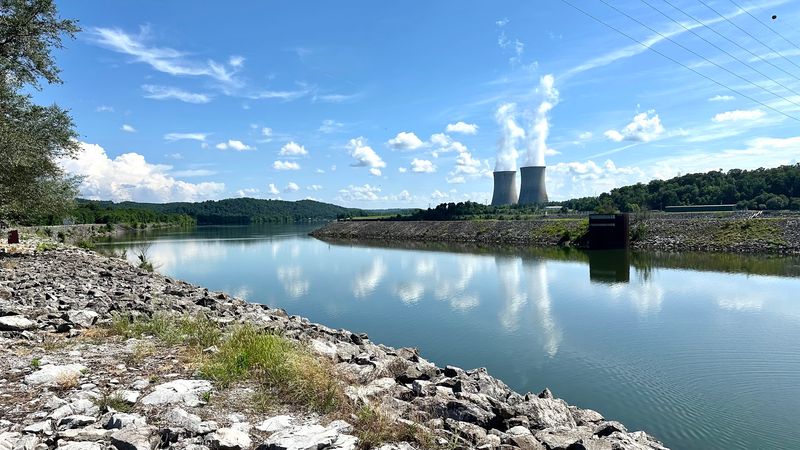
Watts Bar Lake sits downstream from Oak Ridge, home to former nuclear facilities that have left a complicated environmental legacy in the area. While the lake itself isn’t radioactive, decades of industrial activity upstream have introduced various contaminants into the Tennessee River system that flows through Watts Bar.
Mercury contamination has been well-documented in the lake, with fish advisories warning people to limit consumption of certain species caught here.
The Watts Bar Nuclear Plant sits on the lake’s shoreline, and while the facility operates under strict safety regulations, its presence raises concerns for some swimmers. The plant’s cooling system draws water from the lake and discharges it back at elevated temperatures, creating thermal pollution that affects water quality and aquatic life in the immediate area.
The warmer water encourages bacterial growth and can feel uncomfortably hot for swimmers.
Roane County’s sections of Watts Bar Lake include numerous coves and backwaters that suffer from poor circulation and accumulation of pollutants. Agricultural runoff brings fertilizers and pesticides into these areas, fueling algae blooms that deplete oxygen and create dead zones where fish can’t survive.
Swimming in water choked with algae isn’t just unpleasant; it can expose you to toxins that cause rashes, respiratory problems, and digestive issues.
The lake bottom in many areas consists of soft, contaminated sediment that releases pollutants when disturbed. Wading into the water stirs up this muck, creating murky conditions and potentially exposing swimmers to substances you don’t want touching your skin.
Some areas have warning signs posted about sediment contamination, but not every problematic spot gets marked clearly.
Watts Bar Lake serves as a major industrial waterway with barge traffic and commercial activity that makes it less than ideal for swimming. The wake from large vessels can create dangerous conditions for swimmers, and the industrial nature of parts of the shoreline means you might be swimming near facilities that discharge treated wastewater into the lake.
Even if discharge permits meet legal standards, that doesn’t mean you want to swim in water receiving industrial effluent.
6. Tellico Lake in Loudon and Monroe Counties
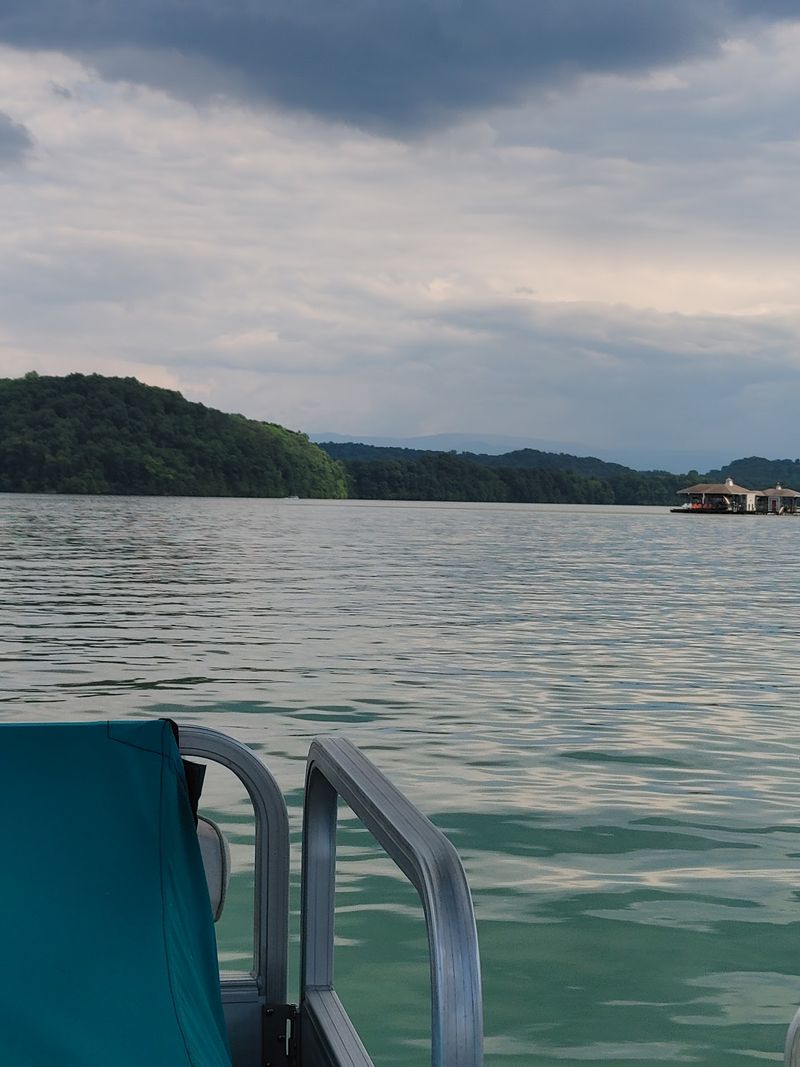
Tellico Lake was created in the 1970s by damming the Little Tennessee River, and the controversy surrounding its construction foreshadowed ongoing environmental concerns. The lake flooded agricultural land, old homesites, and natural areas that now decompose underwater, releasing nutrients and organic matter that affect water quality.
This organic material feeds algae growth and creates murky conditions in many areas, especially during warm weather when decomposition accelerates.
Residential development has exploded around Tellico Lake since its creation, with golf courses, subdivisions, and marinas crowding the shoreline. Fertilizers from lawns and golf courses wash into the lake, providing nutrients that fuel harmful algae blooms.
Some of these blooms produce toxins that can make swimmers sick, causing skin irritation, nausea, and more serious health problems if you accidentally swallow contaminated water.
The lake’s relatively shallow depth in many areas means water temperatures climb quickly during summer, creating ideal conditions for bacteria growth. Warm, nutrient-rich water becomes a breeding ground for E. coli and other pathogens that thrive where swimmers congregate.
Public access points and popular swimming spots often show elevated bacteria counts during peak season, but testing isn’t frequent enough to catch every problem before swimmers get exposed.
Tellico Lake suffers from poor water circulation in certain coves and backwaters where development has altered natural drainage patterns. These stagnant areas accumulate pollutants and develop unpleasant odors that should warn swimmers to stay away.
Dead fish sometimes appear in these areas during summer, a clear sign that water quality has deteriorated to dangerous levels.
Boat traffic on Tellico Lake can be intense on weekends and holidays, with recreational boaters packing popular areas. The combination of boat exhaust, fuel spills, and sewage from boats with inadequate holding tanks contributes to water pollution.
Swimming in areas with heavy boat traffic means you’re likely swimming through a mixture of pollutants that modern boats leave behind, regardless of how clear the water might look on the surface.
7. South Holston Lake in Sullivan County
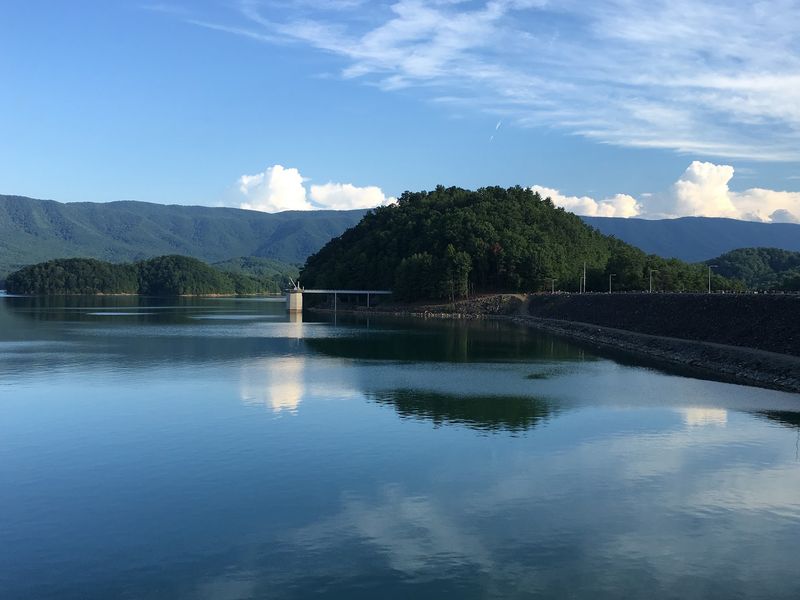
South Holston Lake sits in the mountains of northeast Tennessee, and while it has a reputation for cold, clear water, certain areas present challenges that make swimming less appealing. The lake’s extreme depth means surface temperatures can be deceiving, with warm water on top hiding frigid layers just below.
Swimmers who venture beyond shallow areas can experience sudden cold shock that causes gasping, hyperventilation, and loss of muscle control.
Agricultural operations in the surrounding valleys contribute runoff that affects water quality in South Holston Lake, particularly after heavy rains. Cattle farms and crop fields send fertilizers, pesticides, and animal waste into tributaries that feed the lake.
Some coves and inlet areas show elevated nutrient levels that promote algae growth, even though the main lake body stays relatively clear.
The lake’s mountainous location means steep drop-offs exist close to shore in many areas, creating dangerous conditions for inexperienced swimmers or children. What looks like a gradual beach can turn into a sudden plunge into deep water within just a few steps.
The cold water temperature reduces your ability to swim strongly if you get into trouble, and the remote location of some areas means help might not arrive quickly in an emergency.
South Holston Lake serves as a tailwater fishery below the dam, and the dam operations cause water levels to fluctuate unpredictably. Swimming conditions that seem safe can change within hours as water is released or held back for power generation.
The changing levels expose or submerge hazards like rocks and stumps, and swimmers who aren’t paying attention can find themselves in trouble as conditions shift.
Water quality testing on South Holston Lake isn’t as frequent or comprehensive as it should be given the recreational pressure the lake receives. The Tennessee Valley Authority monitors some parameters, but localized problems can develop between testing periods.
Swimmers assume the lake is safe because of its remote location and clear appearance, but that assumption doesn’t always match reality, especially near developed areas or after storm events that wash contaminants into the water.
8. Pickwick Lake in Hardin County
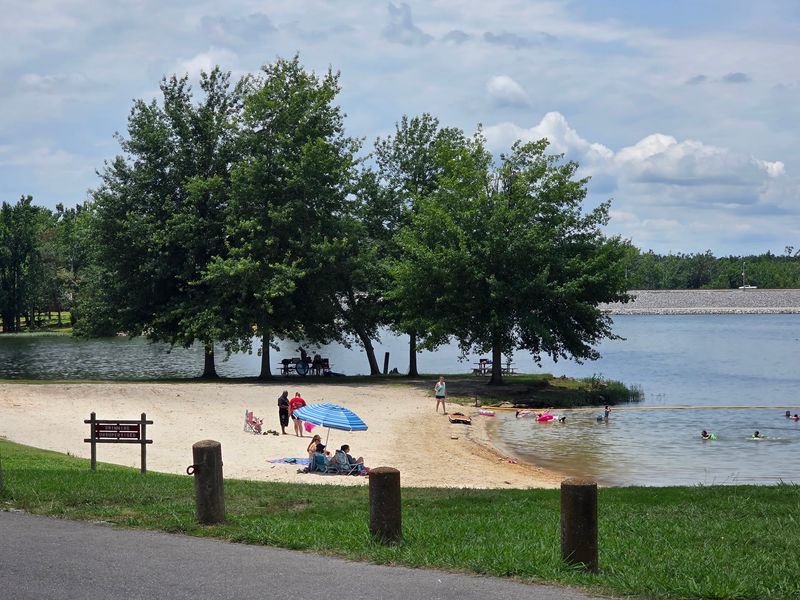
Pickwick Lake stretches across three states, and the Tennessee portion in Hardin County attracts crowds of swimmers and boaters every summer. Unfortunately, this popularity creates water quality problems that make swimming less safe than many visitors realize.
The lake receives the cumulative pollution from the entire Tennessee River watershed upstream, meaning contaminants from multiple states flow through Pickwick before continuing downstream.
Zebra mussels have colonized Pickwick Lake, and their sharp shells make walking barefoot along the shore or in shallow water a painful experience. These invasive mussels attach to every hard surface, including rocks, docks, and boat ramps, creating hazards that can cause deep cuts requiring medical attention.
The mussels also change the lake’s ecology in ways that affect water clarity and aquatic life, though not always for the better.
Heavy boat traffic on Pickwick Lake during summer weekends creates a mixture of pollution and safety hazards for swimmers. Gasoline and oil leaks from boats accumulate on the water’s surface, creating visible sheens in popular areas.
Boat sewage, even from properly equipped vessels, adds bacteria to the water that can make swimmers sick. The constant churn of propellers stirs up bottom sediment, reducing visibility and potentially exposing swimmers to contaminated material.
Certain areas of Pickwick Lake near Hardin County have shown elevated levels of fecal bacteria during testing, particularly after rainfall events. Aging septic systems from lakefront homes, combined with runoff from agricultural areas, contribute pathogens to the water that pose health risks.
Swimming with open cuts or accidentally swallowing water contaminated with fecal bacteria can lead to infections and gastrointestinal illness that will definitely ruin your vacation.
The Tennessee River’s historical role as an industrial waterway means legacy pollution exists in Pickwick Lake’s sediments. While major pollution sources have been cleaned up or regulated, contaminants from decades past remain buried in the lake bottom.
Activities that disturb these sediments, including swimming in shallow areas, can release pollutants back into the water column where swimmers come into contact with them.
9. Cherokee Lake Near Panther Creek
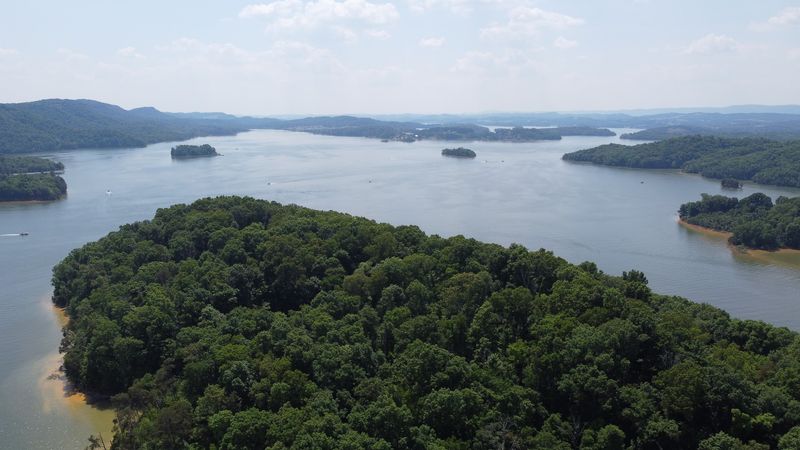
Cherokee Lake covers over 30,000 acres in east Tennessee, and the Panther Creek area has developed a particularly troublesome reputation for water quality issues. This section of the lake sits in a basin that collects runoff from surrounding development and agricultural land, concentrating pollutants in ways that affect swimmers.
The creek itself brings sediment and contaminants into the lake, creating murky conditions near the mouth that persist even when the main lake looks clear.
The Panther Creek area attracts heavy recreational use, which compounds water quality problems through sheer numbers of people and boats. Popular swimming spots show elevated bacteria levels during peak season as more swimmers introduce contaminants into the water.
The feedback loop of pollution creates conditions that get progressively worse as summer advances, with late July and August typically showing the highest bacteria counts.
Algae blooms occur regularly in Cherokee Lake’s Panther Creek area during warm weather, sometimes producing toxins that can harm swimmers. These harmful algal blooms often appear as green scum on the water’s surface or as dense mats of growth just below the surface.
Contact with bloom-contaminated water can cause skin rashes, eye irritation, and respiratory problems, while accidentally swallowing the water can lead to more serious illness.
The lake bottom near Panther Creek contains soft sediment that stirs up easily, creating cloudy water that hides hazards and feels unpleasant underfoot. Submerged stumps and logs from the valley’s pre-flooding days remain scattered across the lake bottom, posing risks to swimmers who can’t see them through the murky water.
Injuries from these hidden obstacles are common enough that locals know to avoid certain areas entirely.
Cherokee Lake’s water level fluctuates significantly based on Tennessee Valley Authority operations, and these changes affect swimming conditions at Panther Creek dramatically. Low water periods expose mudflats that attract biting insects and smell terrible as organic matter decomposes in the sun.
High water periods can submerge access points and create strong currents near creek inflows that make swimming dangerous. The constantly changing conditions mean you never quite know what you’re getting into when you visit this area for a swim.
Share this story