When the mercury climbs and school lets out, thousands of visitors make a beeline for Tennessee’s sparkling lakes and the small towns that hug their shores. From the cool waters of Norris Lake in the east to the sprawling expanse of Kentucky Lake in the west, these communities transform into bustling hubs of activity each summer.
The influx brings economic vitality but also challenges, as local businesses scramble to keep up with demand and year-round residents navigate crowded boat ramps and packed restaurants. Here are ten Tennessee lake towns riding the wave of the summer tourism boom.
1. Norris
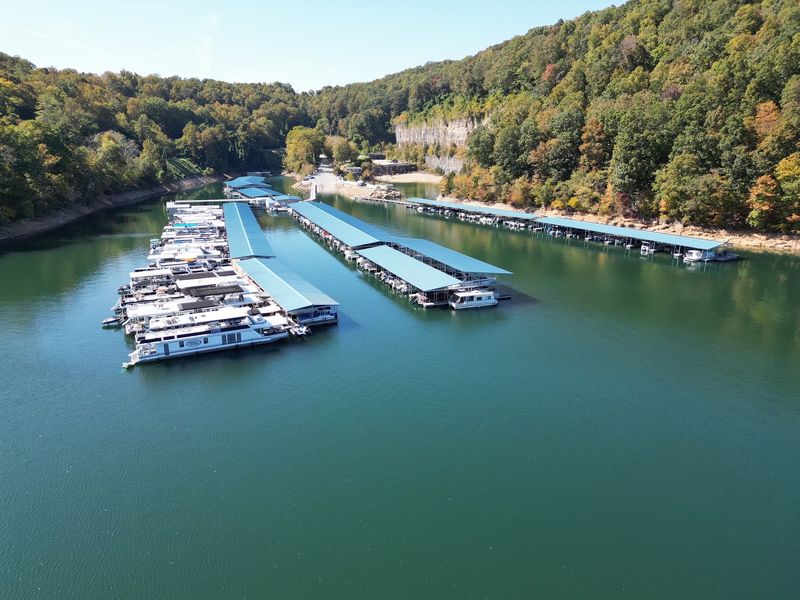
With more than 800 miles of twisting shoreline carved into the foothills of the Appalachians, Norris Lake draws boaters, anglers, and water-sports enthusiasts from across the Southeast. The town of Norris sits just minutes from multiple marinas, public boat launches, and sandy swimming coves that fill up fast on hot weekends.
Summer is when the lake truly comes alive, with pontoon boats cruising the channels and jet skis zipping across open water.
Local marinas report their busiest months running from Memorial Day straight through Labor Day, with slip rentals and houseboat bookings often sold out weeks in advance. Campgrounds around the lake see similar demand, as families claim their favorite spots for week-long stays.
The economic boost is noticeable, with seasonal staff hired at restaurants, bait shops, and rental outfits to handle the surge.
Norris Lake’s crystal-clear water and dramatic cliffs make it a magnet for cliff-jumping and scuba diving, adding to its appeal beyond traditional lake activities. The town itself retains a quiet, almost historic feel, thanks to its origins as a planned community built during the TVA era.
That contrast between serene small-town streets and bustling waterfront activity defines the summer experience here.
Traffic increases noticeably on weekends, especially along the main access roads leading to popular marinas and public beaches. Parking lots fill early, and locals have learned to time their own lake trips for weekday mornings to avoid the crowds.
Despite the seasonal chaos, the influx of visitors keeps the local economy humming and supports year-round businesses that might otherwise struggle in a town of fewer than 2,000 residents.
2. Dandridge
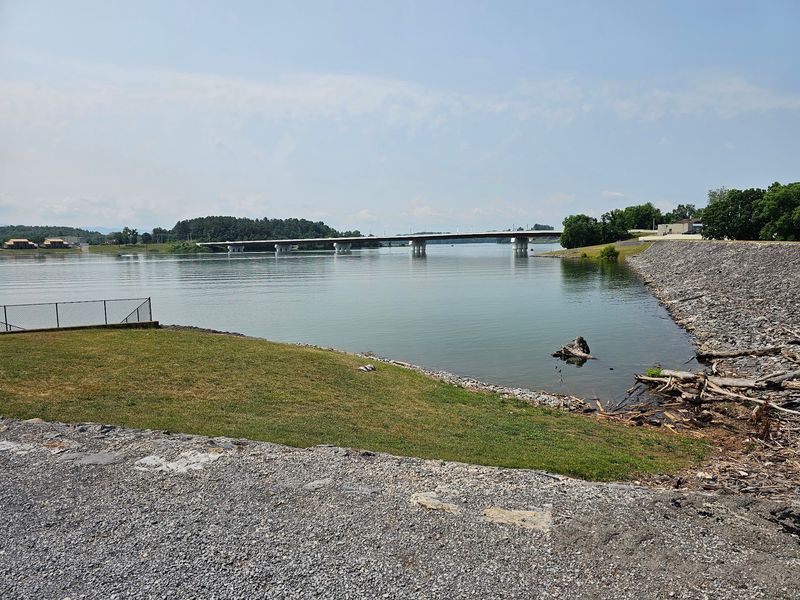
Dandridge holds the distinction of being Tennessee’s second-oldest town, and its location near Douglas Lake makes it a natural stopover for travelers headed toward the Smokies. The combination of history and water access creates a unique summer tourism profile, as visitors come both for the lake and for the town’s antique shops, historic courthouse, and waterfront dining.
Douglas Lake itself is a massive reservoir known for crappie fishing and wide-open spaces perfect for skiing and tubing.
Summer weekends see a steady stream of boats launching from nearby ramps, while the town’s downtown district fills with tourists browsing boutiques and grabbing lunch at local cafes. The overlap between lake recreation and mountain-bound traffic gives Dandridge a broader visitor base than many single-purpose lake towns.
RV parks and campgrounds around the lake report high occupancy rates throughout the warm months, and several lakeside resorts cater to families looking for a full week of water-based fun.
The town has embraced its role as a gateway, with signage directing visitors to lake access points and promotional materials highlighting both the water and the historic district. Local businesses benefit from the dual appeal, as a family might spend the morning on the lake and the afternoon exploring downtown.
The seasonal rush does create some growing pains, particularly around parking and restaurant wait times, but the economic impact is undeniable.
Dandridge’s charm lies in its ability to offer something beyond just the lake. Visitors appreciate the chance to step back in time while still enjoying modern lake amenities.
That balance keeps people coming back summer after summer, and the town has learned to manage the influx without losing its small-town character.
3. Celina
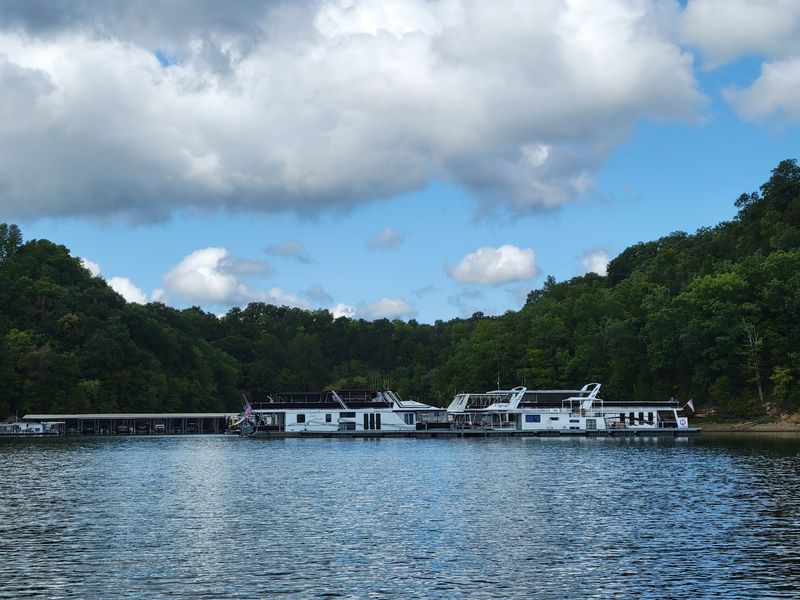
Celina sits on the banks of Dale Hollow Lake, a reservoir famous for its gin-clear water and record-breaking smallmouth bass. The lake straddles the Tennessee-Kentucky border and attracts serious anglers, scuba divers, and families looking for pristine swimming conditions.
Summer is peak season, with the lake’s clarity and cool temperatures making it a favorite escape from the heat.
The town itself is small and unpretentious, with a downtown that serves as a supply hub for lake visitors. Marinas around Dale Hollow stay busy from May through September, renting houseboats, pontoons, and fishing boats to visitors who often book their trips a year in advance.
The lake’s reputation for exceptional water quality draws divers who explore submerged rock formations and fish habitat, adding a unique element to the typical lake-town tourism mix.
Celina’s businesses gear up for the summer influx, with bait shops, convenience stores, and restaurants extending their hours and stocking up on supplies. The town’s proximity to the lake means that many visitors pass through multiple times during a stay, stopping for groceries, ice, or a meal between lake outings.
Local campgrounds and cabin rentals fill up quickly, and the economic impact of summer tourism is felt across the community.
Dale Hollow’s appeal is rooted in its natural beauty and relatively undeveloped shoreline, which keeps the lake from feeling overcrowded even during peak weekends. Celina benefits from that balance, drawing enough visitors to support local businesses without overwhelming the town’s infrastructure.
The summer boom is predictable and welcome, providing a financial cushion that helps sustain the community through quieter months.
4. Smithville
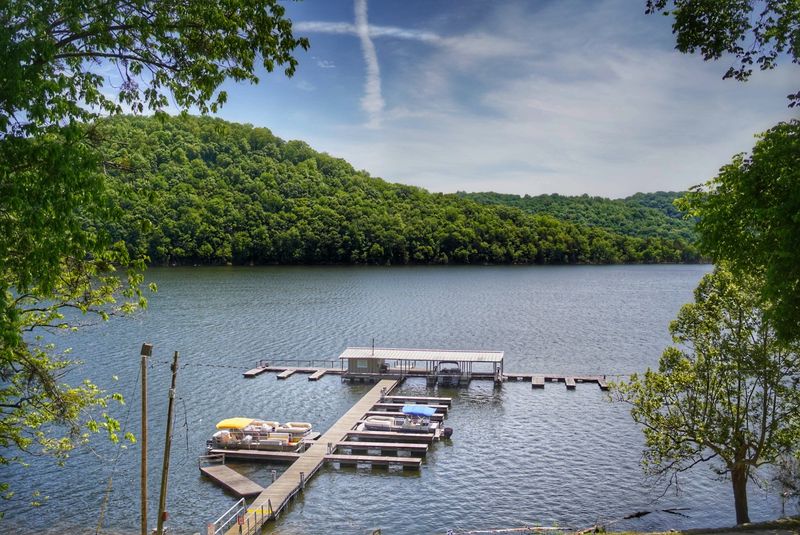
Smithville anchors the Center Hill Lake region, offering visitors a mix of water recreation and genuine small-town charm. Center Hill Lake is a sprawling TVA reservoir known for excellent fishing, boating, and camping, with multiple state park access points and commercial marinas scattered along its shores.
Summer brings a steady flow of tourists, many of whom return year after year to claim their favorite campsite or cabin.
The town itself retains a distinct identity separate from its role as a lake destination. Downtown Smithville features local shops, a historic courthouse square, and family-owned restaurants that serve both tourists and longtime residents.
Summer is when the two worlds collide most noticeably, with out-of-state license plates lining the streets and marina parking lots packed with boat trailers.
Center Hill State Park and nearby Edgar Evins State Park draw campers, hikers, and picnickers in addition to boaters, giving Smithville a broader tourism profile than some lake towns. The seasonal influx supports local businesses, from tackle shops to ice cream stands, and seasonal employment opportunities help younger residents stay in the area during summer break.
The town has managed to grow its tourism infrastructure without sacrificing its small-town feel, a balance that locals appreciate.
Traffic does increase on summer weekends, particularly along the main routes leading to popular lake access points. Restaurants see longer wait times, and grocery stores stock extra supplies to meet demand.
Despite the seasonal hustle, Smithville remains a welcoming place where visitors feel like guests rather than intruders, and that hospitality keeps people coming back summer after summer.
5. Kingston
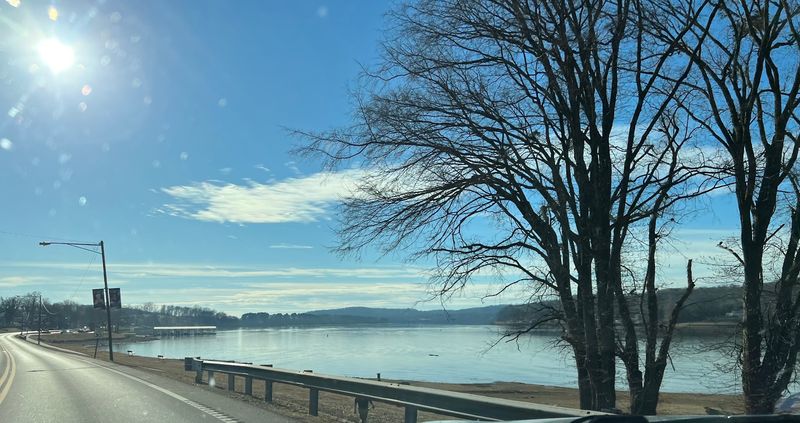
Kingston sits at a strategic spot where Watts Bar Lake meets the Clinch and Tennessee Rivers, making it a natural hub for boating and fishing activity. The TVA highlights Watts Bar as a top fishing destination, and summer brings anglers chasing bass, catfish, and crappie along with recreational boaters exploring the lake’s many coves and islands.
Marinas around Kingston stay busy throughout the warm months, and lakeside resorts cater to families and fishing groups alike.
The town itself has a working waterfront feel, with boat launches, tackle shops, and casual restaurants serving fried catfish and burgers to hungry lake visitors. Summer weekends see a noticeable uptick in activity, with trailers lining parking areas and pontoon boats cruising past downtown.
The economic impact is significant for a town of Kingston’s size, as tourism-related spending supports local jobs and keeps businesses viable year-round.
Watts Bar’s reputation as a fishing lake means that Kingston attracts a different crowd than purely recreational destinations. Serious anglers mingle with families looking for a weekend getaway, and the town has learned to cater to both groups.
Bait shops stock everything from live minnows to high-end lures, while nearby campgrounds offer both primitive sites and full-hookup RV spots.
Kingston’s summer tourism boom is less about explosive growth and more about steady, reliable visitor traffic that peaks in June and July. The town doesn’t have the resort-town vibe of some lake communities, which appeals to visitors looking for an authentic experience.
That authenticity, combined with excellent lake access, keeps Kingston on the map as a summer destination worth visiting.
6. New Johnsonville
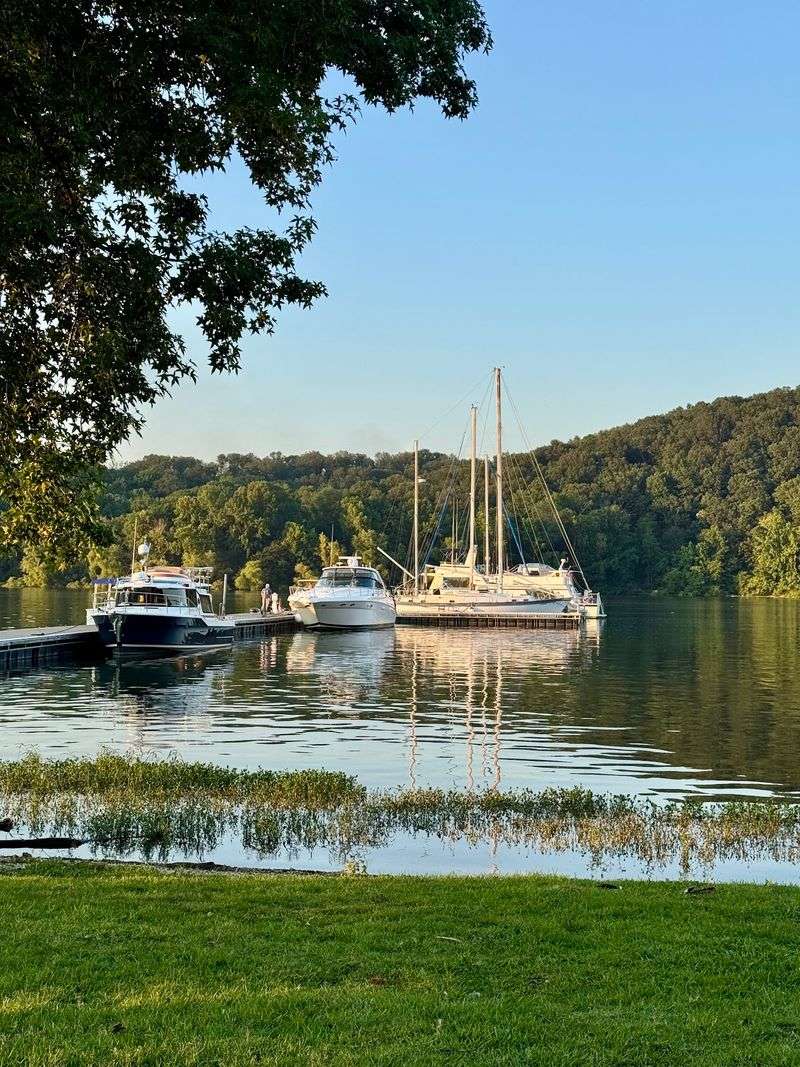
New Johnsonville offers a slice of West Tennessee lake life, with direct access to Kentucky Lake and a tourism infrastructure built around water recreation. The town’s marinas provide boat slips, fuel, and supplies, while nearby RV parks cater to travelers exploring the lake by land and water.
Summer is undeniably peak season, with marinas reporting their highest traffic from late May through early September.
Kentucky Lake’s sheer size and variety of fishing opportunities make it a draw for anglers from across the region, and New Johnsonville benefits from its location along a particularly productive stretch of water. Crappie, bass, and catfish keep fishing guides busy, and the town’s waterfront dining options provide a convenient spot to grab a meal between lake outings.
Summer weekends bring a noticeable increase in boat traffic, with the lake’s main channels crowded with cruisers and fishing boats.
The town itself is small and practical, with businesses geared toward serving lake visitors rather than creating a tourist-trap atmosphere. That straightforward approach appeals to visitors who want easy lake access without the fuss of a resort town.
RV parks fill up quickly during peak summer weeks, and advance reservations are recommended for those planning extended stays.
New Johnsonville’s tourism boom is closely tied to Kentucky Lake’s reputation as a premier fishing and boating destination. The town has carved out a niche as a no-frills base camp for lake exploration, and that identity resonates with visitors who prioritize water time over downtown shopping.
The summer influx provides a crucial economic boost, supporting local jobs and keeping the town’s lake-related businesses thriving through the busy months.
7. Carthage
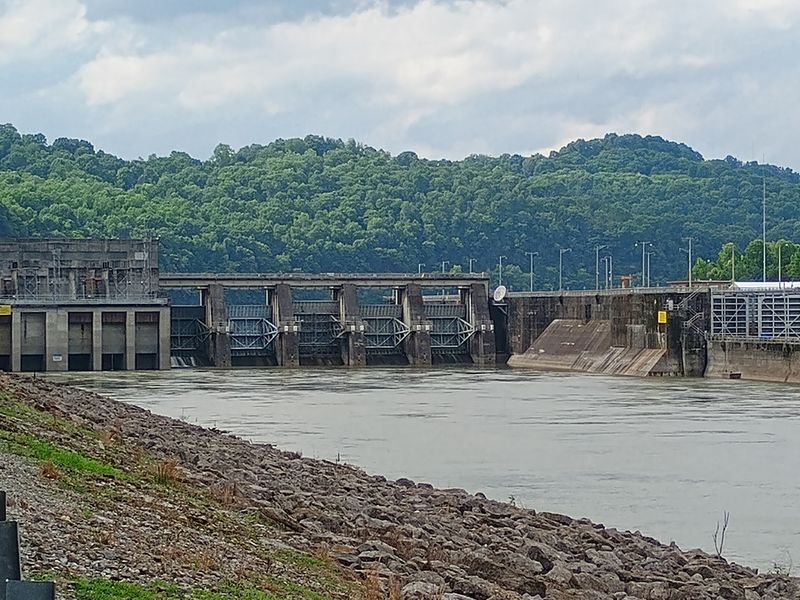
Carthage sits along the Cumberland River near Cordell Hull Lake, a reservoir that offers swimming areas, campgrounds, hiking trails, and fishing opportunities. The lake doesn’t have the name recognition of some Tennessee reservoirs, which works in Carthage’s favor by keeping crowds manageable while still drawing a solid base of summer visitors.
Families appreciate the lake’s accessible swimming beaches and well-maintained campgrounds, while paddlers explore quieter sections of the reservoir by kayak and canoe.
The town itself has a historic downtown with local shops and restaurants that benefit from summer tourism without being overwhelmed by it. Cordell Hull Lake’s recreational offerings bring visitors into the area, but Carthage retains a local character that makes it feel less like a tourist destination and more like a real community.
Summer weekends see increased traffic at boat launches and campgrounds, but the pace remains relaxed compared to more heavily visited lake towns.
Fishing on Cordell Hull Lake is popular year-round, but summer brings the most diverse group of visitors, from families camping with young kids to retirees spending a week in their RV. The lake’s trails attract hikers looking to stretch their legs between water activities, and the variety of recreational options gives Carthage broader appeal than single-focus lake towns.
Local businesses adjust their hours and inventory for summer, but the seasonal shift feels natural rather than frantic.
Carthage’s summer tourism story is one of steady growth rather than explosive booms. The town has found a comfortable balance, welcoming visitors without sacrificing its small-town identity.
That authenticity keeps people coming back, and word-of-mouth recommendations from satisfied visitors continue to drive summer traffic to this often-overlooked corner of Middle Tennessee.
8. Vonore
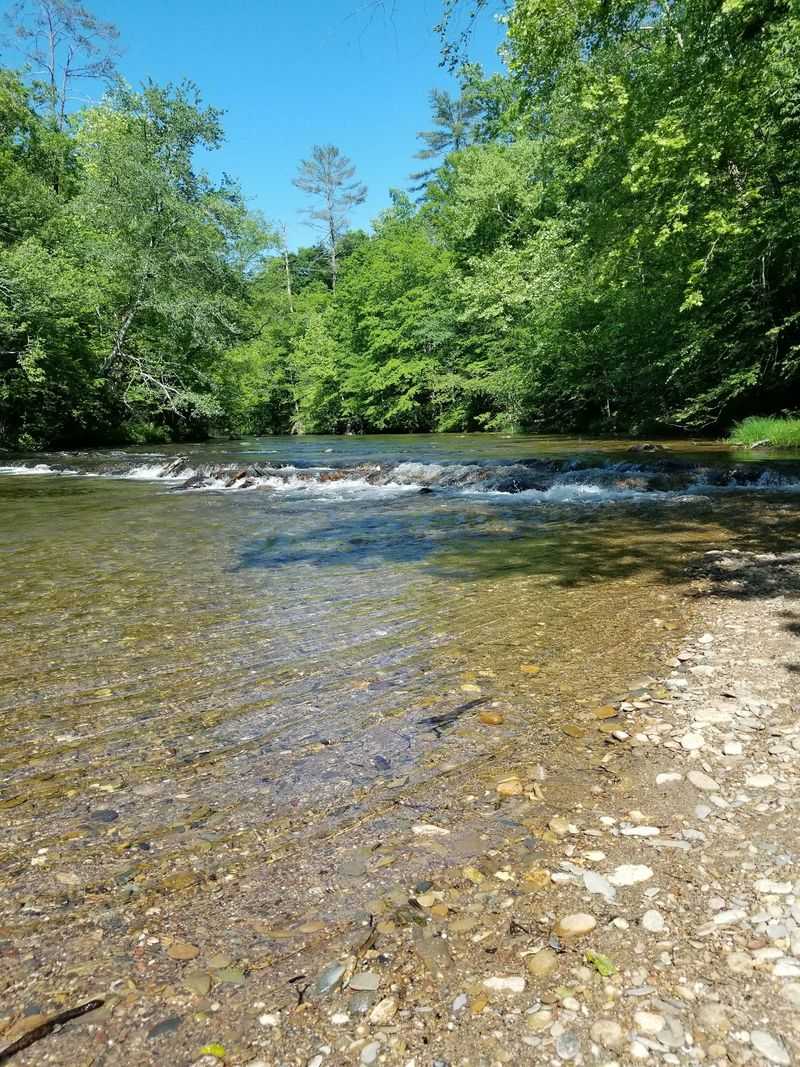
Vonore provides a quieter alternative to busier lake towns, with access to Tellico Lake and the surrounding recreational areas. The lake is popular for paddling, fishing, and leisurely boating, drawing visitors who prefer a more laid-back pace than the high-energy water sports scene found elsewhere.
Summer brings a steady flow of tourists, many of whom are exploring the broader Tellico area and its natural attractions.
The town itself is small and unassuming, serving as a gateway rather than a destination in its own right. That role works well for Vonore, as visitors pass through on their way to lake access points, stopping for supplies or a meal before heading to the water.
Local businesses benefit from the through-traffic, and the seasonal uptick in customers helps sustain them through quieter months.
Tellico Lake’s appeal lies in its scenic beauty and relatively calm waters, which make it ideal for kayaking, canoeing, and pontoon cruising. Anglers target bass and crappie, while families enjoy picnicking along the shore and swimming in designated areas.
The lake doesn’t draw the massive crowds seen at some Tennessee reservoirs, which appeals to visitors seeking a more peaceful experience. Vonore’s proximity to the Cherokee National Forest and other natural attractions adds to its appeal as a base for summer exploration.
The town’s low-key vibe and beautiful surroundings make it a hidden gem for visitors who discover it, and that reputation continues to grow through word-of-mouth recommendations from those in the know.
9. Ten Mile
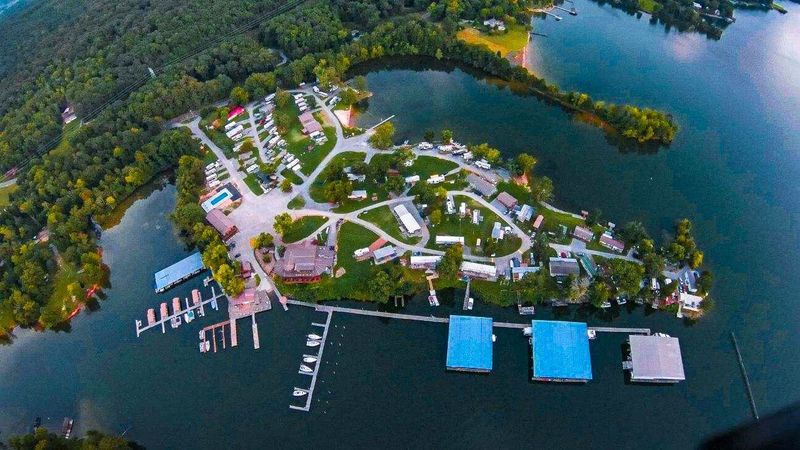
Ten Mile is tourism-oriented in a way that few Tennessee lake towns can match, with Euchee Marina and Resort serving as the centerpiece of summer activity. The resort features floating cabins, traditional camping, boat slips, and waterfront dining, creating an all-in-one destination for visitors who want to maximize their time on Watts Bar Lake.
Peak season runs from late spring into early fall, with July and August seeing the highest occupancy rates and busiest marina traffic.
The floating cabins are a unique draw, offering visitors the chance to sleep on the water while still enjoying modern amenities. Families and groups book these accommodations months in advance, often returning to the same cabin year after year.
The marina stays busy renting boats, selling bait and tackle, and fueling watercraft, while the on-site restaurant serves lake-goers who prefer not to leave the property for meals.
Ten Mile’s small size means that tourism dominates the local economy during summer months. The influx of visitors supports seasonal jobs and keeps the marina and resort thriving, but it also means the town feels distinctly quieter during the off-season.
That seasonal rhythm is part of the community’s identity, with residents accustomed to the ebb and flow of tourist traffic.
Watts Bar Lake provides excellent fishing and boating opportunities, and Ten Mile’s location offers easy access to productive waters. Anglers target bass, catfish, and crappie, while recreational boaters explore the lake’s many arms and coves.
The summer tourism boom is both a blessing and a challenge, bringing economic vitality while also requiring infrastructure and services to scale up dramatically for just a few months each year.
10. Maynardville
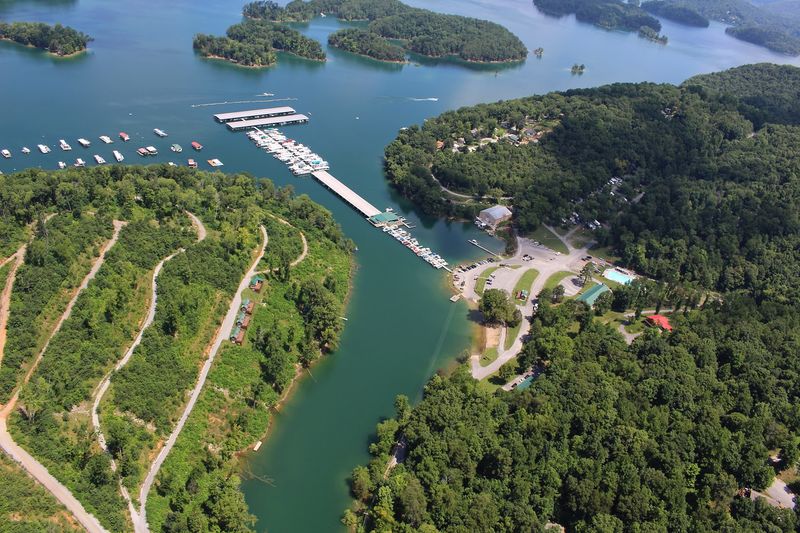
Maynardville offers a second gateway to Norris Lake with a more rural flavor than the town of Norris itself.
The area’s appeal lies in its combination of accessible recreation and unspoiled natural beauty, with less development along the shoreline compared to other lake regions.
Summer is when Maynardville truly feels the impact of lake tourism, as campgrounds fill with RVs and tents, marinas rent boats to eager visitors, and swimming areas become gathering spots for families escaping the heat. The lake’s clear water and dramatic topography make it a favorite for water sports, fishing, and simply enjoying a day on the water.
Local businesses, from bait shops to small restaurants, see a noticeable uptick in customers during the warm months.
Maynardville itself retains a quiet, rural character that contrasts with the bustling lake scene just a few miles away. That separation allows the town to benefit from tourism without being overwhelmed by it.
Visitors stock up on supplies, grab a meal, or fill their gas tanks in town before heading to the lake, providing a steady stream of business without the traffic congestion seen in more resort-oriented communities.
The summer tourism boom around Norris Reservoir has grown steadily over the years, with Maynardville positioned as a convenient and affordable base for lake exploration. The town’s proximity to Knoxville adds to its appeal, as day-trippers and weekend visitors can easily reach the area.
That accessibility, combined with the lake’s natural attractions, ensures that summer remains the busiest and most economically important season for Maynardville and its surrounding communities.
Share this story