Tennessee is packed with amazing places to explore without emptying your wallet. From historic battlefields and peaceful lakes to impressive museums and mountain trails, you can enjoy a full day of adventure for practically nothing.
Whether you’re a history buff, nature lover, or just looking for a fun weekend escape, these budget-friendly destinations prove that the best experiences don’t always come with a big price tag.
1. Reelfoot Lake State Park, Tiptonville
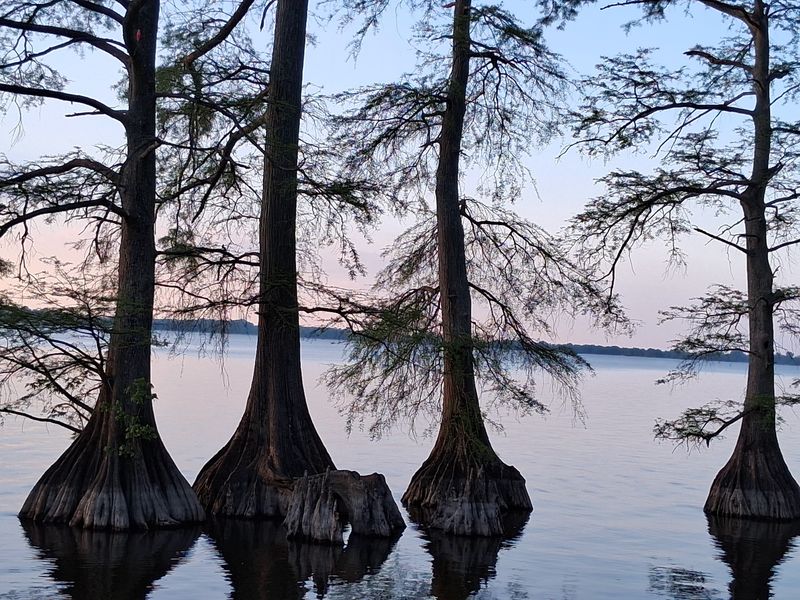
Reelfoot Lake looks like something out of a storybook, with towering bald cypress trees sprouting straight from the water and Spanish moss hanging overhead. Formed by earthquakes in the early 1800s, this shallow lake in the northwest corner of Tennessee has become one of the state’s most unique natural areas.
Best of all, you can explore it without spending a dime on admission or parking.
The boardwalks here are perfect for getting close to the action without getting your feet wet. You’ll walk right over the water, passing giant cypress knees and watching for turtles sunning themselves on logs.
Winter brings bald eagles by the dozens, making Reelfoot one of the best eagle-watching spots in the South.
Bring binoculars if you have them because the bird life is incredible year-round. Great blue herons, egrets, and pelicans are common sights.
The visitor center offers helpful maps and information about the lake’s unusual geology and wildlife.
Several short trails wind through the area, giving you different perspectives on the lake and surrounding wetlands. The scenery changes with the seasons, from vibrant green summers to golden autumn cypress needles floating on the water.
Spring wildflowers add splashes of color along the shorelines.
Pack a picnic and claim one of the shaded tables near the water. Fishing is popular here too, though you’ll need a Tennessee fishing license.
The park feels worlds away from city life, offering a peaceful retreat where nature takes center stage and your budget stays intact.
2. Fort Pillow State Historic Park, Henning
Perched on bluffs above the Mississippi River, Fort Pillow holds a complicated and important place in Civil War history. The park preserves the earthworks and fortifications from a Confederate fort that became the site of a controversial 1864 battle.
Walking these grounds connects you directly to pivotal moments in American history, and the views alone make the drive worthwhile.
The earthworks are surprisingly well-preserved, giving you a real sense of how soldiers defended this strategic position. You can walk along the old fortification lines and imagine what it must have been like to stand watch over the mighty Mississippi.
Interpretive signs throughout the park explain the military significance and the human stories behind the historical events.
Beyond the history, Fort Pillow offers excellent hiking trails that wind through forests and along the river bluffs. The overlooks provide sweeping views of the Mississippi, especially beautiful during sunset.
Wildlife is abundant, with deer, wild turkeys, and various bird species commonly spotted along the trails.
The small museum houses artifacts recovered from the site, including military equipment, personal items, and detailed exhibits about the fort’s role in the war. Rangers and volunteers are usually available to answer questions and share lesser-known stories about the location.
This isn’t your typical tourist-packed historic site. You might have large sections of the park to yourself, creating a more reflective and personal experience.
The peaceful setting today contrasts sharply with its turbulent past, offering visitors a chance to learn, explore, and contemplate history without spending anything beyond gas money.
3. Shiloh National Military Park, Shiloh
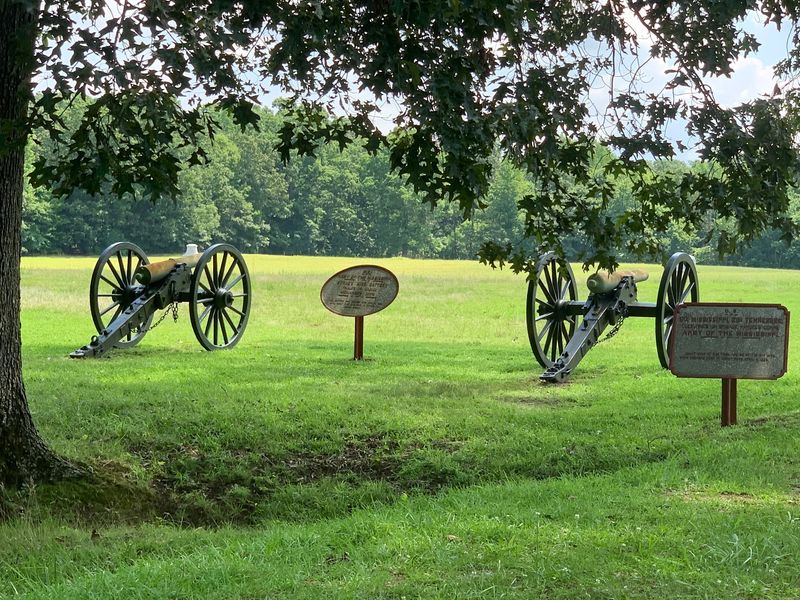
Shiloh witnessed one of the bloodiest battles of the Civil War, and today it stands as one of America’s most significant military parks. More than 23,000 casualties occurred here over two April days in 1862, forever changing the course of the war.
The National Park Service maintains this hallowed ground beautifully, and remarkably, they charge nothing for entry or parking.
The park covers nearly 4,000 acres, so plan to spend several hours if you want to see the highlights. A self-guided driving tour takes you past key battle sites, monuments, and historic markers that tell the story of those fateful days.
Audio tours are available for a small fee, but the written guides work perfectly well for budget-conscious visitors.
Don’t miss the Shiloh Indian Mounds, prehistoric earthworks that predate the battle by over a thousand years. These ancient structures add another fascinating layer to the site’s history.
The contrast between ancient Native American civilization and Civil War conflict in the same location is thought-provoking.
The visitor center features excellent exhibits, a short film about the battle, and knowledgeable rangers who can answer questions. Outside, rows of monuments honor the regiments and soldiers who fought here.
Walking among them, reading inscriptions, and standing on the actual battle lines creates a powerful connection to the past.
Hiking trails crisscross the park, including paths that follow troop movements during the battle. Spring brings wildflowers, while fall colors make the somber landscape breathtakingly beautiful.
Bring water, wear comfortable shoes, and prepare for a moving experience that costs nothing but offers priceless perspective on American history.
4. Chickasaw State Park, Henderson
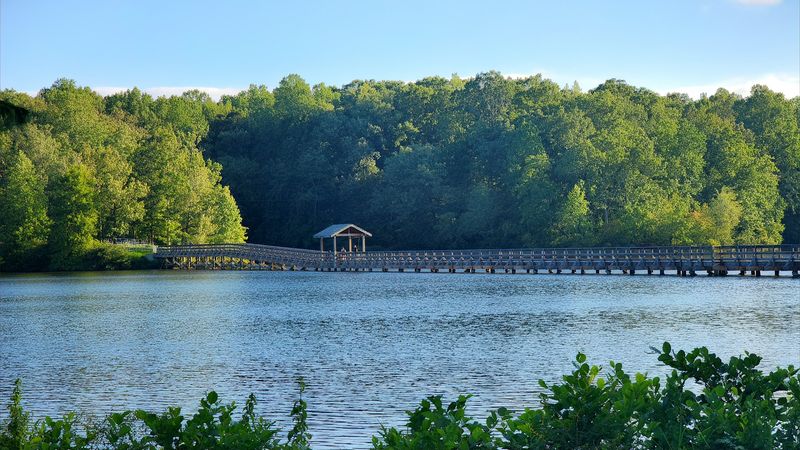
Centered around the aptly named Lake Placid, Chickasaw State Park delivers exactly what its name suggests: a placid, peaceful escape from everyday stress. Located in West Tennessee, this hidden gem offers a surprising variety of activities without charging a cent for general admission or parking.
Even the swimming beach is free, though you’ll pay extra if you want to rent boats or other equipment.
The lake itself is the star attraction, with clear water perfect for swimming on hot summer days. Designated swimming areas have sandy beaches where families spread out blankets and kids build sandcastles.
The water stays relatively shallow near shore, making it safe for younger swimmers.
Hiking trails wind through forests of oak, hickory, and pine, ranging from easy nature walks to more challenging routes. Wildlife watching opportunities abound, with white-tailed deer frequently spotted near dawn and dusk.
Bird enthusiasts bring field guides to identify the many species that call the park home.
Picnic areas scattered throughout the park offer shaded tables and grills, perfect for packing lunch and making a full day of your visit. Some spots overlook the lake, providing scenic backdrops for family gatherings.
Fishing is another popular pastime, with bass, crappie, and catfish inhabiting the lake. You’ll need a valid Tennessee fishing license, but the fishing itself costs nothing extra. Anglers often line the shore or fish from small boats they’ve brought on trailers.
The park’s peaceful atmosphere makes it ideal for those seeking quiet relaxation rather than crowded attractions. You won’t find noisy amusement rides or souvenir shops, just honest-to-goodness nature at its most accessible and affordable.
5. Tennessee State Museum, Nashville

Right in the heart of Nashville sits a museum that rivals anything you’d pay big bucks to see elsewhere, yet admission is completely free. The Tennessee State Museum tells the story of Tennessee from prehistoric times through the modern era, with permanent exhibitions that are genuinely engaging rather than dry history lessons.
The building itself is impressive, with modern architecture and well-designed gallery spaces.
The exhibits cover an enormous span of time and topics. You’ll see artifacts from the first Native Americans who lived in Tennessee thousands of years ago, items from pioneer settlements, Civil War weapons and uniforms, and objects from Tennessee’s musical heritage.
Each era gets thoughtful treatment with authentic objects, interactive displays, and clear explanations.
One of the best parts is how the museum connects Tennessee’s story to larger American history. You’ll understand how events in this one state influenced the entire nation.
The Civil War exhibits are particularly strong, showing both military and civilian experiences with sensitivity and depth.
Parking can be tricky in downtown Nashville, but the museum lists several options including a shared parking lot and free two-hour street parking along 6th and 7th avenues. Arriving early or on weekdays increases your chances of snagging a free spot.
The museum is also accessible via Nashville’s public transit if you want to skip parking hassles entirely.
Plan at least two hours for a thorough visit, though you could easily spend longer. The museum is climate-controlled, making it a perfect rainy-day destination or summer escape from the heat.
Rotating special exhibitions add fresh content for repeat visitors, and the museum shop offers reasonably priced Tennessee-themed souvenirs if you want a memento.
6. Stones River National Battlefield, Murfreesboro
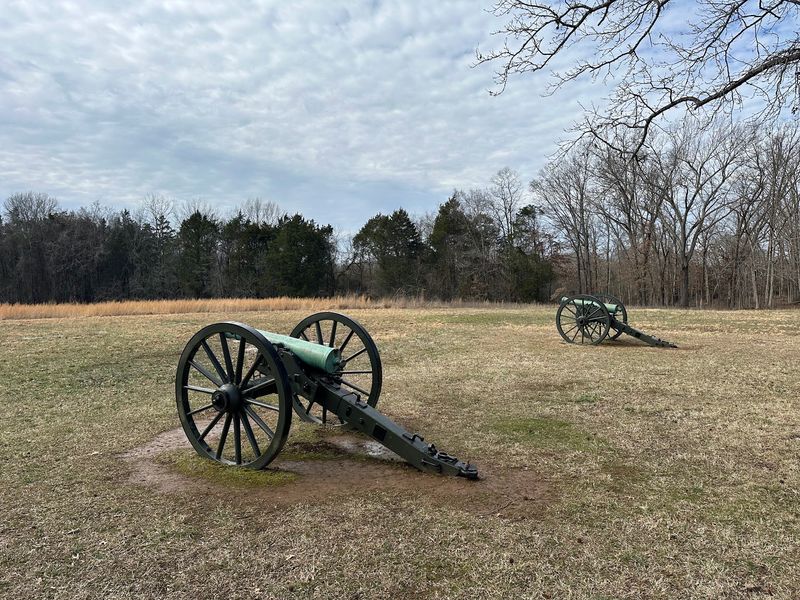
Just outside Murfreesboro, Stones River National Battlefield preserves the site of a brutal winter battle that helped turn the tide of the Civil War in the Western Theater. The Battle of Stones River, fought over New Year’s 1862-1863, resulted in nearly 24,000 casualties but gave the Union a desperately needed victory.
Today, you can explore this significant site without paying entrance fees or parking charges.
The battlefield features several miles of trails that let you walk in the footsteps of soldiers who fought here. Self-guided driving routes connect major points of interest, with detailed interpretive signs explaining troop movements and battle phases.
The landscape has been carefully maintained to reflect its 1860s appearance, helping visitors visualize the conflict.
Stones River National Cemetery, established in 1865, is one of the oldest national cemeteries in the country. Rows of white headstones honor Union soldiers who died here and in other regional battles.
Walking through the cemetery is a sobering reminder of the war’s human cost, with many graves marked simply as “Unknown.”
The visitor center houses a small museum with artifacts, uniforms, weapons, and personal items recovered from the battlefield. A short orientation film provides helpful context before you explore the grounds.
Rangers offer programs and guided tours on weekends during peak seasons, though schedules vary.
The park maintains picnic areas if you want to bring lunch and spend the afternoon. The Stones River Greenway, a paved multi-use trail, runs along the river near the battlefield, popular with walkers, runners, and cyclists.
The combination of history, natural beauty, and recreational opportunities makes this an excellent free destination for varied interests.
7. Rock Island State Park, Rock Island
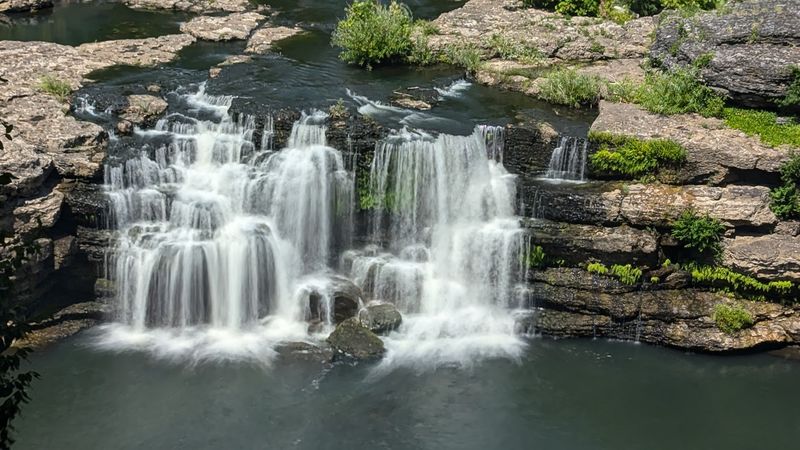
Twin Falls and Great Falls make Rock Island one of the most visually dramatic state parks in Middle Tennessee. The Caney Fork River plunges over massive rock formations, creating waterfalls that thunder and spray mist even during dry seasons.
The fact that you can experience this natural spectacle without paying admission fees seems almost too good to be true.
Great Falls is the park’s signature feature, where the river drops over a wide ledge into a deep gorge. Multiple overlooks provide different perspectives on the falls, from distant panoramic views to close-up vantage points where you feel the power of the water.
Photographers love this spot, especially during spring when water levels are highest.
Twin Falls, where two separate streams converge before dropping into the same pool, offers a different but equally impressive sight. The hike to Twin Falls takes you through beautiful forest, past smaller cascades, and eventually to an overlook where you can see both falls at once.
The trail is moderately challenging but manageable for most visitors.
Swimming is allowed in designated areas during summer months, though the water stays pretty chilly even in July. The swimming hole below the falls is popular with locals who know to arrive early on weekends.
Rocky ledges provide spots for sunbathing between dips.
Picnic areas near the falls and along the river offer scenic lunch spots with the sound of rushing water as your soundtrack. The park includes several miles of hiking trails beyond the waterfall routes, exploring forests and river bluffs.
Spring wildflowers and fall foliage add seasonal color to the already stunning landscape, making Rock Island a destination worth visiting multiple times throughout the year.
8. UT Gardens, Knoxville
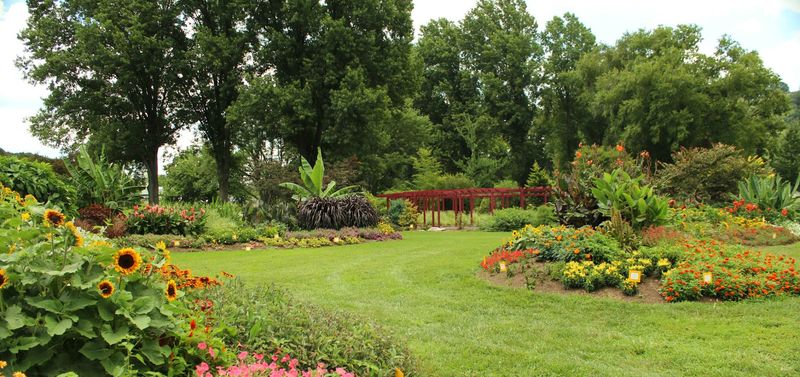
Part of Tennessee’s official State Botanical Garden system, UT Gardens in Knoxville offers acres of beautifully landscaped grounds that change dramatically with the seasons. Spring brings waves of tulips, daffodils, and flowering trees.
Summer explodes with colorful annuals and perennials. Fall showcases mums and asters against a backdrop of changing leaves. Even winter has its charms with evergreens and interesting bark textures.
The gardens are divided into specialty areas, each with its own character and plant collections. You’ll find formal rose gardens, native plant sections, vegetable demonstration gardens, and ornamental displays.
Educational signs throughout help you learn plant names and growing tips, making this a valuable resource for gardeners seeking inspiration for their own yards.
Winding pathways invite leisurely strolls, with benches strategically placed for resting and soaking in the views. The gardens attract butterflies, hummingbirds, and songbirds, adding movement and life to the floral displays.
Bring a camera because photo opportunities appear around every corner.
Admission to the gardens is free during regular hours, though special events like plant sales or seasonal celebrations might have separate fees. Visitor parking is also free, making this an accessible destination for anyone wanting to enjoy beautiful landscapes without spending money.
The gardens are maintained by the University of Tennessee’s Institute of Agriculture, ensuring professional care and interesting plant selections.
The peaceful atmosphere makes UT Gardens perfect for stress relief, gentle exercise, or quiet contemplation. Families bring kids to explore and learn about plants. Couples enjoy romantic walks through blooming gardens. Solo visitors find meditation and inspiration among the flowers.
Whatever brings you here, you’ll leave feeling refreshed and perhaps motivated to add more beauty to your own outdoor spaces.
9. Andrew Johnson National Historic Site, Greeneville
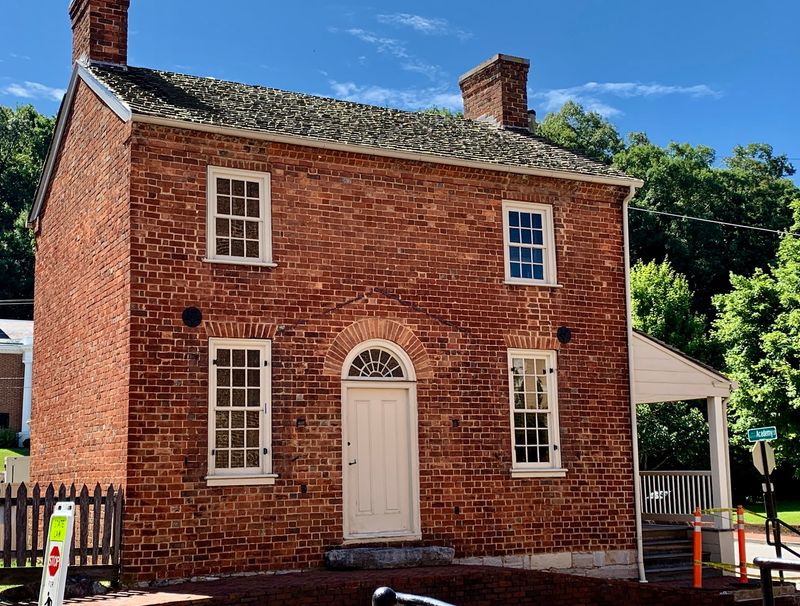
Andrew Johnson remains one of America’s most controversial presidents, and his hometown of Greeneville preserves multiple sites related to his life and career. From humble beginnings as a tailor to the presidency following Lincoln’s assassination, Johnson’s story reflects the complexities of Reconstruction-era America.
The National Park Service maintains several historic buildings here, all available to tour free of charge.
Johnson’s tailor shop is a fascinating starting point, showing where he worked before entering politics. The small building has been restored to its 1830s appearance, complete with period tools and furnishings.
It’s a reminder that this president literally pulled himself up from poverty through hard work and self-education.
The Johnson homestead, where he lived during his political rise, offers insight into 19th-century domestic life. Rangers provide guided tours through the rooms, sharing stories about Johnson’s family and the tumultuous times they lived through.
The home contains original furnishings and personal belongings that humanize this often-misunderstood historical figure.
Museum exhibits in the visitor center explore Johnson’s presidency, his impeachment trial, and his complicated legacy. The displays don’t shy away from controversial aspects of his time in office, presenting balanced historical information that encourages visitors to form their own opinions.
Artifacts include documents, photographs, and objects from Johnson’s life.
Andrew Johnson National Cemetery, where the president is buried, sits on a hill overlooking Greeneville. His monument is topped with an American flag and eagle, and the views from the cemetery are lovely.
Walking among the graves of Johnson and other 19th-century residents provides a tangible connection to East Tennessee’s past, all without costing you a penny.
10. Roan Mountain State Park, Roan Mountain
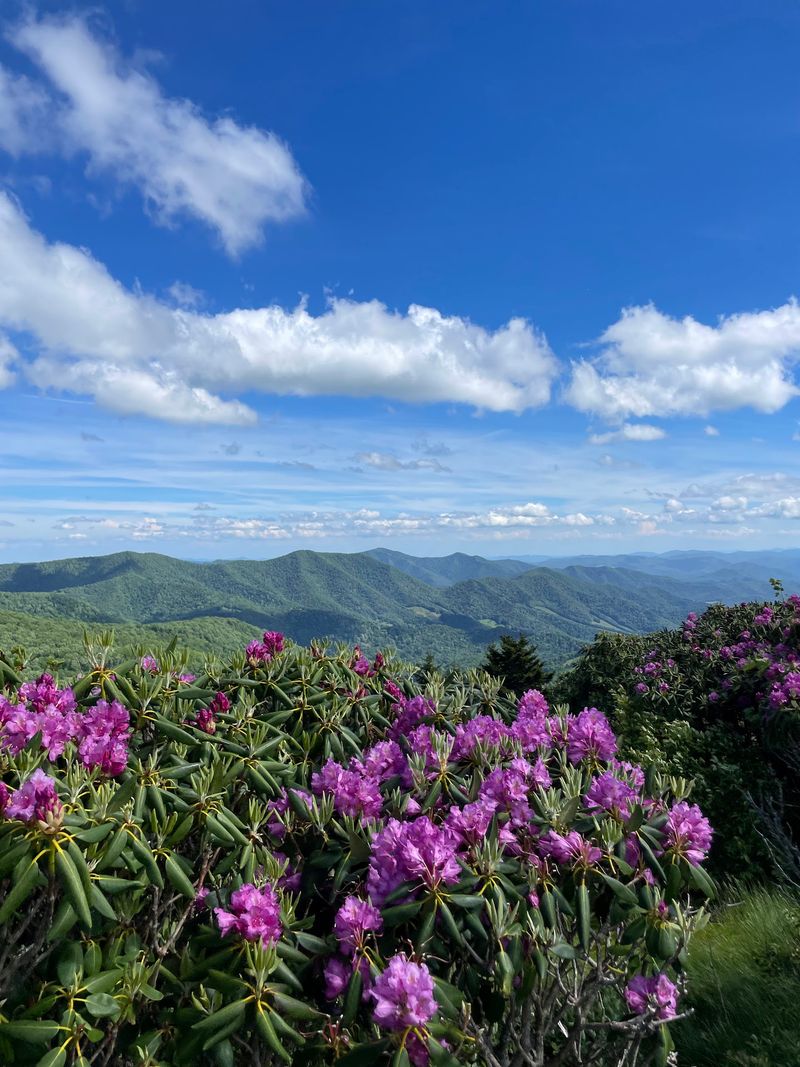
High in the Appalachian Mountains along the Tennessee-North Carolina border, Roan Mountain State Park offers genuine mountain experiences without the entrance fees charged at many alpine destinations. The park sits at elevations where the air feels noticeably cooler and crisper, making it a popular summer escape from lowland heat.
Forested trails, mountain streams, and seasonal wildflower displays create an environment that feels worlds away from everyday life.
The park is perhaps most famous for the rhododendron gardens that bloom spectacularly in June, though those gardens are actually located in the adjacent Roan Mountain Highlands managed by the U.S. Forest Service.
However, the state park itself offers excellent hiking through similar mountain forests where rhododendrons, mountain laurel, and flame azaleas put on colorful shows during their respective seasons.
Trails range from easy nature walks suitable for families with young children to more strenuous routes that climb to scenic overlooks. The sound of rushing mountain streams accompanies many hikes, and waterfalls appear after heavy rains.
Wildlife sightings might include deer, wild turkeys, and numerous bird species that thrive in these mountain forests.
Picnic areas throughout the park provide shaded spots to enjoy packed lunches while surrounded by mountain beauty. Some picnic sites sit near streams where kids can wade and explore while adults relax.
The park maintains clean facilities and well-marked trails, ensuring a safe and enjoyable visit.
Seasonal changes are dramatic at this elevation. Spring brings waves of wildflowers as the forest wakes from winter. Summer offers cool relief and lush greenery. Fall transforms the mountains into a patchwork of reds, oranges, and golds.
Even winter has its appeal for hardy visitors who don’t mind cold temperatures in exchange for solitude and stark beauty among the bare trees and occasional snow.
Share this story