Chattanooga gets plenty of attention for its riverfront views and mountain adventures, but the real treasures are tucked away in the surrounding hills and valleys. Just a short drive from the city, you’ll find small towns with big personalities, each offering something different from historic downtown squares to scenic overlooks.
Whether you’re looking for a quiet weekend escape or just curious about what’s beyond the city limits, these nearby spots are worth exploring.
1. Signal Mountain
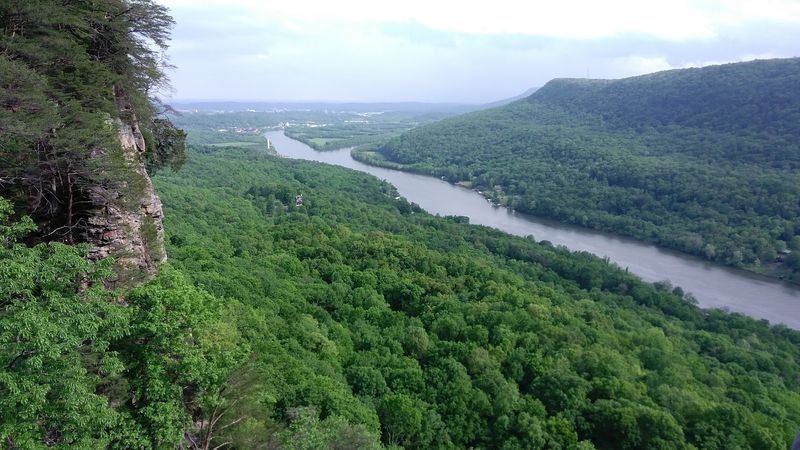
Perched above Chattanooga like a secret hideaway, Signal Mountain offers views that make you forget you’re only fifteen minutes from downtown. The winding road up feels like an adventure in itself, with each turn revealing glimpses of what’s waiting at the top.
Once you arrive, the whole town feels like a breath of fresh air.
Local shops and cafes line the main street, giving off that neighborhood vibe where everyone seems to know each other. You won’t find chain restaurants taking over here. Instead, small businesses thrive, offering everything from homemade pastries to unique gifts you won’t see anywhere else.
Outdoor lovers find plenty to keep them busy year-round. Hiking trails wind through forests and along ridges, leading to spots where the view stretches for miles.
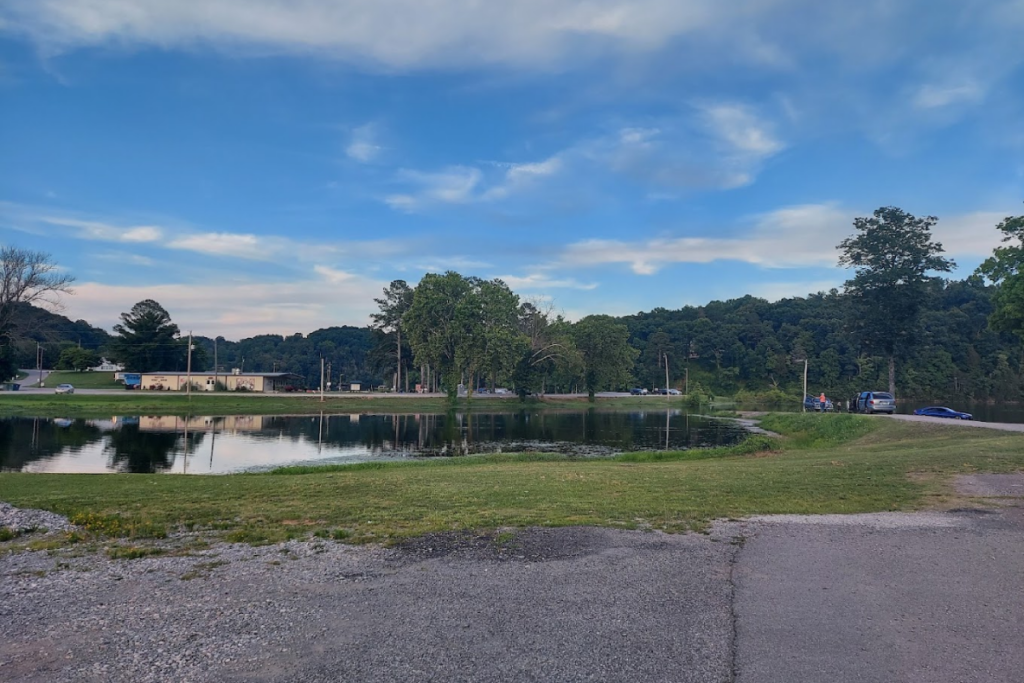
Rainbow Lake sits quietly in the center of town, perfect for a peaceful afternoon walk or watching ducks paddle around.
The community here takes pride in keeping things simple and genuine. Farmers markets pop up during warmer months, featuring local produce and handmade crafts.
Kids ride bikes down tree-lined streets while neighbors chat on front porches, creating scenes that feel pulled from another era.
What makes Signal Mountain special isn’t just the elevation or the scenery. It’s the way the town balances being close to city conveniences while maintaining its own distinct identity.
You can grab coffee at a cozy cafe, explore nature trails, and still make it back to Chattanooga before dinner if you want. But honestly, once you’re up there, leaving feels harder than it should.
2. Soddy-Daisy
The name alone makes people smile, but Soddy-Daisy proves there’s substance behind the quirky title. Located northeast of Chattanooga, this town started as two separate communities that eventually merged, keeping both names as a reminder of their roots.
Today, it’s grown into a thriving spot that manages to stay down-to-earth despite its expansion.
Families love settling here because it offers that small-town feeling without being too far from anything. Schools are solid, neighborhoods are friendly, and there’s a genuine sense of community that’s hard to find elsewhere.
Friday night football games draw crowds that pack the stands, cheering with the kind of enthusiasm that makes high school sports feel important again.
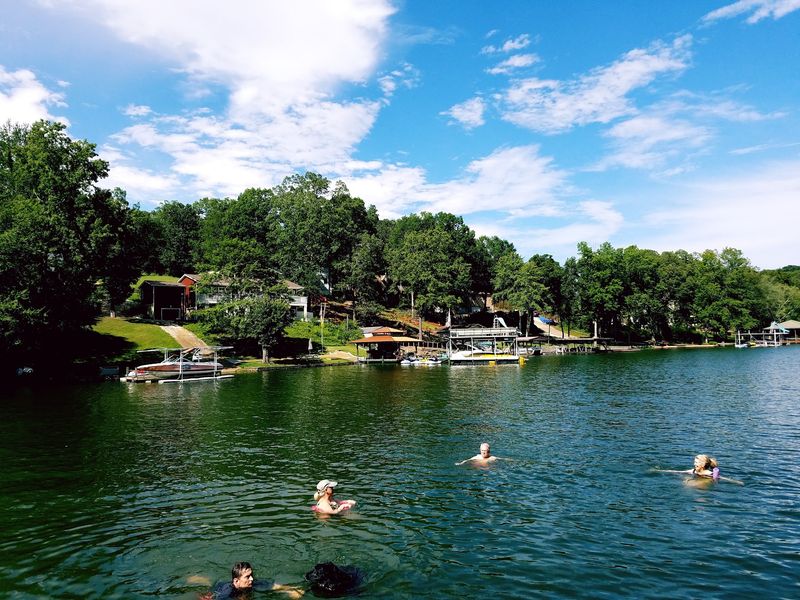
Outdoor recreation is everywhere you look. The nearby Chickamauga Lake provides endless opportunities for fishing, boating, and just messing around on the water.
Several parks scattered throughout town offer playgrounds, walking trails, and picnic areas where families gather on weekends.
Shopping and dining options have improved significantly over the years. While you’ll still find classic Southern diners serving up meat-and-three plates, newer restaurants have joined the mix, offering variety without losing that local touch.
Strip malls and local businesses coexist, giving residents options without overwhelming the town’s character.
What stands out most about Soddy-Daisy is its authenticity. Nobody’s trying to be something they’re not.
It’s a working-class town where people take care of their neighbors, support local businesses, and appreciate the simple pleasure of living somewhere affordable yet convenient. The mountains provide a stunning backdrop, reminding everyone why this corner of Tennessee feels so special.
3. Lookout Mountain
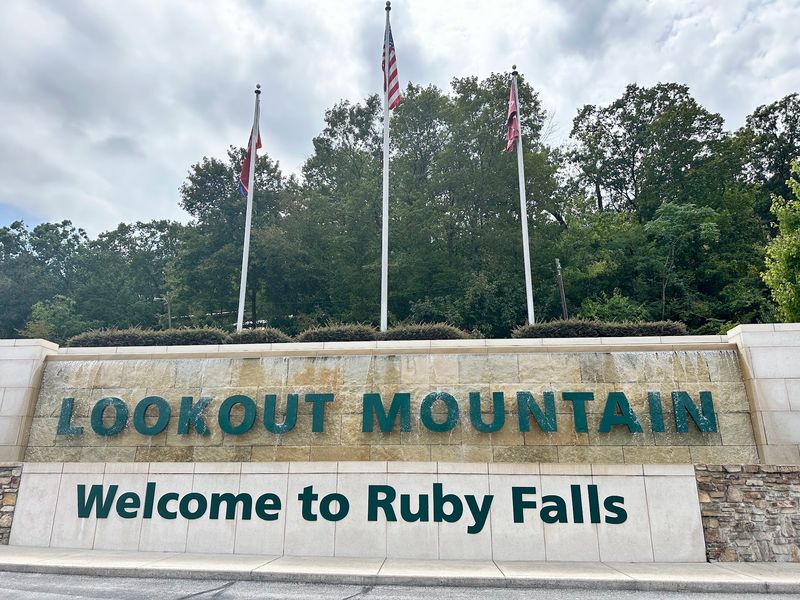
Standing at the edge of Lookout Mountain, you’re literally looking at three states at once. Tennessee, Georgia, and Alabama all meet here, creating one of the most famous viewpoints in the South.
But this isn’t just a tourist stop; it’s a genuine community with a fascinating mix of history and natural beauty.
Rock City Gardens has been attracting visitors since the 1930s, with its famous “See Seven States” claim and whimsical gnome village. Ruby Falls, hidden deep inside the mountain, showcases an underground waterfall that still amazes people despite being discovered over a century ago.
These attractions put Lookout Mountain on the map, but the residential areas tell a different story.
Homes here range from historic cottages to modern estates, many taking advantage of those jaw-dropping views. The mountain air feels cooler than down in the valley, making summers more bearable and giving the area a resort-like atmosphere.
Tree-lined streets wind through neighborhoods where deer casually wander through yards.
The historic Incline Railway, built in 1895, still carries passengers up the steep mountainside. Riding it feels like stepping back in time, with the same engineering marvel that impressed people over a hundred years ago still doing its job.
At the top, Point Park preserves Civil War history, reminding visitors of the Battle Above the Clouds.
Living on Lookout Mountain means embracing a unique lifestyle. You’re technically in both Tennessee and Georgia depending on which street you’re on.
Local restaurants and shops cater to both residents and tourists, creating an interesting dynamic. It’s peaceful yet never boring, historic yet very much alive, and offers a quality of life that’s hard to match.
4. Monteagle
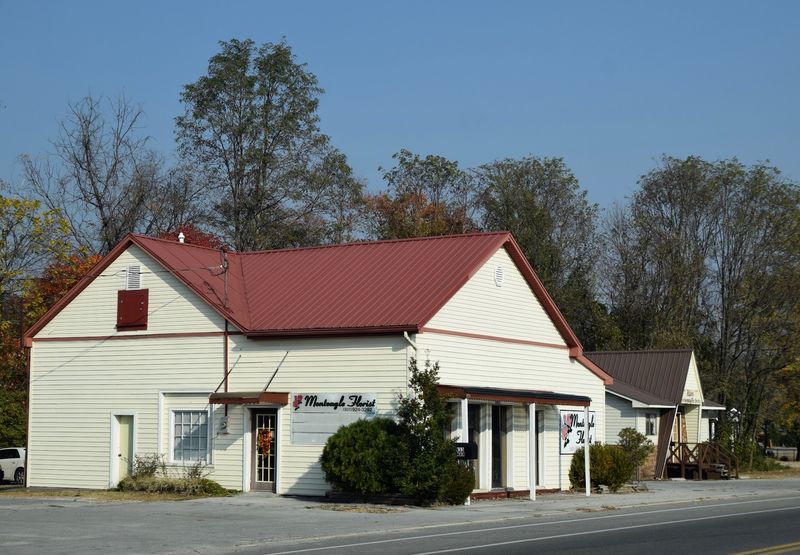
Halfway between Chattanooga and Nashville, Monteagle sits on top of the Cumberland Plateau like a gateway to another world. Interstate travelers have been stopping here for decades, but those who linger discover there’s more to this mountain town than gas stations and fast food.
The elevation brings cooler temperatures and a different ecosystem entirely.
The Monteagle Assembly, established in 1882, remains an active part of the community. This Victorian-era Chautauqua features gingerbread cottages and a peaceful atmosphere that transports visitors to a gentler time.
Throughout summer, cultural programs and religious gatherings bring people together in ways that feel increasingly rare.
Outdoor adventures surround the town on all sides. South Cumberland State Park offers some of Tennessee’s most spectacular hiking, with waterfalls, gorges, and overlooks that rival anything in the region.
Trails range from easy walks to challenging scrambles, ensuring everyone finds their comfort level. Fall foliage here is absolutely stunning, painting the mountains in brilliant colors.
Downtown Monteagle keeps things simple but satisfying. Local restaurants serve hearty Southern cooking alongside newer establishments offering farm-to-table fare.
The Smoke House Restaurant has been feeding hungry travelers for years, becoming an institution in its own right. Coffee shops provide cozy spots to warm up on chilly mountain mornings.
What makes Monteagle special is its position as a true mountain community. You feel the altitude here, both in the air and in the pace of life.
Fog often blankets the valleys below while the town sits in sunshine. It’s a place where nature dominates, where seasons change dramatically, and where the modern world feels just a bit further away than usual.
5. Sewanee
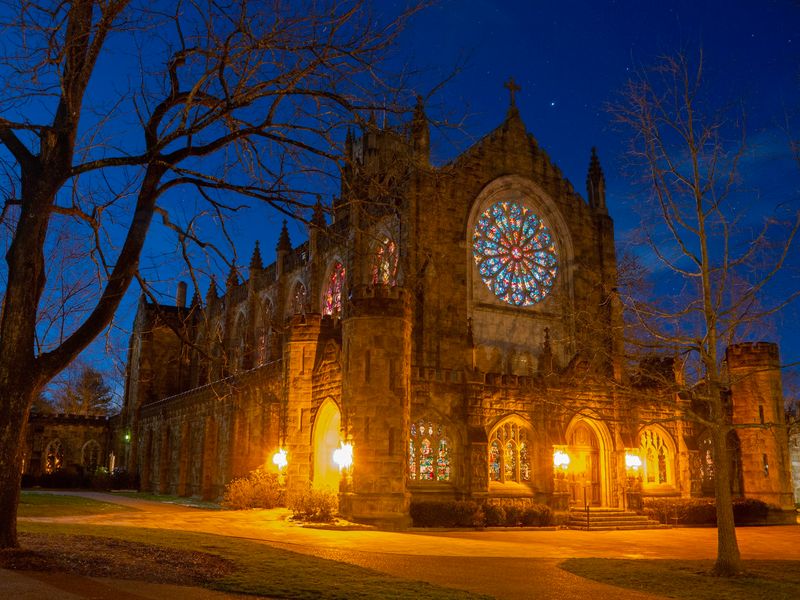
The University of the South dominates Sewanee, but calling this just a college town misses the bigger picture. Sprawling across 13,000 acres of pristine plateau land, Sewanee blends academic excellence with natural beauty in ways that feel almost magical.
Stone buildings with Gothic architecture rise from the forest, creating scenes straight out of England.
Students in academic robes walking to class might seem unusual elsewhere, but here it’s tradition. The university’s influence permeates everything, from the intellectual atmosphere to the cultural events that keep the calendar full.
Lectures, concerts, and theater productions are open to the public, enriching the entire community beyond just campus life.
The Domain, as locals call the university’s land, offers incredible outdoor access. Miles of hiking trails crisscross the property, leading to waterfalls, bluffs, and quiet forest groves.
Morgan’s Steep and Proctor’s Hall provide overlooks where you can see for miles across the valley. Mountain biking, rock climbing, and trail running all thrive here.
Downtown Sewanee, though small, punches above its weight. The Blue Chair Bakery serves pastries and coffee that would hold their own in any big city.
Local shops offer books, gifts, and essentials with a personal touch you won’t find in chain stores. The combination of students, faculty, and longtime residents creates a diverse, engaged community.
Living in Sewanee means accepting that you’re somewhat isolated. The nearest city is an hour away, and winter weather can be unpredictable at this elevation.
But that isolation is precisely what many people love. It’s quiet, beautiful, and intellectually stimulating in ways that feel increasingly precious.
The stars at night are incredible, the air is clean, and life moves at a thoughtful pace.
6. South Pittsburg
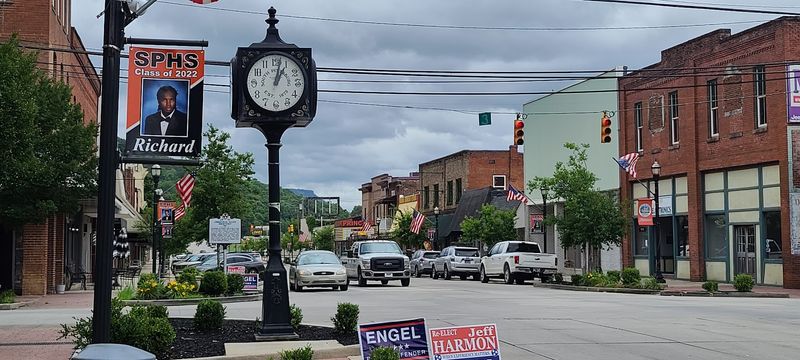
If you’ve ever cooked with cast iron, there’s a good chance it came from South Pittsburg. Lodge Manufacturing has been producing cast iron cookware here since 1896, making this small town famous in kitchens worldwide.
But beyond the factory, South Pittsburg offers a glimpse into authentic small-town Tennessee life.
The Tennessee River flows right through town, shaping both the landscape and the local economy. Fishing is serious business here, with anglers coming from all over to try their luck in these productive waters.
Marinas and boat launches stay busy during warmer months, and fish stories get swapped at local diners over breakfast.
Downtown South Pittsburg shows its age, but that’s part of the charm. Historic buildings line the streets, some restored and housing businesses, others waiting for their next chapter.
The National Cornbread Festival, held annually, draws huge crowds celebrating this Southern staple with competitions, music, and plenty of samples. It’s quirky, fun, and genuinely represents the town’s personality.
The Lodge Factory Store attracts cookware enthusiasts like a magnet. You can buy seconds at discounted prices, stock up on their full line, and even take a factory tour to see how these kitchen workhorses are made.
Watching molten iron poured into molds is surprisingly fascinating, connecting modern shoppers to manufacturing traditions that stretch back generations.
South Pittsburg doesn’t pretend to be fancy or tourist-focused. It’s a working town where people make things, catch fish, and live their lives without much fuss.
The mountains provide a beautiful backdrop, the river offers recreation and livelihood, and the pace stays comfortable. For those seeking authenticity over polish, South Pittsburg delivers exactly that.
7. Kimball
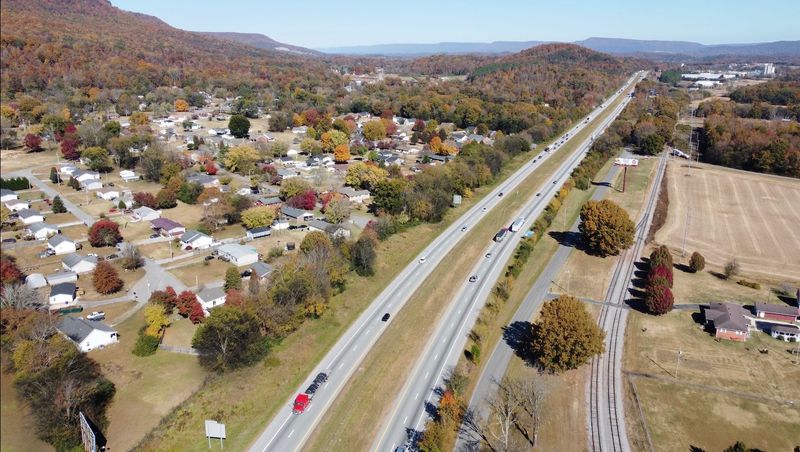
Blink while driving through Kimball and you might miss it entirely. This tiny community tucked into the Sequatchie Valley doesn’t demand attention, but those who stop discover a place where time moves differently.
With a population barely breaking a thousand, Kimball represents rural Tennessee at its most genuine.
The railroad runs straight through the center of town, a reminder of when trains were the lifeblood of small communities like this. Though fewer trains stop now, the tracks still define the town’s layout.
On one side, you’ll find most of the businesses; on the other, residential streets where kids still play outside until the streetlights come on.
Farming and small industry keep the local economy going. Fields surround the town on all sides, growing everything from corn to hay.
Tractors share the roads with cars, and nobody seems in much of a hurry. The valley’s fertile soil has sustained families here for generations, with many residents able to trace their roots back decades.
Community events bring everyone together in ways that feel increasingly rare. High school sports are major social occasions, church suppers feed half the town, and when someone needs help, neighbors show up without being asked.
This isn’t nostalgia or tourism marketing; it’s simply how life works in places like Kimball.
The surrounding mountains create a natural bowl that makes the valley feel protected and separate from the outside world. Hiking and exploring are as simple as walking to the edge of town and following a trail upward.
Wildlife is abundant, with deer, turkey, and other animals regularly spotted.
Kimball won’t offer fancy restaurants or boutique shopping. What it does offer is authenticity, peace, and a reminder of what small-town life used to be like everywhere.
For some, that’s worth more than any amenity.
8. Dunlap
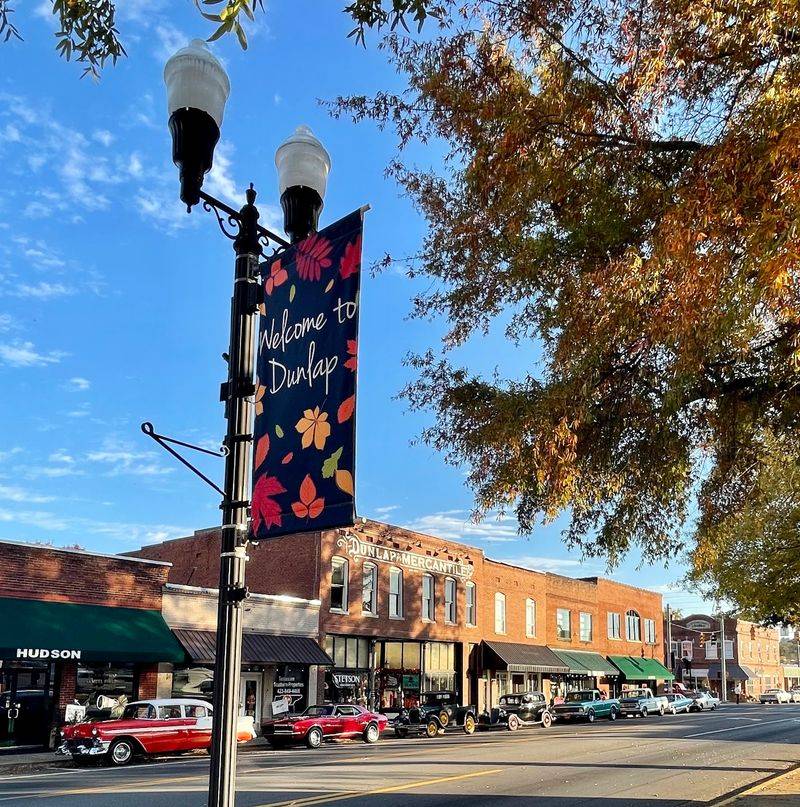
As the county seat of Sequatchie County, Dunlap serves as the valley’s hub. The courthouse sits prominently downtown, anchoring a square that’s seen generations of locals conducting business, meeting friends, and participating in community life.
Mountains rise dramatically on both sides of the valley, making every view feel like a postcard.
Coke Ovens Park preserves an interesting piece of industrial history. These massive stone structures once produced coke for iron furnaces, playing a crucial role in the region’s economic development.
Now they’re a park where families picnic, kids explore, and history buffs photograph the impressive ruins. It’s a tangible connection to the past that most towns have paved over.
The Sequatchie Valley itself is a geological wonder. This long, narrow valley runs for miles, carved between two parallel mountain ridges.
Driving through it feels like traveling through a natural corridor, with steep walls on either side and fertile farmland stretching ahead. Dunlap sits right in the middle, making it an ideal base for exploring the entire valley.
Local businesses reflect the town’s practical nature. You’ll find hardware stores, farm supply shops, and diners serving solid, no-nonsense meals.
The Fall Festival brings the community together each year with parades, crafts, and that small-town energy that’s hard to describe but impossible to miss. Everyone knows everyone, and newcomers are welcomed warmly.
Outdoor recreation opportunities are exceptional here. The mountains offer endless hiking possibilities, from easy walks to challenging climbs.
Caves dot the area, attracting spelunkers from across the region. The valley floor provides gentler options for biking and walking.
Dunlap doesn’t market itself as a tourist destination, but outdoor enthusiasts who discover it often return repeatedly, drawn by the scenery and the genuine hospitality.
9. Dayton
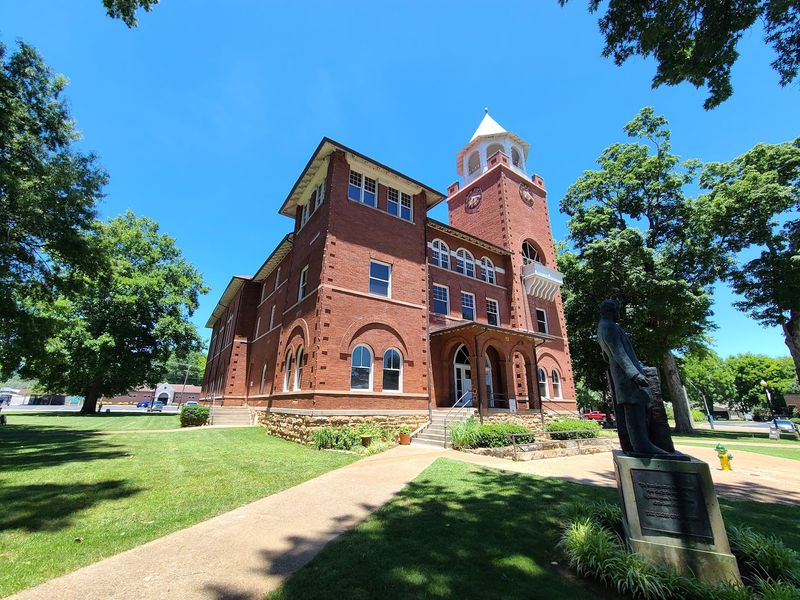
The Scopes Monkey Trial put Dayton on the map in 1925, and the town has never quite let go of that moment in history. The Rhea County Courthouse, where the famous trial took place, still stands downtown, now serving as a museum.
Walking through those courtrooms where Clarence Darrow and William Jennings Bryan argued about evolution and education feels surreal, connecting visitors directly to a pivotal American moment.
Beyond the trial, Dayton has carved out its own identity as a pleasant small town with big ambitions. The downtown area has seen revitalization efforts in recent years, with new businesses opening alongside longtime establishments.
Coffee shops, antique stores, and local restaurants create a walkable downtown that encourages lingering rather than just passing through.
The Tennessee River flows nearby, providing recreation and natural beauty. Boating, fishing, and water sports draw people to the riverbanks, especially during summer months.
Several parks offer access points and facilities, making it easy to spend a day on the water without needing much planning or equipment.
Dayton’s location between Chattanooga and Knoxville makes it convenient for those who want small-town living with city access. Commuters appreciate the affordable housing and friendly atmosphere, returning each evening to a place that feels genuinely like home.
Schools are decent, crime is low, and the pace of life allows people to actually know their neighbors.
The town embraces its history without being trapped by it. Yes, the Scopes Trial is important, and yes, tourists come to see the courthouse.
But Dayton is also a living community where people raise families, run businesses, and build futures. The mountains provide a stunning backdrop, the river offers recreation, and the people make visitors feel welcome.
It’s Tennessee small-town life at its most authentic and accessible.
10. Cleveland
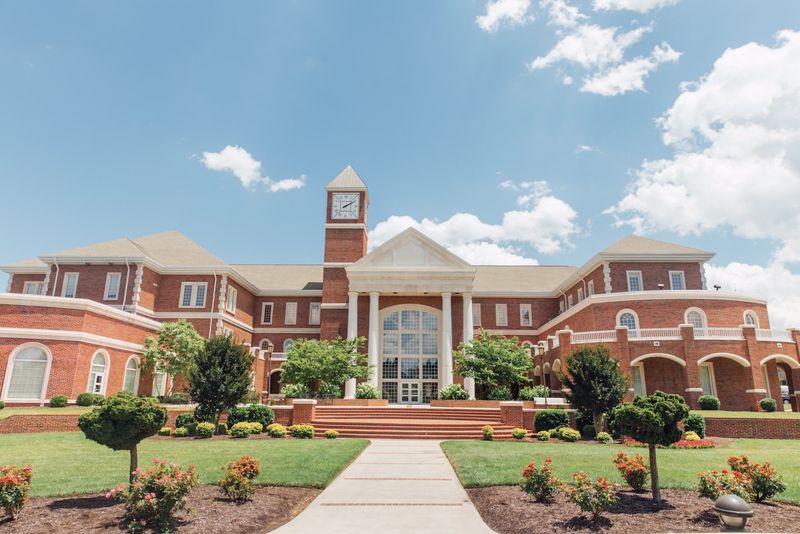
Cleveland sits at an interesting crossroads, big enough to offer amenities but small enough to maintain that hometown feel. With a population around 45,000, it’s the largest town on this list, but it retains a warmth and accessibility that bigger cities lose.
Lee University anchors the community, bringing students, cultural events, and a youthful energy that keeps things dynamic.
The downtown area has undergone impressive transformation in recent years. Historic buildings have been restored and repurposed, housing restaurants, breweries, shops, and offices.
The Ocoee River runs through town, and the greenway along its banks provides miles of paved trails perfect for walking, running, or biking. Public art installations and murals add color and personality to previously bland walls.
Shopping and dining options rival what you’d find in much larger cities. National chains coexist with local businesses, giving residents choices without sacrificing local character.
The farmers market draws crowds during growing season, with vendors selling produce, baked goods, crafts, and more. Food trucks gather regularly, offering variety and supporting local entrepreneurs.
Outdoor recreation is exceptional here. The Ocoee River, site of the 1996 Olympic whitewater events, offers world-class rafting and kayaking just a short drive away.
The Cherokee National Forest surrounds the area, providing endless hiking, camping, and exploring opportunities. Mountain biking trails have been developed specifically to attract riders, and they’re working.
What makes Cleveland special is its balance. It’s big enough to have a hospital, movie theaters, and shopping options, but small enough that traffic is manageable and people still wave to strangers.
The mountains are close, Chattanooga is nearby, and the cost of living remains reasonable. Families settle here and stay, building lives in a community that genuinely functions as a community should.
Share this story