Ohio holds more German heritage than many travelers expect. Across the state, small towns still keep old customs alive through brick streets, church festivals, family bakeries, careful gardens, and community pride.
Visiting these places matters because they show how immigration helped shape Ohio, not just in big cities but in quiet villages where history still feels close. Some towns were founded by German settlers, while others grew around strong Catholic parishes, farming traditions, and hardworking families who carried language, food, and building styles from Europe to the Midwest.
You can still spot that influence in tidy downtowns, steepled churches, sausage dinners, polka music, and names that sound like they came straight from a map of Germany. Even if you are not a history fan, these towns are easy to enjoy because they mix the past with simple fun, like local museums, walking tours, parks, seasonal fairs, and neighborhood restaurants.
They also offer a slower pace that makes a weekend trip feel restful instead of rushed. From eastern Ohio to the western farm country, each stop has its own story and personality.
Some feel preserved and quiet, while others are lively during community celebrations. All of them help explain why Ohio’s cultural map is so interesting.
If you want places that feel welcoming, memorable, and a little different from the usual road trip stops, these towns deserve a spot on your list.
1. Zoar
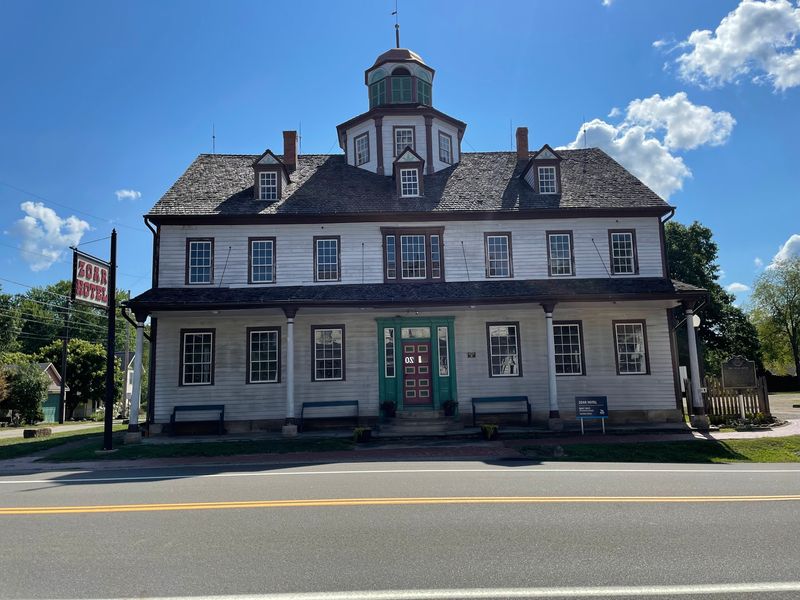
Few places in Ohio feel as carefully preserved as Zoar, a village founded in 1817 by German-speaking Separatists seeking religious freedom. Walking here can feel like stepping into a history book, with simple brick homes, orderly gardens, and streets that still reflect the community’s early planning.
The town’s story is special because residents once shared property and worked together in a communal society.
Zoar’s old-world charm comes from more than its age. Historic buildings such as the Zoar Hotel, the Number One House, and the meeting spaces reveal how daily life was built around faith, labor, and cooperation.
The gardens and open spaces also matter, since the original settlers valued neat surroundings and practical beauty.
Visitors who like museums will find plenty to explore without feeling overwhelmed. Local tours help explain how the town survived change over time, and signs around the village make the past easier to understand.
If you enjoy quiet travel, take your time here instead of rushing from one building to the next.
Food and seasonal events add warmth to the experience. Depending on when you visit, you may find heritage celebrations, craft demonstrations, or holiday programs that bring the village to life.
Comfortable shoes are a smart idea because the best way to enjoy Zoar is on foot.
Families, couples, and solo travelers can all enjoy the calm setting. Children often like the open spaces, while adults tend to appreciate the architecture and careful preservation.
For anyone curious about German roots in Ohio, Zoar stands out because its history is not hidden in one museum room. It shapes the whole village, from the layout of the streets to the steady, thoughtful mood that still hangs in the air today.
2. Minster

A church steeple rising above town tells you a lot about Minster before you even park the car. Founded by German Catholic settlers in the 1830s, this western Ohio community still carries that heritage in its faith traditions, festivals, food, and orderly appearance.
The village feels polished but not stiff, friendly but not flashy.
German roots show up strongly in Minster’s community life. St. Augustine Church is a major landmark, and local events often reflect the close ties between family, parish, and tradition.
During Oktoberfest season, the town becomes especially lively, with music, familiar foods, and a spirit that welcomes both locals and newcomers.
One of Minster’s best qualities is how easy it is to enjoy. You can stroll through downtown, stop for a meal, and notice how well the village balances history with daily life.
The streets feel cared for, and that care says a lot about the people who live there.
Nearby parks and the canal area offer extra reasons to visit if you want more than a quick photo stop. Sitting by the water or taking a slow walk adds a calm outdoor layer to the trip.
It is a nice way to break up a heritage tour with a little fresh air.
Minster also works well for travelers who want a cultural stop without big-city hassle. Parking is simple, distances are short, and local businesses give the visit a personal touch.
Try a bakery item or a hearty meal if you can, because food is one of the clearest ways a town keeps its past alive. In Minster, German heritage is not something kept behind glass.
It lives in public celebrations, in long family histories, and in the steady pride of a village that knows exactly who it is.
3. New Bremen
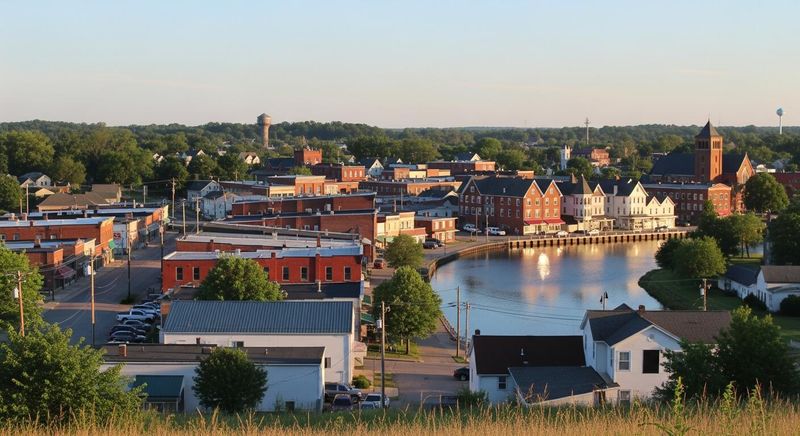
Some towns win people over with noise, but New Bremen does it with grace. Settled by German immigrants in the 1830s, this Auglaize County village blends heritage, business success, and community pride in a way that feels both grounded and inviting.
The result is a place that seems practical on the surface yet rich with stories underneath.
The Miami and Erie Canal helped shape New Bremen’s growth, and that link to transportation and trade still matters today. Historic spots around town connect visitors to the village’s early years, while the downtown area shows how the community has stayed active instead of fading into the past.
German influence remains visible in local names, church life, and annual gatherings.
A visit here can include history and simple relaxation in the same afternoon. The bicycle museum brings a fun surprise, while canal-side spaces and public areas make it easy to slow down and take in the setting.
New Bremen does not try too hard to impress, which is part of its charm.
Travelers who enjoy clean, walkable communities will likely feel comfortable here. Shops, restaurants, and civic spaces are close together, so planning is easy.
Bring a camera, especially if you like church architecture, older buildings, or quiet streets with a settled, lived-in look.
What makes New Bremen memorable is its balance. It honors German roots without feeling frozen in one era, and it supports modern life without losing its village identity.
You can learn about immigrant history, spot evidence of hard work and faith, and then enjoy a meal without needing a packed schedule. For a road trip through Ohio’s German heritage towns, New Bremen offers a thoughtful stop that feels steady, welcoming, and refreshingly real from the first block to the last.
4. Germantown
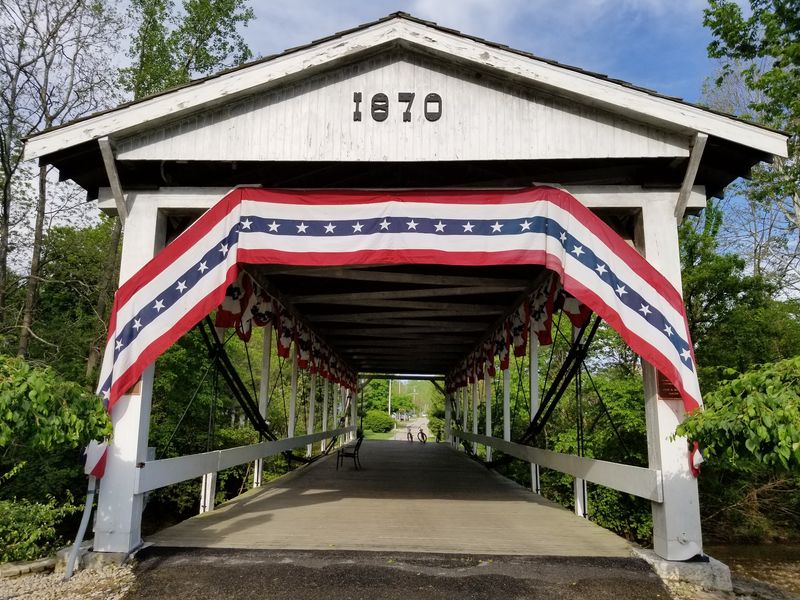
The name gives away the roots, but Germantown offers more than a simple label. Founded in the early 1800s by German families, this southwestern Ohio town has long been known for its stone houses, older commercial buildings, and strong sense of place.
It feels like a town that remembers where it came from.
Architecture is one of Germantown’s biggest draws. Many buildings show a sturdier, older style that stands out from newer suburban areas nearby.
As you walk through town, the mix of stone, brick, and traditional layouts helps create the old-world feeling that history lovers often hope to find.
The local heritage is also tied to churches, family names, and long-running civic traditions. Instead of one single tourist attraction, Germantown works best as a place to wander and notice details.
Look at building fronts, check out historic markers, and spend a little time imagining what the town looked like when trade wagons rolled through.
People who enjoy antiques, local shops, or community events may find even more to like. Different seasons bring their own mood, and holiday decorations can make the historic streets feel especially warm.
A slow afternoon is better than a rushed stop here.
Practical travelers will appreciate that Germantown makes history feel approachable. You do not need special knowledge to enjoy it, just curiosity and time to look around.
Nearby parks and the surrounding countryside can round out the visit if you want nature after exploring downtown. Germantown’s German heritage lives not only in its name but also in its craftsmanship, durability, and local pride.
For anyone exploring Ohio beyond the biggest cities, it offers a rewarding mix of texture, memory, and everyday charm that stays with you after the trip ends.
5. New Riegel
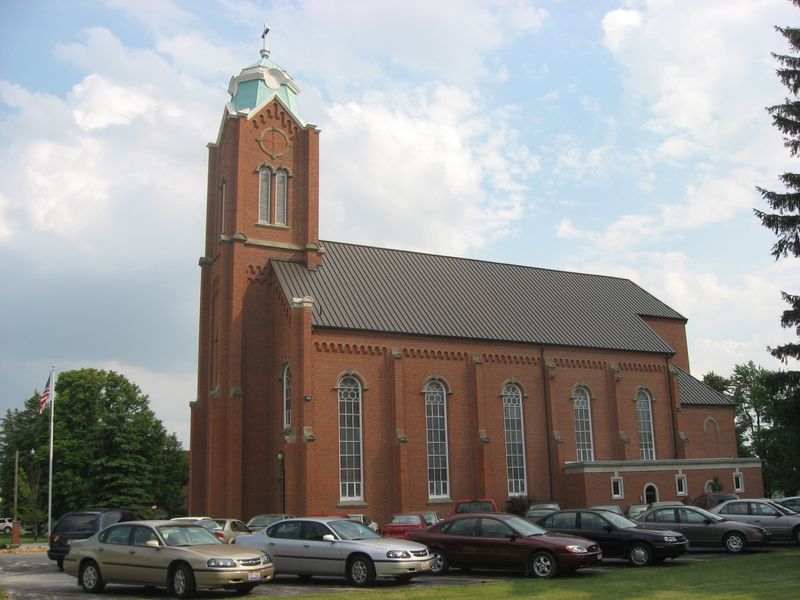
Blink and you might miss New Riegel, but slowing down is exactly the point. This small village in northwestern Ohio carries deep German Catholic roots, and its charm comes from quiet confidence rather than busy attractions.
It is the kind of place where the church, the school, and family history still help shape daily life.
German influence here is closely tied to religion and farming traditions. The community grew from immigrant settlers who built a life around land, faith, and mutual support.
That background still shows in the village’s neat appearance, local customs, and strong respect for continuity.
Because New Riegel is small, visitors should approach it with the right expectations. You are not coming for a packed entertainment schedule.
You are coming to feel the rhythm of a place that has held onto its character, where a walk through town can reveal old houses, parish landmarks, and the simple beauty of rural Ohio.
The surrounding countryside adds to the experience. Open fields, quiet roads, and changing seasons frame the village in a way that feels calm and deeply Midwestern.
If you enjoy scenic drives, pair New Riegel with nearby small towns for a fuller day trip.
Food events, church festivals, or community gatherings can be the best times to visit, since they reveal the village’s warm social side. Check local schedules before you go, and keep your plans flexible.
New Riegel may not be famous across the state, but that modesty is part of what makes it memorable. It shows how German heritage in Ohio was not only built in large settlements or major business centers.
It also lived in small farming communities where tradition passed from one generation to the next, quietly but faithfully, and where belonging still means something real.
6. Fort Loramie
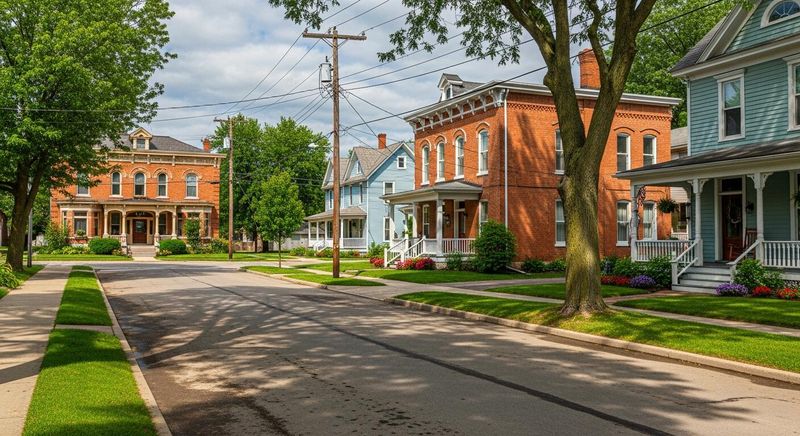
A small village with a big local spirit, Fort Loramie blends frontier history with strong German Catholic heritage. The area began with military and trading importance long before the modern village formed, yet the community that grew here took on a distinct identity shaped by immigrant families, church life, and agricultural success.
That layered past gives the town more depth than first-time visitors may expect.
One of the most striking features is how rooted the place feels. Generations have stayed nearby, and that continuity shows in family names, local institutions, and the pride people take in their schools and traditions.
Historic churches and community buildings help tell the story without needing flashy presentation.
Fort Loramie shines during festivals and local events, when its social energy becomes easy to see. Gatherings often center on food, music, and shared history, which makes the village especially appealing for travelers who want culture they can actually experience.
A stop here feels more personal than polished, and that is a strength.
The countryside around town adds classic western Ohio scenery to the visit. Broad fields and well-kept roads make the drive pleasant, especially in late spring or early fall.
If you like road trips that include both heritage and peaceful landscapes, Fort Loramie fits nicely.
For practical planning, pair your visit with nearby communities such as Minster or Maria Stein to better understand the region’s German influence. Spend time near the church district, look for historical markers, and enjoy a local meal if possible.
Fort Loramie may not market itself as loudly as larger destinations, but it offers something valuable: authenticity. Its old-world charm comes from real community habits, not staged nostalgia.
That makes it one of Ohio’s most rewarding smaller stops for travelers who want history that still feels lived in, shared, and woven into everyday life.
7. Ottoville
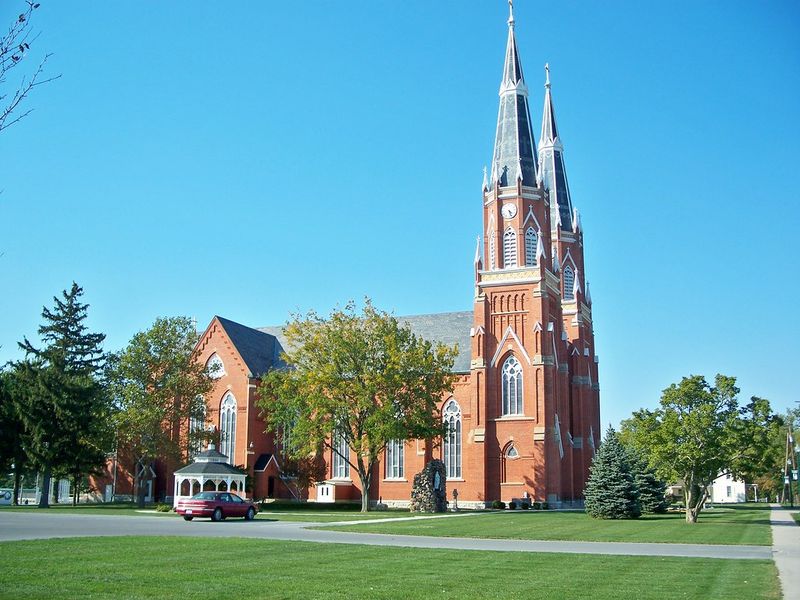
Warm, compact, and easy to overlook on a fast trip, Ottoville rewards anyone willing to pause. This Putnam County village has deep German Catholic heritage, and its character comes through in parish life, community traditions, and the tidy look common in many northwestern Ohio settlements founded by immigrant families.
Nothing feels showy here, yet plenty feels meaningful.
Ottoville grew from the efforts of settlers who valued hard work, faith, and local connection. That background still shapes the village’s identity today.
The church remains a visual and cultural anchor, while family-run businesses and local events help keep the community close-knit.
Travelers may notice that the old-world charm is subtle rather than dramatic. Instead of grand tourism sites, Ottoville offers a lived-in sense of heritage.
Streets, homes, and gathering places reflect continuity, and that can be especially appealing if you enjoy places that feel genuine rather than heavily promoted.
Rural scenery is a big part of the visit. Fields stretch around town, and the surrounding landscape gives Ottoville a peaceful frame.
Morning or early evening can be a lovely time to drive through, when the light softens the streets and the village feels especially calm.
Community events are often the best window into local culture, so a little research before your trip can help. A church festival, seasonal meal, or town celebration may reveal the village at its most welcoming.
Ottoville works best for visitors who understand that charm does not always announce itself loudly. Sometimes it shows up in how well a place holds onto its values, how neighbors gather, and how traditions remain useful instead of decorative.
In that quiet way, Ottoville helps tell the larger story of German settlement in Ohio through the everyday strengths of a small but steady community.
8. Glandorf
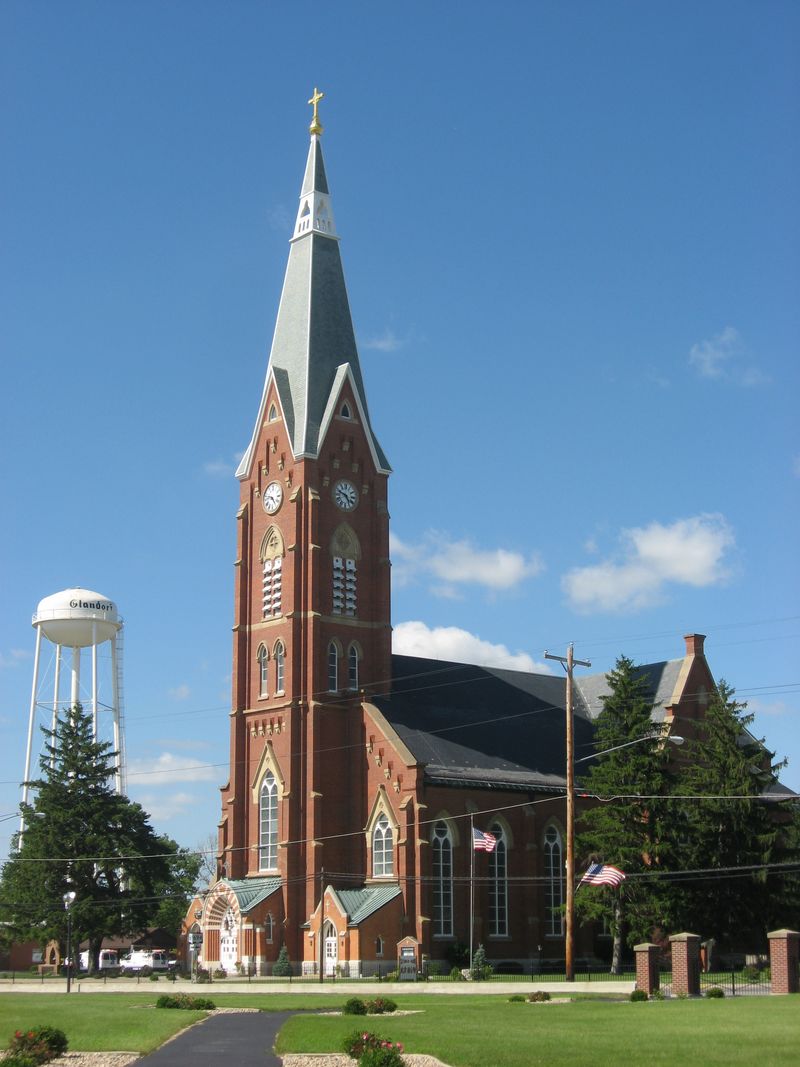
History runs deep in Glandorf, one of Ohio’s oldest Catholic communities with strong German roots. Founded in the 1830s by settlers from German-speaking parts of Europe, the village built its identity around faith, farming, and determination.
That story still gives Glandorf a steady, grounded feeling that many visitors find appealing.
St. John the Baptist Catholic Church stands as the village’s most powerful landmark. Its presence tells you immediately how important religion was to the town’s formation and growth.
Around it, the community developed with the practical, close-knit pattern seen in many German heritage settlements across northwestern Ohio.
Glandorf’s charm is not fancy, and that is exactly why it works. The streets feel lived in, the homes suggest long family histories, and the whole village carries a quiet sense of purpose.
Travelers who enjoy hidden heritage spots often appreciate that the town has not been polished into something artificial.
Because the village is small, pairing it with nearby stops in Putnam County makes good sense. A scenic drive through the region helps you understand how these towns relate to one another through parish networks, agriculture, and shared customs.
Bring patience, not a rushed checklist.
One especially meaningful part of a Glandorf visit is simply noticing continuity. Local names, community landmarks, and long-standing traditions reveal how the past still guides the present.
If you can attend a festival or church meal, you may get the clearest picture of the town’s welcoming side. Glandorf reminds travelers that old-world charm is not only about architecture or age.
It is also about belonging, memory, and the way a place carries forward the values of the people who built it. For anyone exploring Ohio’s German heritage, Glandorf offers a sincere and memorable stop with a strong sense of identity.
9. Maria Stein
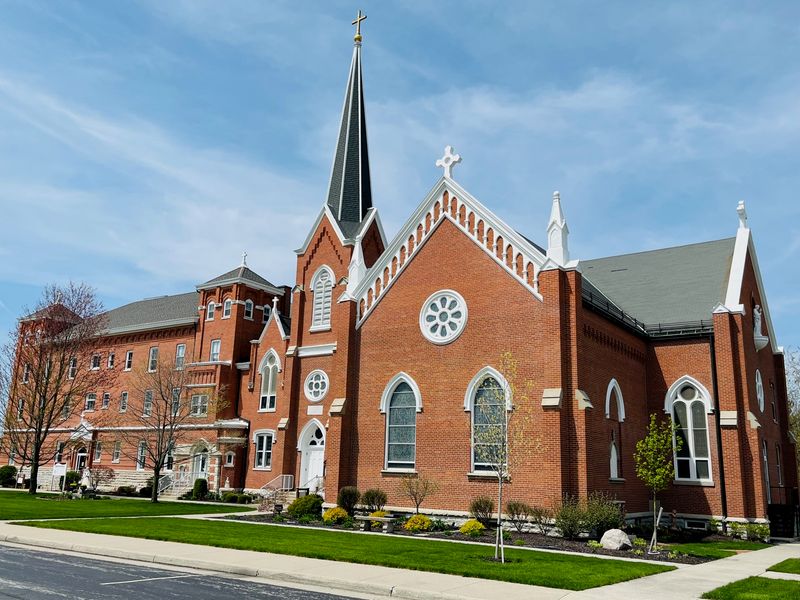
Not every charming town feels bustling, and Maria Stein proves that quiet places can leave the deepest impression. Known for its strong German Catholic heritage, this western Ohio community is closely connected to the Shrine of the Holy Relics and the historic legacy of the Sisters of the Precious Blood.
The setting feels peaceful, reflective, and full of meaning.
Religion shaped Maria Stein from the start, and that heritage remains its strongest feature. The church and shrine complex give the village an old-world atmosphere that feels different from a typical small-town stop.
Even visitors who are not religious often appreciate the beauty, order, and history found across the grounds.
The area is part of Ohio’s Land of the Cross-Tipped Churches region, which adds another layer to the visit. Driving through nearby communities lets you see how German Catholic settlers marked the landscape with striking church architecture and tightly connected villages.
Maria Stein works well as both a destination and a starting point.
Inside heritage sites, you can learn about local faith traditions, education, and the role of immigrant families in building the region. Outside, the calm surroundings invite a slower pace.
Give yourself time to walk, read displays, and take in the careful details rather than rushing through.
Practical travelers should know that Maria Stein is best enjoyed with curiosity and respect for its religious importance. Modest dress and a quiet tone may be wise in certain spaces.
Pair the stop with local dining or a broader church tour route for a fuller day. Maria Stein stands out among Ohio’s German heritage communities because its charm feels deeply spiritual as well as historical.
It offers beauty without flash, history without clutter, and a strong sense that the past still matters. For many visitors, that combination makes it one of the most memorable small-town experiences in the state.
10. New Knoxville
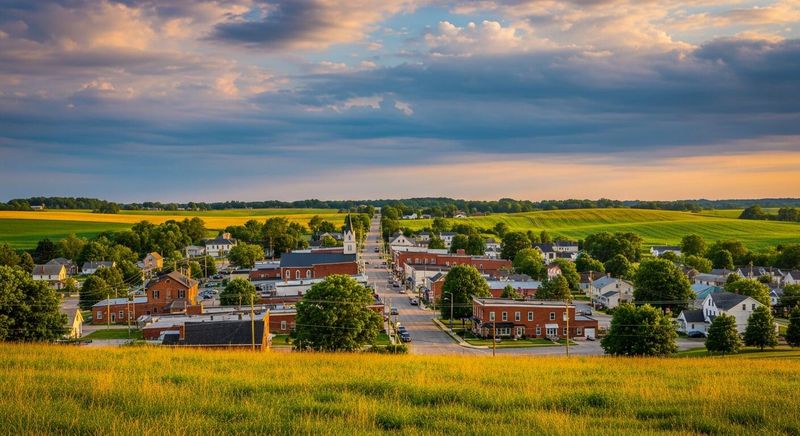
At first glance, New Knoxville may seem simple, but that simplicity is part of its appeal. Founded by German settlers in the 1830s, the village developed with a strong sense of order, faith, and community responsibility.
Today it remains one of those Ohio places where heritage is felt in everyday patterns rather than loud displays.
The town’s German roots appear in local churches, family traditions, and the care given to homes and public spaces. Streets are neat, buildings feel established, and the overall mood is one of stability.
That kind of quiet pride often tells more about a place than a long list of attractions ever could.
Visitors looking for flashy entertainment may move on quickly, but travelers who like authentic small towns can enjoy New Knoxville’s slower rhythm. A walk or drive through the village offers a clear picture of a community that has stayed connected to its past while continuing to function as a real home for residents.
It feels balanced and sincere.
The surrounding farmland adds to the old-world atmosphere by placing the village in a broad, open landscape shaped by generations of work. Seasonal changes bring different colors and moods, so the experience can vary nicely across the year.
Autumn is especially pleasant for a scenic drive.
For a richer visit, combine New Knoxville with nearby stops such as Minster, New Bremen, or Maria Stein. Together, they reveal how German heritage helped shape this part of Ohio through churches, schools, agriculture, and local customs.
New Knoxville may not shout for attention, yet it earns it through consistency and character. Its charm comes from the kind of place it is every day: orderly, welcoming, and firmly rooted in history.
That makes it a fitting final stop on a tour of Ohio towns where old-world influence still quietly shapes the landscape and the lives built upon it.
Share this story