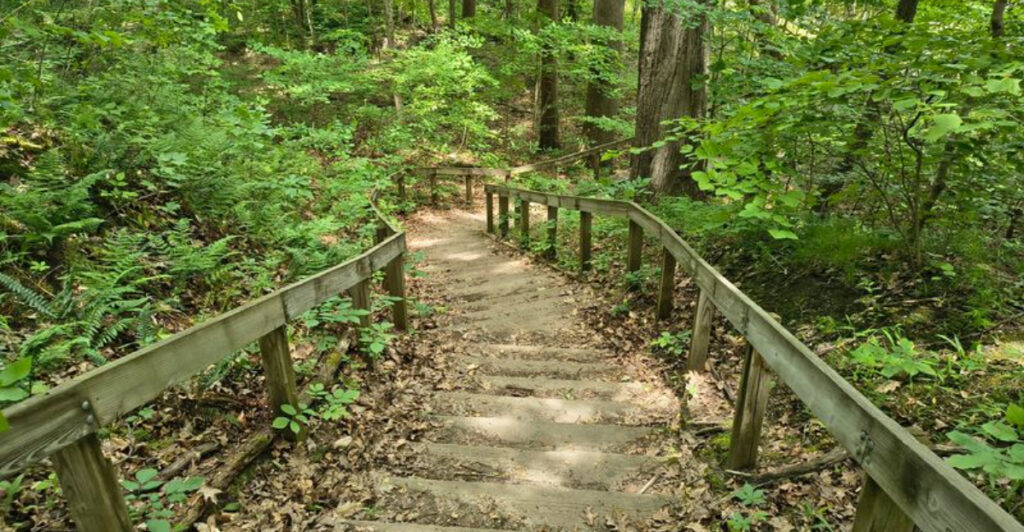
Michigan trails can be beautiful, but a little tick awareness can make the day much easier to enjoy. Before heading into wooded parks, beach paths, dune climbs, or forest loops, it helps to check local tick activity, wear smart clothing, and understand the kind of terrain waiting ahead.
That quick planning step can make outdoor time feel more comfortable and less stressful, especially in areas with tall grass, brush, or shaded woods. The goal is not to avoid Michigan’s best natural places, but to enjoy them with a little extra confidence.
For hikers, families, and weekend explorers, these spots are worth knowing before the next outdoor trip.
1. Brown Bridge Quiet Area – Grand Traverse County

Brown Bridge Quiet Area has the kind of trail network that makes people slow down and pay attention. Between woods, river views, and grassy trail edges, it is also the kind of place where checking the tick map before leaving home makes plain old sense.
Parts of the area can shift from open light to thicker cover pretty quickly. That matters because ticks often wait in brush, leaf litter, and tall plants that lean toward the path instead of dropping from high tree branches like many people think.
A smart plan starts in the parking lot. Tuck pants into socks, use repellent on shoes and lower legs, and keep an eye on kids and dogs that like to brush against every green thing they pass.
Trail choice matters too. Wider routes with clearer footing can be easier for avoiding ankle-high plants, while narrower side paths may bring more contact with low branches, weeds, and edge growth after wet weather or during warm months.
Breaks are a good time for a quick scan. Look at shoelaces, sock tops, waistbands, and backpack straps, since ticks can hitch a ride and stay unnoticed until later in the day.
After the hike, do not wait until bedtime for a check. A full look at clothing, skin, and gear once back at the car or home is a much better habit, especially after walks through shaded stretches.
Brown Bridge rewards careful hikers with quiet scenery and a calmer pace than busier parks. Keep the focus on the river, the forest, and the trail ahead by treating tick awareness like part of the standard packing list, right alongside water and good walking shoes.
2. Warren Dunes State Park – Berrien County
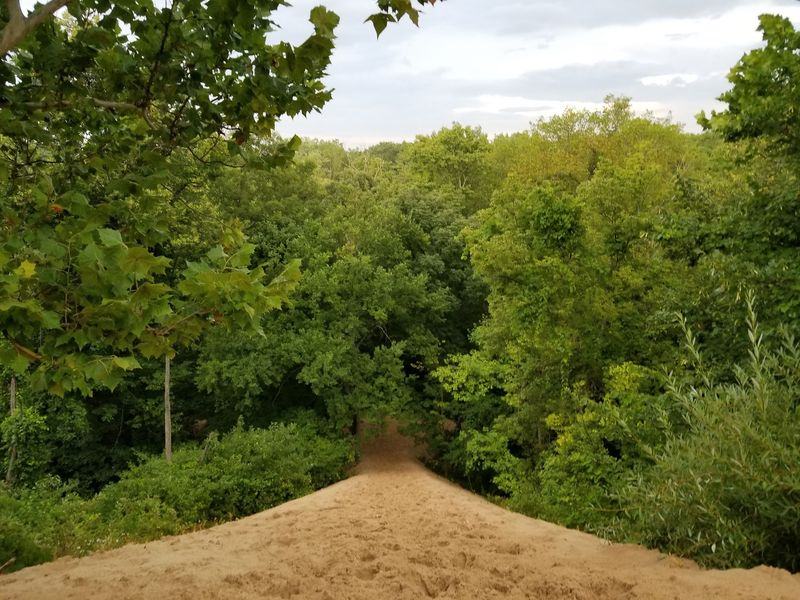
Warren Dunes State Park is famous for big sand, big climbs, and Lake Michigan views that steal the show. Still, once a trail slips into wooded or brushy sections away from the open beach, tick awareness needs to move to the front of the plan.
That mix of dunes, forest pockets, and edge habitat is exactly why the tick map matters here. Open sand is one thing, but shaded connectors and leafy trails can put hikers close to the low plants where ticks often wait.
It helps to dress for both heat and protection. Lightweight long pants, taller socks, and closed shoes can sound annoying on a warm day, yet they offer a useful barrier when the route includes more than just the shoreline.
Timing can shape the whole outing. An early beach walk with a later dune climb may involve less brushing through plants than an afternoon spent exploring side trails, especially when summer growth gets thick along narrower paths.
Families should be extra alert because kids often zigzag off the main route without thinking. Dogs do the same, which means paws, legs, collars, and harness areas deserve a check before everyone piles back into the car.
Another easy move is keeping a small cleanup kit handy. Wet wipes, a lint roller for clothing, and a bag for sandy gear can help with a quick post-hike check before ticks travel from trail clothes to car seats.
Warren Dunes can be a choose-your-own-adventure kind of park, from steep climbs to calm beach time. Check conditions first, stay aware when the landscape turns green and shaded, and you can spend more energy enjoying the dunes instead of scratching at every mystery itch later.
3. Platte Plains Trail System – Benzie County
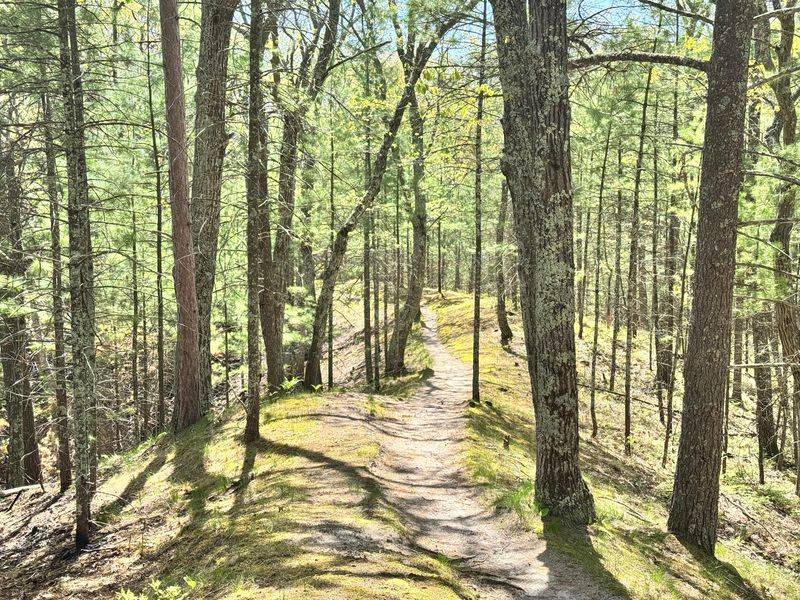
Platte Plains Trail System gives hikers room to roam, and that is part of the challenge. Longer routes through woods, rolling ground, and patches of thick growth mean a quick tick check at the trailhead is not enough if the day turns into a full outing.
Because the trail system spreads across different landscapes, exposure can change from one mile to the next. A breezy, open stretch may lead right into still, leafy cover where plants crowd the edges and brush against bare legs.
Before heading in, match your route to the group. Shorter loops are often easier for families who want less side brushing, while ambitious hikes should include extra water, repellent, and a plan for gear checks during breaks.
Many hikers think of ticks only in deep forest, but transition zones deserve equal attention. Spots where grassy openings meet shaded trail corridors can be especially important to watch, since they bring together sun, cover, and passing wildlife.
Clothing color can help more than people expect. Light socks, tan pants, or pale gaiters make tiny hitchhikers easier to spot, which turns a quick glance into a useful step instead of a guessing game.
If the route includes sitting on logs, grassy pull-offs, or ground-level rest stops, pause before settling in. A small sit pad or towel keeps contact down and makes it easier to avoid brushing debris onto clothing and backpacks.
Back at the end of the trail, give extra attention to knees, waistbands, underarms, and behind ears. Platte Plains can offer a long, satisfying day outdoors, and that big-mile reward lands better when the return home includes a solid tick check, not a surprise discovered hours later.
4. Fort Custer Recreation Area – Kalamazoo County
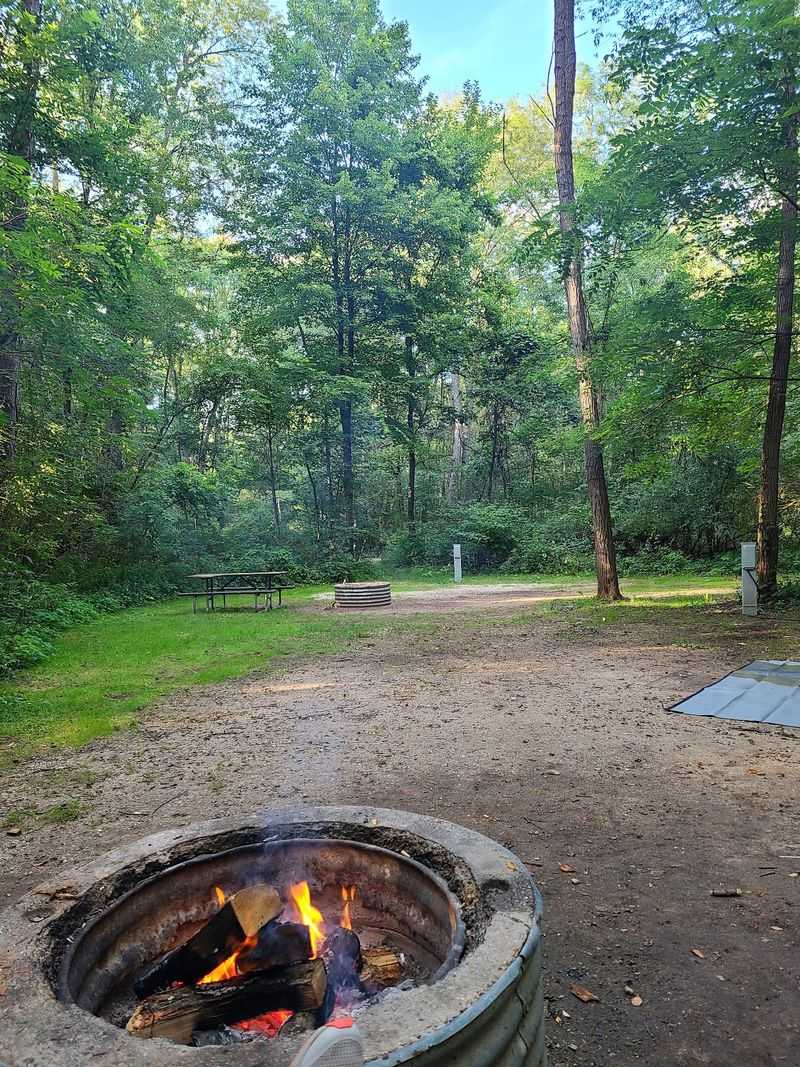
Fort Custer Recreation Area covers enough ground to make every visit a little different. With trails, woods, water, and varied terrain all in play, checking the tick map first is a sharp move, not an extra chore.
Some visitors come for hiking, others for biking, and plenty just want a relaxed walk near the lakes. No matter the pace, the main issue stays the same: edge vegetation and low brush can bring a lot more contact than people notice in the moment.
Speed can trick trail users into skipping simple precautions. Cyclists, especially, may not realize how often shoes, socks, and lower legs pass close to grass on narrower stretches or at pull-offs where riders stop to rest.
Repellent works best when it is not an afterthought. Apply it before the first step, not after spotting mosquitoes, and remember that shoes, ankles, and calf areas deserve the most attention on routes with heavy plant growth.
Group outings need one person to play reminder captain. A quick call to check pant cuffs, dog fur, or kids sitting in the grass can prevent the classic end-of-day scramble when everyone suddenly remembers ticks at once.
Weather also changes the experience. Warm, humid days can make people choose shorts and lower socks, while cooler mornings may push them toward better coverage without even trying, which can be a nice built-in advantage.
Fort Custer has plenty to offer beyond one type of trail day, and that variety is exactly why preparation helps. Treat tick checks as part of the routine at the same level as helmets, snacks, and water bottles, and the park becomes easier to enjoy from start to finish.
5. P.J. Hoffmaster State Park – Muskegon County
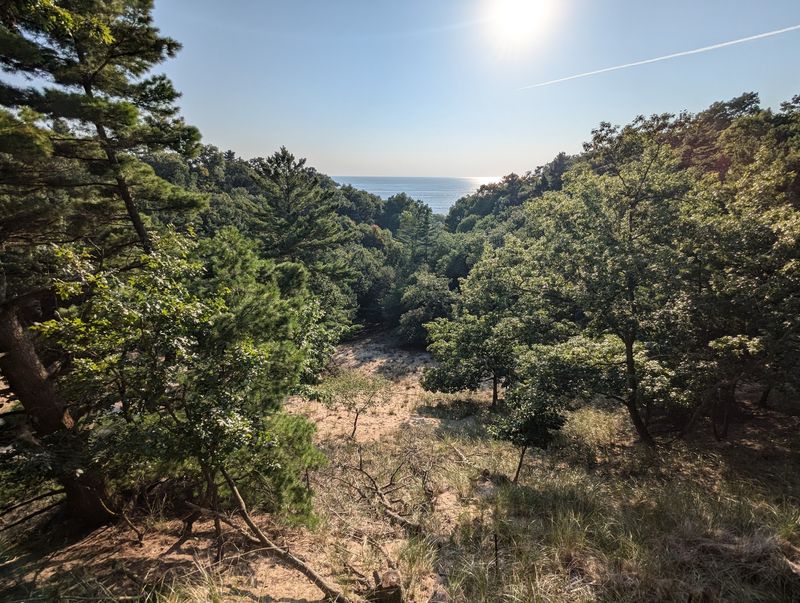
P.J. Hoffmaster State Park can switch from beach energy to forest quiet in a hurry.
That blend is fun for hikers, but it also means tick risk may change fast once the route leaves open sand and enters wooded dune country.
The inland trails often bring more shade, more undergrowth, and more chances for legs to brush the edge. Checking the tick map before the trip helps set expectations, especially for visitors who assume a lakeshore park is all beach and no brush.
One smart habit here is separating beach gear from trail gear. Sandals may work by the water, but closed shoes and socks are the better call if the plan includes dune climbs, boardwalk connectors, or wooded loops.
Hoffmaster can feel breezy near the lake, which sometimes makes bugs seem like less of a concern. Do not let that fool you once the path turns inland, because protected sections can hold very different conditions from the shoreline.
Families often stop to snack or regroup at scenic spots. Pick clearer resting areas when possible, and avoid dropping bags into thick grass or leaning jackets against shrubs where tiny hitchhikers can grab on unnoticed.
When the hike ends, shake out towels, inspect blanket edges, and check pets before they jump onto seats. A lot of post-park discomfort begins with trail clothes mixing with beach gear in one messy pile.
P.J. Hoffmaster is at its best when visitors lean into both sides of the place, the open coast and the wooded dunes.
A little extra planning keeps that balance easy, letting the day stay focused on lake views, sandy climbs, and forest paths instead of the tick check you forgot to do.
6. Dr. T.K. Lawless Park – Cass County
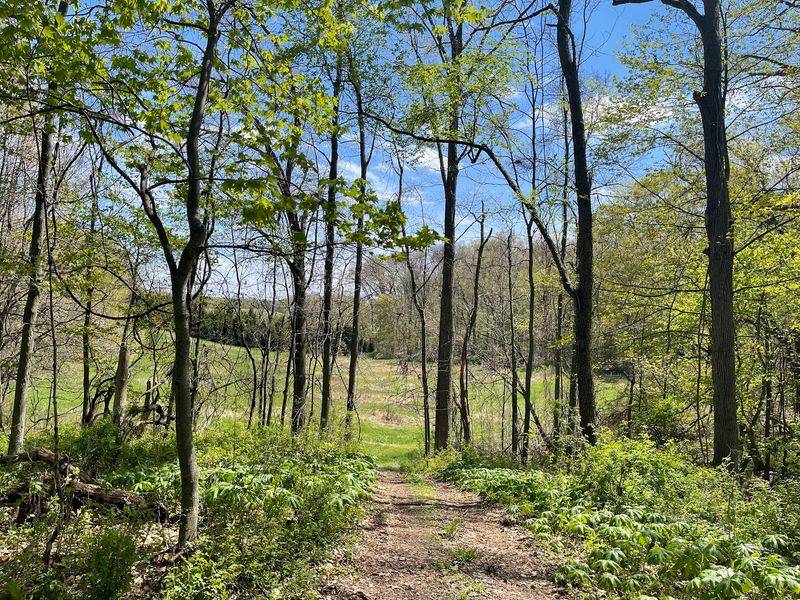
Dr. T.K. Lawless Park has the kind of wooded setting that invites a slower pace.
That slower pace is great for noticing birds, trees, and quiet corners, but it also means more time near grass, leaves, and trail edge growth where ticks can be picked up.
Because parks like this are easy to explore casually, visitors sometimes arrive underprepared. A short walk can still mean close contact with plants, especially when kids cut corners, pets tug toward smells, or hikers stop often in shaded spots.
Start with the basics and keep them boring on purpose. Repellent, closed shoes, light-colored socks, and a quick look at the local tick map are not exciting, yet they can change the whole day for the better.
Picnic areas add another layer to think about. Sitting on grass, spreading blankets near wooded borders, or setting bags beside low brush can turn a simple lunch stop into the easiest part of the day for ticks to hitch a ride.
Trails that seem tidy still deserve caution after rain or during strong growing periods. Plants lean in, ground cover thickens, and narrow clearances can turn a comfortable walk into one with repeated contact around ankles and calves.
It also helps to do a mid-visit check instead of waiting until bedtime. Looking over socks, shoelaces, waistbands, and pet fur halfway through the outing makes the final home check faster and less stressful.
Lawless Park works well for families, casual walkers, and anyone who likes a quieter woodland outing without a huge production. Keep the approach simple and practical, use the tick map as part of trip planning, and the park stays the calm escape people were hoping for in the first place.
7. Ludington State Park – Mason County
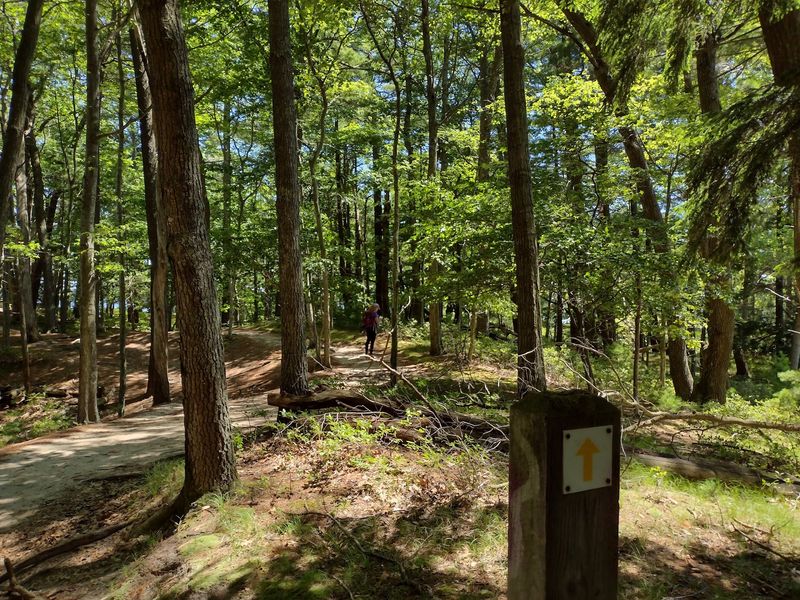
Ludington State Park packs a lot into one destination. Woods, dunes, water, and longer trail options can make it an all-day outing, which is exactly why checking the tick map before arrival is a smart first step.
Different parts of the park can create very different exposure levels. Open areas near water may feel simple, but inland routes with brush, shaded connectors, and marsh-side vegetation can put hikers close to the kind of low growth ticks use well.
Visitors often plan for distance here more than details. They count miles, snacks, and turnaround times, then forget to think about clothing choices that help when the trail narrows or when stops happen in grassy spots.
A good setup includes shoes that stay on firmly in sand, socks high enough to cover the ankle, and pants or leggings that do not leave gaps around the cuff. That may not sound stylish, but trail comfort beats post-hike regret every time.
Longer visits also mean more chances for gear to collect stowaways. Daypacks, camp chairs, blankets, and pet supplies should all get a quick look, especially after sitting near the edge of woods or among taller plants.
If the group is moving between beach and trail, do a reset before changing locations. Brush off clothing, reapply repellent if needed, and avoid tossing worn layers into a shared pile where one unnoticed tick can travel easily.
Ludington offers the kind of variety that can turn one visit into three or four different adventures in a single day. Keeping a close eye on trail conditions, edge growth, and simple body checks helps protect that freedom, so the memories center on the park itself and not on what tagged along afterward.
8. Saugatuck Dunes State Park – Allegan County
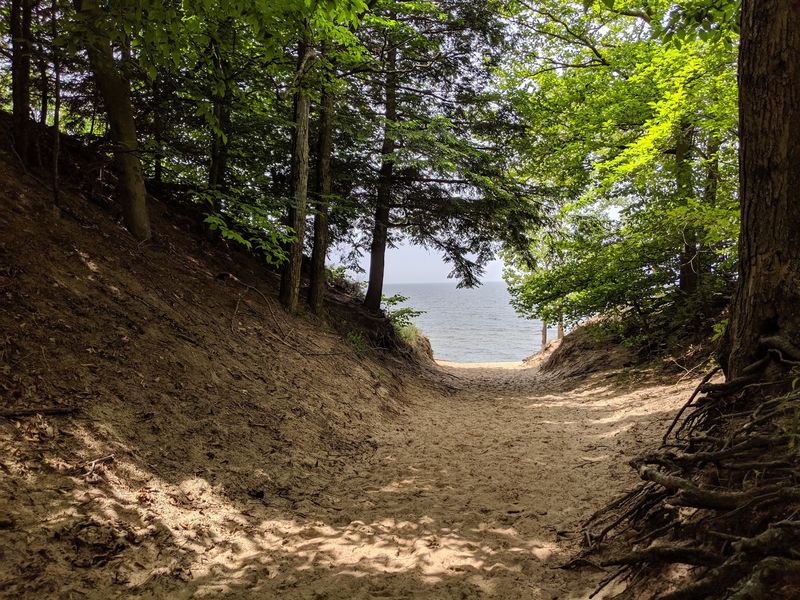
Saugatuck Dunes State Park does not hand out its views all at once. You earn them by moving through wooded dune trails, and that approach through shrubs, sand, and shaded pockets is a good reason to check the tick map before starting.
The walk can feel mellow at first, then surprisingly enclosed once vegetation tightens around the route. When plants brush your legs every few steps, tick prevention stops being a background idea and becomes part of how you move through the park.
One useful trick here is dressing for the trail, then changing later if beach time is next. That keeps the wooded walk safer without forcing a whole hot afternoon in heavier clothes after the hiking part is done.
Because the dunes draw visitors on warm days, shorts are common. Anyone choosing bare legs should stay more centered on the path, avoid side wandering into thicker growth, and be extra careful about a full check afterward.
Rest breaks matter more than they seem. Sitting at the edge of a trail in scrubby growth, setting a hat on brush, or leaning against a low trunk can create contact points people never think about until they are home.
Traveling with kids calls for a simple routine they can remember. Before snack time, before the return walk, and before getting in the car, do a quick check so the habit feels normal instead of dramatic.
Saugatuck Dunes has a more tucked-away trail rhythm than some beach parks, and that is part of its appeal. Handle the practical side early, keep to clearer sections when possible, and the wooded trek to the lake can stay focused on sand underfoot and not on a preventable hitchhiker.
9. Pentwater State Game Area – Oceana County
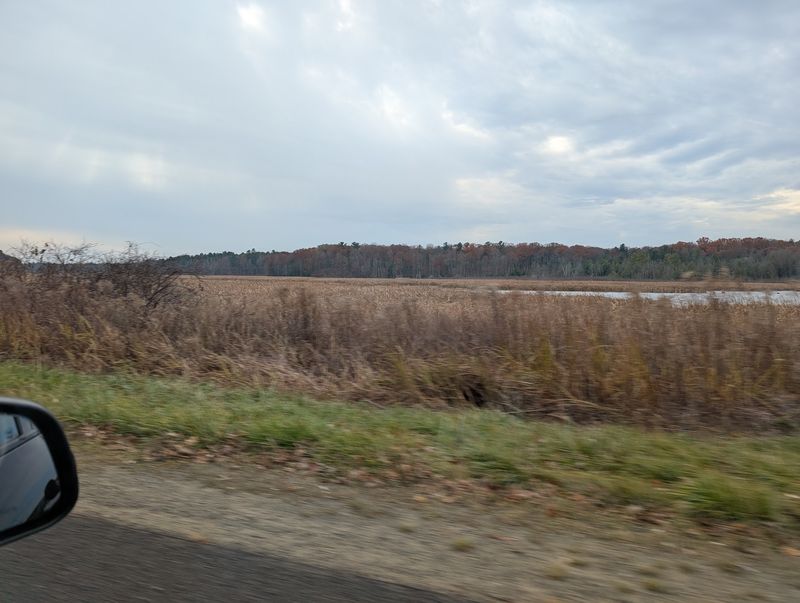
Pentwater State Game Area has a more rugged, less polished feel than a typical busy park, and that changes how visitors should prepare. In places with fewer built-up trail comforts and more natural edge growth, checking the tick map is one of the easiest smart moves available.
Game areas often mean bigger stretches of habitat with less separation between people and the landscape around them. Brush, grasses, low branches, and wildlife travel routes can all make close contact more likely, even during a relaxed walk.
That does not mean avoiding the area. It means showing up ready, with long pants, sturdy shoes, and the kind of repellent plan that starts before leaving the vehicle instead of halfway through the outing.
Narrow routes deserve extra patience. Charging ahead through overhanging plants can turn ankles and calves into the first place every stem, seed head, and possible tick makes contact, so slower steps can actually be the better choice.
Hunters, birders, hikers, and casual explorers may use the area differently, but the after-visit routine should look pretty similar. Check clothing seams, brush off packs, inspect dogs carefully, and avoid dragging trail gear straight into the house.
Another good call is bringing a spare shirt or outer layer in the car. Swapping out immediately after a walk keeps any unnoticed hitchhiker from moving from woods to seat fabric to home furniture later.
Pentwater State Game Area rewards people who like quieter land and a more natural setup. A little field sense goes a long way here, and the tick map belongs right beside route planning and weather checks when you are deciding how to make the most of a wooded day out.
10. Alligator Hill Trail – Leelanau County
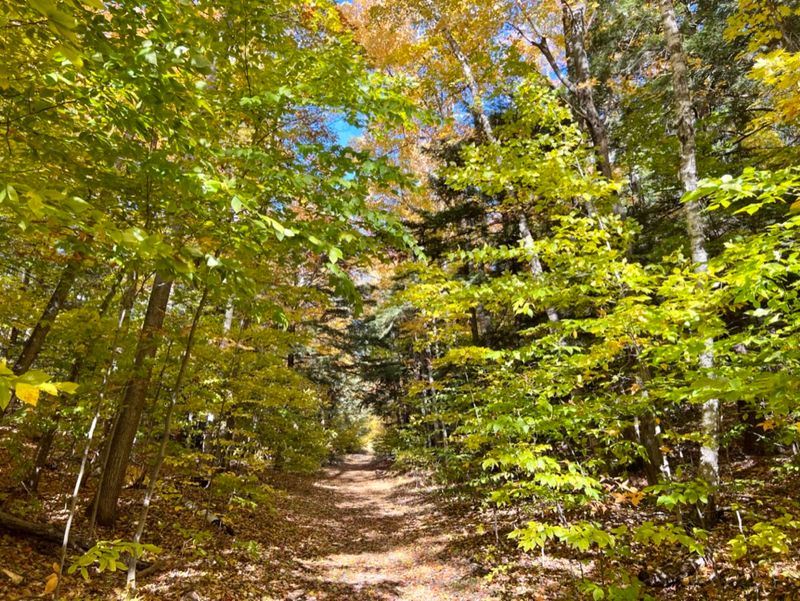
Alligator Hill Trail gets attention for its views, but the path to those lookouts runs through plenty of woods first. That means a tick check should be part of the plan before the climb, not an afterthought once the scenery starts doing the talking.
Trails with elevation changes can make people focus on footing and effort more than plants at ankle level. It is easy to notice the hill and miss how often legs brush leaves, stems, and low growth near tighter sections of trail.
A steady pace helps in more ways than one. It gives hikers time to stay centered on the path, avoid crowding trail edges on climbs, and spot handy places for quick clothing checks without stepping into thicker cover.
Viewpoints can create a false finish line. Reaching the overlook feels like the big goal, but the tick part of the day is not over just because the photo is taken and the snack comes out.
Backpack straps, hoodie folds, and hats deserve attention here because wooded climbs often mean layers come on and off. Every clothing change is a chance to pick up or move something small without noticing right away.
Families hiking uphill with younger kids may want shorter loops or out-and-back plans that keep the day manageable. Fewer tired shortcuts into brush and fewer dramatic rest stops in the nearest patch of shade usually make the outing smoother.
Alligator Hill combines a rewarding payoff with enough forested trail to make preparation matter. Check the local tick map, use common-sense clothing, and save the overlook for what it should be, the best part of the walk, not the moment everyone suddenly starts wondering what was crawling in the leaves on the way up.
11. Yankee Springs Recreation Area – Barry County
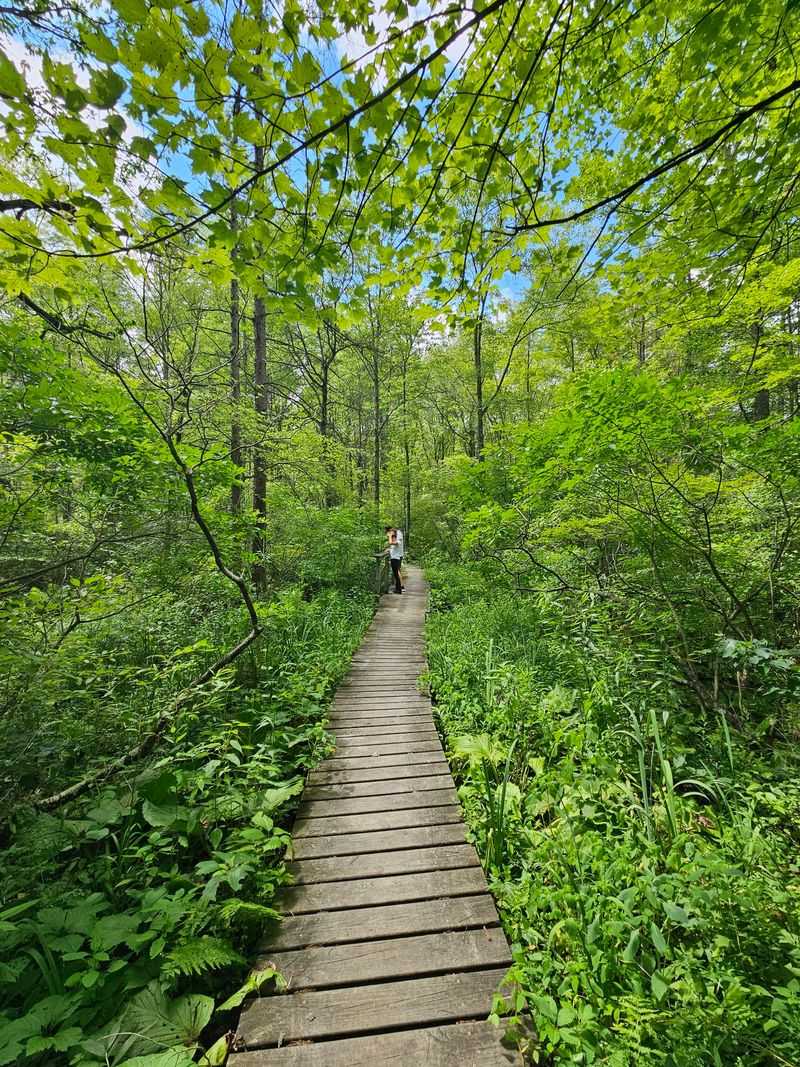
Yankee Springs Recreation Area can turn a simple day outside into a full schedule fast. Between hiking, biking, and lakeside stops, it is easy to bounce from one setting to another without noticing how often wooded edges and grassy sections increase tick exposure.
That variety is exactly why the tick map matters here. A route that starts wide and dry can lead into tighter forest or more overgrown stretches, and busy visitors do not always pause to adjust clothing or reapply repellent.
People moving quickly through the park often miss the small habits that help most. Staying near the center of the trail, skipping unnecessary shortcuts, and avoiding gear drops in grass can cut down on contact without changing the fun of the trip.
For larger groups, a simple buddy check works well. One fast glance at each other’s socks, calves, and backs before leaving a trail section can catch the obvious hitchhikers that are hardest to see on your own.
Bike riders should remember that speed does not cancel risk. Stopping in grassy pull-offs, walking bikes through brushy connectors, or leaning gear near low plants can still create plenty of chances for ticks to latch on.
If your day includes swimming or a picnic, split the visit into clean stages. Trail first, then a clothing check, then the beach or lunch area, so trail exposure does not quietly carry into the rest of the afternoon.
Yankee Springs offers the kind of mix that rewards people who plan just enough and then relax. Treat tick awareness like one more practical part of outdoor know-how, right up there with sunscreen and trail water, and the whole recreation area becomes easier to enjoy with less second-guessing later.
12. Warren Woods State Park – Berrien County
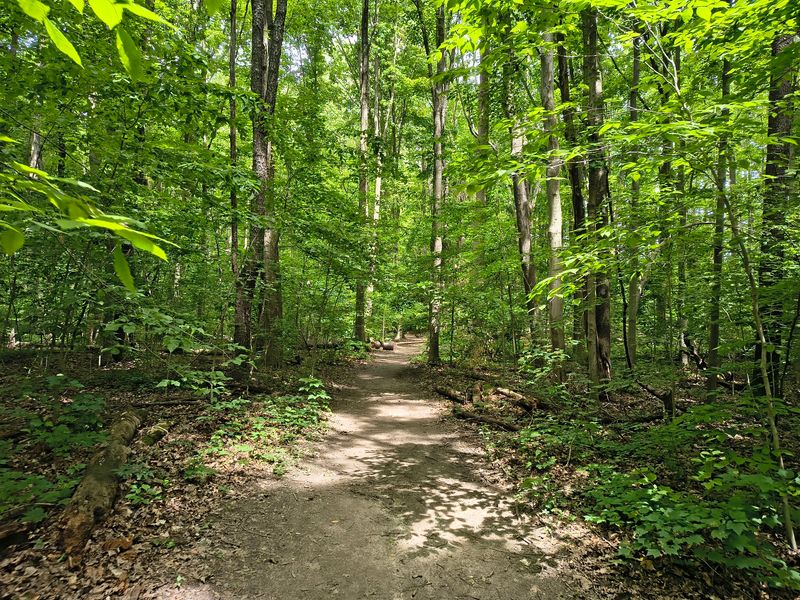
Warren Woods State Park has a deep-woods character that changes the mood right away. In a place where shade, leaf litter, and rich understory are part of the draw, checking the tick map before visiting is a sensible first move.
Forested parks can look neat and calm while still offering plenty of places for ticks to wait close to the trail. Low plants, fallen leaves, and brushy margins matter more than dramatic wilderness imagery, which is why simple awareness beats guessing.
Because the park experience leans quiet and wooded, many visitors slow down and linger. That is great for taking in the trees, but longer stops on logs, near trunks, or beside thick ground cover make clothing checks more useful, not less.
Shoes with good coverage help here, especially when paths are uneven or leaf-strewn. Open footwear leaves ankles exposed and makes it harder to notice when a tiny hitchhiker catches a ride during a short detour or pause.
Another smart habit is keeping jackets and extra layers off the ground. A backpack hook, clean bench spot, or even a folded sit pad creates less contact than tossing clothing beside the trail while snacks come out.
Once the walk is over, take the extra minute before driving away. Brush off socks, inspect cuffs, and give pets a careful look around ears, legs, and collars, since fur can hide what clothing would show right away.
Warren Woods offers a very different texture from dune parks or open shoreline stops, and that woodland focus is exactly why preparation matters. Use the tick map as part of the pre-trip routine, and the day stays centered on tall trees, shaded paths, and quiet steps through the forest.
13. Van Buren State Park – Van Buren County
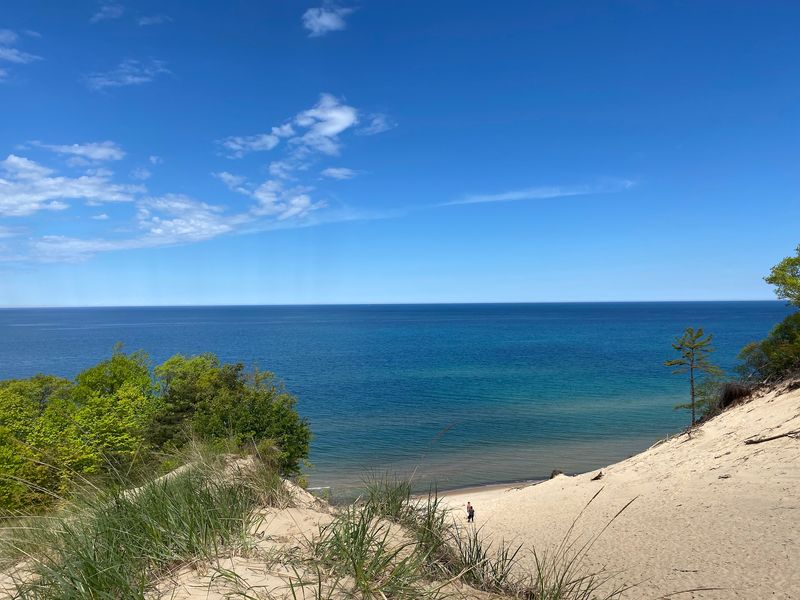
Van Buren State Park brings together shoreline fun and wooded trail time in one easy stop. That combination makes it extra useful to check the tick map before heading out, since a beach day can quietly turn into a brushy hike without much warning.
Near the lake, the open setting may seem low-stress. Once the route shifts into dune woods or thicker vegetation, though, the day changes, and clothing choices that worked on the sand may not be the best match anymore.
A quick trail-first strategy can help. Do the wooded walk in closed shoes and better coverage, then switch into beach mode later, rather than starting in sandals and trying to manage a forested path with exposed ankles.
Short state park trails can fool people into treating precautions lightly. Distance is not really the key issue with ticks.
Contact with edge growth is, and even a modest walk can include plenty of that if the path narrows or the plants are tall.
Parents should keep an eye on where kids drift during breaks. Rolling down sandy edges, chasing sticks into shrubs, or sitting in mixed grass near the trail can add more contact than the actual walking does.
At the end of the visit, do not forget the small stuff. Hats, blankets, hoodie sleeves, and pet leashes can all carry hitchhikers, so a quick gear scan is just as useful as checking legs and socks.
Van Buren State Park works well for visitors who like to mix movement with lake time, and that flexible pace is part of the appeal. Keep the practical steps simple, check the tick map before you go, and let the day be about dunes, trees, and water instead of one preventable annoyance.
Share this story