Tennessee is more than just Nashville hot chicken and Memphis blues. Scattered across rolling hills and tucked into valleys, you’ll find small towns that capture the true spirit of the Volunteer State.
These places hold onto history, celebrate quirky traditions, and welcome visitors like old friends, offering a glimpse into what makes Tennessee genuinely special.
1. Franklin
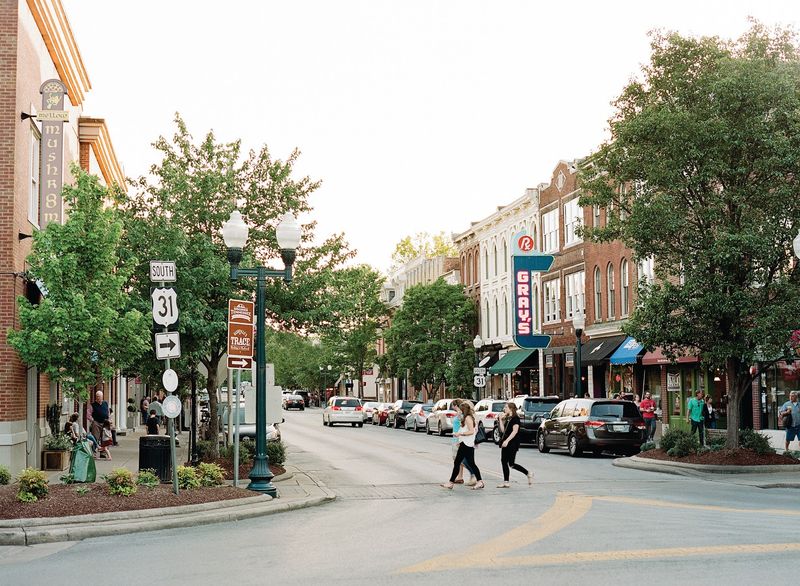
Walking through Franklin feels like stepping onto a movie set, except everything is real and the coffee shops actually serve great lattes. This Williamson County gem sits just south of Nashville, but it has carved out its own identity with a downtown that manages to be both polished and authentic.
Civil War history runs deep here, with battlefields and historic homes that tell stories of a pivotal moment in American history.
The town square buzzes with energy most days. Local boutiques line the streets alongside restaurants that range from upscale Southern cuisine to casual burger joints. You can spend hours browsing antique stores, popping into art galleries, or just people-watching from a bench under the old trees.
Franklin doesn’t try too hard, which is exactly why it works. The community takes pride in preserving its heritage while embracing new businesses and residents.
Annual events like the Main Street Festival draw crowds, but the town never loses its small-town charm even as it grows.
Families push strollers down wide sidewalks. Couples grab dinner before catching a show at the historic Franklin Theatre. History buffs explore the Carter House and Carnton Plantation, where you can almost hear echoes of the past.
The town strikes a balance between honoring what came before and building what comes next.
What sets Franklin apart is how it manages growth without sacrificing character. New developments respect the architectural style of older buildings.
Chain stores exist but don’t dominate. Local ownership matters here, and you can feel the difference when shop owners remember your name after one visit.
It’s the kind of place where progress and preservation shake hands instead of throwing punches.
2. Jonesborough
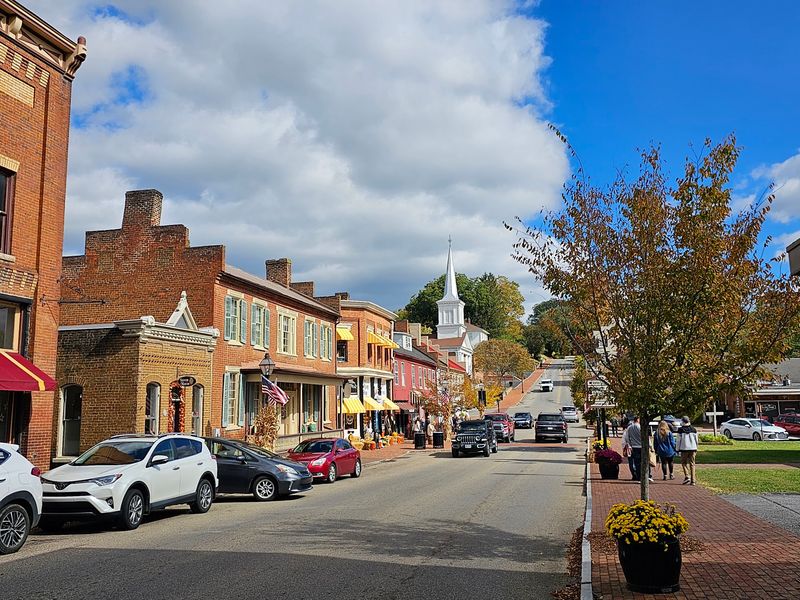
Tennessee’s oldest town wears its age like a badge of honor. Jonesborough was founded in 1779, making it older than the state itself.
That kind of history seeps into the sidewalks and whispers from the carefully preserved buildings that line the main street.
Storytelling put this town on the map in a big way. Every October, the International Storytelling Festival transforms Jonesborough into a gathering place for oral tradition enthusiasts from around the world.
But storytelling isn’t just an October thing here. The town celebrates the art form year-round through the International Storytelling Center, where tales come alive in ways that screens and pages can’t quite capture.
The downtown area invites slow exploration. Antique shops offer treasures from bygone eras.
Local artisans display handcrafted goods in small galleries. You can grab lunch at a cafe and strike up a conversation with locals who genuinely enjoy sharing their town’s quirks and hidden gems.
Architecture buffs appreciate the mix of Federal, Greek Revival, and Victorian styles that have been meticulously maintained. Walking tours reveal details you’d miss if you just drove through.
Each building has a story, and many have historical markers that provide context without being preachy about it.
Jonesborough proves that small doesn’t mean sleepy. The town hosts events throughout the year, from craft fairs to holiday celebrations that draw visitors from across the region. Yet it never feels overcrowded or commercialized.
There’s a genuine warmth here, a sense that the community values connection over consumption. Visit once, and you’ll understand why people keep coming back to this little town that time didn’t forget but rather chose to preserve.
3. Bell Buckle
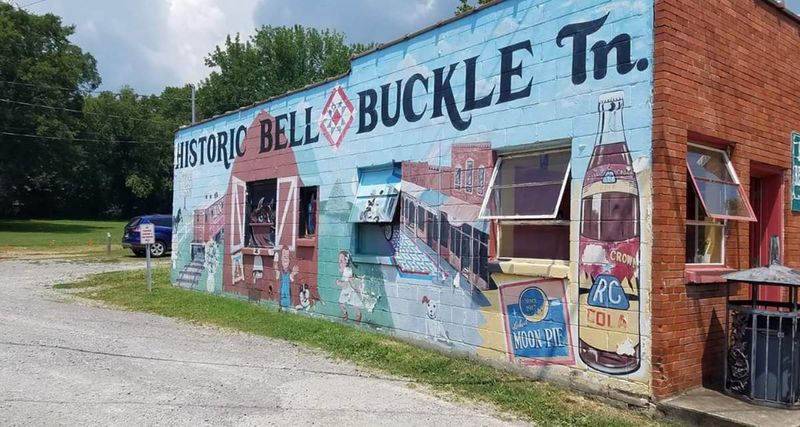
Population hovering around 500 means Bell Buckle could easily get overlooked, but that would be a mistake. This tiny town in Bedford County has personality that punches way above its weight class.
Named after a bell-shaped limestone formation and a nearby creek called Buckle, the town embraces its quirky identity with enthusiasm.
Antique hunting reaches near-legendary status here. For such a small place, the concentration of quality antique shops is remarkable.
Serious collectors make pilgrimages to Bell Buckle, knowing they might stumble upon that perfect vintage find. Even if you’re not in the market for antiques, browsing these shops offers a fascinating glimpse into the past.
The RC Cola and Moon Pie Festival happens every June, celebrating two Southern staples with a full day of music, crafts, and small-town fun. It’s delightfully unpretentious.
No corporate sponsors trying to hijack the vibe, just a community gathering to celebrate simple pleasures and enjoy each other’s company.
Bell Buckle Cafe serves up home-cooked meals that taste like Sunday dinner at your grandmother’s house. The menu changes based on what’s available and what the cook feels like making.
This isn’t farm-to-table as a marketing gimmick; it’s just how things have always been done here.
Education matters in Bell Buckle, home to Webb School, a respected preparatory school founded in 1870. The school’s presence adds an interesting layer to the town’s culture, bringing in families who value both academic rigor and small-town living.
Walk the streets on any given day, and you’ll see a community that takes care of its own, where neighbors actually know each other’s names and look out for one another without being asked.
4. Leiper’s Fork
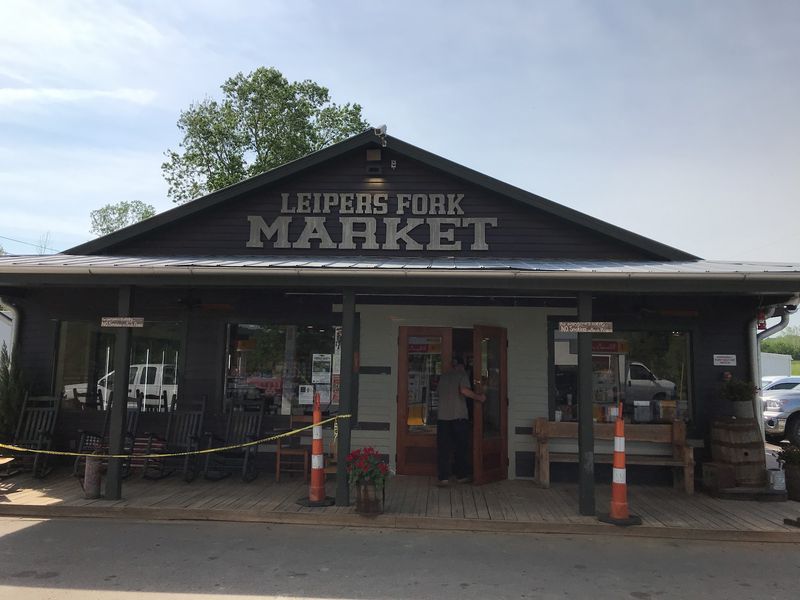
Blink and you’ll miss the turnoff, but once you find Leiper’s Fork, you’ll want to stick around. This unincorporated community in Williamson County has mastered the art of being discovered without being overrun.
Artists, musicians, and craftspeople have claimed this area as their own, creating a creative enclave that feels worlds away from nearby Franklin’s bustle.
Puckett’s Grocery started as an actual grocery store and evolved into a beloved restaurant and music venue. On any given night, you might catch a Grammy-winning songwriter testing new material in an intimate setting.
The food is solid Southern comfort, but the real draw is the atmosphere where music happens naturally, not as a scheduled performance.
Art galleries dot the small village center, showcasing everything from traditional landscapes to contemporary sculpture. These aren’t stuffy galleries where you’re afraid to touch anything. Artists often work on-site, happy to chat about their process and inspiration.
You can actually afford the art here, too, which makes browsing feel less like window shopping and more like treasure hunting.
The countryside surrounding Leiper’s Fork rolls gently, with horse farms and historic homes creating postcard-worthy views. Cycling enthusiasts love the area for its scenic routes and relatively light traffic.
On weekend mornings, you’ll see groups of riders pedaling through, stopping at the local coffee shop for fuel before continuing their journey.
What makes Leiper’s Fork special is its resistance to becoming a theme park version of itself. Yes, tourism matters to the local economy, but the community hasn’t sold its soul for visitor dollars.
Locals still gather at the same spots they’ve frequented for years. New businesses fit the existing character rather than trying to transform it.
5. Cookeville
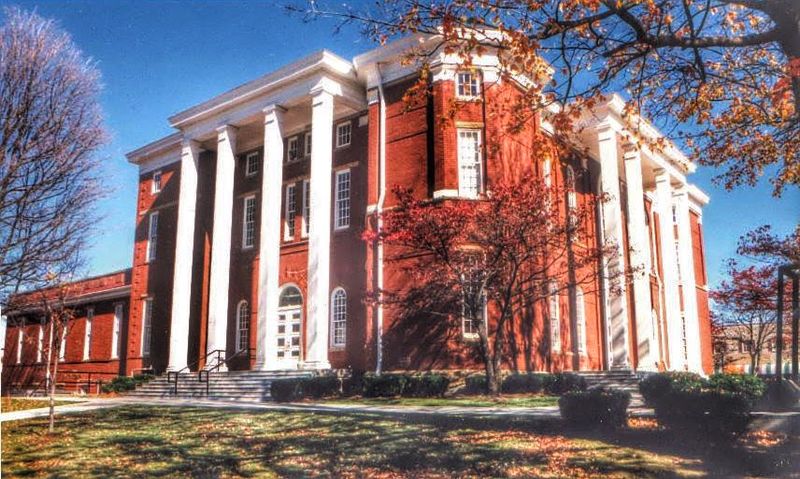
Sitting almost exactly halfway between Nashville and Knoxville, Cookeville serves as the Upper Cumberland’s hub. Tennessee Tech University gives the town a college energy without overwhelming its identity.
Students and longtime residents coexist comfortably, creating a demographic mix that keeps things interesting.
The downtown area has experienced a renaissance in recent years. What was once a collection of empty storefronts has transformed into a destination with local restaurants, breweries, and shops that cater to diverse tastes.
The West Side proves particularly vibrant, with murals adding color and character to previously bland walls.
Outdoor recreation opportunities abound near Cookeville. Cummins Falls State Park, just a short drive away, features one of Tennessee’s most impressive waterfalls. The hike requires some effort, but the payoff is worth every step.
Center Hill Lake offers boating, fishing, and swimming when summer heat makes staying indoors unbearable.
Cookeville doesn’t pretend to be something it’s not. This is a practical town where people work hard, support local businesses, and show up for community events.
The Depot Museum preserves railroad history, reminding visitors that Cookeville’s growth stemmed from its strategic location along transportation routes. That practical foundation still shapes the town’s character today.
Food options reflect the town’s evolution. You can grab traditional meat-and-three Southern cooking or explore more adventurous cuisine at newer establishments.
Coffee shops provide gathering spaces for students studying and professionals meeting clients. The local farmers market brings fresh produce and handmade goods to residents who appreciate knowing where their food comes from.
Tennessee Tech’s presence means Cookeville attracts families who value education and stability. The town offers good schools, safe neighborhoods, and a cost of living that doesn’t require a six-figure salary.
It’s not flashy, but it’s solid, dependable, and genuinely friendly in that way that can’t be faked.
6. Paris
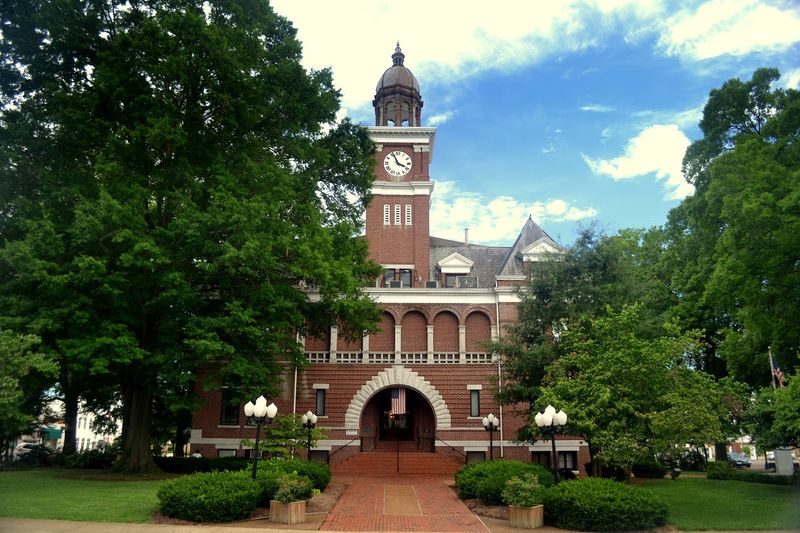
Yes, Tennessee has a Paris, and yes, it has an Eiffel Tower. The 60-foot replica complete with a red bucket on top stands proudly in Memorial Park, a playful nod to its French namesake.
This Henry County seat doesn’t take itself too seriously, which makes it easy to like.
Kentucky Lake sits just minutes away, making Paris a favorite base for anglers and boaters. The fishing here is legitimate, with bass tournaments drawing competitors from across the region.
Marinas and fish camps dot the shoreline, offering everything from boat rentals to fried catfish that tastes best when eaten outdoors with a view of the water.
Downtown Paris maintains that classic courthouse square layout. Local shops and restaurants surround the Henry County Courthouse, creating a center of gravity for community life.
The town hosts events throughout the year, from car shows to festivals that bring residents together for reasons that have nothing to do with screens or social media.
Paris Landing State Park provides a full-service resort experience with a lodge, restaurant, golf course, and marina. Families vacation here, enjoying the lake without the crowds and commercialization of more famous destinations. The park offers cabin rentals for those who want more space and privacy than a hotel room provides.
Agriculture still matters in Paris and the surrounding county. You’ll see working farms as you drive the back roads, a reminder that this region’s economy has roots in the land.
The annual Fish Fry celebrates that heritage each April, serving up thousands of pounds of catfish to hungry visitors who come for the food and stay for the small-town hospitality.
Paris proves you don’t need to be big to offer a good quality of life. The schools are solid, the crime rate is low, and the cost of living allows families to get ahead rather than just scrape by.
It’s the kind of place where kids can still ride bikes around the neighborhood and parents don’t worry constantly.
7. Lynchburg
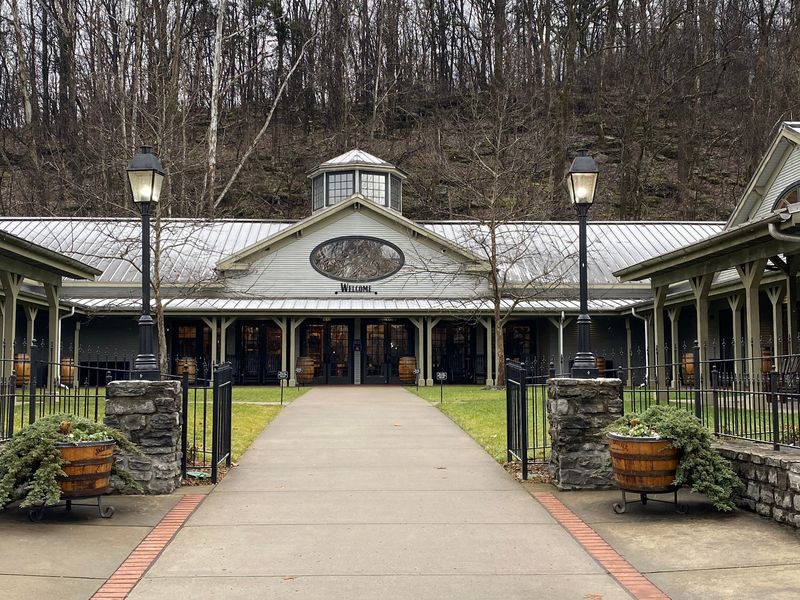
Jack Daniel’s Distillery made Lynchburg famous, but there’s more to this Moore County seat than whiskey, even if the whiskey is pretty legendary. The irony that this dry county produces one of the world’s most recognized spirits isn’t lost on anyone.
You can tour the distillery and sample the product, but you can’t buy a bottle in town.
The town square looks like it was designed by someone who really understood what a Southern town square should be. The Moore County Courthouse anchors the center, surrounded by shops and restaurants that cater to the steady stream of distillery visitors.
Lynchburg Hardware and General Store operates much as it has for generations, selling everything from cast iron skillets to local honey.
Miss Mary Bobo’s Boarding House serves Southern lunch family-style, with strangers seated together at large tables, passing dishes and making conversation. Reservations are essential, and the experience is worth planning your visit around.
The food is traditional and plentiful, exactly what you’d expect from a boarding house that has been feeding people since 1908.
Beyond the distillery and the square, Lynchburg is a quiet community of about 6,000 residents who live with the blessing and curse of tourism. The steady influx of visitors supports the local economy but also means dealing with traffic and crowds that small-town infrastructure wasn’t designed to handle.
The surrounding countryside offers beautiful drives through rolling hills and farmland. Tims Ford Lake provides recreation opportunities for those who venture beyond the town limits.
Fall brings spectacular color to the area, making it an ideal time to visit when the weather is perfect and the scenery rivals anywhere in the state.
Lynchburg manages its fame carefully, preserving the small-town character that makes it appealing while accommodating the tourism that sustains it. It’s a delicate balance, but so far, the town has managed to stay true to itself while sharing its story with the world.
8. Columbia
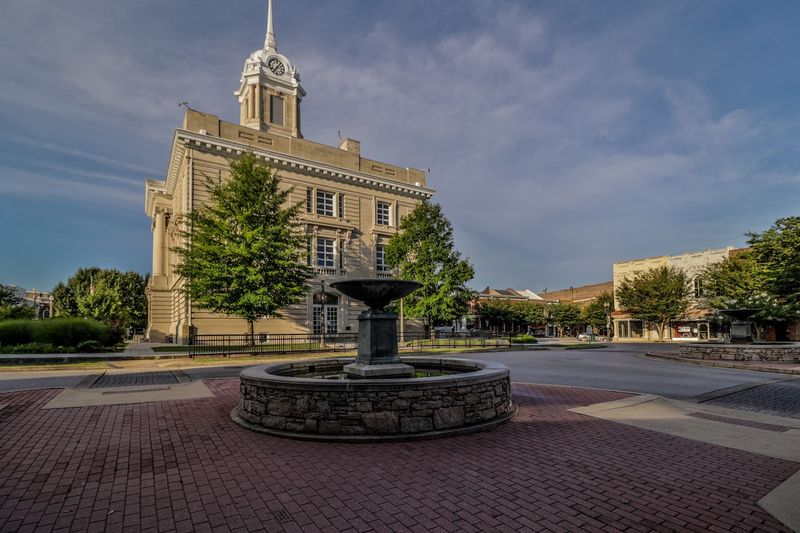
Columbia calls itself the Mule Capital of the World, a title earned through decades of mule breeding and trading that once made this Maury County seat an agricultural powerhouse. Mule Day, celebrated each April, draws crowds who come for the parade, craft fair, and old-fashioned fun that doesn’t require Wi-Fi or admission fees.
James K. Polk, the 11th President of the United States, spent his formative years in Columbia. His ancestral home stands preserved as a museum, offering insight into life in the early 1800s and the man who would lead the nation during a period of significant expansion. History enthusiasts appreciate the careful restoration and knowledgeable guides who bring the past to life.
Antebellum architecture defines much of Columbia’s historic district. These grand homes tell stories of prosperity built on agriculture and trade.
Some have been converted into businesses or bed-and-breakfasts, allowing visitors to experience their beauty firsthand. Walking tours reveal architectural details and historical context that casual observation might miss.
The town’s location along the Duck River made it a natural trading center in earlier times. Today, the river offers recreational opportunities for paddlers and anglers.
Local outfitters provide equipment and guidance for those wanting to explore the waterway that shaped Columbia’s early development.
Downtown Columbia has worked hard to revitalize its core, with mixed results. Some blocks buzz with activity while others still show vacant storefronts. New restaurants and shops bring fresh energy, but the transformation takes time and sustained effort.
The community remains committed to breathing new life into historic buildings without sacrificing their character.
Columbia exists in that in-between space, not quite small town but not quite city either. It offers more amenities than tiny rural communities but maintains a pace of life that Nashville residents find refreshingly slow.
Families choose Columbia for its schools, affordability, and proximity to larger cities without the traffic and stress that come with urban living. It’s a practical choice that doesn’t sacrifice quality of life.
9. Greeneville
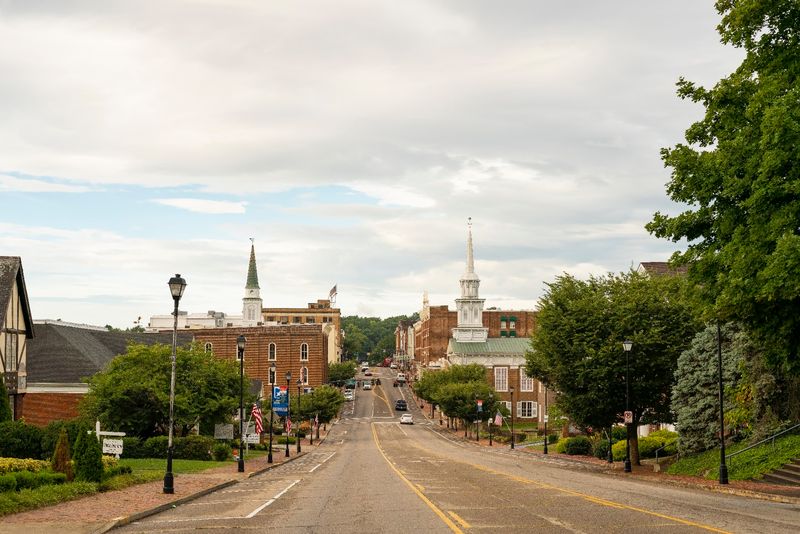
Andrew Johnson, the 17th President who assumed office after Lincoln’s assassination, called Greeneville home. His tailor shop, homestead, and burial site form a National Historic Park that preserves his legacy and provides context for one of America’s most challenging presidencies.
The town takes its presidential connection seriously, maintaining sites with care and offering programs that educate without editorializing.
Greeneville sits in Greene County, surrounded by the foothills of the Appalachian Mountains. The landscape provides a dramatic backdrop and shapes the local culture in ways both obvious and subtle.
People here maintain strong ties to mountain traditions, from music to crafts to storytelling that has been passed down through generations.
Tusculum University, one of Tennessee’s oldest colleges, adds an educational dimension to the community. The small private school focuses on civic engagement and leadership, values that align well with the town’s historical significance.
Students integrate into the community, volunteering and participating in local events.
Downtown Greeneville shows signs of revitalization efforts that have gained momentum in recent years. New businesses open alongside established ones, creating a mix of old and new that reflects the town’s evolution.
The farmers market brings fresh produce and handmade goods to residents who value local sourcing and personal connections with producers.
Manufacturing provides employment for many residents, with several large employers operating facilities in the area. This industrial base gives Greeneville economic stability that purely tourism-dependent towns lack.
The surrounding countryside offers outdoor recreation from hiking to fishing to simply driving scenic back roads that wind through valleys and over ridges. Fall foliage rivals anywhere in the state, drawing leaf-peepers who appreciate beauty without the crowds found in more famous destinations.
Greeneville embodies the resilience of small-town Tennessee. Economic challenges haven’t broken the community’s spirit. Instead, residents work together to build on their strengths while adapting to changing realities. It’s not always easy, but there’s a determination here that suggests Greeneville’s best days might still lie ahead.
10. Dandridge
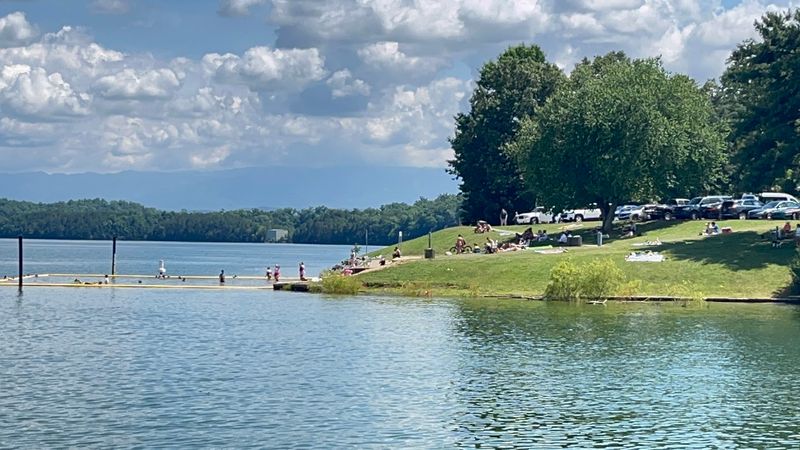
Tennessee’s second oldest town sits on the shores of Douglas Lake, a TVA reservoir that transformed the landscape when it was created in the 1940s. Dandridge adapted to the change, embracing its new identity as a lakefront community while preserving the historic character that makes it special.
The town center revolves around the Jefferson County Courthouse, a Greek Revival structure that has anchored the square since the mid-1800s. When TVA built Douglas Dam and the resulting lake threatened to submerge Dandridge, the community fought to save their town.
Engineers raised buildings and rerouted roads, a massive effort that succeeded in preserving this historic gem.
Antique shops line the streets near the courthouse, offering everything from furniture to glassware to vintage clothing. Serious collectors know Dandridge as a reliable hunting ground for quality items at fair prices.
Even browsers enjoy exploring shops where the owners actually know the history and provenance of their inventory.
Douglas Lake draws boaters and anglers year-round. The fishing is excellent, particularly for bass and crappie. Multiple marinas provide access and services, from boat rentals to guide services for those who want local expertise. Summer weekends see the lake busy with recreational boaters, but weekdays remain relatively quiet.
Dandridge maintains a slower pace that appeals to retirees and families seeking refuge from urban chaos. The cost of living is reasonable, the crime rate is low, and the community is welcoming to newcomers who respect local traditions and values.
It’s not isolated, with Knoxville less than 30 miles away for those needing big-city amenities.
Events throughout the year bring the community together, from holiday celebrations to summer concerts in the park. These gatherings aren’t tourist attractions; they’re genuine expressions of community spirit where residents connect with neighbors and maintain the social fabric that holds small towns together.
Dandridge represents Tennessee’s ability to honor the past while adapting to the present. The town could have disappeared under Douglas Lake, but instead, it survived and even thrived, proving that determination and community spirit can overcome significant challenges.
Share this story