Most people think factory tours sound boring, but Tennessee has some seriously cool spots where you can watch everything from whiskey to chocolate being made right before your eyes. These aren’t your typical school field trips with dusty machines behind ropes.
You’ll get to walk through working facilities, see real craftspeople in action, smell amazing things being created, and usually taste samples at the end. Whether you’re into cars, ice cream, or craft spirits, there’s probably a Tennessee factory tour that’ll surprise you with how entertaining it actually is.
1. Jack Daniel Distillery, Lynchburg
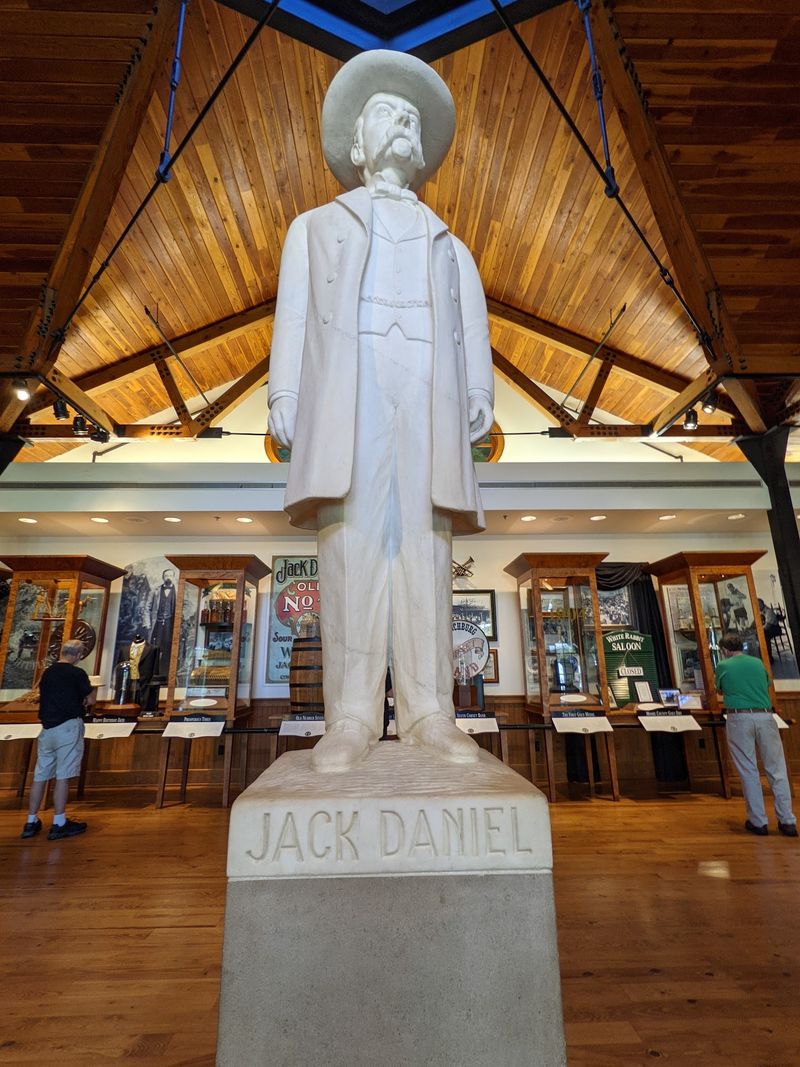
Walking into the Jack Daniel’s operation feels like stepping back in time, except everything around you is still actively making one of the world’s most famous whiskeys. The smell hits you first, a sweet, woody scent that comes from charcoal mellowing and oak barrel aging happening all around you.
Tour guides lead groups through the actual production areas where workers are making whiskey the same way they’ve done it since 1866.
You’ll see the Sugar Maple charcoal that makes Tennessee whiskey different from Kentucky bourbon. Every drop of Jack Daniel’s filters through ten feet of this charcoal before going into barrels, and watching that process happen is genuinely fascinating.
The rickhouses where thousands of barrels age are massive, creaky buildings that smell incredible and look like something from a movie set.
Lynchburg itself is a dry county, which creates the hilarious situation where the world’s biggest whiskey maker operates in a town where you can’t buy alcohol in stores. But the distillery can sell commemorative bottles at the end of tours, so you’re not completely out of luck.
The whole property spreads across a beautiful piece of Tennessee countryside with Cave Spring, the iron-free water source that’s been feeding the distillery since day one.
Tours run almost daily and range from basic walkthrough experiences to more in-depth options that include tastings and access to special areas. The guides know their stuff and tell stories that bring the history alive without making it feel like a history class.
For a place that makes millions of bottles a year, it still feels surprisingly handcrafted and personal when you see it up close.
2. Mayfield Dairy Farms Visitor Center, Athens
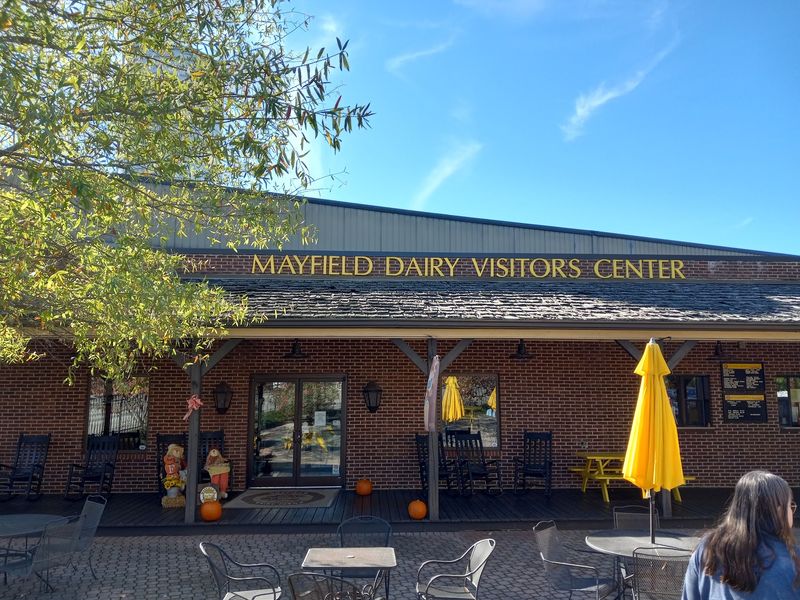
Not everything fun in Tennessee involves alcohol, and Mayfield proves that ice cream and milk can be just as entertaining to watch being made. The Athens visitor center sits right next to an actual working creamery, so the tours show you real production happening in real time.
Kids absolutely love this place, but adults get surprisingly into it too once they see the scale of modern dairy processing.
The observation windows let you watch milk moving through gleaming stainless steel equipment, getting pasteurized, bottled, and packaged at speeds that seem impossible. Then there’s the ice cream side of things, where you can see how those familiar yellow containers get filled with flavors people have been buying for generations.
The whole operation processes millions of gallons every week, turning milk from local farms into products sitting in grocery stores across the Southeast.
What makes Mayfield different from some factory tours is how accessible and welcoming they’ve made the whole experience. The visitor center doesn’t feel corporate or sterile.
It’s designed for families, with interactive displays that explain where milk comes from and how dairy farming works. And yes, there are samples, because what’s the point of touring an ice cream factory if you can’t taste the product?
The tour schedule is consistent, with regular days and times posted on their website, so you can plan ahead without guessing. Athens isn’t far from Chattanooga or Knoxville, making this an easy stop if you’re already exploring East Tennessee.
The whole visit usually takes about an hour, and you leave with a much better appreciation for the engineering and logistics behind something as simple as a gallon of milk.
3. Oliver Travel Trailers Factory, Hohenwald
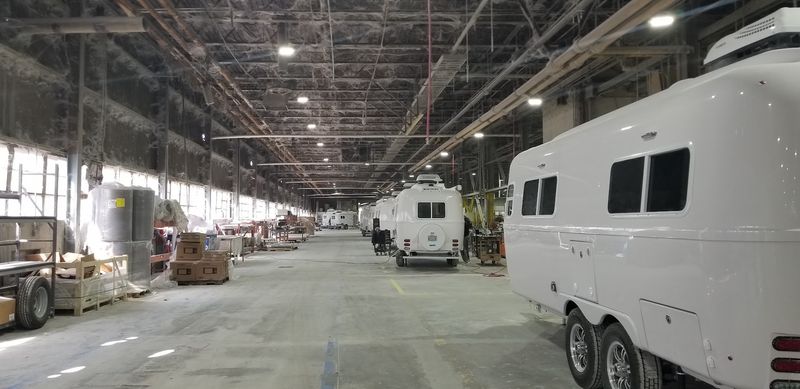
Hohenwald might not be the first place you’d expect to find a cult-favorite RV manufacturer, but Oliver has been building their distinctive fiberglass travel trailers here for years. The factory offers free tours where you can watch these rounded, retro-looking trailers take shape from empty shells to fully finished homes on wheels.
If you’ve ever been curious about how RVs are actually built, this is your chance to see it without any corporate polish or sales pressure.
The tour takes you right onto the factory floor where workers are cutting, gluing, wiring, and installing everything that goes into an Oliver. These aren’t mass-produced cookie-cutter campers. Each one gets built by hand with serious attention to detail, and you can see craftspeople doing real woodworking, upholstery, and custom installations.
The fiberglass construction method is different from most RVs, creating a seamless shell that’s supposed to last decades longer than traditional aluminum-sided trailers.
What’s refreshing is how low-key and genuine the whole experience feels. This isn’t a slick visitor center with rehearsed scripts. It’s a working factory where people are happy to show you what they do and answer questions about the process. You’ll see trailers in various stages of completion, from bare fiberglass bodies to nearly finished units ready for their new owners.
The showroom lets you walk through completed models and see all the layout options and custom features Oliver offers. Even if you’re not in the market for a $60,000 travel trailer, it’s still interesting to see the level of quality and thoughtfulness that goes into these things.
Hohenwald is a small town, so the factory tour gives you a reason to visit a part of Tennessee you might otherwise skip.
4. Olive & Sinclair Chocolate Co., Nashville
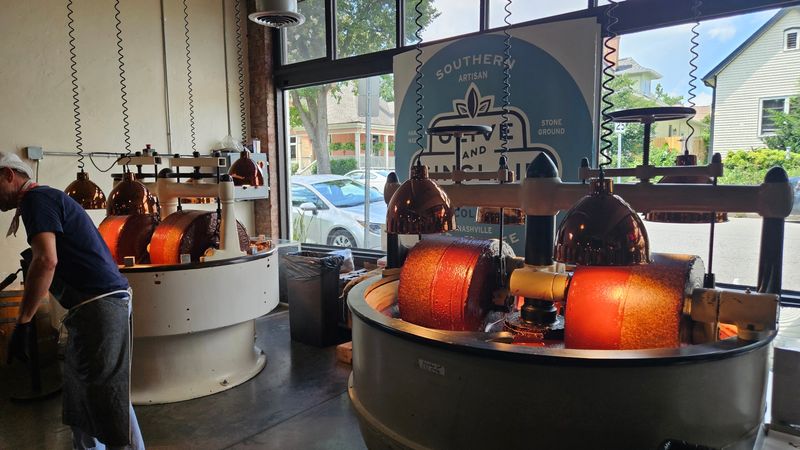
Bean-to-bar chocolate sounds fancy, but watching it happen at Olive & Sinclair makes the whole process feel accessible and genuinely cool. Saturday tours take you through Tennessee’s only small-batch chocolate factory, where antique stone mills grind cacao beans into the dark, Southern-style chocolate this Nashville company is known for.
The building smells exactly how you’d hope a chocolate factory would smell, rich and slightly sweet without being overwhelming.
The machinery itself is worth seeing. Those old stone mills came from Mexico and still do the work better than modern equipment for the style of chocolate Olive & Sinclair makes.
You’ll watch beans getting roasted, cracked, and slowly ground into liquid chocolate over hours, not minutes. The slow stone-grinding creates a grittier texture that’s intentional and different from the super-smooth European chocolates most people are used to.
Guides explain why they add brown sugar instead of white, and how Southern ingredients like bourbon and sea salt make their way into various bars. The tasting portion lets you try finished products and understand how different cacao percentages and flavor additions change the final result.
It’s educational without feeling like school, and you leave actually understanding what “bean-to-bar” means instead of just seeing it as a marketing term.
The whole operation is small enough that you can see every step of production in one tour, but professional enough that you’re watching real commercial chocolate making, not a demonstration kitchen. Nashville has plenty of food tours and tastings, but this one offers something you can’t get anywhere else in the state.
Plus, the neighborhood around the factory has other spots worth checking out, so you can easily make an afternoon of it.
5. Nissan Smyrna Vehicle Assembly Plant, Smyrna
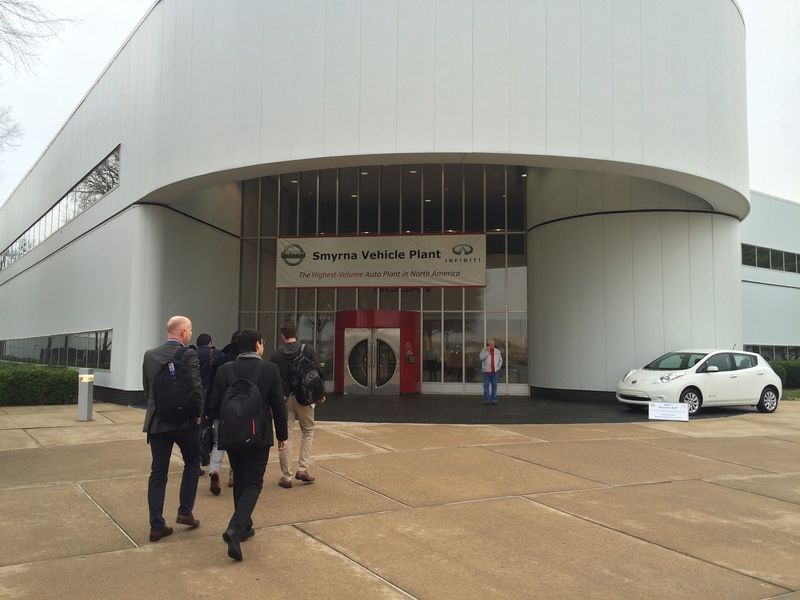
Car factories operate on a scale that’s hard to comprehend until you’re standing inside one watching it happen. The Nissan Smyrna plant is absolutely massive, one of the largest vehicle assembly operations in North America, and the tours let you walk through sections where robots and humans work together to build actual cars from start to finish.
Seeing a vehicle go from welded frame to finished product rolling off the line is the kind of thing that sticks with you.
The robotic welding stations are mesmerizing, with sparks flying as machines precisely join metal panels in choreographed sequences that happen over and over without error. Then you move to areas where human workers install engines, wire harnesses, seats, and all the components that turn a metal shell into a functioning vehicle.
The coordination required to keep everything moving smoothly is impressive, with parts arriving at exactly the right moment and workers completing their specific tasks in timed intervals.
Advance reservations are required, and there are age restrictions because this is an active production facility with real safety considerations. You’ll wear safety glasses and follow strict rules about where you can walk and what you can touch.
The tour guides are usually Nissan employees who work at the plant, so they know the operation inside out and can answer detailed questions about manufacturing processes.
The whole experience takes about two hours and covers a surprising amount of ground, both literally and in terms of what you learn about modern automotive manufacturing. Smyrna is close enough to Nashville that you can easily combine this with other activities, but the plant tour alone is worth the trip.
You’ll never look at cars the same way after watching one get built piece by piece.
6. Nearest Green Distillery, Shelbyville
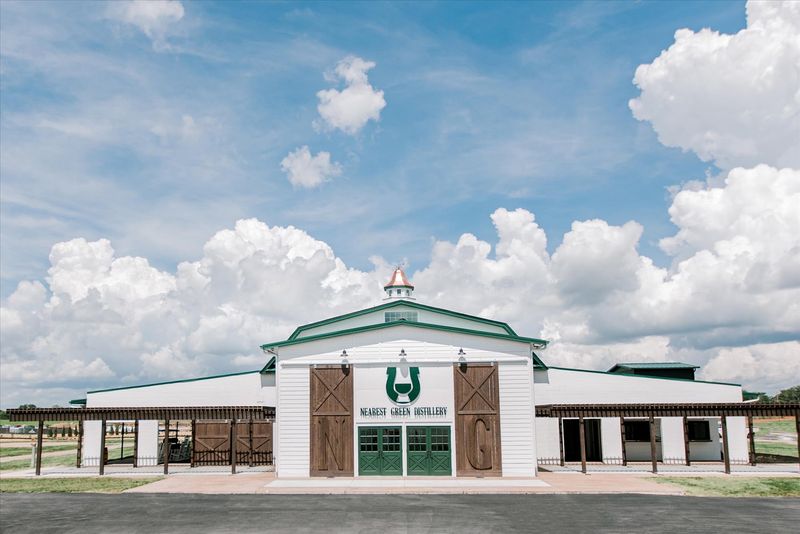
Named after Nathan “Nearest” Green, the enslaved man who taught Jack Daniel how to make whiskey, this distillery tells a story that’s been overlooked for way too long. The Shelbyville operation produces Uncle Nearest whiskey while honoring the legacy of America’s first known African American master distiller.
The tours connect history with modern craft distilling in ways that make both more interesting.
You’ll learn about Nearest Green’s role in developing the Lincoln County Process, that charcoal-mellowing technique that defines Tennessee whiskey. The distillery uses the same methods Green would have known, but in a contemporary facility designed for both production and storytelling.
Seeing how they balance historical authenticity with modern safety and efficiency standards gives you appreciation for how much work goes into craft spirits.
The tasting room showcases different expressions of Uncle Nearest whiskey, from younger spirits to well-aged premium bottles. Guides explain how barrel selection, aging location, and blending decisions affect the final flavor profile.
Even if you’re not a whiskey expert, the differences become obvious once someone walks you through what to look for and how to taste properly instead of just drinking.
Shelbyville sits in Middle Tennessee horse country, so the surrounding area has its own appeal beyond the distillery. The tours often book up on weekends, especially during peak tourist season, so planning ahead helps.
What makes this stop different from other whiskey tours is the emphasis on untold history and the people behind the product. You’re not just learning about distilling, you’re hearing stories that change how you think about Tennessee whiskey’s origins and who deserves credit for creating it.
7. Sugarlands Distilling Company, Gatlinburg
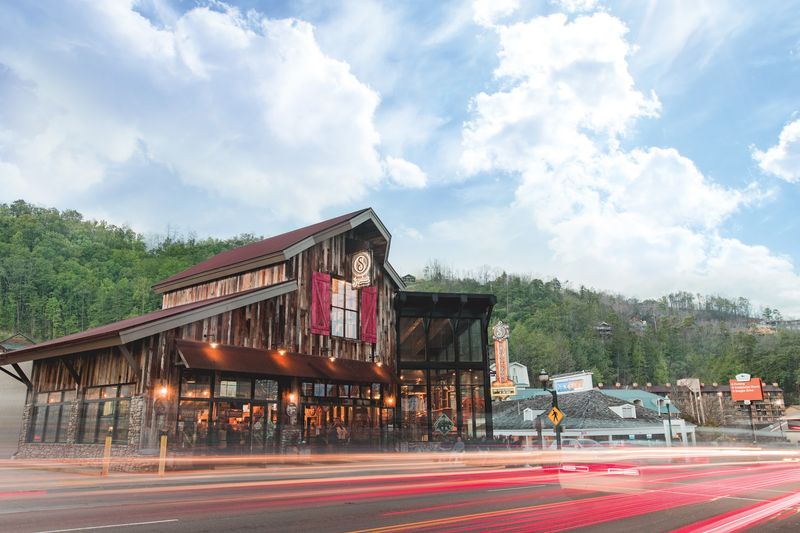
Downtown Gatlinburg gets packed with tourists, but Sugarlands manages to make their distillery feel like an actual production facility instead of just a gift shop with stills in the corner. The Still House tours take you behind the scenes where moonshine, whiskey, and flavored spirits get made using methods that connect back to Appalachian bootlegging traditions.
It’s educational and entertaining without taking itself too seriously, which fits Gatlinburg’s whole vibe perfectly.
The copper stills are beautiful pieces of equipment, and watching them work while guides explain the distillation process makes the chemistry involved actually make sense. Sugarlands produces a wild variety of flavored moonshines, from traditional corn whiskey to stuff like peanut butter and jelly or banana pudding flavors that sound weird but somehow work.
Seeing how they infuse and blend these flavors gives you respect for the experimentation and recipe development happening behind the scenes.
The tasting portion is generous, letting you sample multiple products and figure out which styles you actually like versus which ones just sound interesting. The staff knows their products well and can recommend pairings or cocktail ideas if you’re buying bottles to take home.
The whole experience feels more fun and less formal than some distillery tours, which makes sense given the moonshine heritage and tourist-town location.
Being right downtown means you can walk to Sugarlands from hotels, restaurants, and other Gatlinburg attractions without needing to drive. The tours run throughout the day, so you can fit one in between other activities without much planning.
The building itself has character, with mountain-themed decor and enough space that it doesn’t feel cramped even when busy. For a town with several distilleries competing for attention, Sugarlands does a good job standing out with quality product and genuine hospitality.
8. Ole Smoky Distillery The Holler, Gatlinburg
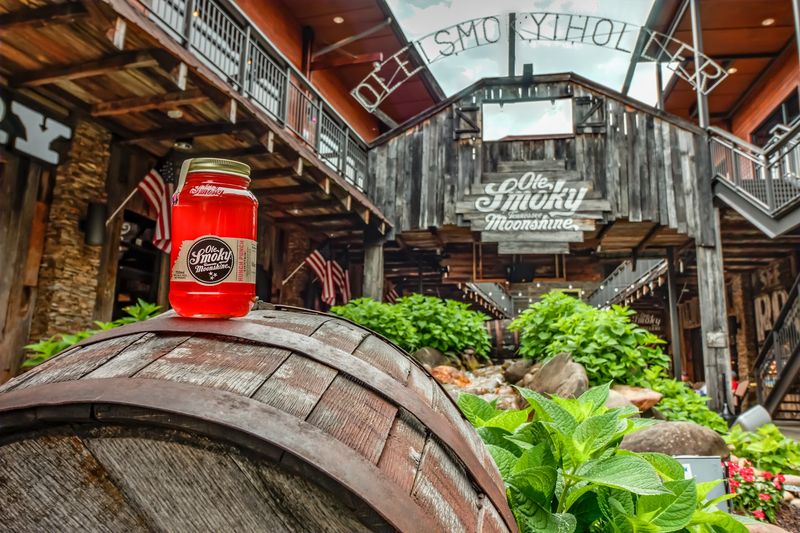
Ole Smoky helped kick off the whole legal moonshine boom in Tennessee, and their original Gatlinburg location, The Holler, still feels like the heart of the operation. The atmosphere leans into the mountain moonshine heritage with rustic decor, live music, and a party vibe that makes it clear this isn’t your quiet, contemplative whiskey experience.
If you want to see where Tennessee’s craft spirits revival really took off, this is the spot.
The production area shows off traditional pot stills making corn whiskey the way mountain distillers have done it for generations, just legally now with proper permits and safety equipment. You’ll learn about Prohibition-era moonshining, how recipes got passed down through families, and why East Tennessee became such a hotbed for illegal distilling.
The history is fascinating, especially when you realize how recent the legal changes are that allowed places like Ole Smoky to operate openly.
Sampling happens at the bar where you can try everything from traditional white lightning to fruit-flavored moonshines that taste nothing like the harsh liquor most people imagine. The blackberry, apple pie, and strawberry versions are surprisingly smooth and have turned plenty of whiskey skeptics into moonshine fans.
Staff members pour generously and keep the energy high, so the whole experience feels more like a party than a formal tasting.
The downtown location means you’re in the thick of Gatlinburg’s action, surrounded by other attractions, restaurants, and shops. The Holler gets crowded, especially on weekends and during peak seasons, but that’s part of the experience.
Live music and the social atmosphere make it easy to hang out longer than you planned. Whether you’re a spirits enthusiast or just curious about Tennessee moonshine culture, Ole Smoky delivers exactly what you’d hope for in a Smoky Mountain distillery visit.
9. George Dickel Cascade Hollow Distilling Co., Tullahoma
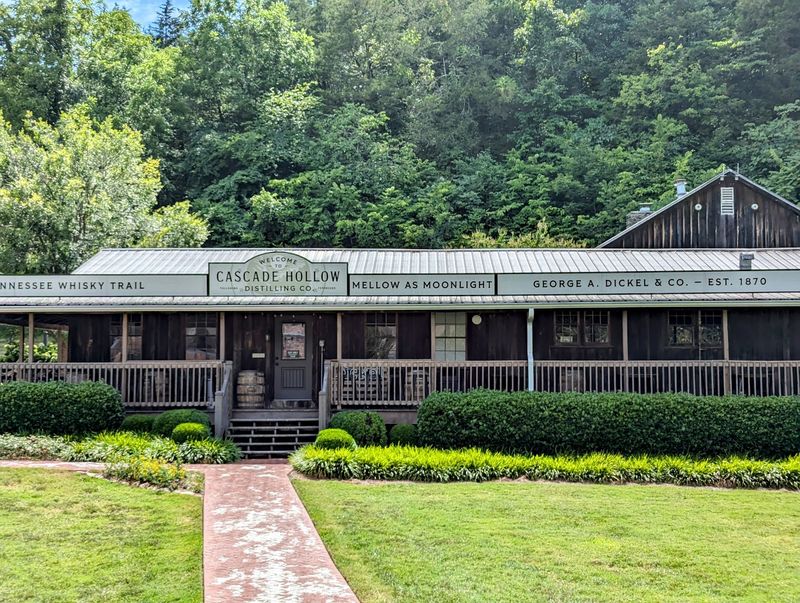
George Dickel operates in the shadow of bigger Tennessee whiskey names, but that actually works in visitors’ favor because the Cascade Hollow tours feel more intimate and less crowded than some alternatives. The distillery sits in a beautiful hollow outside Tullahoma, surrounded by trees and the kind of Tennessee countryside that makes you understand why people built distilleries out here in the first place.
The natural spring water that feeds production comes right from the property.
Tours walk you through the working distillery where Dickel’s distinctive whisky gets made using the charcoal-mellowing process that defines Tennessee spirits. The company spells it “whisky” without the “e,” following Scottish tradition, which reflects founder George Dickel’s belief that his product rivaled Scotch in quality.
That attention to detail carries through the whole operation, from grain selection to barrel aging to final bottling.
The sights and smells of active whisky production surround you as guides explain each step, from cooking mashed grains to distillation to the mellowing process through sugar maple charcoal. The barrel warehouses hold thousands of aging barrels, and the temperature and humidity differences between warehouse locations affect how the whisky develops over years.
Understanding these variables helps explain why no two barrels taste exactly the same even when they start with identical recipes.
Tastings let you compare different Dickel expressions and understand how age, barrel selection, and proof levels change the drinking experience. The guides know their stuff without being snobby about it, making the technical aspects accessible even if you’re new to whiskey.
The rural location means you’re making a specific trip to get here, but that isolation is part of what makes Cascade Hollow special. It feels like discovering something off the beaten path even though it’s been operating since 1870.
10. Old Dominick Distillery, Memphis
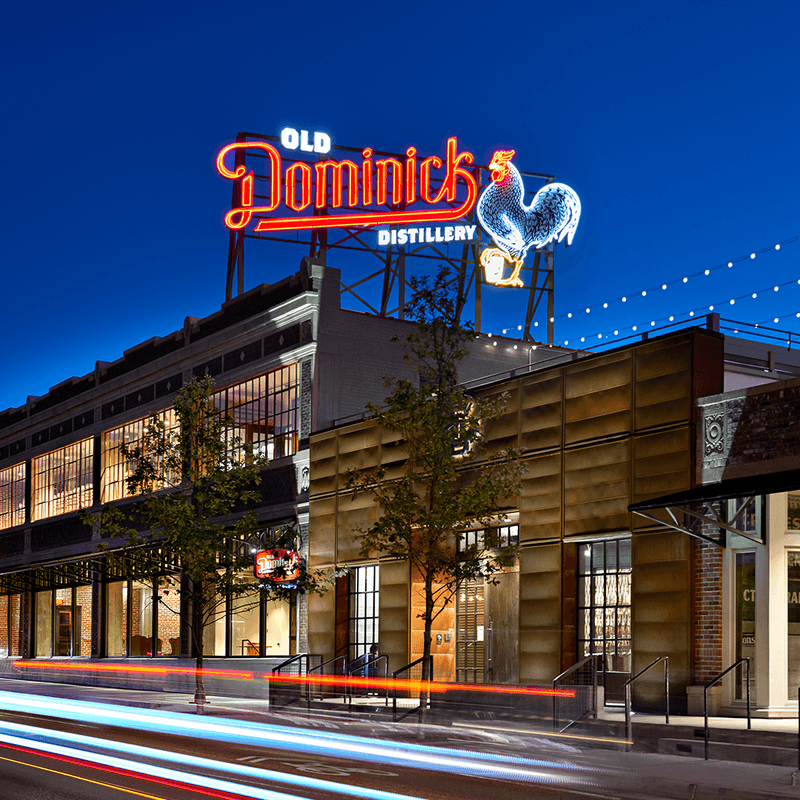
Memphis finally has a distillery that matches the city’s reputation for music and culture, and Old Dominick brings some much-needed West Tennessee representation to the state’s spirits scene. The downtown location in a beautifully renovated building feels very Memphis, blending industrial history with modern craft production.
Tours cover the whole process from grain delivery to bottling, with a focus on how they’re making spirits that reflect the city’s character.
The production equipment gleams under industrial lighting as guides walk you through mashing, fermentation, distillation, and aging. Old Dominick makes whiskey, vodka, and gin, so you get to see how different spirits require different approaches and equipment.
The barrel aging happens right in the building, and guides explain how Memphis’s climate affects maturation differently than distilleries in other parts of Tennessee.
The behind-the-scenes access feels genuine, with opportunities to see areas where actual work happens rather than just polished showrooms. You’ll learn about the Dominick family’s pre-Prohibition distilling history in Memphis and how the modern operation revived recipes and techniques from that era.
The connection between past and present makes the tour more meaningful than just watching industrial processes.
Tastings happen in a stylish room that feels like it belongs in Memphis, with good music and an atmosphere that encourages hanging out rather than rushing through. The spirits themselves are well-made, with the whiskey showing real promise even at relatively young ages.
Being downtown means you can combine the distillery visit with Beale Street, barbecue, and all the other Memphis experiences that bring people to the city. The tour adds a production and craft angle to a Memphis trip that’s usually focused on music and food.
11. Chattanooga Whiskey Experimental Distillery, Chattanooga
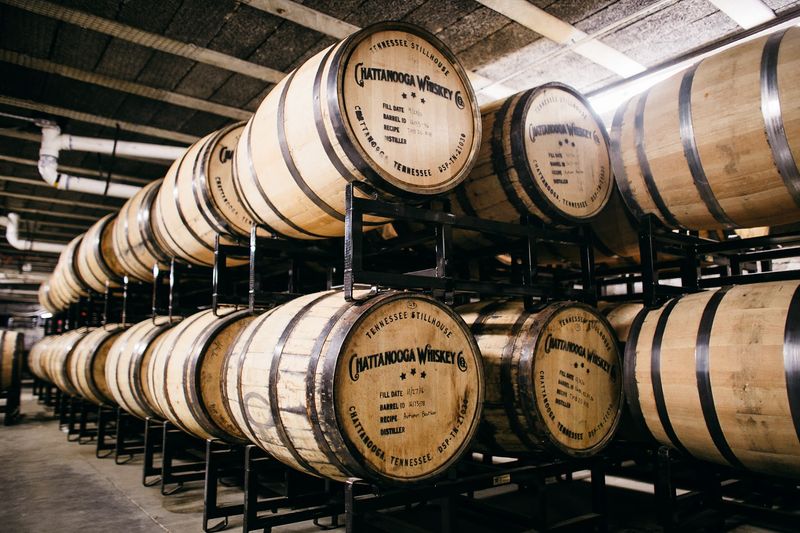
Most distilleries show you their standard production process, but Chattanooga Whiskey’s Experimental Distillery is literally where they test new ideas and push boundaries. The one-hour guided experience takes you through a working facility where small batches and experimental recipes get developed before possibly becoming full production releases.
If you’re interested in the creative side of distilling rather than just the manufacturing, this is your spot.
The production area is smaller and more hands-on than big commercial operations, letting you see how craft distillers actually work when they’re developing recipes. You’ll learn about grain bills, yeast strains, barrel char levels, and all the variables that affect final flavor.
The experimental barrels in the aging cellar include unusual wood types, different toast levels, and finishing experiments that might sound crazy but sometimes produce amazing results.
Guides explain the thinking behind various experiments and which ones worked versus which ones failed spectacularly. That honesty about the trial-and-error process makes the whole thing more interesting than tours that only showcase successes.
You get a real sense of how much testing and tasting goes into developing a new whiskey expression that’s good enough to release commercially.
The tasting portion includes current releases plus sometimes experimental pours that aren’t available anywhere else. Being able to try whiskeys that might never make it to market gives the experience a special behind-the-scenes quality.
The staff clearly loves what they do and enjoys sharing the creative process with visitors who appreciate the craft.
Downtown Chattanooga has plenty of other attractions within walking distance, from the riverfront to restaurants to the Tennessee Aquarium. The distillery fits naturally into a day of exploring the city while offering something more unique than typical tourist activities.
For whiskey enthusiasts, this is probably the most interesting distillery tour in Tennessee from a production and innovation standpoint.
12. Leiper’s Fork Distillery, Franklin
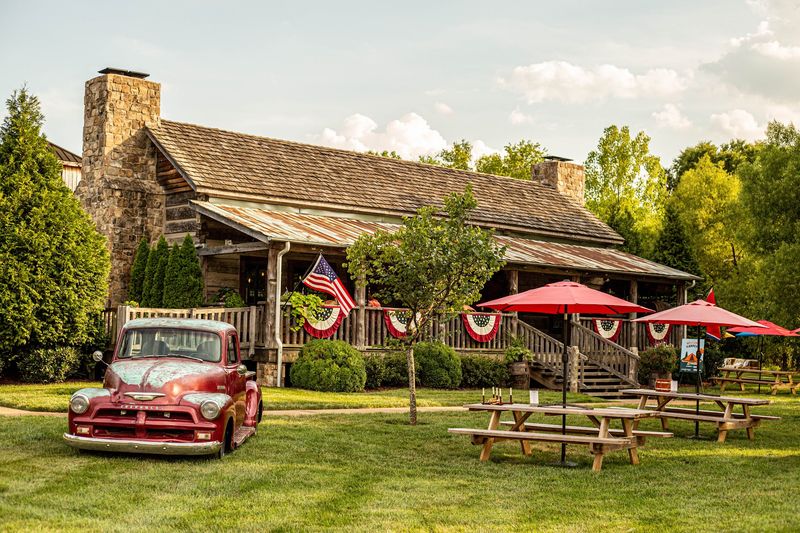
Franklin sits just outside Nashville, but Leiper’s Fork feels worlds away from the city with its rural roads and small-town atmosphere. The distillery operates in this quieter setting, producing small-batch Tennessee whiskey in a facility that emphasizes quality and craftsmanship over volume.
Tours and tastings happen at the property where you can see production up close and understand what “small-batch” actually means when it’s not just marketing language.
The scale of operation is noticeably smaller than big commercial distilleries, which means you can watch individual batches being made and follow whiskey through every production step without walking miles through massive facilities. The distillers are often on-site and happy to talk about their work, answering questions about recipe choices, barrel selection, and aging decisions.
That direct access to the people making the whiskey creates a more personal experience than scripted corporate tours.
The rural Franklin property has character, with buildings and grounds that reflect the area’s agricultural heritage. Tasting happens in a relaxed setting where you’re encouraged to take your time and really evaluate what you’re drinking rather than just sampling and moving on.
Staff members can explain tasting notes and production details without making you feel stupid if you don’t have an advanced whiskey vocabulary.
The whiskey itself shows the care that goes into small-batch production, with flavor profiles that reflect thoughtful decisions about grains, distillation, and aging. Even if you’re used to bigger-name Tennessee whiskeys, Leiper’s Fork offers something different enough to be worth seeking out.
The distillery’s location gives you a reason to explore the Franklin area beyond the main downtown, discovering back roads and countryside that many visitors miss. Tours require booking ahead, so this isn’t a spur-of-the-moment stop, but that advance planning ensures you get good attention and aren’t lost in a crowd of tourists.
Share this story