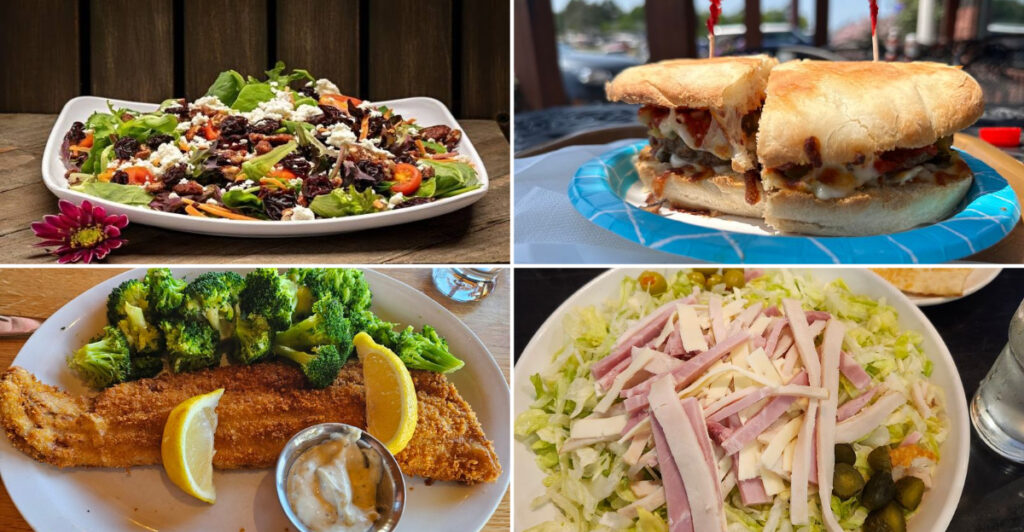
Michigan food traditions feel strongest when simple meals become part of a hometown story. Across the state, certain dishes carry pride, memory, family habits, and plenty of friendly debate over who makes them best.
From Upper Peninsula comfort food to Detroit classics and beloved recipes passed around kitchen tables, these favorites show how local flavor can become something people know by heart. The appeal is not only in the ingredients, but in the little tricks, strong opinions, and memories that make each plate feel personal.
For anyone curious about the foods Michiganders keep coming back to, these recipes offer a delicious place to start.
1. Cudighi

One bite in, and cudighi makes it clear that plain sausage has no chance of stealing the spotlight. This Upper Peninsula favorite is bold, loose, savory, and usually tucked into a roll with sauce, onions, or melty cheese.
Families that make it at home often treat the seasoning blend like private treasure, because a tiny shift in spice can change the whole sandwich.
Cudighi is often described as an Italian sausage, but that label only tells part of the story. The real charm comes from balance.
Fennel may show up, but so can cinnamon, nutmeg, clove, or other warm notes that give it a deeper taste than standard grill sausage. Some cooks keep it mild and meaty, while others push it toward peppery heat.
Either way, the texture matters just as much as flavor. It should stay juicy, not dry or crumbly, and the bread should hold everything together without getting soggy.
At home, a good approach is to focus on layers instead of piling on too much. Toasting the roll helps, and gently cooking onions adds sweetness without taking over.
Cheese can soften the edges of the spice, while a simple red sauce gives the sandwich extra comfort. A side of chips or pickles keeps the meal easy and classic.
Plenty of Michigan families have their own version, and that is where the mystery lives. One household adds more garlic.
Another swears by a softer bun. Someone else insists the pan needs a splash of water near the end.
None of those tweaks seem huge on paper, yet together they turn cudighi from good into the kind of sandwich people talk about all week.
2. Bumpy Cake

Few desserts look as playful as bumpy cake, but nobody laughs once the first forkful disappears. The name comes from the lines of buttercream that sit on top of the cake before everything gets covered in a thick layer of chocolate frosting.
That mix of fluffy filling, soft cake, and fudgy coating is exactly why so many Michigan families keep their favorite version close.
The basic idea sounds simple enough. Start with a rich chocolate cake, add rows of creamy filling, then spread chocolate icing over the whole thing.
Still, every part can go right or wrong. Some families want the cake extra dark and deep, while others like it lighter and softer.
The filling can be sweet and airy or dense and buttery. Even the frosting starts arguments.
One kitchen prefers a shiny ganache style finish, while another leans toward an old-school cooked frosting with a thicker bite.
Serving bumpy cake well is half the fun. Chill it just enough so the frosting sets, then let it warm slightly before slicing.
That helps each piece hold its shape without turning stiff. A small slice often does the job, since the flavor is rich from top to bottom.
Cold milk or hot coffee works nicely alongside it, depending on the season and the crowd.
For home bakers, the trick is patience. Let the cake cool fully before adding the cream lines, and avoid rushing the frosting.
If it is too warm, the whole top can slide. If it is too cool, it will not spread smoothly.
Maybe that is why some family recipes stay secret. With bumpy cake, tiny steps matter, and one quiet little method can make the whole dessert unforgettable.
3. U.P. Pasties
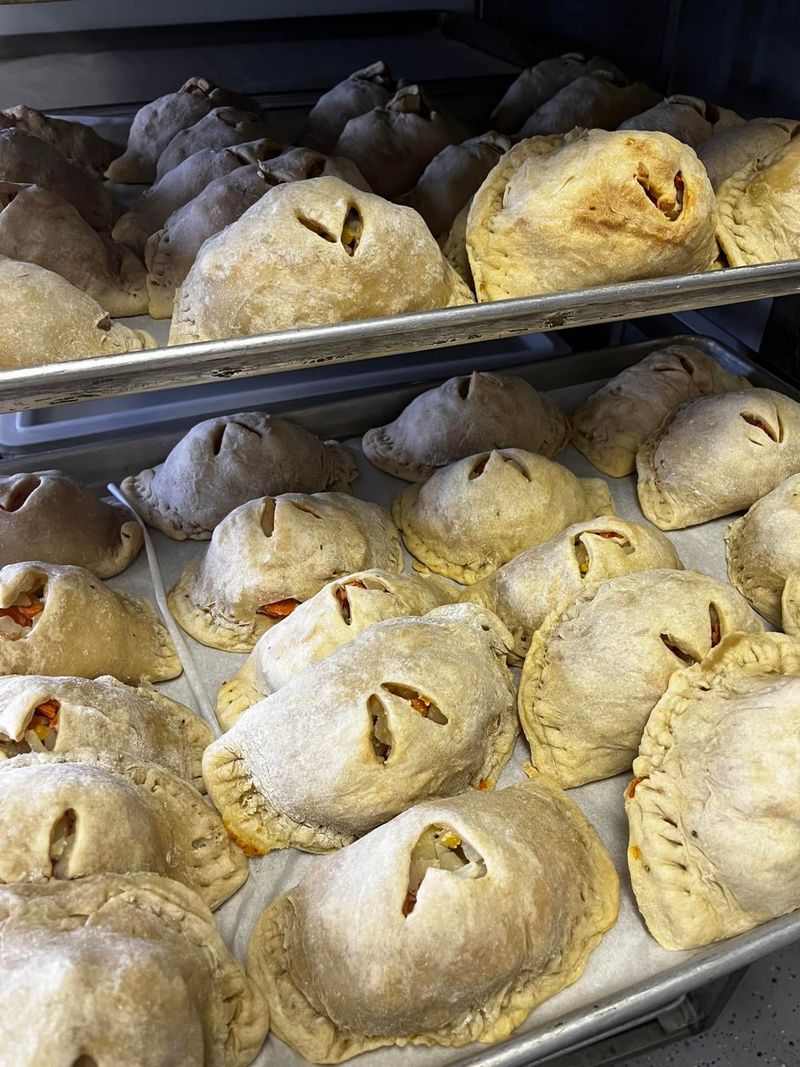
Cold weather meals do not get much more practical than a warm pasty fresh from the oven. In Michigan’s Upper Peninsula, this hand pie has fed workers, families, and hungry road trippers for generations.
The outside looks plain, but inside sits a sturdy filling that turns a few humble ingredients into serious comfort.
Most classic U.P. pasties include beef, potato, onion, and rutabaga wrapped in a firm pastry crust. That sounds straightforward, yet families can debate every detail.
Some chop the vegetables small so they melt together while baking. Others keep bigger chunks for a heartier bite.
One recipe may use more rutabaga for a peppery edge, while another eases back and lets the beef lead. The crust also starts plenty of discussion.
It should be strong enough to hold the filling but still tender when cut open. A soggy bottom or dry shell can ruin the whole thing.
At the table, toppings become another local argument. Plenty of people go with gravy, while others insist ketchup is the right move.
Some eat a pasty plain and let the filling speak for itself. However it is served, the best approach is not to overstuff it.
A balanced filling cooks more evenly and keeps the crust from breaking.
Home cooks who want a better result often chill the dough before rolling and avoid adding too much liquid to the meat and vegetable mix. Steam from the filling should do a lot of the work during baking.
That helps the inside stay moist without turning soupy. Maybe that is why the best family recipes stay guarded.
A pasty is built from common ingredients, but knowing exactly how to cut, season, crimp, and bake them is where household pride really steps in.
4. Wigley’s Corned Beef

Ask around Detroit about great corned beef, and the conversation gets serious fast. Wigley’s name carries major local weight, and for good reason.
Tender slices, strong seasoning, and the right bread can turn a sandwich into the kind of lunch people defend like a hometown sports team.
Corned beef works because it balances salt, spice, and texture without trying too hard. A good version should be flavorful but not harsh, soft but not falling apart, and stacked in a way that still lets the rye bread do its job.
Families inspired by this Detroit favorite often have their own methods for warming the meat, choosing mustard, or building the sandwich so it stays neat enough to eat. Some like it piled extra high, while others think too much meat ruins the rhythm of bread, beef, and bite.
The little choices matter here. Fresh rye adds character with its slight tang and sturdy crumb.
Yellow mustard keeps things sharp and simple, while deli mustard can bring more punch. A pickle on the side cuts through the richness and wakes everything up.
If Swiss cheese gets involved, it should support the beef, not smother it. The best sandwich still lets the meat lead.
At home, one useful tip is to warm corned beef gently instead of blasting it with heat. That helps it stay moist and easy to chew.
Thin slicing also changes everything, creating tender layers instead of heavy slabs. Some households add a splash of broth or keep the meat covered while heating to protect the texture.
That is the kind of small move families rarely write down. With corned beef, the difference between decent and outstanding often comes from quiet habits learned in kitchens where lunch is not rushed and standards stay high.
5. Michigan Salad
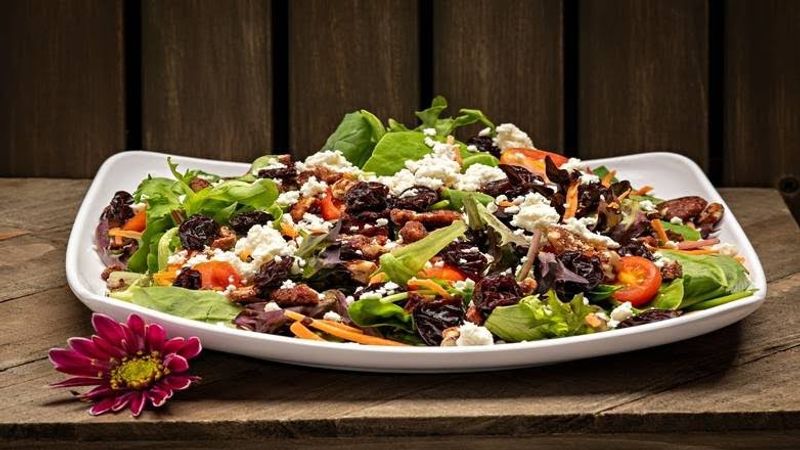
Not every secret family recipe comes wrapped in pastry or covered in frosting. Michigan salad proves that a fresh bowl of greens can carry just as much local pride when the ingredients are chosen with care.
Sweet fruit, crunchy nuts, sharp cheese, and a bright dressing give it a mix of flavors that lands somewhere between everyday lunch and special-occasion side dish.
There is no single version that rules them all, which is part of the charm. Dried cherries often take center stage, and that makes sense in a state known for fruit.
Apples show up often too, bringing crisp texture and extra sweetness. Blue cheese adds a salty bite, while pecans or walnuts handle the crunch.
Some families toss in red onion for a little zip. Others skip it and let the fruit carry the contrast.
The dressing can lean tart, sweet, or lightly creamy, depending on the crowd at the table.
A smart way to build Michigan salad is to think in layers. Start with sturdy greens that can hold dressing without wilting right away.
Add fruit and nuts just before serving so they keep their texture. Crumbled cheese should be spread around, not dumped in one spot.
The goal is a forkful with a bit of everything, not a bowl where one ingredient takes over.
Home cooks often guard their dressing ratios most of all. A little extra vinegar can sharpen the whole salad, while too much sweetness can flatten it.
Some use cherry juice in the vinaigrette. Others prefer apple cider notes.
Even the choice between dried cherries and fresh slices changes the mood. That is why this salad earns a place beside bigger Michigan classics.
It may look light and simple, but the best versions show careful thinking in every handful.
6. Fried Walleye
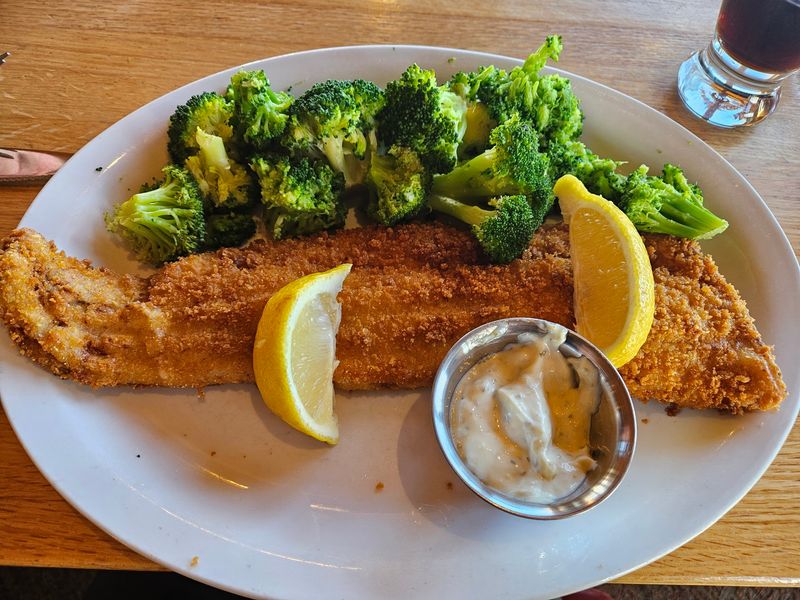
Fresh fried walleye has a way of quieting a table after the first bite. The fish is mild, flaky, and tender, so it does not need much fuss to taste great.
Still, plenty of Michigan families have a favorite way to bread, season, and fry it, and those methods are often treated like prized property.
Walleye shines when the coating stays crisp and light. A heavy crust can bury the fish, while too little breading leaves it pale and forgettable.
Some cooks use seasoned flour only. Others build a fuller crust with cornmeal, crackers, or breadcrumbs.
The seasoning can stay simple with salt and pepper, or it can lean toward paprika, garlic, or a pinch of cayenne. Timing matters too.
Walleye cooks quickly, and an extra minute in hot oil can push it from tender to dry.
At the table, the sides help complete the plate without stealing attention. Lemon wakes up the flavor.
Tartar sauce adds cool richness if used with a light hand. Coleslaw, fries, or roasted potatoes keep the meal classic.
A slice of rye bread or a stack of saltines gives it that old-school fish fry feel many people love.
For home cooks, one useful tip is to dry the fillets well before breading. Moisture makes coating slip and oil spit, and nobody wants either.
Another smart move is keeping the oil at a steady temperature so the crust browns evenly instead of soaking up grease. Some family recipes call for a rest after breading so the coating sticks better.
Others swear by a cast iron pan over a deep fryer. Those little choices explain the loyalty.
Fried walleye seems simple, but the best versions depend on restraint, timing, and a cook who knows when to stop messing with a very good fish.
7. Mackinac Island Fudge
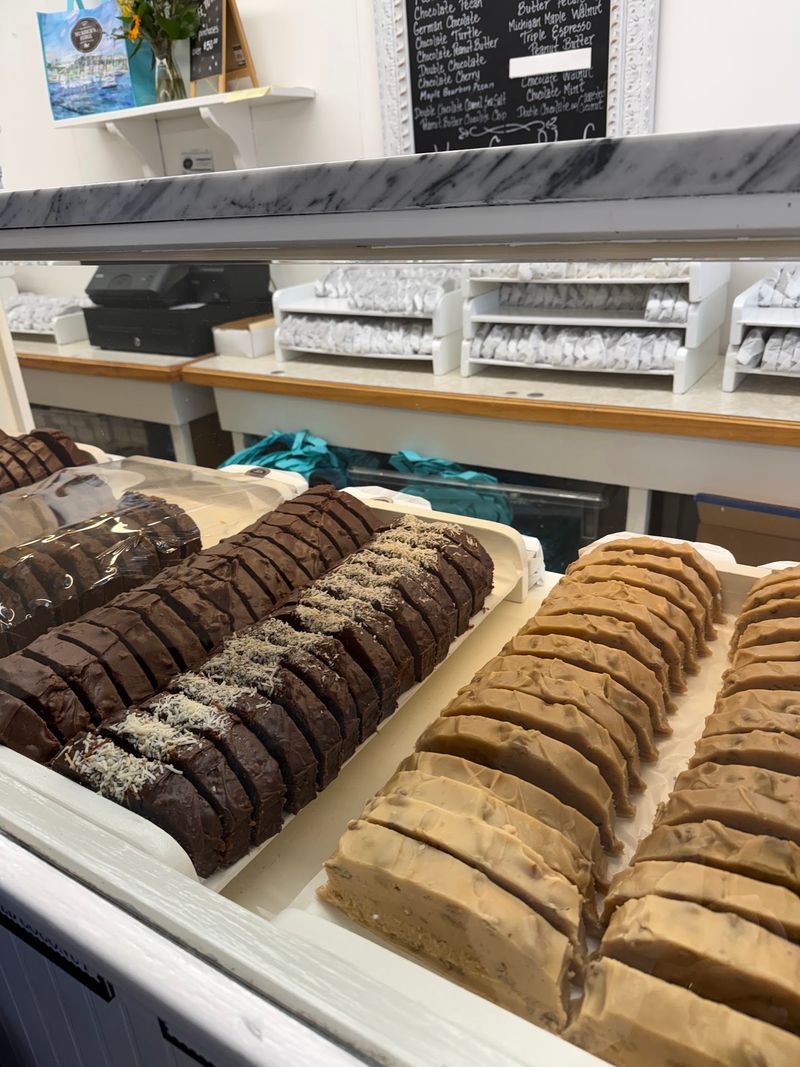
Sweet shops have made Mackinac Island fudge famous, but families across Michigan have their own ideas about how it should taste and set. Good fudge is rich without being grainy, firm without turning hard, and sweet without crossing into overload.
Getting all that right sounds easy until a batch ends up dull, crumbly, or sticky.
Classic flavors like chocolate, vanilla, and maple tend to lead the pack, though plenty of kitchens branch out with nuts or swirls. The real challenge is texture.
Fudge depends on careful heating, cooling, and beating, and those steps can make people protective of their method. One family may swear by a heavy saucepan and patient stirring.
Another insists the mixture must cool to a certain point before it is worked. Even a slight change can affect the final bite.
That is why handwritten candy recipes often carry notes in the margins and warnings not to rush.
Serving fudge is simple, but portion size matters. Small squares usually do the trick because the flavor is concentrated.
Packed in a tin or arranged on a tray, it works for holidays, gifts, or a weekend treat with coffee. Slices that look neat and glossy usually signal a batch that was handled with care.
Anyone making fudge at home benefits from planning ahead and keeping distractions away. Candy does not reward guesswork.
Use a reliable thermometer if the recipe calls for one, line the pan before pouring, and avoid humid conditions when possible. Some cooks add butter at a certain stage for a smoother finish.
Others trust an older cool-and-beat routine. That tiny stretch between liquid and set is where experience shows up.
Mackinac Island style fudge has a big reputation, but the family versions often feel even more impressive because they depend on precision, patience, and nerves that do not quit halfway through the pot.
8. Hudson’s Maurice Salad
Some salads are built for health. Maurice salad was built for loyalty.
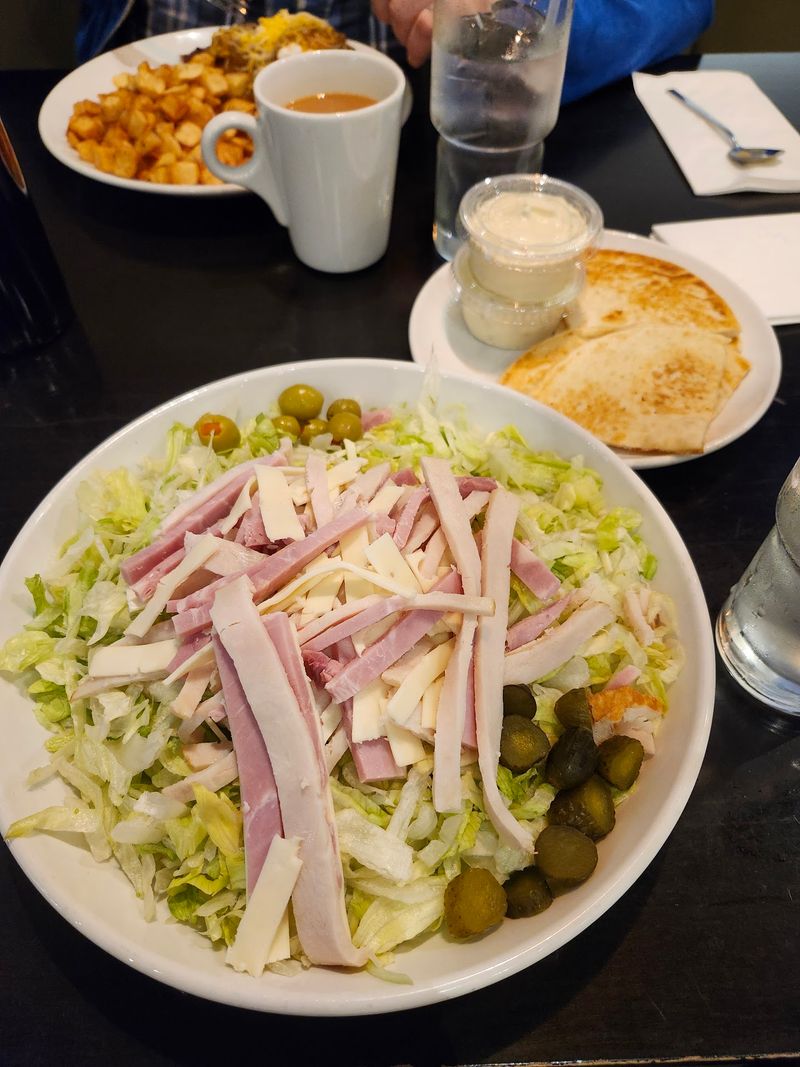
Long linked with Detroit dining tradition, it mixes chopped meats, cheese, olives, and lettuce with a creamy dressing that turns lunch into a full event. Families who recreate it at home often guard the dressing most of all, because that is where the personality lives.
The salad usually brings together julienned ham, turkey, Swiss cheese, lettuce, and sliced olives. Sweet pickles or pimentos can enter the picture too, depending on the recipe.
Each ingredient has a clear job. The meats make it filling, the cheese adds richness, and the olives cut through with a salty edge.
The dressing ties everything together with a slightly sweet, tangy finish that stands apart from ordinary ranch or vinaigrette. It needs to coat the ingredients without drowning them.
Presentation matters more here than in many home salads. Thin strips create the familiar look and help each bite include a little of everything.
Chilled lettuce keeps the whole dish crisp. A scattering of olives on top can make it look sharp without extra work.
Served with crackers or a simple roll, Maurice salad fits lunch, brunch, or a light supper.
Home cooks usually discover that balance is the real secret. Too much dressing makes the meats heavy.
Too little leaves the bowl tasting dry and plain. Some family recipes add a bit more mustard.
Others push the sweetness just a notch. The exact cut of ham or turkey can change things as well.
Even the olive choice matters. Green olives bring a different tone than black ones.
That is probably why people talk about their favorite Maurice salad with such certainty. On paper it is just a chopped salad.
In practice, the right version lands with the confidence of a main dish.
9. Detroit-Style Pizza
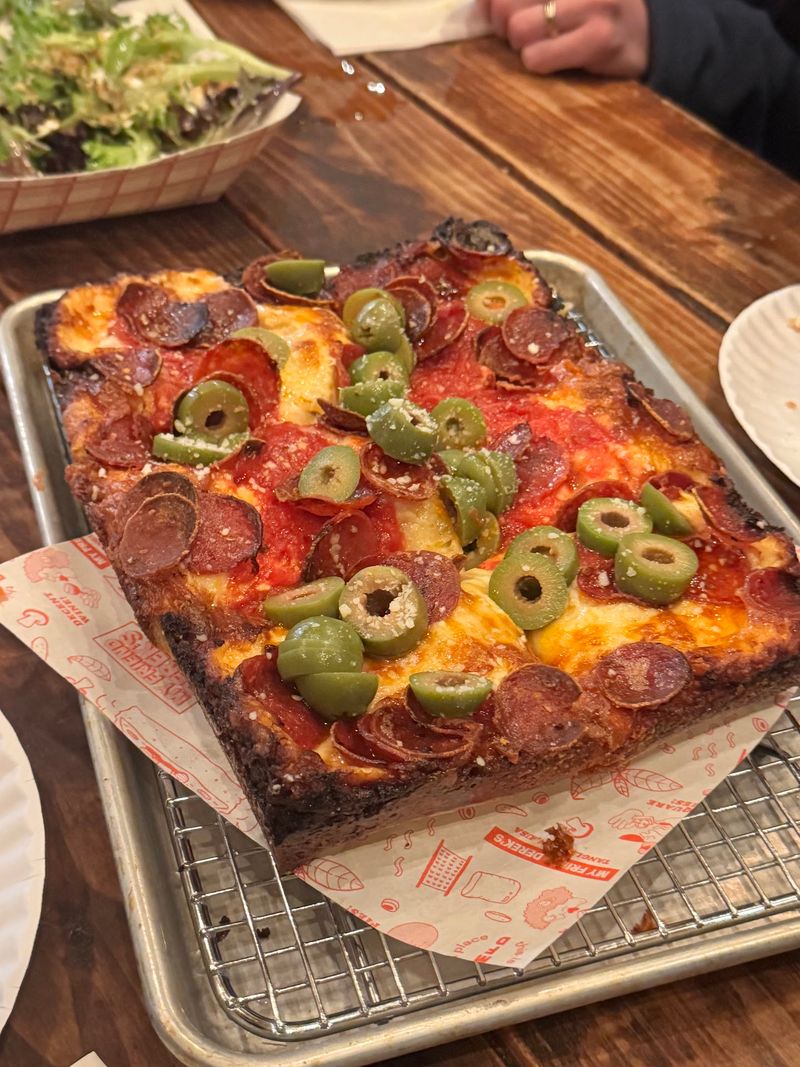
Square slices, crispy corners, and sauce on top tell the whole story before the first bite even lands. Detroit-style pizza does not try to copy New York or Chicago.
It has its own rules, and locals notice right away when someone gets them wrong. That is one reason home recipes can turn into family property.
The crust should be thick but airy, with enough chew to stay satisfying and enough crunch along the edge to make the corner pieces highly competitive. Cheese usually runs right to the pan, where it browns into those dark, lacy edges people chase first.
Sauce often goes on top in bold stripes, protecting the crust and giving every slice a bright finish. Pepperoni may sit above or below the cheese, and both choices have loyal defenders.
Some families want a deeply caramelized edge, while others prefer a gentler crispness with more focus on the dough.
Good Detroit-style pizza depends heavily on the pan and dough handling. A well-oiled pan helps create the signature crust, and a wetter dough often gives the interior its light structure.
Stretching it carefully matters. Smashing it flat can knock out the air that makes the crumb special.
The sauce should taste lively and seasoned, not heavy or sugary.
At home, patience helps more than fancy toppings. Letting the dough rise properly gives it strength and softness.
Using brick-style cheese or a mix that melts well can improve the edge. A final spooning of sauce after baking keeps the top fresh and bold.
Some family recipes insist on exact pan timing. Others have strong opinions about layering pepperoni under the cheese so the flavor sinks into the crust.
Those details may sound small, but they shape the whole pie. That is why the best Detroit-style pizza recipes are often shared carefully, and only with people expected to respect the pan.
10. Great Lakes Whitefish Chowder
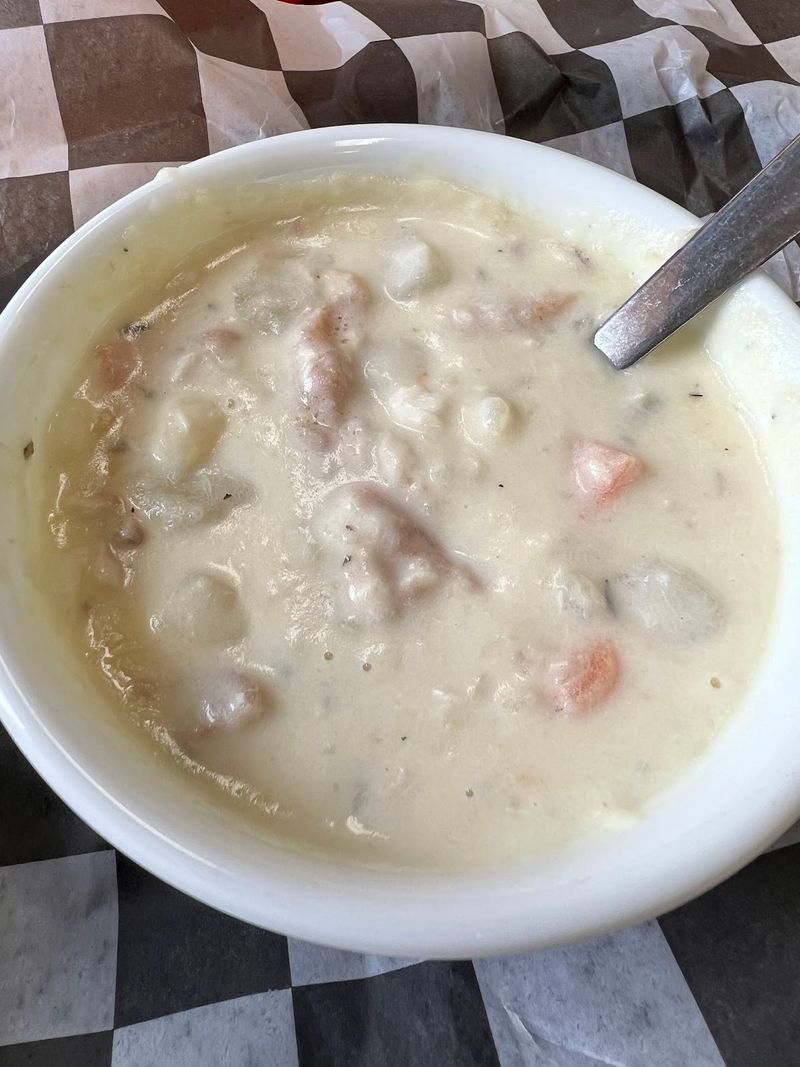
A bowl of whitefish chowder can taste both sturdy and refined at the same time. Great Lakes whitefish is delicate, so the soup has to support it without burying it.
That balancing act is exactly why family versions earn such devotion across Michigan kitchens.
Most whitefish chowders start with a base of onion, celery, potato, and broth or milk, but the mood changes fast depending on the cook. Some go creamy and rich.
Others keep the broth lighter so the fish stands out more clearly. Herbs can stay quiet with parsley and thyme, or the seasoning can drift toward smoky bacon and black pepper.
The fish should hold its shape in soft flakes, not break down into mush. Potatoes need to be tender but not falling apart.
Every spoonful should feel full without becoming too thick.
Serving chowder well is partly about restraint. Oyster crackers, crusty bread, or a simple salad on the side are enough.
Extra cheese or heavy toppings can crowd the bowl and pull attention away from the fish. A squeeze of lemon or a scatter of fresh herbs can brighten the finish if the chowder tastes too rich.
For home cooks, timing is the key lesson. Whitefish should go in near the end so it cooks gently in the hot liquid.
Boiling it too long can toughen the texture and cloud the flavor. Some family recipes begin with rendered bacon for depth, while others rely on butter and vegetables alone for a cleaner profile.
A few use corn for sweetness, though not everyone agrees with that move. The best versions usually show a careful hand instead of a loud one.
Great Lakes whitefish chowder works best when each ingredient knows its place, and the cook understands that the star of the pot does not need much help to impress.
11. Boston Cooler

Some Michigan favorites are less about cooking and more about getting the combination exactly right. The Boston Cooler proves it.
Built from ginger ale and vanilla ice cream, it sounds almost too simple to deserve a reputation, yet locals know the wrong ratio can ruin the whole thing.
Vernors often stands at the center of the conversation because its strong ginger flavor gives the drink its snap. Vanilla ice cream smooths that sharp edge and turns the fizz into a creamy float.
The result should be cold, foamy, and easy to sip, with enough spice to stay lively. Too much soda makes it thin.
Too much ice cream turns it heavy and spoon-only. Families that make them often have a preferred glass, a favorite brand of ice cream, and a firm opinion on whether the drink should be stirred gently or left partly layered.
The best time for a Boston Cooler is when the mood is casual. It fits cookouts, hot afternoons, and quick dessert cravings without much prep.
A tall chilled glass helps the foam rise nicely, and a straw plus a long spoon gives people both options. Some versions are extra thick, almost like a float and shake meeting in the middle.
Others stay lighter and more bubbly.
At home, one useful trick is adding the soda slowly to control the foam. Let the ice cream soften just a little before scooping so it blends more smoothly.
A cold glass keeps the drink lively longer, which matters because it is at its best right after it is made. Some families use less ice cream for a sharper ginger taste, while others build a creamier dessert style version.
That tiny dance between fizz and richness is the whole point. Maybe that is why the Boston Cooler still gets talked about with such affection.
Simple drinks can carry plenty of personality when a hometown knows exactly how it likes them served.
12. Schuler’s Heritage Cheese Spread

Party tables have a quiet pecking order, and a good cheese spread usually disappears before the main dish gets much attention. Schuler’s Heritage Cheese Spread holds that kind of pull in Michigan.
Tangy, creamy, and packed with savory depth, it turns crackers, celery, or slices of bread into serious snack material.
A strong cheese spread needs more than sharp cheese dumped into a bowl. Texture matters right away.
It should be smooth enough to spread easily, yet firm enough to sit nicely on a cracker without sliding off. The flavor usually leans salty, nutty, and a little punchy, with seasonings that build interest instead of screaming for attention.
Some family versions edge toward beer cheese character. Others stay focused on cheddar and spice.
A touch of heat may show up, or a bit of extra tang, depending on who is making it and what they think makes a party platter complete.
Serving it well is simple, but the companions matter. Sturdy crackers are helpful because soft ones can break under a thick swipe.
Crisp vegetables give contrast and keep the spread from feeling too heavy. Toast points, pretzels, or apple slices can also work, especially when the cheese mix carries enough sharpness to handle sweet or salty pairings.
Home cooks often learn that resting time can improve the flavor. A freshly mixed spread may taste flat compared with one that has chilled and settled.
Some families blend multiple cheeses for better depth. Others protect a seasoning ratio that sounds ordinary until it lands exactly right.
Even the texture can become a point of pride, with one cook whipping it light and another leaving it denser. That is probably why recipes like this stay close to the vest.
Cheese spread may sound like a small thing, but one balanced batch can control the whole snack table and make people ask, quietly, who brought it.
13. Detroit Coney Dogs

Detroit Coney dogs come with strong opinions built right in. Chili, mustard, and onions on a hot dog in a soft bun may sound simple, but locals know the details separate the real thing from a weak imitation.
That is why family versions and favorite spots inspire debates that can last longer than the meal.
The hot dog itself should have a good snap without fighting back too hard. The bun needs to be soft and warm, ready to hold the toppings without falling apart.
Then comes the key layer, a loose, savory chili that is more about seasoned meat than beans or chunky stew texture. Yellow mustard brings brightness, and chopped white onion adds a sharp crunch that cuts through the richness.
Every part has a purpose. Pull one out, and the balance changes.
At home, the biggest mistake is overloading the dog. Too much chili soaks the bun.
Too much mustard dominates. Onion should wake up the bite, not take over the room.
A plate of fries or a simple side of chips keeps the meal in classic coney territory. Some people double up because one never seems like quite enough.
Families who make Coney dogs their own often focus on the sauce. One kitchen may lean slightly sweeter, another spicier, another heavier on beef heartiness and warm spices.
The onion cut can even become a signature. Very fine pieces spread flavor evenly, while chunkier bits add a stronger crunch.
Steaming the buns instead of toasting them changes the whole texture too. None of these choices look dramatic, but they shape the final bite more than people expect.
Detroit Coney dogs have lasted because they are direct, satisfying, and built on balance. The best family recipes understand that every topping should show up clearly, while still working together like they were never meant to be separated.
Share this story