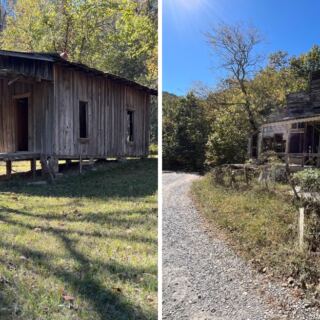
Tennessee’s mountain trails offer more than just stunning views and fresh air. Black bears roam these forests, and hikers occasionally cross paths with them in their natural habitat. If you’re curious about where these encounters happen most often, the Smoky Mountains region holds some of the best chances for spotting these impressive animals while exploring some truly beautiful terrain.
1. Abrams Falls Trail
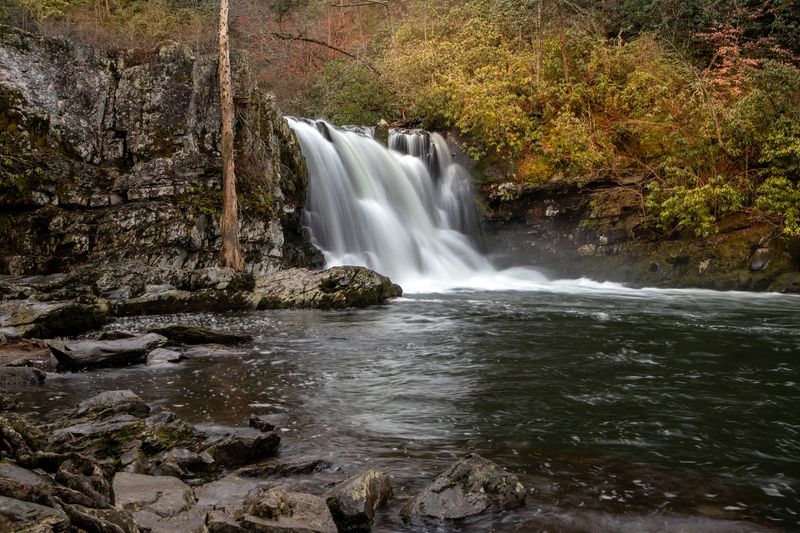
Abrams Falls Trail winds through dense forest where black bears frequently forage for food. The 5-mile round trip takes you past towering trees and rocky outcrops before reaching a powerful 20-foot waterfall. Bears love this area because the woods provide plenty of acorns, berries, and other natural snacks.
The trail gets busy during peak season, but early morning hikers sometimes spot bears along the quieter stretches. Keep your eyes open near creek beds and berry patches. If you see one, stay calm and give it plenty of space to move away.
The path can be slippery near the falls, so watch your footing on wet rocks. Most of the hike stays relatively flat until you descend toward the waterfall. The pool at the base looks tempting, but swimming isn’t recommended due to strong currents.
Pack bear spray and know how to use it properly. Make noise as you hike, especially around blind corners. Store all food in bear-proof containers or your vehicle.
Rangers patrol this trail regularly and can offer current bear activity updates at the trailhead.
2. Alum Cave Trail
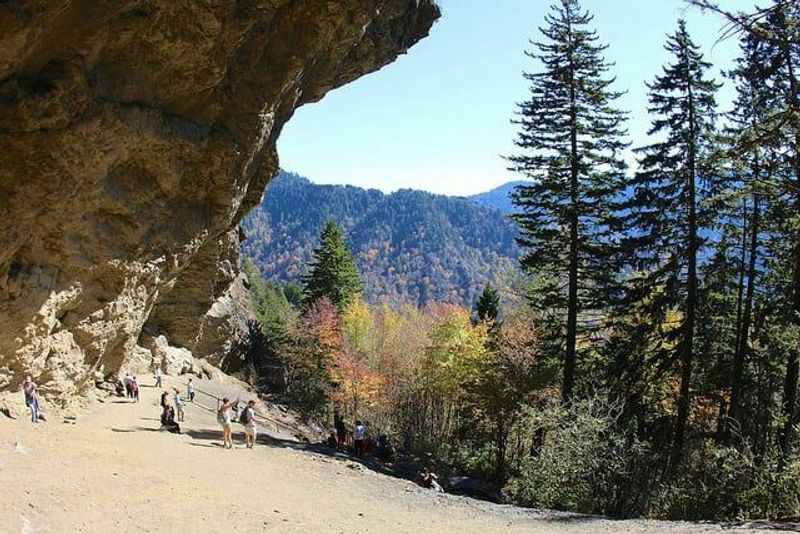
Alum Cave Trail climbs steadily through changing ecosystems where bears roam freely. This 4.4-mile round trip showcases incredible rock formations, including the famous Alum Cave Bluffs that provide shelter from rain. Black bears use these same areas to escape harsh weather and search for food among the diverse plant life.
Hikers often report bear sightings along the lower sections where the forest is thick. The trail gains over 1,400 feet in elevation, taking you through different habitats that attract bears year-round. Spring brings bears out of hibernation, making them more visible as they search for fresh vegetation.
The bluffs themselves create a dramatic overhang worth photographing. Metal cables help hikers navigate steep sections safely. Wear sturdy boots because the trail gets rocky and can be muddy after rainfall.
Never approach a bear for photos, no matter how far away it seems. If a bear notices you, back away slowly while facing it. Talk in calm, low tones so it knows you’re human.
Check with rangers about recent sightings before you start hiking.
3. Rainbow Falls Trail
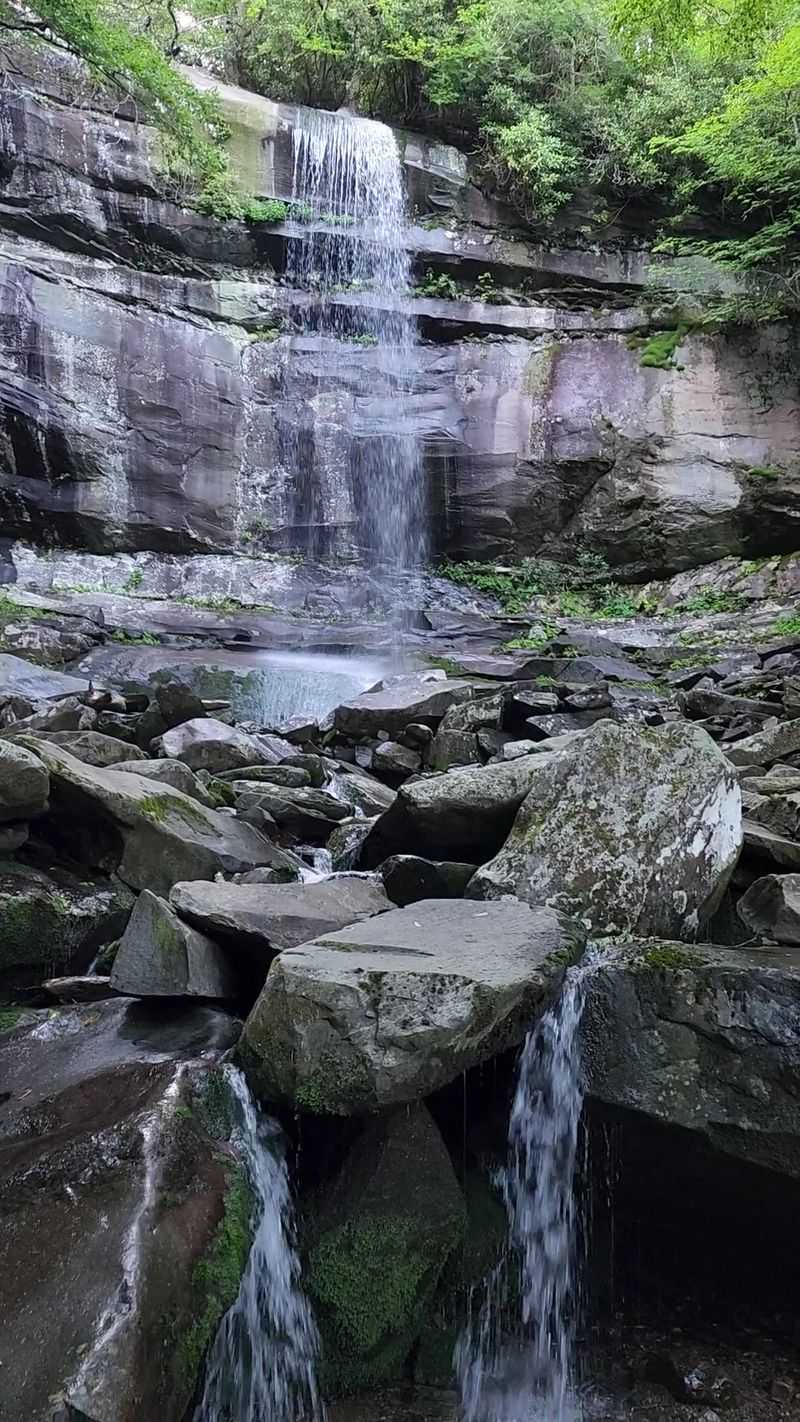
Rainbow Falls Trail earns its name from the mist that creates rainbows on sunny afternoons. The 5.4-mile round trip takes you through prime bear country where sightings happen regularly. Bears favor the thick rhododendron thickets along this path, especially during berry season in late summer.
The waterfall drops 80 feet over a rock ledge, creating a spectacular display. Getting there requires a steady uphill climb with about 1,500 feet of elevation gain. Your legs will feel it, but the scenery makes every step worthwhile.
Black bears sometimes visit the creek below the falls to drink and cool off. If you spot one, resist the urge to get closer. Give the animal room to leave the area peacefully.
Most bears want nothing to do with humans and will move away quickly.
Bring plenty of water because the climb gets sweaty, especially in summer. The trail can be icy in winter, so microspikes or traction devices help. Start early to avoid crowds and increase your chances of wildlife viewing.
Always secure your backpack and never leave food unattended at rest stops.
4. Laurel Falls Trail
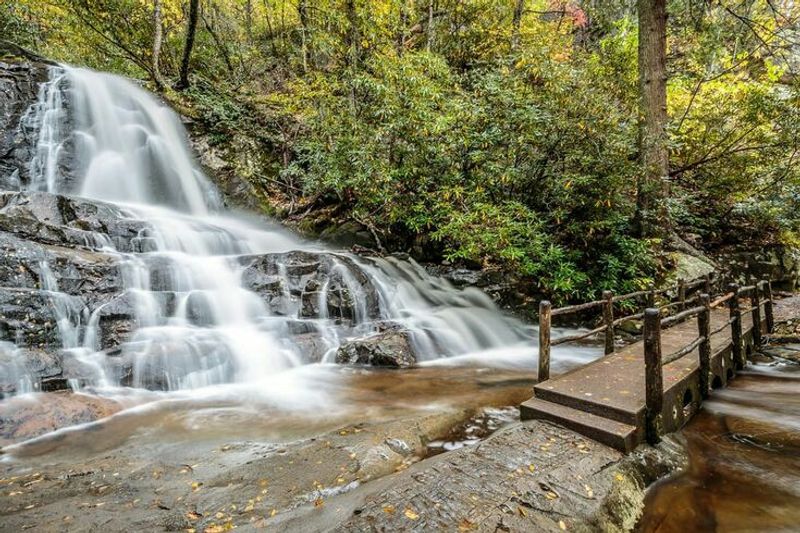
Laurel Falls Trail is one of the most popular hikes in the Smokies, and black bears know it well. The paved 2.6-mile round trip makes it accessible for most fitness levels. Despite heavy foot traffic, bears still wander across this trail, particularly in early morning or late afternoon when fewer people are around.
The waterfall splits into upper and lower sections, creating a beautiful cascade. A footbridge lets you cross for different viewing angles. Bears sometimes appear near the parking area or along the first half-mile where the forest is thickest.
Because the trail is paved, families with small children frequent this hike. Teach kids to recognize bear signs like scat, claw marks on trees, and overturned rocks. If everyone in your group makes occasional noise, bears usually hear you coming and move away before you even see them.
The trail gets crowded on weekends and holidays, so weekday visits offer more solitude. Parking fills up quickly during peak season. Never feed bears or leave trash behind, as this teaches them to associate people with food and creates dangerous situations for future hikers.
5. Chimney Tops Trail
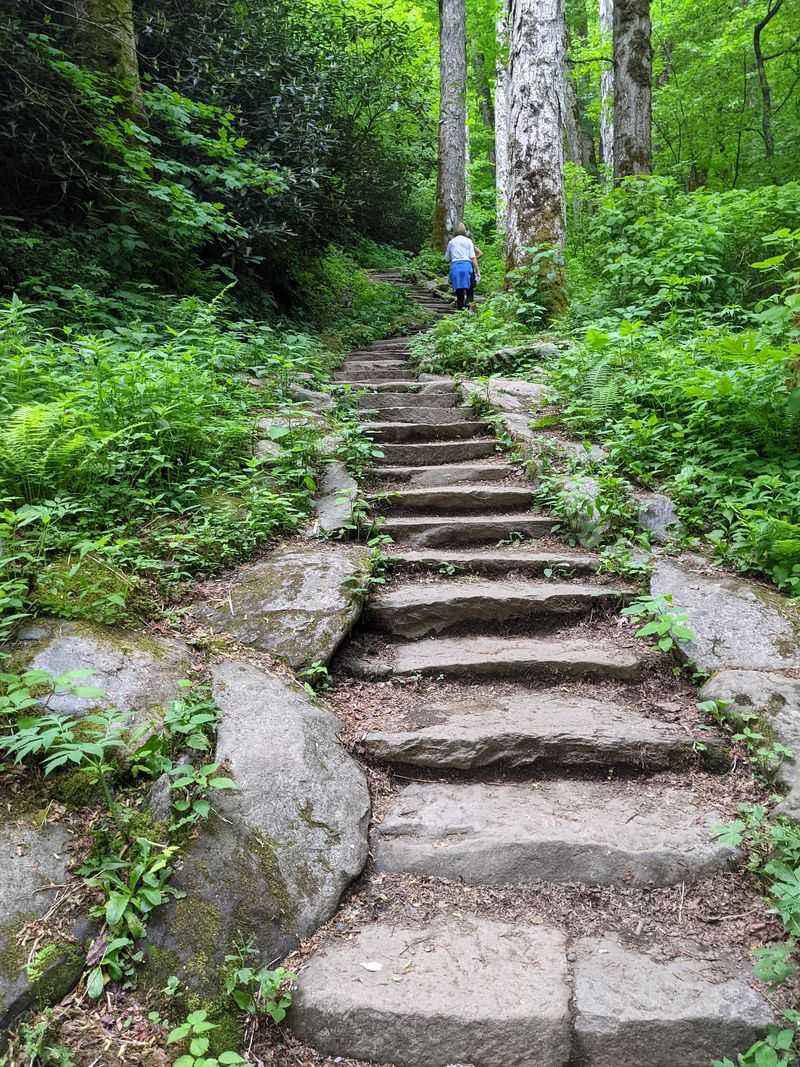
Chimney Tops Trail packs a serious workout into just 2 miles round trip. The steep climb gains nearly 1,000 feet and ends at rocky pinnacles with sweeping views. Black bears roam the forested slopes below, and hikers occasionally spot them from the upper sections of the trail.
The final scramble to the peaks requires using your hands on rocks. It’s challenging but thrilling for those comfortable with heights. Bears typically stay in the wooded areas where they can find food and cover, so you’re more likely to see them on the approach rather than at the summit.
This trail suffered damage from wildfires in 2016, and the forest is slowly recovering. New growth attracts bears looking for tender shoots and insects hiding under fallen logs. The regenerating landscape provides excellent bear habitat.
Arrive early because the small parking area fills fast. The steep sections can be tough on knees during the descent, so trekking poles help. If you encounter a bear on this narrow trail, give it space to pass by stepping off to the side.
Never try to squeeze past a bear on a tight path.
6. Ramsey Cascades Trail
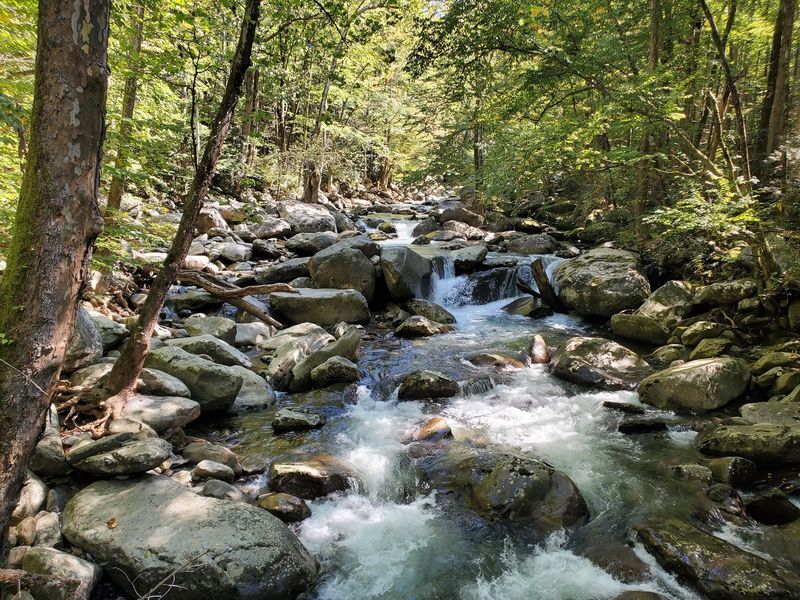
Ramsey Cascades Trail ventures into some of the oldest forest in the Smokies. The 8-mile round trip is the longest hike on this list and takes you deep into bear territory. Ancient trees and thick undergrowth create perfect conditions for black bears to thrive away from heavy human activity.
The trail follows an old railroad grade before climbing steeply to the 100-foot cascades. Massive hemlocks and tulip poplars tower overhead, some hundreds of years old. Bears use these remote areas as safe havens, so sightings can happen anywhere along the route.
The waterfall itself is the tallest in the park, tumbling over multiple rock ledges. Mist from the falls keeps the surrounding area lush and green. The length and difficulty of this hike mean fewer people attempt it, which increases your chances of seeing wildlife.
Plan for at least four hours to complete the hike comfortably. Bring snacks and water, but store everything in bear-proof containers. The trail crosses several creeks, so waterproof boots help keep your feet dry.
If you’re hiking alone, consider carrying bear spray and making noise regularly to avoid surprising a bear.
7. Anthony Creek Trail
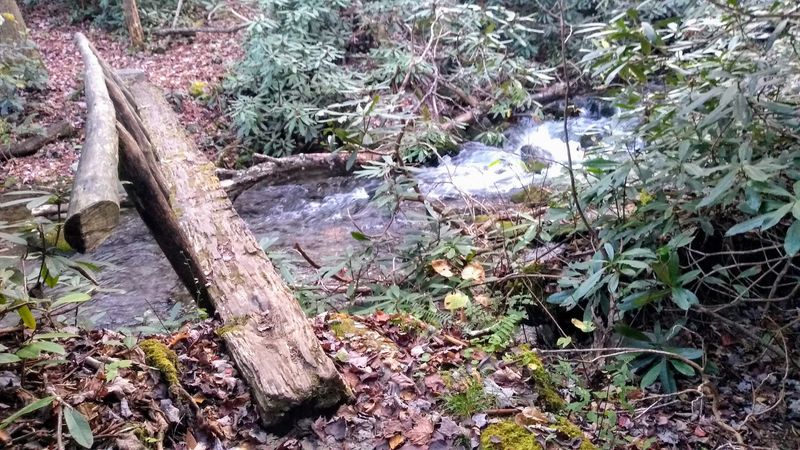
Anthony Creek Trail offers a quieter alternative to the park’s busiest routes. This moderate trail follows a beautiful creek through diverse forest where black bears frequently search for food. The 3.5-mile loop provides excellent opportunities for bear sightings, especially during morning hours.
The path winds through areas with abundant berry bushes and oak trees that produce acorns. Both are favorite bear foods, making this trail particularly active during late summer and fall. You might notice overturned logs and disturbed ground where bears have been digging for grubs and insects.
Creek crossings add interest to the hike, though they’re usually manageable with careful rock-hopping. After heavy rain, water levels rise and crossings become trickier. The trail connects to other paths, so you can extend your hike if you’re feeling ambitious.
Fewer hikers mean bears feel more comfortable moving around during daylight hours. Stay alert and scan the forest ahead as you walk. If you spot a bear, stop moving and assess the situation calmly.
Most bears will notice you and wander off in the opposite direction without any drama.
8. Rich Mountain Loop Trail
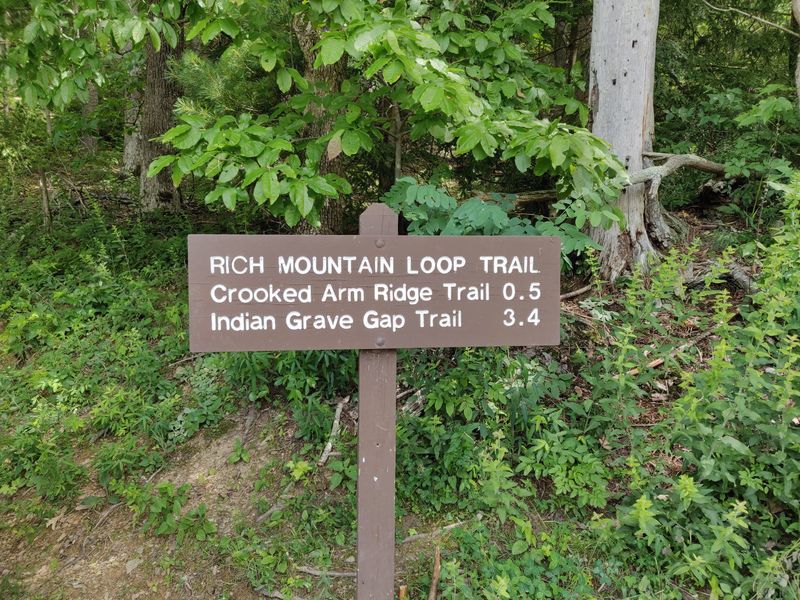
Rich Mountain Loop Trail takes you on an 8.5-mile journey through varied terrain. The elevation changes and diverse habitats attract black bears throughout the year. This less-traveled trail in the Cades Cove area gives you a real sense of wilderness.
The loop climbs to Rich Mountain, offering views of Cades Cove below. Bears use the mountain’s forested slopes as travel corridors between feeding areas. You might see signs of their presence even if you don’t spot an actual bear, including fresh tracks in muddy sections or claw marks on tree bark.
Historic homesites dot the trail, reminders of the families who once lived here. Stone walls and old chimneys stand among the trees. Bears have reclaimed these areas, using the clearings and edges where different habitats meet.
The loop can be hiked in either direction, but most people go clockwise. Bring a trail map because some junctions can be confusing. Water sources are limited, so carry enough for the entire hike.
If you encounter a bear at close range, make yourself look bigger by raising your arms and jacket above your head while backing away slowly.
9. Little River Trail
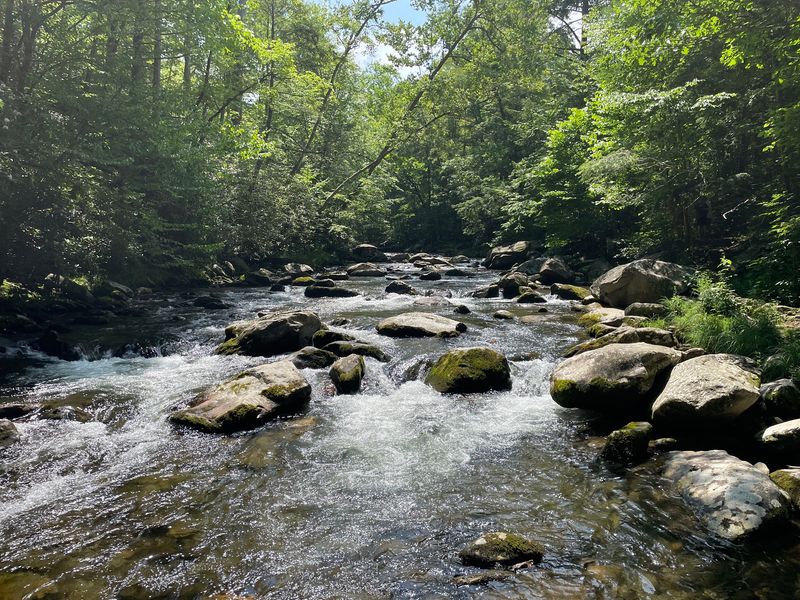
Little River Trail follows one of the prettiest waterways in the Smokies. The relatively flat 4.8-mile round trip makes it accessible while still offering good bear habitat. Black bears come to the river to drink, fish for salamanders, and cool off during hot weather.
The trail stays close to the water for most of its length. Old-growth hemlocks shade the path, and rhododendrons create dense thickets where bears often hide. Listen for rustling in the bushes and watch for movement along the riverbank.
Fishing is popular along this trail, so you might encounter anglers as well as hikers. Bears sometimes investigate fishing spots hoping to find scraps or dropped bait. Never clean fish near the trail, and pack out all remains to avoid attracting bears.
The gentle grade makes this a good choice for families, but don’t let the easy terrain make you complacent about bear safety. Teach children to stay close and quiet if you spot a bear. The river provides soothing background noise, which can mask the sounds of approaching wildlife, so stay visually alert as you hike and pause occasionally to look around carefully.
10. Trillium Gap Trail (Grotto Falls area)
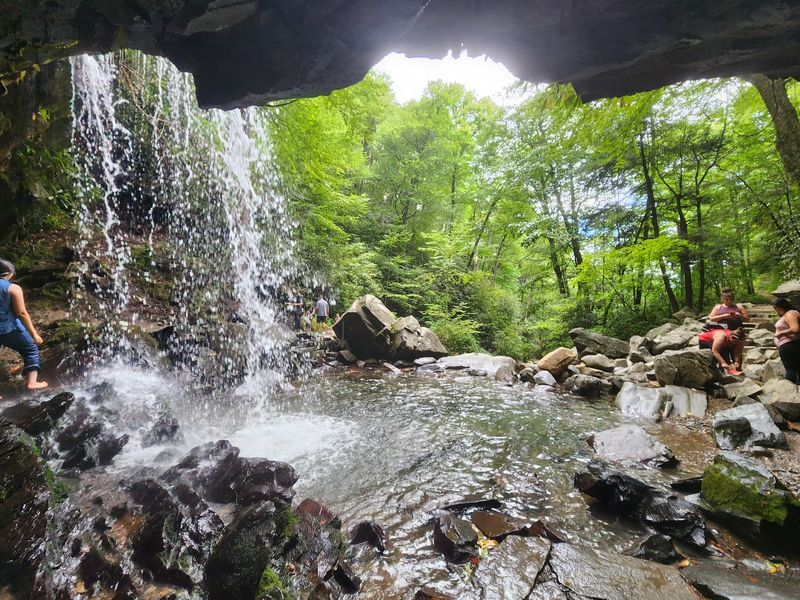
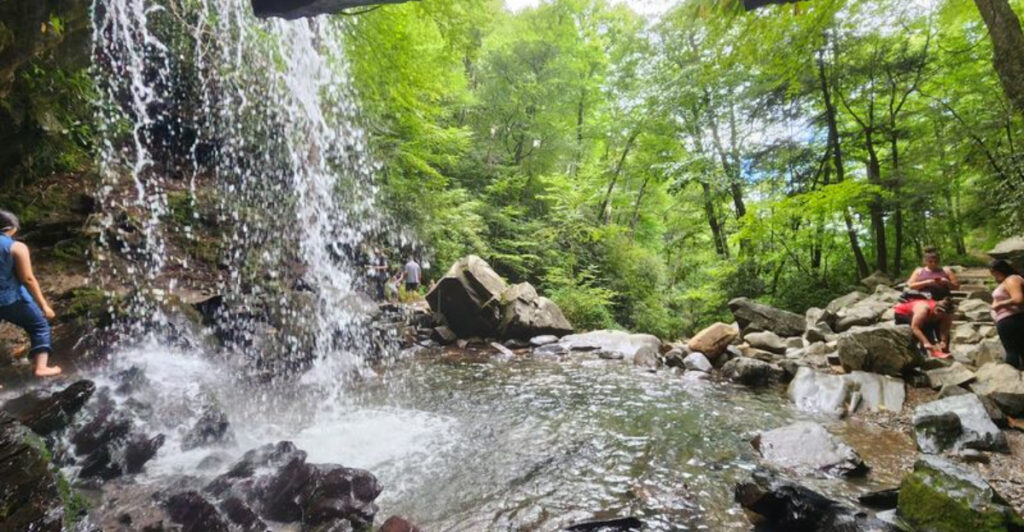
Trillium Gap Trail leads to Grotto Falls, the only waterfall in the park you can walk behind. The 2.6-mile round trip passes through excellent bear habitat with plenty of food sources. Black bears favor this area because of the combination of water, dense forest, and seasonal wildflowers that attract insects.
The falls create a natural grotto where water drops over a rock ledge. Walking behind the curtain of water is a memorable experience. Bears sometimes visit the creek below the falls, so approach the area quietly and scan for wildlife before getting too close.
This trail also serves as a horse path, so watch for riders and step aside to let them pass. The combination of hikers and horses means bears usually stay deeper in the forest, but they still cross the trail regularly. Fresh scat and tracks tell you they’re nearby even when you don’t see them.
Spring brings beautiful wildflowers, including the trilliums that give the trail its name. Summer offers shade under thick canopy, while fall showcases brilliant colors. Regardless of season, practice proper bear etiquette by making noise, traveling in groups when possible, and respecting any closures posted due to bear activity.
Share this story