
Northern Michigan can look like an easy dream when the lake is bright, the roads are quiet, and the woods feel close. Living there, though, is different from spending a long weekend up north, especially when daily life includes bills, errands, seasonal roads, winter weather, job options, and the practical details visitors often miss.
The beauty is real, but so are the trade-offs that come with turning a favorite getaway into a full-time home. Looking past the postcard views can help people make a smarter, calmer decision before the moving boxes come out.
For anyone thinking about relocating, a little honesty now can save a lot of stress later.
1. Housing Can Cost More Than Newcomers Expect
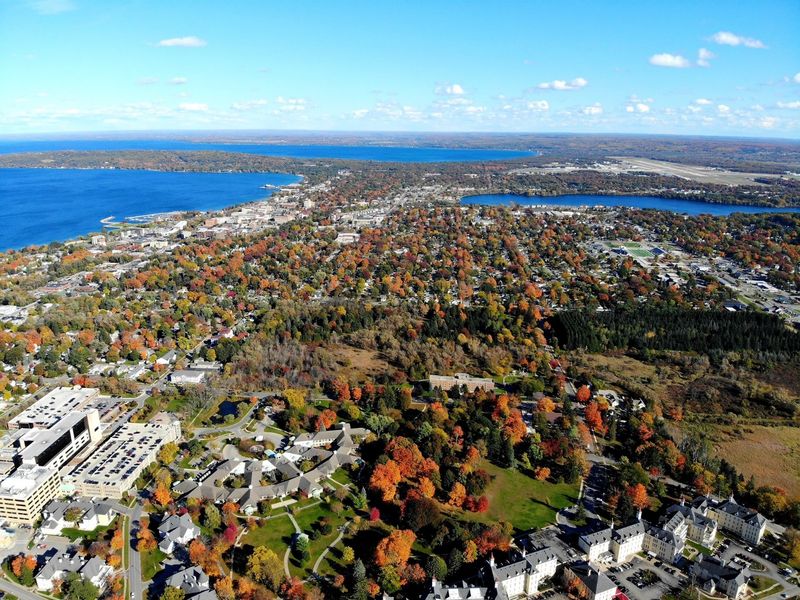
Sticker shock can show up fast once home searches move beyond dreamy photos and into actual monthly numbers. Northern Michigan has many places that look simple and quiet, yet prices can climb quickly because inventory is limited, popular towns attract second-home buyers, and lake access pushes values higher.
Even homes that need updates may cost more than newcomers expect, especially near shoreline communities, ski areas, or walkable downtown blocks.
Renting does not always solve the problem. In some markets, year-round rentals are scarce, landlords may prefer seasonal income, and well-kept units get snapped up quickly.
A listing that seems affordable at first can still carry higher utility bills, plowing costs, longer commutes, or homeowner association fees that change the full picture.
Patience helps, but so does homework. Compare prices in several towns instead of locking onto one postcard favorite right away.
Ask about property taxes, septic systems, private roads, winter maintenance, and whether the home has been used full time or mostly as a vacation place, because that can affect wear, insulation, and hidden repair needs.
Many movers do best when they build a wider budget than expected. Include closing costs, emergency repairs, fuel, and seasonal upkeep for snow, mud, and tree debris.
Northern Michigan can still be a great fit, but housing decisions go better when the plan is based on year-round reality rather than summer charm alone.
2. A Car Is Almost Essential in Many Areas
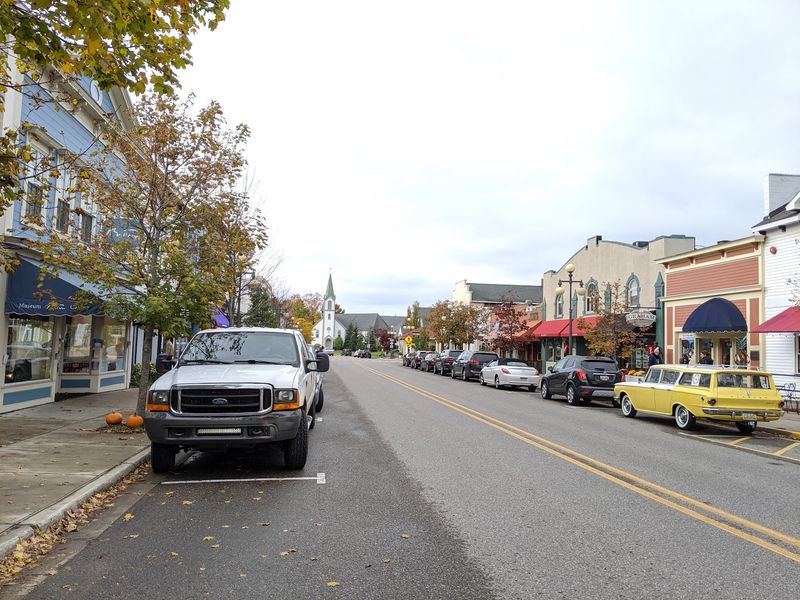
Daily life up north often runs on four wheels. In many parts of Northern Michigan, distances between home, work, school, medical care, and groceries are longer than newcomers expect, and public transit choices can be limited or highly local.
That means even simple errands may turn into a planned loop instead of a quick stop around the corner.
One car per household may work in a few places, but many families find two vehicles make life much easier. If one person has the car, the other may be stuck waiting to shop, get to an appointment, or handle school pickup.
Winter adds another layer, since snow tires, reliable brakes, and strong battery performance matter much more when roads are icy and side streets stay slick.
Budgeting only for a car payment misses the bigger picture. Fuel costs add up when work, shopping, or kid activities involve longer drives.
So do repairs from rough roads, salt exposure, and miles that pile on faster than expected, especially when the nearest major service center is not close by.
Before moving, map out the places that will shape normal life: the nearest grocery store, pharmacy, school, urgent care, hardware store, and workplace. Then check the travel time in winter, not just in July.
A town may look compact on a map, yet the real rhythm of living there usually depends on owning a dependable vehicle and being ready to use it often.
3. Winters Are Long, Snowy, and Demanding

Winter up north is not a cute weekend backdrop after the holidays pass. In Northern Michigan, snow can linger, daylight can feel short, and cold weather tasks become part of ordinary life for months.
Driving changes, sidewalks disappear under drifts, and a quick morning routine may include scraping windows, shoveling, and checking road reports before leaving the house.
Clothing matters more than many newcomers expect. A light city coat and stylish boots may work for a few photos, but long stretches of cold call for serious layers, waterproof gear, gloves that actually keep hands warm, and traction that handles packed snow.
Kids need extra planning too, because school, recess, and bus stops continue through conditions that surprise first-time residents.
Homes need winter readiness as well. Snow removal equipment, insulated pipes, safe heating systems, and backup plans for outages can make a huge difference.
Even simple habits change, such as keeping pantry basics stocked, carrying emergency items in the car, and allowing more time for every trip because weather can slow everything down.
None of this means winter is miserable for everyone. Plenty of residents enjoy skiing, snowmobiling, quiet woods, and the slower pace.
Still, enjoying it usually comes after accepting the work it brings. People who move successfully tend to treat winter as a long season that requires tools, routines, and respect, not as a temporary inconvenience that can be brushed aside by spring.
4. Specialized Healthcare May Mean a Longer Drive

Healthcare can look straightforward on a map and much more complicated in real life. Northern Michigan has local clinics, hospitals, and dedicated providers, but specialized care is not always nearby.
For certain tests, surgeries, pediatric specialties, or ongoing treatment plans, residents may need to drive to a larger regional center or even farther south.
That extra distance affects more than the appointment itself. A morning visit may require taking a full day off work, arranging childcare, watching weather, and planning meals on the road.
Follow-up care can also become tiring when repeat visits are involved, especially for older adults, families with young children, or anyone managing a condition that makes travel stressful.
Insurance networks deserve a close look before moving. A provider listed online may not be taking new patients, and a specialist may be located much farther away than expected.
It helps to call offices directly, ask how long new patient scheduling usually takes, and learn where residents typically go for cardiology, orthopedics, cancer care, advanced imaging, and other higher-level services.
Many people make the system work well, but convenience should not be assumed. Check drive times in bad weather, not just sunny conditions, and find out where urgent care, labor and delivery, and emergency backup options are located.
When healthcare planning is done early, daily life becomes easier and less stressful, especially in a region where distance can quietly shape important decisions.
5. The Job Market Is Smaller Than in Michigan’s Major Metros
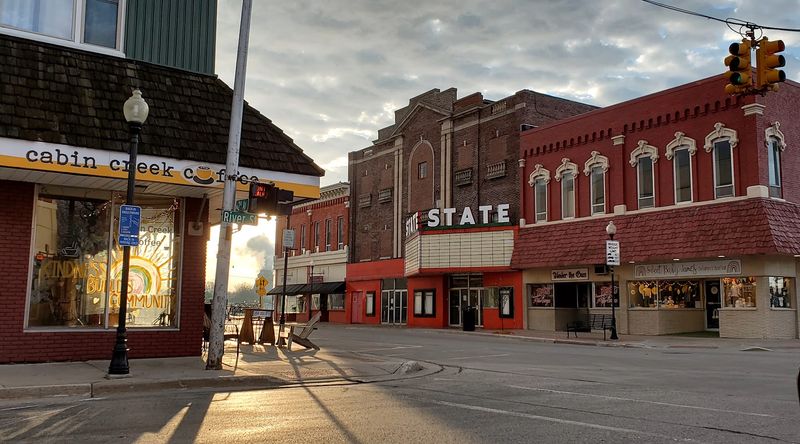
Job hunting up north can require a different mindset than job hunting in Detroit, Grand Rapids, or Ann Arbor. Northern Michigan has hardworking local businesses, schools, hospitals, trades, and tourism employers, but the overall job market is smaller and openings may be fewer in many fields.
That means people with highly specific careers sometimes need extra flexibility, longer searches, or remote work options.
Timing matters more than newcomers expect. Some positions open seasonally, others rely on local connections, and certain industries may have only a handful of employers within a practical commute.
A resume that pulls strong interest in a major metro might get slower responses simply because there are fewer places hiring for that exact skill set.
The smartest move is to research before signing a lease or making an offer on a house. Look beyond job boards and check hospital systems, school districts, county offices, manufacturers, utility companies, and regional colleges.
It also helps to compare commute ranges, because an opportunity may exist, just not in the town that first caught your eye.
For some households, the answer is a blended plan. One person may work remotely while the other builds a local network, or a part-time job may bridge the gap until a better fit appears.
Northern Michigan can support a good life, but career planning works best when the charm of the region is matched with a clear-eyed understanding of how limited, scattered, or seasonal the job market may be.
6. Tourism Changes the Rhythm of Everyday Life
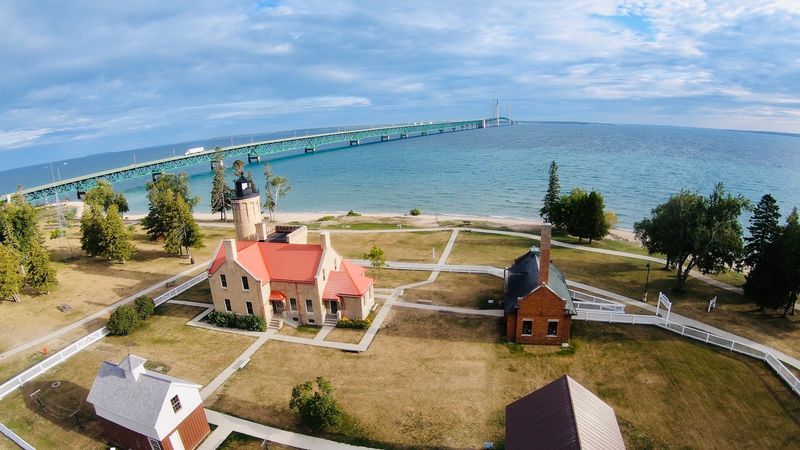
Summer can turn a quiet town into a very busy place almost overnight. In Northern Michigan, tourism shapes traffic, parking, restaurant waits, grocery store lines, and even how long it takes to run a basic errand.
The shift is not always bad, but it does change the pace of ordinary life in ways that vacationers rarely notice.
Locals often learn to time their week around visitor patterns. Popular roads get crowded on Fridays, holiday weekends can clog small downtowns, and a favorite breakfast spot may suddenly have a long line out the door.
Beach towns and lake communities especially can swing from calm in the off-season to packed and noisy when warm weather arrives.
Housing and local services can feel the pressure too. Short-term rentals may reduce long-term options, and small businesses sometimes stretch staff during peak months.
That can mean slower service, packed event calendars, and a general sense that the town is operating on visitor energy even though residents still need to get through normal routines like banking, commuting, and appointments.
People who settle in happily usually build habits that work with the rhythm instead of fighting it. Shopping early, choosing alternative routes, and saving popular restaurants for quieter times can make a big difference.
Tourism brings jobs, activity, and seasonal buzz, but living in a destination means sharing space with a rotating wave of people whose schedule is based on fun, not on your to-do list.
7. High-Speed Internet Still Isn’t Universal

Fast internet is easy to take for granted until a video call freezes in the middle of the workday. In parts of Northern Michigan, service can vary a lot from one road to the next.
A house that looks perfect in photos might sit in an area with limited options, slower speeds, data caps, or service that drops during heavy weather.
That matters far beyond entertainment. Remote work, online school, telehealth visits, security systems, and even basic banking depend on reliable connections now.
Newcomers sometimes assume a listing has solid internet because the seller mentions service exists, but existing service and truly high-speed service are not always the same thing.
Asking the right questions before moving can prevent a major headache. Check the exact address with multiple providers, not just the town name.
Ask neighbors what speeds they actually receive, whether upload performance is strong enough for video meetings, and how often outages happen during storms or busy seasonal periods.
Some households make it work with backup plans like hotspot devices or a cell booster, but those fixes may not be ideal for every job or every budget. If dependable internet is essential, treat it like a utility that needs verification before signing anything.
Northern Michigan offers beautiful rural living, but in some places digital convenience still trails behind what many people are used to in larger or more densely built communities.
8. Wages Can Be Lower Than Newcomers Expect
Paychecks do not always stretch the way newcomers expect when they first compare the region to a big city. Northern Michigan can have lower wages in many fields, even when housing, fuel, groceries, and heating costs stay stubbornly high.
That mismatch surprises people who assume smaller towns automatically mean cheaper living across the board.
Service jobs, seasonal work, and entry-level roles may be easier to find than higher-paying positions with long-term growth. Even skilled workers can discover that salary ranges land below what they earned in larger Michigan metros.
For households arriving with savings, the adjustment may be manageable, but for others, the numbers can tighten quickly once regular bills begin rolling in.
Looking at wage listings alone is not enough. It helps to compare local pay with real monthly costs such as rent or mortgage, utilities, gas, car maintenance, insurance, and childcare.
A job offer may look fine on paper until the commute is added, the winter heating bill arrives, and weekend overtime is not available year-round.
Moving successfully often depends on honest math. Some people negotiate remote work, bring a portable profession, or accept a smaller town pace because other lifestyle priorities matter more.
That can be a reasonable trade. Still, Northern Michigan is easier to enjoy when income plans are grounded in local reality rather than in the assumption that lower population automatically creates a lighter financial load.
9. Population Is Spread Across Lots of Small Communities
One of the biggest adjustments is how spread out everyday life can be. Northern Michigan is not one big connected urban zone.
Instead, it is a patchwork of small communities, each with its own pace, school options, shopping level, and sense of local identity, with miles of road and woods often sitting between them.
That scattered population affects routine choices in subtle ways. A person may live in one town, work in another, see a doctor in a third, and drive somewhere else for sports, music lessons, or a hardware store with better stock.
Social life can work the same way, which means seeing friends or attending events often requires planning instead of a last-minute text and a quick ten-minute trip.
Community fit matters a lot because neighboring towns are not interchangeable. Some feel busier and more service-oriented, others are quiet and rural, and some revolve strongly around tourism or retirement.
Newcomers who assume everything in the region functions the same may pick a home base that does not really match their daily needs.
A smart approach is to spend time in several places before choosing where to settle. Visit on weekdays, not just vacation weekends, and notice where people shop, how far they drive for basics, and which towns have schools, clinics, recreation, and year-round activity.
Northern Michigan rewards people who understand the map not as a single destination, but as many small dots connected by time, distance, and weather.
10. Airport Access Depends Heavily on Where You Live
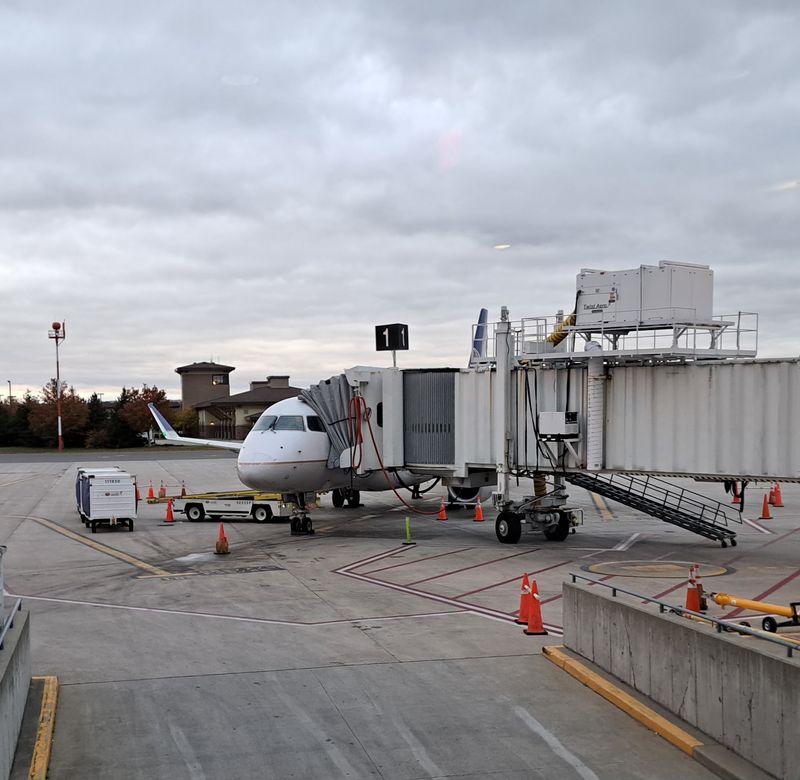
Catching a flight can be simple in one part of Northern Michigan and a major planning exercise in another. Airport access depends heavily on where home is located, which regional airport serves that area, and whether the route or schedule actually fits work trips, family visits, or emergency travel.
Distance on the map only tells part of the story.
Small airports can be convenient in some ways because parking and security are often easier than at giant hubs. The trade-off is that flight choices may be fewer, prices may run higher on some routes, and weather disruptions can have a stronger ripple effect.
A canceled connection matters more when backup options are limited and the next airport is several hours away.
People who travel often should check real-world patterns before moving. Look at common routes, seasonal schedule changes, and driving times to alternative airports.
For some households, being within reasonable reach of one reliable airport is enough. For others, especially frequent business travelers, location near stronger air service may shape where to rent or buy.
Road conditions matter too. A predawn winter drive to a flight is different from a sunny summer departure, and long return trips after delays can be exhausting.
Northern Michigan does offer air access, but it is not equally practical from every town. When travel is a regular part of life, airport strategy deserves the same attention as schools, jobs, and housing costs.
11. The Economy Has Noticeable Seasonal Swings
Some towns up north almost seem to switch gears with the calendar. Northern Michigan’s economy often shows clear seasonal swings, with summer and holiday periods bringing extra customers, traffic, and work, then quieter stretches settling in afterward.
That pattern can affect income, business hours, staffing, and the general tempo of life in ways newcomers do not always expect.
For workers, seasonality may mean changing schedules or shifts in available hours. Restaurants, lodging, recreation businesses, and shops can feel very busy for part of the year and much slower later on.
Even companies not directly tied to tourism may feel the ripple when customers spend differently, visitors leave, or weather limits travel and outdoor projects.
For households, this matters because local convenience can rise and fall with demand. One month a town may be full of activity, events, and open storefronts.
Another month may bring shorter hours, quieter streets, and fewer service options. Neither pattern is wrong, but the change can be jarring for someone used to a steadier urban economy.
Planning around these swings makes a big difference. Steady year-round work, emergency savings, and a realistic view of shoulder seasons can reduce stress.
Business owners and freelancers should also think through off-season cash flow, not just peak-season optimism. Northern Michigan can offer a satisfying pace, but its economic rhythm often follows weather, visitors, and seasonal habits more closely than newcomers first assume.
12. Specialty Shopping and Services May Require Longer Drives
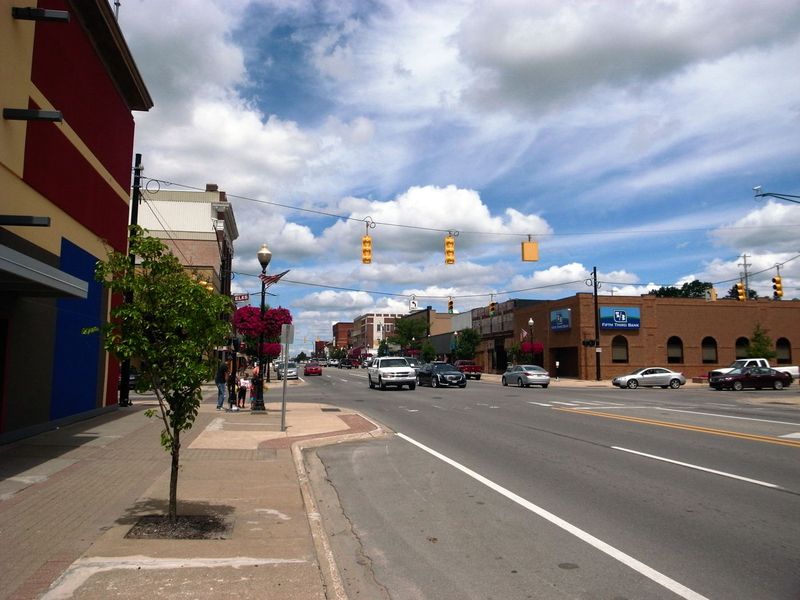
Not every purchase can be handled with a quick stop after work. In many parts of Northern Michigan, basic shopping is available nearby, but specialty stores and certain services may be farther away.
That can include large furniture showrooms, niche repair shops, formalwear, advanced pet care, appliance parts, or a stylist with specific expertise.
At first, the distance may seem like a small inconvenience. Then real life kicks in.
A broken appliance part, a kid needing sports gear in the right size, or a last-minute need for a specialty medical item can turn into a half-day drive. Online shopping helps, but shipping can be slower in some areas, and returns are less simple when the nearest drop-off point is not right around the corner.
Service availability can be just as uneven as retail choice. Finding a contractor, mechanic with a certain specialty, or home service company during busy times may require calling several towns away.
Peak visitor seasons and winter weather can stretch timelines further, especially when skilled workers are booked solid.
People who adapt well usually become organized shoppers. They batch errands, keep lists, order early, and learn which larger towns cover the most needs in one trip.
Northern Michigan living does not require giving up convenience completely, but it often means replacing impulse errands with planning. That shift is easier when it is expected instead of discovered in the middle of a stressful week.
13. College Options Are More Limited Outside Regional Centers

College planning can look different when home is far from a major education hub. Northern Michigan has valuable learning options, including community colleges and regional institutions, but choices are more limited outside key centers.
For some students, that works well. For others, it may mean commuting farther, moving away sooner, or building transfer plans carefully.
The challenge is not only about the number of campuses. Program variety can also be narrower, especially for specialized majors, certain technical pathways, or extracurricular experiences tied to larger universities.
A local option may cover general education and some career tracks nicely, while more specific goals could require relocation or a longer drive several days a week.
Families considering a move should think ahead if children are nearing college age. Explore program availability, dual enrollment opportunities, campus distance, and whether winter travel would make regular commuting realistic.
Housing around regional centers may matter too, especially if a student wants to stay nearby without making a long trip home and back multiple times a week.
This does not make Northern Michigan a poor place for students. Many young adults build strong paths through local colleges, trades, apprenticeships, or transfer routes.
The key is understanding that options may not be as broad or as close together as they are in larger metro regions. With clear planning, students can still do well, but flexibility often becomes part of the educational equation.
14. Winter Heating Costs Deserve Serious Consideration

Few bills get attention faster than a heating bill during a long Northern Michigan winter. Cold stretches are not brief, and heating season can last much longer than newcomers from milder parts of the state expect.
A house that seems affordable at purchase price or rent can become expensive when fuel, insulation, and system efficiency enter the picture.
Different homes carry very different heating realities. Older houses may have charm but weaker insulation, drafty windows, or dated systems that burn through money.
Rural properties might rely on propane, fuel oil, wood, or other setups that require planning and price awareness. Even newer homes can vary depending on square footage, exposure, and how well they hold heat when wind and snow settle in.
Before moving, ask for average utility costs across cold months, not just one annual estimate. Find out the heat source, system age, maintenance history, and whether backup heat is available during outages or mechanical trouble.
Also consider snow removal equipment, generator needs, and the small extras that come with cold-weather living, because they can quietly enlarge the seasonal budget.
People who prepare tend to do better. Weatherstripping, smart thermostats, warm layers indoors, and a cash cushion for tough winter months can help.
Northern Michigan does not hide its cold, and homes there ask to be evaluated with that truth in mind. Heating costs are not a side note, they are a major part of living expenses for much of the year.
15. Finding Year-Round Housing Can Be Difficult in High-Demand Areas

Plenty of people assume that if homes or rentals exist, finding one for full-time living should be straightforward. In some high-demand Northern Michigan areas, that is not how it works.
Vacation properties, short-term rentals, second homes, and strong seasonal demand can tighten the year-round housing supply, leaving newcomers with fewer practical choices than expected.
The challenge often shows up in frustrating ways. A rental may look promising until it turns out to be available only off-season.
A home that appears affordable may get quick interest from cash buyers or buyers searching for a getaway property. Even when units exist, they may not align with year-round needs such as school district location, commute time, storage, pet policies, or winter accessibility.
Starting early helps, but being flexible helps even more. Expanding the search radius, considering less famous towns nearby, and talking to local property managers can open doors that online listings alone miss.
It is also wise to ask direct questions about lease length, winter road maintenance, utility responsibility, and whether the property is set up for full-time occupancy rather than occasional vacation use.
For movers on a tight timeline, temporary housing may become part of the process. That is not ideal, but it can create breathing room to find a stable place without making a rushed choice.
In popular Northern Michigan markets, year-round housing is often a competition shaped by tourism and second-home demand, so expecting an easy search can lead to disappointment.
16. Vacationing There Is Very Different From Living There Year-Round

A perfect long weekend can create a very misleading picture of daily life. Northern Michigan shines on vacation because people usually visit during the best weather, eat at fun spots, follow a loose schedule, and skip the chores that define real living.
Year-round residents deal with work, school, maintenance, bills, road conditions, and the quiet months after the crowds leave.
That difference shows up fast once the novelty wears off. The lake view may still be lovely, but now groceries cost what they cost, the driveway needs plowing, and favorite summer businesses may cut hours or close for part of the year.
Medical appointments, commuting, and home repairs become the true test of whether a place fits, not sunsets and ice cream near the water.
Visitors also tend to experience only a narrow slice of the calendar. They do not always see shoulder seasons, muddy roads, dark winter afternoons, spotty cell service, or the hassle of driving farther for certain needs.
Those details are not deal-breakers for everyone, but they deserve attention because they shape mood, budgets, and routine more than vacation memories do.
The best way to judge a move is to test the region like a resident. Visit in late winter, spend weekdays there, and run ordinary errands instead of only scenic ones.
Watch how the town functions when the fun schedule disappears. Northern Michigan can still be the right choice, but living there year-round asks for a practical mindset that vacation mode simply does not reveal.
Share this story