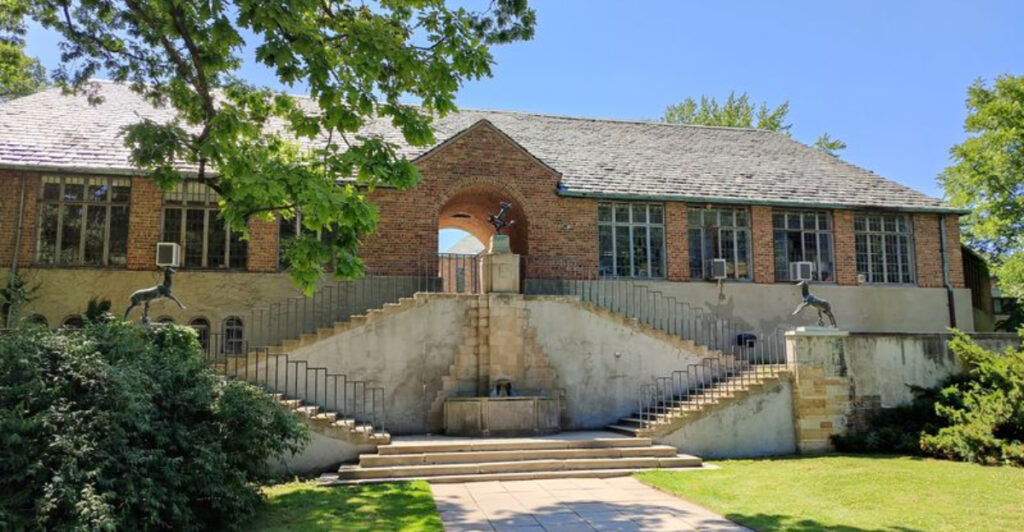
Mini-golf feels a lot more unexpected when art, design, and play all share the same course. In Bloomfield Hills, Michigan, Cranbrook Art Museum gives the familiar idea a creative twist, turning a lighthearted game into a visit that also invites people to look closely, move around, and enjoy the setting in a new way.
The appeal is not just goofy obstacles or a quick laugh, but the way the experience fits into a place already known for striking architecture and bold visual ideas. It makes the museum feel active, surprising, and easy to enjoy from a different angle.
For anyone who likes Michigan stops that mix culture with hands-on fun, this Cranbrook experience deserves a closer look.
Where Sculpture Garden Energy Meets Putt-Putt Fun
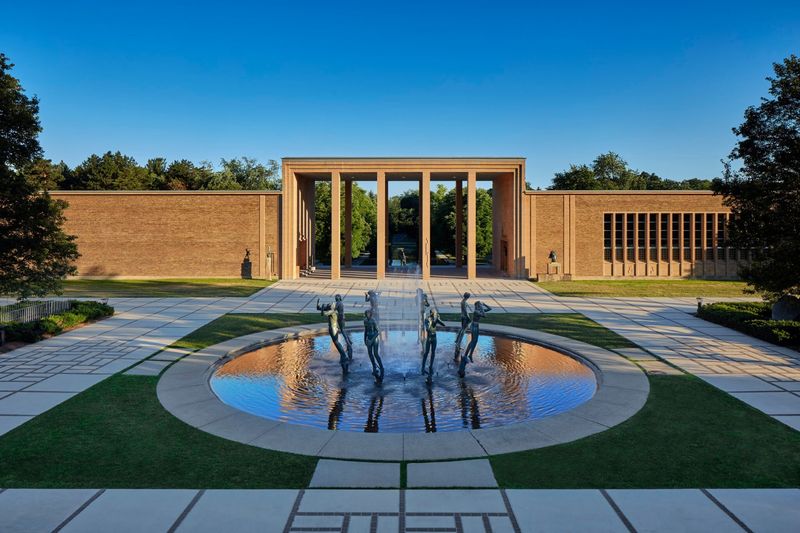
Mini-golf sounds casual, but the setting at Cranbrook Art Museum changes the mood right away. Instead of a standard roadside course with cartoon windmills and neon obstacles, the game appears beside architecture, landscaped grounds, and carefully considered outdoor spaces.
That contrast is the first big surprise, because it turns a familiar activity into part of a larger visual experience.
The museum sits on a campus known for design, gardens, and sculpture, so even the walk toward the course matters. Paths, ponds, and strong building lines help frame the outing before a single ball is hit.
A round here feels connected to the place around it, not dropped onto an empty patch of pavement.
That design-rich backdrop gives mini-golf a different kind of charm. Players are still aiming for the hole and laughing at near misses, but the surroundings keep drawing the eye outward.
Between shots, there is a good chance attention shifts to the texture of a wall, the shape of a doorway, or the way light lands on the grounds.
Families can treat the game as an easy entry point if a full art museum visit feels too formal for younger kids. Adults who already enjoy exhibitions may like how the course adds movement and conversation to the day.
It creates a shared activity that asks very little from beginners while still feeling tied to creative ideas.
That is why the mini-golf concept works so well here. It does not replace the museum experience, and it does not compete with it.
Instead, it loosens the pace, encourages looking, and makes the property more interactive, all while keeping the artistic identity of Cranbrook front and center.
The Course Turns Looking Into Part Of The Game
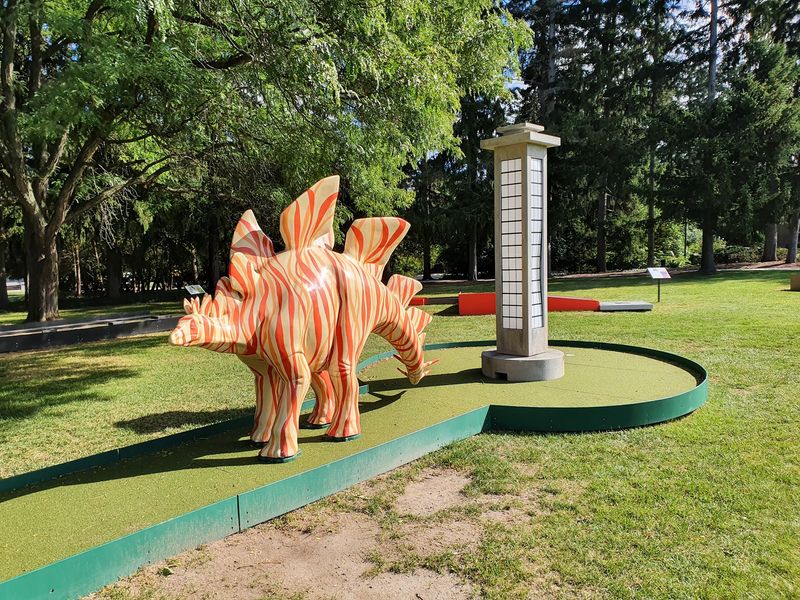
A regular mini-golf course asks for aim, timing, and a little luck. At Cranbrook Art Museum, the more interesting challenge may be paying attention.
Because the game is placed in an art-centered environment, each hole can prompt a slower kind of looking, the kind usually connected with galleries instead of scorecards.
That shift matters because art museums are often treated as quiet places where movement feels limited. Mini-golf changes that rhythm.
It gives people a simple job to do with their hands and eyes, which can make the whole visit less intimidating for someone who does not usually spend time around contemporary art.
Children especially benefit from that active format. A kid who might rush through framed works indoors often becomes more observant when a ball, a putter, and a challenge are involved.
Adults get pulled into the same pattern, noticing shape, angle, spacing, and surface in a way that echoes how artists and designers think.
The playful structure can also open better conversations. Instead of asking whether someone likes a piece of art, the day naturally leads into talking about pattern, balance, color, or how an obstacle changes movement.
Those are art ideas, but they arrive through action rather than a lesson.
For visitors who want the most from the experience, it helps to slow down between holes. Look past the score.
Notice how the course sits within the museum setting, how each pause creates another chance to study materials, landscaping, and design details nearby. That is when the outing becomes more than a game and starts acting like a bridge into the museum itself.
Michigan Architecture Makes The Whole Visit Bigger
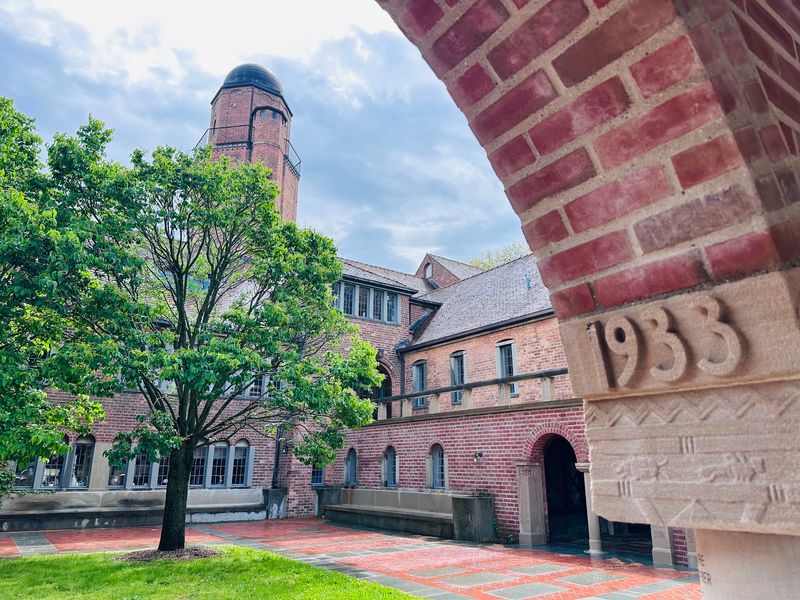
Even before the mini-golf comes into view, Cranbrook Art Museum has the kind of setting that encourages people to slow down. The campus around it is a major part of the story, with architecture, open lawns, water features, and formal design elements that give the trip a stronger sense of place.
A simple game feels larger when it happens somewhere this visually layered.
Bloomfield Hills is not short on quiet, beautiful streets, but Cranbrook stands apart because the grounds feel planned as an experience rather than just scenery. The buildings do more than hold exhibits.
They shape sightlines, frame walks, and make each approach to the museum feel deliberate.
That helps explain why even a short visit can fill a full afternoon. A round of mini-golf is only one piece of the outing.
Many visitors also spend time walking the grounds, taking in the landscaping, or studying the exterior details that make the campus such a draw during spring, summer, and fall.
For first-timers, the smartest approach is to arrive with extra time. Rushing straight to the course means missing one of Cranbrook’s biggest strengths.
The museum belongs to a wider design environment, and the outdoor setting prepares the eye for the playful mix of art and activity waiting nearby.
Weather can change the mood, too. Sun brings out sharper shadows and brighter greens, while overcast skies can make stone, water, and building textures stand out more clearly.
Either way, the architecture keeps the trip grounded. The mini-golf may be the headline attraction for some visitors, but the campus design is what gives the whole day its shape.
Inside The Museum, The Playful Mood Keeps Going
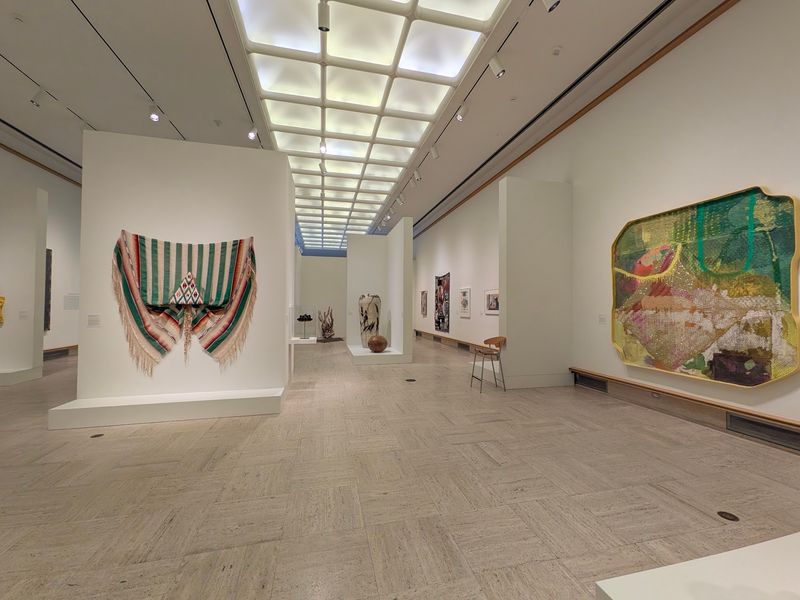
One of the best parts of Cranbrook Art Museum is that the fun does not have to stop when the game ends. After the outdoor energy of mini-golf, the galleries offer a different pace without feeling disconnected.
Instead of a hard switch from active to serious, the museum visit can feel like the next chapter of the same creative outing.
The museum is known for contemporary art, design, and architecture, which means the work inside often invites curiosity rather than passive viewing. That pairs nicely with a mini-golf experience, because players are already thinking about form, space, and visual problem-solving.
The transition from putter to gallery becomes smoother than many families expect.
For kids, this can be especially helpful. An art museum sometimes seems like a place full of rules, but arriving after a playful activity can lower that pressure.
Children who have just spent time aiming, watching angles, and reacting to obstacles may be more ready to notice unusual shapes, bold materials, and imaginative displays indoors.
Adults benefit, too, especially those who worry that contemporary art might seem hard to understand. Cranbrook’s broader setting reminds visitors that art is not only about standing still and decoding labels.
It can also be about motion, design choices, experimentation, and how people interact with space.
A practical tip is to avoid treating the museum as an extra if time allows. Plan for both parts.
Even one or two galleries after mini-golf can round out the visit and make the day feel more complete. The outdoor course sparks curiosity.
The indoor exhibitions give that curiosity somewhere to go, surrounded by the calm and clarity of a thoughtfully arranged museum space.
A Smart Pick For Families, Dates, And Casual Art Fans
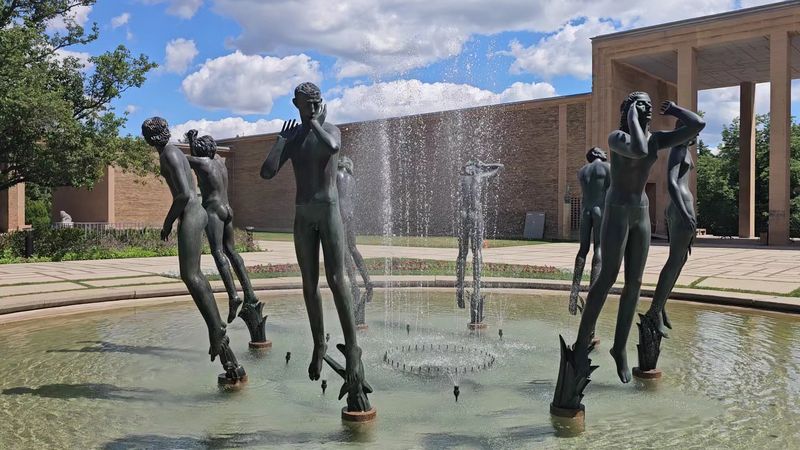
Not every museum outing works for every group, but Cranbrook Art Museum has a format that reaches a wide range of people. Mini-golf gives the place an easy social center.
That makes it useful for parents planning a weekend activity, couples looking for a date with more personality, or friends who want a culture stop without an overly formal tone.
Families often need a place where different ages can stay engaged at the same time. The course helps solve that problem because it offers a shared activity with simple rules.
Younger kids can focus on the game, older kids can appreciate the unusual setting, and adults still get the pleasure of being on one of Michigan’s most visually interesting campuses.
For dates, the setup is equally strong. A gallery alone can sometimes create long stretches of silence, especially early on.
Mini-golf breaks that tension in a natural way, giving people a reason to joke, move around, and react to small wins and misses before heading into the museum or walking the grounds.
Casual art fans may appreciate the balance most of all. There is no need to arrive with expert knowledge.
The course serves as a welcoming entry point, then the museum and campus offer deeper layers for anyone who wants to keep exploring.
Planning ahead makes a difference. Because special features and exhibitions can vary, it helps to build a flexible visit rather than expecting only one main attraction.
Leave room for the game, the galleries, and a walk outside. Cranbrook works best when the day has space to unfold, letting each part appeal to a different kind of visitor without forcing everyone into the same pace.
Timing Your Visit Can Change The Experience
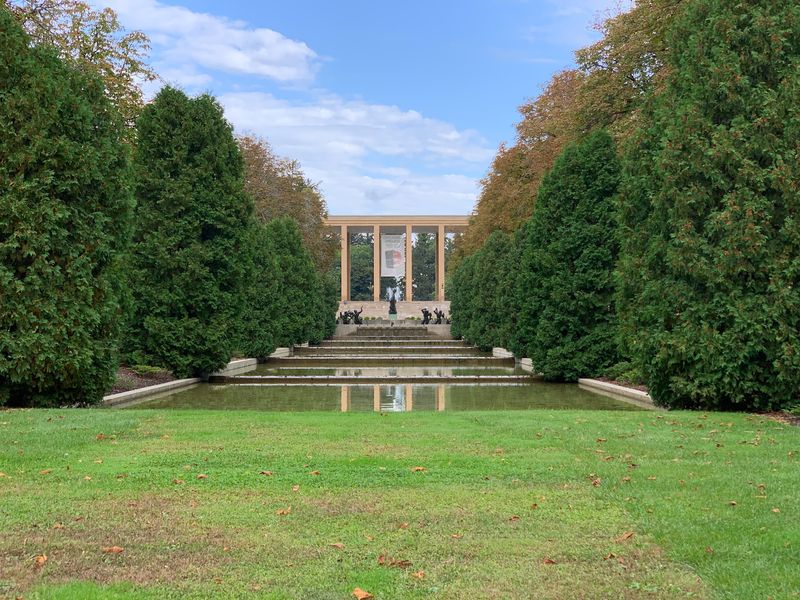
Some places are easy to enjoy at any hour, but Cranbrook Art Museum rewards a little planning. The museum is open Wednesday through Sunday, with later hours on Thursday, and that schedule can shape how relaxed the outing feels.
A visit built around mini-golf, galleries, and a walk across the grounds goes better when there is enough time to let each part breathe.
Thursday stands out for practical reasons. Later evening hours can make it easier for people coming after work or school, and the day has also been noted as a free museum day.
That can be a smart option for budget-conscious visitors who want to pair art with a lower-cost outing, though it is still wise to check what is happening on-site before heading over.
Season matters almost as much as the clock. Warmer months naturally suit an outdoor activity like mini-golf, and the campus becomes part of the entertainment.
Fall can be especially striking because changing leaves add another layer of color around the buildings, ponds, and paths.
Weather does not ruin the trip, though. If skies turn gray, the museum itself still gives the day structure, and the architecture often looks dramatic in softer light.
On bright days, outdoor time becomes more tempting, so comfortable shoes are a better choice than many first-time visitors might expect.
A good rhythm is to arrive close to opening or with a clear afternoon ahead, play mini-golf while energy is high, and then move into the galleries. That order works especially well for families.
By the time the score is settled, the museum no longer feels like a separate stop. It feels like the natural next move.
Why Cranbrook’s Mini-Golf Idea Stands Out In The Detroit Area
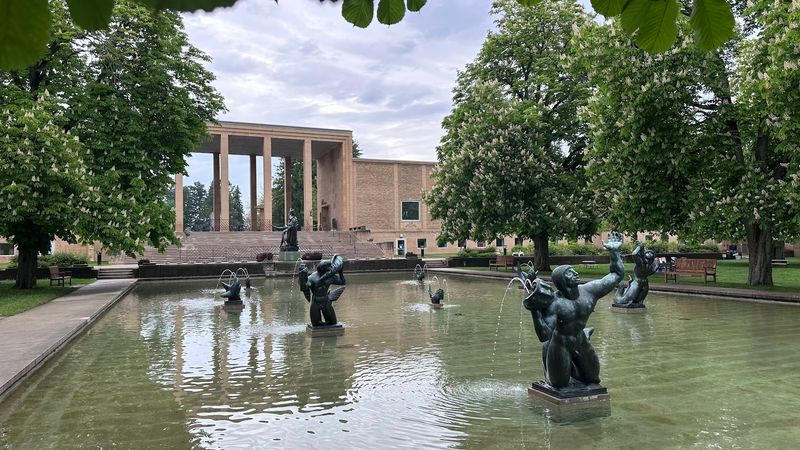
Plenty of places offer mini-golf, and plenty of places offer art, but Cranbrook Art Museum brings the two together in a way that is unusually thoughtful for the Detroit area. The pairing works because it does not treat play as a gimmick.
Instead, the course extends the museum’s larger interest in design, space, and visual curiosity.
That gives the attraction broader appeal than a novelty event. Someone may arrive for a lighthearted game and end up noticing the campus planning, the sculpture-filled grounds, or the museum’s contemporary exhibitions.
Another visitor may come for art first and discover that mini-golf adds welcome energy to a place already known for strong architecture and outdoor beauty.
The location in Bloomfield Hills also helps. It feels tucked into a quieter, more reflective setting than many entertainment spots, yet it remains reachable for a day trip.
That balance makes the museum easy to recommend for metro Detroit residents who want something different without committing to a long getaway.
There is also a practical reason it stands out. The experience can stretch or shrink depending on time and interest.
Some visitors may stay around an hour or two, while others turn it into a fuller afternoon with grounds, galleries, and nearby campus features. That flexibility is a real strength for mixed-age groups and changing schedules.
Most of all, Cranbrook proves that a museum can invite play without losing its identity. The mini-golf course adds humor and motion, but the artistic setting keeps the whole thing anchored in design.
It is a rare combination, one that makes a common pastime feel newly imaginative while staying true to the museum around it.
Share this story