Old mine ruins feel even more haunting when the forest has grown quietly around them. Near Mohawk in Michigan’s Keweenaw Peninsula, Arnold Mine Trail gives hikers an easy but intriguing walk past historic remnants, quiet paths, water views, and scenery that makes nature and history feel closely tied together.
The appeal comes from that mix of mystery and accessibility, making the trail interesting for families, casual hikers, and local history fans who want something unusual without a demanding route. It feels adventurous in a quiet, thoughtful way.
For anyone looking for a Keweenaw outing with ruins, woods, and a strong sense of place, Arnold Mine Trail deserves a closer look.
Stone Walls in the Woods
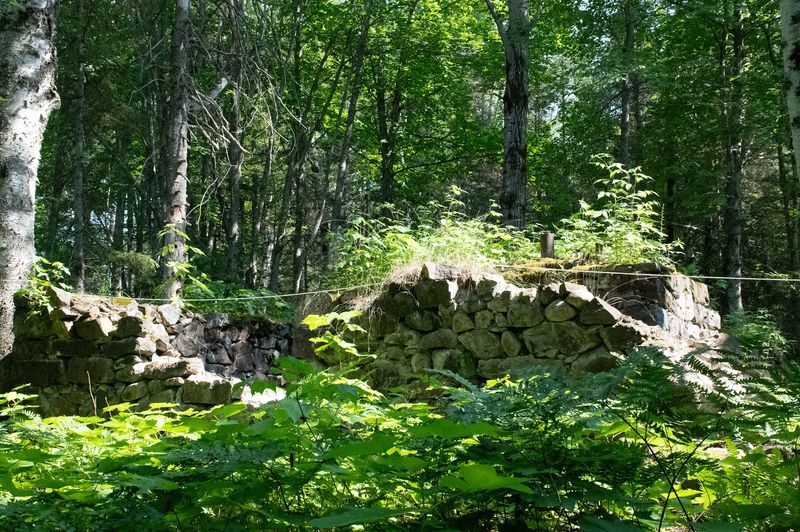
At first glance, the forest seems calm and ordinary. Then the ruins appear between the trees, and the whole walk changes from a simple hike into a small adventure through Michigan mining history.
The remains at Arnold Mine Trail do not look polished or staged. Broken stonework, old structural pieces, and rough outlines of what once stood here create a strong visual contrast with the living woods around them.
That contrast is a big part of the appeal. The site gives you space to imagine workers, equipment, noise, and motion, even while birdsong and rustling leaves now fill the air.
Because the mine is abandoned, the mystery comes from what is missing as much as what remains. There are no moving machines, no fresh tracks, and no clear daily activity, only clues left behind in the shape of the ruins.
For younger visitors, that can turn the stop into a scavenger hunt for details. Adults often notice how quickly nature has softened the hard industrial edges.
Lighting changes the look of the ruins throughout the day. Morning can make the site feel cool and quiet, while afternoon sun brings out the textures in rock, moss, and weathered surfaces.
A camera or phone comes in handy here, especially if you enjoy dramatic photos with strong lines and natural framing from nearby trees.
Moving slowly is the best way to appreciate this section of the trail. Rather than rushing to the end, pause at different angles and look at how the structures sit in the landscape.
Arnold Mine Trail works best when you treat the ruins not as a quick stop, but as a place to study, wonder, and explore carefully.
An Easy Walk With a Big Payoff
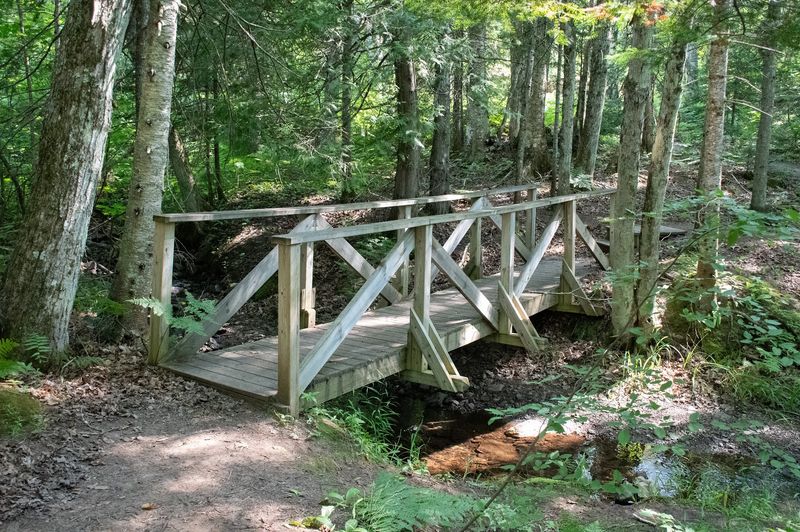
Not every memorable outdoor place requires a long, tiring trek. Arnold Mine Trail stands out because the walk is manageable for many people, yet the destination still delivers a real sense of discovery.
Reports about the trail often point to the same practical benefit: it is not a punishing route. That matters for families with children, older walkers, or anyone who wants to spend more time looking around than climbing steep hills.
A shorter, easier path also makes the trip less stressful. You can focus on the woods, the ruins, and the changing scenery instead of counting every step back to the car.
The trailhead itself has a useful identifying detail, a red sign with a cross on it. Knowing that small marker ahead of time can make arrival feel much smoother, especially in an area where natural settings can blur together.
Once you are on the path, the route gives the experience a welcoming pace. It encourages curiosity rather than speed.
Ease should not be confused with boredom. The walk gains energy from variety, with forest views, hints of water, and the promise of old mining remains waiting farther in.
That steady build makes the outing satisfying because the trail keeps giving you small reasons to continue.
Good shoes are still a smart choice, even on a more relaxed route. Roots, damp patches, and uneven ground can show up on woodland trails, and it helps to stay comfortable.
Bringing water and a snack is wise too, particularly if your group likes to stop often for photos or conversation.
For travelers exploring the Keweenaw area, Arnold Mine Trail offers a low-pressure way to add both outdoor time and local history to the day. It feels accessible, but never flat or forgettable, and that balance is harder to find than it may seem.
Michigan Fall Color Meets Mining History
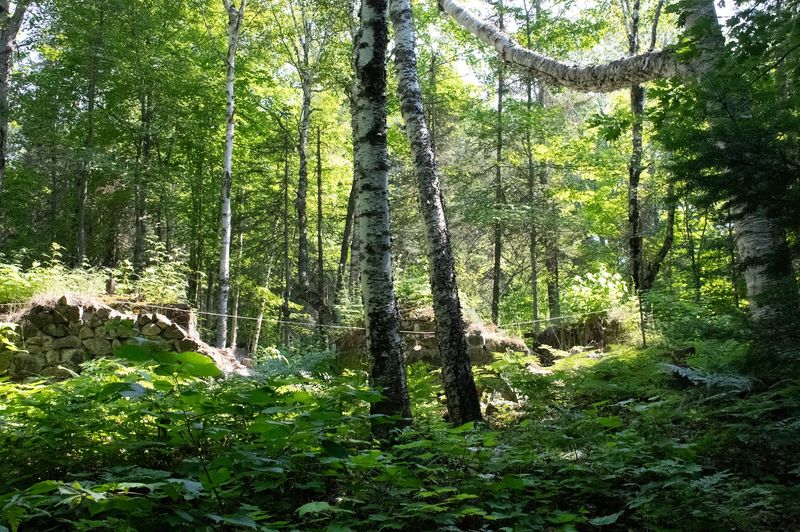
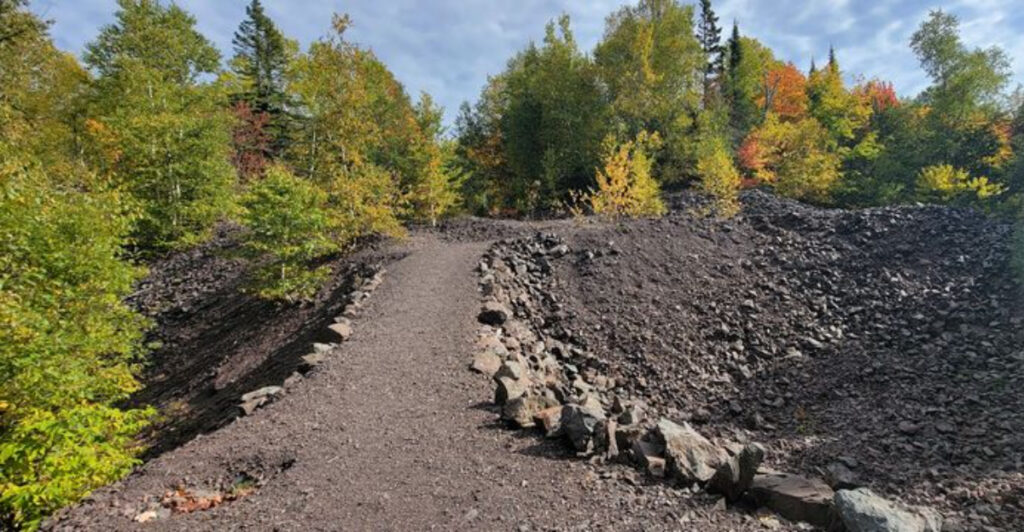
Come in early October, and Arnold Mine Trail can look like two different worlds sharing one path. Bright fall leaves light up the forest while the mine ruins add darker, rougher shapes that pull the eye in another direction.
This mix is one reason the site has such strong visual appeal in Michigan. Maples can bring flashes of red and gold, birch trees add pale trunks and soft yellow tones, oaks deepen the scene, and evergreens keep the background rich even as the season changes.
Those layers of color make the old structures stand out even more clearly. The setting feels dramatic without needing any artificial touch.
Autumn is not the only good season, but it may be the most striking for photographers and casual walkers alike. Fallen leaves soften the trail edges, cool air makes the walk comfortable, and sunlight often comes through the branches at an angle that highlights textures in stone, bark, and moss.
Even a short visit can produce a surprising number of photo opportunities.
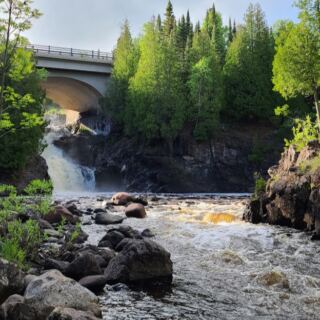
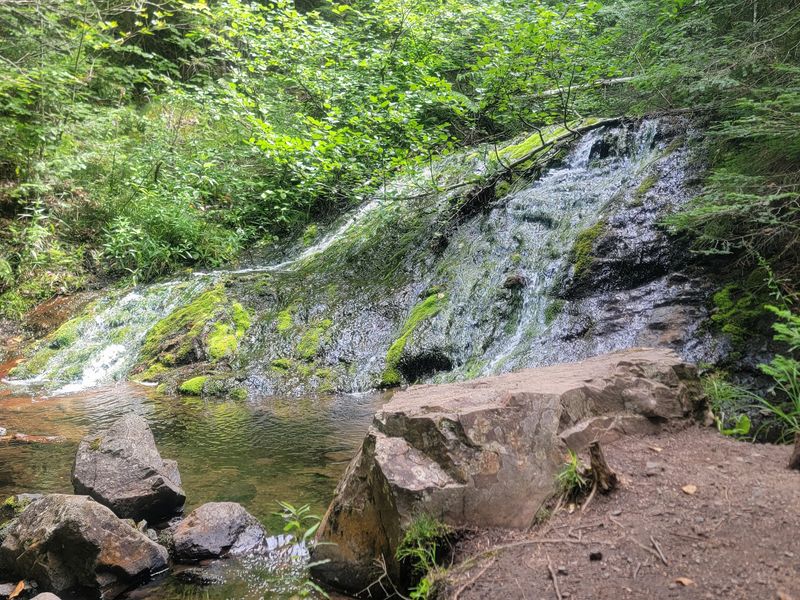
There is also movement in the landscape, not just color. Small waterfalls noted along the trail add sparkle and sound, giving the route another feature to enjoy between the woods and the ruins.
Water changes the pacing of the walk. It creates natural pause points where people often stop, listen, and take in the scene before moving on.
If you plan an autumn trip, a light jacket and sturdy shoes are helpful. Temperatures can shift quickly in the Upper Peninsula, and damp ground may show up after rain.
Starting a little earlier in the day can also help, since daylight shortens as the season moves along.
For anyone who wants scenery with a stronger story than a basic leaf-peeping stop, Arnold Mine Trail offers color, texture, and history in one compact outing.
Picnic Tables Beside a Haunting Landmark
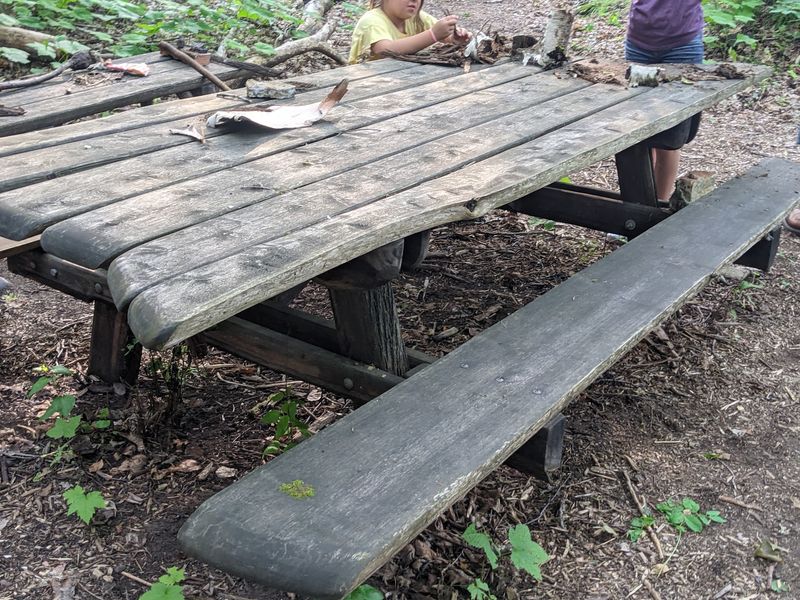
Few things change a hike faster than a place to sit down and stay awhile. Near the Arnold Mine ruins, picnic tables turn a simple stop into a slower, more relaxed outing with room for lunch, conversation, or quiet observation.
That practical detail matters more than it may seem. Many historic sites are interesting for a few minutes and then send you right back to the car.
Here, the tables invite people to linger. You can explore the ruins first, then settle in with a packed meal while the woods do the rest of the work.
It shifts the visit from a quick checkmark to a fuller afternoon experience.
The setting helps. Eating near an old mining landmark adds a sense of place that a roadside picnic area cannot match.
Children get a break after walking, adults can compare photos or discuss the history, and everyone gains time to notice the details they may have missed on the way in. The shapes of old walls, the sound of leaves overhead, and the uneven edges of the ruins all become easier to absorb when you are not moving.
This also makes the trail a good option for travelers with mixed interests. One person may care most about industrial history, another about a gentle hike, and someone else may simply want a scenic lunch spot.
Arnold Mine Trail can handle all three without forcing the day into a strict plan.
Packing smart makes the picnic stop better. Bring water, simple food, and a small bag for trash so the area stays clean.
Bug spray can be useful in warmer months, and a light layer is handy if wind picks up.
The picnic tables add comfort, but they also add rhythm. Walk, explore, pause, look again.
That sequence fits the site perfectly and gives the abandoned mine a little more time to work on your imagination.
Clues From the Copper Country Past
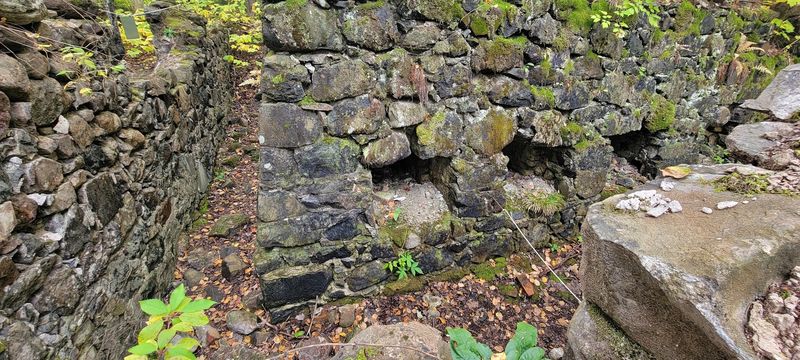
Old mine ruins always raise the same quiet question: what happened here before the trees closed back in? At Arnold Mine Trail, that question gives the walk much of its energy.
Mohawk sits in Michigan’s Copper Country, a region shaped by mining for generations. Even without a full museum setup on the trail, the ruins connect visitors to that larger story.
Stone remains, structural fragments, and the very location of the site point back to a time when industry pushed deep into this rugged landscape. Instead of reading history only from a page, you see it in the ground and in the surviving footprint of work.
That connection is especially useful for younger visitors or anyone new to the Keweenaw Peninsula. A trail like this can open the door to bigger conversations about how communities grew, why mines mattered, and what happened after many of them shut down.
The site does not need flashy displays to start that process. The setting itself does much of the teaching.
There is also a reminder here about expectations. One playful local comment about the area says not to plan on doing any mining, and that simple joke captures the point well.
Arnold Mine Trail is for observing, learning, and imagining, not for entering a working site or searching for treasure. Respecting the remains keeps the experience safer and more meaningful.
If history is your main reason for coming, it helps to pair the walk with a little background reading about Copper Country before the trip. Even a basic overview can make the ruins easier to interpret.
Shapes that first seem random may begin to suggest walls, work zones, or support structures.
Arnold Mine Trail does not deliver history in a loud way. It offers fragments, hints, and setting.
For many people, that lighter touch makes the place more engaging, because curiosity does part of the work.
Water, Woods, and Quiet Side Paths
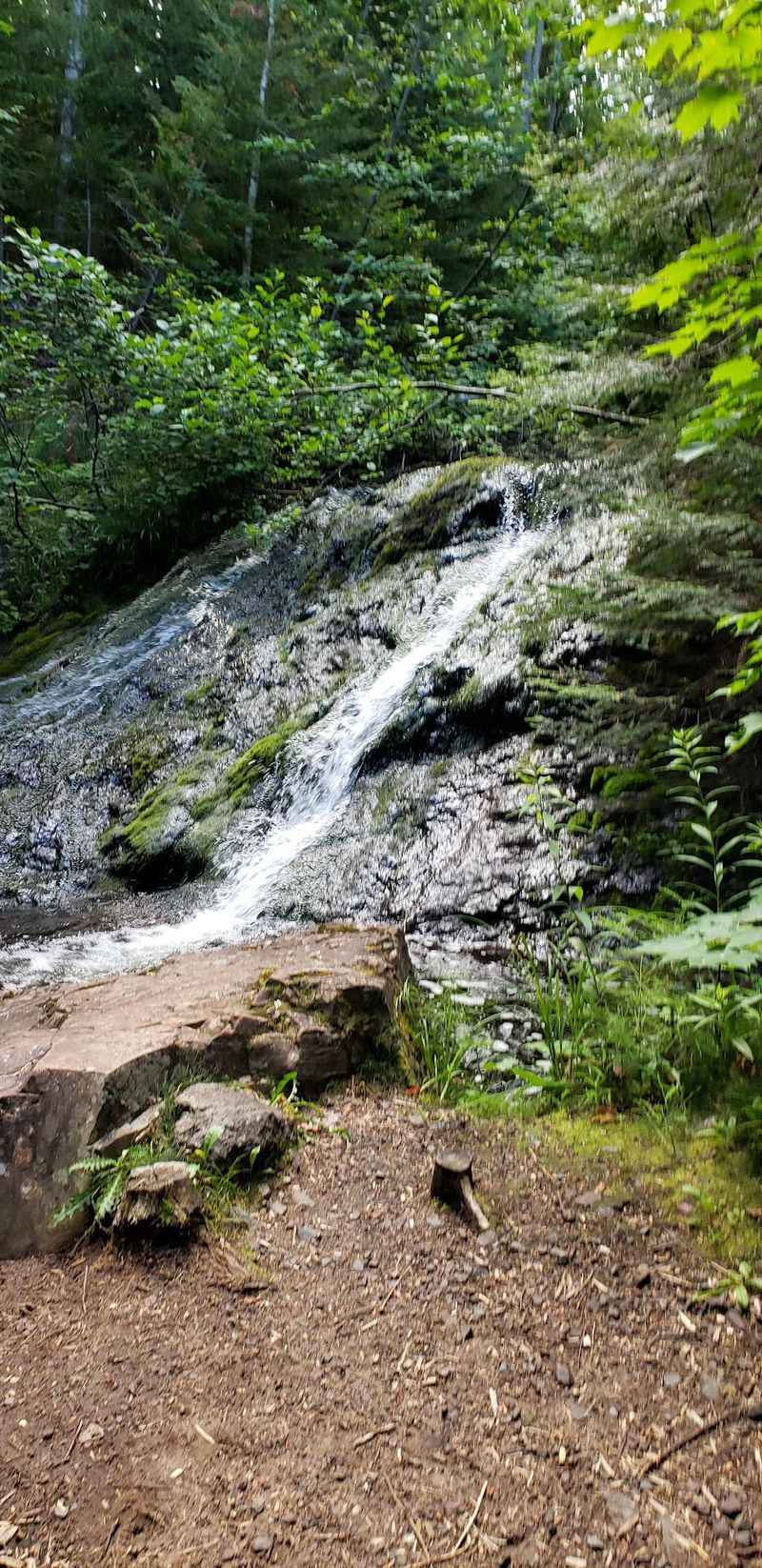
The ruins may be the headline, but the surrounding landscape gives Arnold Mine Trail its depth. Water, forest variety, and quiet resting spots keep the route interesting even before the old mine comes into view.
One of the most appealing parts of the area is the mix of trees. Maple, oak, birch, and evergreen all contribute different colors, shapes, and textures, so the trail never settles into a single flat look.
In one stretch, the woods can feel airy and bright. A little farther along, denser greenery creates a cooler, more sheltered pocket.
That shift in scenery adds momentum to an otherwise easy walk.
Small waterfalls bring another layer to the experience. They are not giant, roaring attractions that take over the trail.
Instead, they work like natural punctuation marks, brief scenic moments that break up the walk and make people stop for a second look. Flowing water also changes the soundscape.
The quiet becomes more textured, with splashing and leaf movement mixing together.
Nearby beaches and picnic-friendly spots, mentioned as part of the broader outing, suggest that this place rewards a slower schedule. Rather than treating the trail as a race to the ruins and back, it makes more sense to allow time for detours, pauses, and a little wandering within marked, appropriate areas.
The outing becomes less about distance and more about pace.
Nature here also serves a practical role. The wooded surroundings soften sun and wind, offer shade during warmer months, and create pleasant conditions for families who may not want an exposed hike.
Still, weather in the Upper Peninsula can change quickly, so carrying a light layer is a smart move.
Arnold Mine Trail works so well because it combines a historical destination with a strong natural setting. Even if the ruins were smaller than expected, the forest, water, and restful corners would still give the trip substance and shape.
How to Plan the Best Visit
A little planning goes a long way at Arnold Mine Trail. The site is approachable, but the best visit happens when you treat it as a relaxed outdoor stop instead of a rushed errand between bigger attractions.
Start by giving yourself more time than the trail mileage alone might suggest. Easy walks can still stretch out when there are ruins to inspect, waterfalls to notice, photos to take, and picnic tables inviting you to stop.
That extra time changes the tone of the outing. Instead of arriving, snapping one picture, and leaving, you get the chance to move through the place at a comfortable pace.
Footwear matters even on a shorter trail. Closed-toe shoes with decent grip are a good choice because woodland paths can include roots, loose bits of ground, and damp patches.
A small daypack with water, bug spray, and a light snack is usually enough. If you plan to use the picnic area, add lunch and a trash bag so everything leaves with you.
Timing can shape the trip in different ways. Fall brings strong color and crisp air, while warmer months may highlight the greenery and water features.
Earlier in the day often means softer light and a quieter feel. Later visits can be lovely too, but it is wise to keep daylight in mind, especially in shoulder seasons when evening arrives faster.
Because the site is a historical landmark, respectful behavior is part of good planning. Stay on established paths where possible, avoid climbing on fragile remains, and supervise children closely near uneven areas.
The ruins are far more interesting when preserved than when treated like a playground.
For travelers near Mohawk who want one stop that blends local history, nature, and a manageable walk, Arnold Mine Trail checks a lot of boxes. Pack light, slow down, and let the place reveal itself one detail at a time.
Share this story