North Carolina has busy cities, quiet small towns, mountain communities, and coastal neighborhoods, so strong hospitals matter in every part of the state. Families want care that feels safe, modern, and close to home, especially when a sudden illness or injury changes the day.
Many hospitals across the state are known for skilled teams, helpful services, and steady work to improve patient care. This guide highlights hospitals in North Carolina that are often recognized for quality, safety, specialty care, or trusted community service.
1. UNC Health Lenoir, Kinston
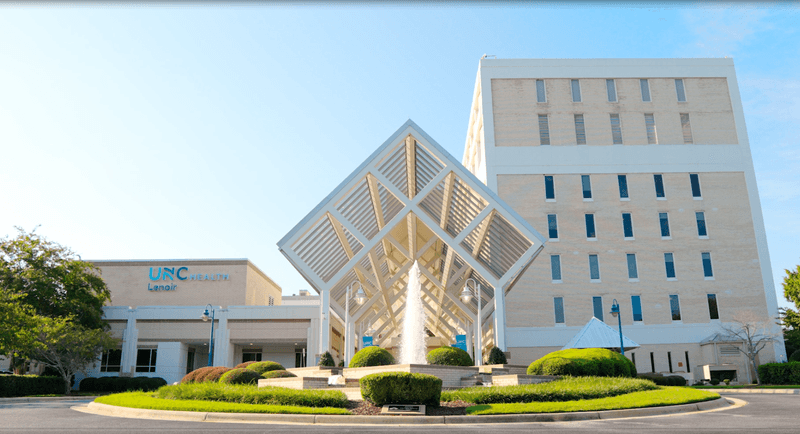
A hospital can feel like the center of a community, especially in a place where neighbors still recognize one another at the grocery store.
In Kinston, UNC Health Lenoir plays that kind of role for many families in eastern North Carolina.
Located in Lenoir County, this hospital gives residents access to important care without requiring a long drive to a larger city.
That matters when someone has chest pain, a bad fall, a serious infection, or a child who suddenly gets very sick.
UNC Health Lenoir is connected with the wider UNC Health system, which helps link local patients to a larger network of doctors, specialists, and medical knowledge.
For patients, that connection can mean smoother referrals, better record sharing, and more confidence when care needs to move beyond basic treatment.
The hospital provides emergency care, imaging, surgery, maternity services, rehabilitation, and other everyday health services.
People often look for hospitals that can handle common needs well, because most medical visits are not rare or dramatic.
They are the real moments families face every week.
When choosing a hospital like this, it helps to check whether your insurance is accepted and which doctors are on staff.
If you have a planned procedure, ask about recovery time, follow-up visits, and where to go if problems happen after you return home.
One helpful habit is keeping a printed list of medicines, allergies, past surgeries, and emergency contacts.
In a stressful moment, that small list can save time and help the care team make safer choices.
Kinston is also known for its strong food and arts scene, so visitors may be surprised by how much character surrounds the hospital.
Still, the main value of UNC Health Lenoir is practical and clear.
It brings dependable hospital care to a region where local access can make a big difference.
2. Novant Health Huntersville Medical Center, Huntersville
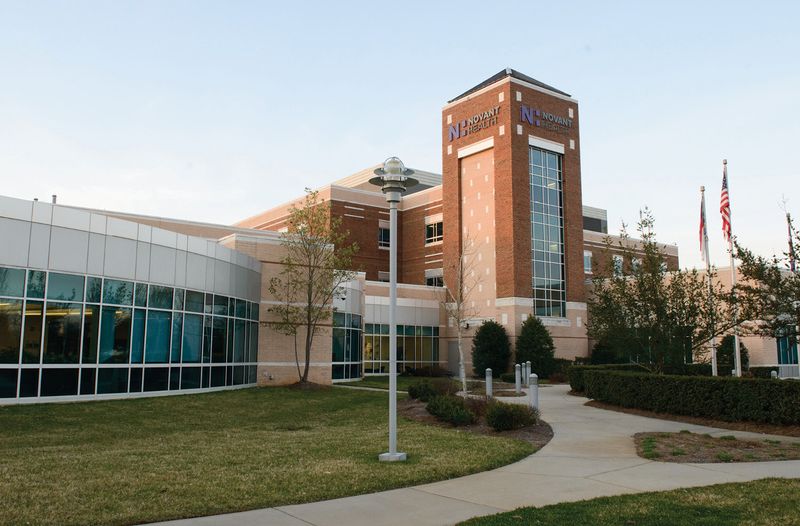
North of Charlotte, where busy roads meet growing neighborhoods, quick access to hospital care is more than a convenience.
Novant Health Huntersville Medical Center serves a fast-growing area where families, commuters, and older adults all need dependable medical support.
The hospital is part of Novant Health, a major health system with many locations across North Carolina.
That gives patients the benefit of local care backed by a larger network of specialists, clinics, urgent care centers, and digital health tools.
People in Huntersville often choose this hospital for emergency care, maternity services, surgical care, imaging, heart-related services, and general medical treatment.
Its suburban location is helpful for residents around Lake Norman, Cornelius, Davidson, and northern Mecklenburg County.
A strong hospital in a growing town must do more than treat illness.
It must move patients through care with clear directions, answer questions, and coordinate follow-up visits.
Novant Health Huntersville Medical Center is often valued for that kind of organized experience.
If you are planning a delivery, surgery, or test here, ask your doctor which entrance to use and whether pre-registration is available.
Small steps like those can make the day feel less confusing, especially when parking lots and medical buildings are unfamiliar.
For emergency visits, bring an ID, insurance card, medicine list, and the name of your regular doctor if possible.
If the patient is a child or older adult, it also helps to bring notes about recent symptoms, falls, fevers, or changes in eating and sleeping.
Huntersville has grown quickly from a smaller town into a lively part of the Charlotte region.
A hospital like this helps support that growth by giving people care close to home instead of forcing every serious medical need into the city.
For families choosing where to live, nearby hospital access can be an important detail.
Novant Health Huntersville Medical Center adds peace of mind for people who want suburban life without feeling far from quality health care.
3. UNC Health Johnston Clayton, Clayton
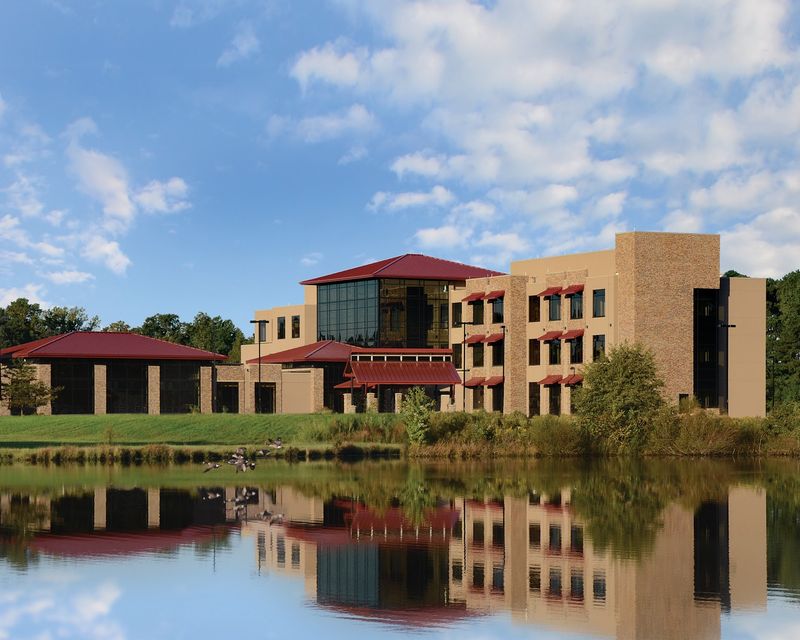
Clayton has changed a lot over the years, and its hospital care has grown along with it.
UNC Health Johnston Clayton gives Johnston County residents a closer option when they need treatment, tests, or emergency help.
The hospital is part of UNC Health Johnston, which also serves nearby communities in the county.
Its connection to UNC Health gives patients access to a broader system while still keeping care close to home for people who live southeast of Raleigh.
For many families, the biggest benefit is location.
A hospital in Clayton can save time for people who might otherwise drive into Wake County during traffic, weather problems, or a medical scare.
Services can include emergency care, imaging, surgery, inpatient care, and support for common health needs.
While some highly specialized care may require transfer to a larger medical center, having a trusted local hospital is still a major advantage.
Patients should use the hospital website or call ahead before planned visits to confirm hours, departments, and insurance details.
Health systems sometimes change service locations, so checking before you go can prevent stress.
If you are helping a family member, write down the doctor’s instructions before leaving.
Hospital discharge papers can be long, and it is easy to miss details about medicines, diet, wound care, or warning signs.
Clayton sits in a part of North Carolina where new homes, schools, and businesses keep appearing.
With more people comes a greater need for steady medical access, and UNC Health Johnston Clayton helps meet that need for both longtime residents and new arrivals.
A helpful tip for local residents is to learn the fastest route to the emergency department before an emergency happens.
It may sound simple, but knowing where to park and which door to use can make a tense moment easier.
UNC Health Johnston Clayton stands out because it connects community-based care with a respected statewide medical network.
For Johnston County, that balance is valuable.
4. UNC Health Nash, Rocky Mount
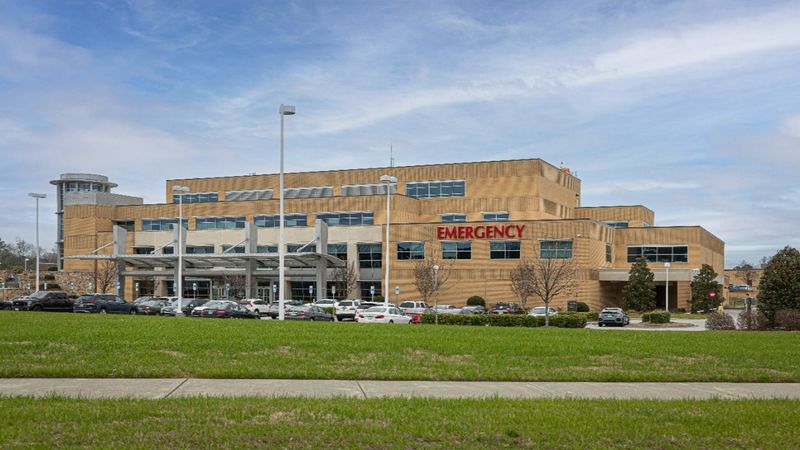
In Rocky Mount, health care must serve a wide mix of people, from city residents to families in nearby rural areas.
UNC Health Nash helps fill that role by offering hospital services in a part of eastern North Carolina where access is deeply important.
The hospital has roots in the local community and is now connected with UNC Health.
That partnership can help strengthen quality programs, improve care coordination, and give patients a path to more specialized services when needed.
UNC Health Nash offers emergency care, surgery, imaging, heart and vascular services, women’s care, rehabilitation, and other medical support.
For many patients, having those services nearby can reduce the time spent traveling during already stressful moments.
Rocky Mount sits along major routes in the state, and the hospital serves people from Nash and Edgecombe counties as well as surrounding communities.
That regional role is one reason the hospital matters beyond the city limits.
When comparing hospitals, look at more than size.
Consider infection prevention, patient communication, nursing support, emergency care access, and how well the hospital helps patients plan the next step after discharge.
If you or a loved one is admitted, do not be afraid to ask simple questions.
Helpful ones include: What is the main diagnosis?
What medicine changes are being made?
Who should we call if symptoms return?
It is also smart to ask whether follow-up care can happen in Rocky Mount or if a specialist visit will require travel.
Knowing that early helps families plan transportation, time off work, and child care.
UNC Health Nash serves an area where dependable hospital care can affect entire households.
A quick test, a clear diagnosis, or timely emergency treatment may help someone return to work, school, or caregiving duties faster.
For readers interested in North Carolina’s health care landscape, this hospital shows how regional medical centers support communities outside the biggest metro areas.
Its value comes from being both local and connected to a larger system.
5. Cape Fear Valley Health Hoke Hospital, Raeford

A smaller hospital can make a big difference when it sits in the right place.
Cape Fear Valley Health Hoke Hospital in Raeford gives Hoke County residents important care closer to home, which can be especially helpful during emergencies.
Raeford is near Fort Liberty, Fayetteville, and several rural communities, so the hospital serves a varied population.
Military families, longtime residents, workers, retirees, and children may all depend on nearby medical services.
The hospital is part of Cape Fear Valley Health, one of the major health systems in southeastern North Carolina.
That connection can help patients move between local care and larger services in Fayetteville when more advanced treatment is needed.
Hoke Hospital is known for emergency services, inpatient care, imaging, and support for common medical needs.
For a county that has grown over time, a local hospital can reduce pressure on larger emergency rooms and shorten travel time for patients.
If you live nearby, it is wise to learn which services are offered directly at the hospital and which may require transfer.
Not every hospital provides every specialty, but a good local facility can stabilize patients and guide them to the right next step.
For planned care, ask whether your lab work, imaging, or pre-surgery instructions can be completed before the day of treatment.
Being prepared often leads to a smoother visit and fewer delays.
Families should also keep important health papers in one place at home.
A folder with insurance cards, medicine lists, vaccine records, and doctor contacts can be useful when someone needs care quickly.
Raeford has a quieter pace than nearby Fayetteville, and that can make local care feel less overwhelming for some patients.
Easy access, familiar roads, and shorter trips may help people feel calmer before an appointment.
Cape Fear Valley Health Hoke Hospital is a reminder that top care is not only found in huge medical towers.
Sometimes, the most meaningful hospital is the one close enough to reach when minutes matter.
6. Novant Health Presbyterian Medical Center, Charlotte
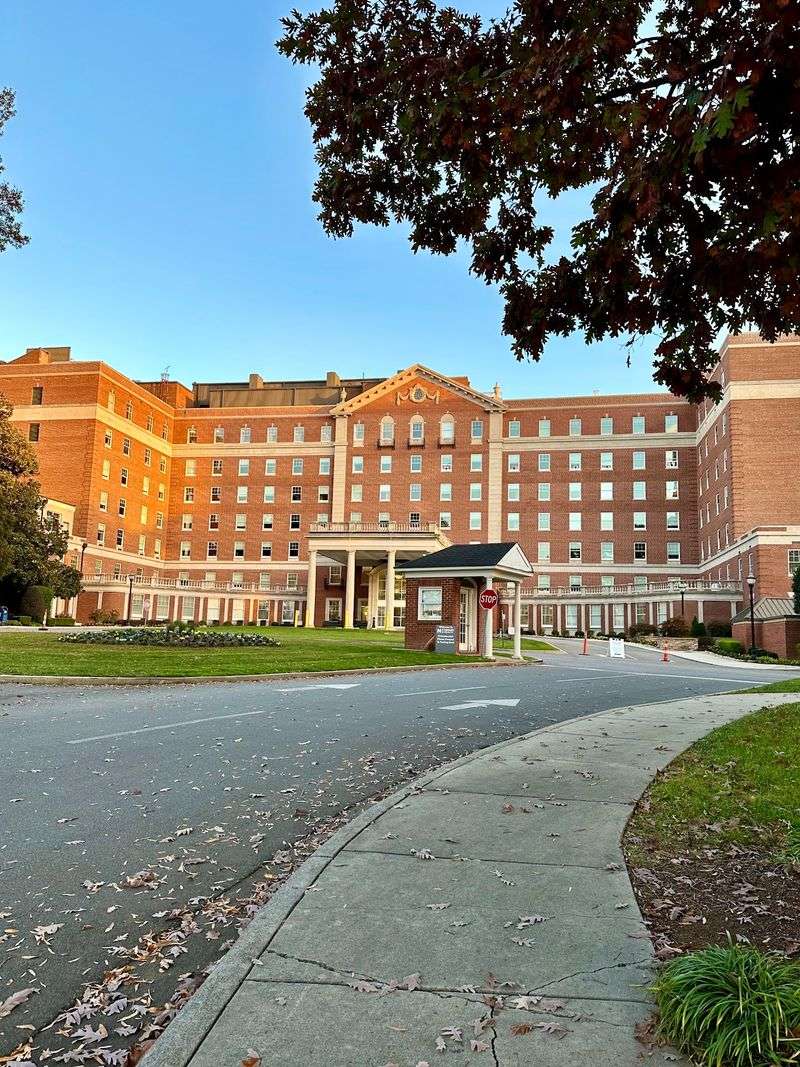
Charlotte moves fast, and its hospitals must keep up with a city that keeps growing taller, busier, and more connected.
Novant Health Presbyterian Medical Center is one of the major medical centers serving the Queen City.
Located near the heart of Charlotte, the hospital offers a wide range of services for people across Mecklenburg County and beyond.
Its central location can be helpful for patients who need specialty care, advanced testing, or coordinated treatment within a large health system.
The hospital is part of Novant Health and is often associated with strong services in heart care, women’s health, surgery, emergency care, cancer support, and other specialties.
Large hospitals like this can bring many experts together under one system.
For patients, that can mean easier access to different departments when a health problem has more than one piece.
A person with heart disease, diabetes, and kidney concerns may need several teams working together.
Before visiting a large urban hospital, plan ahead.
Charlotte traffic can be heavy, so leave early, check parking options, and confirm the building or entrance listed on your appointment instructions.
If you are staying with a loved one, ask about visitor rules, cafeteria hours, nearby lodging, and after-hours access.
Those details can make a long hospital day less tiring.
Large medical centers can sometimes feel confusing, but they also offer depth.
Patients may find advanced imaging, specialized procedures, intensive care, and a wider range of doctors than at smaller facilities.
A good question to ask during care is, Who is the main doctor coordinating the plan?
In a large hospital, knowing the lead contact can reduce confusion when many professionals are involved.
Novant Health Presbyterian Medical Center stands out because it serves one of North Carolina’s biggest and most dynamic cities.
For Charlotte residents, it represents both everyday hospital access and higher-level care for complex medical needs.
7. Novant Health Matthews Medical Center, Matthews

Just outside Charlotte, Matthews has the feel of a busy suburb with a small-town heart.
Novant Health Matthews Medical Center fits that setting by offering hospital care that is close, organized, and useful for families in southeastern Mecklenburg County.
The hospital is part of the Novant Health network, which helps connect patients to clinics, specialists, and larger medical centers when needed.
That link is helpful for people who want local care but also want access to broader resources.
Services often include emergency care, maternity care, surgery, imaging, rehabilitation, and treatment for common medical conditions.
For parents, older adults, and working people, having those services nearby can make health care feel less disruptive.
Matthews is near Mint Hill, Indian Trail, Stallings, and other growing communities.
A hospital in this area helps reduce the need to drive into central Charlotte for many medical needs.
If you have a scheduled procedure, ask whether you need to stop eating before arrival, which medicines to take, and who can drive you home.
Clear instructions matter, especially after anesthesia or pain medicine.
Emergency visits are different, but preparation still helps.
Keep a small health card in your wallet with allergies, major conditions, and emergency contacts.
It can help nurses and doctors act faster.
Patients may also want to ask about follow-up care before leaving the hospital.
Many people feel better at discharge but still need therapy, wound checks, lab work, or a visit with a primary care doctor.
One advantage of a community-focused hospital is that it can feel easier to navigate than a huge medical campus.
That can lower stress for people who already feel worried about tests, surgery, or a loved one’s condition.
Novant Health Matthews Medical Center earns attention because it supports a growing part of North Carolina with reliable hospital services and a connection to a larger health system.
For many local families, that mix is exactly what they need.
8. Mission Hospital, Asheville
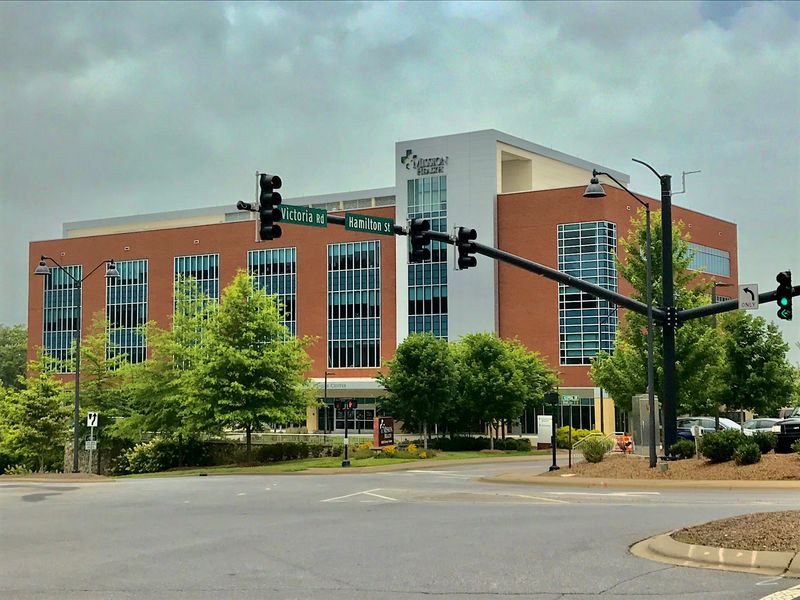
Mountain communities need hospitals that can handle both everyday care and serious emergencies across a wide region.
Mission Hospital in Asheville serves that role for western North Carolina, where long roads, changing weather, and rural distances can shape medical access.
Asheville is the largest city in the mountain region, so Mission Hospital draws patients from many surrounding counties.
People may come from small towns, mountain hollows, college neighborhoods, tourist areas, and retirement communities.
The hospital is known as a major medical center with services that may include emergency care, trauma care, heart care, surgery, maternity care, intensive care, and specialty treatment.
For western North Carolina, that range is especially important.
When a hospital serves a broad mountain region, transportation becomes part of the health story.
An ambulance ride, a family drive, or a transfer from a smaller facility can take time, so regional hospital strength matters.
Patients planning care at Mission Hospital should confirm the right location and department before traveling.
The Asheville medical area can be busy, and knowing where to park or check in can reduce stress.
If you live far from Asheville, ask about follow-up options closer to home.
Some care may be available through local clinics, telehealth, or partner offices, which can save time and travel costs.
Families visiting a patient should bring layers of clothing, snacks, chargers, and any needed medical papers.
Mountain weather can change quickly, and hospital days sometimes last longer than expected.
Asheville is famous for art, food, and views of the Blue Ridge Mountains, but Mission Hospital is important for a more practical reason.
It helps provide advanced care in a part of the state where patients cannot always choose from several nearby large hospitals.
For many western North Carolina residents, this hospital is a key safety net.
Its regional role makes it one of the most important medical centers in the state’s mountain counties.
9. University of North Carolina Hospitals, Chapel Hill
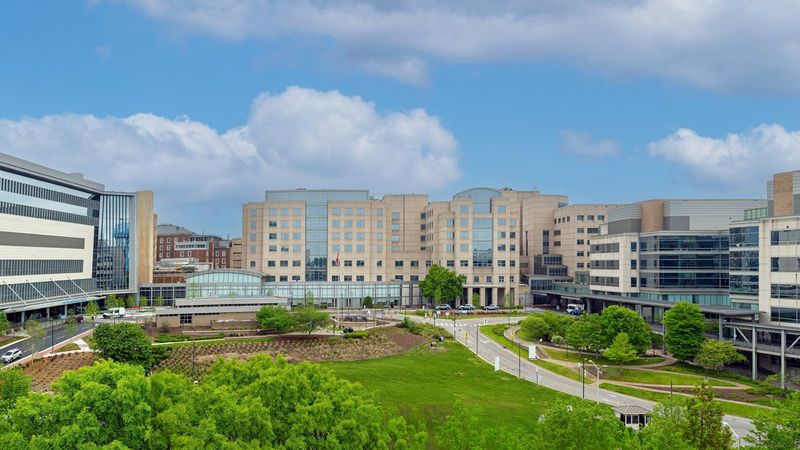
Some hospitals feel like places where care, teaching, and research all meet at once.
University of North Carolina Hospitals in Chapel Hill is one of those places, serving patients while also training future health professionals.
Located on the UNC campus, this medical center is part of UNC Health and is closely tied to the University of North Carolina School of Medicine.
That academic connection often supports advanced care, clinical research, and access to many specialists.
Patients may come here for cancer care, children’s care, transplant services, heart care, neurology, surgery, rare conditions, and complex medical problems.
Many people are referred from other hospitals when a condition needs a higher level of expertise.
Academic medical centers can feel large and busy, but they offer something special.
They often bring together teams of doctors, nurses, therapists, pharmacists, and students who look closely at difficult cases.
If you are referred to UNC Hospitals, bring records, test results, medicine lists, and notes from your local doctor.
Even when electronic records are shared, having your own copies can help avoid delays.
Patients should also ask whether appointments are in the main hospital, a clinic building, or another UNC Health location.
Chapel Hill has many medical buildings, and going to the wrong place can be frustrating.
For families traveling from other parts of North Carolina, planning is important.
Check parking instructions, visitor rules, nearby hotels, and whether financial counseling or patient support services are available.
One helpful question is whether a nurse navigator, social worker, or care coordinator can help.
These team members can be valuable when treatment involves many appointments, medicines, or specialists.
Chapel Hill is known for its university spirit, but UNC Hospitals gives that spirit a life-saving purpose.
The hospital’s blend of patient care, education, and research makes it one of North Carolina’s most recognized medical centers.
For people facing complex illness, this hospital can offer answers that may not be available closer to home.
10. Duke University Hospital, Durham
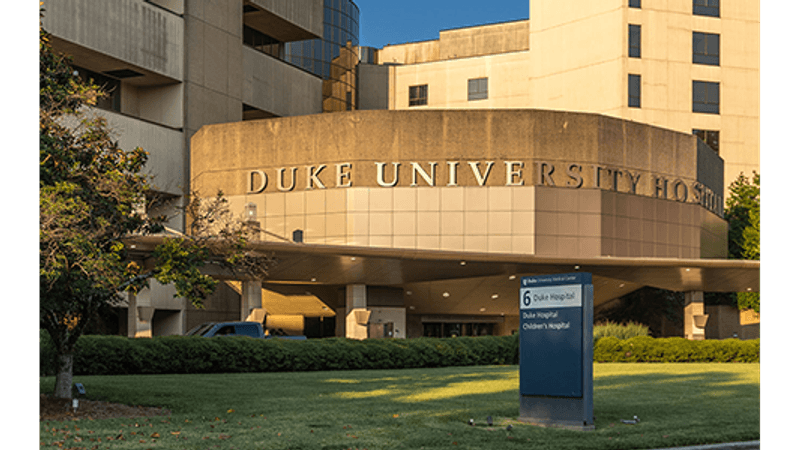
In Durham, Duke University Hospital is more than a hospital.
It is a nationally known academic medical center where patients often go when they need highly specialized care, advanced treatment, or another expert opinion.
The hospital is part of Duke Health and is connected to Duke University School of Medicine.
That relationship supports research, education, and medical teams that handle many complex conditions.
Duke University Hospital is widely known for areas such as cancer care, heart care, neurology, transplant services, surgery, orthopedics, and serious illness treatment.
Patients may travel from across North Carolina, nearby states, or even farther for certain services.
A large academic hospital can be especially helpful when a diagnosis is unclear or a treatment plan is complicated.
Teams may include specialists, nurses, pharmacists, therapists, researchers, and support staff who focus on different parts of the same problem.
Before an appointment, gather records from other doctors, including scans, lab results, surgery reports, and medicine lists.
If you are seeking a second opinion, ask what materials Duke needs before your visit.
Durham traffic and hospital parking can take time, so arrive early and read directions carefully.
Duke has many clinics and buildings, and the correct address matters.
Patients and caregivers should write down questions before meeting the doctor.
Good questions include: What are the treatment choices?
What are the risks?
How will we know if the treatment is working?
For long-term care, ask about lodging, support groups, financial counseling, and help with appointments.
Major treatment can affect the whole family, not just the patient.
Duke University Hospital also reflects North Carolina’s strength in medical research and education.
Discoveries made in academic settings can shape care far beyond one city.
For many families, Duke represents hope during a hard season.
Its reputation comes from advanced services, skilled teams, and a long history of caring for patients with some of the most challenging health needs.
Share this story