Tennessee is full of amazing places to explore without spending a dime. From historic museums and state parks to scenic riverwalks and ancient earthworks, the Volunteer State offers countless ways to fill your day with adventure and discovery.
Whether you’re interested in wildlife watching, hiking to dramatic overlooks, or learning about Tennessee’s rich past, these free destinations prove you don’t need a big budget to have an unforgettable experience.
1. Tennessee State Museum in Nashville

Walking through the Tennessee State Museum feels like flipping through the pages of a giant history book, except everything is real and right in front of you. Located in downtown Nashville, this museum covers thousands of years of state history without charging you a penny to walk through the doors.
Exhibits range from ancient Native American artifacts to Civil War relics and everything in between.
The museum’s collection includes over 60,000 items, so you could easily spend several hours wandering the galleries. You’ll find displays on Tennessee’s role in major historical events, famous Tennesseans who shaped the nation, and the everyday lives of people who called this state home centuries ago.
The building itself is modern and spacious, making it easy to navigate even when it’s busy.
One of the best parts? Parking can be found nearby without breaking the bank, and some spots are even free on weekends.
The museum also hosts temporary exhibits that rotate throughout the year, giving you fresh reasons to return. Interactive displays keep younger visitors engaged while adults appreciate the depth of information available.
Plan to arrive when the museum opens if you want a quieter experience. The staff members are knowledgeable and happy to answer questions about specific exhibits.
Before you leave, check out the museum store, though browsing is free even if you don’t buy anything.
Nashville has plenty of other free attractions nearby, so you can easily build an entire day around this area. The museum provides a perfect starting point for understanding Tennessee’s complex and fascinating story.
Bring a water bottle and comfortable shoes because you’ll be doing plenty of walking through multiple floors of exhibits.
2. Great Stone Door in Beersheba Springs
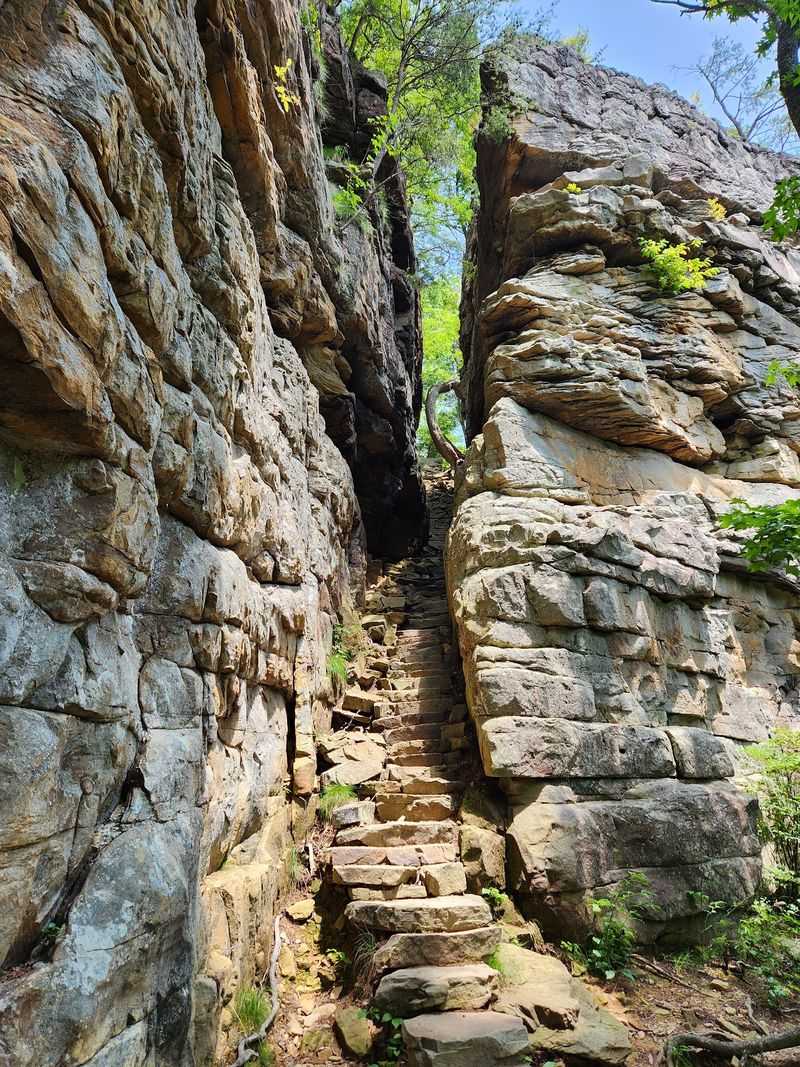
Perched on the edge of the Cumberland Plateau, the Great Stone Door is one of those natural wonders that makes you stop and stare. This massive rock formation creates a natural gateway through the cliffside, opening up to sweeping views of the Savage Gulf below.
The hike to reach it is short enough for most fitness levels but rewarding enough to feel like a real adventure.
Getting there involves a trail that winds through hardwood forest before suddenly revealing the dramatic stone opening. The “door” itself is formed by two towering rock walls that frame the valley beyond like a picture window carved by nature.
Early morning visits often reward you with mist rising from the gulf, creating an almost mystical atmosphere.
The area is part of Savage Gulf State Natural Area, where general access to trails and overlooks comes free of charge. Photographers love this spot because the lighting changes throughout the day, offering different moods and colors.
Sunset can be particularly spectacular when the fading light paints the rocks in warm tones.
Wear sturdy shoes because the trail can be rocky and uneven in places. The overlook itself requires caution, especially if you’re bringing kids, since the drop-off is significant. There are no guardrails, so stay alert and respect the natural landscape.
Pack snacks and water because there are no facilities right at the trailhead. The small community of Beersheba Springs nearby has limited services, so come prepared.
Spring and fall offer the most comfortable temperatures for hiking, though each season brings its own beauty to the plateau.
This spot proves that some of Tennessee’s most impressive sights don’t require admission fees or fancy visitor centers. Just you, the trail, and one of nature’s most impressive doorways.
3. Discovery Park Grounds and Downtown Union City

Union City might not be the first place that comes to mind when planning a day trip, but this northwest Tennessee town offers a laid-back charm that’s perfect for a free outing. The downtown area features historic buildings, local shops you can browse, and public spaces where you can stretch your legs without spending money.
Discovery Park of America is the big draw here, but you can enjoy the surrounding grounds and downtown without paying museum admission.
Start your visit by walking around the downtown square, where you’ll find murals, benches, and the kind of small-town atmosphere that feels genuinely welcoming. Local businesses often have interesting window displays, and you might catch a community event if you visit on the right weekend.
The streets are walkable and safe, making it easy to explore on foot.
Discovery Park’s exterior grounds include landscaped areas and outdoor displays you can view without entering the paid museum. The building itself is architecturally interesting, designed to look like a giant ship.
While the indoor exhibits require tickets, simply being in the area lets you soak up some of the educational atmosphere.
Nearby public parks offer picnic tables and open space if you want to bring lunch and make a longer day of it. The town has a slower pace than Tennessee’s bigger cities, which can be refreshing if you’re looking to escape crowds.
You won’t find the hustle of Nashville or Memphis here, just genuine community character.
Check local event calendars before visiting because Union City sometimes hosts free festivals, farmers markets, or outdoor concerts. These add extra value to your free day out.
The town’s location in the northwest corner of the state makes it a good stop if you’re exploring that region.
Bring a camera because the historic architecture and small-town scenes make for great photos. This is the kind of place where you can slow down, observe, and appreciate Tennessee’s quieter side without any pressure to spend money.
4. Bicentennial Capitol Mall State Park in Nashville
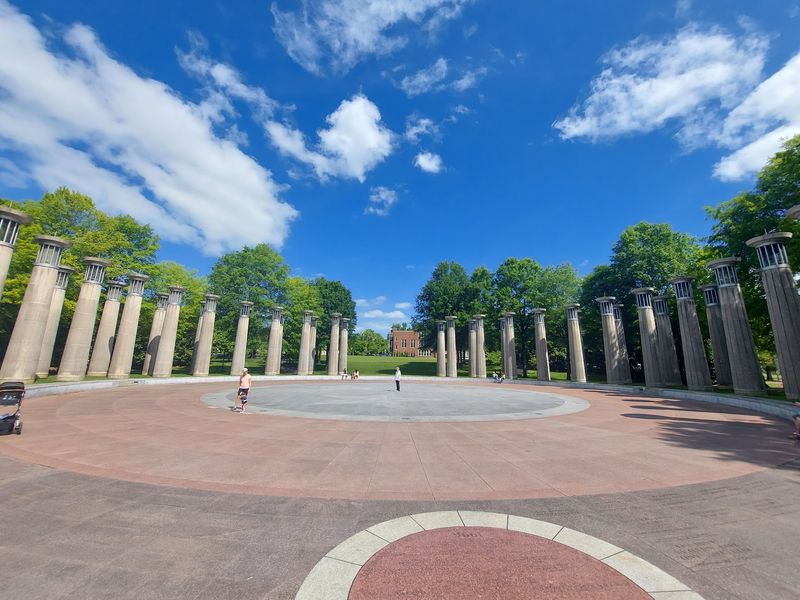
Right in the heart of Nashville sits a 19-acre park that teaches Tennessee history while you walk through it. Bicentennial Capitol Mall State Park was designed as an open-air history lesson, with monuments, maps, and memorials scattered across beautifully maintained grounds.
The massive granite map of Tennessee is big enough to walk across, letting you literally stand in your hometown or trace the state’s rivers with your feet.
The 95-bell carillon tower plays music throughout the day, adding a soundtrack to your exploration. Each bell represents one of Tennessee’s 95 counties, and the tower itself stands as a striking architectural feature.
Surrounding the carillon, you’ll find the Court of Three Stars, representing the state’s three grand divisions: East, Middle, and West Tennessee.
Walk the Pathway of History to see markers for every major event in Tennessee’s past, arranged chronologically. The World War II Memorial features a globe fountain, while the Rivers of Tennessee fountain shows all 31 major waterways.
These aren’t just pretty features; they’re educational tools that make learning feel effortless.
The park connects to downtown Nashville, making it easy to combine with other free activities in the area. You’ll often see locals jogging, families picnicking, and tourists taking photos.
The open design means you can visit any time without feeling confined or rushed.
Seasonal events sometimes take place here, from outdoor concerts to historical reenactments. The farmers market operates nearby on certain days, though the park itself remains free regardless of what’s happening around it.
Bring sunscreen on sunny days because there’s limited shade in many areas. The flat, paved pathways make this accessible for strollers and wheelchairs.
It’s an ideal spot for a quick visit or a longer afternoon of exploration, depending on your schedule and interest level.
5. Cumberland Mountain State Park in Crossville
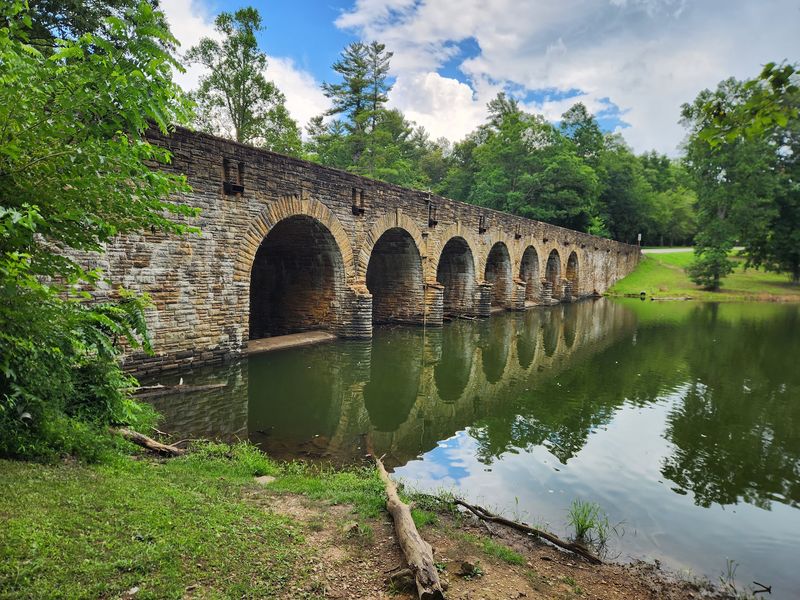
Nestled in the Cumberland Plateau region, Cumberland Mountain State Park offers the kind of peaceful scenery that makes you forget about daily stress. The centerpiece is Byrd Lake, a 50-acre body of water surrounded by trails, picnic areas, and forest that changes dramatically with the seasons.
Like all Tennessee state parks, general entry is free, so you can spend hours here without worrying about admission costs.
The historic stone bridge crossing part of the lake is one of the park’s most photographed features. Built by the Civilian Conservation Corps during the 1930s, it represents the craftsmanship and dedication of that era.
Walking across it feels like stepping back in time, especially when the surrounding trees are ablaze with fall color.
Hiking trails range from easy lakeside strolls to more challenging routes that climb into the surrounding hills. The trails are well-marked and maintained, making navigation straightforward even for first-time visitors.
Birdwatchers bring binoculars to spot species that thrive in this mixed forest habitat.
Pack a picnic and claim one of the tables near the water for a relaxing lunch with a view. The park provides a quiet alternative to busier tourist destinations, especially on weekdays when you might have entire trail sections to yourself.
Fishing is popular here, though you’ll need a valid Tennessee fishing license for that activity.
The park’s location near Crossville makes it accessible from Interstate 40, yet it feels wonderfully remote once you’re inside. Restroom facilities are available, and the park is generally clean and well-kept.
Rangers are helpful if you have questions about trails or park history.
Visit during different seasons to see how the landscape transforms. Spring brings wildflowers, summer offers lush greenery, fall delivers spectacular foliage, and winter reveals the park’s peaceful bones. Each visit can feel like discovering a new place.
6. Tennessee Riverwalk in Chattanooga
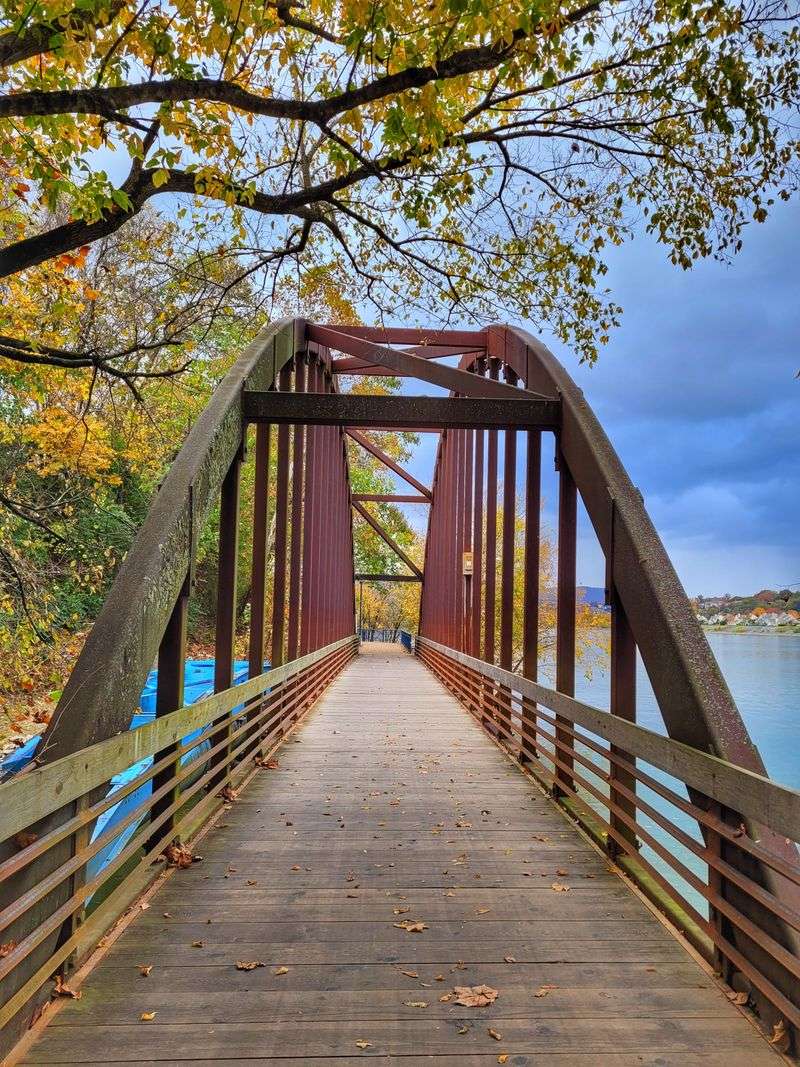
Stretching for miles along the Tennessee River, the Riverwalk in Chattanooga proves that the best things in life really are free. This paved path connects parks, public art, overlooks, and downtown attractions without requiring a single admission fee.
Whether you want to walk, jog, bike, or just sit and watch the river flow, the Riverwalk accommodates every pace and preference.
The path takes you past Coolidge Park, Renaissance Park, and other green spaces where you can rest or explore. Public art installations pop up along the route, adding visual interest and giving you reasons to pause.
The downtown skyline provides a dramatic backdrop, especially as evening approaches and lights begin to twinkle.
Benches and overlooks are strategically placed for maximum river views. You’ll see boats passing by, birds diving for fish, and the occasional kayaker paddling past.
The atmosphere is relaxed and welcoming, with locals and tourists mixing comfortably along the route.
The Riverwalk connects to other trails and paths, so you could potentially walk for hours if you’re feeling ambitious. Maps are posted at various points to help you navigate and understand what’s nearby.
The flat terrain makes this accessible for people of various fitness levels and abilities.
Food trucks sometimes park near the Riverwalk, though bringing your own snacks keeps the outing completely free. Water fountains are available at intervals, but carrying a water bottle is smart, especially during warmer months.
The path is well-lit in many sections, making early evening walks pleasant and safe.
Chattanooga has invested heavily in making its riverfront accessible and attractive to everyone. The Riverwalk represents that commitment beautifully.
It’s a place where you can spend an entire day without spending money, just enjoying the natural beauty and urban energy that make Chattanooga special.
7. Reelfoot Lake State Park in Tiptonville
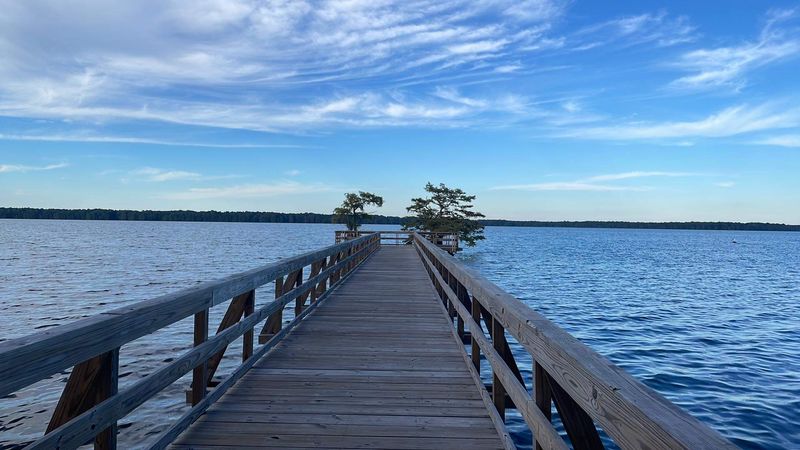
Created by earthquakes in the early 1800s, Reelfoot Lake is one of Tennessee’s most unusual and beautiful natural areas. The shallow lake is filled with bald cypress trees rising from the water, creating an otherworldly landscape that looks like something from a fantasy movie.
Located in the far northwest corner of the state near Tiptonville, this state park offers incredible wildlife watching without charging admission.
Bald eagles are the star attraction, especially during winter months when dozens of these majestic birds gather to hunt fish in the shallow waters. Watching an eagle swoop down and snatch a fish is an unforgettable experience.
The park provides viewing areas where you can observe without disturbing the wildlife.
Boardwalks extend over the water, allowing you to walk among the cypress trees and get close-up views of the unique ecosystem. The lake supports countless bird species beyond eagles, making it a paradise for birdwatchers.
Bring binoculars and a field guide to identify the various species you’ll encounter.
The landscape changes dramatically with the seasons and even with the time of day. Early morning often brings mist rising from the water, creating an ethereal atmosphere. Sunset paints the sky and reflects in the still water, offering spectacular photo opportunities.
Several trails wind through the park, ranging from easy boardwalk strolls to longer woodland paths. Interpretive signs explain the lake’s unique geology and ecology, turning your visit into an educational experience.
The visitor center provides additional information, though simply exploring outside gives you the full Reelfoot experience.
Pack insect repellent during warmer months because mosquitoes can be aggressive near the water. The park is relatively remote, so bring everything you need for the day.
This is one of West Tennessee’s crown jewels, offering scenery and wildlife encounters you won’t find anywhere else in the state.
8. Old Stone Fort State Archaeological Park in Manchester
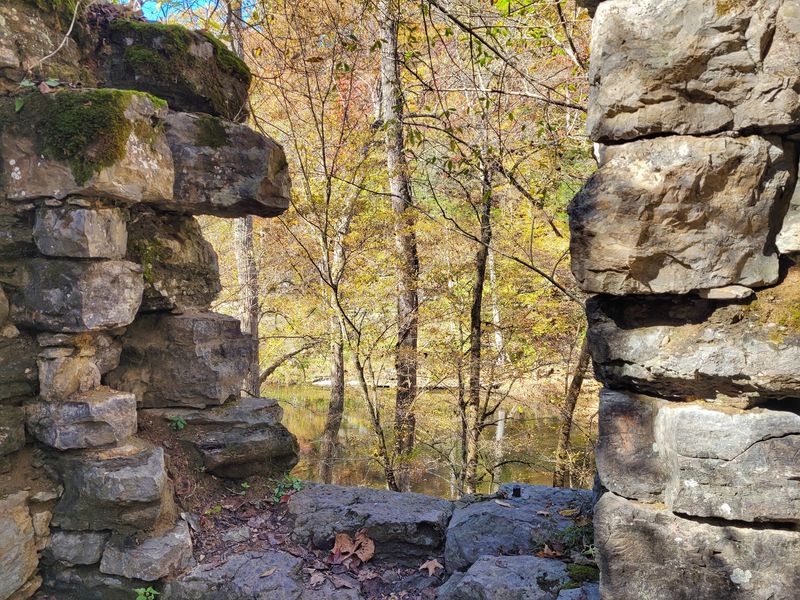
Some places make you wonder about the people who came before us, and Old Stone Fort does exactly that. This archaeological park in Manchester protects prehistoric earthworks built by Native Americans nearly 2,000 years ago.
The “fort” isn’t actually a military structure but rather a ceremonial enclosure where two rivers meet, creating a naturally dramatic setting enhanced by human engineering.
Walking the trails here means following paths that ancient peoples once walked, though the purpose of their massive earthwork walls remains somewhat mysterious. Archaeologists believe the site served ceremonial rather than defensive purposes.
The earthen walls still stand several feet high in places, a testament to the skill and effort of their builders.
Two rivers, the Duck and the Little Duck, converge within the park, creating beautiful waterside scenery. Small waterfalls add to the natural beauty, and the sound of flowing water accompanies your exploration.
Wooded trails connect the various features, making it easy to spend several hours discovering every corner.
The park museum provides context and artifacts that help you understand what you’re seeing outside. Displays explain the site’s history, archaeology, and significance.
Even without entering the museum, the outdoor features alone justify the visit.
Picnic areas are scattered throughout the park, perfect for a leisurely lunch surrounded by history and nature. The combination of archaeological significance and natural beauty makes this park unique among Tennessee’s free attractions.
It’s not just pretty; it’s deeply meaningful.
Spring wildflowers carpet the forest floor, while fall foliage turns the trees into a blaze of color. The trails are generally easy to moderate in difficulty, suitable for families with older children.
Younger kids might find the history less engaging, but they’ll enjoy the waterfalls and rivers.
Respect the archaeological features by staying on designated trails and not climbing on the earthworks. These ancient structures are irreplaceable cultural resources that deserve our protection.
9. Tom Lee Park and Memphis Flyway in Memphis
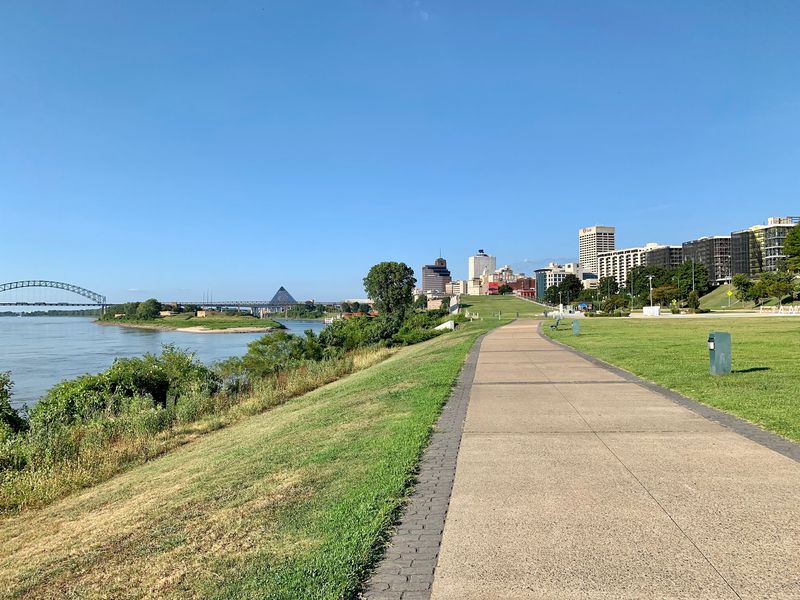
Memphis spreads along the Mississippi River, and Tom Lee Park puts you right on the waterfront without requiring admission. This long, narrow park offers open lawns, river views, and the kind of space where you can breathe and relax.
The Memphis skyline rises behind you while the mighty Mississippi flows in front, creating a sense of being between two worlds.
The park underwent recent renovations that added new features while maintaining public access. You can walk, run, fly kites, or simply sit and watch the river traffic pass by.
Barges, boats, and occasional larger vessels remind you that this river remains a working waterway, not just a scenic backdrop.
The Memphis Flyway observation deck is a newer addition that gives you elevated views of the river and city. This free structure extends over the water, providing unique perspectives and photo angles.
Events sometimes take place in Tom Lee Park, from festivals to concerts, though the park itself remains free even when special events aren’t happening. The wide-open design means there’s usually room for everyone, even on busy days.
Locals use the park for exercise, dog-walking, and casual hangouts.
Parking is available nearby, and the park connects to other riverfront attractions via walking paths. You could easily combine a visit here with exploring downtown Memphis on foot.
The Beale Street entertainment district isn’t far, though that area definitely isn’t free.
Bring sunscreen because shade is limited in much of the park. The river breeze can be refreshing on hot days but also means windier conditions than you might expect.
Watching sunset over the Mississippi from Tom Lee Park costs nothing but delivers an experience you’ll remember. The way the light plays on the water and silhouettes the city creates natural beauty that no admission fee could improve.
10. Norris Dam State Park in Rocky Top
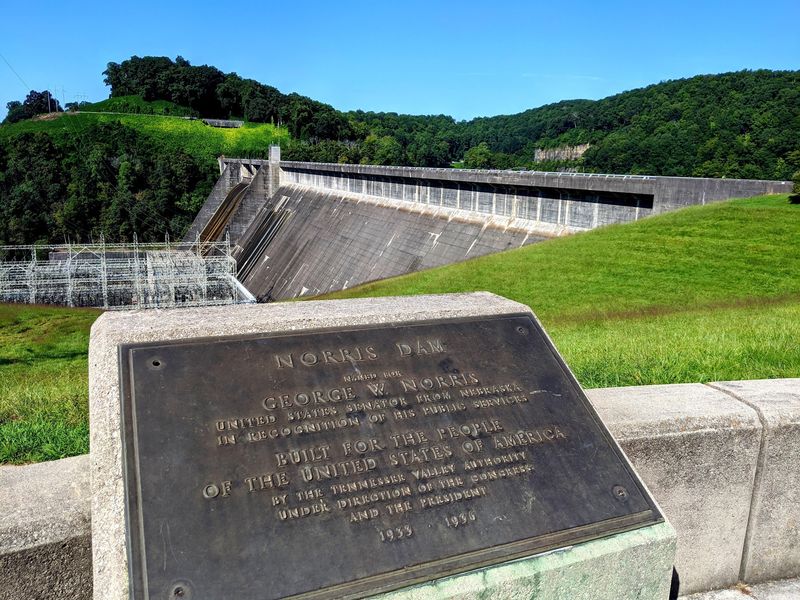
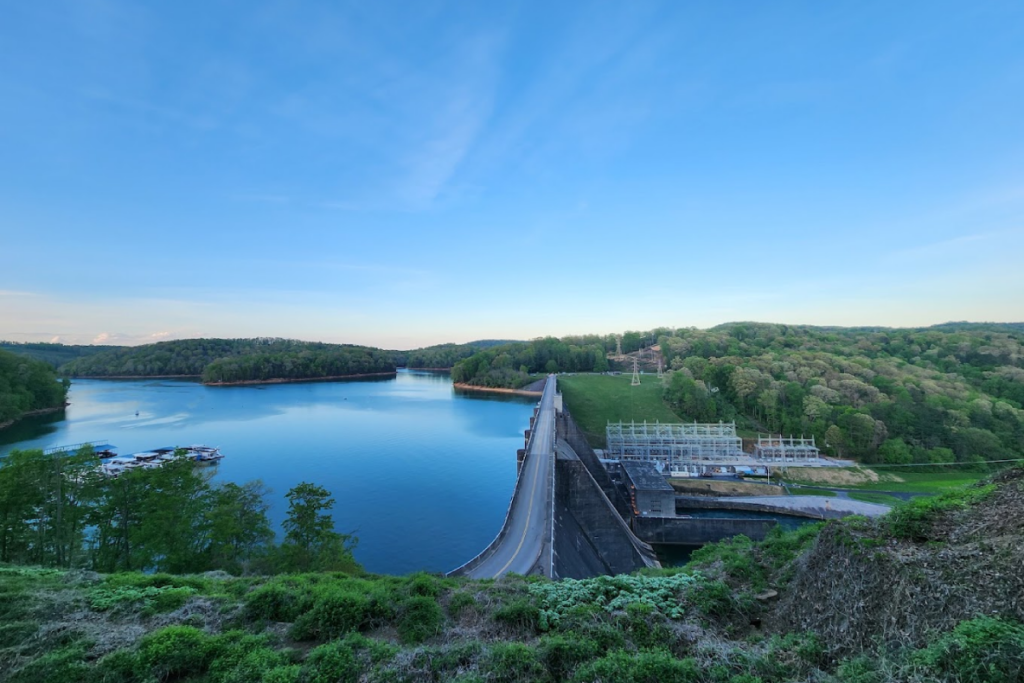
Built during the Great Depression as the first project of the Tennessee Valley Authority, Norris Dam represents both engineering achievement and historical significance. The state park surrounding it offers trails, lake views, picnic areas, and the chance to see this massive structure up close.
Entry to the park is free, making it an accessible way to combine outdoor recreation with a dose of history.
The dam itself is impressive, holding back the waters of Norris Lake and creating hydroelectric power that still serves the region today. Overlooks let you appreciate the scale of the construction and the beauty of the lake it created.
Information panels explain how the TVA transformed this region during the 1930s and 40s.
Hiking trails wind through the forested hills surrounding the lake, offering varying levels of difficulty. Some trails lead to secluded coves and lake views, while others climb to ridgetop vistas.
The forest is typical of East Tennessee’s Appalachian ecosystem, with hardwoods, wildflowers, and diverse wildlife.
Picnic areas are well-maintained and often quiet, especially on weekdays. Bring your lunch and claim a table with a view.
The park’s location near Rocky Top makes it convenient for exploring this part of East Tennessee without fighting tourist crowds.
The park includes historical structures beyond the dam itself, including buildings from the original construction era. These add character and educational value to your visit.
Lake access points allow you to get close to the water, though swimming isn’t the main draw here. The focus is more on scenic enjoyment and understanding the historical context.
Visit during fall for spectacular foliage reflected in the lake’s calm waters. Spring brings blooming dogwoods and redbuds. Each season offers different reasons to explore these free-to-access grounds surrounding one of Tennessee’s most important engineering landmarks.
11. Roan Mountain State Park in Roan Mountain
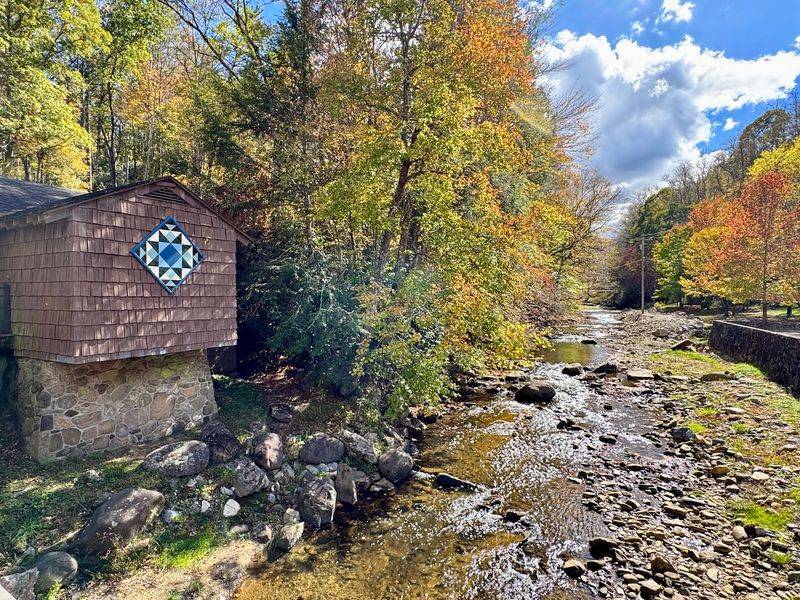
Way up in northeast Tennessee, near the North Carolina border, Roan Mountain State Park showcases the Appalachian landscape at its finest. Mountain scenery, riverside trails, historic farm buildings, and miles of hiking opportunities await without any entrance fee.
The park sits at the base of Roan Mountain itself, which towers over 6,000 feet and is famous for its rhododendron gardens.
The lower-elevation areas of the park, which are free to explore, include the Doe River flowing through a scenic valley. Trails follow the river and climb into surrounding forests, offering everything from easy walks to challenging climbs.
The sound of rushing water and birdsong creates a peaceful soundtrack for your exploration.
Historic buildings from the area’s farming past have been preserved within the park. These structures tell the story of mountain people who carved out lives in this challenging but beautiful terrain.
Interpretive signs provide context and help you imagine what life was like here generations ago.
The park’s location in the mountains means cooler temperatures than lower elevations, making it a refreshing summer destination. Fall foliage is spectacular, with the mountainsides turning brilliant shades of red, orange, and gold. Winter can bring snow, transforming the landscape into a quiet wonderland.
While the famous rhododendron gardens higher on the mountain require a drive up a forest service road, the state park itself offers plenty to see and do without leaving the free-access areas. You could easily spend a full day exploring trails, picnicking, and soaking in the mountain atmosphere.
Bring layers because mountain weather can change quickly. What starts as a sunny morning might turn cool and cloudy by afternoon.
The elevation gain on some trails can be significant, so know your fitness level and choose routes accordingly.
This corner of Tennessee feels worlds away from the state’s urban centers, offering a glimpse of Appalachian beauty that remains accessible to everyone regardless of budget.
Share this story