Northern Michigan feels especially dramatic where big water, open sky, and small-town charm all meet. In Mackinaw City, Michigan, lake views, historic sites, shoreline walks, and the Mackinac Bridge give daytime visitors plenty to take in before the sun goes down.
After dark, the same setting shifts into something even more memorable, with stars overhead, water nearby, and the bridge lights stretching across the Straits of Mackinac. The appeal is simple but powerful, blending easy village energy with a nighttime scene that feels much bigger than the town itself.
For anyone looking for a Michigan getaway with shoreline beauty, stargazing, and a little northern magic, Mackinaw City deserves a closer look.
Where the straits turn into a nighttime stage
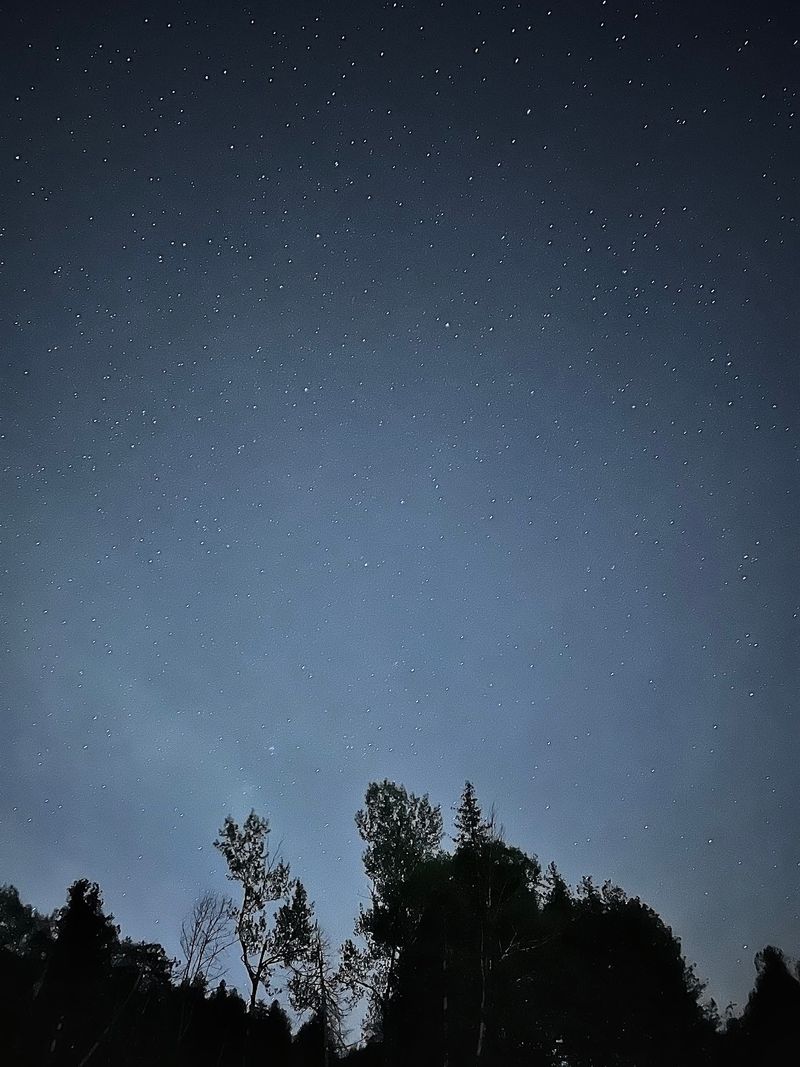
Night changes the whole shape of Mackinaw City. During the day, the village is all motion, ferry traffic, bridge views, and families moving between shops and the waterfront.
Once evening settles in, the wide meeting point of Lake Michigan and Lake Huron starts doing the heavy work, opening a huge dome of sky above the straits.
That big view matters more than many first-time visitors expect. Mackinaw City is not a large urban center, so the glow from buildings stays limited compared with bigger lakefront places.
Open water also helps create long sightlines, which means the horizon looks cleaner and the sky can appear larger, darker, and more dramatic after twilight fades.
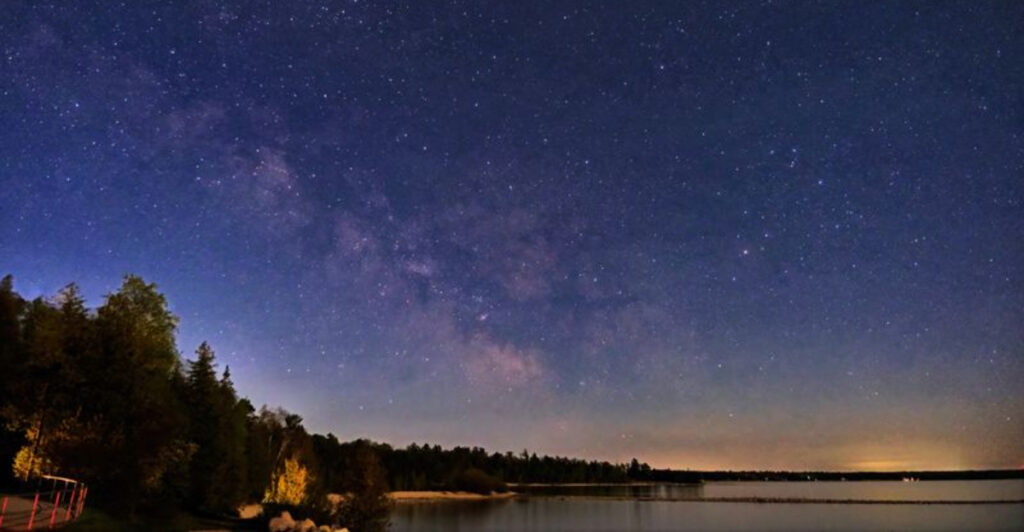
Standing near the shoreline, the scene often feels split into clear layers. There is the dark band of water first, then the bridge and distant shore lights, and above them an enormous field of stars.
Even when the village still has a little evening activity, the sky can quickly become the main event.
Weather and moon phase make a real difference here. A moonless, clear night brings out far more stars than a bright summer evening, so planning ahead pays off.
Wind can also sharpen the air after a daytime front moves through, leaving the straits looking crisp and the sky easier to read.
For many travelers, the surprise is how quickly Mackinaw City shifts from lively tourist stop to quiet observation point. You do not need complicated gear to enjoy it.
A warm layer, patient eyes, and a spot facing the water are often enough to understand why this remote corner of Michigan has earned such a strong reputation after dark.
Bridge lights, black water, and a sky full of contrast
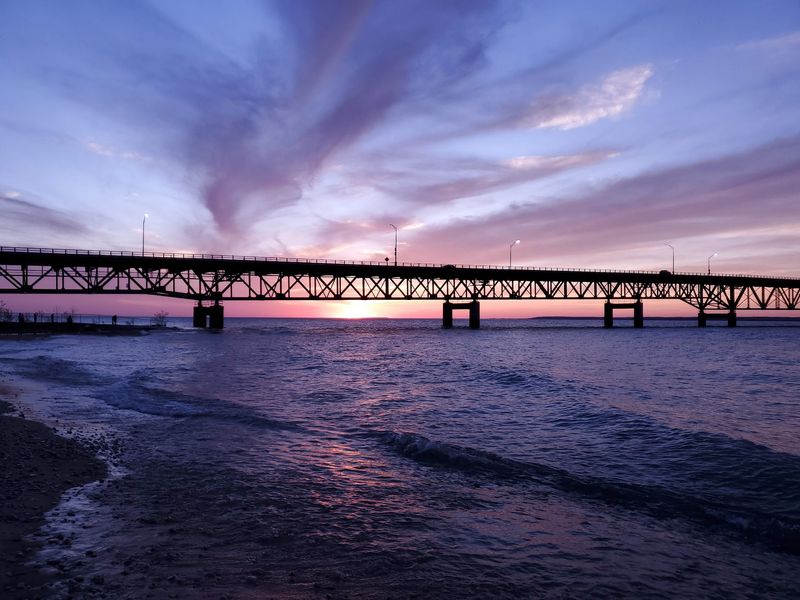
Few places balance manmade structure and natural darkness quite like Mackinaw City. The Mackinac Bridge is the boldest shape on the horizon, and at night it gives the landscape a strong visual anchor without taking over the entire view.
That contrast, bright points below and deep darkness above, is part of what makes stargazing here so memorable.
From public shoreline areas around the village, the bridge often appears as a clean line stretching across the straits. Its lights help define the scale of the scene.
Instead of making the sky seem smaller, they can make it look even bigger, because the eye has a reference point before it rises into the star field overhead.
Water adds another layer of drama. On calm nights, the straits can hold soft reflections from shore lights and the bridge, while the upper half of the view stays packed with stars.
On rougher evenings, moving waves break up those reflections, creating a darker foreground that pushes even more attention upward.
Photography fans love this kind of contrast, but ordinary travelers do too. The scene is easy to understand right away.
Bright engineering, dark lake, open sky. It reads almost like a simple postcard, yet it changes constantly with clouds, season, and air clarity.
A practical tip helps here. Let your eyes adjust for at least fifteen to twenty minutes before judging the sky.
Looking at a phone every few minutes can erase much of that adjustment. Find a steady place, lower the screen brightness if needed, and spend a little time just looking.
Mackinaw City rewards patience, especially when the bridge glows below a sky that keeps revealing more stars the longer you stay.
Wilderness State Park gives the darkness room to grow
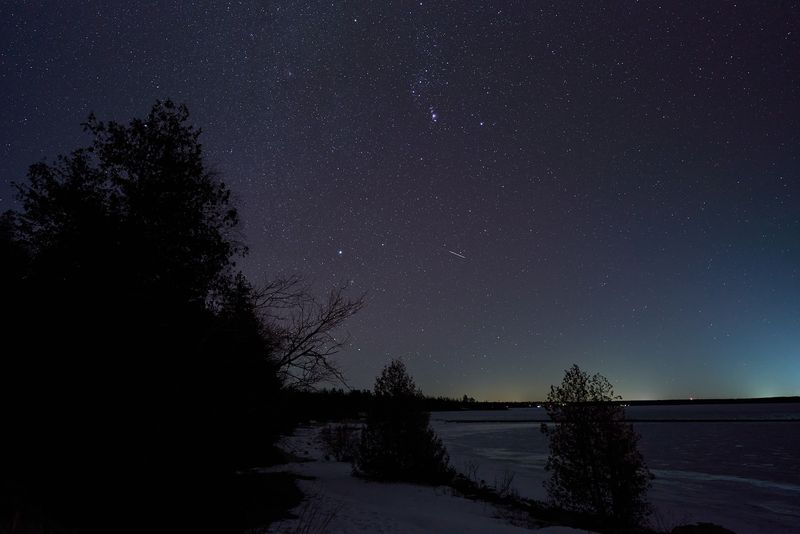
A short drive from the center of Mackinaw City, Wilderness State Park shows why this part of northern Michigan works so well for dark-sky watching. The park’s shoreline, trails, and campsites spread across a much less developed stretch of land.
Fewer bright lights mean the sky has more space to take over.
The change can be noticeable even if you start in town and head out after dinner. Village lights fall away, traffic thins, and the landscape becomes simpler.
That simplicity is useful for stargazing because your eyes are no longer competing with signs, storefronts, and constant movement around the waterfront.
Open sections near the shore are especially helpful. Trees can block part of the sky in heavily wooded spots, but along broader lakeside areas the horizon opens nicely.
On a clear night, stars seem to begin close to the waterline, which makes the entire sky look lower, wider, and more immersive.
Campers have an extra advantage here. Instead of treating the night sky as a quick stop before heading back to a hotel, they can settle in and watch darkness deepen step by step.
Early evening may show only a handful of stars, yet an hour later the same view can become crowded with detail.
Preparation matters because remote beauty also means fewer conveniences. Bring layers, a flashlight with a red setting if possible, and a chair or blanket for longer viewing.
Bug spray can save a summer outing, and checking cloud cover before leaving town is smart. For travelers staying in Mackinaw City, Wilderness State Park adds the quieter, darker counterpoint that turns a pleasant northern stop into a stronger night-sky experience.
Colonial Michilimackinac and the older rhythm of the night
Mackinaw City carries a deep sense of history, and that history changes how the night can be understood. Colonial Michilimackinac, the reconstructed eighteenth-century fort and trading post, reminds travelers that long before bright highways and modern screens, darkness here was normal.
People watched the sky for weather, travel, time, and direction because they had to.
That older rhythm still adds texture to an evening in town. Even if the fort itself is mostly a daytime attraction, its presence frames the village differently.
The stars above Mackinaw City are not only pretty scenery. They connect the present shoreline to centuries of movement through the straits.
It helps to picture the location before electric lighting spread across the region. Water routes mattered, seasons mattered, and clear nights mattered too.
Looking up near the straits today can feel like stepping into a landscape where the sky once carried practical information as well as wonder.
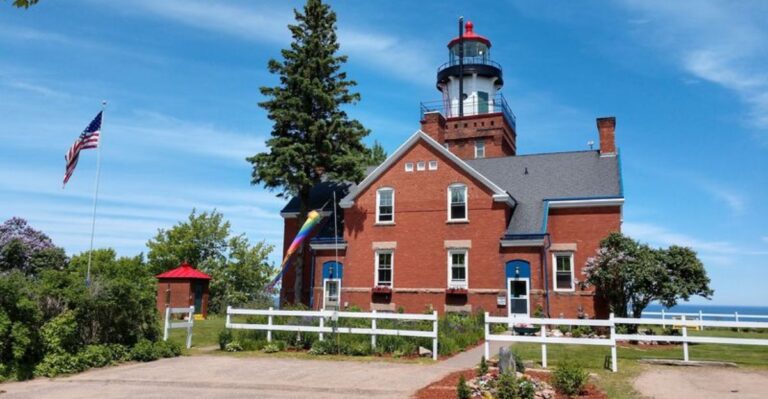
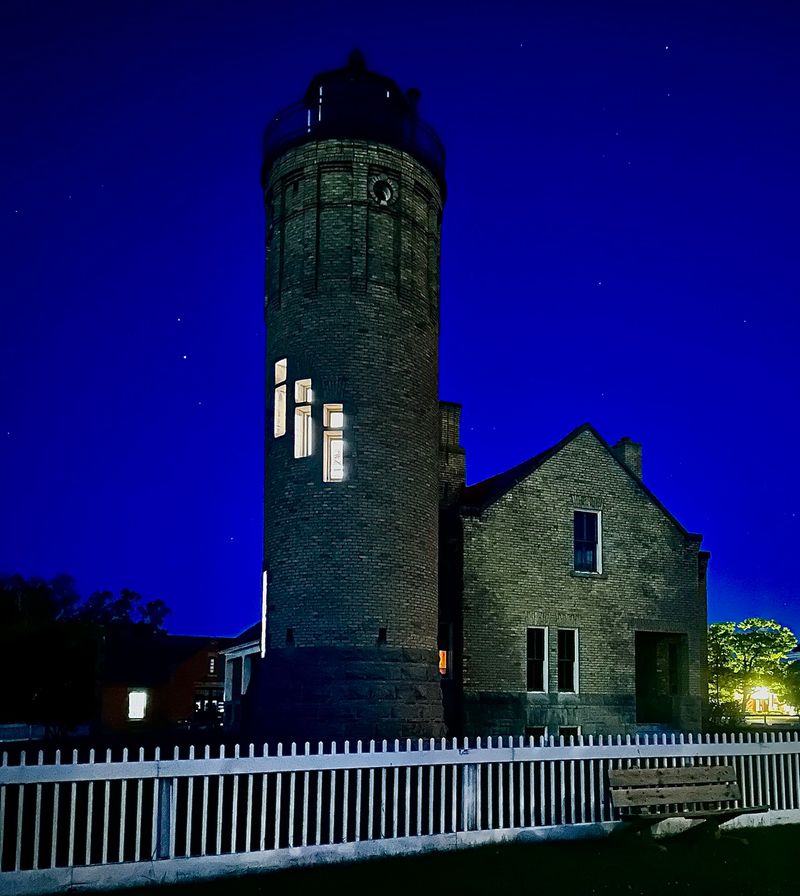
Old Mackinac Point Lighthouse supports that same idea in a different way. Lighthouses exist because shorelines are beautiful but demanding, especially in low light.
Seeing the lighthouse area by evening, with the bridge nearby and darkness growing over the water, pulls together history, navigation, and the region’s long relationship with night.
For readers who like travel with context, this side of Mackinaw City is a real strength. The stars here are not isolated from the place’s story.
They sit above a crossroads that shaped trade, transport, and life in the Great Lakes. That makes a quiet night walk more than scenic.
It becomes a chance to notice how geography and history still meet under the same sky, just with fewer campfires and far more cameras.
A Mackinaw City, Michigan night works best with smart timing
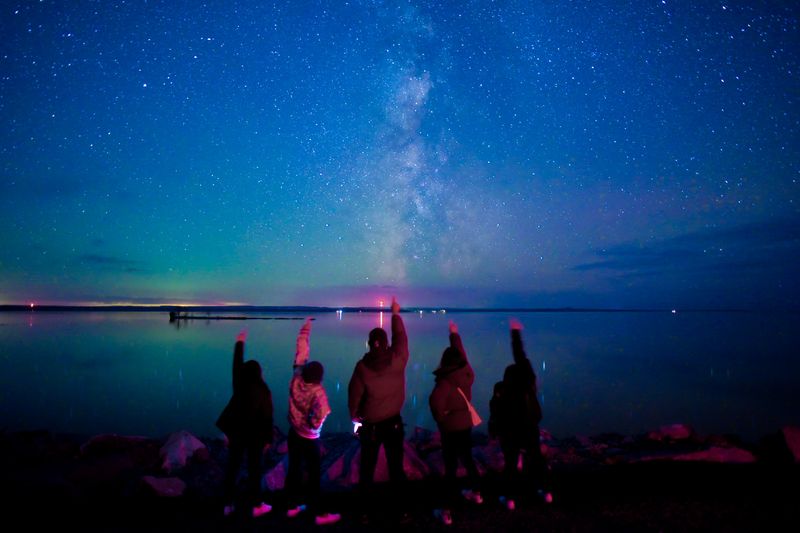
Good dark-sky viewing in Mackinaw City is not only about where to stand. Timing can make or break the experience, especially in a place shaped by weather, water, and long northern twilight.
Show up too early in summer, and the sky may stay brighter than expected for quite a while after sunset.
The strongest plan starts before nightfall. Arrive early enough to choose a viewing spot, watch the colors change over the straits, and let your eyes adjust slowly as daylight drains away.
That transition is part of the fun, and it helps the final star view feel earned instead of rushed.
Moon phase deserves close attention. A bright full moon can wash out many stars, even when the air is clear.
If the goal is maximum darkness, aim for nights close to the new moon and check forecasts for cloud cover, haze, and wind before heading out.
Season also changes the experience. Summer is comfortable and busy, with late sunsets and easier access to waterfront areas.
Fall usually brings cooler air, earlier darkness, and often calmer crowds, which can make the whole evening simpler if you prefer a quieter setting.
Pack like a local, not like someone judging the weather from an afternoon postcard. Temperatures near the straits can drop fast after sunset, and breezes over open water often feel colder than expected.
A hat, layered clothing, and a thermos can matter more than fancy gear.
Families and casual travelers should keep expectations flexible. Some nights offer dozens of stars and razor-sharp clarity, while others are partly cloudy but still lovely because of the water, the bridge, and the changing light.
Mackinaw City rewards planning, but it also rewards patience. Even an imperfect sky can produce a striking evening when the straits go dark and the horizon starts to sparkle.
More than stars, the shoreline gives you a full evening scene
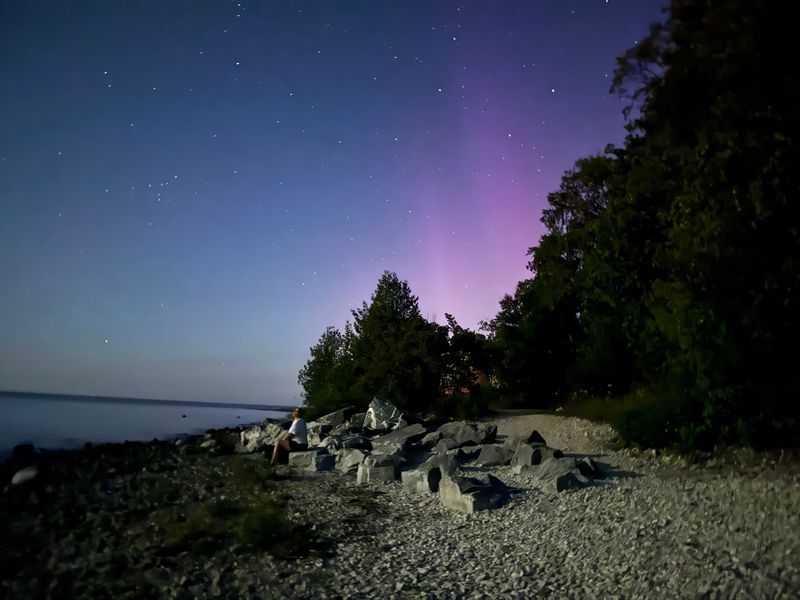
Some dark-sky destinations ask visitors to focus on only one thing, the stars overhead. Mackinaw City offers a richer mix.
Here, the sky shares attention with water, moving air, distant lights, and the physical sense of standing at one of the Great Lakes’ most important crossroads.
That broader setting makes the experience friendly for travelers who are curious but not hard-core astronomy fans. A person can enjoy the evening without identifying constellations or carrying specialized equipment.
The reward comes from the whole scene working together, not from checking celestial objects off a list.
The shoreline helps with that. You hear waves or soft harbor sounds, notice the bridge in the distance, and watch the last color disappear from the western edge of the sky.
Then the stars begin to fill the gaps. It is gradual, which makes the reveal more satisfying than a quick glance upward from a parking lot.
Kids often connect with the setting because there is more to notice than dots in the sky. Boats, wind, lighthouse views, and changing reflections keep the evening active even when everyone is standing still.
Adults who usually prefer scenic drives or waterfront walks also tend to settle into the rhythm easily.
Mackinaw City works especially well for shared travel. One person can come for history, another for the bridge, another for ferry-town energy, and the dark sky ties the whole trip together after sunset.
The place does not ask you to choose between attractions and atmosphere. It lets the day shift naturally into night.
That layered experience is a big reason the village stands out. Some locations have darker skies in a stricter technical sense, but fewer package the stars with such a strong sense of place.
Mackinaw City turns an evening outing into a fuller shoreline experience, with the heavens overhead and the straits doing half the storytelling below.
Why this northern village stands apart after the sun goes down
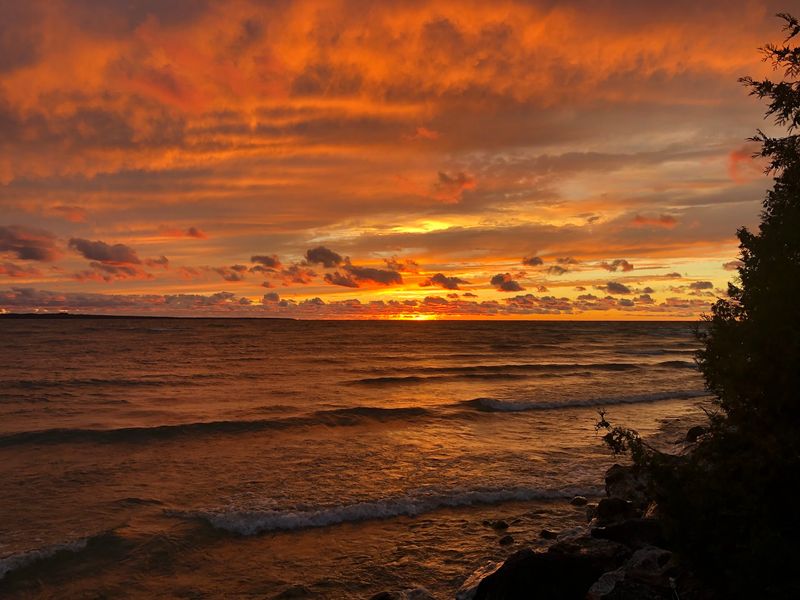
Mackinaw City earns attention after dark because several advantages line up in one compact place. It has a far northern location, broad water views, access to darker nearby shoreline, and just enough infrastructure to make a night outing easy for ordinary travelers.
That combination is not common.
Many star-friendly places are either too remote for a simple trip or too built up to deliver a strong sense of darkness. Mackinaw City lands in the middle.
You can spend the day exploring the waterfront, historic attractions, and bridge views, then shift into stargazing without reorganizing the whole trip.
The village also benefits from clear visual identity. Some destinations need a lot of explanation before their appeal comes into focus.
Mackinaw City does not. The bridge, the straits, the lighthouse, and the open sky tell the story quickly, and the nighttime version of that story is often the sharpest one.
There is also a practical side to its appeal. Travelers can choose between staying close to town for convenience or moving toward darker edges like Wilderness State Park for a stronger sky.
That flexibility makes the area useful for families, photographers, campers, and casual road trippers alike.
Most of all, the place stands apart because darkness here is tied to geography rather than novelty. Mackinaw City sits at the meeting point of land and water on a scale big enough to humble almost anyone.
When the lights thin out and the stars begin to appear, the setting does the explaining on its own.
For readers drawn to simple but striking trips, that is the real takeaway. Mackinaw City is not trying to be flashy after sunset.
It just happens to be positioned in exactly the right way for the night sky to show off. In the Midwest, that makes this remote Michigan corner an easy place to keep on the radar.
Share this story