Wine country feels more convincing when the view, the craft, and the visit all work together. On Old Mission Peninsula near Traverse City, Michigan, Mari Vineyards helps show why northern Michigan wineries keep drawing bigger attention with lake-country scenery, serious winemaking, and a polished experience that feels built for lingering.
The appeal is not just the glass in hand, but the way farmland, rolling vines, and water views turn the stop into a full destination. Comparisons to Napa make more sense when a place can deliver both beauty and ambition without losing its local character.
For anyone curious about Michigan’s rising wine reputation, Mari Vineyards offers a clear place to start.
A Hilltop View That Changes the Whole Visit
Some wineries ask for your attention. Mari Vineyards earns it before the first sip.
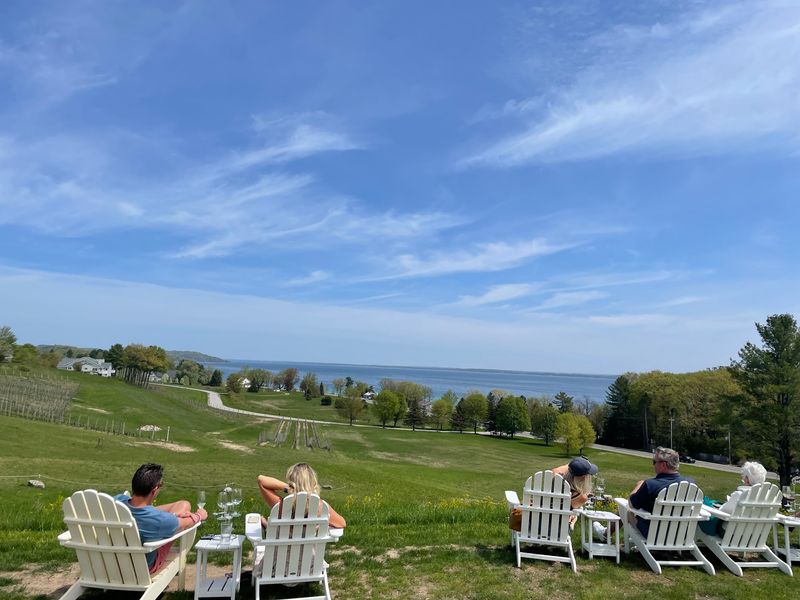
The property sits high above the East Arm of Grand Traverse Bay, and that height gives the whole place a dramatic edge that helps explain why northern Michigan wine country is getting compared to Napa.
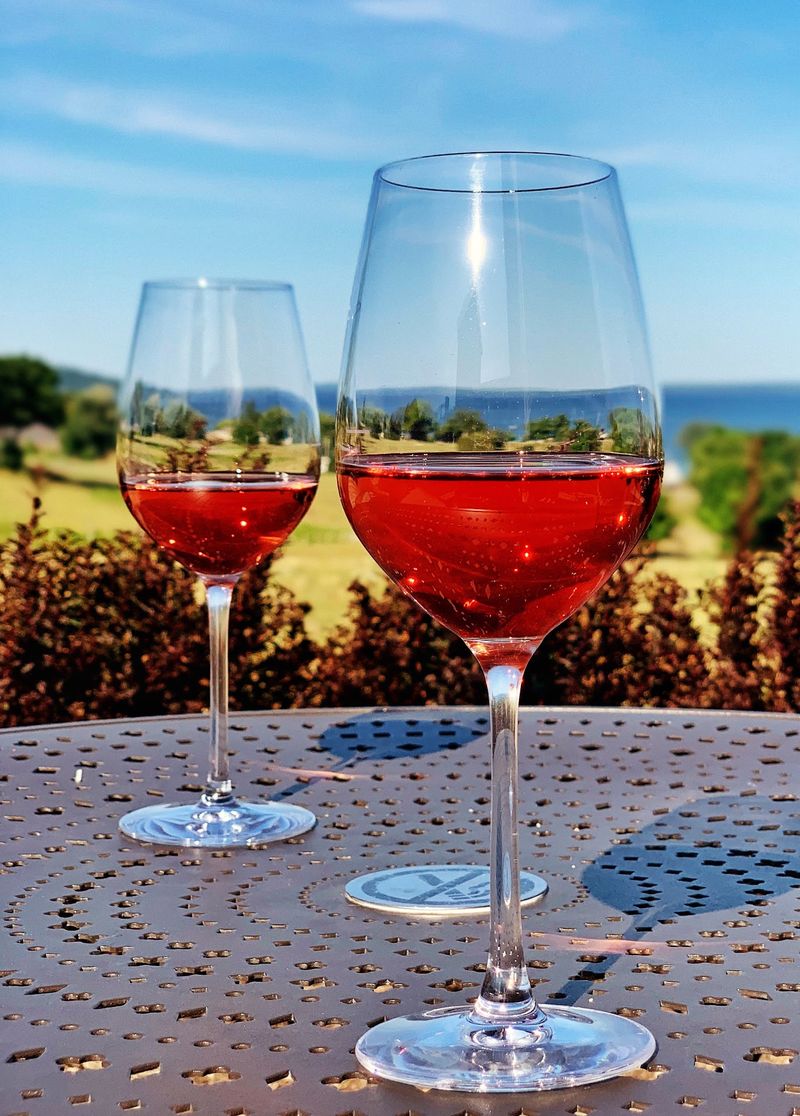
Instead of flat surroundings, the scene opens wide. Blue water stretches behind the vines, the slope adds shape to the land, and the tasting areas are positioned to make the view part of the experience rather than a backdrop you notice later.
That visual setup matters because wine travel is rarely only about what is in the glass. A place becomes more memorable when the setting changes your pace, and Mari does that with open lawns, well-kept grounds, and seating that lets guests settle in and look out across the bay.
Covered outdoor tables give some shelter on bright afternoons, while lawn seating offers a looser, more relaxed option. The site feels carefully arranged, not crowded together, so even busy times can still carry a sense of space and calm.
There is also a practical side to that hillside location. Light shifts across the water through the day, so a midday stop brings crisp, clear color, while later hours often soften the view and make the bay look almost silver.
Anyone trying to understand the Napa comparison should start here. Mari presents the kind of scenery that turns a tasting stop into a destination, proving that Michigan wine country can deliver a grand sense of place, not just a pleasant afternoon.
Even before the first pour arrives, the landscape has already made its point.
Stone, Light, and the Caves Below
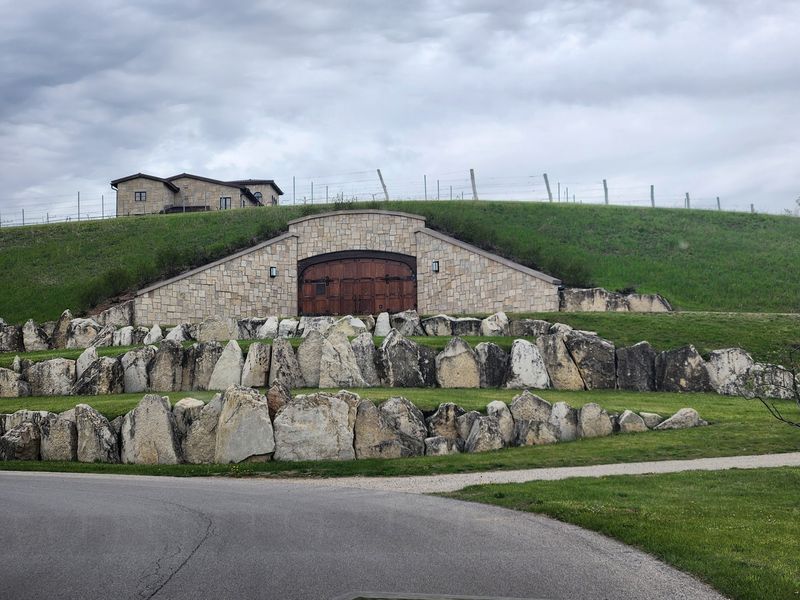
Plenty of wineries have good wine. Far fewer create a building that becomes part of the story.
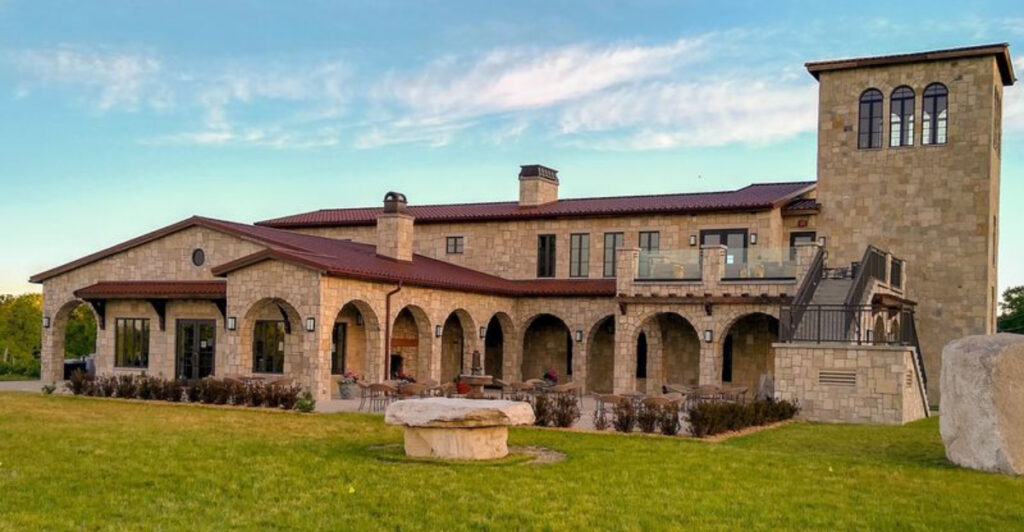
At Mari Vineyards, architecture plays a big role in why the place stands out on Old Mission Peninsula.
The design has a polished, old-world mood without looking dusty or staged. Stonework, strong lines, and carefully chosen interior details make the winery look serious about craft, while still staying welcoming enough for casual travelers who may only know they want a nice glass and a nice view.
One of the most talked-about features is below ground. Mari offers tours of its winemaking facilities, including underground aging caves, and that adds a layer of drama many travelers do not expect to find in this part of Michigan.
The caves are not a gimmick. They show how the winery presents production as part of the guest experience, giving visitors a closer look at storage, aging, and the physical work behind the finished bottle.
That deeper access helps the Napa comparison make more sense. Major wine regions often win people over by offering more than a tasting counter, and Mari follows that pattern by turning structure, process, and atmosphere into a fuller educational stop.
Inside, the tasting spaces and lounge areas support that same idea. In colder months, fireplaces and cozy seating help the room feel warm and intimate, while decorative touches like cork art and detailed furnishings keep the setting from feeling plain.
For travelers choosing only one or two winery stops in a day, this kind of built environment matters. Mari gives the visit shape.
There is an approach, a reveal, a tour-worthy underground section, and then the return to the tasting room with a clearer sense of how the place works. That sequence makes the winery feel complete, not casual.
Dry Wines, Sweet Surprises, and a Flight That Teaches You Something
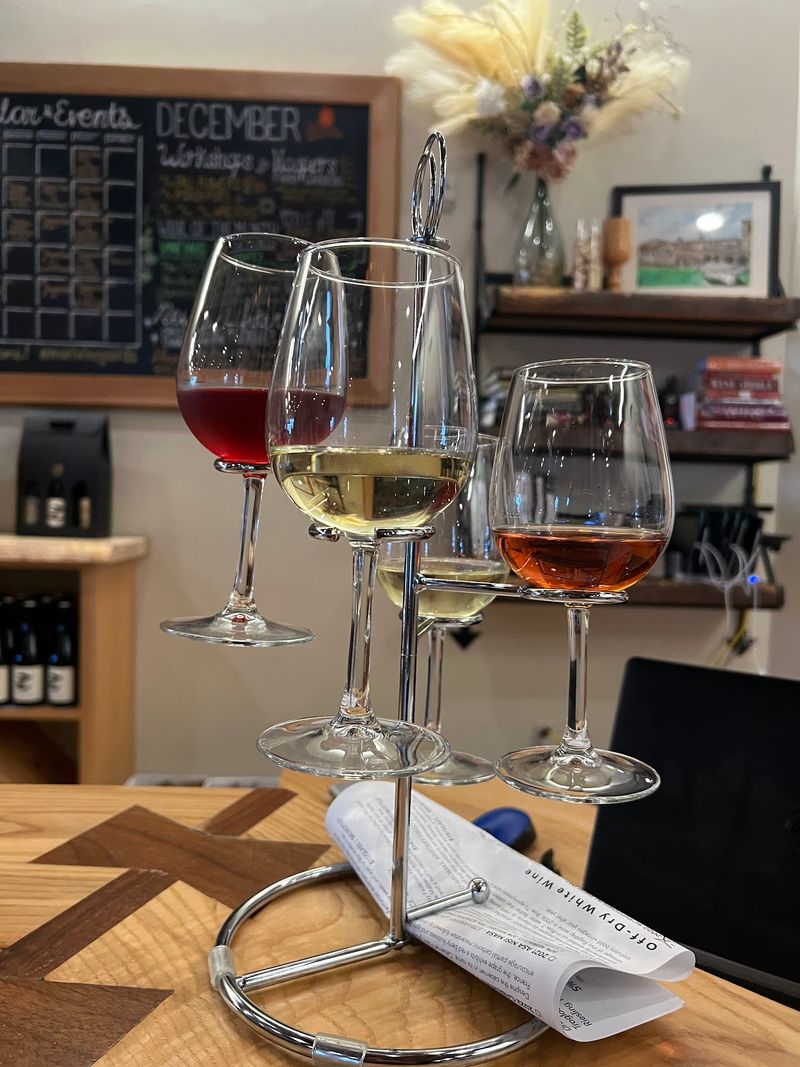
A good tasting flight should do more than fill glasses. At Mari Vineyards, the range of wines helps turn a casual stop into a lesson in what this region can do.
That is a big reason Michigan wine country is getting taken more seriously.
Mari is often associated with dry wines, and that focus gives the lineup a clear identity. Travelers who want crisp whites or structured reds usually find plenty to explore, especially if they enjoy hearing how different pours compare instead of simply choosing the sweetest option on the menu.
At the same time, the list does not box people in. There are sweeter paths for those who prefer them, and specialty pours such as maple wine or late harvest riesling show that the tasting experience can move in a different direction without losing interest.
Wine flights seem especially useful here because the selection is broad enough to invite side-by-side comparison. A flight lets visitors test personal taste, notice shifts in body and sweetness, and figure out whether they lean toward dry, semi-sweet, or dessert-style wines.
Staff knowledge appears to be part of the value. Clear guidance can help first-time tasters avoid the common mistake of ordering blindly, and Mari seems set up for conversation, not intimidation.
That matters in a winery aiming for a polished reputation.
One smart approach is to begin with a flight, then order a full glass of the standout favorite. That keeps the experience relaxed while still making room to discover something unexpected, like a spritz or a bottle to bring home.
The Napa comparison is not only about scenery or prestige. It is also about whether a winery can help people taste with more confidence.
Mari does that by offering variety, structure, and enough personality in the lineup to make the tasting feel guided rather than random.
Where the Patio Pulls Its Weight
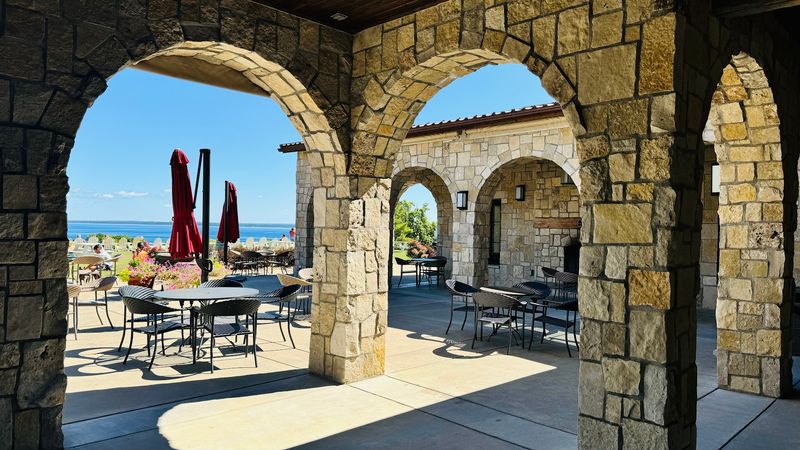
Here is where Mari Vineyards becomes more than a tasting room. Food, seating, and pacing all work together, giving the property the kind of all-in-one appeal that helps a wine region move beyond local status and toward destination status.
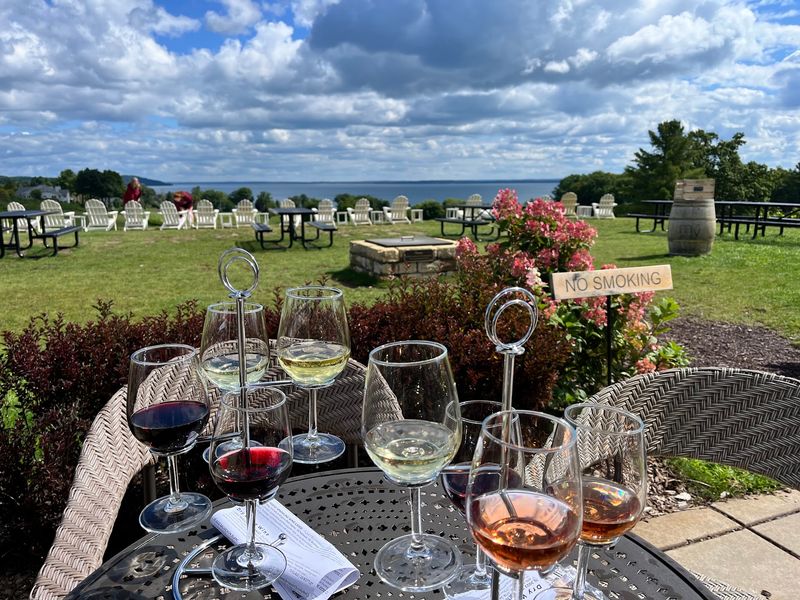
The covered patio is a big part of that. It offers a comfortable middle ground between indoor tasting and open-lawn lounging, which makes the winery easier to enjoy during bright sun, light wind, or changing weather off the bay.
That flexibility keeps the visit from feeling rushed. Instead of standing through a quick pour and leaving, guests can settle at a table, order a glass or flight, and add something to eat while the landscape stays in view.
Charcuterie boards are one of the better matches for the setting because they encourage slow tasting. A board creates natural pauses between sips, and that helps people notice differences in the wine while stretching a visit into a fuller afternoon stop.
Some travelers also pair wine with lighter food such as pizza or small plates, which broadens the appeal for mixed groups. Not everyone arrives ready for a serious tasting session, so food gives the winery a more relaxed entry point without weakening the wine focus.
Outdoor lawn seating adds another layer. Adirondack chairs and open space make it easier for groups to spread out, chat, and take in the view without feeling locked into a formal routine.
That mix of practical comfort and scenic payoff matters more than it may seem. Regions compared to Napa usually offer places where people can linger, not just sample.
Mari understands that difference. It gives visitors somewhere to stay a while, snack thoughtfully, and let the bay do half the talking.
The result is a winery visit that fits couples, families, and groups without flattening into a generic tourist stop.
Why Mari Vineyards Strengthens the Michigan Wine Story
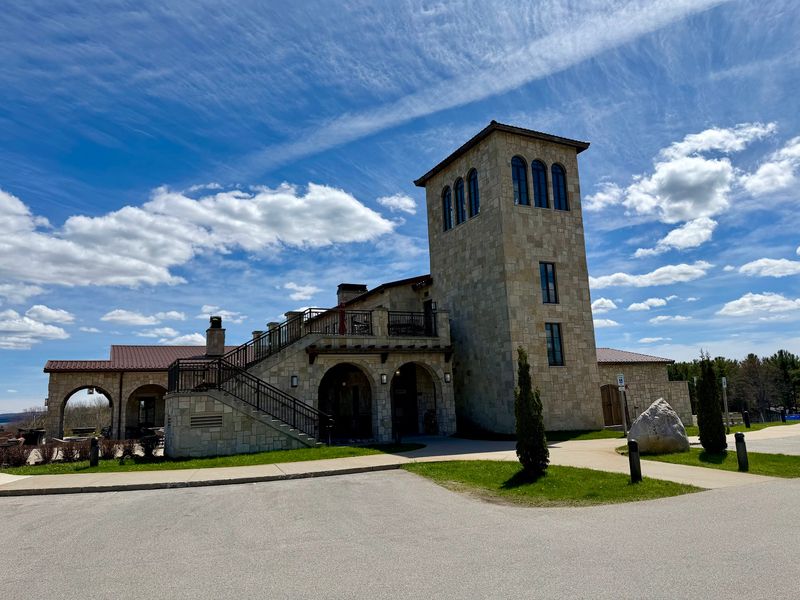
The comparison to Napa is not really about copying California. It is about whether a place can present wine as a full regional identity.
Mari Vineyards helps make that case for Michigan by showing how local geography, careful presentation, and confident winemaking can work together.
Old Mission Peninsula already has a natural advantage. Surrounded by water, the area carries a cooler climate and striking lake scenery, and both traits shape how the region is talked about.
Mari uses that setting well, turning the peninsula itself into part of the pitch.
There is also a broader signal in how the winery operates. Tours, cave access, a substantial tasting program, polished architecture, and strong outdoor spaces suggest ambition.
That kind of ambition is often what pushes a region from pleasant weekend route to nationally noticed wine destination.
Mari also helps translate northern Michigan for travelers who may arrive with low expectations. A visitor might picture small, rustic tasting rooms and leave having seen a property with scale, design, and a clear sense of identity.
That shift matters for the whole region. When one winery delivers a high-end, well-organized experience, it raises the standard for how outsiders talk about nearby vineyards, local wine trails, and the Traverse City area overall.
There is a local story here too. Mari is tied closely to the peninsula and to the idea that Michigan can produce wines worth discussing beyond the state line.
The experience does not need exaggerated claims to prove that point. The setting, structure, and seriousness do much of the work on their own.
For readers wondering why Michigan now enters larger wine conversations, Mari offers a simple answer. It shows that the region can be scenic, educational, stylish, and quality-driven at the same time.
That combination is exactly how a wine area starts earning comparisons that once seemed unlikely.
Timing the Day Right Makes a Big Difference
Even a beautiful winery can feel less relaxed if the day is poorly planned. Mari Vineyards rewards a little strategy, especially for travelers trying to fit tastings, tours, and scenic stops into one stretch on Old Mission Peninsula.
The first practical detail is timing. Mari is open daily, with most days running from 11 AM to 7 PM and Sunday closing earlier at 5 PM, so the winery works well for a midday start or an afternoon visit built around the light over the bay.
Tours deserve special attention because they can fill quickly. Since the winery offers limited tour times, booking ahead is the safer move, especially on weekends or during peak travel months when Traverse City draws heavier traffic.
Weekdays appear to offer a calmer rhythm. A midweek stop can mean less waiting, easier seating choices, and more space to enjoy the grounds without feeling pressed along by a crowd.
Parking is worth keeping in mind too. A smaller lot can become part of the experience if guests arrive at the busiest moments, so earlier visits or off-peak days may help avoid an unnecessary hassle before the tasting even begins.
Another smart choice is deciding in advance what kind of visit you want. If the goal is education, prioritize the production tour and caves.
If the goal is relaxing with a view, allow enough time for a glass, a flight, and food on the patio or lawn.
Groups should plan even more carefully. Mari seems well suited to shared outings, private tastings, and special occasions, but those experiences work best when they are arranged with enough lead time.
With a place this visually strong, rushing through would be the wrong move. A little planning turns the stop into one of the anchor experiences of a Traverse City wine day.
The Kind of Stop That Reframes a Whole Region
Some places are pleasant. Mari Vineyards aims higher than that.
It works as the kind of winery that can change a traveler’s opinion about an entire region in one afternoon, which is exactly why the Napa comparison keeps gaining traction around northern Michigan.
The appeal is not based on a single trick. Mari combines several strengths at once: a commanding view over the bay, a building with real character, tours that reveal the production side, and a tasting program broad enough to welcome both curious beginners and more focused wine drinkers.
That layered experience gives the winery unusual reach. Someone may arrive for scenery and leave talking about cave tours.
Another guest may come for wine and end up staying for the patio, food, and slower pace of the peninsula.
It also helps that the property feels intentional. Nothing about the visit seems accidental, from the seating layout to the way the landscape is used as part of the overall presentation.
That level of care is often what separates a decent winery from a destination people build plans around.
Mari fits especially well into the broader story of Traverse City. The area already has beaches, cherries, small towns, and dramatic water views.
Adding a winery with this degree of polish makes the region more complete for travelers who want food, scenery, and wine in the same trip.
There is a practical takeaway here too. If time on Old Mission Peninsula is limited, Mari makes a strong case for being one of the stops that covers multiple goals at once.
It offers beauty, education, comfort, and a clear sense of place.
That is how a wine region earns bigger comparisons. Not by imitating somewhere famous, but by giving people a distinctive experience they did not expect.
Mari Vineyards does that with confidence, and in the process, it helps Michigan look less like an underdog and more like a serious wine destination.
Share this story