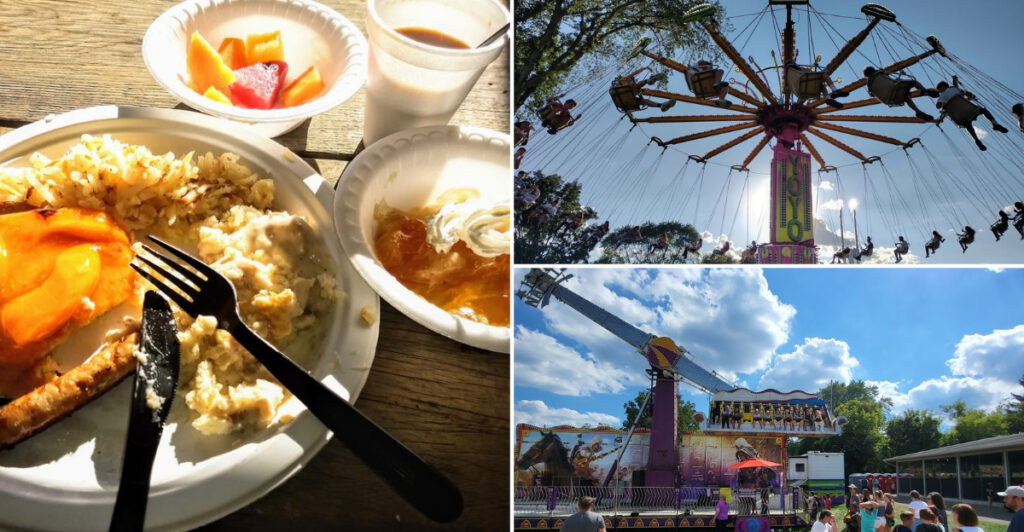
Every year, a small Michigan town turns a simple fruit into a full community celebration. From Thursday, September 3 through Labor Day, Monday, September 7, 2026, the Romeo Peach Festival brings rides, food, music, parades, and hometown energy to Romeo, with many events centered around the Romeo Lions Club grounds.
The festival matters because it is more than a fair; it is a long-running tradition that helps support local causes while giving families a reason to gather. Even after many decades, it still has the kind of hometown pull that makes people mark the calendar and come back.
For anyone who loves Michigan festivals with food, history, and real community pride, Romeo’s peach-filled celebration deserves a closer look.
A Small-Town Scene With Big Energy
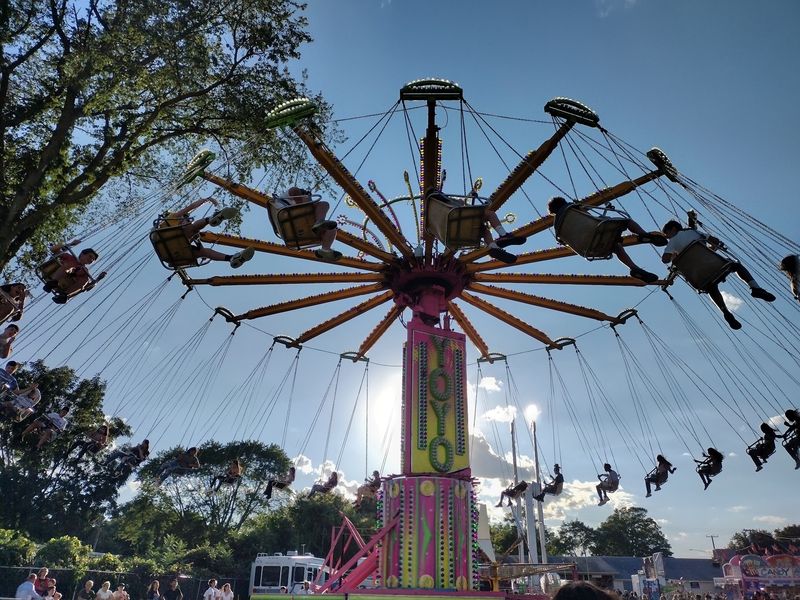
Late summer in Romeo does not arrive quietly. Around the Romeo Lions Club grounds, the Peach Festival builds a scene full of motion, color, and familiar fair sounds, with rides turning, booths buzzing, and groups drifting from one attraction to the next.
Even before anyone buys a ticket or snack, the setting tells the story of a town that knows how to put on an event with real local character.
Part of the appeal is how many different pieces share the same space. Carnival rides bring the biggest visual punch, while food stands, open gathering areas, and event spaces keep the grounds active in every direction.
Reviews point to a festival that can feel packed, especially during popular hours, which says a lot about how strongly the event still draws families, teens, and longtime regulars.
The grounds themselves also help shape the experience. The Romeo Lions Club location has been described as easy to find, with ample parking and a clean setup, and that practical side matters at a festival where crowds can quickly build.
A place can have all the rides in the world, but if arrival feels confusing or the layout feels messy, the mood changes fast.
Romeo avoids that problem by giving the festival a home base that works. There is enough structure to make the event feel organized, yet enough open-air movement to keep it from feeling boxed in.
That mix creates the first big reason the Peach Festival still matters nearly a century later. It does not greet people like a polished theme park or a quiet market.
It opens like a hometown celebration that has learned how to handle excitement without losing its roots.
Peaches May Be the Name, but the Fair Fun Drives the Day
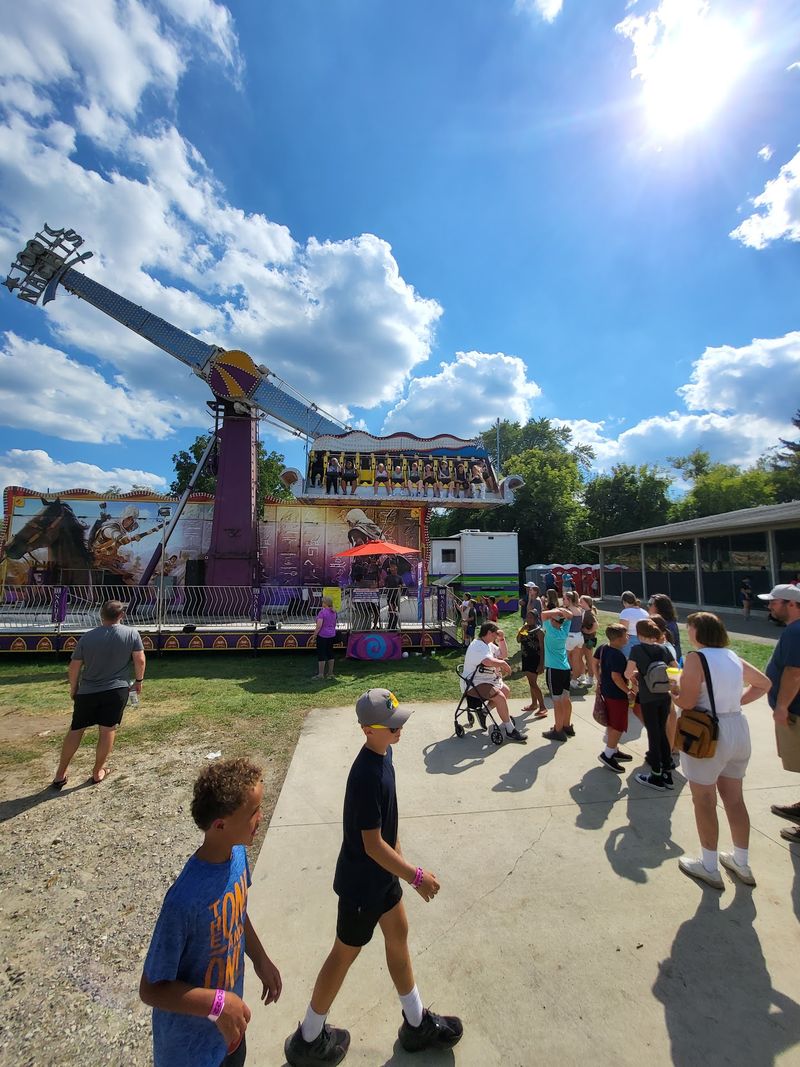
Anyone expecting a quiet fruit festival gets a surprise here. The peach theme gives the event its name and identity, but much of the action comes from classic fair pleasures like rides, games, snack stands, and the restless excitement of choosing what to do next.
That broader setup helps explain why the festival keeps attracting all ages instead of appealing only to food lovers.
Several reviews describe the carnival as a major highlight, especially for children. Cleanliness comes up more than once, and that detail matters because it changes how comfortable families feel spending long hours on the grounds.
A carnival does not need to be fancy to succeed, but it does need to feel safe, active, and well run, and Romeo seems to understand that balance.
There is also a practical side to the fun. Some comments mention ride prices as reasonable, while others point out that festival costs can add up once admission, food, and activities all enter the picture.
For families, that means planning ahead helps. Picking a ride budget before arriving and deciding which treats matter most can make the day smoother and keep the event enjoyable instead of stressful.
The strongest point is simple. The Peach Festival does not rely on one single feature to carry the whole event.
A child may remember the rides, a parent may focus on the food choices, and a teen may be more interested in the crowds and live entertainment. Because the festival offers several ways to have a good time, it stays flexible.
That flexibility is one reason a long-running tradition can keep its footing even as tastes change from one generation to the next.
Where the Band Starts, the Crowd Gathers
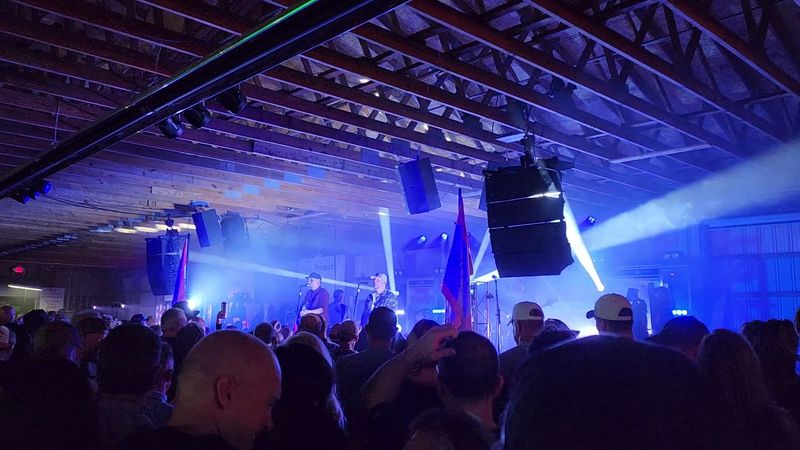
Music changes the pace of the Peach Festival in a hurry. One minute the grounds are all movement and errands, with people searching for food or leading kids toward rides, and the next minute a band pulls attention in one direction and turns the event into a shared hangout.
At Romeo, live music is not just background noise. It is one of the elements that gives the festival its louder, busier side.
Reviews mention bands and concerts often enough to show that entertainment has a real place in the festival identity. Some visitors love that high-energy piece, especially adults looking for an evening crowd, while others notice that certain areas are geared more toward those over 21.
That contrast reveals something useful about the event. It is not built as one flat experience from start to finish.
It shifts depending on where you go and what time you show up.
That makes planning important. Families with younger children may want to focus on daytime carnival hours when the rides and open areas are the main event.
Adults who enjoy live music and a fuller nighttime scene may prefer later hours, when the festival takes on a more social rhythm. Neither approach is wrong.
The smart move is matching the visit to the kind of outing you want.
The Romeo Lions Club grounds support that variety well because they include event space and an open-air pavilion area, according to reviews tied to other gatherings at the site. During festival time, that setup can help music feel central without swallowing everything else around it.
A peach festival that also works as a concert night, a carnival stop, and a town meetup has more than one heartbeat. In Romeo, the bandstand helps keep that rhythm moving.
Romeo, Michigan Keeps the Tradition Local
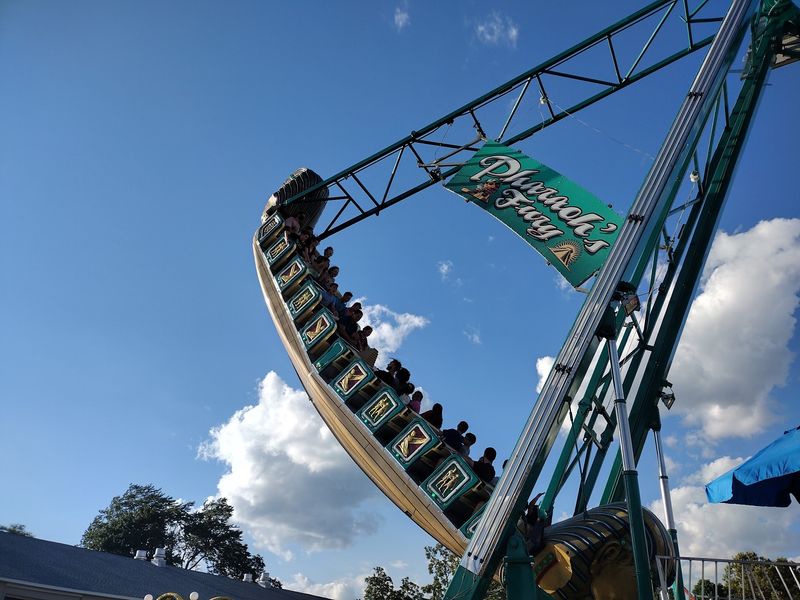
Some festivals grow by chasing trends. Romeo’s Peach Festival stands out because it seems to grow by holding tight to local tradition.
The event is closely linked with the Romeo Lions Club, a community group that reviews describe as active, helpful, and involved in supporting good causes. That civic backbone gives the festival more weight than a weekend fair that appears and disappears without much local connection.
There are hints of deep history around the event, including references to long anniversaries tied to the Lions Club and the lasting identity of Peach Festival season in town. The title of this article points to a tradition nearing a century, and the current festival spirit fits that idea well: old enough to carry local pride, yet active enough to stay relevant.
The important thing is not a single date on a timeline. It is the fact that the celebration still functions as a town ritual instead of a dusty leftover.
That local role changes how the festival is experienced. Buying food, riding the carnival, or stepping into a music area is not just part of an entertainment package.
It also connects back to a place where volunteers help run the event and where the grounds host community functions beyond festival week. Reviews mention benefit events, showers, and group gatherings at the club, which suggests the location is useful all year, not only during the headline event.
For readers wondering why traditions survive, Romeo offers a practical answer. They survive when they remain useful to the people around them.
The Peach Festival still gives the town a social center, a fundraiser, a late-summer routine, and a recognizable identity. That combination is harder to replace than a single concert or one-season attraction.
In Romeo, the festival is local life made visible for a few packed days.
Beyond the Midway, Extra Corners Add Texture
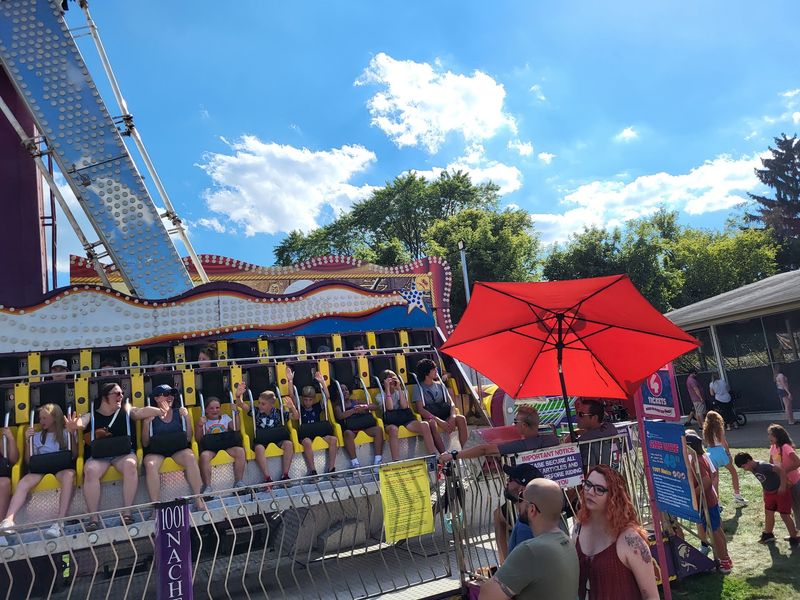
A festival earns staying power when it gives people more than one path to follow. At Romeo, the midway may grab first attention, but the side details help round out the day.
Reviews mention food booths, vendors, a farmers market, and art fair shopping, showing that the event has often offered layers beyond spinning rides and bright lights.
That matters because not everyone comes for the same reason. One family may spend most of its time near the carnival, while another group wanders slowly, looking for snacks, handmade goods, or a booth tucked farther back on the grounds.
One review even points to finding a taco stand in the back, a small note that says a lot. Festivals become more interesting when they reward curiosity instead of putting every headline attraction front and center.
The peach identity still plays a role here too, especially through pies and festival treats. Not every visit will deliver exactly the same selection, and one review complained about not finding peach pie, which is a fair reminder that popular items may vary or sell quickly.
The best strategy is to shop early for specialty foods if a certain item matters to the day. Waiting until the busiest hour can mean fewer choices.
These extra corners also help the event appeal to mixed-age groups. Grandparents may enjoy browsing and sitting with food while children chase rides.
Teens can move between game booths and snack stands. Adults who are less interested in carnival action still have reasons to stay engaged.
That variety makes the festival easier to stretch into a full outing rather than a quick stop. When a town event can support wandering, snacking, shopping, and people-watching all at once, it gains a wider kind of usefulness.
How to Time the Day for Families, Adults, and First-Timers
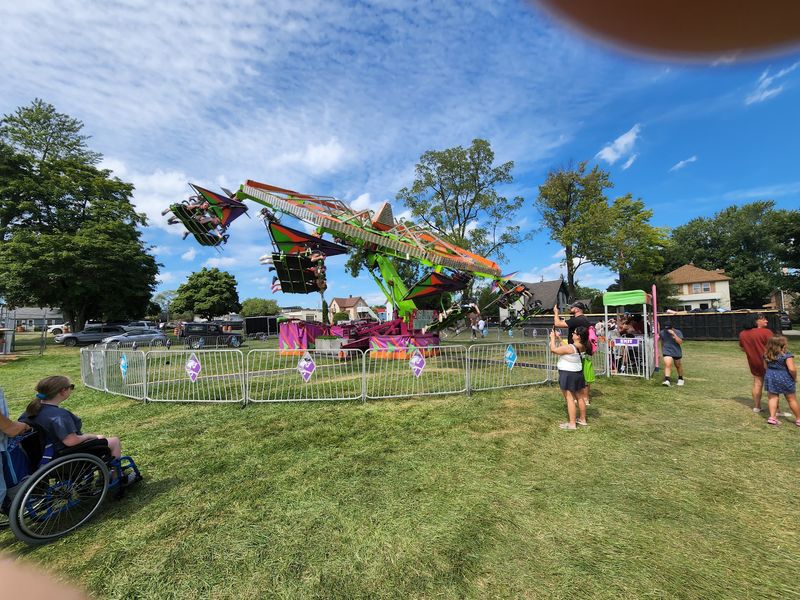
Showing up at the right hour can completely change how Romeo’s Peach Festival plays out. A family with young children, a couple looking for live music, and a first-time visitor hoping to sample a little of everything will not get the same experience if they all arrive with the same plan.
The festival offers enough range that timing becomes part of the strategy.
For families, earlier hours often make the most sense. Kids have more energy, ride lines may feel easier to manage, and the focus stays on the carnival, food, and walking room before evening crowds swell.
Reviews suggest the festival works well for children, especially because the carnival is a big draw, but they also hint that certain zones later in the day may be aimed more at adults. A daytime visit keeps the outing simpler.
Adults interested in bands and social energy may prefer later hours instead. That is when music and gathering spaces can take on more of the spotlight, especially around areas tied to drinks and entertainment.
The trade-off is density. Packed grounds can raise the excitement, but they also mean more waiting, more noise, and less room to improvise.
Comfortable shoes, a flexible schedule, and patience suddenly matter more.
First-timers should approach the festival like a map, not a race. Walk the grounds once before spending too quickly.
Check where the rides are, where food lines are building, and whether a special item should be bought before it disappears. If traveling with a group, agree on a meeting spot, especially in busy evening hours.
A little planning goes a long way at a popular hometown festival. Romeo rewards visitors who arrive ready to match the event’s rhythm instead of fighting it.
Why the Festival Still Matters After All These Years
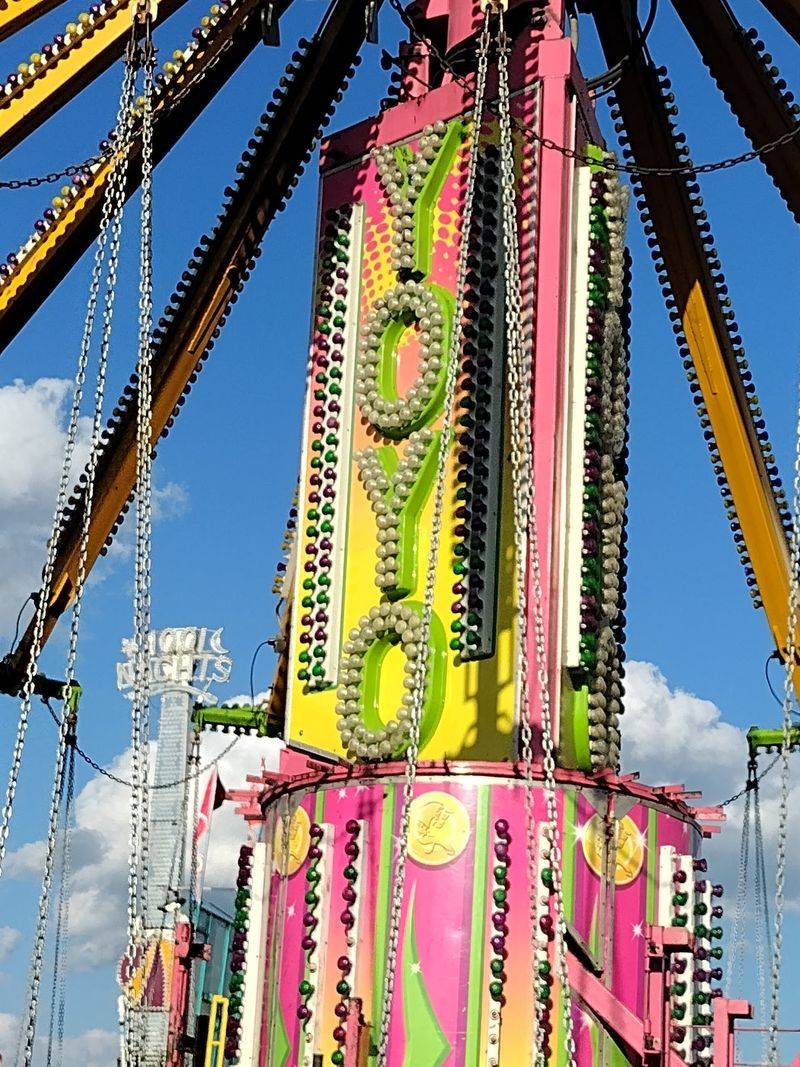
Long-running festivals do not survive on nostalgia alone. They last because they still give people a reason to show up now, in the present, with real schedules, rising costs, and many other ways to spend a weekend.
Romeo’s Peach Festival continues to matter because it combines entertainment, community use, and local identity in a form that is easy to understand the minute the grounds fill up.
The event is not flawless, and that may actually be part of why it reads as a living tradition instead of a polished product. Reviews include praise for fun, cleanliness, vendors, volunteers, and organization, but also complaints about pricing, access limits in some areas, and occasional disappointment over specific attractions or rules.
A festival that has lasted this long does not depend on perfection. It depends on strong enough value that people keep returning despite the usual frictions of a busy public event.
The Romeo Lions Club connection strengthens that value. When a fairground also serves as a community venue and volunteer hub, the festival carries more purpose than simple amusement.
It becomes part of the town’s yearly rhythm and part of the club’s public presence. That kind of structure helps explain durability better than any slogan could.
Then there is the simplest reason of all: the festival still offers a full day out. Rides for kids, music for adults, food and booths for browsers, and an organized home base in the middle of town create a package that remains useful to many kinds of visitors.
Nearly a century later, that is the real headline. Romeo has kept a peach-themed tradition alive not by freezing it in time, but by letting it keep working as a lively, slightly crowded, thoroughly local celebration.