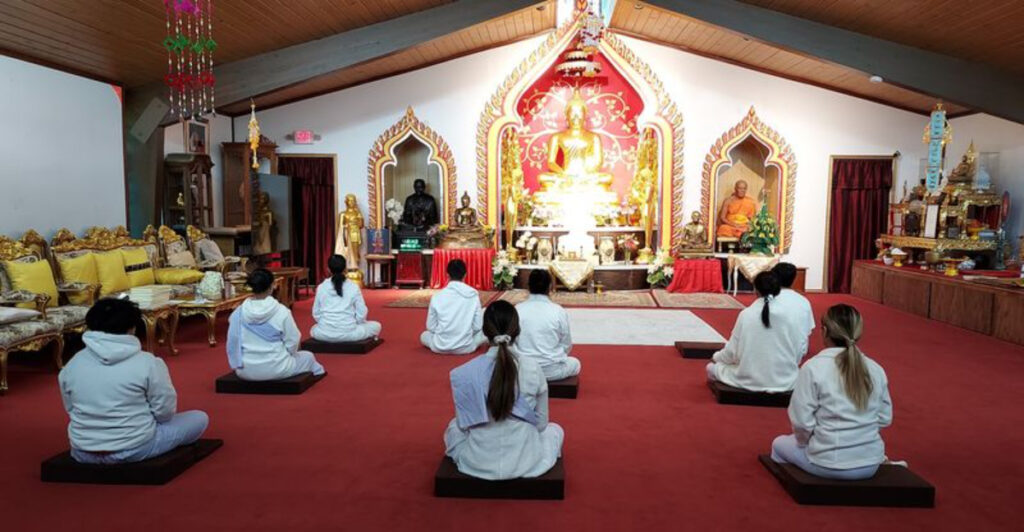
Cultural festivals feel more memorable when the food, setting, and community all tell the same story. On Sunday, August 23, 2026, from 11 a.m. to 4 p.m., Wat Paknam Michigan in Sterling Heights becomes home to the Thai Street Food Festival of Michigan, bringing authentic flavors, cultural performances, and a lively gathering atmosphere to the Buddhist Meditation Center on Plumbrook Road.
The mix catches many first-time visitors off guard in the best way, turning a simple food outing into a warmer, fuller cultural experience. It matters because spaces like this keep traditions visible while giving people a delicious reason to learn, look around, and connect.
For anyone willing to brave the traffic for Thai food, music, and community spirit, this Michigan festival makes a strong case.
A quiet road leads to a lively surprise
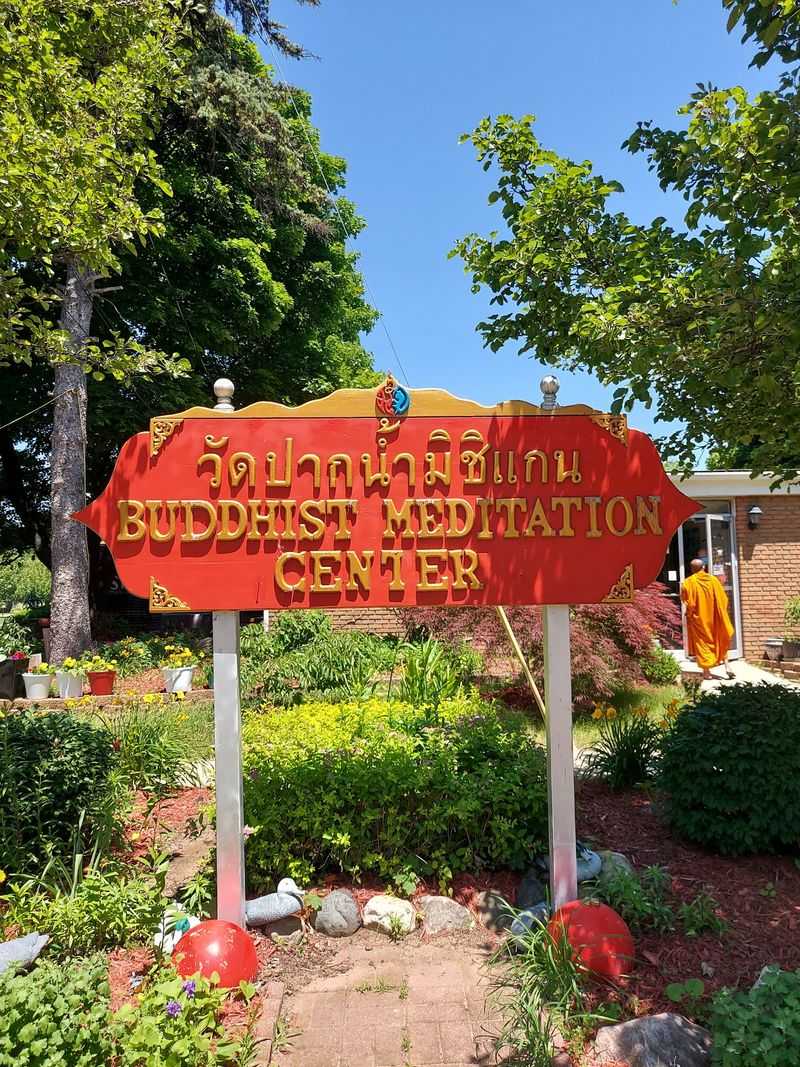
The approach sets the tone in an unusual way. Plumbrook Road is not the kind of address that hints at a bustling food event, so the festival lands with more impact when the temple grounds come into view and the parking area starts filling with cars.
That contrast is part of the appeal. A place known for meditation and quiet reflection suddenly doubles as a gathering spot where the day has more motion, more conversation, and more color than many strip mall food stops could ever deliver.
Instead of neon signs or a giant commercial entrance, the draw here is the setting itself. Temple buildings, open space, and the steady flow of people create a scene that feels organized but not stiff, making the first few minutes interesting even before any food is ordered.
For drivers coming from other parts of Metro Detroit, that arrival matters. It gives the outing a destination feel, which is different from grabbing takeout and heading home, and it helps explain why the trip can feel bigger than a single meal.
Families, curious first-timers, and regular supporters all share the same space, which keeps the mood broad and easygoing. No special background is needed to understand what is happening around you, because the event works on a simple level: good food, open grounds, and a welcoming public setting.
There is also a practical upside to the temple location. Because the property sits away from a busier commercial stretch, the experience can feel less cramped than a packed restaurant district, even when turnout is strong and the event is clearly drawing a crowd.
By the time the food stalls come into focus, the festival already has an advantage. It starts with a setting that catches people off guard in the best possible way.
Street food is the headline, not a side note
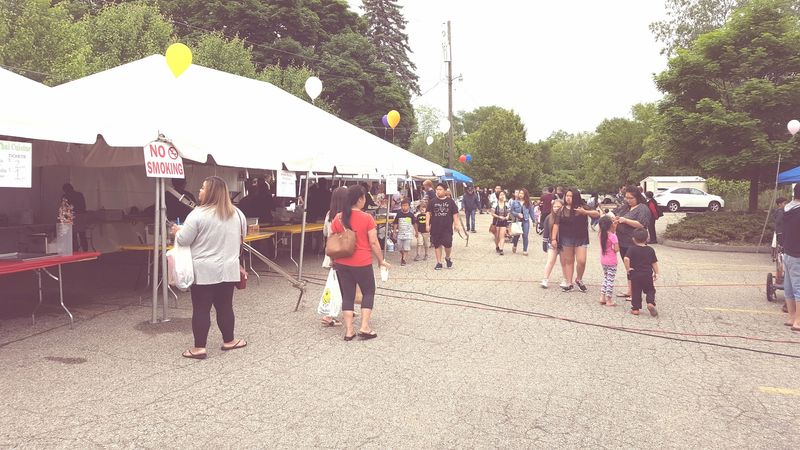
Come hungry, because the food is clearly the main event. The temple may introduce the setting, but the festival energy rises around the stalls, where Thai dishes and snacks turn the grounds into a weekend destination with real pull.
That street food format changes the pace of the day. Instead of sitting down once and ordering from a menu, visitors can walk, pause, compare options, and build a meal bit by bit, which makes the experience feel more active and more social.
A festival like this works best when the food looks tempting before anyone even asks what is available. Steam, color, and busy tables do plenty of the talking, and the visual appeal helps people try items they might skip in a more formal restaurant setting.
Sharing also comes naturally here. One plate can lead to another, and a group can sample more flavors without turning lunch into a big production, which is especially useful for anyone bringing kids, relatives, or friends with different comfort levels around unfamiliar dishes.
The strongest detail is not luxury or trendiness. It is the chance to eat food in a setting tied directly to Thai culture, so the meal feels connected to a living community rather than packaged as a themed product.
That connection gives the festival a different kind of credibility. Even without making giant claims, the event offers a more grounded experience than a generic fair booth lined up in a parking lot outside a sports arena or shopping center.
Traffic starts to make sense when the food becomes part of a larger outing. A quick bite can turn into an afternoon of tasting, walking, and talking, with each stop at a stall adding one more reason not to rush back to the car.
Michigan gets a festival with real community warmth
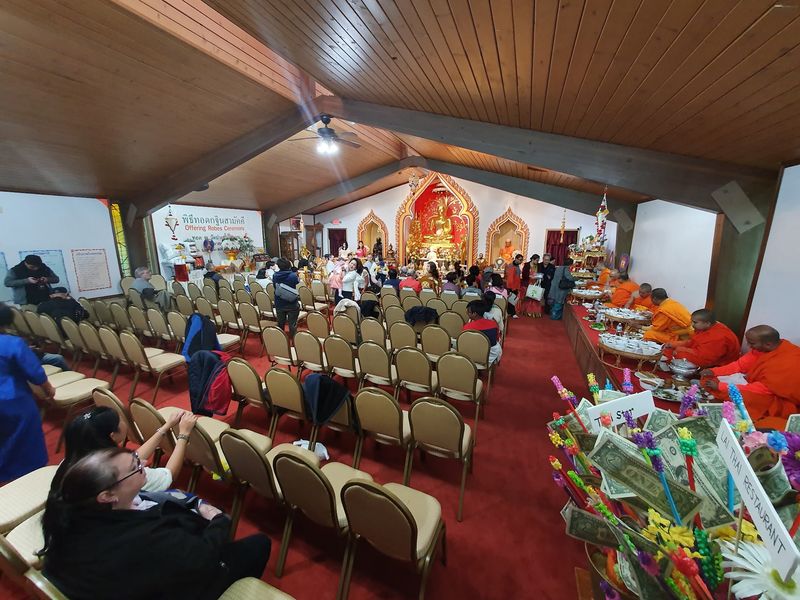
Some events are crowded but cold. Wat Paknam Michigan seems to work differently, with a public face that combines festival excitement and a sense of welcome that has been noted by people who first arrived for food and then noticed the larger community around it.
That matters for newcomers who may feel unsure about stepping onto temple grounds. A Buddhist center can sound formal from a distance, yet the festival setting lowers the barrier and turns the visit into something easier, more relaxed, and less intimidating.
Food helps, of course, but the bigger point is access. The event gives local residents a simple way to encounter Thai culture and Buddhist community life without needing background knowledge, special clothing, or a perfect understanding of etiquette before showing up.
There is a strong neighborhood value in that. Metro Detroit has plenty of food events, but not all of them open a door into a place that remains active beyond the festival calendar, and that is where this location stands apart.
Reviews tied to the temple often mention kindness, openness, and a welcoming mood, including for people who are not Thai. Used carefully, that repeated pattern suggests the festival is not acting against the identity of the temple.
It is extending it in a very public way.
The result is a gathering that can feel broad rather than exclusive. One person may come for lunch, another for curiosity, another to reconnect with Buddhist practice, and all three can move through the same event without feeling out of place.
For many communities, that kind of bridge is hard to build. Here, it appears in a practical, everyday form: shared tables, easy conversation, and a festival that introduces the temple through hospitality instead of heavy explanation.
Beyond the plates, a meditation center still shapes the day
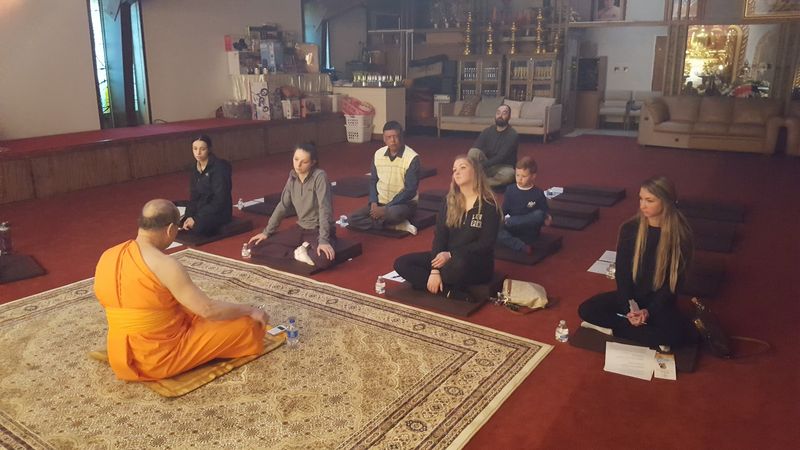
Right when the event could become just another food festival, the setting changes the story. Wat Paknam Michigan is not a pop-up venue borrowed for a weekend, but an active Buddhist meditation center, and that identity gives the day a different kind of depth.
The contrast is easy to notice. One area may be busy with food and conversation, while the broader property still carries the calm of a spiritual place, reminding visitors that the festival happens within an environment shaped by practice, learning, and routine community life.
That does not mean the experience turns solemn. It simply adds context, which can make even a short visit more interesting than a standard culinary stop, especially for anyone curious about how cultural events and religious spaces overlap in everyday American suburbs.
Information from past visitors points to English-language gatherings, meditation opportunities, and an open attitude toward learners. That broader public role helps explain why the festival does not feel random.
It fits a place that already invites people in for more than one reason.
For first-time guests, the best approach is simple respect. Notice the buildings, follow the flow of the event, and treat the grounds as more than a backdrop for photos and snacks, because the space has meaning beyond the festival tables.
That awareness can improve the visit rather than limit it. Instead of racing from stall to stall, it encourages a slower rhythm with time to look around, reset, and appreciate that food here is linked to tradition, hospitality, and community education.
Few suburban festivals offer that kind of layered experience. A plate of Thai food tastes better when the setting gives it cultural shape, and the temple quietly supplies that structure all day long.
Roam slowly and the best details start showing up
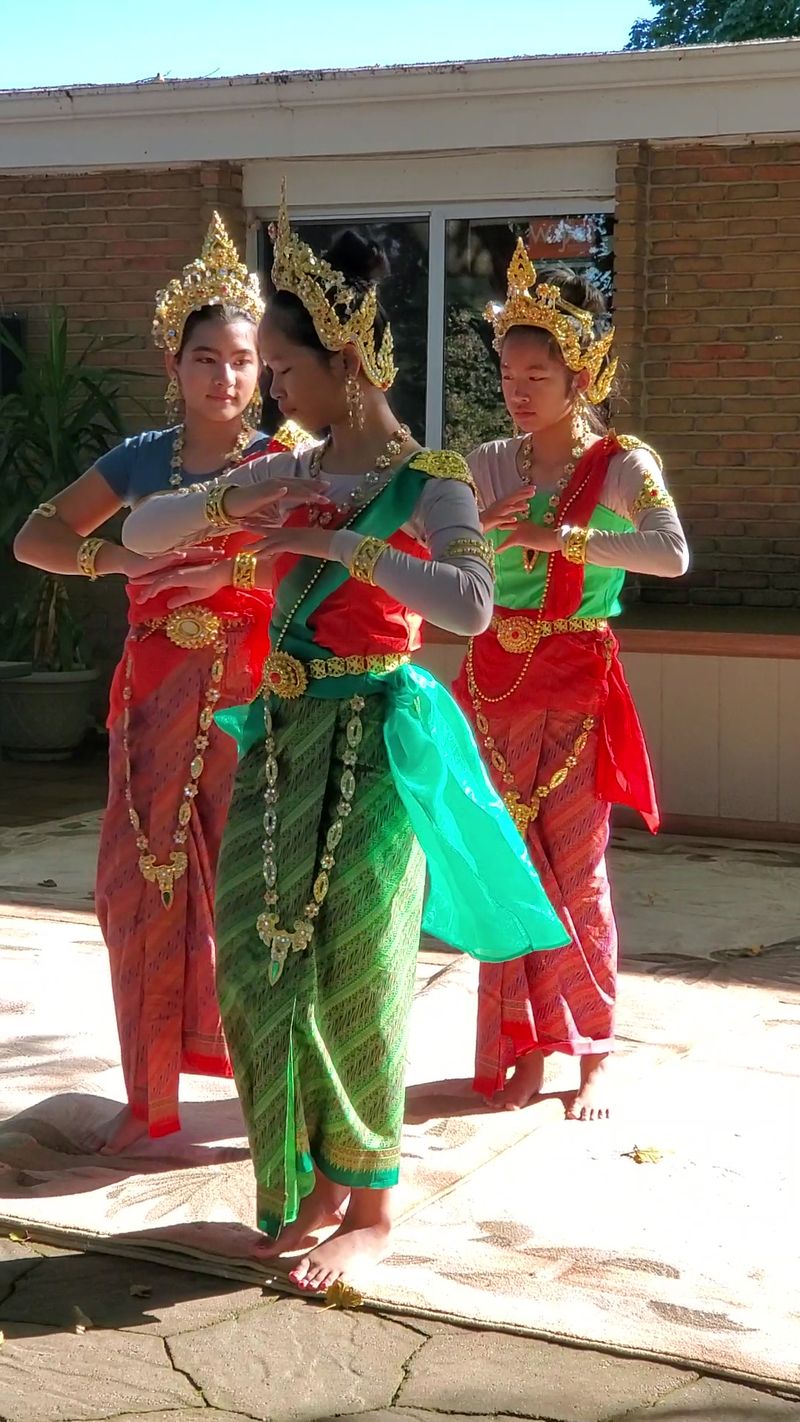
Rushing would miss the point here. The Thai Street Food Festival works best as a walking experience, where the real fun comes from moving at an easy pace and letting the details reveal themselves instead of treating the event like a quick errand.
Start with a full lap before buying too much. That small bit of patience helps visitors compare dishes, spot sweets or drinks they might have overlooked, and get a better sense of the layout so the outing feels smooth rather than scattered.
The open-air setup encourages browsing instead of locking everyone into one fixed plan. A group can split up briefly, meet back together, and trade notes on what looks best, which turns the visit into a shared hunt rather than a line-bound routine.
Kids usually benefit from that format too. They can reset between bites, stretch their legs, and stay engaged by watching the activity around them, which is often easier than expecting them to sit still through a long restaurant meal.
Adults get their own bonus from the slower rhythm. With a temple property around them, there is room for moments that are not centered on buying, whether that means pausing near the buildings, taking in the setting, or simply stepping away from the busiest cluster for a minute.
Practical choices make the day better. Comfortable shoes, a little patience in lines, and a willingness to share dishes can all improve the visit, especially when turnout is strong and the most popular food stalls attract steady attention.
The key is to treat the festival like an outing, not a transaction. Once that shift happens, the event opens up into a fuller experience with food, movement, and a setting that keeps giving you something new to notice around the next table.
Timing, traffic, and easy planning for a smoother visit
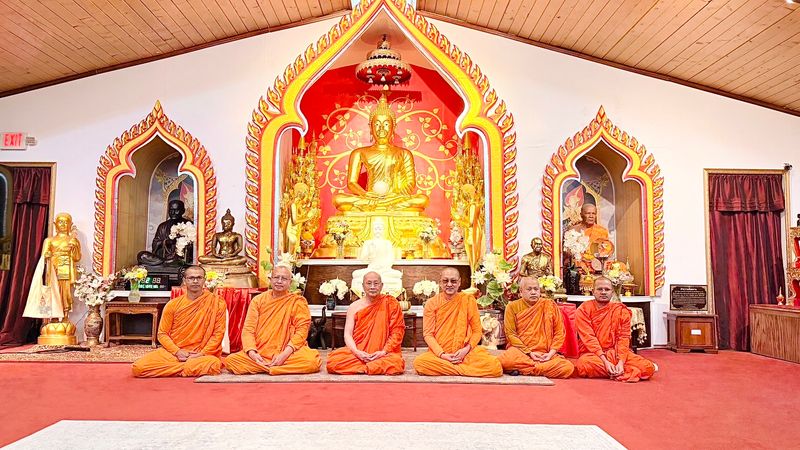
Every good festival has one challenge before the first bite: getting there at the right time. With an event strong enough to inspire a title about traffic, planning matters, especially for drivers coming from across Metro Detroit or trying to avoid the busiest arrival window.
The smartest move is to think of the trip as a half-day outing instead of a fast lunch run. That mindset reduces stress right away, because the drive, parking, lines, and browsing all become part of the plan rather than annoying delays.
Earlier arrival usually helps at popular events, and it can offer a calmer first pass through the grounds before the largest wave of visitors settles in. Later in the day may still be fun, but flexibility becomes more important once crowds build and food lines lengthen.
Comfort goes a long way at a temple festival. Wear shoes meant for walking, keep water in mind when the weather is warm, and bring enough patience to move through the space without trying to force a rigid schedule onto an event built around casual flow.
It also helps to travel light. A bulky setup, a packed stroller load, or too many bags can make food carrying harder, while a simple approach keeps hands free for drinks, small plates, and any extra items picked up along the way.
Families and groups should choose a meetup point early. That tiny bit of planning saves time when someone heads back for another snack or drifts toward a different part of the grounds, and it keeps the outing relaxed instead of turning into a phone-tracking exercise.
Traffic is easier to accept when the day is framed correctly. At Wat Paknam Michigan, the destination rewards a little strategy, and a smoother visit often starts before the car even leaves the driveway.
Why this Sterling Heights stop rises above a normal food fest
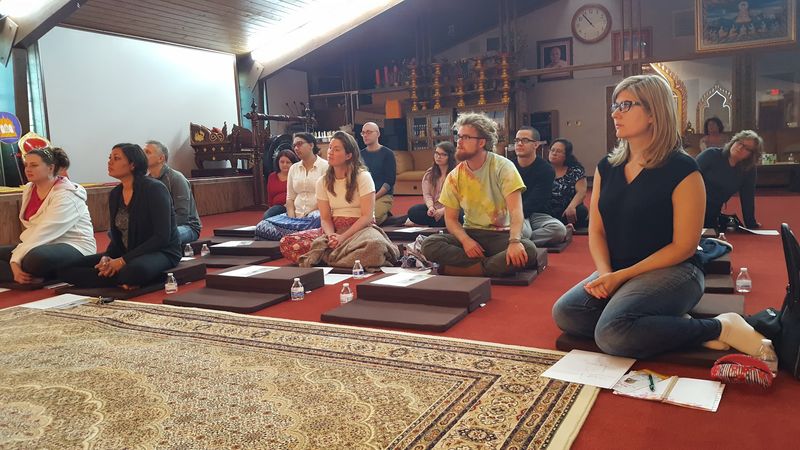
Plenty of festivals can hand over a tasty plate. Far fewer can offer a stronger sense of place, and that is where Wat Paknam Michigan separates itself from the long list of weekend food events competing for attention around Southeast Michigan.
The difference begins with purpose. The temple is not decorating itself to match a theme for one afternoon.
The food festival grows out of an existing cultural and spiritual home, so the event has roots, structure, and a setting that gives it more weight.
That extra layer changes how the whole visit lands. Instead of bouncing from booth to booth in a sea of generic tents, people spend time on temple grounds where the food, community, and environment are connected in a way that makes the outing more complete.
Sterling Heights is a practical location for a broad regional draw, and the address on Plumbrook Road adds a little discovery factor. Reaching it can require patience, but that mild obstacle almost strengthens the payoff, because the festival does not feel overexposed or overly commercial.
There is also a rare balance here between energy and calm. A lively food crowd can exist beside a place known for meditation, and instead of clashing, those two sides make the event more interesting by giving it both movement and grounding.
For anyone deciding whether the drive is too much, the smartest answer may be to judge the festival by its full package. It offers Thai street food, a welcoming public atmosphere, and a chance to step into a community space that many first discover through one good meal.
That combination is not easy to copy. In a region full of ordinary food stops, Wat Paknam Michigan offers a day that feeds curiosity as well as appetite, which is exactly why the traffic argument starts to lose.
Share this story