Tennessee has more to offer than just Nashville’s honky-tonks and Memphis barbecue. Tucked away in quiet valleys and rolling hills across the state, you’ll find charming small towns that look like they were pulled straight from the pages of a fairy tale. These picture-perfect communities feature historic architecture, tree-lined streets, and a slower pace of life that feels worlds away from modern Tennessee.
Get ready to discover hidden gems where time seems to stand still and every corner looks like a postcard.
1. Bell Buckle
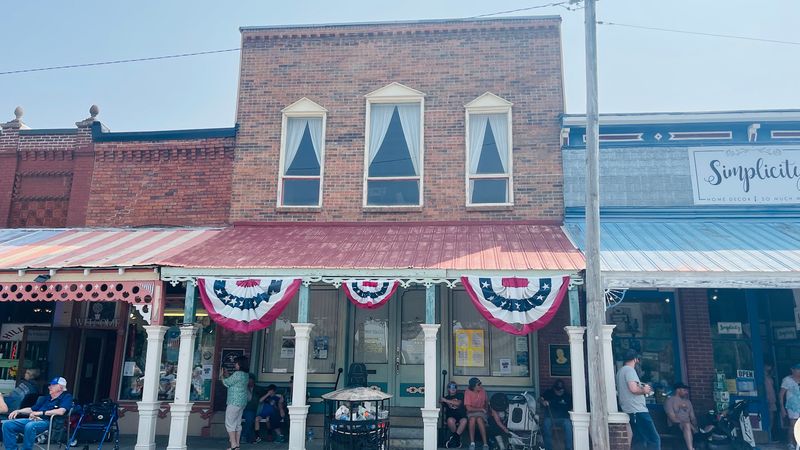
Walking down Railroad Square in Bell Buckle feels like stepping onto a movie set. This tiny town of fewer than 500 residents has preserved its 19th-century charm so well that you might wonder if you’ve accidentally time-traveled. The historic downtown stretches just a few blocks, but it’s packed with antique shops, art galleries, and quirky boutiques housed in beautifully maintained Victorian buildings.
What makes Bell Buckle truly special is how the community embraces its small-town identity without turning into a tourist trap. Local shop owners actually remember your name after one visit. The Bell Buckle Cafe serves up Southern comfort food that tastes like your grandmother made it, assuming your grandmother was an exceptional cook.
Every June, the town hosts the RC Cola and Moon Pie Festival, celebrating two Southern staples with live music, crafts, and enough sugar to send an entire county into a happy coma. It’s wonderfully ridiculous and perfectly Bell Buckle. The town also claims one of Tennessee’s oldest bookstores, where you can browse for hours without anyone rushing you along.
Bell Buckle’s historic Webb School adds an educational heritage dating back to 1870. The tree-shaded campus gives the town an intellectual atmosphere that complements its artistic vibe. Whether you’re browsing for vintage treasures or simply enjoying a slower pace, this storybook town proves that Tennessee’s best-kept secrets often come in the smallest packages.
2. Jonesborough
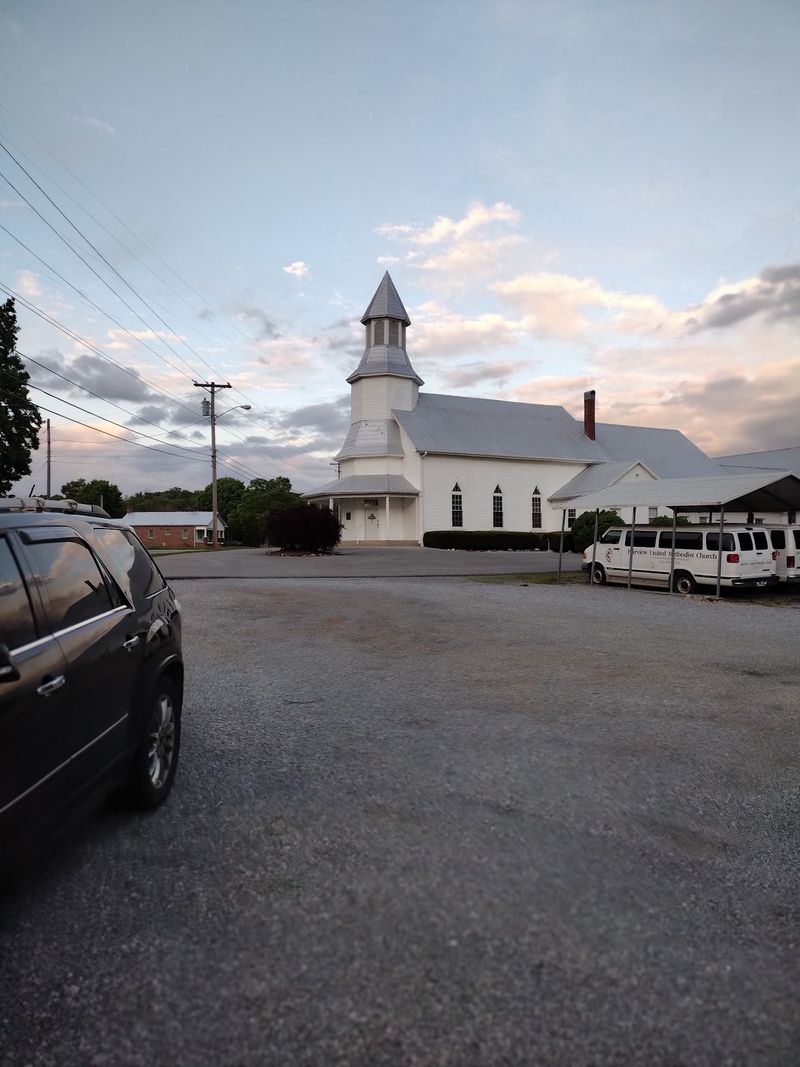
As Tennessee’s oldest town, Jonesborough has been collecting stories since 1779. The entire downtown is a National Historic District, which is a fancy way of saying every building has more character than most modern shopping malls combined. Brick sidewalks wind past colorful storefronts painted in cheerful hues that would make a rainbow jealous.
October transforms Jonesborough into storytelling central when the International Storytelling Festival takes over. People travel from across the globe to hear master storytellers spin tales under big tents and in historic venues. Even outside festival season, you’ll find storytelling woven into the town’s DNA.
Local guides share ghost stories and historical tales that bring the past to vivid life.
The Chester Inn Museum and Visitor Center occupies a building that once hosted three presidents. Today it welcomes regular folks who want to understand Jonesborough’s fascinating past. Nearby, the Jonesborough Repertory Theatre stages productions in an intimate setting that makes Broadway feel impersonal by comparison.
Main Street shops sell everything from handcrafted pottery to locally roasted coffee, with owners who actually care about their craft. The Salt House restaurant serves elevated Southern cuisine in a renovated historic building that somehow makes fine dining feel comfortable. Parson’s Table offers another excellent option for food lovers seeking authentic regional flavors.
With its perfect blend of history, culture, and genuine hospitality, Jonesborough proves that Tennessee’s past can feel more enchanting than any fantasy.
3. Rugby
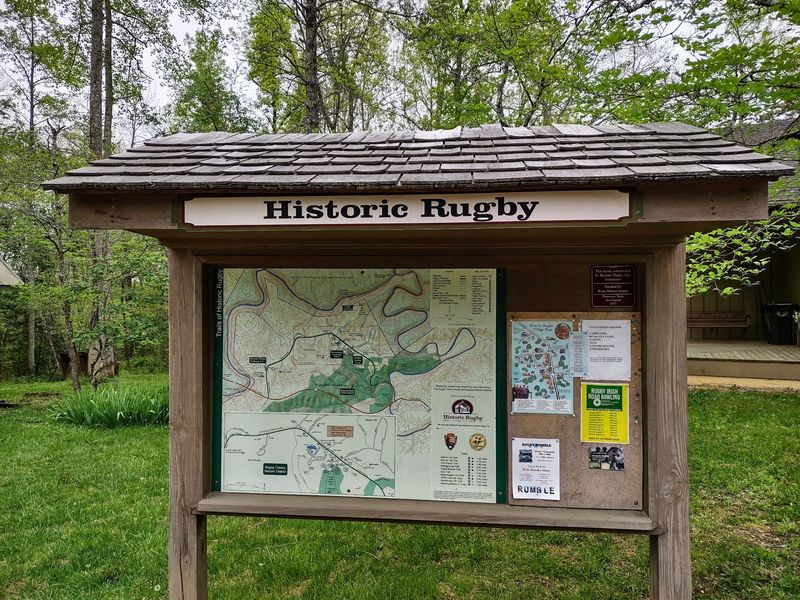
Rugby started as a utopian experiment in 1880 when British author Thomas Hughes decided to create a perfect society in the Tennessee wilderness. Spoiler alert: utopia proved harder to maintain than anticipated, but the village that remains is absolutely magical. Victorian Gothic cottages dot the landscape like they’re waiting for English aristocrats to return for afternoon tea.
Christ Church Episcopal stands as Rugby’s architectural crown jewel, with its board-and-batten siding and stunning stained glass windows imported from England. Services still happen here occasionally, and the building’s simple beauty puts many grander churches to shame. The original Thomas Hughes Free Public Library houses 7,000 Victorian-era books, making it a literary time capsule that book lovers find irresistible.
Walking Rugby’s quiet lanes, you half expect to encounter ladies in long dresses and gentlemen in top hats. Instead, you’ll find historic buildings that now serve as museums, a visitor center, and even overnight accommodations. Staying in one of Rugby’s historic buildings lets you experience Victorian life without the corsets or lack of indoor plumbing.
The surrounding Big South Fork area offers hiking, horseback riding, and natural beauty that explains why Hughes chose this location. Rugby’s isolation on the Cumberland Plateau helped preserve it when other towns modernized. Today that remoteness adds to the otherworldly feeling.
This British-flavored village tucked into Tennessee’s mountains creates a cultural mash-up so unexpected that it feels like discovering Narnia’s wardrobe in your backyard.
4. Leiper’s Fork
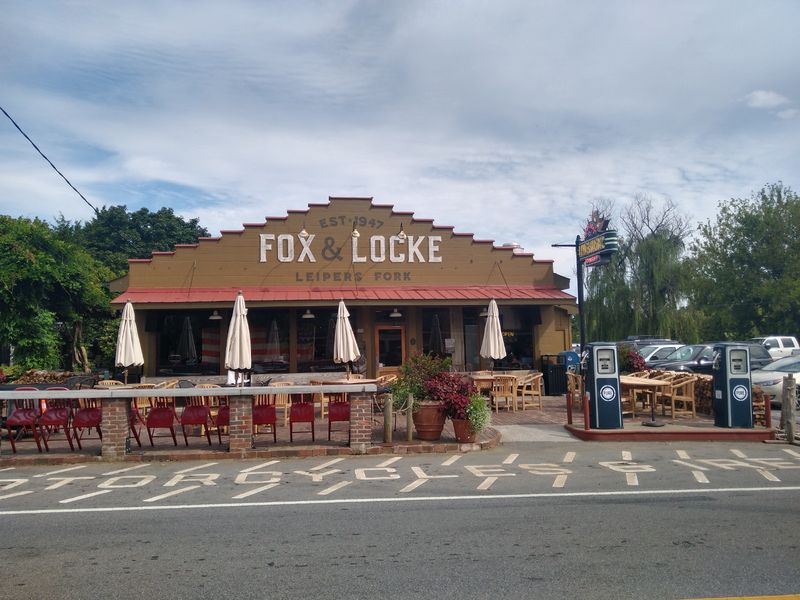
Just 30 minutes from Nashville’s chaos, Leiper’s Fork operates on an entirely different wavelength. This unincorporated community has no stoplights, no chain stores, and absolutely no interest in becoming the next big thing. What it does have is a collection of galleries, boutiques, and restaurants that attract artists, musicians, and people seeking authenticity in an increasingly homogenized world.
Puckett’s Grocery anchors the village, serving as general store, restaurant, and live music venue all rolled into one. On any given night, you might catch a Grammy-winning songwriter testing new material while you eat pulled pork and cornbread. The grocery’s front porch, complete with rocking chairs, practically begs you to sit and watch the world slow down.
Art galleries line the main road, showcasing everything from traditional Southern landscapes to contemporary sculptures. Many artists live and work in Leiper’s Fork, giving the community a creative energy that feels organic rather than manufactured. The Leiper’s Creek Gallery represents local and regional artists whose work captures Tennessee’s spirit without resorting to clichés.
Serenite Maison offers French-inspired home goods that somehow fit perfectly in this rural Tennessee setting. Nearby antique shops contain treasures that range from genuine finds to quirky conversation pieces. The village’s pastoral setting, with rolling horse farms and split-rail fences, completes the storybook atmosphere.
Leiper’s Fork proves that you don’t need a time machine to escape modern life, just a willingness to embrace a quieter, more intentional way of living.
5. Townsend
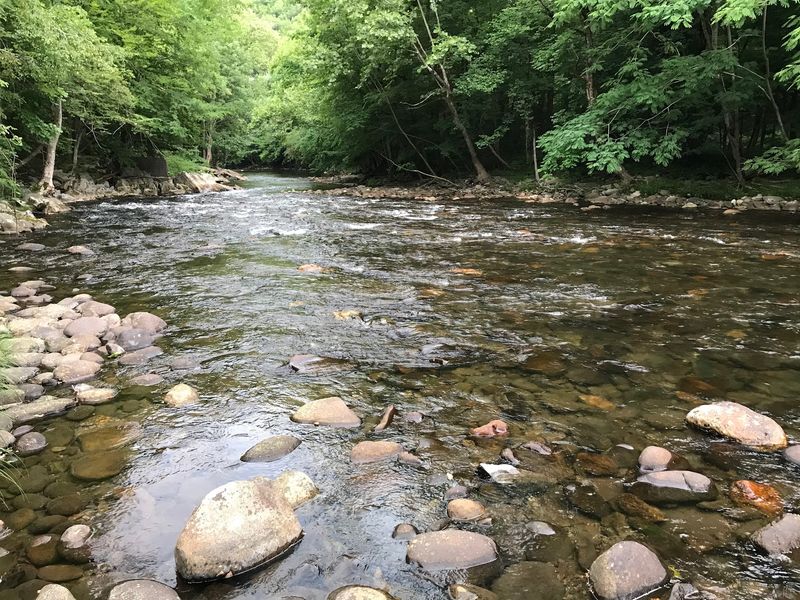
While Gatlinburg and Pigeon Forge compete to see which can cram more attractions into a square mile, Townsend quietly goes about being the peaceful gateway to the Smokies. Known as the “Quiet Side of the Smokies,” this town offers mountain access without the traffic jams, taffy shops, and miniature golf courses that define its louder neighbors.
The Little River flows right through Townsend, providing a soundtrack of rushing water that beats any playlist. Locals and visitors alike tube down the river on hot summer days, a simple pleasure that feels increasingly rare. Several outfitters rent tubes and provide shuttle services, making it easy to spend an afternoon floating and forgetting your worries.
Cades Cove, one of the Smokies’ most popular destinations, sits just minutes from Townsend. Getting there from this side means less traffic and more wildlife sightings along the way. The town serves as an ideal base camp for hiking, fishing, and exploring the national park without dealing with crowds that can make nature feel like a theme park.
Downtown Townsend won’t overwhelm you with options, which is precisely the point. A handful of restaurants serve solid food without gimmicks. Local shops sell outdoor gear, handcrafted items, and necessities without the tourist trap markup.
The Townsend Visitors Center provides helpful information without the hard sell.
Surrounded by mountains that glow different colors with each season, Townsend creates a storybook setting where nature provides the narrative and peace is the plot.
6. Dandridge
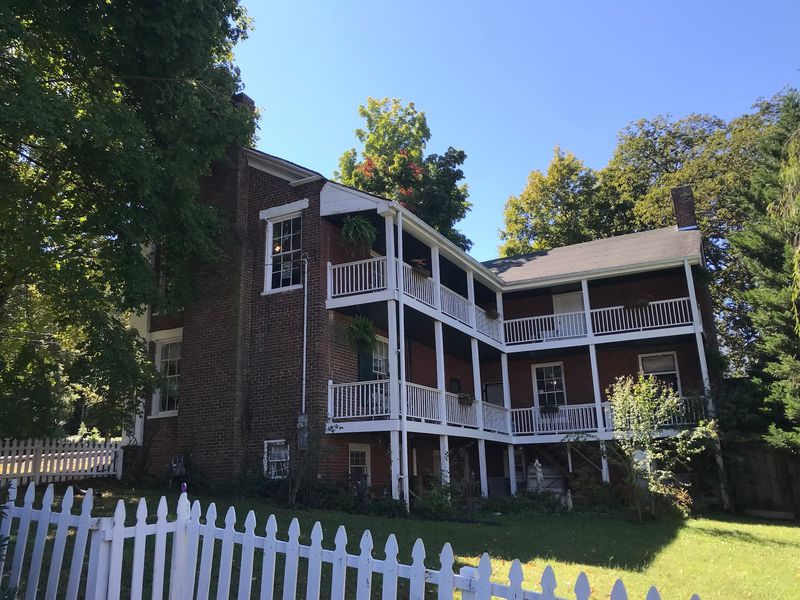
Perched on the shores of Douglas Lake, Dandridge holds the distinction of being Tennessee’s second-oldest town. More impressively, it’s the only town named after Martha Dandridge, better known as Martha Washington. The historic downtown survived being flooded when Douglas Lake was created in the 1940s, thanks to community efforts that literally moved buildings to higher ground.
The Jefferson County Courthouse, dating to 1845, dominates the town square with Greek Revival architecture that commands respect without being stuffy. Surrounding the courthouse, historic buildings house antique shops, cafes, and businesses that have adapted old spaces for modern use while maintaining their character. Walking these streets feels like browsing through Tennessee’s history book with three-dimensional illustrations.
Douglas Lake provides the backdrop for Dandridge’s storybook setting, especially during sunset when the water reflects pink and orange hues. The lake attracts boaters, fishermen, and people who simply want to sit by the water and think about nothing in particular. Several marinas and public access points make it easy to get out on the water.
Tinsley-Bible Drug Store Museum preserves an old-fashioned pharmacy complete with original fixtures and products that would make modern FDA inspectors faint. The museum offers a fascinating glimpse into small-town medical care from decades past. During warmer months, Dandridge hosts events on the courthouse lawn that bring the community together in ways that feel genuinely neighborly.
With mountains rising in the distance and water lapping at the shore, Dandridge creates a setting so picturesque that it almost seems designed by a romantic novelist.
7. Granville
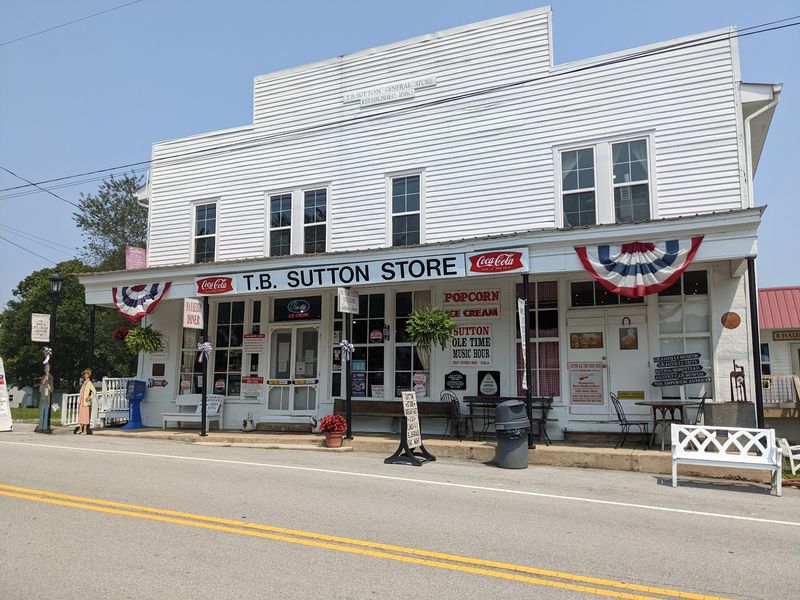
Blink while driving through Jackson County and you’ll miss Granville entirely. This tiny community consists of barely more than a handful of historic buildings clustered along a country road, yet it’s been designated a Tennessee Heritage Site for its remarkable preservation. Granville represents what hundreds of small Tennessee towns looked like before interstates and strip malls changed the landscape forever.
The Granville Museum occupies a former general store and contains artifacts from the town’s past, including items from the now-gone Granville Academy that once educated local children. Volunteers run the museum with genuine enthusiasm for sharing their community’s story. Their knowledge and passion make the visit personal rather than just educational.
Sutton’s General Store still operates, selling basic supplies along with locally made crafts and nostalgia in equal measure. The store’s creaky wooden floors and vintage displays create an atmosphere that modern retailers spend fortunes trying to replicate. Sitting on the porch with a cold drink, you can almost hear echoes of conversations from a century ago.
Several historic churches dot the area around Granville, their simple white structures standing as testaments to faith and community endurance. The rural landscape surrounding the town features rolling hills, farmland, and forests that haven’t changed much in generations. There’s no commercial development, no traffic lights, and no pretense about being anything other than a quiet remnant of Tennessee’s past.
Granville’s charm lies in what it lacks rather than what it offers.
Sometimes the best storybook settings are the ones where nothing much happens except time slowing to a pace that lets you actually notice life.
8. Sewanee
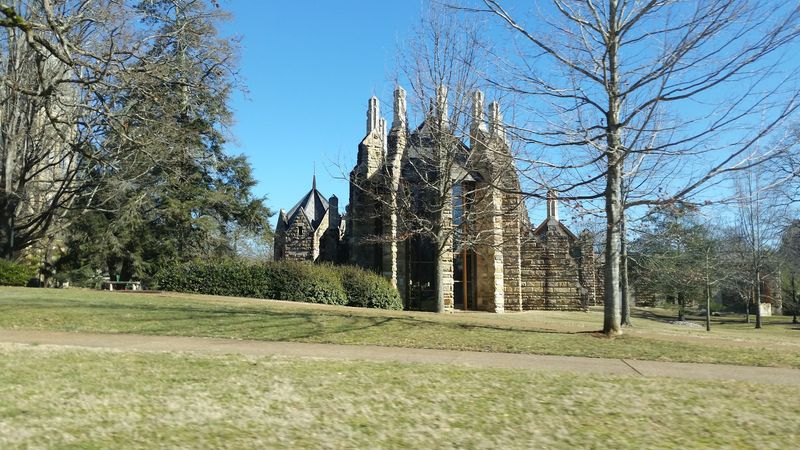
Sewanee exists primarily because of the University of the South, whose Gothic stone buildings rise from the Cumberland Plateau like a medieval English university got lost and settled in Tennessee. The campus, often called simply Sewanee, dominates this small community and infuses it with an intellectual and architectural character unlike anywhere else in the state.
All Saints’ Chapel stands as the university’s spiritual and architectural centerpiece, with its soaring tower visible for miles. The chapel’s Carillon bells ring out across campus, marking time in a way that feels both timeless and slightly magical. Inside, stained glass windows and vaulted ceilings create a space that encourages contemplation whether you’re religious or not.
The university owns over 13,000 acres of the Domain, as the campus and surrounding land are known. Hiking trails crisscross this property, leading to waterfalls, overlooks, and natural areas that make Sewanee a paradise for outdoor enthusiasts. Perimeter Trail alone covers 20 miles around the Domain’s edge, offering stunning views of the valleys below.
Downtown Sewanee consists of a few blocks where students, faculty, and locals mix at coffee shops, restaurants, and the university bookstore. The Blue Chair Tavern serves elevated pub food in a relaxed atmosphere. Stirling’s Coffee House provides fuel for late-night study sessions and morning wake-ups alike.
The combination of academic tradition, Gothic architecture, and mountain wilderness creates a setting that feels transported from another place and time.
Sewanee proves that Tennessee can do collegiate Gothic just as well as Oxford or Cambridge, with better barbecue nearby.
9. Tellico Plains
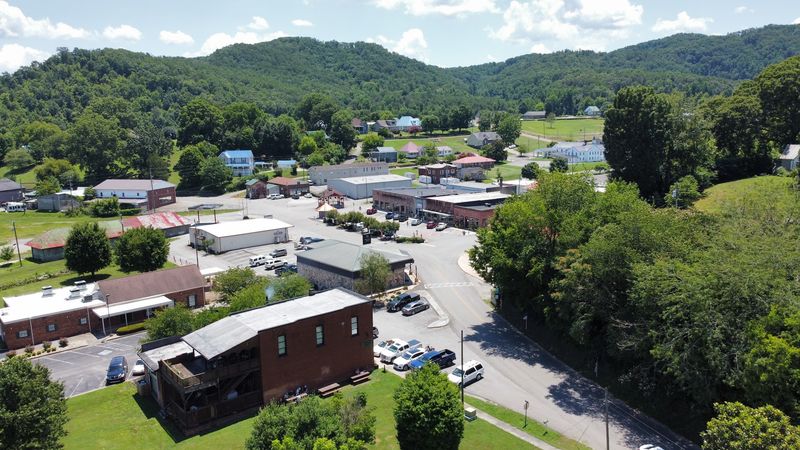
Nestled in the foothills of the Cherokee National Forest, Tellico Plains serves as the western gateway to the Cherohala Skyway, one of America’s most scenic drives. But this Monroe County town deserves recognition beyond being a starting point for somewhere else. Its compact downtown retains an authentic mountain town character that many similar communities have lost to either abandonment or over-development.
The Charles Hall Museum occupies a former bank building and houses an impressive collection of local history artifacts, including extensive Native American items and exhibits about the area’s early settlers. The museum’s collection reveals layers of history that stretch back thousands of years. Volunteers share stories that connect objects to real people who lived, worked, and raised families in these mountains.
Tellico River flows near town, offering some of Tennessee’s finest trout fishing. Anglers wade into cold mountain water pursuing rainbow and brown trout in a setting that looks like it belongs in a fly-fishing magazine. Even non-fishermen appreciate the river’s beauty and the peaceful sound of water moving over rocks.
Several outfitters in town provide gear, guides, and advice for exploring the surrounding national forest. Hiking trails range from easy walks to challenging climbs that reward effort with waterfall views and mountain panoramas. Fall transforms the landscape into a riot of color that draws leaf-peepers from across the region.
Small restaurants serve hearty mountain food that tastes even better after a day outdoors.
Tellico Plains maintains an unpretentious charm where the mountains provide the drama and the town offers a comfortable, welcoming base that feels genuinely rooted in its place.
10. Cumberland Gap
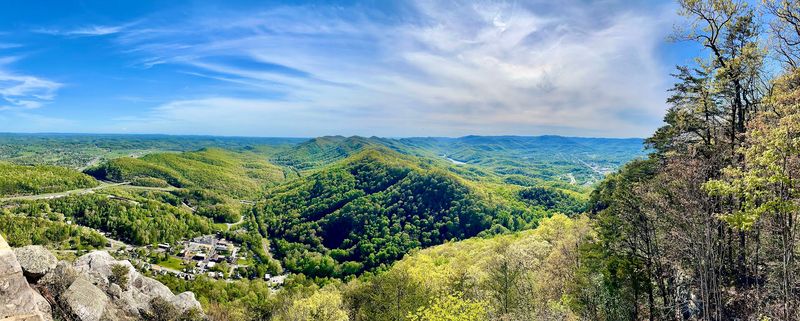
Cumberland Gap isn’t so much a town as a tiny community clustered around one of American history’s most significant landmarks. The natural pass through the Appalachian Mountains served as the gateway west for hundreds of thousands of settlers, including Daniel Boone and the pioneers he guided through the wilderness. Today, Cumberland Gap National Historical Park preserves this history while the small community maintains a quiet existence in the shadow of the mountains.
The park’s visitor center provides context for understanding why this gap mattered so much. Interactive exhibits and a short film explain how this natural feature shaped American westward expansion. Rangers offer programs that bring history to life without making it feel like homework.
The Wilderness Road Trail follows the historic route that settlers used, allowing modern visitors to walk in their footsteps, though with considerably better shoes.
Pinnacle Overlook, reached by a winding road or challenging hike, provides views of three states: Tennessee, Kentucky, and Virginia. Standing at this vantage point, you can appreciate both the natural beauty and the strategic importance that made Cumberland Gap so valuable. On clear days, the views stretch for miles across mountain ridges that seem to roll on forever.
The small community of Cumberland Gap maintains several historic buildings and a quiet downtown where time moves slowly. Locals are accustomed to visitors passing through, just like settlers did centuries ago, and they offer friendly service without tourist trap prices. Surrounded by mountains and steeped in history, Cumberland Gap creates a storybook setting where American history and Appalachian beauty combine into something genuinely special.
Share this story