Missouri is full of places that can still surprise people who have lived here their whole lives. From strange museums and quiet historic towns to caves, castles, mills, and theme park streets that feel like another time, the state has more variety than many travelers expect.
Some of these spots are famous, but plenty of residents keep saying they will visit someday and never quite make the trip. If you are ready for a new weekend plan, these Missouri treasures are worth putting on your list.
1. City Museum, St. Louis
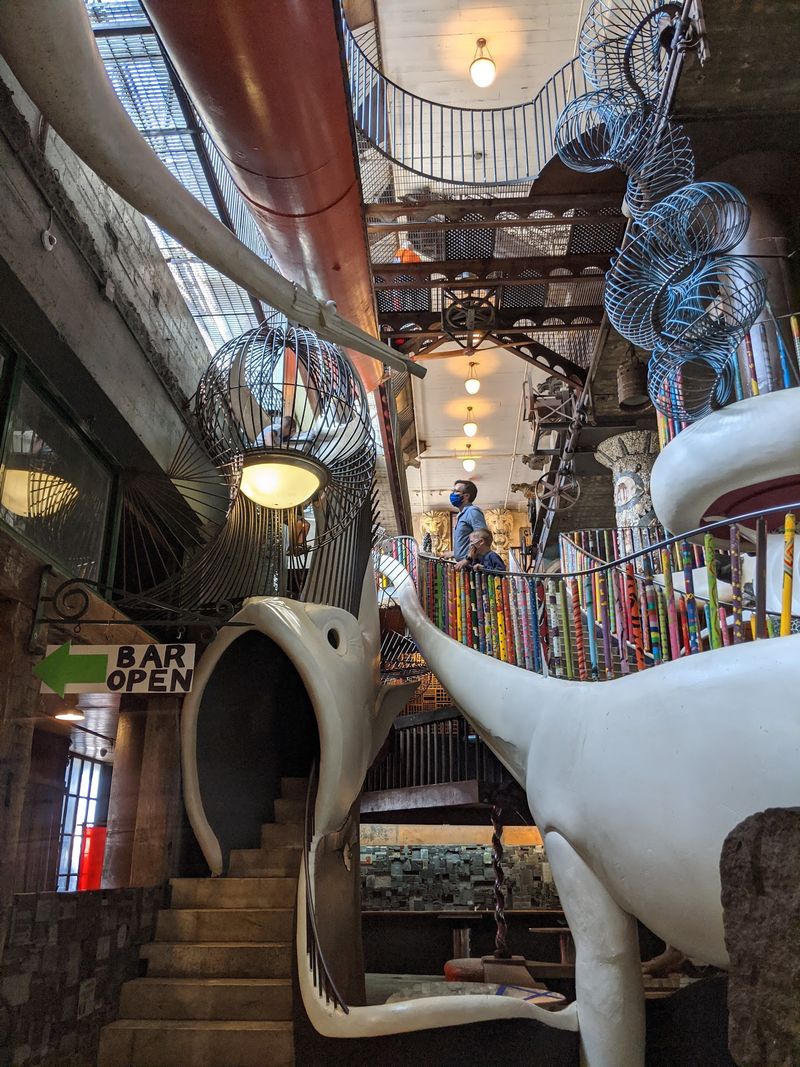
A school field trip could walk into this place and come out feeling like it had landed inside a giant art project.
City Museum in St. Louis is not a quiet museum with ropes and whispering voices.
It is a wild mix of slides, tunnels, bridges, sculptures, and reused building parts turned into a huge playground for curious people.
Many lifelong Missourians know the name, but some still have never crawled through its metal passageways or climbed into its rooftop attractions.
The building was once a shoe factory, which helps explain its tall spaces and industrial feel.
Artists and builders filled it with old chimneys, airplane parts, tiles, stone, and metal, giving every corner a handmade look.
Families should plan ahead because this is an active stop, not a stand-and-stare visit.
Wear comfortable clothes, closed-toe shoes, and bring a small bag instead of a bulky backpack.
Adults often enjoy it as much as kids, especially if they are willing to climb, squeeze, and laugh at themselves.
The rooftop is a favorite when open, with big views of St. Louis and features that feel part carnival, part sculpture garden.
Inside, the caves, ten-story slide, and odd little staircases can keep visitors busy for hours.
It is easy to miss whole sections, so do not rush from one famous feature to the next.
City Museum also shows how creative Missouri can be when history and imagination meet.
Instead of tearing every old thing down, the space gives forgotten objects a second life.
That makes the visit feel local, clever, and a little surprising.
Tickets, hours, and rooftop access can change by season, so check before driving in.
Parking near downtown St. Louis also takes a little planning.
Go with patience, energy, and a sense of humor, and you may leave wondering why you waited so long.
2. Jim The Wonder Dog Museum, Marshall
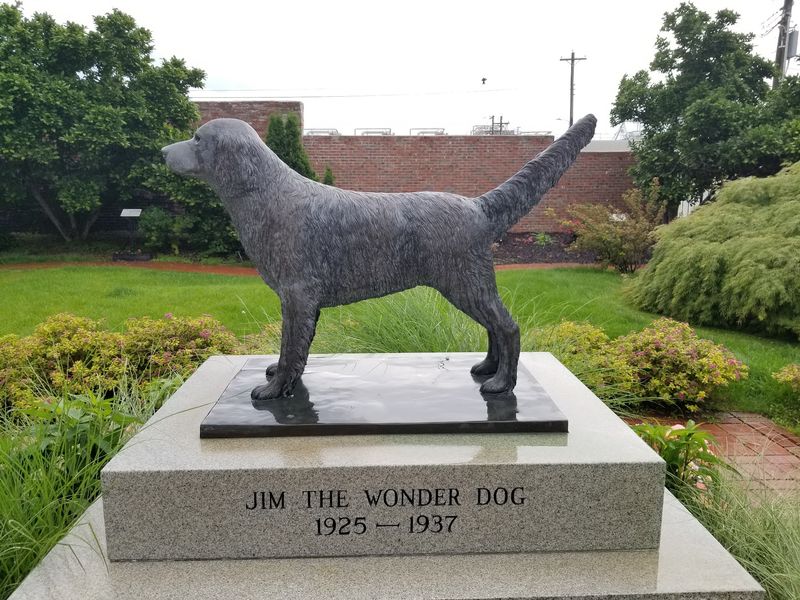
A dog that seemed to understand people better than most people understand maps became one of Missouri’s strangest legends.
Jim the Wonder Dog lived in Marshall and gained fame for doing things that sounded almost impossible.
Visitors to the museum find a story that is part local pride, part mystery, and part old-fashioned fun.
The exhibits tell how Jim amazed crowds by following commands in different languages, picking winners in races, and finding objects people named.
Skeptics have always had questions, of course, but that is part of what makes the tale so interesting.
Whether you believe every account or simply enjoy a good Missouri story, the museum gives you plenty to talk about.
Marshall itself adds to the charm because it feels like the right setting for a hometown legend.
The pace is slower than in the big cities, and the museum is easy to pair with a walk around town.
Before visiting, check current hours since smaller museums may have limited schedules or rely on local staffing.
Kids who like animals often connect with the story right away.
Adults may enjoy the old photos, newspaper reports, and sense of wonder from a time when news traveled by word of mouth as much as by print.
The museum is not huge, so it works well as a relaxed stop rather than an all-day plan.
A fun part of visiting is seeing how deeply one dog became tied to Missouri memory.
Jim is buried in Marshall, and people still bring up his name with affection.
That kind of lasting fame says something about how stories can shape a town.
If your travels usually skip smaller communities, this is a good reason to change that habit.
Missouri’s lesser-known museums often hold the most personal surprises.
Bring curiosity, read the details, and let yourself enjoy a tale that still keeps visitors guessing.
3. Meramec Caverns, Sullivan
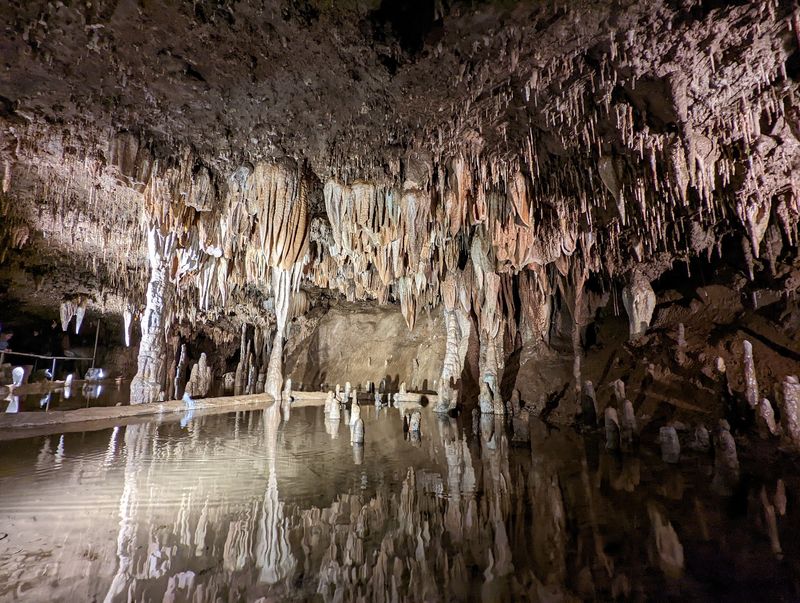
Roadside signs have pointed travelers toward this cave for generations, yet many Missourians have only seen the billboards.
Meramec Caverns near Sullivan is one of the state’s classic attractions, with cool underground rooms, tall stone formations, and stories that mix geology with folklore.
The first step inside feels like leaving the everyday world behind.
The guided tour leads visitors through limestone chambers shaped slowly by water over thousands of years.
Stalactites hang from above, stalagmites rise from the floor, and some formations look like curtains or frozen waterfalls.
Good lighting helps guests see the colors and textures without needing to be cave experts.
One reason people remember Meramec Caverns is its link to Jesse James stories.
Local lore says the outlaw may have used the cave area as a hideout, though history and legend are not always easy to separate.
That mix of fact and storytelling gives the tour a little extra excitement.
Bring a light jacket, even in summer, because caves stay cool compared with Missouri’s hot, humid afternoons.
Comfortable shoes are smart since paths can be damp in places.
Families with young kids should explain ahead of time that voices echo underground, and staying with the guide matters.
The site also works well as part of a wider Meramec River outing.
Depending on the season, visitors may find nearby float trips, picnic spots, and pretty drives through the Ozark foothills.
It is a good reminder that Missouri’s best landscapes are not only above ground.
Before heading out, check tour times, ticket prices, and weather updates for the area.
Heavy rain can affect travel plans around rivers and roads.
With a little planning, Meramec Caverns becomes more than a famous sign on the highway.
It becomes a cool, memorable look at the hidden stone world beneath Missouri.
4. Elephant Rocks State Park, Belleview
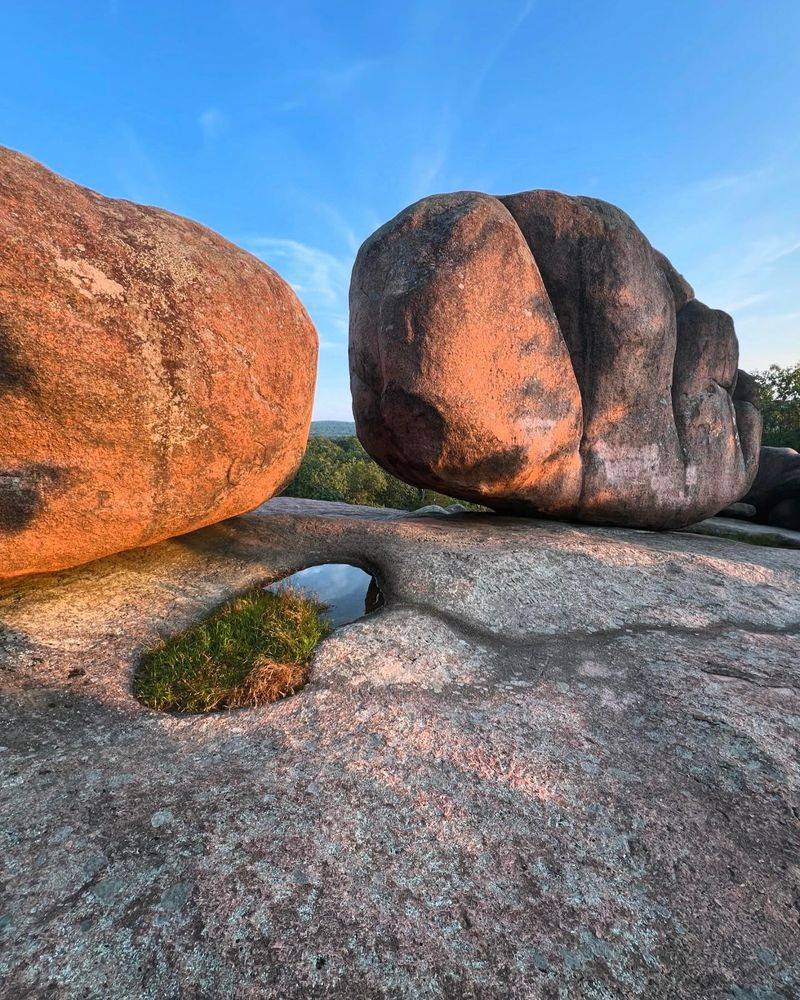
Giant pink granite boulders sit in a row like a slow parade, and that is how this park earned its unforgettable name.
Elephant Rocks State Park near Belleview feels playful at first glance, but it also tells a deep story about Missouri’s ancient rocks.
The rounded stones are huge, smooth, and perfect for photos.
The park’s most popular path is the Braille Trail, designed to be more accessible than many rugged outdoor routes.
It includes signs that help visitors learn about the rocks, plants, and history.
Families, school groups, and casual hikers can enjoy the main loop without needing advanced outdoor skills.
Climbing on the boulders is tempting, and many visitors do scramble around, but safety should come first.
Granite can be slick when wet, and some drops are higher than they appear.
Good shoes, close attention to children, and slow steps make the visit much better.
The area’s stone was once important for quarrying, and you can still see signs of that past.
Missouri granite from this region helped build streets, buildings, and monuments far beyond the park.
Knowing that history makes the landscape feel less random and more connected to real work done by earlier generations.
Photographers often like morning or late afternoon light because it brings out the warm color of the rocks.
Spring and fall are comfortable times to visit, while summer can be hot on exposed stone.
Pack water, use sunscreen, and do not count on shade for every part of the walk.
Elephant Rocks is a great choice for people who want a short trip with a big reward.
It does not take a full day to see the main sights, but it can leave a strong memory.
For many Missourians, the surprise is simple: something this unusual has been sitting in the state all along.
5. The Nelson-Atkins Museum Of Art, Kansas City
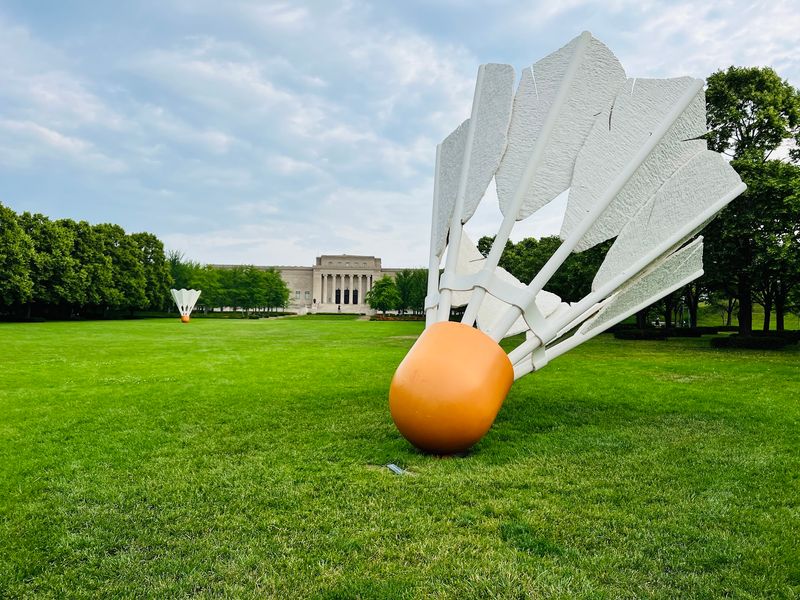
A giant shuttlecock on a green lawn is not what everyone expects outside a major art museum.
That playful surprise helps make The Nelson-Atkins Museum of Art in Kansas City feel welcoming before visitors even reach the doors.
The museum is grand, but it does not have to feel stiff or hard to enjoy.
Inside, the collection stretches across many places and time periods.
Visitors can see Asian art, European paintings, American works, photography, sculpture, and ancient objects.
Even people who think they are not art fans usually find at least one room that catches their attention.
One of the best things about visiting is that general admission is often free, though special exhibits or parking may cost money.
That makes it easier for families, students, and curious travelers to stop by without turning the day into a major expense.
Checking the museum website before going is still wise, since hours and exhibit access can change.
Do not try to see everything in one rushed visit.
Pick a few galleries, take breaks, and leave time for the sculpture park outside.
Art becomes more enjoyable when you slow down and look closely instead of marching past every label.
The museum also gives visitors a strong reason to explore Kansas City beyond food and sports.
Its lawn, architecture, and wide steps create one of the city’s most recognizable scenes.
On a pleasant day, the outdoor space can feel almost as important as the galleries.
For children, turn the trip into a simple game by asking them to choose a favorite color, face, animal, or shape in each room.
Adults can do the same and may be surprised by how much they notice.
The Nelson-Atkins proves that Missouri culture is broad, beautiful, and easy to reach, even for residents who have put off visiting for years.
6. Ste. Genevieve National Historical Park
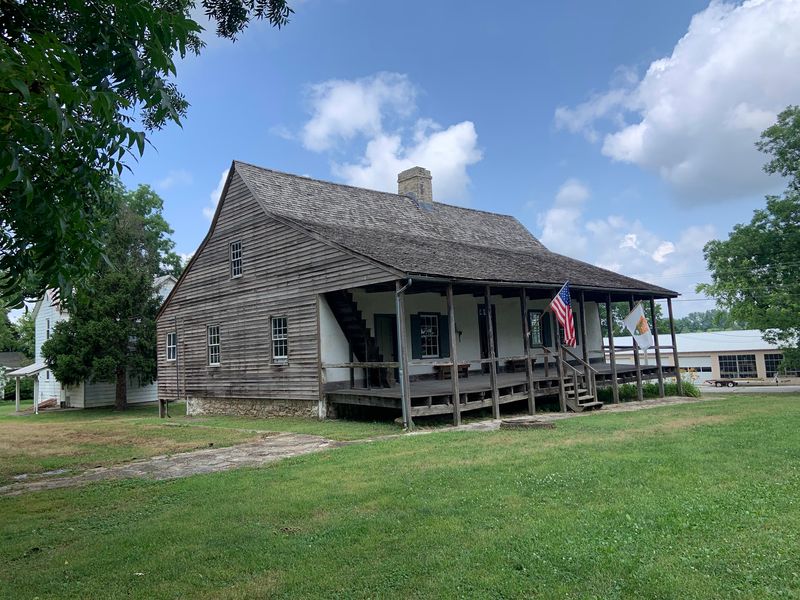
Long before Missouri became a state, French-speaking settlers built a town along the Mississippi River that still feels different from anywhere else nearby.
Ste. Genevieve National Historical Park protects that early story through rare homes, old streets, and buildings with French colonial design.
A visit can feel like opening a history book that still has real doors and gardens.
The town is known for vertical log construction, a building style not commonly seen in most of the United States.
Instead of logs stacked sideways, some walls were made with posts set upright.
Seeing that detail in person helps visitors understand how settlers adapted to the river valley and the materials around them.
Walking is one of the best ways to enjoy the area.
The historic district has museums, guided tours, shops, and quiet corners where the past feels close.
Wear comfortable shoes and allow extra time, because the charm is in the small details, not just the main stops.
Ste. Genevieve is also a reminder that Missouri history did not begin with steamboats, railroads, or Route 66.
Its French roots, Catholic traditions, farming life, and river connections shaped the region in lasting ways.
Lifelong residents who have mostly studied state history in school may find the place surprisingly fresh.
Before visiting, look up which historic homes are open and whether ranger programs are scheduled.
Some sites have limited hours, and guided experiences can add helpful context.
If you enjoy food, local shops and nearby wineries can turn the trip into a full weekend.
The setting is peaceful, but the story is big.
Floods, border changes, trade, and cultural mixing all played a role here.
For Missourians who think they already know the state, Ste. Genevieve offers a gentle correction.
It shows that Missouri has layers, and some of the oldest ones are still standing in plain sight.
7. Bollinger Mill State Historic Site, Burfordville
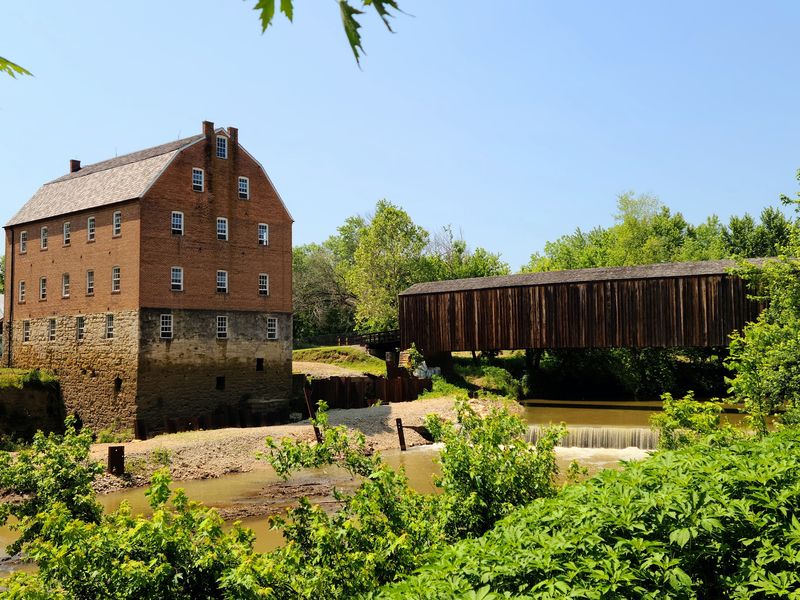
A red mill and an old covered bridge beside the water can make a person slow down without even meaning to.
Bollinger Mill State Historic Site in Burfordville has that quiet postcard look, but it is more than a pretty stop.
It tells the story of farming, milling, trade, and daily work in southeast Missouri.
The mill sits near the Whitewater River and has roots reaching back to the 1800s.
Mills like this were once essential because local families needed grain ground into flour and meal.
Visiting helps people picture a time when a trip to the mill was part chore, part social event, and part business.
The covered bridge is one of the site’s most loved features.
Missouri does not have many historic covered bridges left, so seeing one beside a mill makes the place feel extra special.
Bring a camera, because the view from several angles is beautiful in every season.
Inside the mill, exhibits and machinery help explain how water power and grinding equipment worked.
Even if you are not a machinery person, the size of the gears and wooden parts can be impressive.
Check ahead for tour availability, since access may depend on staffing, season, or preservation work.
This is a calm outing, not a loud attraction packed with flashing lights.
It is ideal for people who enjoy history, photography, short walks, or peaceful rural scenery.
A picnic nearby can make the visit feel unhurried and simple.
Bollinger Mill also pairs well with exploring Cape Girardeau or other southeast Missouri communities.
The drive itself may take visitors through farmland, small towns, and rolling countryside that often get overlooked.
For residents used to passing quickly through this part of the state, the site gives a reason to pause.
Missouri’s history was built by ordinary labor as much as famous names.
Standing by the mill, it becomes easier to respect that everyday past.
The place is quiet, useful, and beautiful all at once.
8. The Precious Moments Chapel, Carthage
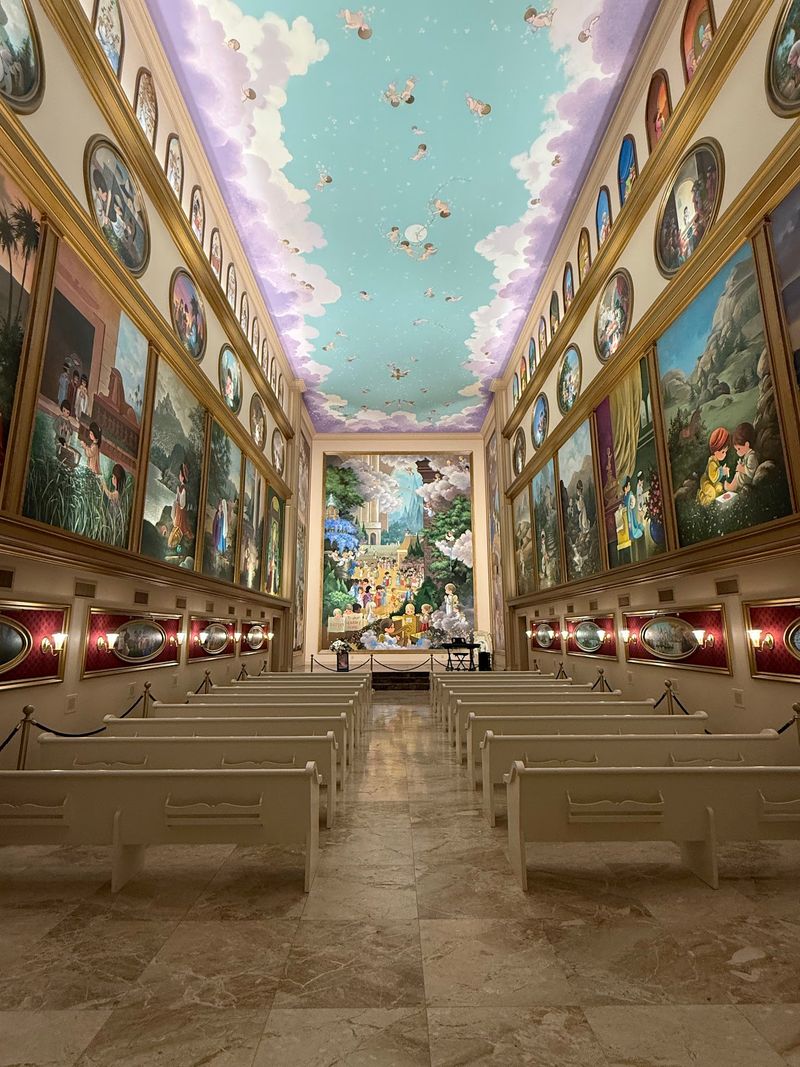
Soft colors, wide-eyed figures, and quiet chapel halls create a scene that feels unlike most Missouri road trips.
The Precious Moments Chapel in Carthage grew from the artwork of Samuel J.
Butcher, whose illustrations became known around the world.
Fans often describe the chapel as sweet and moving, while first-time visitors may be surprised by its size and detail.
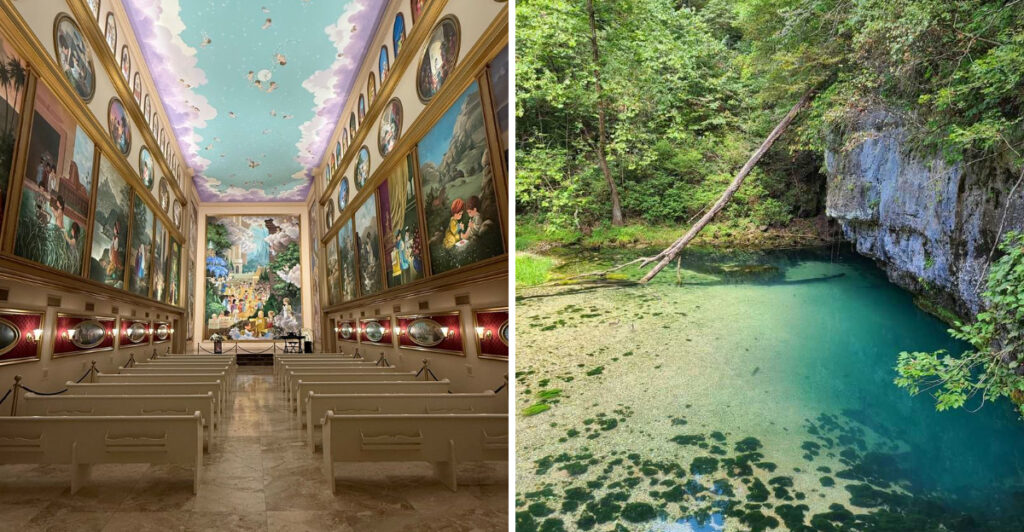
The main chapel includes large murals with spiritual themes, including scenes inspired by the Bible.
The art style is simple and tender, which makes it easy for many visitors to understand at a glance.
Even people who did not collect Precious Moments figurines may recognize the familiar faces.
For some guests, the visit is deeply personal because the chapel includes memorial touches and messages about hope, love, and loss.
It is best approached with a respectful mood, even if you come mainly out of curiosity.
Quiet time inside allows the artwork and setting to make a stronger impression.
The grounds can be pleasant for a slow walk, especially when flowers are blooming.
Depending on current operations, visitors may find a gift shop, visitor center, or special displays.
Always check hours before making the drive to Carthage, since attractions can change schedules by season or event.
Carthage itself is worth extra time, with a handsome courthouse square, historic homes, and Route 66 connections nearby.
Pairing the chapel with other local stops can turn a short visit into a fuller day.
This part of southwest Missouri has more to offer than many people expect.
The chapel is not for everyone in the same way, and that is fine.
Some will come for faith, some for nostalgia, and some for the unusual art environment.
What makes it memorable is how clearly it reflects one artist’s vision.
Missouri has plenty of grand landscapes and serious museums, but this Carthage landmark offers something softer, more personal, and surprisingly heartfelt.
9. Ha Ha Tonka State Park, Camdenton
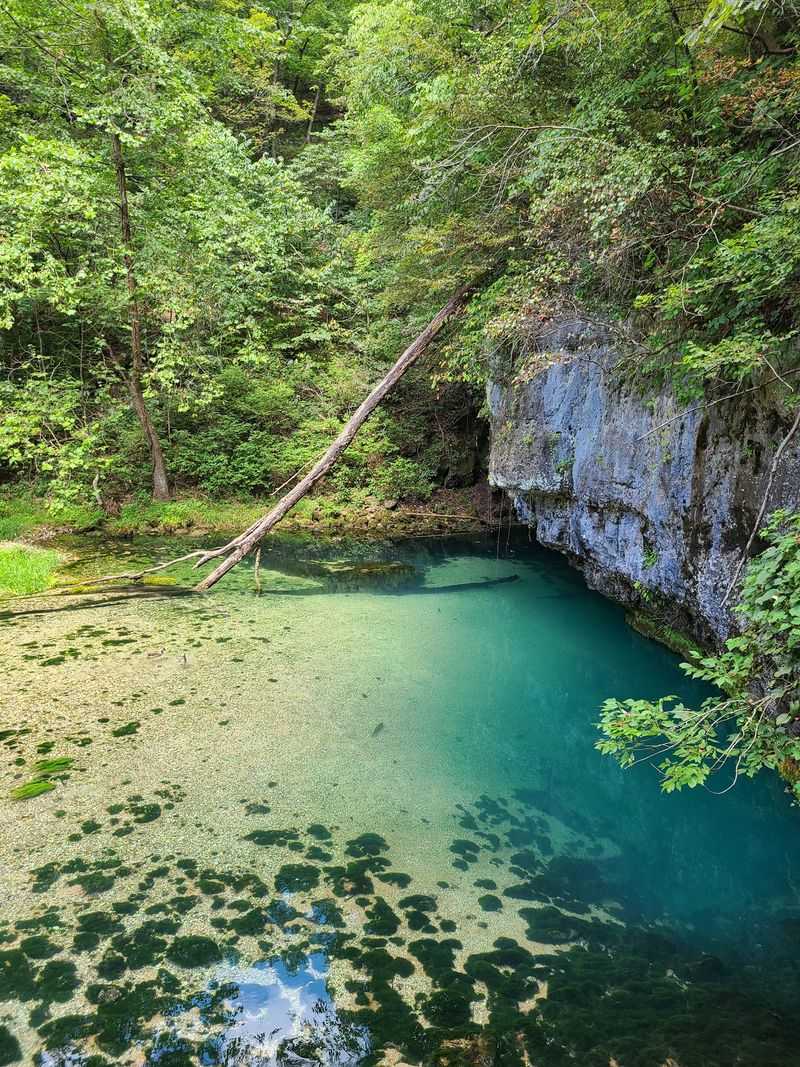
Castle ruins above the Lake of the Ozarks sound like something borrowed from another country, but they are right here in Missouri.
Ha Ha Tonka State Park near Camdenton blends dramatic stone remains with caves, springs, bluffs, and wooded trails.
It is one of those places that makes visitors say they had no idea the state looked like this.
The famous ruins come from a mansion built in the early 1900s by a wealthy Kansas City businessman.
Fire and time left the stone shell behind, creating a haunting landmark with wide views.
The story adds a touch of mystery without needing any extra decoration.
Trails lead visitors to overlooks, natural bridges, sinkholes, and the large spring that feeds bright blue-green water below.
Some paths are easy, while others include stairs or rougher sections.
Read trail signs carefully and choose routes that match your group’s energy and ability.
The castle area is popular, so arriving earlier in the day can help with parking and photos.
Weekends during nice weather may be busy, especially when people are already visiting the Lake of the Ozarks.
Bring water, wear sturdy shoes, and expect more walking than a quick roadside stop.
Nature lovers should look beyond the ruins because the park’s karst landscape is a major part of its appeal.
Karst means the land has features shaped by dissolving rock, including caves, springs, and sinkholes.
Missouri has many such landscapes, and Ha Ha Tonka shows them in a clear and exciting way.
For families, the site can mix history and outdoor adventure in one trip.
Kids may come for the castle but remember the stairs, views, and strange rock formations.
Adults often enjoy how the park feels both wild and polished.
If you have only seen the lake from docks and restaurants, this park reveals a more rugged side of Camdenton.
10. Silver Dollar City, Branson
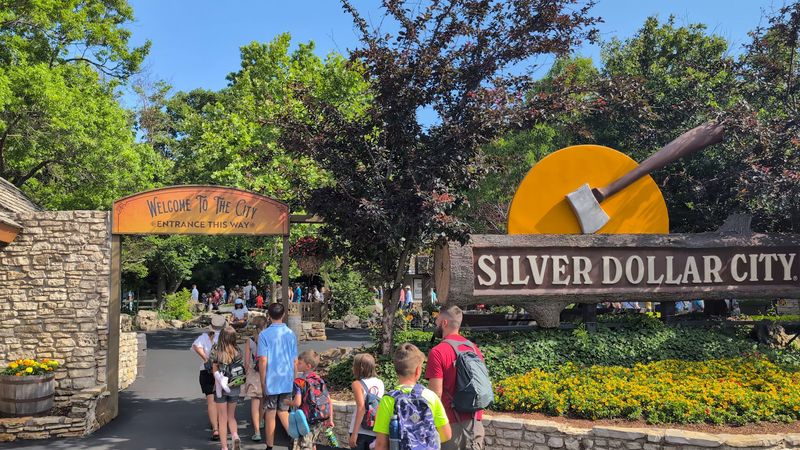
The smell of cinnamon bread, the sound of coaster cars, and the sight of craftspeople at work all meet in one Ozark hillside park.
Silver Dollar City in Branson is famous, yet some Missourians still avoid it because they think it is only for tourists.
That is a mistake, especially for anyone who enjoys history mixed with high-energy fun.
The park is themed around an 1880s Ozark settlement, with shops, food stands, live shows, rides, and demonstrations.
Blacksmiths, glassblowers, candy makers, and woodworkers help give the place a handmade feel.
Roller coasters and family rides add excitement without erasing the old-time setting.
Planning makes a big difference here.
Buy tickets ahead when possible, review the park map, and decide which rides or shows matter most to your group.
During festivals and holidays, crowds can be heavy, so arriving early saves time and stress.
Food is part of the experience, not just a break between rides.
Many visitors talk about skillet meals, barbecue, sweets, and the famous cinnamon bread.
Sharing snacks can help families try more without spending too much at once.
Silver Dollar City also sits near Marvel Cave, which has been part of the area’s attraction history for a long time.
Cave tours may be available depending on conditions and schedules, and they add a true Missouri geology angle to the visit.
Check requirements before joining, since cave tours can involve many stairs.
The park changes with the seasons, from spring flowers to fall crafts and bright Christmas lights.
That means a person can visit more than once and have a different experience each time.
For lifelong residents, the best reason to go may be simple pride.
Silver Dollar City shows off Ozark music, skills, food, humor, and scenery in a way that is lively, polished, and deeply tied to Missouri.
11. Mark Twain Boyhood Home And Museum, Hannibal
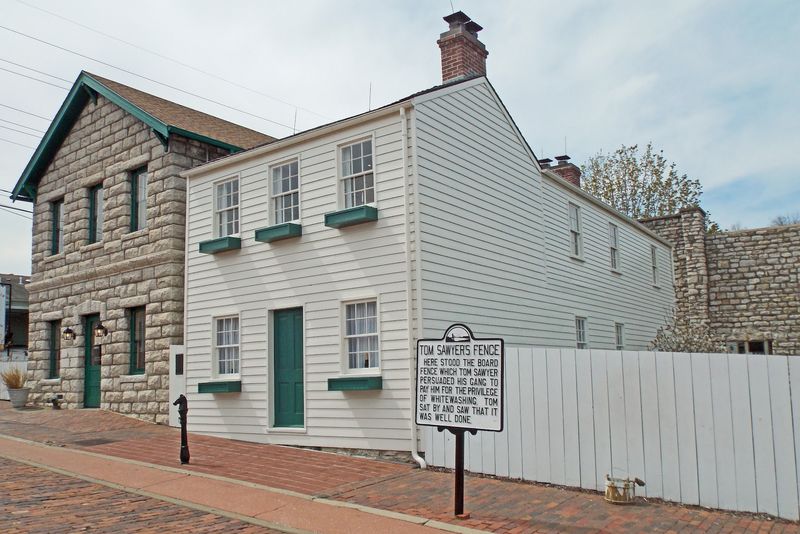
A whitewashed fence in Hannibal can make readers of all ages think of Tom Sawyer before they even see a book cover.
Mark Twain Boyhood Home and Museum connects Missouri streets, river life, and childhood memories to one of America’s most famous writers.
The visit feels both literary and very local.
Samuel Clemens, better known as Mark Twain, grew up in Hannibal along the Mississippi River.
The town helped inspire scenes and characters in books such as The Adventures of Tom Sawyer and Adventures of Huckleberry Finn.
Walking through the historic area makes those stories feel tied to real places rather than distant classroom assignments.
The museum complex includes Twain’s boyhood home and other buildings connected to people who influenced his writing.
Exhibits share details about his family, early jobs, humor, travels, and lasting fame.
Even visitors who have not read his books in years can enjoy learning how a Missouri boy became a world-renowned author.
Hannibal works well as a full-day trip because the town offers more than one stop.
Visitors can explore riverfront views, caves linked to Twain lore, shops, and scenic overlooks.
Comfortable walking shoes help, since the historic district is best enjoyed at an easy pace.
Parents can make the visit more fun by reading a short Twain passage before arriving.
Kids may recognize fence-painting jokes or river adventure themes once they see the setting.
Adults often appreciate the humor more after learning about the real life behind it.
Check ticket options because different museum buildings or tours may be included in various passes.
Seasonal events can also affect crowds and hours.
Hannibal is especially lively during festivals, but quieter days allow more time to absorb the details.
This stop matters because Missouri helped shape a voice that traveled far beyond the state.
The river, the town, and the people all left marks on Twain’s imagination.
Visiting the museum turns that connection into something you can see, walk through, and remember.
Share this story