Most visitors to Tennessee stick to the same well-worn path: Nashville’s honky-tonks, Graceland’s gates, and Gatlinburg’s main strip. But the Volunteer State hides dozens of jaw-dropping spots that never make it onto the typical tourist radar. From underground lakes older than the pyramids to mysterious caves wrapped in local legend, these overlooked gems offer the kind of authentic Tennessee magic you won’t find in any guidebook’s top ten list.
1. The Lost Sea Adventure, Sweetwater
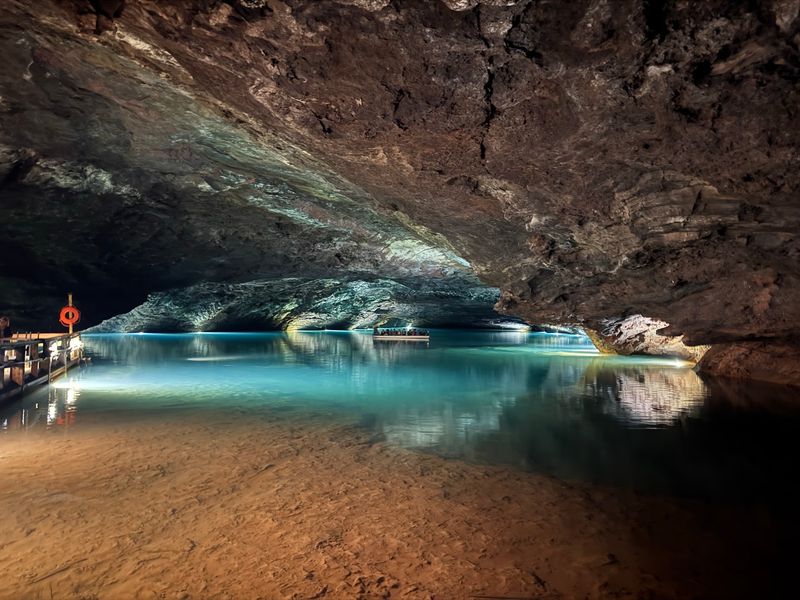
America’s largest underground lake sits beneath the rolling hills of East Tennessee, and most travelers zoom right past it on their way to the Smokies. This isn’t some puddle in a cave. The Lost Sea stretches across 4.5 acres of crystal-clear water, hidden 140 feet below ground in a cavern system that feels like stepping onto another planet.
Your adventure starts with a guided walk through cathedral-sized rooms decorated with formations that took millions of years to create. Then comes the best part: a glass-bottom boat ride across water so clear you can spot rainbow trout swimming in depths that have never seen sunlight. The temperature stays a constant 58 degrees year-round, so bring a light jacket even in summer.
What makes this place extra special is its history. Moonshiners used these caverns during Prohibition, and Confederate soldiers mined the caves for saltpeter during the Civil War. You can still see their signatures carved into the rock walls.
The guides share these stories while pointing out formations with names like the Dragon’s Foot and the Giant’s Hall.
Kids absolutely love the boat ride portion, and the whole tour takes about an hour and fifteen minutes. The path is paved and well-lit, making it accessible for most visitors. Just remember those 440 steps you’ll climb coming back up.
They earn you some serious bragging rights and maybe an extra scoop of ice cream afterward.
2. Forbidden Caverns, Sevierville
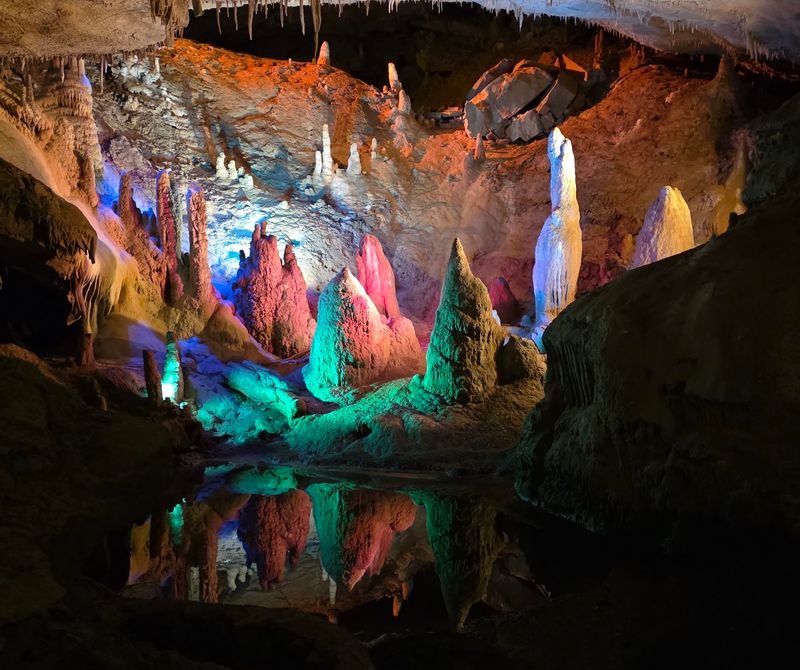
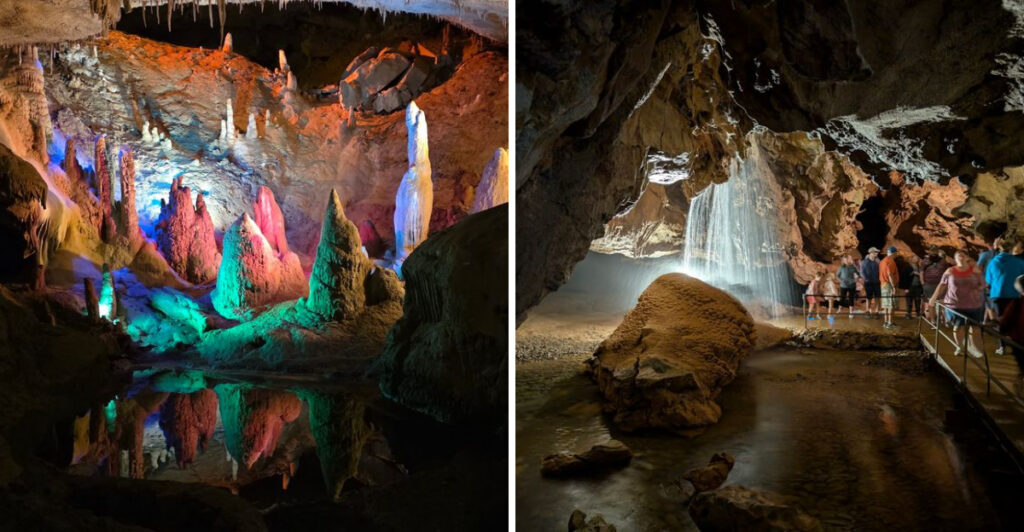
The name alone sounds like something from an adventure movie, and Forbidden Caverns delivers on that promise. Located just minutes from the tourist chaos of Pigeon Forge, these caves offer a completely different kind of thrill. Natural chimneys tower overhead while underground streams create their own soundtrack echoing through chambers that have been forming for 20,000 years.
Unlike some commercial caves that feel overdone, Forbidden Caverns strikes a perfect balance between natural wonder and accessibility. The lighting brings out incredible colors in the rock formations without turning the place into a disco. You’ll see formations that look like frozen waterfalls, columns that stretch from floor to ceiling, and grottos that sparkle with mineral deposits.
The tour guides here really know their stuff and keep things interesting without boring you with too much geology talk. They’ll point out the spots where Native Americans once took shelter and explain how early settlers discovered the caves while looking for their lost livestock. The stream that runs through the cavern actually flows year-round and creates some of the most photographed spots in the cave system.
Plan for about an hour underground, and wear shoes with good grip since some areas can be slippery. The temperature hovers around 58 degrees, so that jacket you packed for the Smokies will come in handy here too. Pro tip: visit on a weekday morning to avoid the crowds and get more one-on-one time with your guide.
3. Tuckaleechee Caverns, Townsend
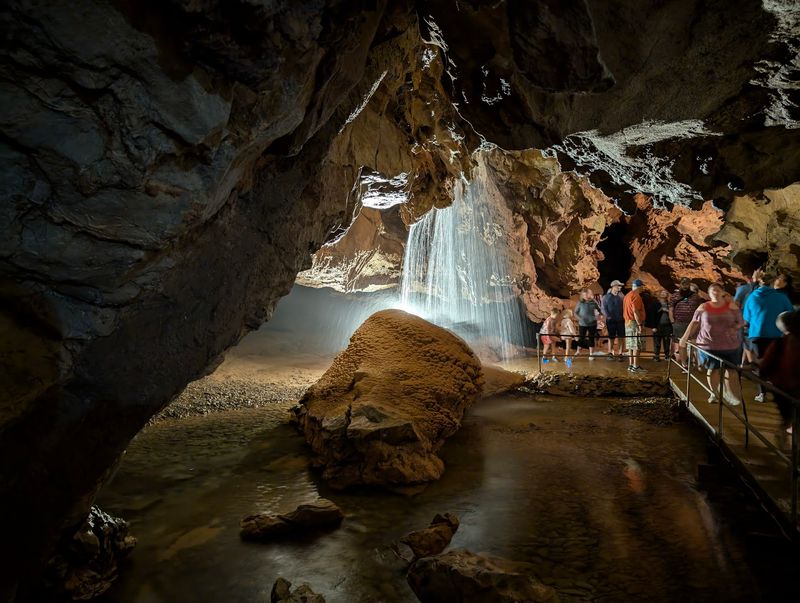
Hidden in the quiet town of Townsend, these caverns house one of the tallest underground waterfalls in the Eastern United States. While everyone else fights for parking in Gatlinburg, you could be standing in a room so massive it could swallow a football field, watching a 210-foot waterfall thunder into the darkness below.
Tuckaleechee Caverns stayed secret for centuries, known only to Cherokee people who considered them sacred. White settlers didn’t officially discover them until the 1950s, though local legends suggest moonshiners knew about them much earlier. The caverns opened to tourists in 1953, and they’ve been blowing minds ever since with formations that look more like abstract sculpture than geology.
The Big Room lives up to its name with a ceiling that soars 150 feet overhead. Stalactites hang like chandeliers, and stalagmites rise from the floor in shapes that spark your imagination. Some look like frozen draperies, others like stacks of pancakes, and one formation resembles a 24-foot-tall totem pole.
The guides encourage you to use your imagination and come up with your own names.
What sets these caverns apart is how undeveloped they feel despite being tourist-friendly. The paths are solid and safe, but the caves maintain their wild character. You won’t find cheesy colored lights or piped-in music here.
Just pure, raw cave beauty with excellent natural acoustics that make the waterfall’s roar even more impressive.
4. Old Stone Fort State Archaeological Park, Manchester
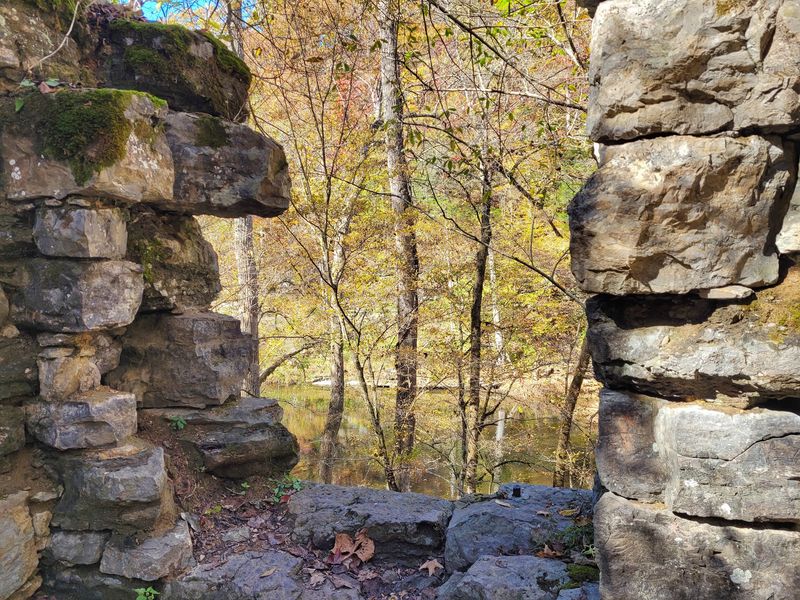
Two waterfalls crash together at a spot where Native Americans built ceremonial walls nearly 2,000 years ago. Old Stone Fort isn’t actually a fort at all, despite what early European settlers thought when they stumbled across the massive earthen walls. The Woodland people constructed these walls for reasons archaeologists still debate, creating one of Tennessee’s most mysterious historical sites.
The park sits where the Duck River and the Little Duck River meet, creating a natural peninsula perfect for both defense and ceremony. Those ancient walls stretch for half a mile, built with such precision that parts still stand today. Walking the perimeter trail, you can spot the original construction methods and imagine the community gatherings that happened here centuries before European contact.
Beyond the archaeological wonder, this park packs serious natural beauty. Big Falls drops 30 feet in a wide curtain of water, while Step Falls creates a series of cascades that look hand-carved by nature. The trails wind through old-growth forest where you might spot white-tailed deer, wild turkeys, or one of the many bird species that nest here.
Spring brings wildflowers that carpet the forest floor in color.
The museum on-site does an excellent job explaining the site’s significance without getting too academic. Interactive displays show how the Woodland people lived, what they ate, and why this location held such importance. Rangers lead guided walks during peak season, sharing insights you’d never get from just reading the signs.
5. Burgess Falls State Park, Sparta
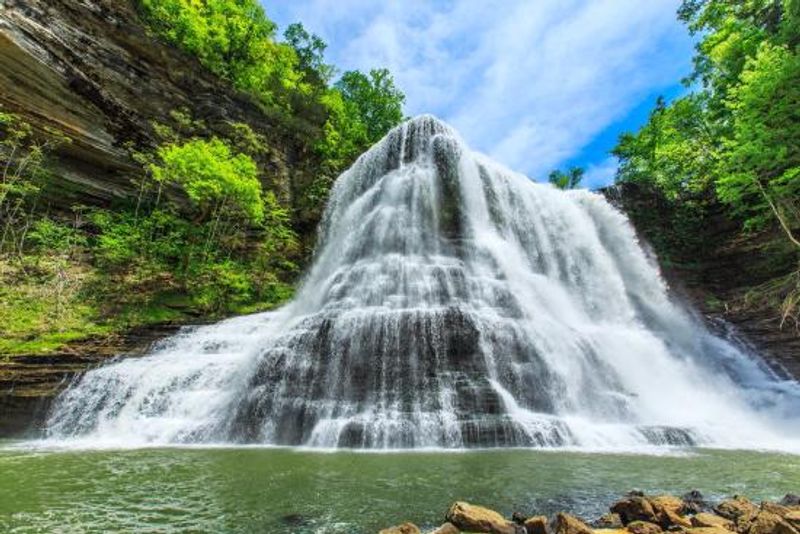
A 136-foot waterfall thunders into a gorge so beautiful it stops people mid-sentence when they first see it. Burgess Falls rewards the moderately challenging hike with one of Tennessee’s most photogenic water features. The Falling Water River builds momentum through three smaller falls before taking its final plunge into a turquoise pool that looks photoshopped but is absolutely real.
Most visitors never make it past the first waterfall, which means you’ll have the main attraction relatively to yourself if you’re willing to walk the full mile-long trail. The path follows the river downstream, offering previews of what’s coming with each smaller cascade. The second and third falls are pretty enough to be destinations on their own, but they’re just the opening act.
When you round that final bend and see the main falls, the roar hits you first, then the mist, then the full visual impact of all that water dropping into the gorge. The viewing platform gets you close enough to feel the power without putting you in danger. Photographers love the late afternoon light here when the sun hits the falls at just the right angle.
The park stays relatively quiet even during peak season, probably because it’s not right on a major highway. That makes it perfect for people who want the waterfall experience without the waterfall crowds. Pack a lunch and use the picnic areas near the parking lot.
The trails can get slippery after rain, so good hiking shoes are non-negotiable here.
6. Twin Falls Scenic, Rock Island
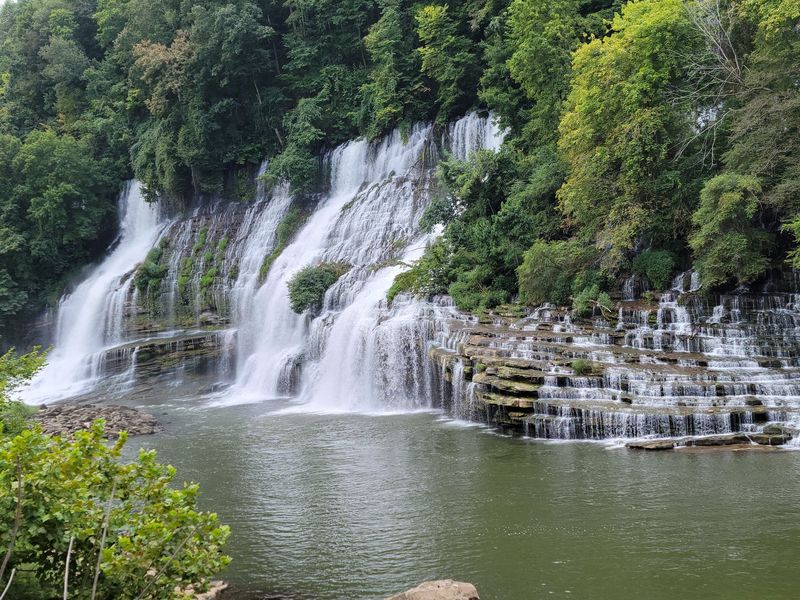
Two waterfalls drop side by side into swimming holes that feel like nature’s private water park. Twin Falls sits inside Rock Island State Park, a place that somehow stays under the radar despite offering some of the best waterfall swimming in Tennessee. The Caney Fork River splits around a rock island, creating parallel falls that are identical twins in name only.
Each fall has its own personality and its own pool. The left fall drops about 80 feet in a straight shot, creating a deep swimming hole perfect for confident swimmers. The right fall cascades in steps, forming shallower pools that work better for families with younger kids.
On hot summer days, locals pack coolers and spend entire afternoons here, jumping from rocks and floating in the cool mountain water.
Getting down to the falls requires navigating a steep trail with some rocky sections, but it’s manageable for anyone with decent mobility. The payoff is worth every careful step. Once you’re down there, you’ve got options: swim, sun on the rocks, explore the smaller cascades upstream, or just sit and watch the water do its thing.
The park also features several other waterfalls and the historic Great Falls Dam, but Twin Falls remains the local favorite for good reason. Water levels can vary significantly depending on recent rainfall and dam releases upstream, so call ahead if swimming is your main goal. Weekdays offer the best chance at having the place mostly to yourself.
7. The Sinks, Gatlinburg
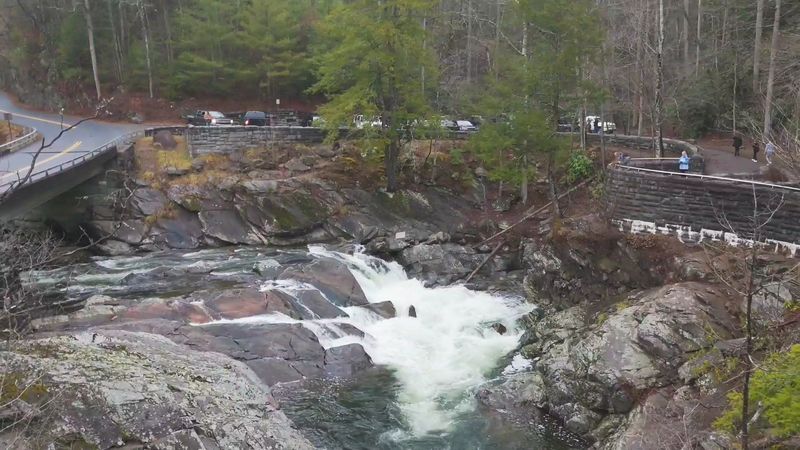
Right along the main road through the Smokies, the Little River squeezes through a narrow gap and explodes into a churning cauldron of whitewater. The Sinks earned its name from the way water seems to disappear into a deep pool before reemerging downstream. During spring runoff, this spot transforms into a raging beast that demands respect and maybe a little healthy fear.
Thousands of cars pass this spot daily, and most people never stop despite the obvious pullout and the roar you can hear from the road. Those who do stop get treated to one of the most dramatic water features in the Smokies that doesn’t require hiking. The viewing area sits right above the action, giving you a perfect perspective on the power of moving water.
Local swimming culture treats The Sinks as a rite of passage, though officials strongly discourage swimming here due to dangerous currents and several tragic drownings over the years. The rocks around the falls can be slippery as ice, and the currents below the surface are stronger than they look. Better to admire this one from the safety of dry land and save your swimming for calmer spots downstream.
Photographers love The Sinks for its dramatic composition and the way light filters through the forest canopy. Early morning offers the best light and the smallest crowds. Bring a tripod if you want to capture that silky water effect.
The fall colors here are absolutely incredible, with the white water contrasting against red and gold leaves.
8. Earth Experience, Middle Tennessee Museum of Natural History, Murfreesboro
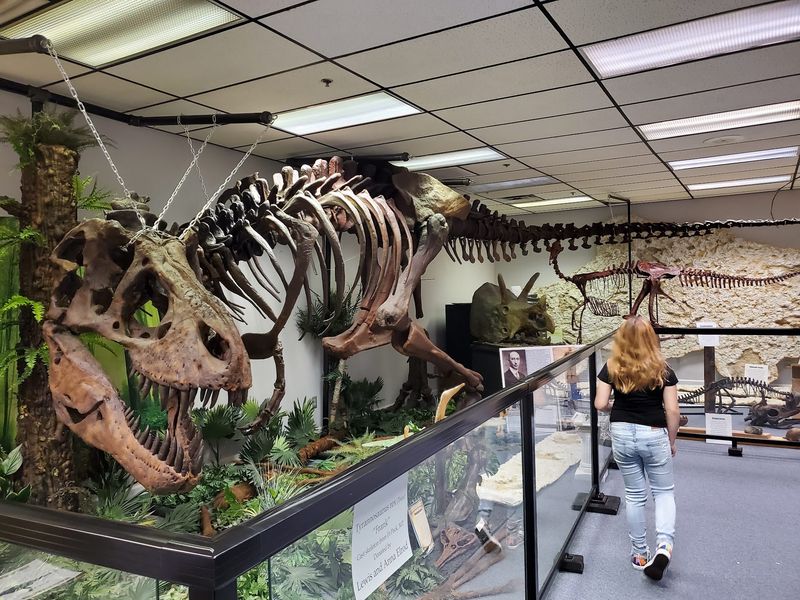
Dinosaurs, fossils, minerals, and ancient discoveries make Earth Experience – Middle Tennessee Museum of Natural History in Murfreesboro one of those Tennessee attractions that can easily surprise first-time visitors. While it may not receive the same attention as the state’s larger museums, stepping inside reveals an impressive collection devoted to the fascinating story of our planet. Visitors can encounter dinosaur fossils, prehistoric specimens, colorful minerals, rocks, gems, archaeological artifacts, and displays that explore millions of years of natural history.
The variety makes it easy to find something interesting around every corner, whether you’re fascinated by dinosaurs or simply curious about the world beneath your feet. One of the biggest draws is the museum’s prehistoric collection. Dinosaur displays immediately capture the imagination, especially for younger visitors who have only encountered these enormous creatures in books and movies.
Fossils provide a closer look at animals and plants that existed long before modern Tennessee took shape, while mineral and gemstone displays showcase the remarkable colors and formations created naturally over immense stretches of time. The exhibits manage to make scientific subjects approachable without taking away the sense of discovery. Families can easily turn a visit into an educational outing that doesn’t feel like another day in the classroom.
Children can examine unusual specimens up close, ask questions, and leave with a better understanding of paleontology, geology, and Earth’s ancient past. Adults may be equally surprised by the depth and variety of the collection. For travelers exploring Murfreesboro, Earth Experience – Middle Tennessee Museum of Natural History offers a refreshing alternative to the usual tourist stops.
It’s an engaging place to slow down, learn something unexpected, and discover just how fascinating natural history can be.
9. Andrew Johnson National Historic Site, Greeneville
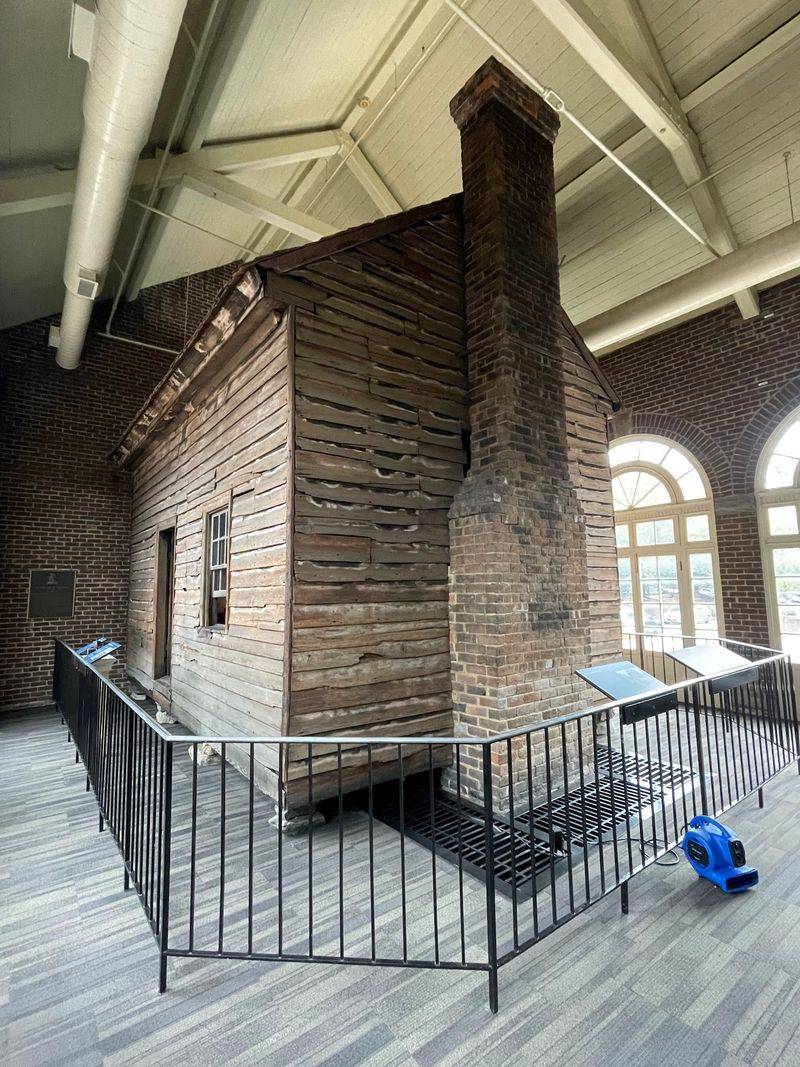
America’s 17th president learned to read in a tiny tailor shop that still stands in downtown Greeneville. Andrew Johnson’s story reads like historical fiction: a poor tailor who taught himself law, became president after Lincoln’s assassination, and faced impeachment while trying to reunite a shattered nation. His preserved home and shop offer an intimate look at one of history’s most controversial figures.
The tailor shop where Johnson worked as a young man sits exactly where he left it, complete with period tools and fabrics. Interpreters demonstrate tailoring techniques from the 1820s and explain how Johnson used his shop as a gathering place for political discussions. You can almost hear the debates that shaped his political philosophy echoing off these walls.
Johnson’s later homestead shows how far he climbed from those humble beginnings. The house contains original furnishings and personal items that humanize a man often reduced to a footnote about impeachment. The exhibits don’t shy away from his failures, including his opposition to civil rights for freed slaves, while also explaining the complex political landscape of Reconstruction.
The visitor center does an excellent job providing context for Johnson’s presidency and the tumultuous era he navigated. Rangers lead tours that spark thoughtful discussions about leadership, principle, and the messy reality of governing during crisis. This site works best for history buffs and anyone interested in how ordinary people end up in extraordinary positions of power.
10. Bell Witch Cave, Adams
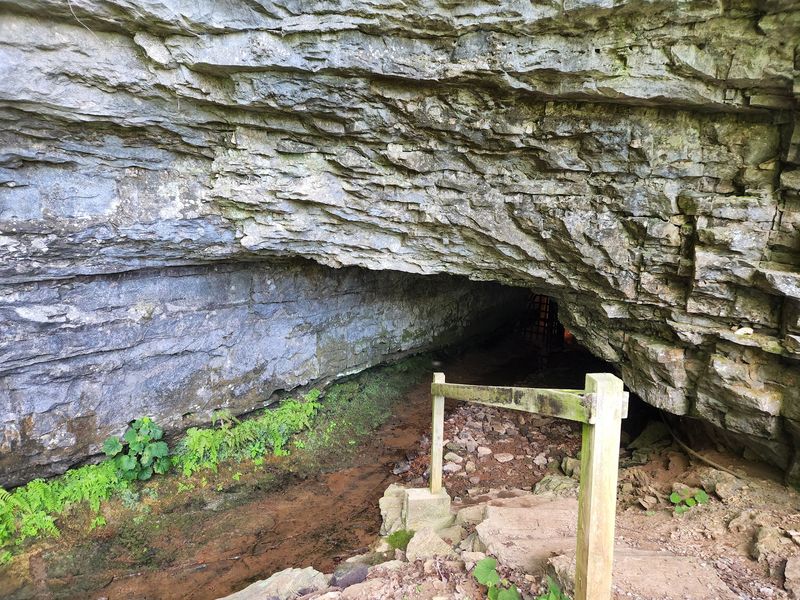
Tennessee’s most famous ghost story centers on a cave where strange phenomena have been reported for nearly 200 years. The Bell Witch legend tells of a malevolent spirit that tormented the Bell family in the early 1800s, and the cave on their former property remains a pilgrimage site for paranormal enthusiasts and curious skeptics alike. Whether you believe in ghosts or not, the cave’s history is genuinely fascinating.
The story goes that John Bell and his family experienced unexplained voices, physical attacks, and objects moving on their own. The entity, which called itself Kate, allegedly spoke to visitors and predicted future events. Andrew Jackson supposedly encountered the witch during a visit, though historians debate the accuracy of that tale.
The harassment culminated in John Bell’s death, which some attributed to poisoning by the witch herself.
Today’s cave tours blend history with ghost stories, letting visitors explore the limestone cavern while learning about the Bell family’s experiences. The cave itself is naturally beautiful, with formations that would be worth seeing even without the supernatural angle. Some visitors report strange feelings, unexplained sounds, or camera malfunctions, though skeptics attribute these to suggestion and natural cave conditions.
The property includes a replica of the Bell cabin and a small museum displaying artifacts and historical documents related to the haunting. Tours run seasonally and can book up quickly around Halloween. Even if you don’t believe in the paranormal, the cave offers a unique window into 19th-century Tennessee folklore and how communities processed unexplained events.
11. International Storytelling Center, Jonesborough
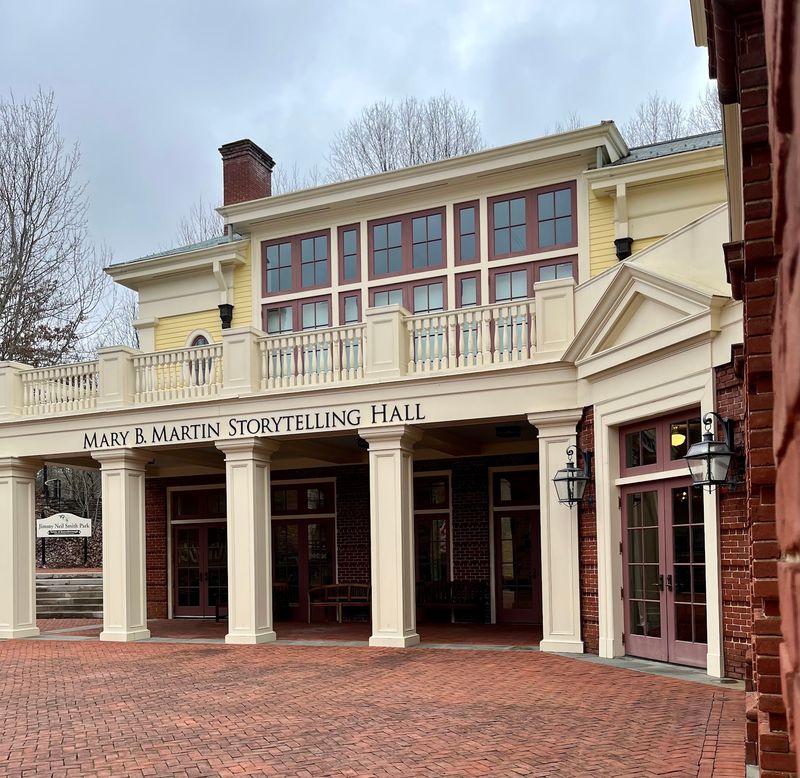
In Tennessee’s oldest town, an unassuming building hosts performances that keep ancient traditions alive through the simple power of voice and story. The International Storytelling Center celebrates an art form that predates writing, bringing together tellers from around the world who prove that a good story needs nothing more than a skilled voice and an engaged audience. No screens, no special effects, just humans connecting through narrative.
Jonesborough itself feels like stepping into a storybook with its preserved 18th-century architecture and walkable historic district. The storytelling center anchors this commitment to preservation, offering year-round performances that range from traditional folktales to contemporary personal narratives. The tellers are master craftspeople who can hold a room spellbound with nothing but words and gesture.
The center’s performance spaces are designed for intimacy, ensuring every audience member feels like they’re hearing a story told just for them. Some performances are family-friendly, others tackle adult themes, and special events bring in internationally renowned tellers who’ve spent decades perfecting their craft. The annual National Storytelling Festival in October transforms the entire town into a celebration of oral tradition.
Beyond performances, the center offers workshops for aspiring storytellers and resources for teachers who want to incorporate storytelling into their classrooms. The gift shop sells recordings and books by featured tellers. Even if you can’t catch a performance, the building itself is worth visiting for its exhibits on storytelling traditions from different cultures.
This place reminds us that before Netflix and podcasts, we had each other and our stories.
12. Historic Rugby, Rugby
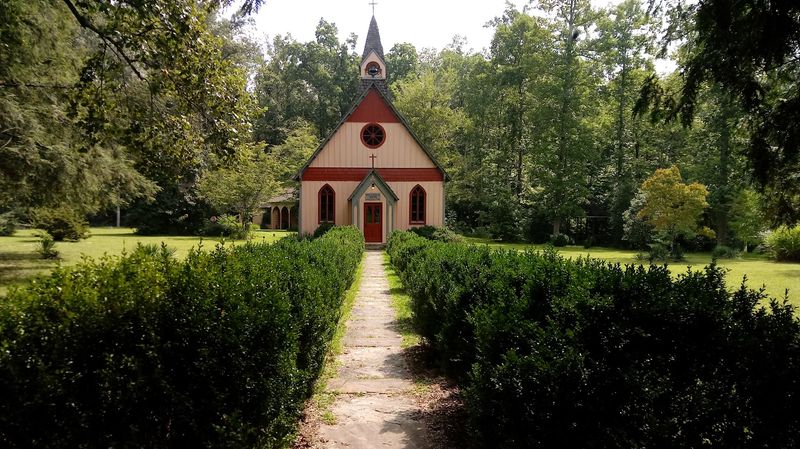
A Victorian English village sits in the Tennessee mountains, preserved exactly as it looked when utopian dreamers built it in 1880. Historic Rugby started as an experiment in creating a classless society where younger sons of British gentry could build new lives without inherited titles or wealth determining their futures. The community’s founder, Thomas Hughes, envisioned a place where hard work and character mattered more than birthright.
The experiment ultimately failed as an economic venture, but the village survived as a remarkable time capsule. Seventeen original buildings still stand, including the stunning Christ Church Episcopal with its original hanging oil lamps and imported stained glass. The Hughes Free Public Library houses 7,000 Victorian-era books, many brought from England by the original settlers.
Walking these grounds feels like stumbling through a portal into the past.
Costumed interpreters bring the village to life, explaining daily life in this unusual community and sharing stories of the colorful characters who tried to make the dream work. You’ll hear about the challenges they faced: isolation, harsh winters, crop failures, and the clash between idealistic vision and practical reality. Some settlers thrived, others fled back to England, and a few stayed to build lives that diverged from the original plan.
The surrounding landscape remains as wild and beautiful as it was in 1880. Hiking trails wind through the same forests the settlers explored. The village hosts special events throughout the year, including Victorian teas and historical reenactments.
This isn’t a theme park recreation. It’s a genuine preserved community that asks important questions about class, opportunity, and what makes a society work.
13. The Mindfield, Brownsville
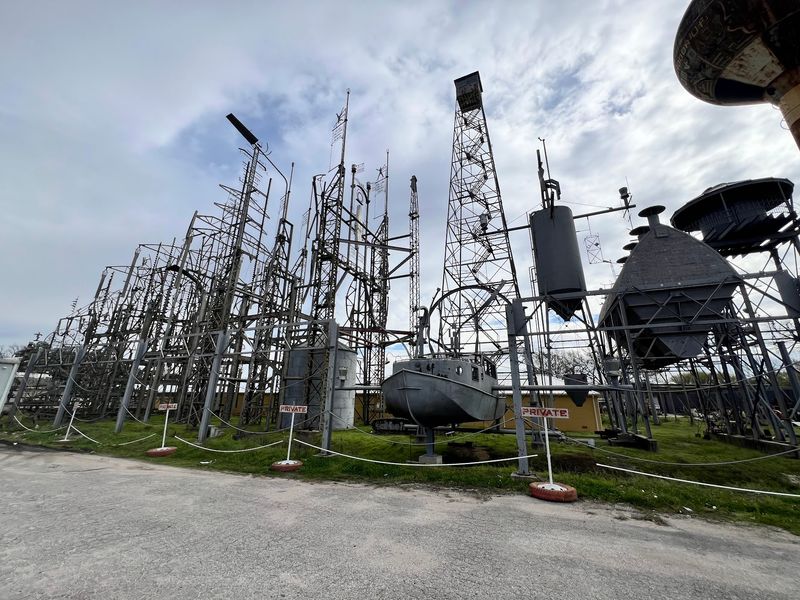
A seven-story metal sculpture grows taller each year in a small West Tennessee town, built by one man with a welding torch and a vision that defies easy explanation. Billy Tripp started building The Mindfield in 1989, and he’s never stopped adding to this sprawling work of outsider art that now dominates Brownsville’s skyline. Some call it genius, others call it junk, but nobody calls it boring.
Tripp welds together found objects, scrap metal, and symbolic elements into structures that reach toward the sky like mechanical prayers. The artwork includes a steel recreation of the Vietnam Veterans Memorial Wall, towers that sway in the wind, and countless smaller elements that reward close inspection. Each piece carries meaning for Tripp, though he encourages viewers to find their own interpretations rather than following a prescribed narrative.
The scale alone impresses. This isn’t some backyard hobby sculpture. The Mindfield sprawls across an entire block, visible from the highway and impossible to ignore once you know it’s there.
Tripp works on it regularly, often welding new elements while visitors watch. He’s friendly with curious folks but doesn’t feel obligated to explain every artistic choice. The work speaks for itself, loudly and unapologetically.
Visiting The Mindfield costs nothing and requires nothing except an open mind. You can walk around it, photograph it from every angle, and contemplate what drives someone to dedicate decades to a single evolving artwork. Brownsville has embraced the sculpture as part of its identity, and the town square’s other attractions make it worth spending a few hours exploring this corner of Tennessee that tourists usually bypass completely.
Share this story