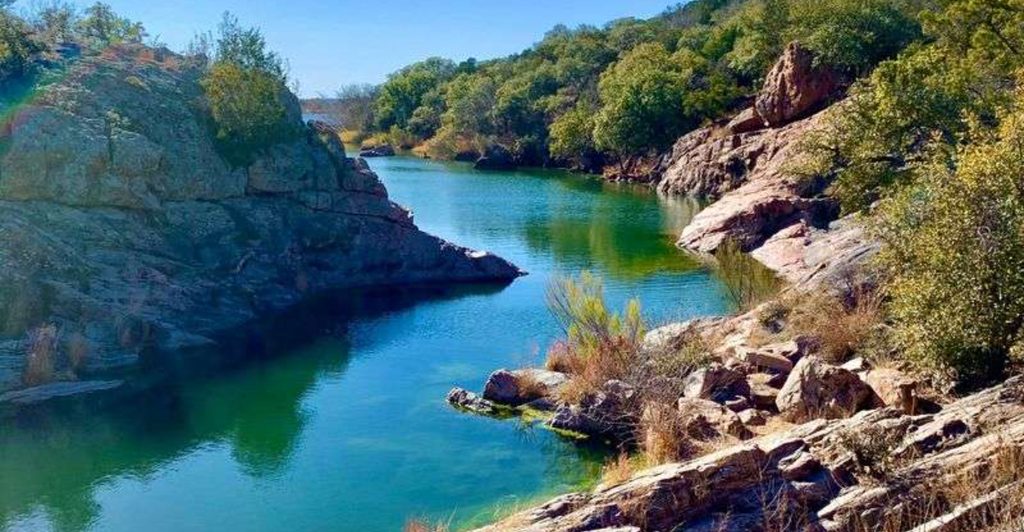
Texas is packed with incredible state parks that deliver massive adventure without draining your wallet. You don’t need a plane ticket or a fancy resort to feel like you’ve truly escaped. These road trips prove that some of the best getaways are hiding right in your own backyard, waiting to surprise you with views, trails, and experiences that rival destinations ten times the price.
1. Colorado Bend State Park (Bend)
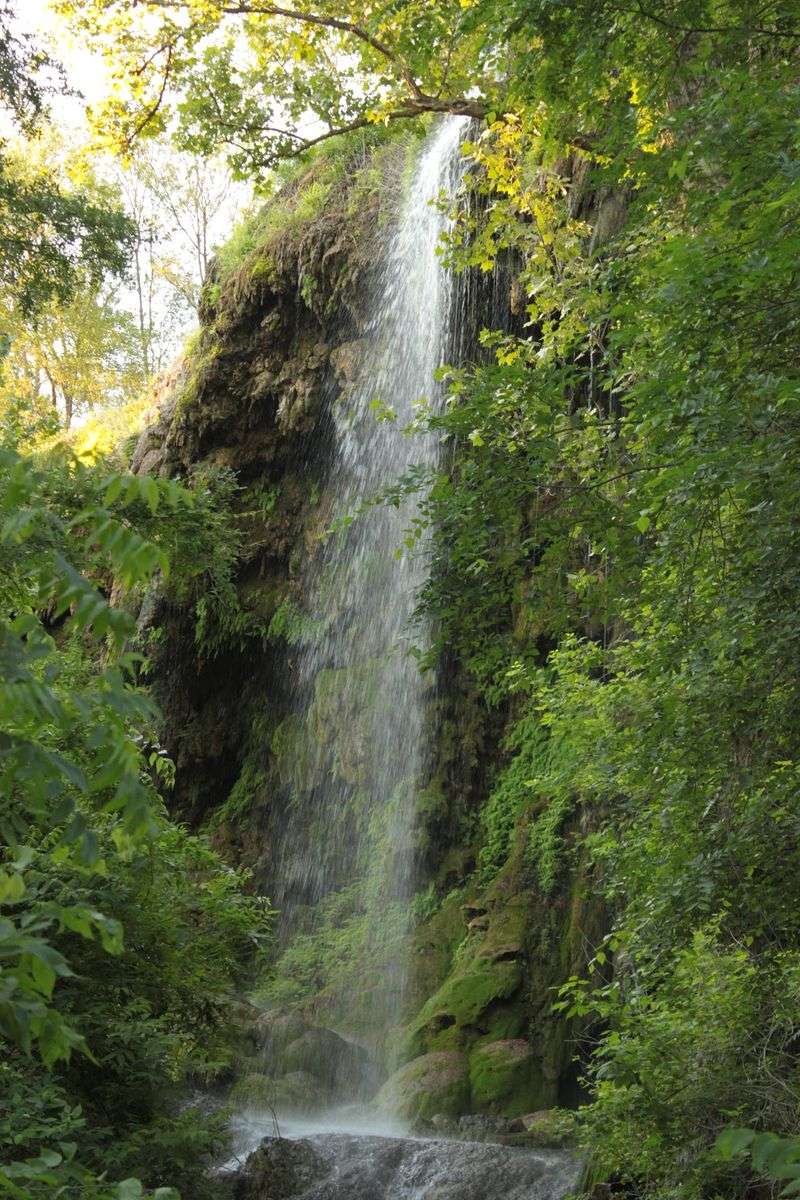
Hidden deep in the Hill Country, this park feels like stumbling onto a secret that most Texans haven’t discovered yet. Gorman Falls alone makes the winding drive worthwhile, a 60-foot cascade tumbling over travertine and creating a jungle-like oasis that looks more like Costa Rica than Central Texas. The hike to reach it is moderately challenging but absolutely worth every step.
Exploring the backcountry trails here reveals limestone bluffs, spring-fed creeks, and caves that beg to be discovered. Spicewood Springs Cave requires a guided tour and some crawling, but it’s an underground adventure that feels wildly different from your typical park visit. Above ground, the Colorado River winds through the property, offering excellent fishing and a chance to cool off after hiking.
Camping here is rustic and affordable, with both primitive sites and spots with water hookups available. The lack of crowds means you can actually hear nature instead of your neighbors, and the night skies are phenomenal for stargazing. Pack your own food and firewood to keep costs even lower.
Spring and fall offer the best weather, though summer visitors can beat the heat by spending time in the river. Wildflowers explode across the hillsides in March and April, adding bursts of color to already stunning scenery. This park rewards those willing to venture off the beaten path with landscapes that feel completely untouched and surprisingly dramatic for such a budget-friendly destination.
2. Davis Mountains State Park (Fort Davis)
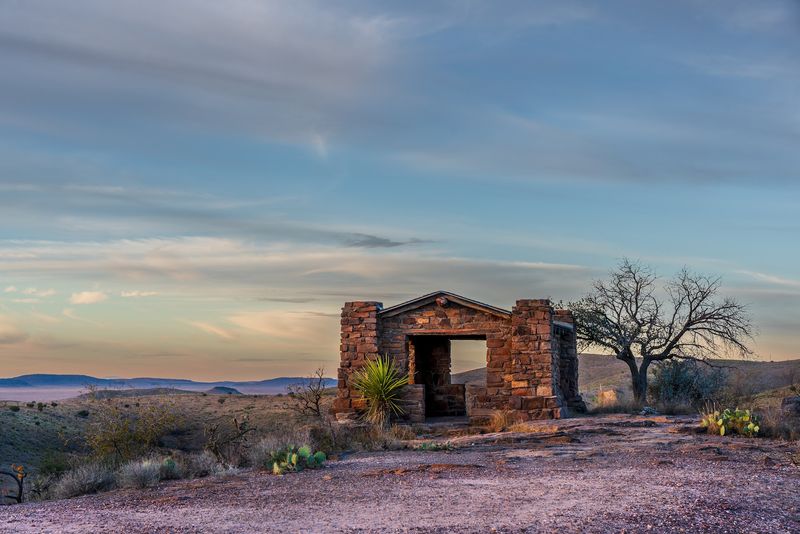
West Texas doesn’t get enough credit for its mountain scenery, but this park proves the region can absolutely compete with more famous destinations. The Davis Mountains rise unexpectedly from the desert floor, creating an island ecosystem that supports species you won’t find anywhere else in Texas. Cooler temperatures at higher elevations make summer visits surprisingly comfortable compared to the scorching lowlands.
Indian Lodge, built by the Civilian Conservation Corps in the 1930s, offers affordable accommodations with pueblo-style architecture and mountain views that make you feel like you’ve traveled much farther than you actually have. Even if you’re camping, stop by to admire the craftsmanship and grab a meal at their restaurant. The park’s camping areas are well-maintained and offer both shade and spectacular vistas.
Hiking trails range from easy nature walks to challenging climbs that reward you with panoramic views stretching into Mexico on clear days. The Skyline Drive Trail is a moderate option that showcases the park’s diverse terrain without requiring advanced fitness levels. Wildlife sightings are common, including mule deer, javelinas, and an impressive variety of bird species.
Fort Davis, the nearby town, adds historical charm with old buildings and the McDonald Observatory just up the road. Star parties at the observatory are inexpensive and unforgettable, offering views of galaxies and nebulae that will blow your mind. Combining the park with these nearby attractions creates a getaway that feels rich and varied without requiring a fat wallet.
3. Inks Lake State Park (Burnet)
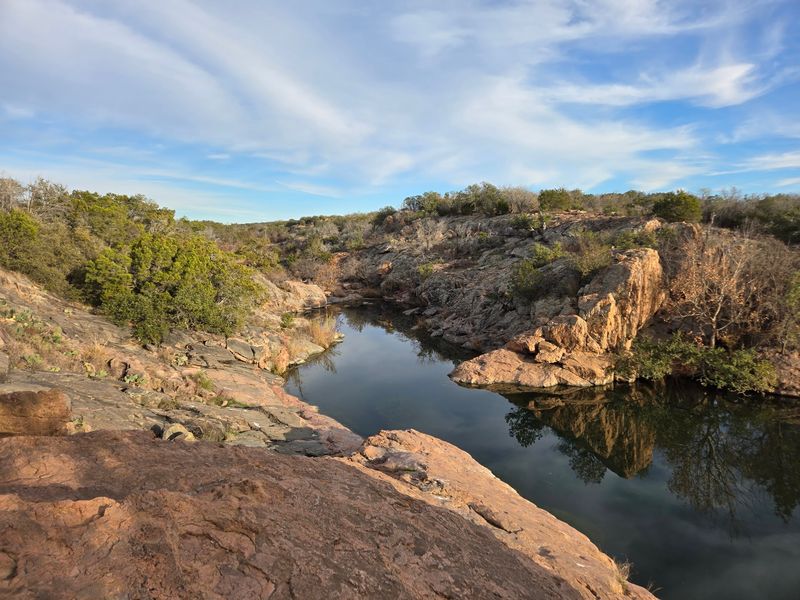
Unlike many Texas lakes that fluctuate wildly with rainfall, Inks Lake maintains consistent levels year-round, making it perfect for water activities no matter when you visit. The trademark pink granite boulders lining the shore create a landscape that’s equal parts rugged and beautiful, offering endless spots for picnicking, sunbathing, or just sitting and watching the water. Swimming here feels refreshing and clean, with designated areas that are safe for kids.
Devil’s Waterhole is the park’s most Instagram-worthy spot, where brave visitors cliff-jump into deep turquoise water surrounded by smooth rock formations. Even if you’re not into jumping, watching others take the plunge is entertaining, and the area itself is gorgeous for photos. Kayaking and paddleboarding are popular ways to explore the lake’s many coves and inlets.
Camping options include everything from tent sites to screened shelters and cabins, giving you flexibility based on your comfort level and budget. The park stays busy on weekends, especially in summer, but weekday visits offer more solitude and easier access to the best swimming spots. Fishing is productive for bass and catfish if you bring your gear.
Several hiking trails wind through the park, including a portion of the Hill Country State Natural Area that connects to nearby parks. Wildflowers bloom beautifully in spring, and fall brings milder temperatures perfect for outdoor activities. The proximity to Burnet and other Highland Lakes towns means you can easily grab supplies or explore charming downtowns without sacrificing your nature escape.
4. Bastrop State Park (Bastrop)
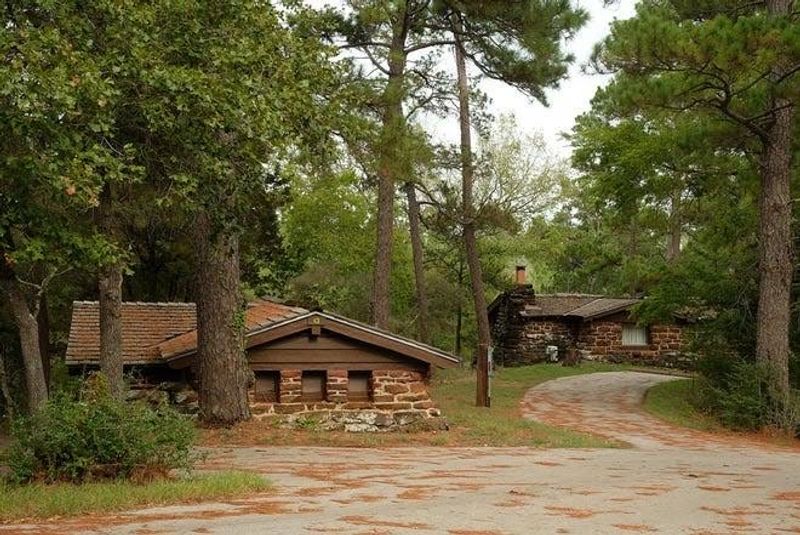
Driving into this park feels like accidentally crossing into East Texas, with towering loblolly pines creating a forest canopy that’s shockingly different from the surrounding landscape. These trees are remnants of an ancient forest ecosystem, isolated here and thriving in conditions that shouldn’t technically support them. The unique environment creates a peaceful, almost magical atmosphere that immediately slows your pace and clears your mind.
The 2011 wildfire devastated much of the park, but recovery has been remarkable, with young pines growing alongside survivors and creating interesting contrasts between old and new growth. Hiking trails now offer both shaded forest walks and more open areas where you can see the regeneration happening in real time. It’s a powerful reminder of nature’s resilience and makes your visit feel even more meaningful.
Park Road 1C is a scenic drive worth taking slowly, with pullouts offering views and access to different trail systems. The Lost Pines Trail connects to Buescher State Park nine miles away, creating an excellent option for serious hikers looking for a longer adventure. Mountain biking is permitted on certain trails, adding another activity option for active visitors.
Camping here ranges from primitive backpacking sites to cabins built by the CCC in the 1930s, offering historical charm and modern comfort. The swimming pool is a summer favorite, providing relief from heat when lake swimming isn’t an option. Bastrop’s downtown is just minutes away, featuring antique shops, restaurants, and breweries that make excellent additions to your outdoor getaway without adding significant expense.
5. Old Tunnel State Park (Fredericksburg)
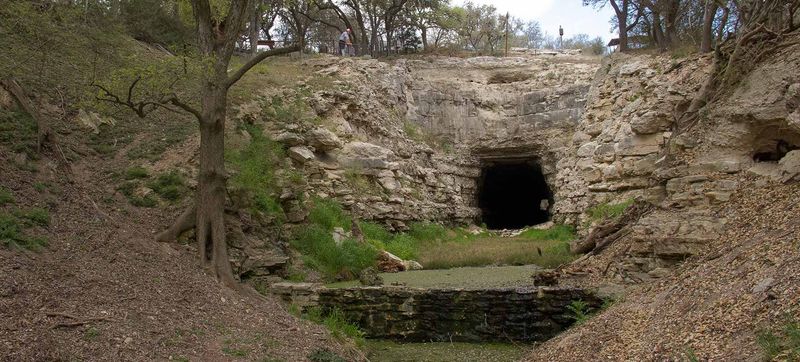
Most state parks offer hiking and camping, but this one delivers a wildlife spectacle that rivals anything you’d pay big money to see elsewhere. From May through October, millions of Mexican free-tailed bats emerge from an abandoned railroad tunnel each evening, creating a swirling cloud that darkens the sky and leaves viewers absolutely mesmerized. The experience is both eerie and beautiful, unlike anything else you’ll witness in Texas.
The park itself is small, focused entirely on bat viewing and conservation education. Upper and lower viewing areas provide different perspectives, with the lower deck offering closer views and the upper area giving you a wider panorama of the emergence. Arrive about 30 minutes before sunset to claim a good spot and watch as the first scouts begin their nightly exodus.
Thursday through Sunday evenings during bat season, interpretive programs provide fascinating information about these misunderstood creatures and their crucial role in the ecosystem. Learning that these bats consume tons of insects nightly makes you appreciate them beyond just the spectacle. The education component transforms a cool experience into something genuinely meaningful.
Admission is incredibly cheap, making this one of the best entertainment values in the Hill Country. Combine your visit with exploring Fredericksburg’s wineries, shops, and German heritage sites to create a full weekend getaway. The park doesn’t offer camping, but nearby options abound, and the short visit time means you can easily fit it into a larger road trip itinerary without feeling rushed or stressed about schedules.
6. Dinosaur Valley State Park (Glen Rose)
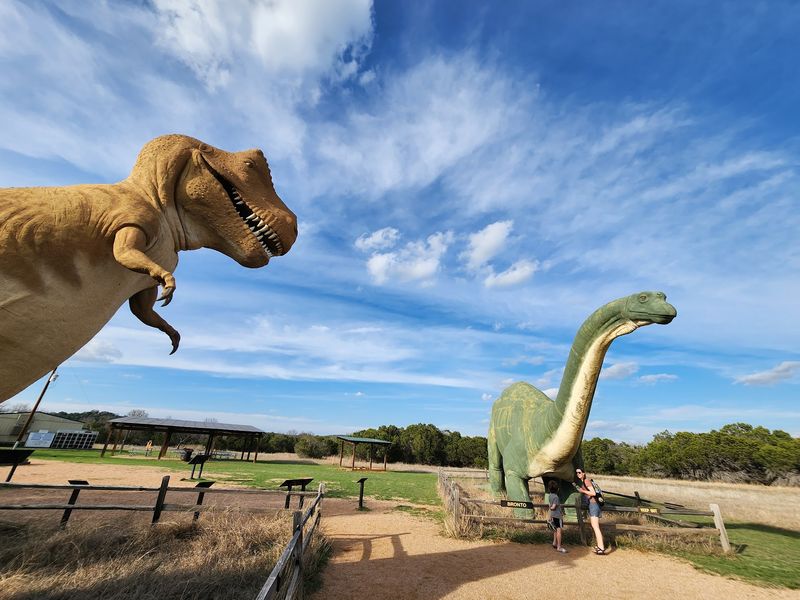
Walking where dinosaurs actually walked 113 million years ago is the kind of experience that makes kids and adults equally excited. The Paluxy River cuts through limestone layers, exposing preserved tracks from both theropods and sauropods that are shockingly clear and well-defined. Seeing these footprints in their natural context beats any museum display, creating a tangible connection to prehistoric times that feels almost unbelievable.
Wading into the river to examine tracks up close is encouraged when water levels permit, turning education into an interactive adventure. The cool water provides relief from Texas heat while you search for the best-preserved prints and imagine the massive creatures that created them. Rangers offer guided tours that point out easily missed details and explain the science behind track formation and preservation.
Beyond dinosaur tracks, the park offers excellent hiking trails that wind through diverse terrain including river bottoms, upland forests, and rocky bluffs. The scenery is surprisingly varied and beautiful, with opportunities to spot modern wildlife like deer, armadillos, and numerous bird species. Camping areas are spacious and well-shaded, with both primitive and improved sites available at budget-friendly rates.
Glen Rose’s quirky downtown adds to the experience with dinosaur statues, fossil shops, and family-friendly restaurants that lean into the prehistoric theme without feeling cheesy. The nearby Creation Evidence Museum offers a wildly different perspective if you’re interested in controversy, while Fossil Rim Wildlife Center provides drive-through safari experiences. This park anchors a road trip that combines natural history, outdoor recreation, and small-town charm into one affordable package.
7. Palo Duro Canyon State Park (Canyon)
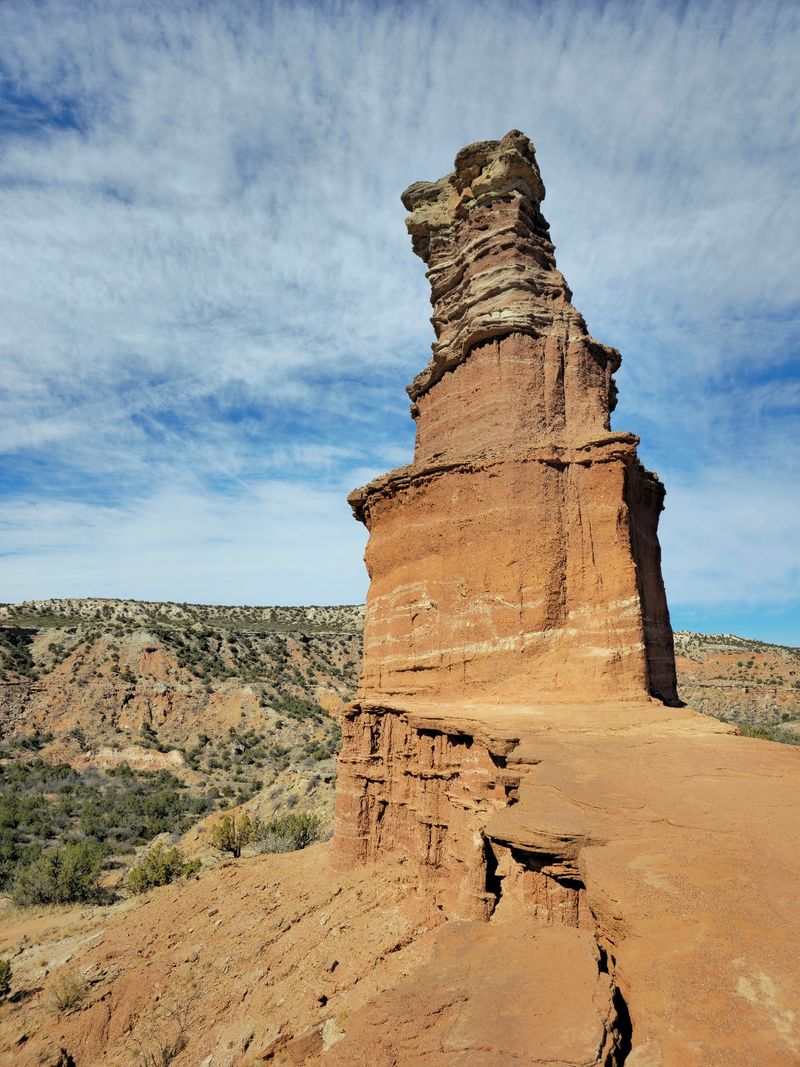
Calling this the “Grand Canyon of Texas” actually undersells how spectacular it is on its own terms. The second-largest canyon system in America drops 800 feet below the caprock, revealing layers of red, orange, and white rock that create a landscape so dramatic it stops you in your tracks. Most Texans have never visited, which means you get world-class scenery without the crowds or prices of more famous destinations.
The 16-mile Lighthouse Trail is the park’s signature hike, leading to a distinctive rock formation that rewards your effort with panoramic views. The trail is challenging but manageable for anyone with reasonable fitness, and starting early helps you avoid both heat and crowds. Shorter trails offer easier options while still delivering impressive canyon vistas and interesting geological features.
Camping here puts you right in the heart of the canyon, with sites nestled among juniper trees and towering walls. Waking up to sunrise painting the rocks in ever-changing colors is worth the trip alone. The park also offers cabins for those wanting more comfort, though tent camping is perfectly pleasant and keeps costs minimal.
Summer brings the outdoor musical drama “TEXAS,” performed in a natural amphitheater with the canyon as backdrop. Even if you skip the show, driving the scenic loop road at different times of day reveals how light transforms the landscape constantly. Wildlife sightings include roadrunners, wild turkeys, and the official Texas State Bison Herd.
Pack plenty of water and sun protection, but don’t let the remote location intimidate you because this canyon delivers experiences that rival destinations costing ten times more.
8. McKinney Falls State Park (Austin)
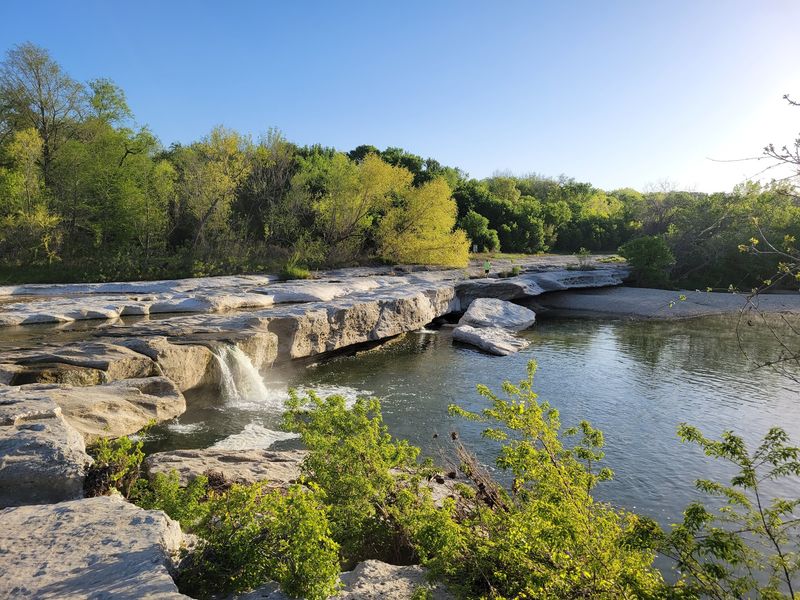
Finding a gorgeous state park just eight miles from downtown Austin feels almost too good to be true. Onion Creek flows through the property, creating both Upper and Lower McKinney Falls that cascade over limestone ledges into swimming holes perfect for cooling off. The accessibility means you can enjoy a full nature experience without the long drive, making it ideal for quick getaways or testing your camping skills close to civilization.
The ruins of Thomas McKinney’s 1850s homestead add historical intrigue to your visit, with stone walls and foundations still standing after nearly 170 years. Exploring these remnants while imagining frontier life creates an unexpected educational element beyond just hiking and swimming. Interpretive signs explain the site’s significance and the McKinney family’s role in Texas history.
Trail systems range from easy paved paths to more rugged routes that explore the park’s diverse ecosystems. Biking is popular here, with several miles of bike-friendly trails that let you cover more ground and work up an appetite. The park’s proximity to Austin means you can easily combine outdoor adventure with food trucks, live music, and other city attractions.
Camping spots fill quickly on weekends, so reservations are smart if you’re planning a Friday or Saturday visit. Weekdays offer much more solitude and easier access to the falls themselves. The park suffered significant damage during the 2013 Memorial Day floods, but recovery has been impressive, and the landscape now tells a story of both natural power and resilience that adds depth to what could otherwise be just another pretty park.
9. Caprock Canyons State Park & Trailway (Quitaque)
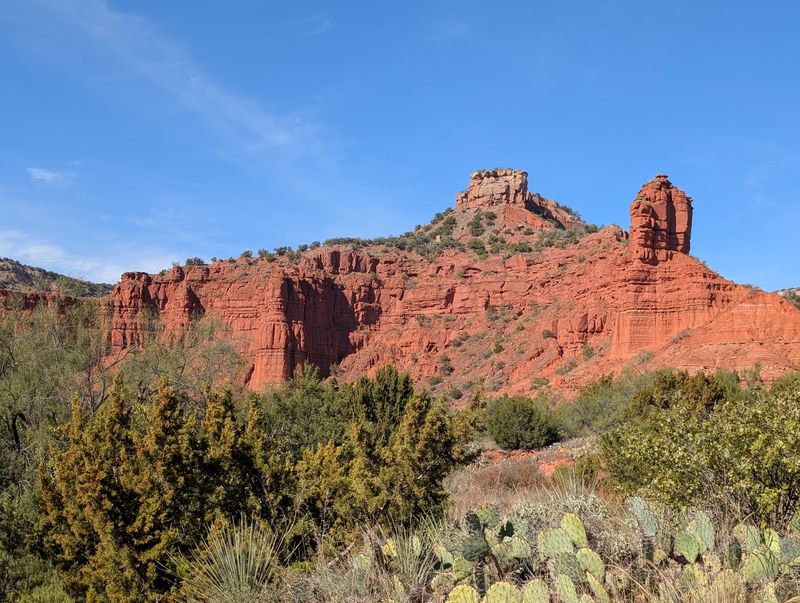
Most people picture flat plains when they think of the Texas Panhandle, making this park’s dramatic canyons and colorful geology a stunning surprise. The official Texas State Bison Herd roams freely here, offering opportunities to see these magnificent animals in a landscape similar to what their ancestors experienced. Spotting bison grazing against a backdrop of red rock formations creates a scene straight out of the Old West.
The park’s 64-mile trailway follows an abandoned railroad bed, creating a unique opportunity for long-distance hiking, biking, or horseback riding through remote and beautiful country. You don’t have to tackle the entire length to enjoy it, though shorter sections offer excellent adventures with constantly changing scenery. The relatively flat grade makes it accessible while still feeling adventurous and wild.
Rock climbing is permitted in designated areas, adding another activity option that’s rare in Texas state parks. The colorful canyon walls provide routes for various skill levels, though you’ll need to bring your own gear. Even if you’re not climbing, watching others scale the cliffs is entertaining and adds energy to the park’s atmosphere.
Camping here feels genuinely remote despite the park’s excellent facilities and reasonable fees. Night skies are spectacular thanks to minimal light pollution, making this an excellent destination for amateur astronomers or anyone who just appreciates seeing the Milky Way clearly. The nearby town of Quitaque is tiny but charming, with a couple of cafes and shops that provide necessary supplies without disrupting the rural vibe that makes this getaway feel like a true escape.
10. Enchanted Rock State Natural Area (Fredericksburg)
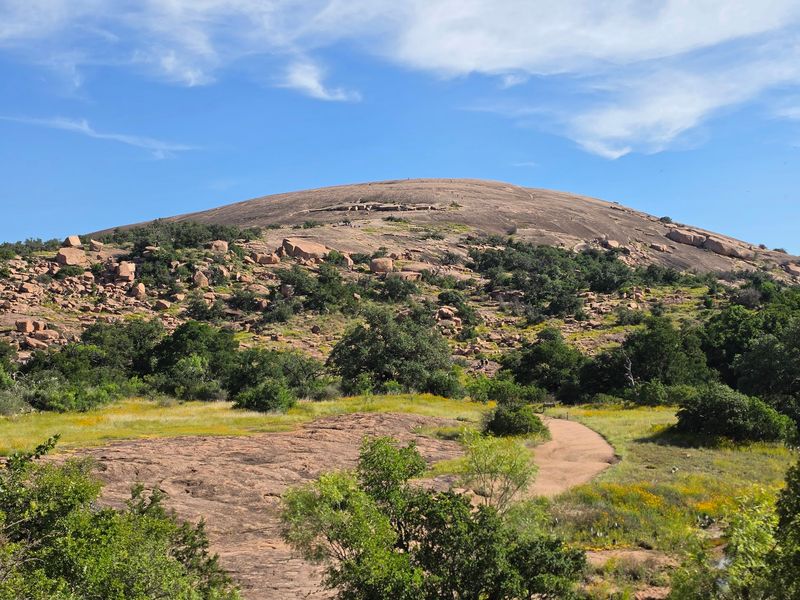
The massive pink granite dome rising 425 feet above the surrounding Hill Country creates one of Texas’s most recognizable landmarks. Climbing to the summit requires effort but no technical skills, making it achievable for most visitors willing to push themselves a bit. The 360-degree views from the top stretch for miles, revealing rolling hills, distant towns, and landscape that makes you understand why people fall in love with this part of Texas.
Geologists get excited about the batholith’s formation and exfoliation processes, but you don’t need a science degree to appreciate the rock’s beauty and scale. The surface changes texture and appearance throughout the day as sunlight shifts, creating photo opportunities that vary dramatically from morning to sunset. Exploring the smaller domes and rock formations surrounding the main peak reveals fascinating geological features and quieter spots away from summit crowds.
Rock climbing is extremely popular here, with routes ranging from beginner-friendly to seriously challenging. Even watching climbers tackle difficult faces is impressive if you’re not into climbing yourself. The park also offers cave exploration opportunities, though some require permits and proper equipment for safety.
Reservations are absolutely necessary, especially for weekend visits, because the park limits daily visitors to protect the fragile ecosystem. This means you won’t experience overcrowding even during peak times, maintaining the natural experience that makes the destination special. Primitive camping puts you right at the base of the dome, letting you watch stars emerge as darkness falls and catch sunrise from the summit if you’re willing to start hiking early enough in the morning.
11. Pedernales Falls State Park (Johnson City)
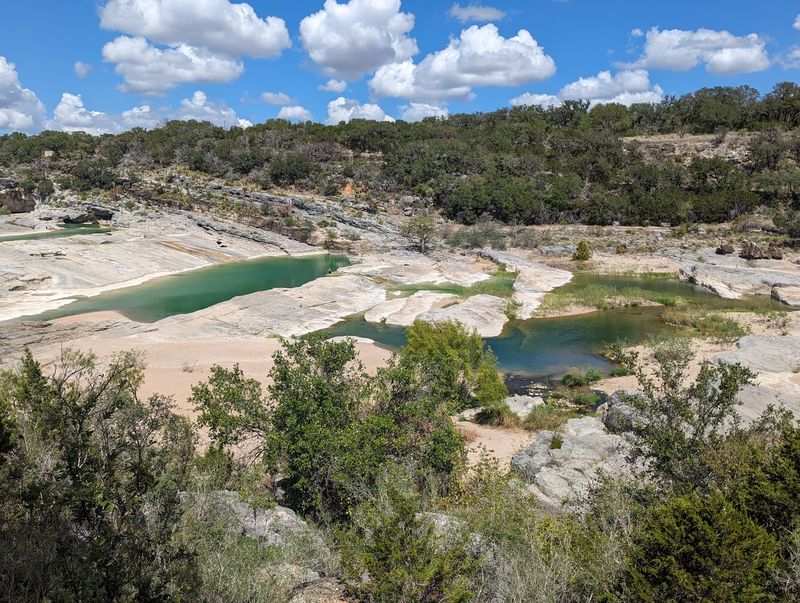
The Pedernales River creates a series of stepped limestone cascades that look almost too perfect to be natural. When water levels are right, the falls become a stunning display of white water rushing over layered rock shelves and creating pools that beg to be photographed. Even during drier periods, the exposed limestone formations reveal fascinating geological patterns and create a landscape that’s beautiful in its own stark way.
Swimming is prohibited at the falls themselves due to dangerous currents and flash flood risks, but designated swimming areas downstream provide safe spots to cool off and enjoy the water. The river’s character changes dramatically with rainfall, transforming from a gentle stream to a raging torrent in hours. Checking recent weather and water levels before your visit helps set appropriate expectations and ensures safety.
Hiking trails explore diverse terrain including riverside paths, upland hills covered in juniper and oak, and open grasslands that explode with wildflowers each spring. The Wolf Mountain Trail offers a challenging loop with elevation changes and scenic overlooks that reward your effort. Wildlife sightings are common, including white-tailed deer, armadillos, and numerous bird species that thrive in the varied habitats.
The park’s proximity to Johnson City and Fredericksburg makes it easy to combine outdoor adventure with wine tasting, shopping, and exploring LBJ’s boyhood home and ranch. Camping facilities range from walk-in tent sites to areas with water and electricity, accommodating different comfort levels and budgets. Fall and spring offer ideal weather, though each season brings its own character and beauty to this Hill Country gem that delivers big experiences without requiring big spending.