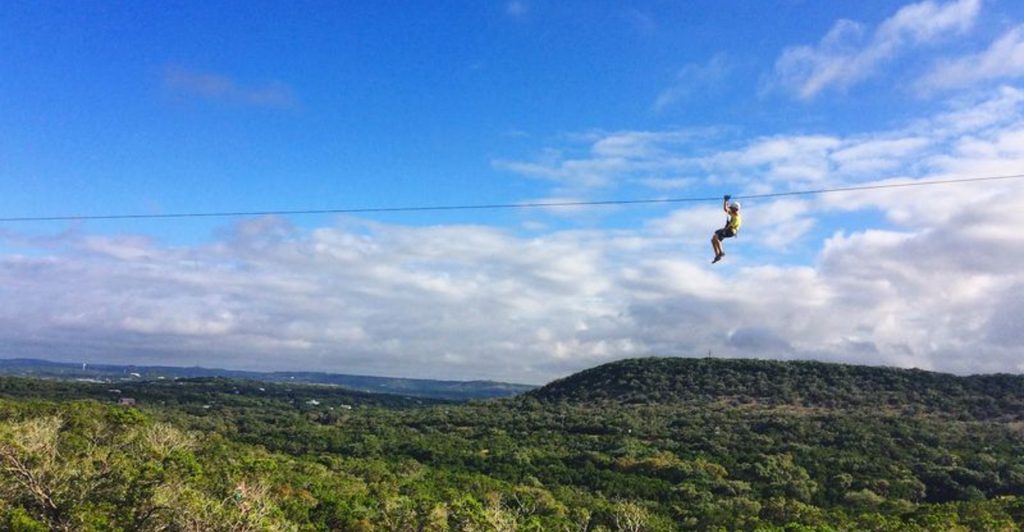
Texas has always been a magnet for people looking for a fresh start, but some small towns have really taken off in recent years. What used to be quiet, affordable places to live have turned into hot spots where home prices have skyrocketed and traffic has multiplied. From Hill Country escapes to coastal hideaways, these once-hidden gems now attract crowds of new residents willing to pay top dollar for a slice of small-town charm.
Here are 12 Texas towns that got so popular, they got a whole lot pricier too.
1. Wimberley
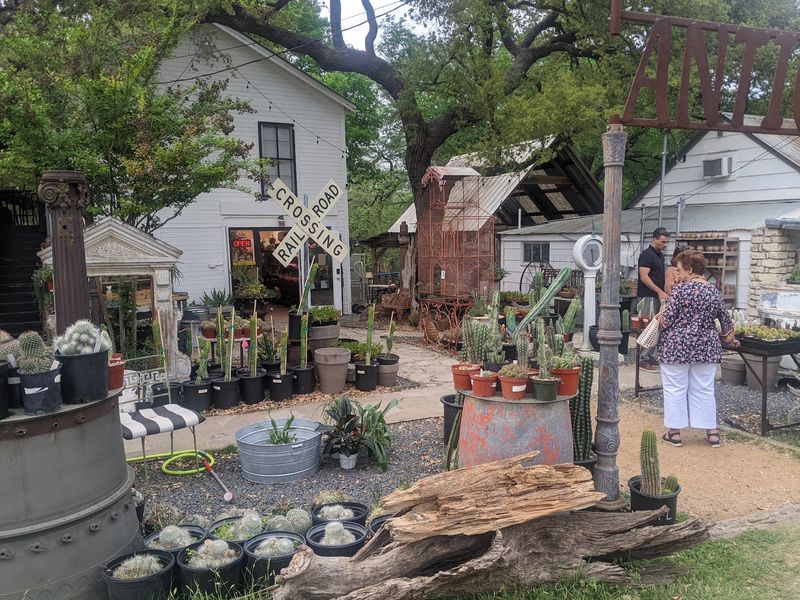
Tucked into the Hill Country between Austin and San Antonio, this artsy little town has become one of the most sought-after addresses in Central Texas. What started as a quiet artists’ colony has exploded into a weekend destination and a full-time dream for remote workers and retirees alike. The population has surged, and so have property values.
Real estate that once sold for modest prices now commands premium dollars. Homes that were considered affordable just a decade ago are now listed at eye-watering figures. The charm of Wimberley hasn’t faded, but the cost of living there certainly has climbed.
Part of the appeal is the natural beauty. Cypress-lined creeks, swimming holes, and scenic drives make it feel like a world away from the city, even though Austin is less than an hour north. People pay extra for that kind of escape, and developers have noticed.
The town has managed to hold onto its character despite the growth. Local markets, quirky shops, and live music venues still define the vibe. But parking is harder to find, and the weekend crowds can feel overwhelming if you’re used to the old, sleepy version of Wimberley.
If you bought property here before the boom, you’re sitting pretty. If you’re looking to move in now, prepare to compete with cash offers and out-of-state buyers. The Hill Country dream doesn’t come cheap anymore, and Wimberley is proof that popularity has a price tag.
2. Fredericksburg
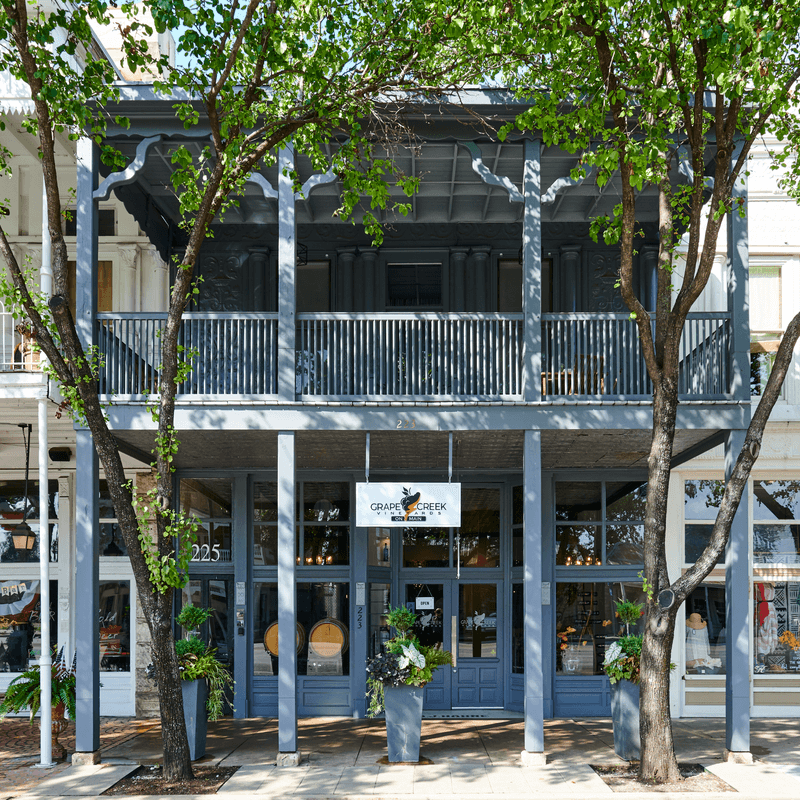
German heritage meets wine country in this Hill Country hotspot that has become a full-blown tourist and transplant magnet. Once a sleepy agricultural town known for peaches and polka, it’s now a year-round destination packed with tasting rooms, bed-and-breakfasts, and upscale shopping. The transformation has been dramatic, and so has the cost.
Property values have climbed steadily as more people discovered the charm of Main Street and the surrounding vineyards. What used to be affordable farmland is now subdivided into luxury estates and weekend retreats. Local families who have been here for generations are getting priced out by newcomers with deeper pockets.
Tourism drives the economy, but it also drives up everything else. Restaurants charge big-city prices, and short-term rentals have taken over entire neighborhoods. The quaint atmosphere is still there, but it’s been polished and commercialized in ways that feel less authentic to longtime residents.
Still, people keep coming. The wineries alone draw thousands of visitors every weekend, and special events like Oktoberfest turn the town into a packed festival zone. The appeal is undeniable, but the crowds and costs are too.
If you want to live here, expect competition. Homes sell fast, often above asking price, and rentals are scarce. Fredericksburg has become a victim of its own success, where the very things that made it special have made it expensive.
The small-town feel is fading as the price of admission keeps rising.
3. Dripping Springs
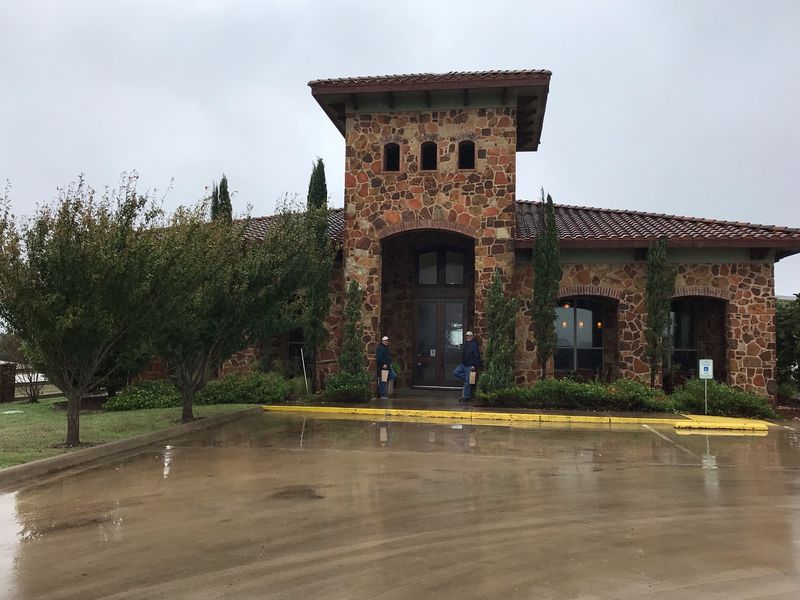
Known as the gateway to the Hill Country, this town has grown faster than almost anywhere else in the Austin metro. What was once a rural community with more cattle than people has turned into a booming suburb where new subdivisions pop up seemingly overnight. The growth has been relentless, and affordability is a distant memory.
Home prices have more than doubled in the past decade. Families who once considered this an affordable alternative to Austin now find themselves competing with tech workers and California transplants. The median home price has soared past half a million dollars, and there’s no sign of slowing down.
Part of the draw is the location. Close enough to Austin for an easy commute, but far enough out to feel like you’re living in the country. Add in top-rated schools and a family-friendly vibe, and you’ve got a recipe for explosive growth.
Developers have taken full advantage.
The town has also become a destination for breweries, distilleries, and event venues. Weddings and corporate retreats bring in visitors by the thousands, and local businesses are thriving. But the infrastructure hasn’t always kept pace, and traffic on Highway 290 can be a nightmare.
Longtime residents miss the quiet roads and open spaces. New arrivals love the amenities and the sense of community. Either way, Dripping Springs is no longer the hidden gem it once was.
The secret is out, the prices are up, and the town is forever changed.
4. Boerne
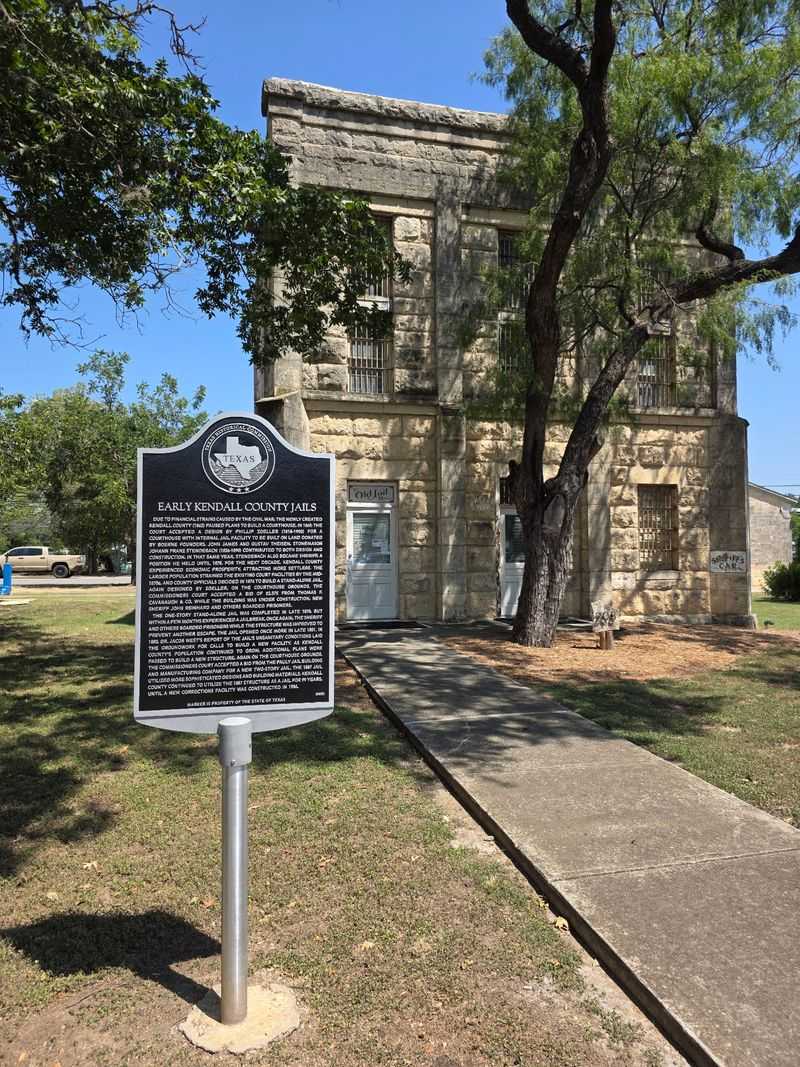
Nestled in the northern Hill Country, this picturesque town has seen a surge in popularity that’s transformed it from a quiet retirement spot to a bustling suburb. The historic downtown still has that old-world charm, but the surrounding areas are packed with new construction and luxury developments. Growth has come fast, and so have higher costs.
Real estate values have climbed steadily as San Antonio sprawls northward and remote workers seek out scenic places to settle. Homes that were once considered a bargain are now priced like premium real estate. The demand is fierce, and inventory is tight.
The town’s appeal is easy to understand. Tree-lined streets, a walkable downtown, and proximity to outdoor recreation make it a desirable place to call home. Add in good schools and a strong sense of community, and you’ve got a winning combination.
Developers have capitalized on this, filling in every available lot.
Tourism has also picked up, with visitors flocking to local shops, restaurants, and seasonal events. The town has managed to maintain its character better than some of its neighbors, but the pressure is mounting. Traffic is heavier, parking is scarcer, and the cost of living keeps creeping up.
For those who bought in early, the investment has paid off handsomely. For newcomers, the sticker shock is real. Boerne is still charming, still beautiful, but it’s no longer the affordable escape it once was.
Popularity has its price, and this Hill Country gem is no exception.
5. Port Aransas
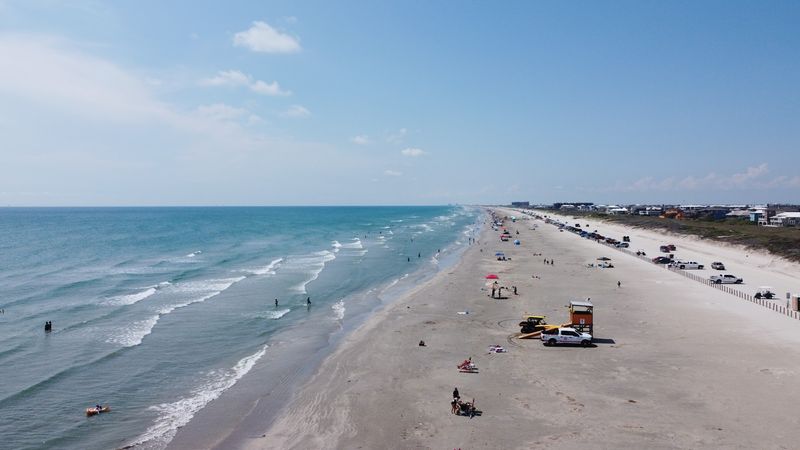
This laid-back beach town on the Gulf Coast has always been a favorite getaway, but in recent years it’s become a full-time residence for more and more people. What was once a sleepy fishing village is now a thriving coastal community where real estate prices have surged. The appeal of island living has never been stronger, and neither have the costs.
Beachfront property that was once accessible to middle-class families is now reserved for the well-off. Condos and vacation rentals dominate the market, and long-term housing is increasingly hard to find. The town has rebuilt and reinvented itself after Hurricane Harvey, and the new version comes with a higher price tag.
Tourism drives the economy, and the influx of visitors has only increased. Summer weekends bring bumper-to-bumper traffic, and finding a spot on the beach can be a challenge. The town’s infrastructure is stretched thin, and locals sometimes feel outnumbered by tourists and short-term renters.
Still, the draw is undeniable. Year-round sunshine, fresh seafood, and a relaxed vibe make it easy to see why people want to live here. The fishing is world-class, the sunsets are stunning, and the sense of community is strong among those who stick around year-round.
But affordability is slipping away. Rent has climbed, groceries cost more, and property taxes reflect the booming market. Port Aransas is still a paradise, but it’s becoming an expensive one.
The small-town beach charm remains, but only for those who can afford to stay.
6. Prosper
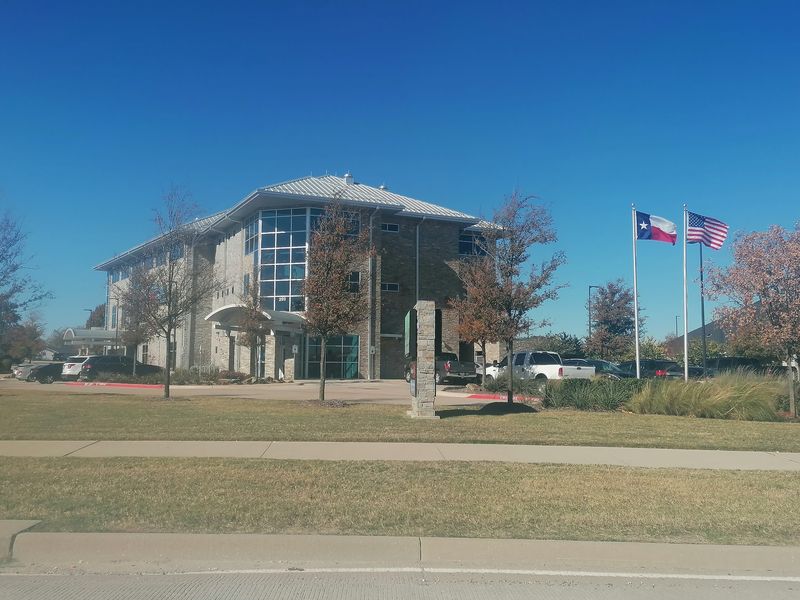
North of Dallas, this rapidly growing suburb has transformed from farmland to a family-friendly boomtown in record time. Fields that once grew crops now sprout subdivisions, and the population has exploded. What was once an affordable option for families looking to escape the city is now a hot market where homes sell fast and prices keep climbing.
The median home price has skyrocketed as demand outpaces supply. Young families, professionals, and retirees are all competing for a piece of this thriving community. The schools are excellent, the amenities are top-notch, and the location is ideal for commuters.
All of that comes at a premium.
Developers have been working overtime to keep up with demand, but it’s a losing battle. New neighborhoods fill up before construction is even finished, and waiting lists are common. The town has grown so fast that infrastructure sometimes struggles to keep pace, but that hasn’t slowed the influx of new residents.
Shopping centers, restaurants, and entertainment options have multiplied, giving the town a suburban polish that attracts even more people. The sense of community is strong, with local events and sports leagues bringing neighbors together. But the small-town feel is fading as the population swells.
For early investors, the returns have been impressive. For newcomers, the cost of entry is steep. Prosper is no longer the hidden gem it was just a few years ago.
The word is out, the prices are up, and the town is firmly on the map as one of North Texas’s most desirable places to live.
7. Fulshear
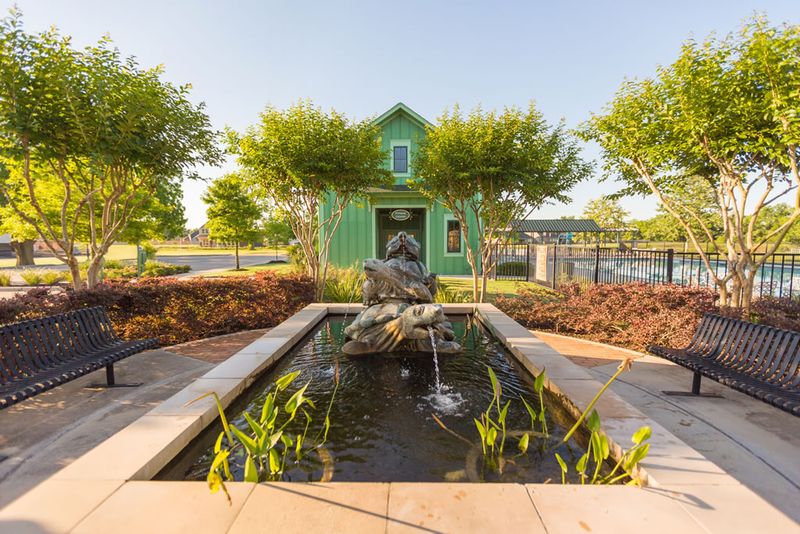
West of Houston, this once-rural town has become one of the fastest-growing communities in the entire state. What used to be wide-open ranch land is now filled with master-planned communities, shopping centers, and top-rated schools. The transformation has been stunning, and so has the increase in home prices.
Real estate values have surged as Houston sprawls westward and families seek out newer, more spacious homes. The town has become a magnet for young professionals and growing families willing to pay a premium for modern amenities and a sense of safety. Demand is through the roof, and developers are scrambling to keep up.
The appeal is obvious. Brand-new homes, excellent schools, and a family-oriented atmosphere make it an easy sell. The town has invested heavily in parks, recreation, and public services, creating a polished suburban experience.
But that polish comes with a hefty price tag.
Traffic has become a real issue as the population has ballooned. Commutes into Houston can be long, and the roads are crowded during rush hour. The town is working to expand infrastructure, but growth has been so rapid that it’s hard to stay ahead of the curve.
For those who bought in early, the appreciation has been remarkable. For those looking to buy now, the sticker shock is real. Fulshear is no longer the affordable option it once was.
The town has arrived, the prices have risen, and the days of finding a bargain here are long gone.
8. Celina
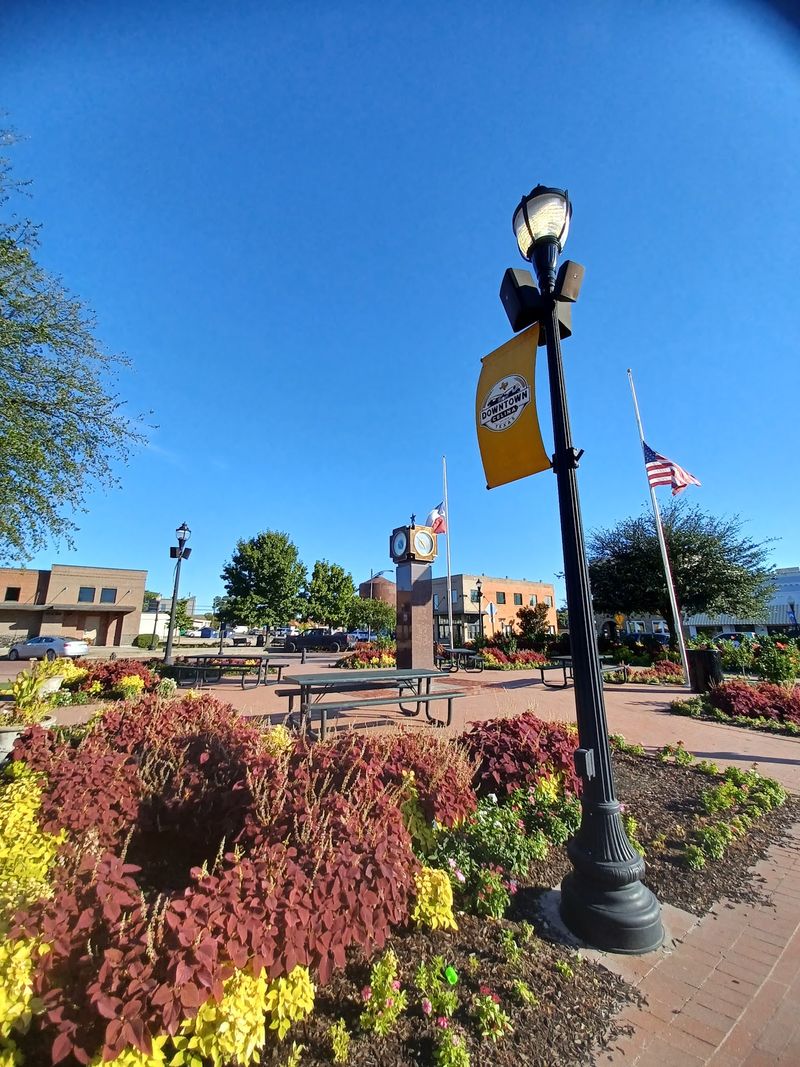
Just north of the Dallas metro, this small town has exploded into one of the fastest-growing communities in America. What was once a quiet farming town is now a sprawling suburb with new developments sprouting up at a dizzying pace. The population has multiplied, and so have property values.
Home prices have climbed steeply as demand from Dallas commuters and out-of-state transplants has surged. What used to be an affordable alternative to pricier suburbs is now a hot market where bidding wars are common. The median home price has shot up, and there’s no sign of it slowing down.
The town’s appeal is rooted in its location and amenities. Close enough to Dallas for work, but far enough out to offer space and a suburban feel. New schools, parks, and shopping centers have popped up to serve the growing population, and the town has invested in making itself attractive to families.
But the rapid growth has brought challenges. Traffic is heavier, schools are crowded, and the small-town charm is fading fast. Longtime residents sometimes feel overwhelmed by the influx of newcomers, and the character of the town is changing almost overnight.
Still, people keep coming. The promise of a new home in a thriving community is too tempting to pass up for many. Developers are building as fast as they can, and the town is doing its best to manage the growth.
Celina is no longer the hidden gem it once was. The secret is out, the prices are up, and the town is forever transformed.
9. Aledo
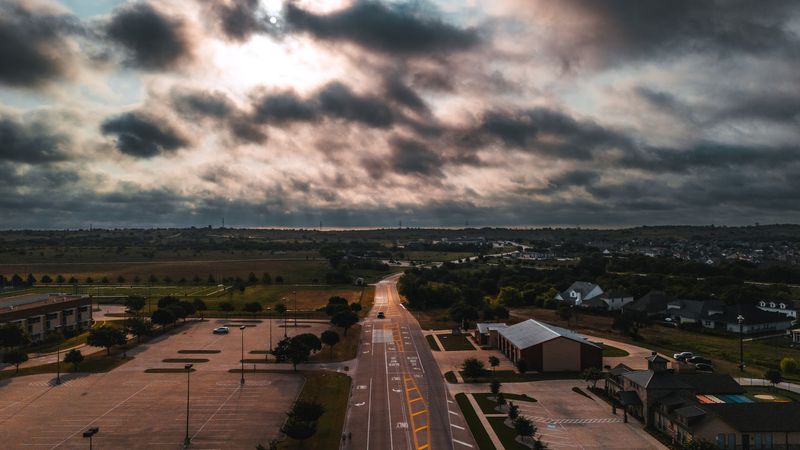
West of Fort Worth, this small town has become a magnet for families seeking top-tier schools and a tight-knit community. What was once a quiet rural town is now a booming suburb where home prices have climbed steadily. The growth has been driven largely by the reputation of the local school district, which consistently ranks among the best in the state.
Real estate has become increasingly competitive as more families discover the appeal of Aledo. Homes that were once affordable are now priced at a premium, and inventory is limited. The demand is fierce, and sellers have the upper hand in negotiations.
The cost of living has risen across the board.
The town has managed to retain much of its small-town charm despite the growth. Friday night football is still a major event, and community spirit runs deep. But the population is growing, and with it comes the challenges of increased traffic and the need for expanded infrastructure.
New developments are filling in the countryside, and the town is working to balance growth with preservation of its character. Local leaders are trying to manage the influx while maintaining the qualities that made Aledo attractive in the first place. It’s a delicate balance, and not everyone is happy with the pace of change.
For families who value education and community, Aledo remains a strong choice. But the days of finding a bargain here are over. The town’s reputation has driven up demand and prices, and affordability is becoming a thing of the past.
Aledo is still special, but it’s no longer the well-kept secret it once was.
10. Georgetown
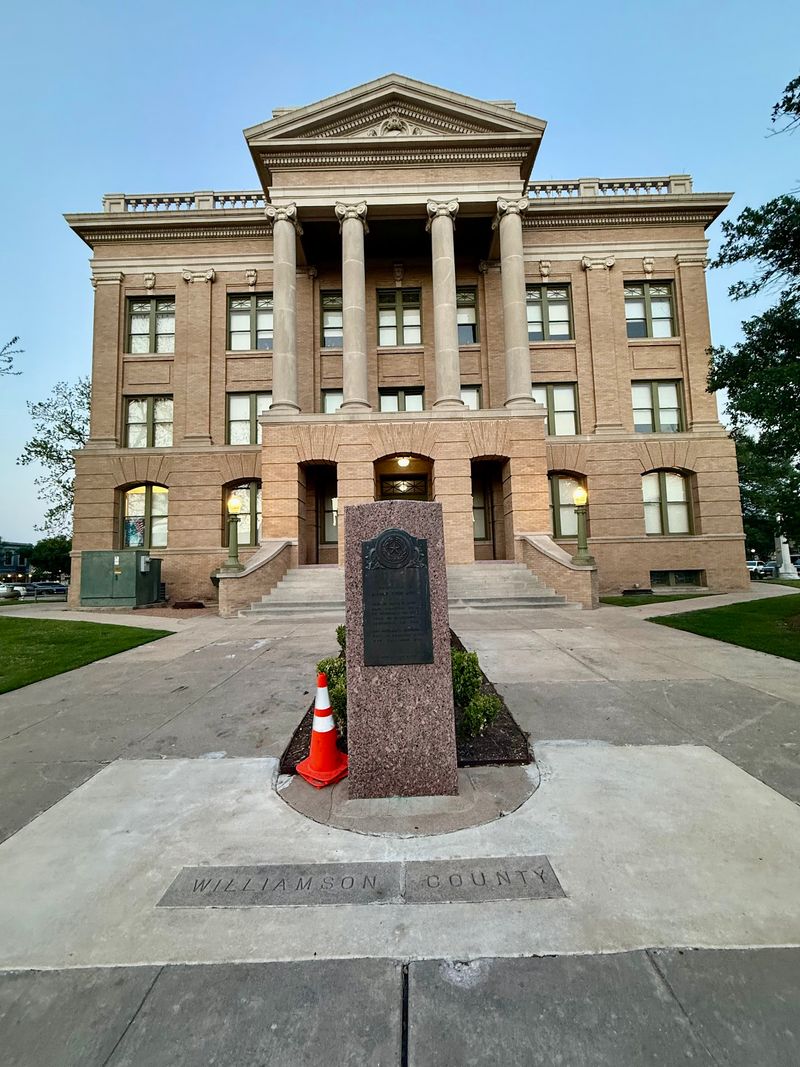
North of Austin, this historic town has become one of the most popular places to live in Central Texas. What was once a quiet retirement community has transformed into a vibrant, growing city that attracts families, young professionals, and retirees alike. The population has surged, and so have home prices.
Real estate values have climbed dramatically as the town has grown. What used to be an affordable alternative to Austin is now a competitive market where homes sell quickly and often above asking price. The median home price has more than doubled in recent years, and the trend shows no signs of reversing.
The town’s appeal is multifaceted. A charming historic downtown, excellent schools, and proximity to Austin make it a desirable place to call home. The town has also invested in amenities like parks, trails, and community centers, creating a high quality of life that draws people in.
Tourism has picked up as well, with visitors flocking to the downtown square and nearby natural attractions. The town has managed to preserve its historic character while accommodating growth, but the balance is getting harder to maintain. Traffic is heavier, parking is tighter, and the cost of living keeps rising.
For those who bought in early, the investment has paid off handsomely. For newcomers, the cost of entry is steep. Georgetown is still a great place to live, but it’s no longer the affordable gem it once was.
The town’s popularity has driven up prices across the board, and the days of finding a deal here are long gone.
11. Salado
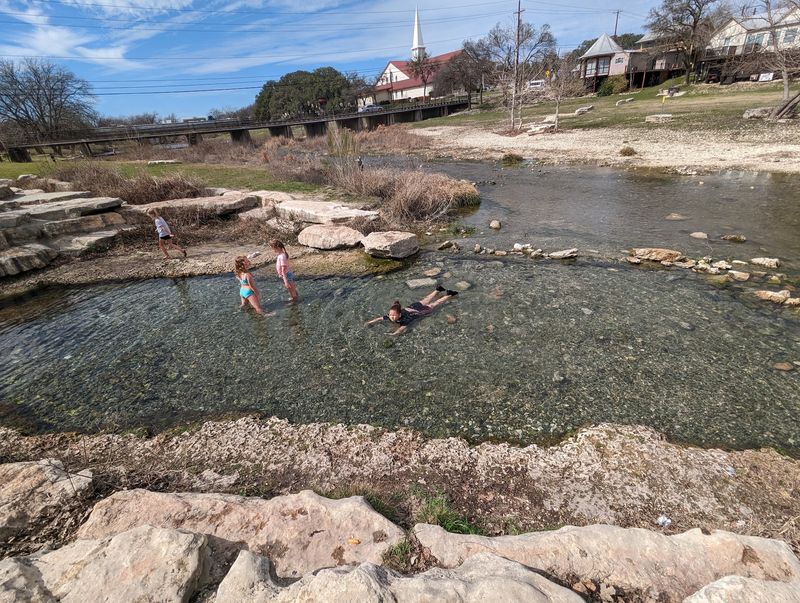
Halfway between Austin and Waco, this tiny village has become a beloved destination for art lovers and history buffs. What was once a quiet stop along the highway is now a thriving community where real estate prices have climbed steadily. The charm of the village has attracted both tourists and new residents, and the cost of living has risen accordingly.
Property values have increased as more people discover the appeal of small-town life with easy access to bigger cities. Homes that were once modestly priced are now selling at premium rates, and inventory is limited. The village has a unique character that’s hard to find elsewhere, and people are willing to pay for it.
The downtown area is packed with galleries, antique shops, and local eateries that draw visitors year-round. The creek that runs through town adds to the scenic beauty, and the sense of history is palpable. The village has managed to preserve its character while welcoming growth, but the balance is delicate.
Traffic can be heavy on weekends as tourists flood in, and parking is often at a premium. The village is working to manage the influx while maintaining the qualities that make it special. Local leaders are cautious about overbuilding, but the pressure is mounting as demand continues to grow.
For those who value history, art, and community, Salado is a gem. But affordability is slipping away. The village’s popularity has driven up prices, and the cost of living here is no longer the bargain it once was.
Salado is still charming, still special, but it’s no longer cheap.
12. Granbury
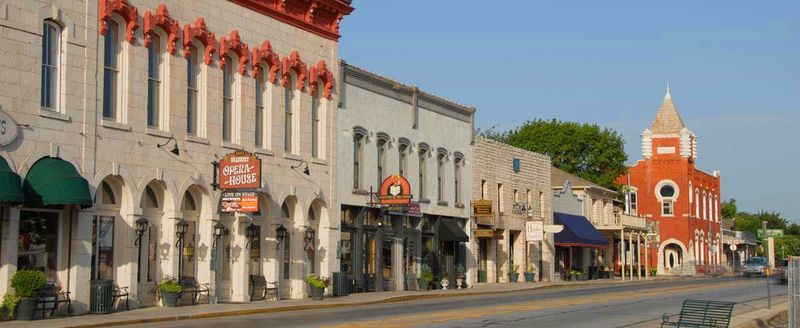
Southwest of Fort Worth, this lakeside town has become a hot spot for retirees and weekenders looking for a slower pace of life. What was once a sleepy community centered around a historic square is now a thriving destination where real estate prices have climbed steadily. The lake, the charm, and the proximity to Fort Worth have made it a magnet for new residents.
Home prices have surged as demand has outpaced supply. Lakefront properties command top dollar, and even homes away from the water have seen significant appreciation. The town has become a popular choice for those looking to escape the city without going too far, and that popularity has come with a higher price tag.
The historic downtown square is the heart of the community, packed with shops, restaurants, and live entertainment. Tourists flock here on weekends, and the town has embraced its role as a destination. But the influx of visitors has put pressure on infrastructure, and locals sometimes feel overwhelmed by the crowds.
The lake is a major draw, offering boating, fishing, and waterfront living. Developers have capitalized on this, building new communities along the shoreline and in the surrounding hills. The natural beauty is undeniable, but the construction has changed the character of the area.
For those who bought in early, the appreciation has been impressive. For newcomers, the cost of entry is steep. Granbury is still charming, still beautiful, but it’s no longer the affordable retreat it once was.
The town’s popularity has driven up prices, and the days of finding a bargain here are over.