Texas has no shortage of famous spots that show up on every must-see list, and for good reason. Many of them are iconic, historically significant, or just plain fun the first time around. But here’s the thing: not every popular attraction holds up to a second visit, and some lose their magic once you’ve checked them off your list.
I’m sharing my honest take on 11 Texas attractions that everyone seems to love but didn’t quite win me over enough to go back.
1. Cadillac Ranch (Amarillo)
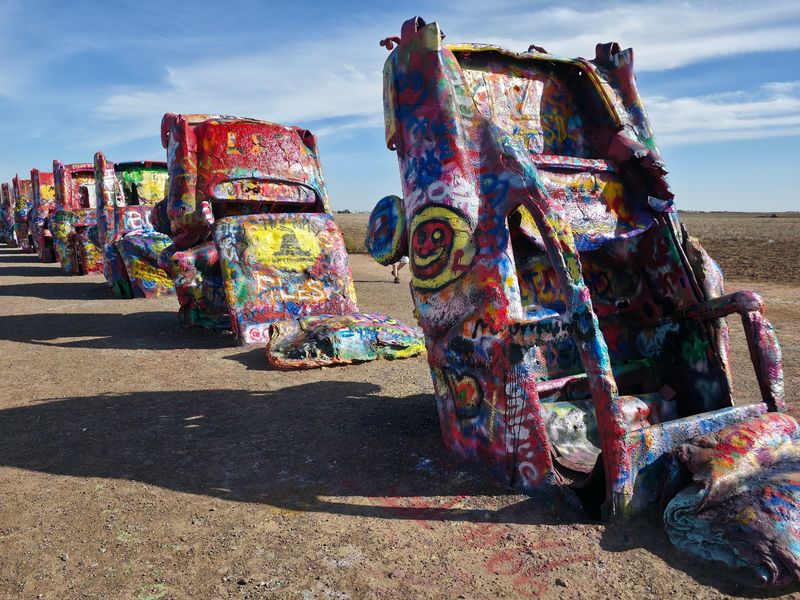
Driving along Interstate 40 near Amarillo, you’ll spot a row of old Cadillacs buried nose-first in the dirt. It’s one of those roadside oddities that screams “pull over and take a picture,” and honestly, that’s about all there is to it. The art installation has been around since 1974, and visitors are encouraged to bring spray paint and add their own graffiti to the cars.
The problem is, once you’ve snapped your photos and shaken your can of paint, there’s not much else to do. The novelty wears off in about ten minutes. Sure, it’s quirky and makes for a decent Instagram post, but the experience feels pretty shallow after the initial excitement fades.
The surrounding area is just an open field with no shade, so visiting in the Texas heat can be uncomfortable. There are no facilities, no information plaques, and no real context provided about the installation’s history or meaning. You’re left to wonder if this quick pit stop was really worth the detour.
If you’re already driving through Amarillo, it’s fine to stop once. But making a special trip or coming back a second time? That’s a hard pass for me.
The charm is entirely in the surprise factor, and once that’s gone, you’re just looking at some painted-up cars in a field.
Kids might enjoy the chance to spray paint freely, but even that gets old fast. The site can also get crowded with other tourists all trying to get the same shot, which takes away from the experience. It’s one of those places that’s better in photos than in person, and definitely not something I’d prioritize on a return trip to the Panhandle.
2. San Antonio River Walk (San Antonio)
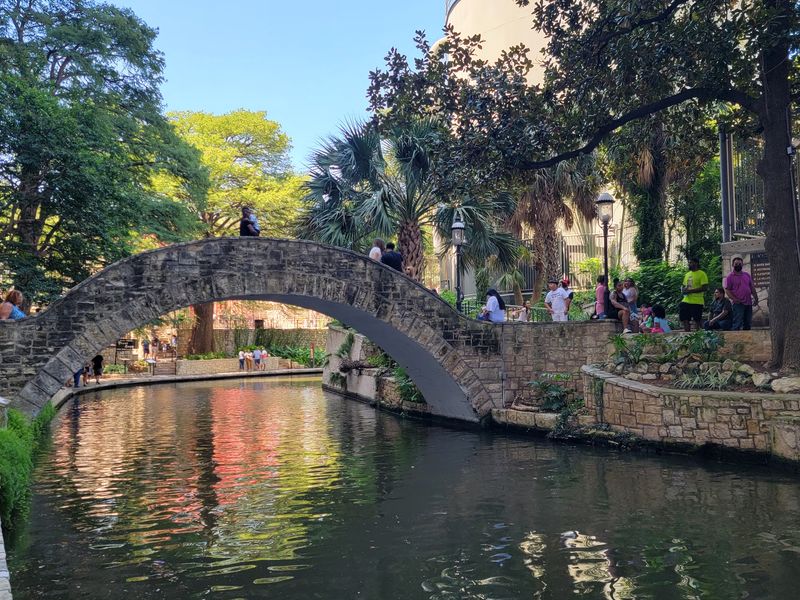
Everyone raves about the River Walk, and I get why it’s popular. Winding through downtown San Antonio, this network of walkways along the San Antonio River is lined with restaurants, shops, and bars. It’s picturesque, especially at night when everything’s lit up, and it makes for a pleasant evening stroll if you’re visiting the city for the first time.
But here’s my issue: it’s incredibly touristy, and that changes the whole vibe. The restaurants along the river are overpriced and often underwhelming in quality. You’re paying a premium for the location, not the food.
The crowds can be overwhelming, especially during peak tourist season, making it hard to enjoy the atmosphere.
After your first visit, the charm fades quickly. Walking the same path again doesn’t reveal anything new or exciting. The shops mostly sell generic souvenirs, and the whole area feels designed to extract money from visitors rather than offer an authentic San Antonio experience.
If you want good Tex-Mex or barbecue, you’re better off heading away from the River Walk to local spots where the food is better and the prices are reasonable. The River Walk is fine for a first-time visitor who wants to see a major San Antonio landmark, but it’s not a place I’d choose to spend time on a return trip.
The boat tours are another thing people recommend, but they’re slow, narrated in a way that feels scripted, and don’t really add much to the experience. You see the same sights you’d see walking, just from a different angle. Once was enough for me, and I’d rather explore other parts of San Antonio that feel more genuine and less like a theme park.
3. Magnolia Market at the Silos (Waco)
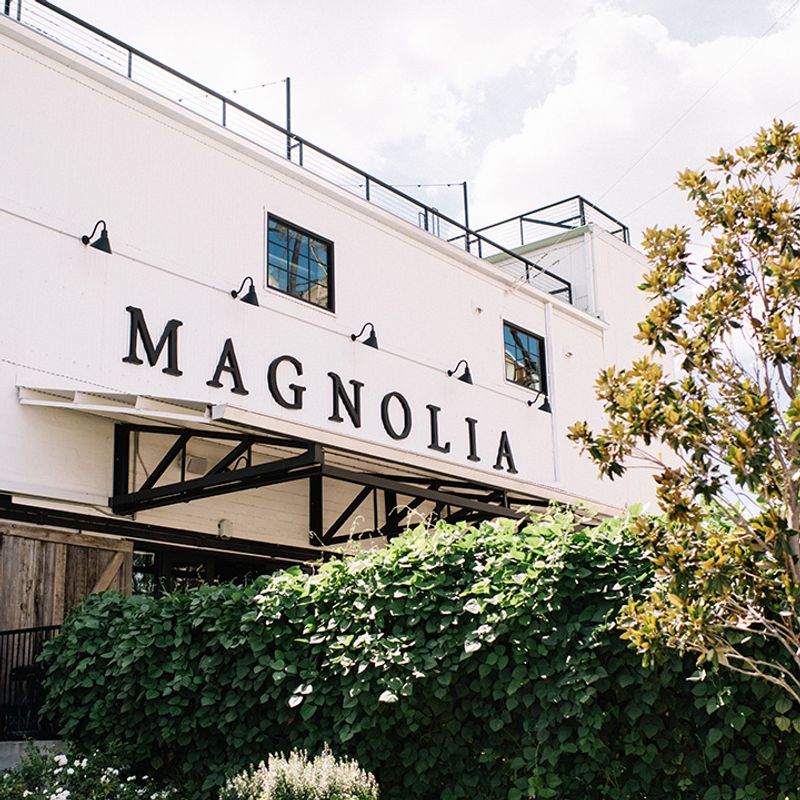
If you’re a fan of the home renovation show that made this place famous, visiting Magnolia Market might seem like a dream come true. The property features a large retail space, food trucks, a bakery, and plenty of photo opportunities. It’s clean, well-organized, and undeniably popular, drawing visitors from all over the country.
My first visit was fine, but I quickly realized it’s more about the brand than the actual experience. The market is essentially a big gift shop selling home decor, candles, and kitchen items at premium prices. Everything is nicely displayed, but it’s not particularly unique or special once you look past the branding.
The crowds are intense, especially on weekends. You’ll spend more time navigating through people than actually enjoying the space. The food trucks offer decent options, but nothing you couldn’t find elsewhere in Texas, and the lines can be long.
What bothers me most is how commercialized the whole thing feels. It’s designed to capitalize on a TV show’s popularity rather than offer a genuine local experience. Waco has other interesting spots worth exploring, but many visitors spend all their time here and miss out on the rest of the city.
The outdoor area with the lawn and games is pleasant enough, but it doesn’t justify making this a repeat destination. Once you’ve walked through the store, taken your photos, and grabbed a snack, there’s really no reason to come back. The novelty wears off fast, and you realize you’re just at a very crowded shopping center.
For fans of the show, one visit might satisfy your curiosity. But as a regular attraction worth returning to, it falls flat for me. There’s no depth to the experience beyond retail therapy and brand worship.
4. Schlitterbahn Waterpark (New Braunfels)
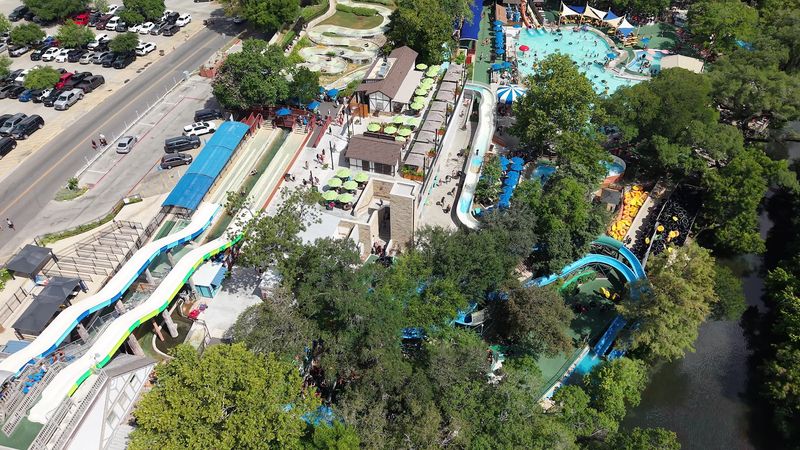
Schlitterbahn has a reputation as one of the best waterparks in the country, and on paper, it sounds amazing. The park features dozens of slides, rides, and river attractions spread across a huge property. Families flock here every summer, and it’s easy to see why it’s so popular.
My experience, however, was exhausting more than enjoyable. The park is massive, which means a lot of walking in the Texas heat between attractions. You’ll spend a significant portion of your day standing in lines, waiting for your turn on slides that are over in less than a minute.
The crowds are intense, especially during summer weekends and holidays. Finding a spot to set up your stuff requires arriving early and staking out territory. The lazy river, which should be relaxing, is often packed with people bumping into each other.
It’s hard to unwind when you’re constantly navigating through crowds.
The cost is another issue. Tickets are expensive, and that’s before you factor in parking, locker rentals, and overpriced food inside the park. You can easily spend a small fortune for a day that involves more waiting than actual fun.
After my first visit, I realized I’d rather spend a day at a less crowded swimming hole or natural spring. The experience felt more stressful than refreshing, and the commercialization of it all took away from the enjoyment. Waterparks are fun in theory, but the reality of long lines, high costs, and overwhelming crowds makes it hard to justify a return trip.
If you have young kids who are waterpark-obsessed, they might love it. But for me, once was plenty, and I’d choose a quieter, more affordable way to cool off next time.
5. Fort Worth Stockyards (Fort Worth)
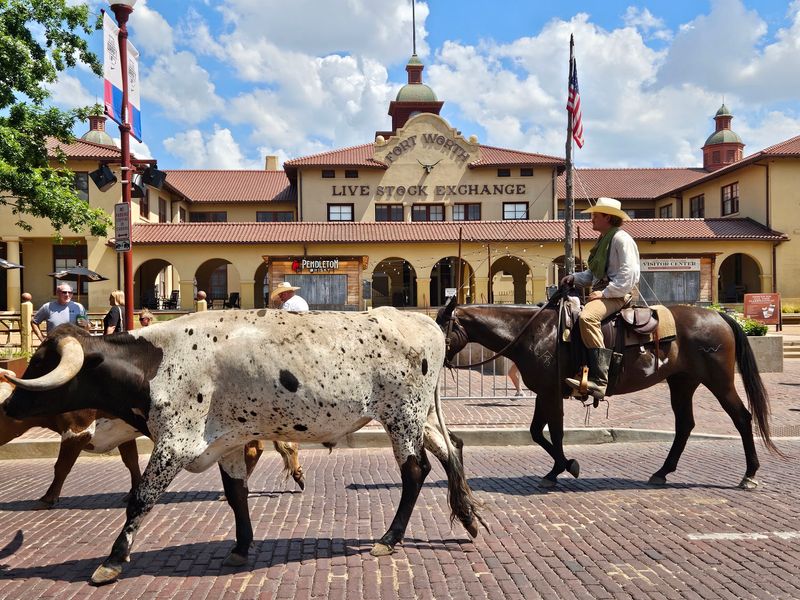
The Fort Worth Stockyards promise an authentic taste of Old West Texas, complete with twice-daily cattle drives, Western shops, and honky-tonk bars. It’s a historic district that plays up the cowboy culture Fort Worth is known for, and it attracts tourists by the busload.
On my first visit, I enjoyed the novelty of watching longhorns being herded down the street. The architecture is charming, and there’s a certain nostalgic appeal to the whole setup. But the longer I stayed, the more I noticed how manufactured the experience felt.
Everything is geared toward tourists, from the overpriced souvenir shops to the mediocre restaurants. The cattle drive, while interesting to see once, is more of a brief spectacle than a meaningful experience. It lasts only a few minutes, and then you’re left wandering through gift shops wondering what to do next.
The bars and music venues can be fun, but they’re often crowded and cater to out-of-towners rather than locals. The whole area feels like a theme park version of Texas history rather than an authentic representation. It’s fine for a quick visit, but it doesn’t have the depth to warrant coming back.
Fort Worth has plenty of other attractions that offer more substance, from world-class museums to excellent local restaurants. The Stockyards are stuck in a loop of repeating the same tourist-friendly routine, and once you’ve seen it, there’s no real reason to return.
If you’re bringing visitors from out of state who want the full cowboy experience, sure, take them here once. But for anyone who’s already been, I’d suggest exploring other parts of Fort Worth that feel less like a tourist trap and more like the real city.
6. Galveston Beach (Galveston)
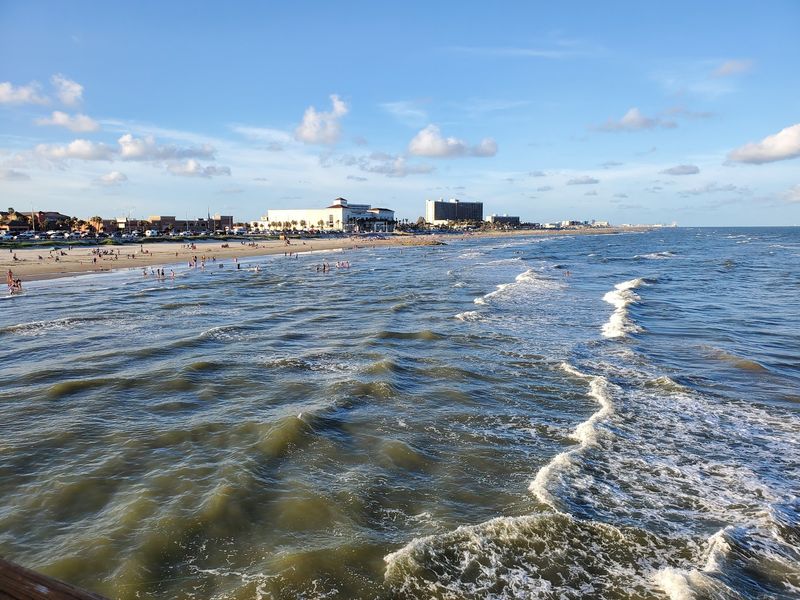
Galveston is the closest beach option for millions of Texans, making it a popular weekend getaway. The island offers miles of coastline, historic architecture, and a bustling tourist district along the Seawall. For landlocked Texans craving salt air and sand, it’s an easy escape.
But let’s be honest: Galveston Beach isn’t exactly paradise. The water is murky brown most of the time, thanks to sediment from the Mississippi River and the Gulf’s natural conditions. The sand is coarse, and the beach itself can be littered with seaweed and debris, especially after storms.
The crowds on summer weekends make it hard to find a good spot, and the water quality isn’t great for swimming. You’re often dodging jellyfish and dealing with waves that aren’t particularly inviting. Compared to beaches in Florida or California, Galveston falls short in almost every category.
The boardwalk area and historic downtown have some charm, but the beach itself is the main draw, and it’s just not impressive enough to bring me back. Once you’ve experienced it, you realize there are better coastal destinations worth the extra drive.
Port Aransas, South Padre Island, and even some spots along the Louisiana coast offer clearer water and better beach experiences. Galveston has history and convenience going for it, but the beach quality alone doesn’t justify repeat visits for me.
If you’re looking for a quick beach fix and don’t want to drive far, Galveston works in a pinch. But if you’re planning a real beach vacation, I’d recommend investing the extra time and gas to go somewhere with clearer water and prettier scenery. One trip to Galveston was enough to satisfy my curiosity and confirm I’d rather spend my beach days elsewhere.
7. Congress Avenue Bridge Bats (Austin)
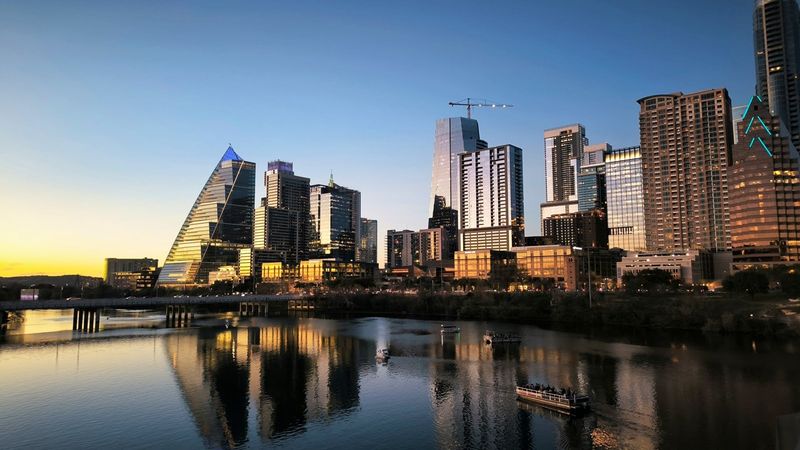
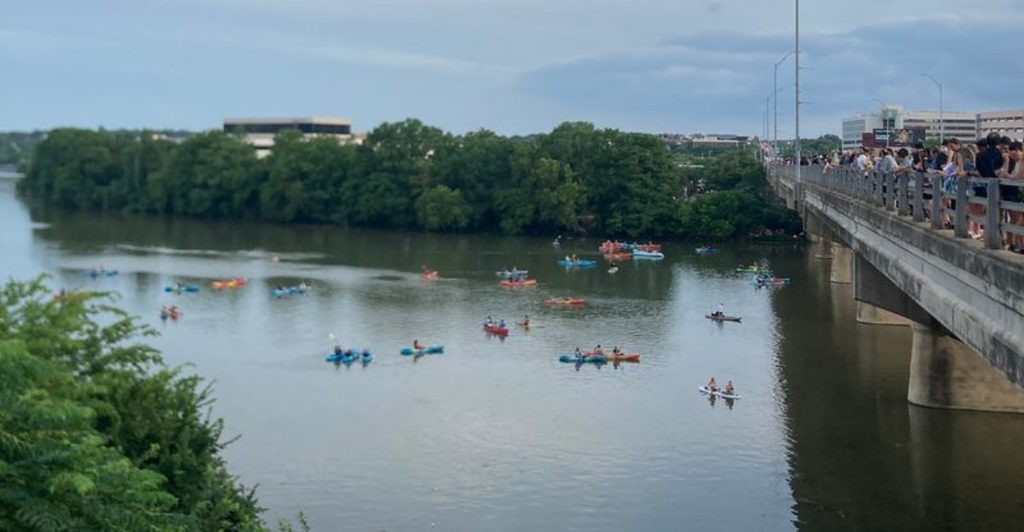
Every summer evening, over a million Mexican free-tailed bats emerge from under the Congress Avenue Bridge in downtown Austin. It’s become one of the city’s most famous natural spectacles, drawing locals and tourists alike to watch the bats take flight at dusk.
The first time I went, I was curious and excited to see such a unique phenomenon. Watching the bats stream out in waves is undeniably cool, and it’s something you don’t see every day. The experience is free, which is a bonus, and the setting along Lady Bird Lake is pleasant.
But here’s the thing: once you’ve seen it, you’ve seen it. The bats come out, they fly away, and that’s pretty much it. The whole event lasts maybe 15 to 20 minutes, and while it’s neat, it doesn’t change much from one night to the next.
The crowds can be overwhelming, especially during peak tourist season. Finding a good viewing spot requires arriving early, and you’ll be packed in with hundreds of other people all trying to get the same glimpse. The buildup and waiting often feel longer than the actual bat emergence.
I also found the hype around it to be a bit much. It’s a natural occurrence that happens every night, but it’s treated like a must-see event. After experiencing it once, I realized I’d rather spend my Austin evenings doing other things, like checking out live music or exploring the city’s food scene.
If you’re visiting Austin for the first time, it’s worth seeing once just to say you did. But as a repeat activity, it loses its appeal quickly. Nature is great, but this particular natural event doesn’t have enough variety or depth to keep me coming back.
8. Fredericksburg Main Street (Fredericksburg)
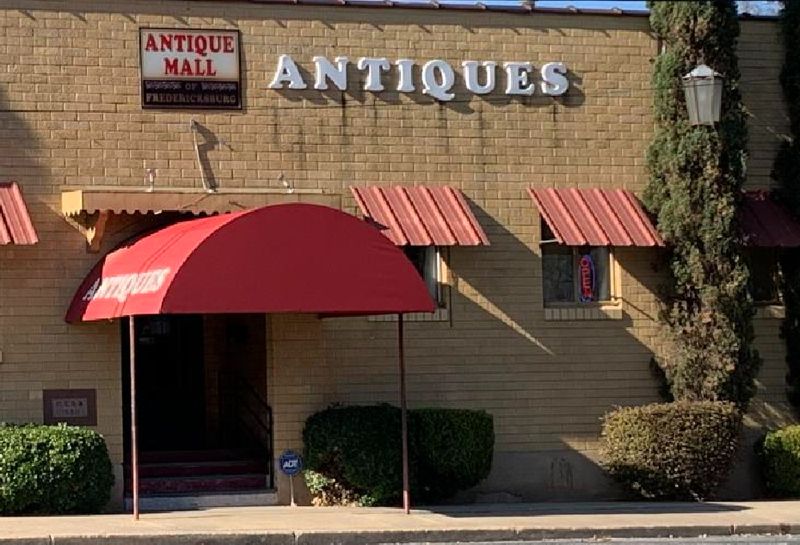
Fredericksburg’s Main Street is a charming stretch of historic buildings filled with antique shops, boutiques, and German-inspired restaurants. The town has a rich German heritage, and the downtown area reflects that with its architecture and cultural offerings. It’s a popular day trip destination from Austin and San Antonio.
My first visit was enjoyable. I liked browsing the shops, tasting local wines, and soaking in the small-town atmosphere. The German bakeries offer delicious treats, and the overall vibe is quaint and welcoming.
The problem is, after one visit, there’s not much reason to return. The shops are mostly antique stores and gift shops selling similar items. Once you’ve walked the length of Main Street, you’ve seen pretty much everything.
The novelty wears off quickly, especially if you’re not a big antique shopper.
The restaurants are decent but not exceptional. You can find good German food, but it’s not worth making repeated trips just for the cuisine. The town also gets incredibly crowded on weekends, making it hard to enjoy the relaxed small-town feel that’s supposed to be part of the appeal.
Fredericksburg has other attractions like nearby wineries and Enchanted Rock, which are worth exploring. But Main Street itself doesn’t offer enough variety or excitement to justify multiple visits. It’s a pleasant afternoon, but once you’ve done it, you’re done.
If you’re into antiquing or small-town shopping, you might find more to love here. But for me, one trip was enough to appreciate the town’s charm without feeling the need to come back. There are other Hill Country destinations that offer more diverse experiences and reasons to return.
9. The Alamo (San Antonio)
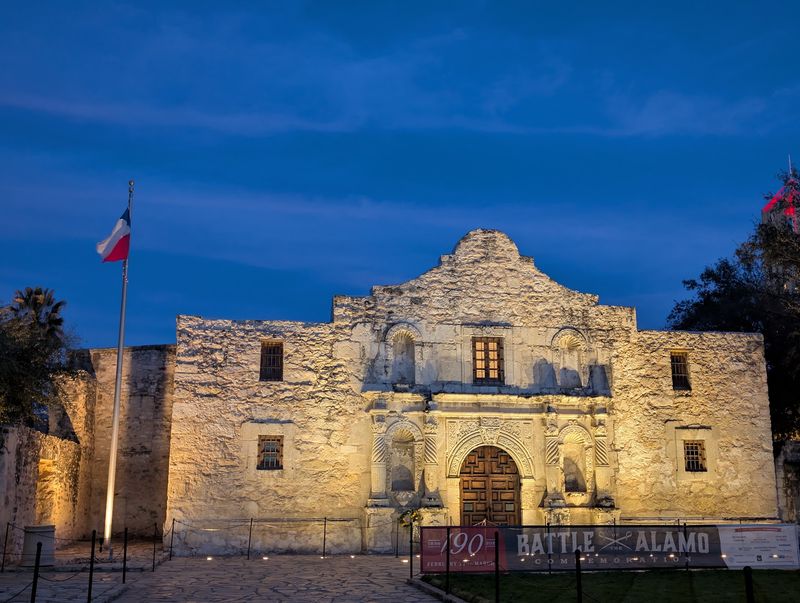
The Alamo is one of Texas’s most iconic historical sites, and visiting it feels like a rite of passage for anyone living in or traveling through the state. The 1836 battle fought here is a defining moment in Texas history, and the mission itself is a symbol of courage and independence.
Walking through the Alamo for the first time is moving. The grounds are well-maintained, and there’s a reverence to the place that makes you reflect on the history. Reading about the battle and seeing the actual location where it happened adds a layer of understanding you can’t get from a textbook.
But here’s the reality: the Alamo is small, and there’s not a lot to see. You can tour the entire site in less than an hour, and much of the original structure is gone. What remains is a fraction of the original mission, surrounded by modern San Antonio.
It’s hard to fully immerse yourself in the history when you’re standing in the middle of a bustling downtown area.
The gift shop takes up a significant portion of the experience, which feels a bit commercialized for such a solemn historical site. After your first visit, there’s really no reason to go back unless you’re bringing out-of-town guests who want to see it.
San Antonio has so many other incredible attractions, from the missions trail to the Pearl District, that offer more depth and variety. The Alamo is worth seeing once to understand its place in Texas history, but it doesn’t have the substance to draw me back for a second visit.
It’s a quick stop, a historical check-box, and an important piece of Texas identity. But as a repeat destination, it just doesn’t offer enough to hold my interest beyond that first meaningful visit.
10. McKinney Falls State Park (Austin)
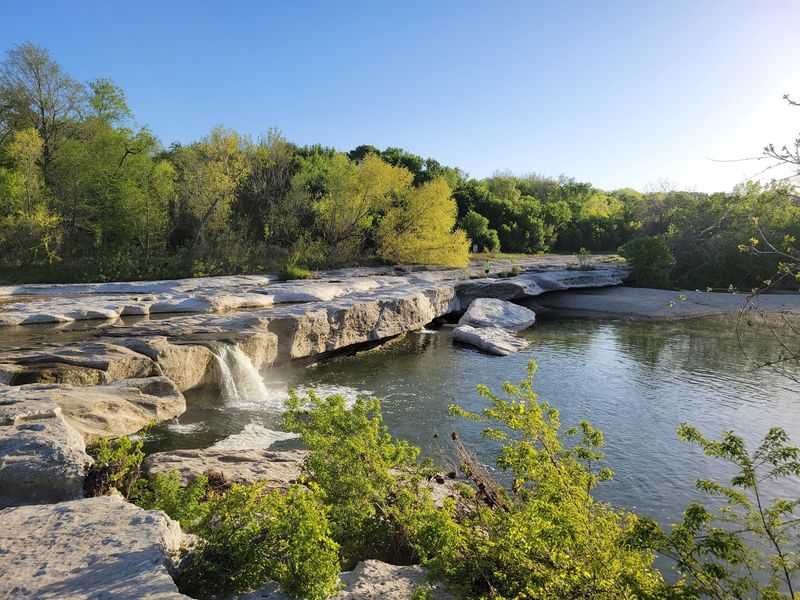
McKinney Falls State Park sits just outside Austin and offers a quick escape into nature without leaving the city limits. The park features two waterfalls, hiking trails, and swimming holes, making it a popular spot for locals looking to cool off and enjoy the outdoors.
My first visit was pleasant. The falls are pretty, especially after a good rain, and the trails are manageable for most fitness levels. It’s nice to have a natural area so close to the city, and I appreciated the convenience of getting there quickly.
But compared to other Texas state parks, McKinney Falls feels underwhelming. The waterfalls are small and often reduced to a trickle during dry months. The swimming holes can be crowded and not particularly clean, especially during summer weekends when everyone has the same idea.
The park also shows signs of heavy use. Trails can be muddy and eroded, and the facilities are basic. If you’re used to more remote or well-maintained parks, McKinney Falls feels a bit worn down and overly accessible, which takes away from the natural experience.
Austin has plenty of other outdoor options that offer better scenery and less crowded conditions. Barton Springs, Hamilton Pool, and even some of the greenbelt trails provide more rewarding experiences. McKinney Falls is fine for a quick afternoon, but it doesn’t inspire me to return.
If you’re new to Austin and want an easy introduction to the local outdoors, it’s worth checking out once. But for anyone who’s already explored it, there are better parks and natural areas within driving distance that offer more beauty and solitude. One visit was enough for me to appreciate what it offers and move on to greener, less crowded pastures.
11. Tubing the Comal River (New Braunfels)
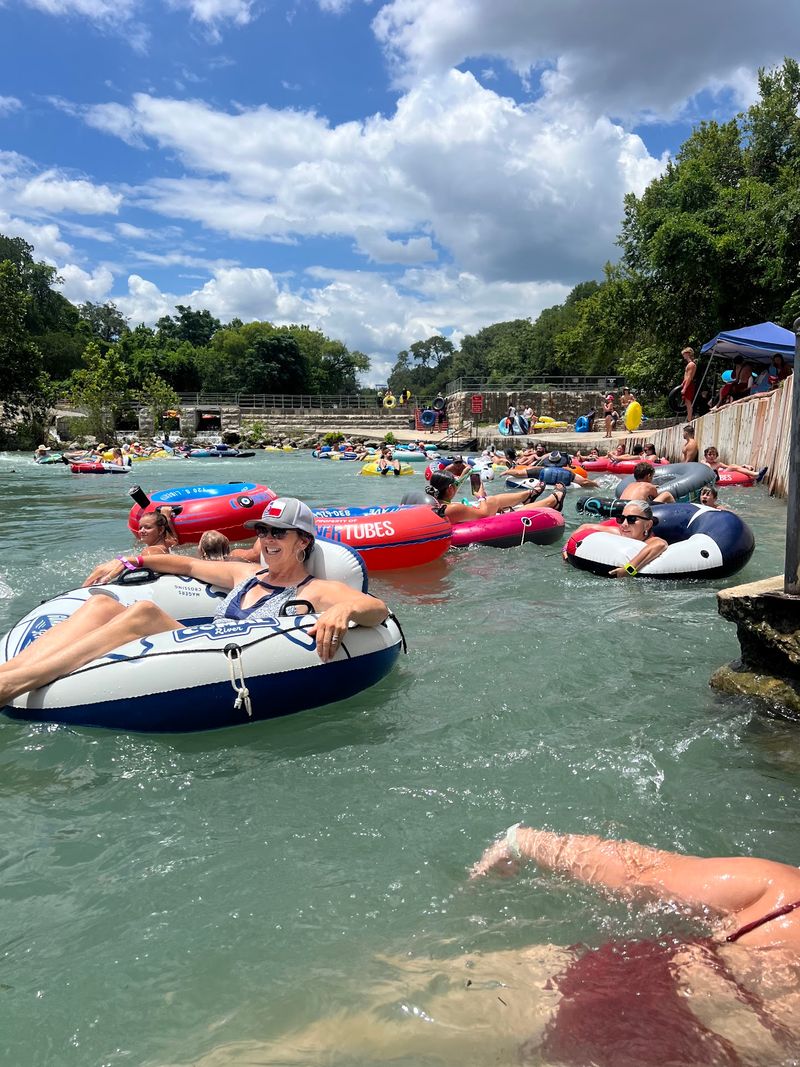
Tubing the Comal River is a Texas summer tradition, and New Braunfels is ground zero for this activity. The river is spring-fed, keeping the water cool and clear even in the hottest months. Thousands of people flock here every summer to float down the river with friends, music, and plenty of beverages.
The first time I went, it was fun. Floating lazily down the river on a hot day, surrounded by friends and laughter, made for a great afternoon. The water is refreshing, and the scenery along the river is pleasant.
But the experience quickly loses its appeal when you factor in the crowds. On weekends, the river is absolutely packed with tubers. You’re constantly bumping into other groups, and the peaceful float you imagined turns into a chaotic traffic jam on water.
The noise level is high, and the atmosphere feels more like a party than a nature experience.
The commercial side of tubing is also a turnoff. You have to rent tubes, pay for parking, and deal with long lines to get on the river. Outfitters along the river capitalize on the crowds, and the whole thing feels more like a business operation than a relaxing outdoor activity.
Littering is another issue. Despite efforts to keep the river clean, you’ll often see trash floating by or caught in the trees. The heavy use takes a toll on the environment, and it’s hard to ignore when you’re trying to enjoy the natural beauty.
After one trip, I realized I’d rather find a less crowded river or swimming hole where I can actually relax. Tubing the Comal is fun if you’re in the right mood and with the right group, but it’s not something I’d choose to do again. There are better ways to enjoy Texas’s natural waterways without the crowds and commercialization.