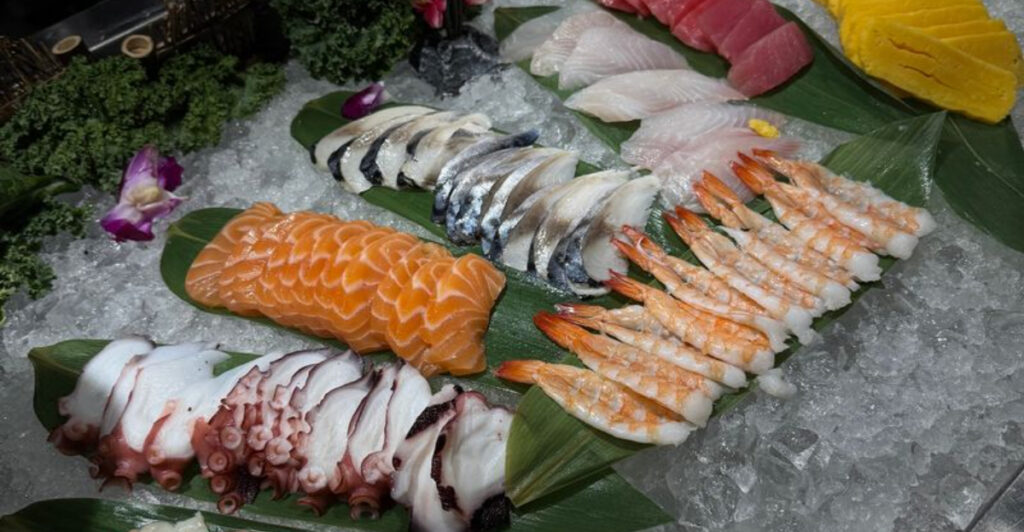
The first clue that Osaka Sushi Grill and Buffet is not interested in restraint appears near the seafood station. Snow crab legs disappear almost as quickly as they arrive, shrimp comes in several forms, and diners keep one eye on the line while working through plates of sushi.
Then the hibachi grill starts sizzling, someone walks past carrying a bowl of tonkotsu ramen, and the original plan to “just try a little of everything” quietly falls apart.
Located on Blackwood-Clementon Road in Clementon, this sprawling buffet brings seafood, Japanese favorites, Chinese comfort dishes, grilled meats, dim sum, and desserts together under one roof.
Lobster occasionally joins the lineup during special services, but even when it does not, there is enough shellfish to make dinner feel like an event. The trick is arriving hungry, pacing yourself, and accepting that your first plate will probably lead to several increasingly ambitious return trips.
Osaka Sushi Grill and Buffet Brings a Seafood Feast to Clementon
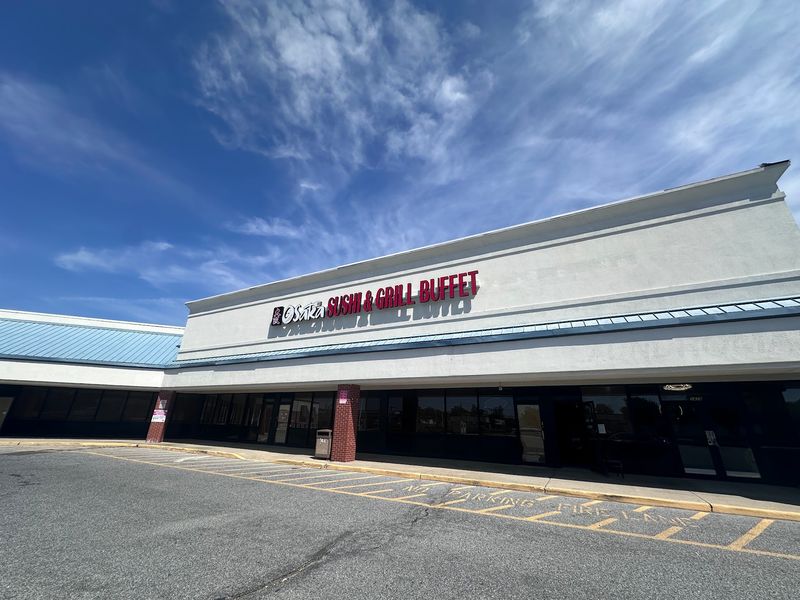
Clementon may be better known for family attractions and its long amusement-park history, but this Camden County borough also gives seafood fans a convincing reason to pull off the highway.
Osaka Sushi Grill and Buffet sits at 1419 Blackwood-Clementon Road, roughly 15 miles southeast of Philadelphia and within easy reach of communities across South Jersey.
Its location in a busy commercial stretch is practical rather than picturesque, with on-site parking and none of the fuss that often comes with planning a big seafood dinner near the Shore. Inside, the scale becomes apparent quickly.
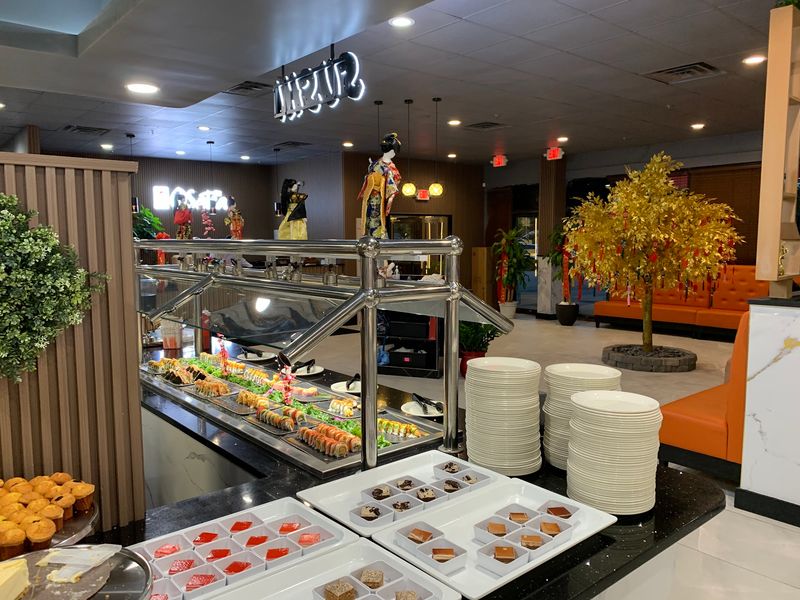
Multiple buffet stations divide the room into seafood, sushi, hot dishes, hibachi, ramen, dim sum, desserts, and drinks. Booths and tables provide space for couples, families, and birthday groups without forcing everyone to perform elaborate chair maneuvers each time somebody wants another plate.
Bright lighting keeps the stations easy to navigate, while the steady clatter from the hibachi grill adds a little energy to the room. Seafood naturally gets the most attention.
The regular lineup can include steamed shrimp, coconut shrimp, stuffed shrimp, squid, salmon, steamed flounder, grilled scallops, snow crab, and a mixed seafood dish. Some choices lean light and straightforward, while others arrive fried, sauced, or covered in cheese.
There are plenty of non-seafood options, too. Beef short ribs, steak with potatoes, chicken wings, General Tso’s chicken, hibachi chicken, udon, and assorted dim sum help keep selective eaters happy.
One person can concentrate entirely on shellfish while another builds a plate around ribs, noodles, and shumai. The shared objective is simply to return to the table without dropping anything.
Lobster Specials Turn an Ordinary Dinner Into an Event
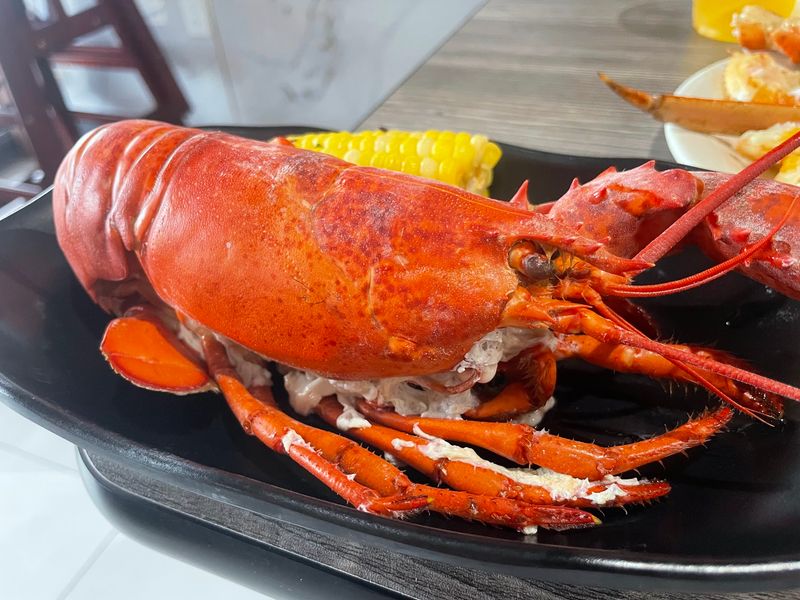
Lobster is best treated as a welcome surprise here, not an ironclad promise. It has appeared during special promotions, holiday meals, and selected weekend dinner services, sometimes with an additional charge.
On certain evenings, lobster tails may come from the kitchen rather than sitting on the open buffet. Because availability can change, calling the restaurant at 856-925-2121 before making a lobster-specific trip is the sensible move.
When the special is running, the mood around the seafood counter changes. Diners start watching for the next tray, servers field the same eager question from multiple tables, and a regular buffet dinner suddenly feels closer to a seafood celebration.
Lobster does not need much decoration to make an impression. Drawn butter and lemon are enough, especially when the meat is served warm and the next round is already on its way.
The rotating format also explains part of the appeal. A buffet that served exactly the same premium dishes every day would quickly lose its sense of discovery.
Here, lobster might share the spotlight with snow crab legs, Dungeness crab, shrimp, mussels, crawfish, or grilled scallops, depending on the service. Even lightly fried frog legs have been known to appear with crispy onions and chili, giving adventurous diners an unexpected detour between more familiar seafood choices.
A little strategy helps when lobster is available. Starting with a modest portion prevents one rich dish from overwhelming the entire meal, while butter, fried foods, and sugary drinks can fill available space faster than expected.
Most importantly, guests should confirm the special instead of assuming the word “lobster” applies to every lunch and dinner. Osaka’s regular seafood selection is substantial on its own, but those promotional lobster appearances turn an already generous spread into the kind of meal families discuss before they have even left the parking lot.
Snow Crab Legs Keep Seafood Lovers Returning for More
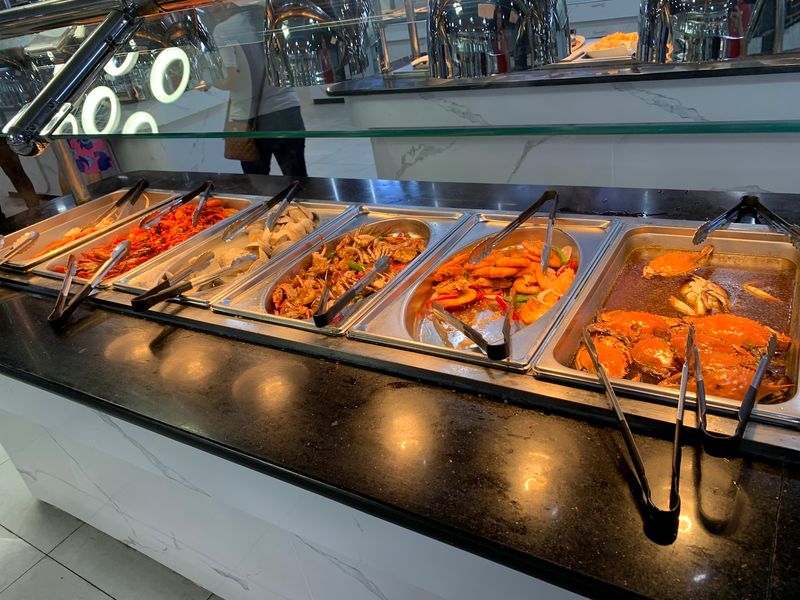
Watch the snow crab tray during a busy dinner and a small pattern emerges. A fresh batch arrives, the nearest diners notice, and suddenly several people decide it is time for another lap.
Crab legs are among Osaka’s biggest draws, offering the familiar combination of sweet meat, drawn butter, and just enough work to make every cleanly cracked piece feel earned. The restaurant lists snow crab among its seafood offerings, although buffet dishes can rotate and availability may vary during service.
Diners who want to take crab home can purchase snow crab legs from the buffet-to-go section by weight. The listed price is $21.99 per pound, while other all-seafood takeout selections are priced at $11.99 per pound.
Those separate rates explain why crab legs should not be mixed casually into a standard takeout container. At the table, smaller portions are usually the smarter approach.
A towering pile looks impressive for about thirty seconds, but crab cools quickly and abandoned shells consume an astonishing amount of space. Taking a few clusters, cracking them while they are hot, and returning later produces a better meal than attempting to construct a shellfish monument on the first trip.
Shell crackers, discard bowls, and extra napkins keep the operation under control. Crab is only the beginning of the shellfish choices.
Coconut shrimp brings a sweet, crisp coating, black-pepper preparations add a savory kick, and steamed shrimp offers a cleaner alternative between richer bites. Mussels, crawfish, squid, stuffed shrimp, and grilled scallops may also appear, creating enough variety to prevent every plate from looking identical.
Fresh trays naturally move fastest during crowded periods. That can mean a short wait, but high turnover is not necessarily bad news at a buffet.
Rather than hovering beside an empty pan, it is easier to sample another station and return a few minutes later. Snow crab has built its following here because it rewards patience, reasonable portions, and a willingness to make one more trip than originally planned.
Fresh Sushi and Sashimi Add Variety to Every Plate
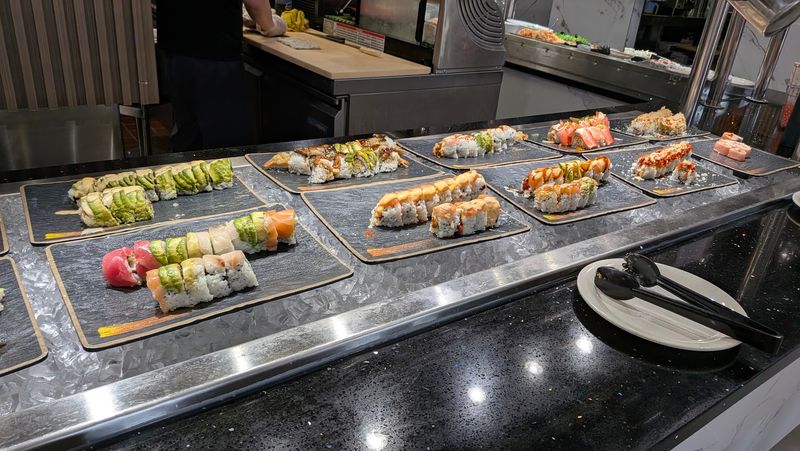
A plate holding two neat slices of salmon, a cucumber roll, and a piece of nigiri can feel almost disciplined in a room filled with fried shrimp and crab legs. Osaka’s chilled counter gives diners that lighter starting point, with chefs preparing and replenishing rolls, nigiri, and sashimi throughout service.
The selection moves from simple choices to heavier fried and sauced rolls, making it approachable for beginners without boring experienced sushi fans. There is a practical advantage to visiting this station first.
Sushi rice and delicate fish are best enjoyed before the palate gets buried beneath drawn butter, sweet sauces, and smoky hibachi flavors. Taking two or three pieces at a time also prevents the rice from drying or warming on the plate.
A buffet may encourage abundance, but sushi still rewards a little restraint. Simple rolls provide an easy entry point for younger diners or anyone unsure about raw fish.
Cucumber rolls and cooked combinations keep things familiar, while salmon, nigiri, and sashimi offer a more direct taste of the seafood itself. Soy sauce, pickled ginger, and wasabi are available nearby, although a quick look around the counter is sometimes necessary before declaring anything missing.
The open preparation area adds welcome movement. Instead of encountering one static display, guests can see chefs cutting fish and assembling fresh batches as popular items disappear.
During quieter periods, polite requests for a particular roll may sometimes be accommodated, though that depends on the kitchen’s workload. Saturday dinner is not the moment to request a complicated custom creation and stare dramatically at the chef.
Sashimi is also available for takeout at a listed price of $20.99 per pound, higher than the restaurant’s general sushi and seafood rate. For dine-in guests, however, the real value comes from being able to mix small portions with the wider buffet.
A few slices of salmon can lead into steamed shrimp, hibachi vegetables, or dim sum without forcing the meal into one category.
Made-to-Order Hibachi and Ramen Go Beyond the Typical Buffet
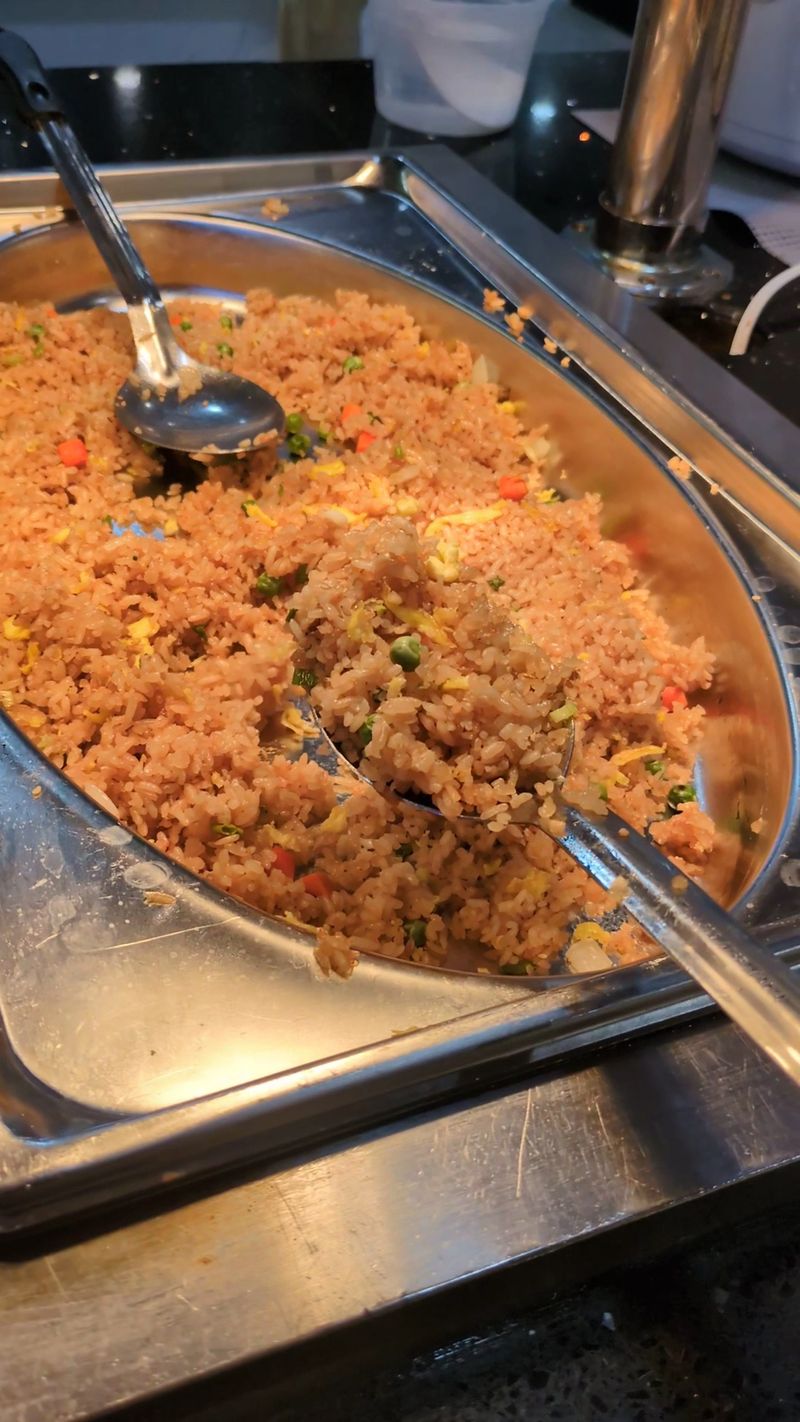
The sharp hiss of ingredients hitting the hibachi griddle is a useful reminder that not everything at Osaka has been waiting in a warming tray. Guests choose their proteins, vegetables, noodles, and other additions, then hand the bowl to a cook who prepares the combination on the spot.
It brings customization and fresh-off-the-grill heat into a meal otherwise built around self-service stations. This is where diners can correct some of their earlier decisions.
After a plate heavy on fried food, a bowl of vegetables and lightly seasoned protein feels remarkably sensible. Cooks may be able to adjust sauces, oils, or preparation methods when asked clearly, which is helpful for guests with dietary preferences or sensitivities.
The station gets busier during peak dinner hours, so choosing ingredients before reaching the counter keeps the line moving. Ramen provides a different kind of made-to-order comfort.
Osaka lists tonkotsu, miso, and seafood varieties, each offering a warmer, brothier break from cold shellfish and sushi. Tonkotsu brings a rich pork-based foundation, miso delivers savory fermented depth, and seafood broth fits naturally with the rest of the meal.
Noodles and toppings come together as a bowl rather than spending the entire service softening under heat lamps. A small portion is the best first move.
Ramen can occupy stomach space with startling efficiency, particularly after sushi rice, crab legs, and dim sum. Sampling a modest bowl leaves room to decide whether the broth deserves a larger return visit or whether attention should shift back to the seafood counter.
Beyond these two stations, the hot line broadens the meal with beef short ribs, steak and potatoes, chicken wings, General Tso’s chicken, udon, shumai, and shrimp shumai. Together, those choices make Osaka more flexible than a seafood-only restaurant.
One diner can work through crab and sashimi while a tablemate orders hibachi, grabs ramen, and finishes with chicken wings. Everyone gets the same buffet experience without having to eat the same dinner.
Smart Timing Helps Diners Catch the Best Selection
Price and timing shape the Osaka experience more than any elaborate buffet technique. Weekday lunch runs from 11 a.m. to 3:30 p.m. and is listed at $18.99 for adults.
Dinner begins at 3:30 p.m., costing $33.99 for adults from Monday through Friday. The restaurant closes at 10 p.m.
Monday through Thursday and at 10:30 p.m. on Friday. Saturday, Sunday, and major holidays follow the all-day dinner buffet price of $33.99.
Children ages six through ten are listed at $10.99 during weekday lunch and $16.99 during dinner or the weekend buffet. For ages three through five, the corresponding prices are $7.99 and $9.99.
Groups of six or more should expect a 15 percent gratuity to be added to the bill. Prices, promotions, and hours can change, particularly around holidays, so confirming current information before a long drive prevents an awkward surprise at the host stand.
Lunch works well for diners who value a calmer room and a lower price, but it may not include every premium item associated with dinner. Evening service generally offers the fullest seafood selection, while weekends can bring additional variety alongside larger crowds.
Anyone hoping for lobster should call ahead because it remains a rotating special rather than a guaranteed daily fixture. Arriving near the beginning of a service period usually means freshly stocked stations, shorter hibachi lines, and easier booth selection.
Peak dinner hours create faster turnover at popular trays, but they also bring more competition for snow crab and longer waits at made-to-order counters. Late evening may be quieter, though selections can rotate as closing approaches.
Giving the meal at least an hour allows time for sushi, seafood, hibachi, and dessert without stacking every possible flavor onto one overloaded plate. Fresh plates for each trip, modest first portions, and pauses between rounds make a noticeable difference.
At Osaka, the strongest meal is rarely the one with the biggest opening plate. It is the one that leaves enough room for the fresh tray that appears twenty minutes later.