A marble-sealed bottle of melon Ramune rolls past a tray of sea urchin, while someone nearby is deciding between miso ramen and a fish-shaped cake filled with sweet red bean paste. That is an ordinary few minutes at Mitsuwa Marketplace in Edgewater, where grocery shopping has a habit of turning into an all-afternoon food adventure.
The sprawling Japanese market sits along River Road, directly across the Hudson from Manhattan, and brings together imported groceries, fresh seafood, prepared meals, sweets, kitchenware, books, collectibles, and beauty products.
Its warehouse-like interior is not fancy, but that hardly matters once the smell of tempura starts drifting out of the food court.
Some visitors arrive with a detailed shopping list. Others come for lunch and leave carrying Pocky, manga, matcha soft serve, and a rice cooker they had no intention of buying.
Mitsuwa makes a quick trip to Edgewater feel surprisingly close to a day spent wandering through Tokyo.
Mitsuwa Marketplace Brings a Taste of Tokyo to Edgewater
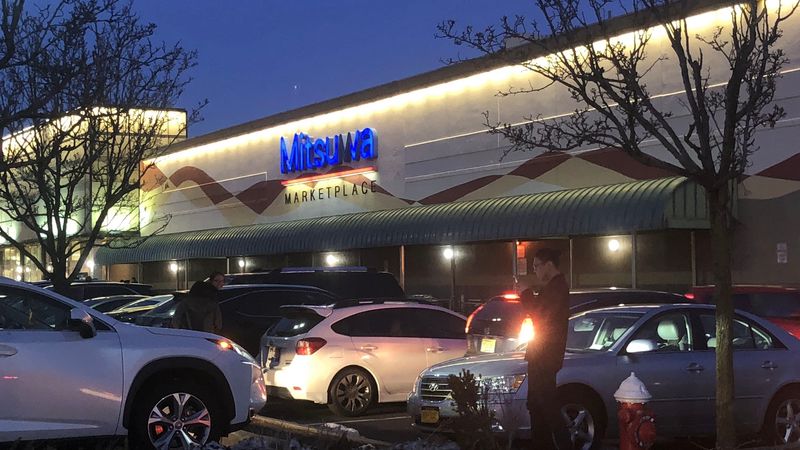
Mitsuwa is much more than an unusually well-stocked supermarket. The Edgewater location functions like a compact Japanese shopping center, with a grocery store at its core and an entire collection of places to eat, browse, and linger around it.
One side might tempt you with neatly arranged produce and premium rice, while another leads toward steaming bowls of noodles, Japanese stationery, ceramics, cosmetics, and shelves of colorful sweets. The variety gives the market an energy that feels closer to a busy urban food hall than a standard grocery run.
The setting makes the experience even more distinctive. Mitsuwa stands at 595 River Road, squeezed between the Palisades and the Hudson River in one of North Jersey’s busiest waterfront communities.
Step outside after shopping and the Manhattan skyline stretches across the water, providing a fairly spectacular backdrop for eating a pastry from a paper bag. It is difficult to think of another supermarket where a container of onigiri comes with that kind of view.
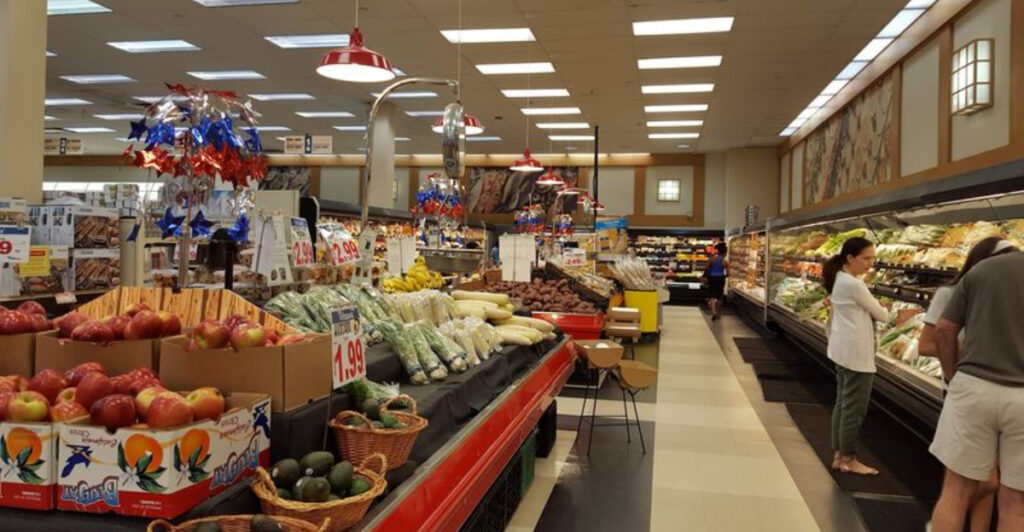
Inside, the grocery aisles cover the building blocks of Japanese cooking in impressive depth. There are multiple varieties of miso, soy sauce, curry roux, seaweed, furikake, dashi, pickled vegetables, and short-grain rice.
Noodles appear fresh, dried, and frozen, with sections devoted to ramen, udon, soba, and somen. The produce department carries ingredients such as daikon, shiso, Asian pears, and occasionally fresh wasabi, which is very different from the bright green paste served at many American restaurants.
First-time visitors should expect a practical warehouse layout rather than a polished boutique. The shelves are packed, the carts move quickly, and labels on some imported products contain limited English.
Staff members are accustomed to helping shoppers identify unfamiliar ingredients, however, and exploring is part of the fun. What begins as a search for soy sauce can easily become a lesson in how many kinds of soy sauce actually exist.
The Food Court Serves Ramen Tempura and Japanese Comfort Food
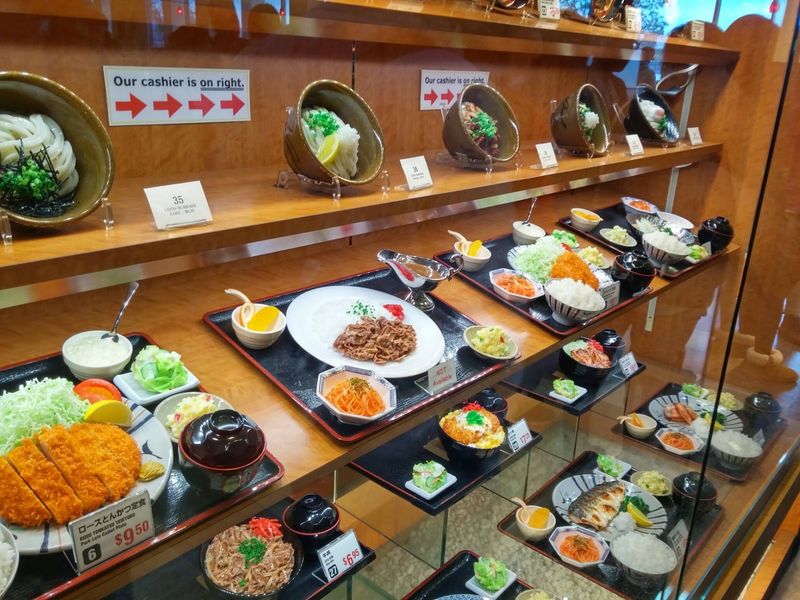
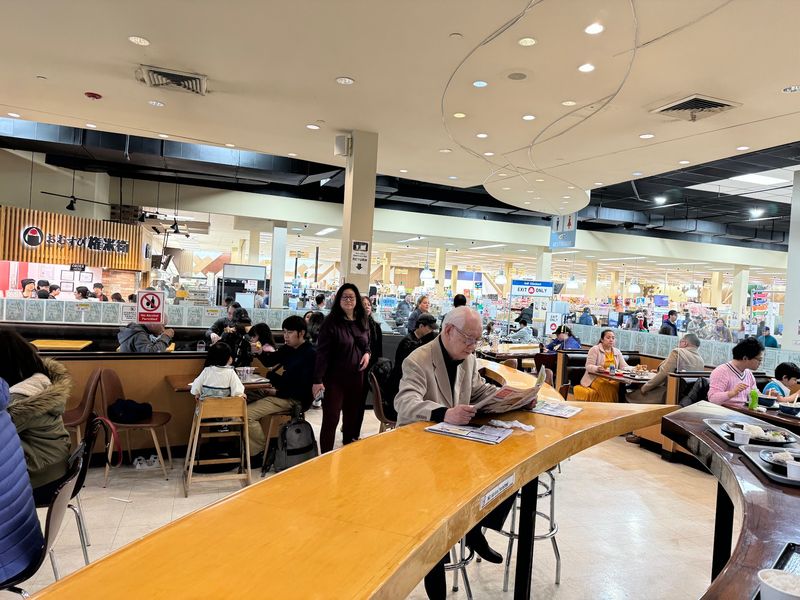
Follow the sound of trays hitting tables and you will find the part of Mitsuwa that inspires many people to drive across North Jersey. The food court gathers several specialized counters in one busy space, allowing everyone in a group to order something different.
One person can choose ramen, another can grab tempura, and a third can return with curry or udon. Sharing a table becomes its own informal tasting menu.
Santouka Ramen is one of the best-known names in the lineup. The Japanese chain specializes in Hokkaido-style ramen, pairing springy noodles with deeply savory broth and tender slices of pork.
Shio is its signature flavor, though miso and spicy miso are reliable choices when the weather along the Hudson turns cold. The bowls are rich enough to make an Edgewater grocery store feel like a perfectly reasonable destination for lunch.
For something crisp, Hannosuke focuses on tempura served over rice. Its Edomae-style tendon can arrive topped with shrimp, eel, vegetables, and a soft-cooked egg, all finished with a sweet-savory sauce.
The contrast between crunchy batter, warm rice, and runny yolk makes it the kind of dish that attracts curious looks from neighboring tables. Other counters broaden the options with beef udon, karaage chicken, katsu curry, gyoza, Japanese hamburger steak, and bento-style meals.
There is a useful strategy for eating here on a busy day. Divide the ordering duties, claim a table when one opens, and sample from several counters rather than committing the entire meal to a single dish.
Weekend waits can stretch beyond 15 or 20 minutes, especially around lunchtime, and seating disappears quickly. Weekday late mornings are noticeably calmer.
The bustle is part of the appeal. Orders are called, broth steams under bright lights, and trays of fried food travel past shopping carts.
It feels lively and practical, with no attempt to turn comfort food into a formal occasion. You choose a counter, find a seat, and concentrate on keeping the last piece of tempura from being claimed by someone else.
Fresh Sushi and Sashimi-Grade Seafood Make the Trip Worthwhile
The seafood cases are arranged with the precision of a jewelry display, except the treasures are blocks of tuna, silver-skinned mackerel, salmon roe, sea urchin, and carefully portioned slices of sashimi-grade fish.
Selection changes with availability, but specialty items can include Japanese madai, kanpachi, uni, and other imports rarely spotted in an ordinary New Jersey supermarket.
For home cooks who care about sourcing, this department alone can justify the drive. Not everyone wants to spend the evening rolling maki, of course.
Mitsuwa keeps its prepared cases stocked with sushi combinations, chirashi bowls, kaisen-style seafood assortments, and rice boxes ready to take home. These are not the thin, tired rolls that sometimes linger under supermarket lights.
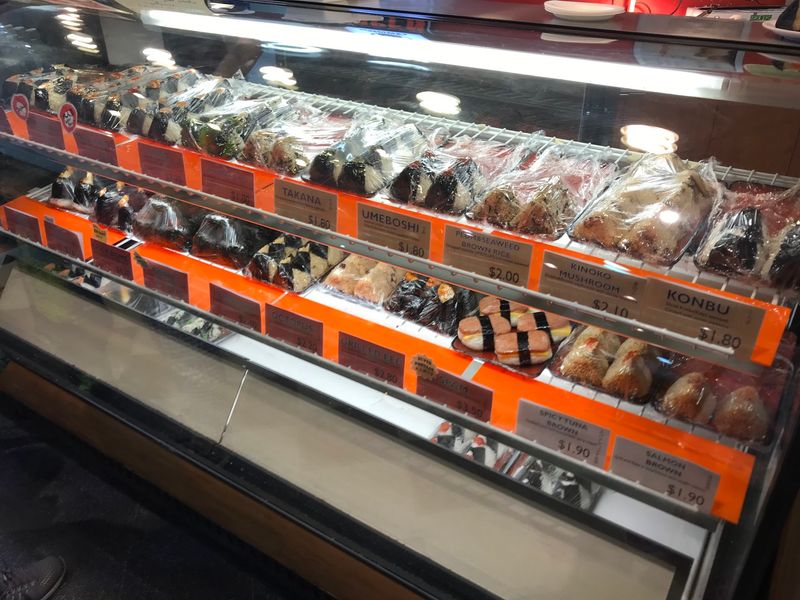
Many options feature generous slices of fish arranged over properly seasoned rice, making them useful for a quick lunch or an easy dinner that looks far more ambitious than it was. Onigiri provides an even simpler option.
These compact rice triangles and balls come wrapped with seaweed and filled with choices such as salmon, spicy tuna, and other savory combinations. The packaging is designed to keep the nori separate until opening, so it stays crisp rather than turning soft against the rice.
Figuring out the numbered wrapper can feel like a tiny puzzle the first time, but the payoff is an inexpensive snack that travels well. Cooked seafood appears nearby, too.
Depending on the day, shoppers may encounter fried oysters, squid, grilled eel over rice, croquettes, or other prepared dishes that need little more than reheating.
Thinly sliced meats for shabu-shabu and sukiyaki are also sold in the refrigerated section, making it possible to assemble a full Japanese-style hot pot meal without hunting through several stores.
Earlier is better if seafood is the main reason for visiting. Popular cuts and prepared selections can thin out by late afternoon on crowded weekends.
Anyone driving a substantial distance should also bring an insulated bag, particularly during a humid New Jersey summer. Mitsuwa can help with ice, but sashimi and Turnpike traffic are not a combination worth gambling on.
Colorful Snack Aisles Turn Shopping Into a Treasure Hunt
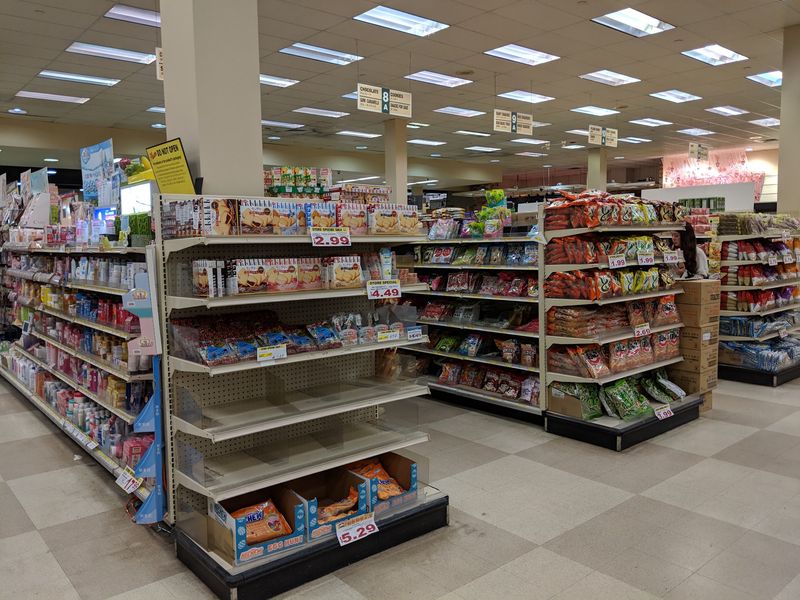
A sensible shopping list lasts about three minutes in the snack section. One shelf has matcha Pocky, the next has seaweed-flavored potato chips, and then a seasonal candy appears in packaging so cheerful that leaving it behind feels unnecessarily stern.
Many products are imported from Japan, while others are flavors and varieties seldom carried by conventional American supermarkets. Ramune is an easy starting point for first-timers.
The glass bottles are sealed with a marble that must be pushed into the neck before drinking, creating a small burst of theater before the soda is even tasted. Melon and strawberry are popular flavors, but the selection can extend to lychee, peach, grape, and other varieties.
Children tend to love the bottle mechanism, while adults sometimes need a second attempt and a brief moment of humility. Pocky occupies its own colorful universe.
Beyond familiar chocolate-covered biscuit sticks, shoppers may find strawberry, matcha, cookies and cream, almond, or limited seasonal editions. Kit Kats also appear in Japanese flavors that can range from green tea to sweet potato, depending on what has been imported.
Savory choices are just as tempting, with rice crackers, shrimp chips, seaweed-seasoned snacks, wasabi peas, and Calbee potato chips filling nearby shelves. The freezer and refrigerated cases continue the hunt.
Mochi ice cream, frozen taiyaki, dumplings, steamed buns, and ready-to-cook ramen make it dangerously easy to fill an entire basket before reaching the pantry staples. Fresh croquettes and prepared foods add another layer of temptation for anyone who thought snacks meant only candy.
Prices can run higher than those at a standard supermarket because many goods have crossed the Pacific before reaching Edgewater. That makes a little restraint useful, particularly when every package seems designed to catch the eye.
Still, the selection rewards curiosity. Pick one familiar favorite, one flavor that sounds questionable, and one item chosen entirely because the mascot on the bag made you laugh.
That is usually a much more interesting haul than buying six versions of the same chocolate bar.
Manga Gachapon and Japanese Goods Go Beyond Groceries
Food may get people through the door, but the surrounding shops make Mitsuwa feel like a miniature day trip. Kinokuniya is the major draw for readers, artists, and stationery fans.
The Japanese bookstore carries manga, magazines, art books, language materials, pens, notebooks, and carefully designed paper goods. Even shoppers who cannot read Japanese can lose plenty of time flipping through illustration books or comparing mechanical pencils with an intensity usually reserved for major purchases.
Then there are the gachapon machines. These capsule-toy dispensers offer tiny figures, character key chains, miniature food replicas, and collectibles based on anime, games, and bits of Japanese pop culture.
The surprise is central to the fun. You insert the required tokens, turn the dial, and hope the capsule contains the character you wanted rather than the one you already received twice.
Individual attempts are inexpensive enough to seem harmless, though determined collecting can change that arithmetic quickly. Anime and hobby merchandise extends beyond the machines.
Depending on the current tenants and stock, shoppers can find trading cards, plush characters, figures, toys, and gifts that would otherwise require an online order. Nearby Daiso adds household goods, storage containers, kitchen gadgets, craft supplies, and small accessories to the mix.
It is the sort of store where a practical search for chopsticks somehow ends with a tiny vegetable-shaped sponge in the basket. The market itself carries plenty of nonfood merchandise as well.
Japanese rice bowls, teacups, bento boxes, cookware, knives, rice cookers, and utensils line the home-goods area. The beauty section offers Japanese skincare, hair products, face masks, and cosmetics, giving curious shoppers another reason to wander beyond the grocery aisles.
Together, these departments capture the delight of browsing without a strict goal. A bag of rice may be the official reason for visiting, but a manga volume, ceramic bowl, and mystery capsule are the purchases most likely to be discussed on the ride home.
Matcha Soft Serve and Warm Taiyaki End the Visit on a Sweet Note
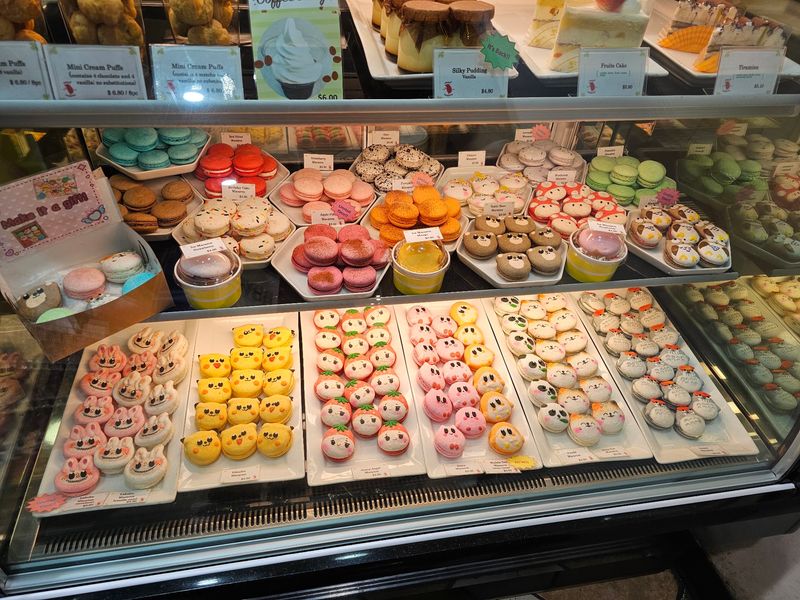
Saving dessert for last requires discipline at Mitsuwa because the sweet options begin appearing almost immediately. Bakery cases display fluffy milk bread, melon pan, curry bread, cream-filled pastries, and neatly decorated cakes.
Refrigerated shelves hold mochi in numerous flavors, while imported candy fills whole stretches of the grocery aisles. The final decision often comes down to one question: should dessert be eaten now or packed for later?
Matcha soft serve is the classic answer for eating on the spot. Its flavor is earthy, slightly bitter, and creamy enough to balance the green tea’s sharper edge.
Black sesame offers a nuttier, toastier alternative, and seasonal toppings can make a simple cone considerably more elaborate. Kai Sweets and Kai Creamery are popular stops for these Japanese-inspired desserts, especially when the food court is crowded and something cold sounds better than another full meal.
Warm taiyaki creates a completely different experience. The fish-shaped cake is cooked in a molded iron until the outside develops a lightly crisp edge while the center remains soft.
Sweet red bean paste is the traditional filling, though custard and other variations may appear. Despite the shape, there is no fish flavor involved.
The design is tied to tai, or sea bream, a fish associated with good fortune in Japan. Mochi donuts bring still another texture.
Made in connected rings of small dough balls, they have a springy chew that separates them from a standard cake or yeast donut. Crepes filled with fruit and cream, character-shaped macarons, and packaged mochi can easily turn one dessert into three.
The best table may actually be outside. Benches along the Hudson place the Manhattan skyline directly across the water, where the Empire State Building and Midtown towers rise behind passing ferries.
After ramen, sushi, snacks, manga, and several laps of the market, finishing a warm taiyaki beside the river feels like the right kind of ending—uncomplicated, slightly indulgent, and distinctly Edgewater.