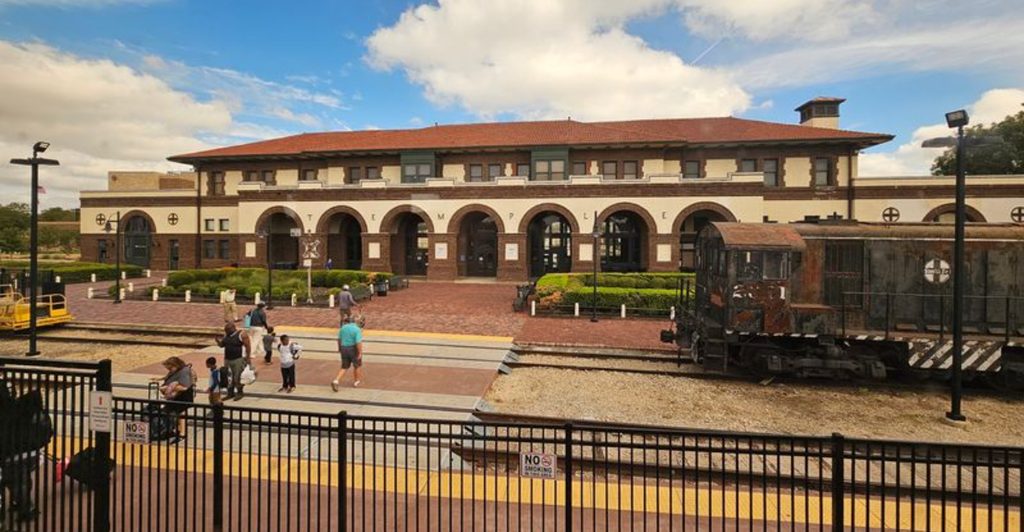
Temple’s Santa Fe Depot stands as a proud reminder of when steam engines ruled the rails and passenger travel meant something special. Built in 1911, this beautifully restored railroad station at 315 W Avenue B keeps its original ticket windows gleaming behind the same counters where travelers once purchased their journeys across Texas and beyond. Today, it serves as both a museum and heritage center, welcoming visitors Tuesday through Saturday to explore railroad history and imagine the bustling depot life of over a century ago.
1. Those Original Ticket Windows That Started It All
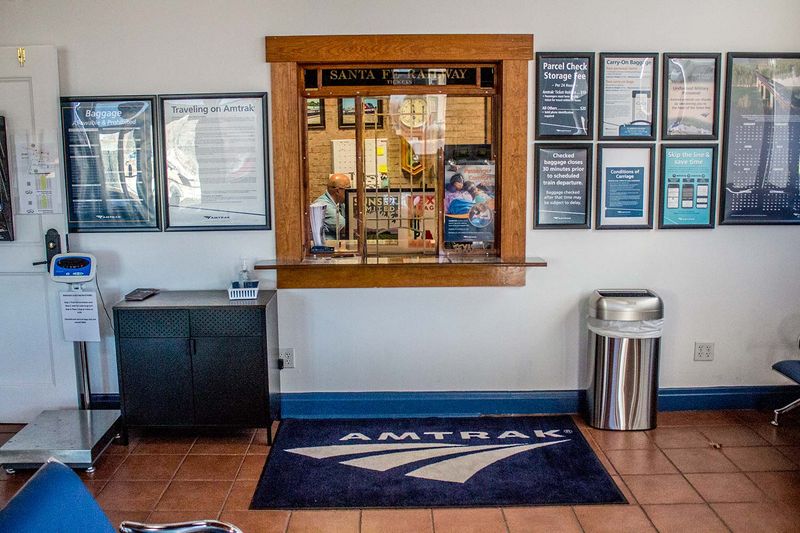
Walk through the front doors and you’ll spot them immediately. The ticket windows look exactly as they did when the depot first opened for business back in 1911. Brass fixtures shine under careful preservation, and the wooden counters show the gentle wear of thousands of hands that once slid money across to purchase passage.
These weren’t just windows. They represented hope, adventure, and connection during an era when railroads meant everything to small Texas towns. Families said tearful goodbyes here while soldiers headed off to war, businessmen conducted deals, and young people set off to see the world beyond Temple’s city limits.
The depot staff has maintained these features with remarkable attention to detail. You can still see the original ticket slots where agents would slide paper tickets through to waiting passengers. The wood grain tells stories of countless transactions, each one a small moment in someone’s bigger journey.
Standing before these windows feels like stepping into a time machine. The craftsmanship speaks to an era when buildings were constructed to last generations, not just decades. Every detail, from the brass hardware to the carefully preserved woodwork, reminds visitors that this was once the heartbeat of Temple’s connection to the wider world.
Photography enthusiasts love capturing these windows because they embody authentic Texas railroad heritage without any modern reconstruction getting in the way.
2. A Building That Refused To Fade Away
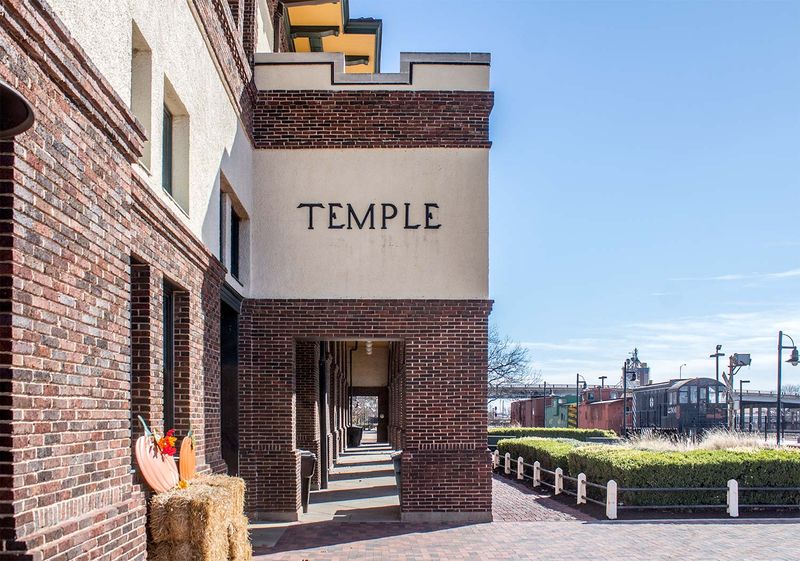
Most old railroad stations across America met the wrecking ball decades ago. Temple’s Santa Fe Depot survived because locals fought to keep it standing when passenger rail service ended. That determination paid off beautifully, and now visitors can experience an authentic piece of Central Texas railroad architecture that’s increasingly rare.
The building’s red brick exterior has weathered over a century of Texas sun, storms, and changing times. Its classic depot design features the long, low profile typical of early 1900s railroad architecture, built to accommodate both passenger services and freight operations under one roof. The structure was designed for practicality, but it also possesses an understated elegance that catches your eye.
Restoration efforts began in earnest during the 1980s when community members recognized the depot’s historical value. Workers carefully preserved original materials wherever possible, matching new elements to old specifications when repairs became necessary. The result feels genuinely historic rather than artificially recreated.
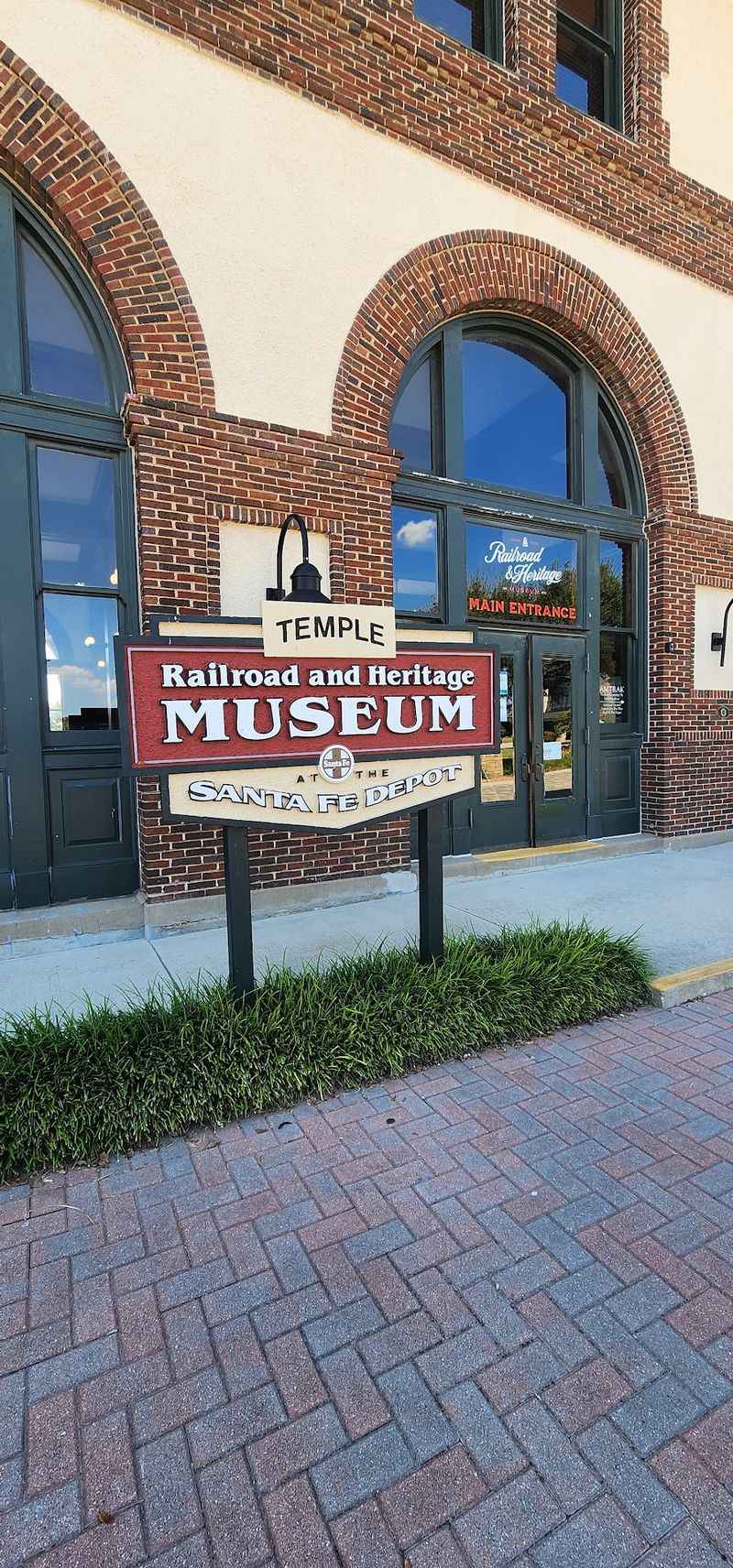
Today, the Temple Parks and Recreation Department maintains the building as part of the Temple Railroad and Heritage Museum. Their stewardship ensures future generations can appreciate this slice of transportation history. The depot opens Tuesday through Saturday from 10 AM to 4 PM, making it accessible for both tourists and school groups interested in Texas railroad heritage.
At just four dollars for admission, it’s one of the best historical bargains in Central Texas.
3. Where Weddings Meet Railroad Romance
Here’s something unexpected about a 111-year-old railroad station. It makes an absolutely perfect wedding venue, and couples have been discovering this charming secret for years. The depot’s authentic atmosphere creates a backdrop that no modern event space can match, blending history with celebration in ways that feel both unique and deeply romantic.
One couple raved about their December reception here, praising how the old station’s character enhanced their special day. The venue doesn’t provide catering or alcohol service, but that flexibility actually works in your favor since you can bring your own caterer and beverages. The staff earns consistent praise for their helpfulness in making events run smoothly.
Imagine exchanging vows or celebrating with guests surrounded by the same walls that once echoed with train whistles and conductor calls. The original architectural details provide natural decoration that saves couples money while delivering an ambiance that feels genuinely special. Exposed brick, vintage fixtures, and those famous ticket windows create photo opportunities that modern venues simply cannot replicate.
The space accommodates various event sizes, and the Temple Parks and Recreation Department handles rental arrangements. Booking information is available through their website or by calling the depot directly. Many couples appreciate that their wedding becomes part of the building’s ongoing story, adding their own chapter to over a century of human moments celebrated within these walls.
Your great-grandchildren might someday visit this same depot and imagine your celebration happening right where they stand.
4. Railroad Artifacts That Tell Temple’s Transportation Story
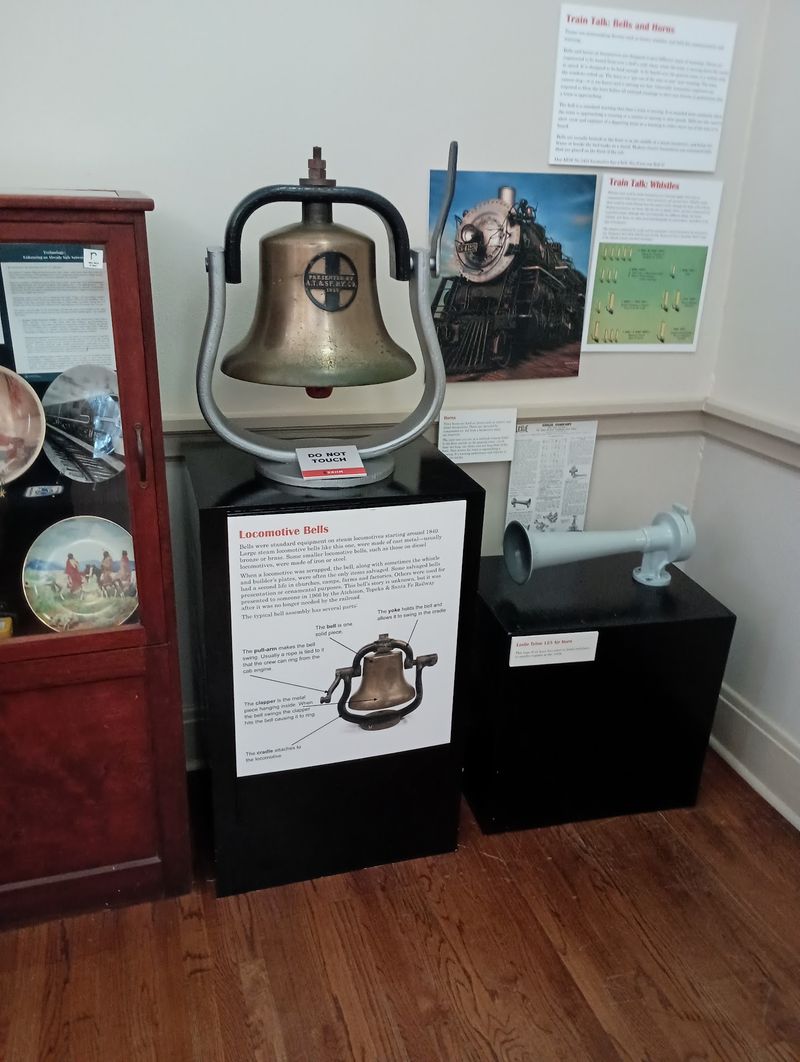
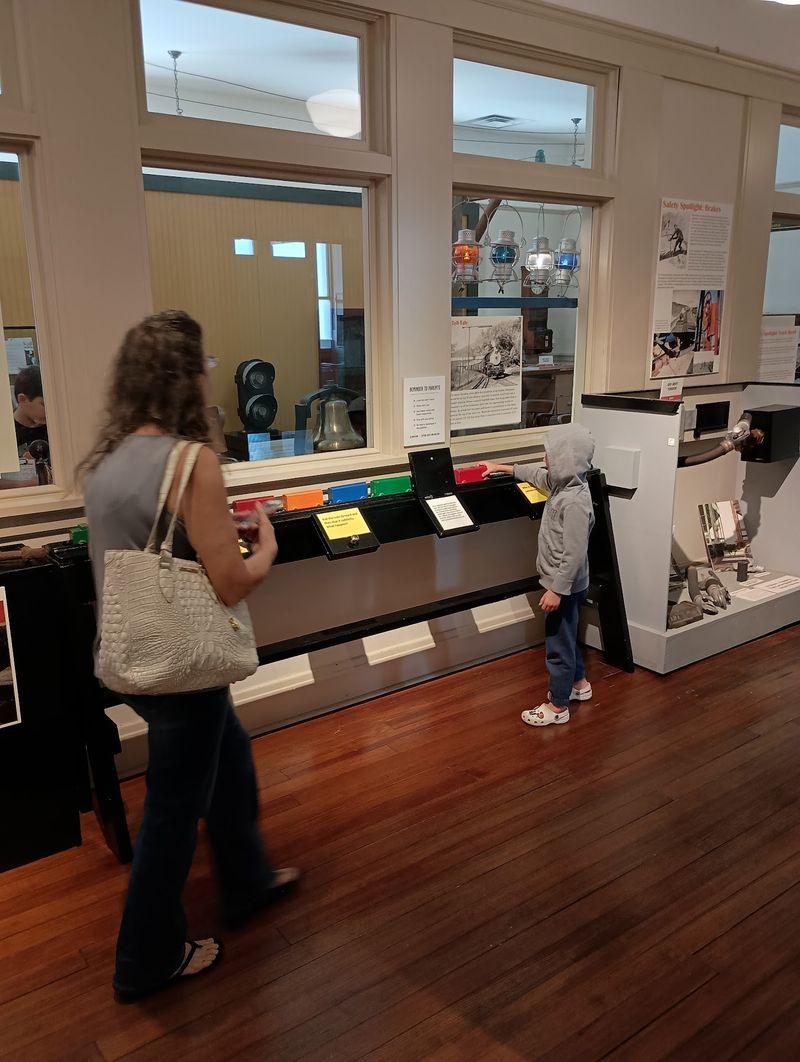
Beyond those famous ticket windows, the depot houses a fascinating collection of railroad artifacts that bring Temple’s transportation heritage to life. Lanterns that once guided workers along dark tracks sit beside tools used to maintain miles of steel rail. Uniforms worn by conductors and station agents hang as silent witnesses to countless journeys that began or ended right here.
The Temple Railroad and Heritage Museum doesn’t just display random old stuff. Each artifact connects to specific stories about how railroads shaped Central Texas development. You’ll find timetables showing routes that linked Temple to Dallas, Houston, San Antonio, and beyond during the golden age of passenger rail travel.
Photographs mounted throughout the building capture the depot during its busiest decades. Black and white images show platforms crowded with travelers, freight cars loaded with cotton and cattle, and station workers posing proudly in their Santa Fe Railroad uniforms. These pictures help visitors understand just how vital this building was to Temple’s economy and social life.
Kids especially enjoy the hands-on elements and scaled models that explain how steam engines worked and why railroad towns like Temple grew so rapidly in the early twentieth century. The museum manages to educate without feeling stuffy or boring, maintaining that friendly Texas hospitality throughout your visit.
Volunteers and staff members often share additional stories not found on the exhibit labels, so don’t hesitate to ask questions. Their knowledge adds layers of context that make your visit richer and more memorable than simply reading displays alone.
5. Architecture That Speaks The Language Of Its Era
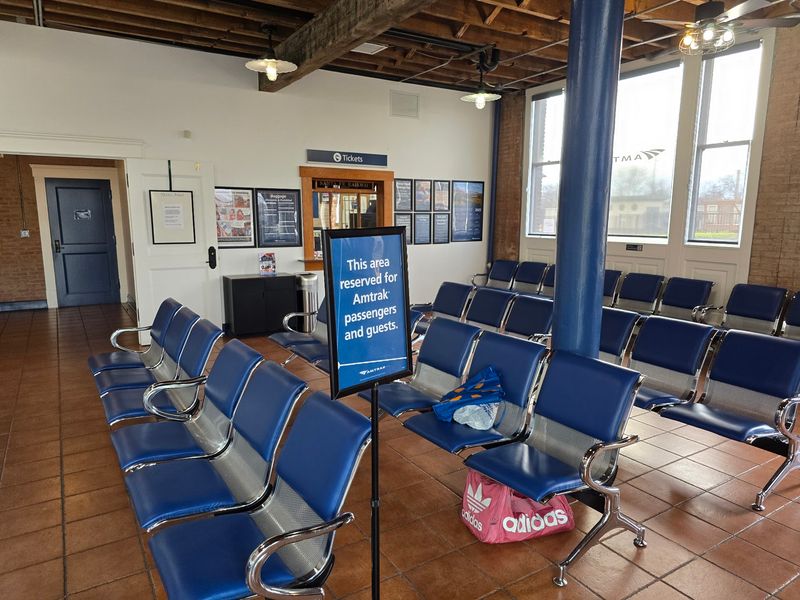
Step inside and look up. The ceiling reveals construction techniques from an era when builders took pride in every joint and beam. Wooden supports show the craftsmanship of carpenters who understood their work would serve generations.
The depot’s architectural style reflects the practical needs of railroad operations while incorporating design elements that gave the building dignity and presence.
Original flooring in certain sections has survived decades of foot traffic, its worn patterns mapping where ticket lines formed and passengers waited with their luggage. Wide doorways accommodated travelers hauling steamer trunks and cargo, while high ceilings helped keep the building cooler during brutal Texas summers before air conditioning existed.
Windows were strategically placed to allow station agents clear views of arriving trains and platforms. This wasn’t just aesthetic preference but operational necessity in an age when communication happened face-to-face rather than through electronic devices. Every architectural choice served a specific purpose in the depot’s daily functioning.
The building’s layout tells the story of how railroad stations operated. You can identify where freight was handled versus passenger services, where offices were located, and how the flow of people and goods moved through the space efficiently. Modern visitors gain appreciation for the thoughtful planning that went into these transportation hubs.
Restoration work has highlighted rather than hidden these architectural features. Exposed brick sections, original trim work, and preserved structural elements let you see the building’s bones and understand how it was constructed to withstand over a century of use and Texas weather.
6. A Museum That Doesn’t Take All Day
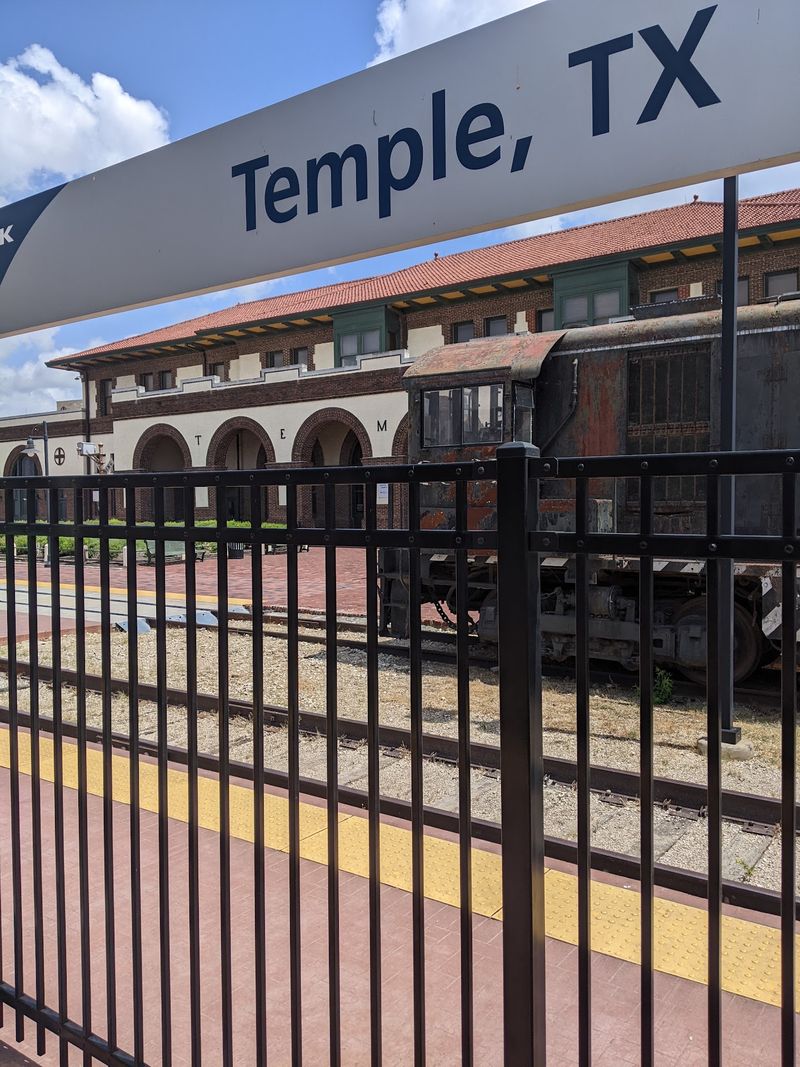
Got an hour to spare while you’re in Temple? Perfect. That’s exactly how long most visitors spend exploring the depot, making it ideal for travelers who want authentic Texas history without committing their entire afternoon.
One reviewer nailed it when they described the experience as worthwhile for four dollars if you’re passing through town and appreciate history.
The museum’s compact size works in your favor. You won’t face the exhaustion that comes from massive museums where you spend more time walking than actually looking at exhibits. Everything here stays focused on railroad heritage and Temple’s connection to the Santa Fe line, keeping the experience coherent and digestible.
Families with younger children particularly appreciate this manageable scope. Kids can see everything without getting bored or overwhelmed, and parents don’t have to deal with meltdowns that often happen during marathon museum visits. The four-dollar admission price means you’re not making a huge financial commitment either, so there’s no pressure to extract maximum value by staying for hours.
Several reviews mention the depot as a pleasant stop along their route, suggesting it fits nicely into road trip itineraries without derailing your schedule. The Tuesday through Saturday hours from 10 AM to 4 PM give you flexibility in planning your visit around other Temple attractions or meal stops.
Sometimes the best historical experiences are the ones that respect your time while still delivering genuine insights into the past. This depot manages that balance beautifully, offering just enough to satisfy curiosity without demanding your entire day.
7. That Unbeatable Combination Of Location And Walkability
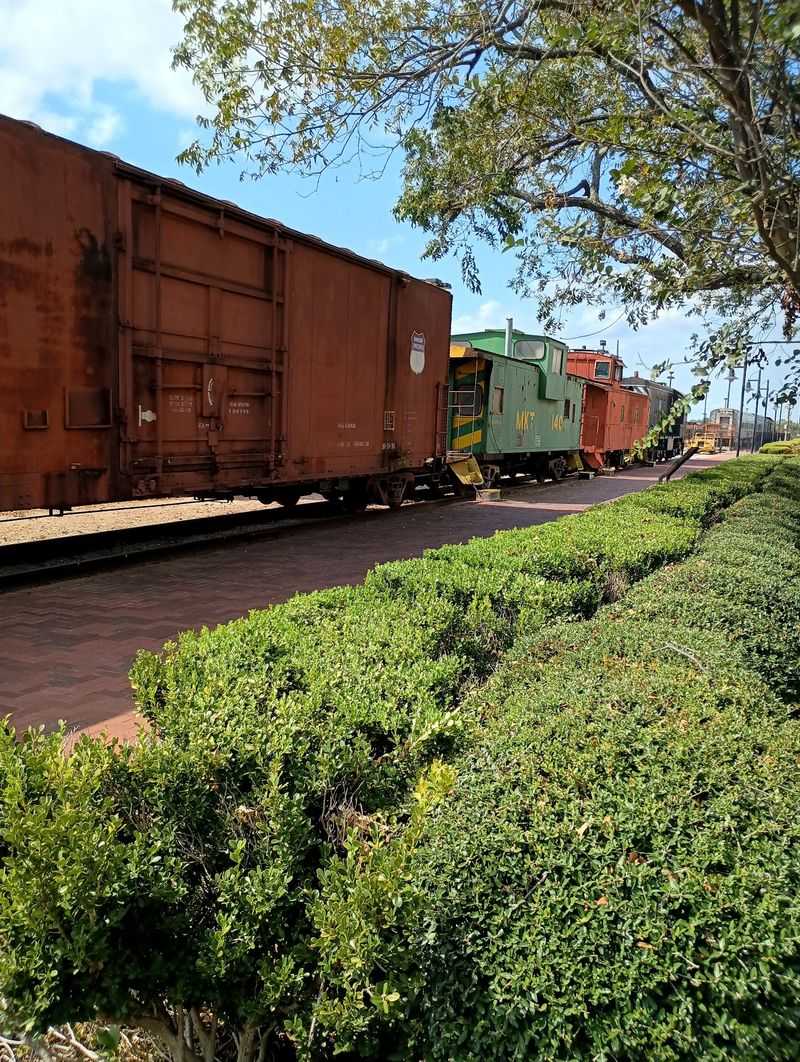
Located at 315 W Avenue B, the depot sits in a part of Temple that invites exploration on foot. Multiple reviewers specifically mentioned it as a great place for a walk, suggesting the surrounding area offers more than just the building itself. The neighborhood retains some of that old downtown character that makes Texas towns feel distinct and interesting.
Temple’s downtown area has been working to revitalize itself in recent years, and the depot serves as an anchor for heritage tourism efforts. After touring the museum, you can stroll through nearby streets and discover local businesses, restaurants, and other historic buildings that tell the broader story of this Central Texas community.
The depot’s location also makes it accessible for both locals and visitors passing through on Highway 35 or other major routes. Parking is straightforward, and the building’s proximity to other Temple attractions means you can easily combine your depot visit with lunch downtown or stops at other historical sites.
Several reviews praised the beauty of the place and its surroundings, noting it’s worth visiting simply to appreciate the scenery and architecture. The grounds around the depot have been maintained to complement the historic building, creating a pleasant environment for photography, casual walks, or just sitting outside to imagine what this spot looked like when trains still pulled up to the platform.
Temple might not be on every tourist’s radar, but the depot and its neighborhood offer the kind of authentic small-city Texas experience that’s increasingly hard to find in more developed areas.
8. Friendly Faces Behind The Preservation
Buildings don’t preserve themselves, and the Santa Fe Depot’s continued excellence owes everything to the people who care for it. Multiple reviews specifically praise the staff’s friendliness and helpfulness, suggesting that the human element makes visits here more enjoyable than the exhibits alone could achieve.
The team working at the depot clearly loves what they do. Whether you’re planning a wedding reception, bringing a school group for a field trip, or just stopping by as a curious tourist, you’ll encounter people who genuinely want you to appreciate Temple’s railroad heritage. That enthusiasm makes a difference in how visitors experience the space.
These staff members and volunteers possess deep knowledge about the depot’s history and Temple’s railroad connections. They can answer questions about specific artifacts, share stories about the building’s restoration process, or explain how the Santa Fe Railroad shaped Central Texas development. Their expertise transforms a simple museum visit into an educational conversation.
The depot’s consistent 4.8-star rating across reviews reflects this commitment to visitor experience. Even the handful of four-star reviews don’t criticize the staff but rather reflect personal preferences about museum content or time available. The human warmth visitors encounter here clearly leaves positive impressions that last long after they’ve left Temple.
In an age when many attractions feel impersonal or overly commercialized, the Santa Fe Depot maintains that small-town Texas hospitality that makes visitors feel welcomed rather than processed. The staff understands they’re not just maintaining a building but keeping alive the stories and significance of an important chapter in Texas transportation history.