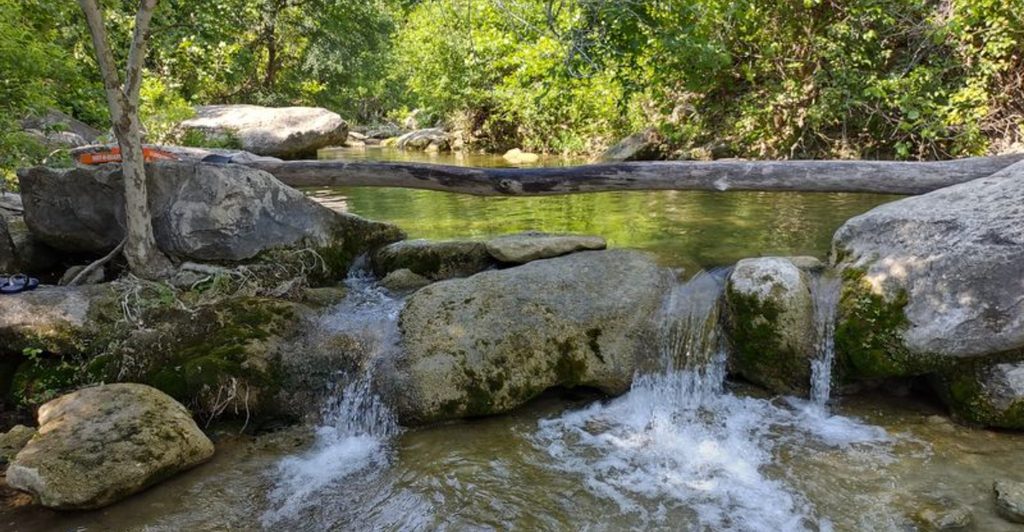
In northwest Austin, the Irving and Hazel Memorial Trail packs impressive scenery into a surprisingly short hike. This 1.3-mile loop might not seem like much on paper, but it’s loaded with waterfalls, wildflowers, and creek views that rival trails twice its length. Whether you’re a casual walker or a weekend explorer looking for your next Austin adventure, this hidden gem offers a quick escape into nature without the crowds you’ll find at more famous spots.
1. A Quick Loop with Serious Natural Beauty
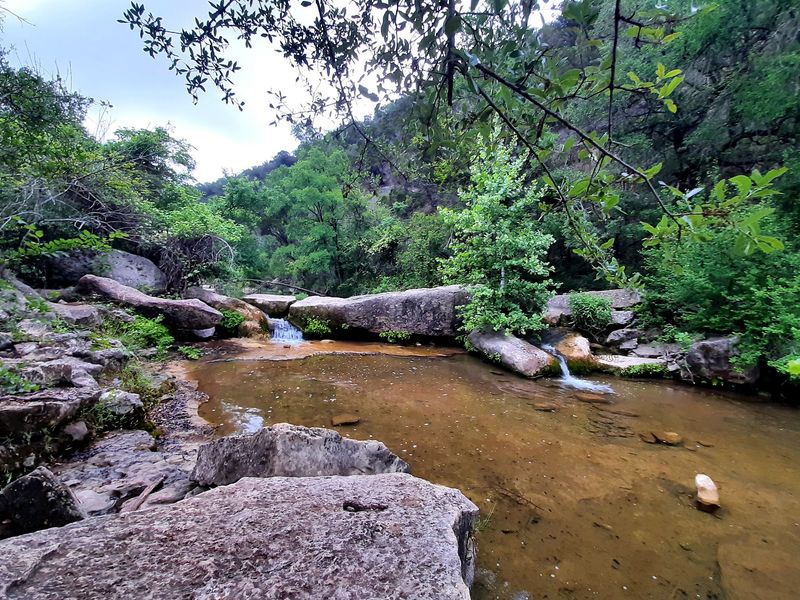
Don’t let the short distance fool you. The Irving and Hazel Memorial Trail manages to squeeze more natural eye candy into its 1.3 miles than some trails triple its size. The path winds through classic Hill Country terrain, complete with limestone outcroppings, native wildflowers that explode with color in spring, and a creek that runs clear enough to spot salamanders when the water’s flowing.
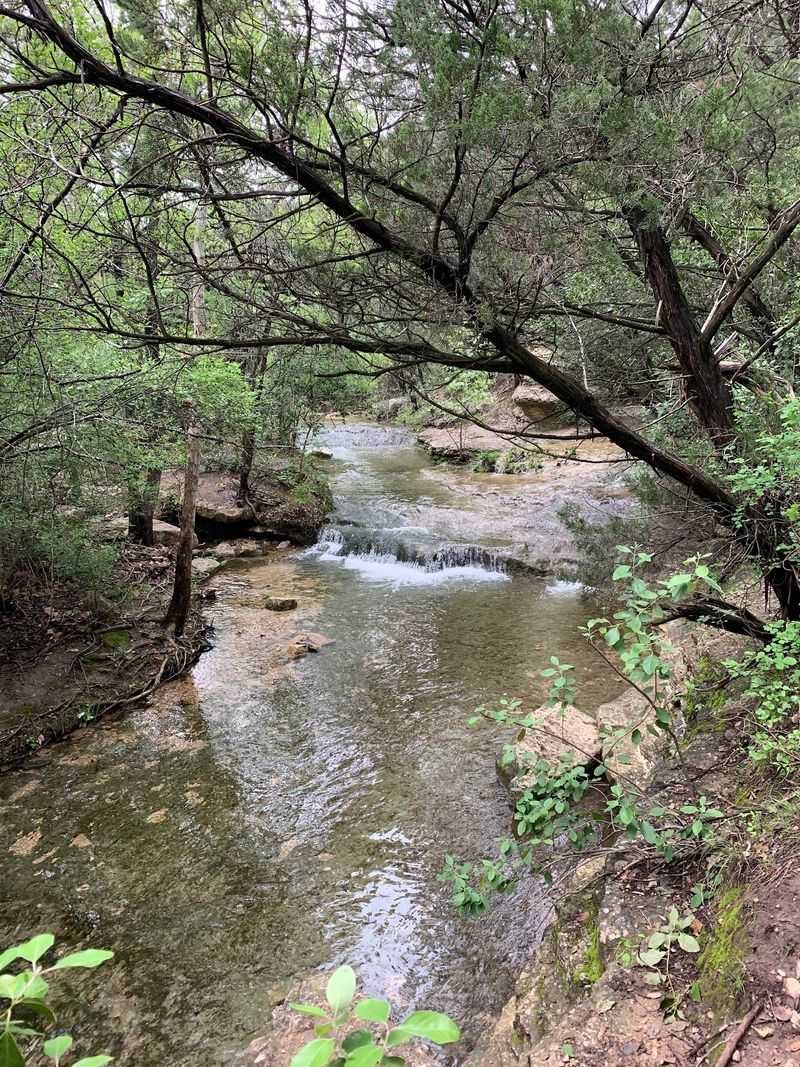
The trail follows a loop format, which means you won’t backtrack over the same ground. You’ll stay engaged the whole way as new views unfold around each bend. Tall grasses sway along certain sections, while other parts take you right down to the water’s edge where mini waterfalls tumble over smooth rocks.
Shade comes courtesy of mature trees that create a natural canopy overhead, making this a surprisingly comfortable hike even when Texas temperatures climb. The varied terrain keeps things interesting without getting too technical. You’ll navigate some rocky patches and gentle elevation changes, but nothing that requires serious hiking experience.
Located right in the Bull Creek area, this trail feels remarkably secluded despite being surrounded by neighborhoods. Traffic noise from nearby roads occasionally filters through, but it fades into background hum once you’re deep in the trees. The combination of accessibility and natural beauty makes this spot a favorite among locals who’ve discovered it, though it remains blissfully under the radar compared to Austin’s more famous outdoor destinations.
2. Waterfalls That Steal the Show
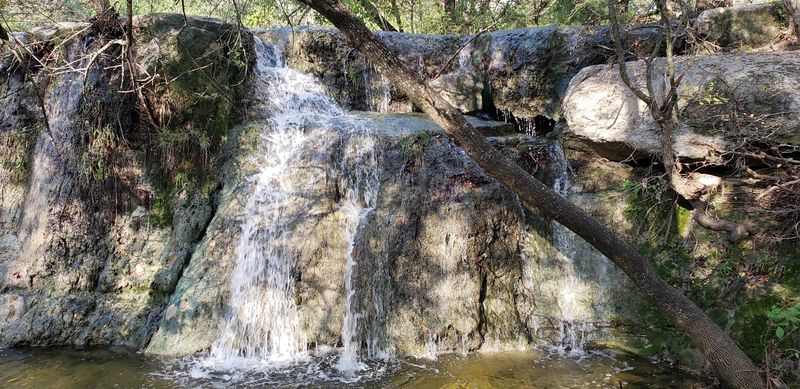
The absolute highlight of this trail is the collection of small waterfalls scattered along Bull Creek. These aren’t towering cascades, but they’re charming in their own right. Water spills over layered limestone shelves, creating multiple tiers of mini falls that photograph beautifully and sound even better.
Timing matters when it comes to waterfall viewing here. After good rains, the falls run strong and full, with water rushing over every rock ledge. During drier periods, they might slow to a trickle or disappear entirely, leaving behind interesting rock formations and pools.
October visitors have reported finding the creek full and flowing, while summer months can be hit or miss depending on rainfall.
The falls create natural gathering spots where hikers pause to rest, take photos, or simply enjoy the soothing sound of moving water. Some brave souls even bring swimsuits and wade into the shallow pools, though the water stays pretty chilly year-round. The creek bottom is rocky and uneven, so water shoes are smart if you plan to get wet.
These waterfalls also support a surprising amount of wildlife. Salamanders hide under rocks in the flowing sections, while birds flock to the water for drinking and bathing. The moisture around the falls encourages lush plant growth, creating pockets of especially green vegetation that contrast beautifully with the drier hillsides.
Photography enthusiasts love these spots for their natural composition and changing light conditions throughout the day.
3. Wildlife Watching Opportunities
Bringing binoculars? Smart move. The Irving and Hazel Memorial Trail hosts an impressive variety of wildlife for such a compact area.
Bird watchers especially appreciate the diversity here, with species ranging from common cardinals and blue jays to more elusive woodpeckers and warblers depending on the season.
The real stars, according to several hikers, are the salamanders living in the creek. These shy amphibians hide under rocks and logs in the flowing water, emerging when conditions are right. Spotting one requires patience and a careful eye, but it’s a rewarding experience when you do.
The presence of salamanders actually indicates good water quality, since these creatures are sensitive to pollution.
The trail’s no-dog policy exists specifically to protect these delicate ecosystems and the wildlife that depends on them. While some trails allow pets, keeping Irving and Hazel dog-free helps preserve the natural balance and gives smaller creatures a safe haven. This rule also means the trail stays quieter and less disturbed, which wildlife definitely appreciates.
Beyond salamanders and birds, keep your eyes open for rabbits, squirrels, and the occasional deer, especially during early morning or late afternoon hours. Wildflower enthusiasts will find plenty to photograph in spring, when native blooms carpet the hillsides in purple, yellow, and red. Even the plant life tells a story here, with informational signs along the trail teaching visitors about local flora and the Hill Country ecosystem.
4. Perfect Length for Multiple Uses
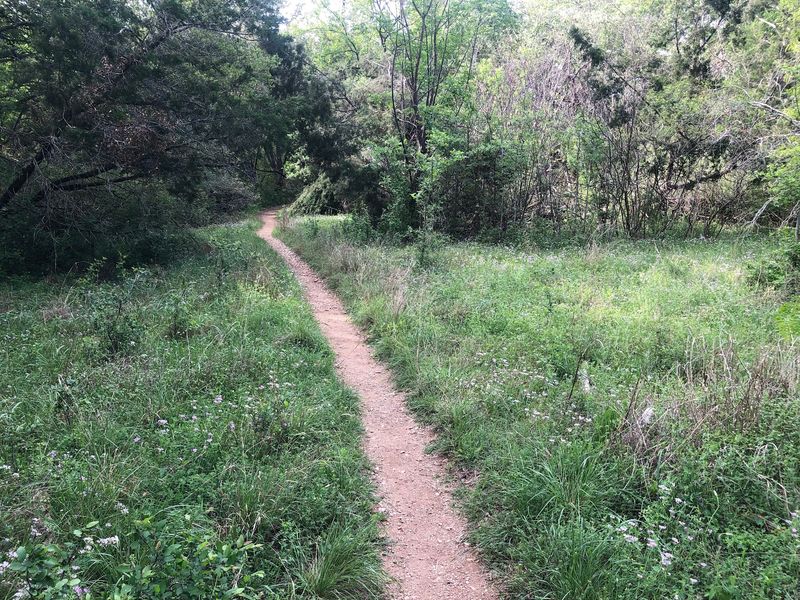
At 1.3 miles, this trail hits a sweet spot that works for almost everyone. Joggers can complete a quick loop during lunch breaks or knock out multiple circuits for a longer workout. The distance is manageable enough for families with young kids but substantial enough to feel like actual exercise rather than just a stroll.
Regular visitors have different approaches to the same trail. Some power through it in under 30 minutes, treating it as a brisk cardio session. Others take their time, stopping to explore side paths, examine wildflowers, or sit by the waterfalls, stretching the experience to an hour or more.
The trail accommodates both styles without feeling too short or unnecessarily long.
The relatively easy terrain makes this an excellent choice for people building hiking fitness or recovering from injuries. You’ll get your heart rate up on the gentle climbs without facing anything too demanding. The rocky sections and occasional tall grass keep things interesting enough that experienced hikers won’t feel bored, while beginners won’t feel overwhelmed.
Weekend warriors love that they can hit this trail and still have plenty of day left for other activities. It’s become a go-to spot for Austin residents who want fresh air and nature without committing to an all-day expedition. The loop format also means you always know how much trail remains, which helps with planning and pacing, especially useful for those tracking fitness goals or hiking with kids who need clear endpoints.
5. The Irving and Hazel Story
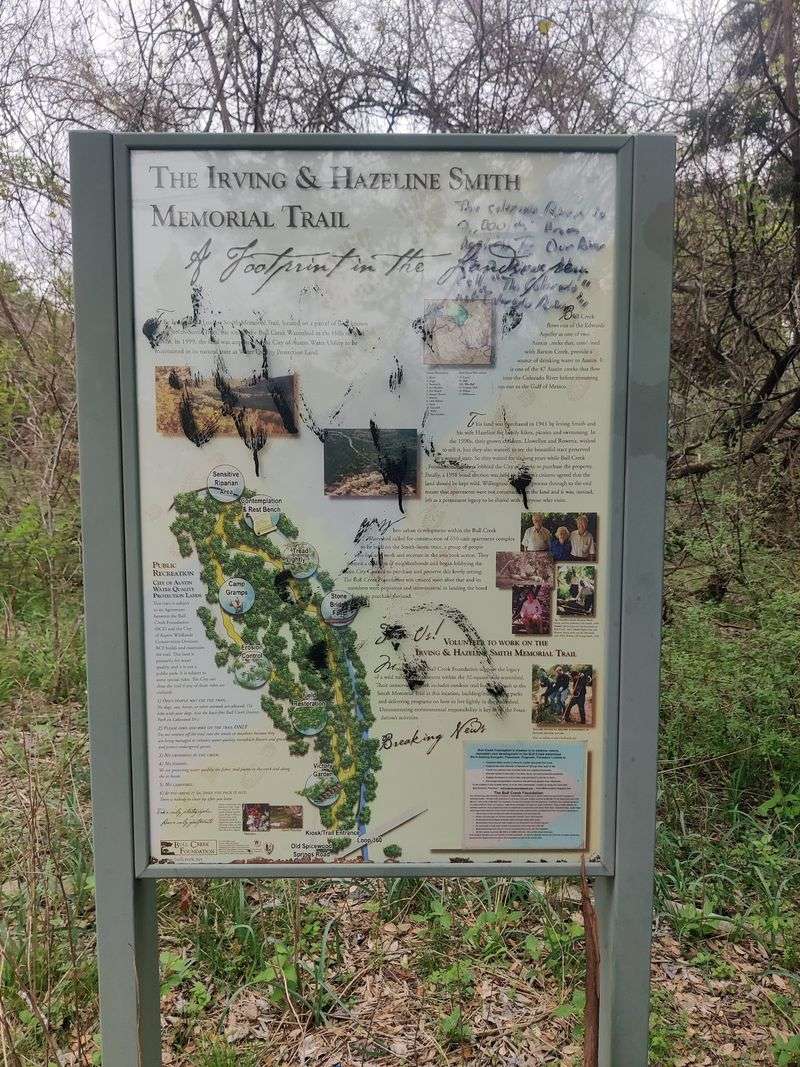
This trail carries more than just scenic value. It’s named after Irving and Hazel, the family who originally owned this land and whose legacy lives on through the preserve. Informational signs scattered along the path share their story and explain how this beautiful slice of Hill Country became protected green space rather than another housing development.
These educational markers do double duty, teaching visitors about both the land’s history and its current ecological importance. You’ll learn about native plant species, geological features that shaped the landscape, and conservation efforts that keep the area healthy. The signs are well-designed and actually interesting to read, not just boring plaques that everyone skips.
Understanding the human history behind the trail adds depth to the hiking experience. Knowing that real people cared enough about this land to preserve it for future generations makes you appreciate the waterfalls and wildflowers even more. It’s a reminder that conservation requires active effort and generosity, not just good intentions.
The preserve status also explains some of the rules that might seem strict at first. The no-dog policy, the emphasis on staying on marked trails, and the encouragement to pack out all trash all make sense when you understand the fragile ecosystem being protected here. This isn’t just a random patch of woods.
It’s a carefully maintained natural area that serves as habitat for species that need clean water and undisturbed space to survive and thrive in an increasingly developed region.
6. Parking and Access Considerations

Here’s the thing about Irving and Hazel Memorial Trail: finding parking can be trickier than the actual hike. The lot is small, and this hidden gem isn’t quite hidden enough to guarantee open spots, especially on beautiful weekend mornings. Arriving early or during weekday hours significantly improves your chances of snagging a space without circling.
The trailhead sits on Old Spicewood Springs Road, easy to miss if you’re not watching carefully. Several reviewers mention nearly driving past it, which speaks to both its tucked-away location and the lack of major signage from the road. Once you spot it, access is straightforward, with the trail starting right from the parking area.
Unfortunately, this location has developed a reputation for car break-ins. Multiple visitors report smashed windows and stolen belongings, with broken glass scattered around the lot serving as unfortunate evidence. This problem appears serious and ongoing enough that it deserves real consideration when planning your visit.
Taking precautions makes sense here. Don’t leave anything visible in your car, not even loose change or shopping bags. Better yet, bring nothing valuable at all.
Some savvy hikers suggest using rideshare services to avoid leaving a vehicle unattended entirely. The trail itself is safe and well-maintained, but the parking situation requires awareness and smart choices to avoid turning a pleasant hike into a frustrating and expensive experience with broken windows and missing belongings.
7. What to Wear and Bring
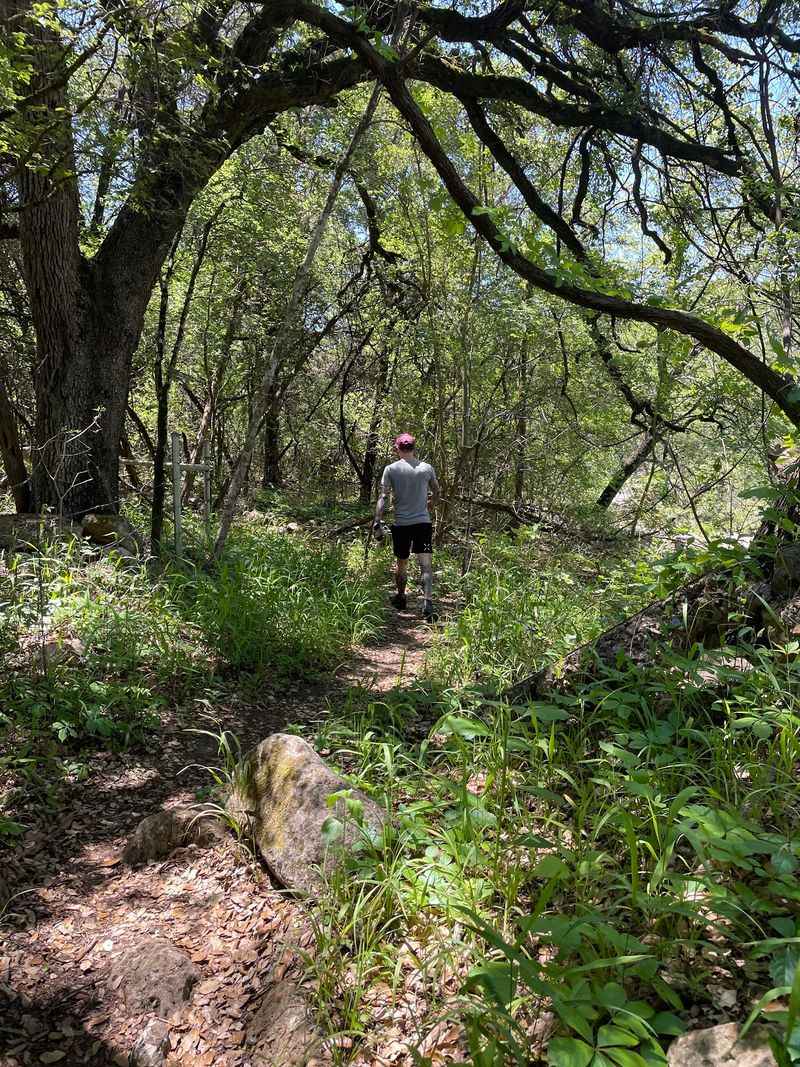
Flip-flops won’t cut it here. Multiple hikers specifically mention needing decent shoes, and they’re not exaggerating. The trail surface varies from packed dirt to loose rocks to areas where tall grass might hide uneven ground underneath.
Ankle support isn’t absolutely necessary, but shoes with good tread and toe protection will make your hike much more comfortable and safer.
Tall grass sections mean long pants might be preferable to shorts, especially if you’re hiking during tick season or have sensitive skin. The vegetation can brush against your legs, and while it’s not usually a problem, poison ivy does grow along some side trails according to visitor reports. Staying on the main path reduces exposure, but awareness helps either way.
Water is essential, particularly during warmer months. While the hike is short, Texas heat can be intense, and there’s no water source along the trail. The creek water isn’t safe for drinking without treatment.
Bringing more water than you think you’ll need is always smart, especially if you plan to explore or sit by the waterfalls for a while.
If you’re visiting during spring wildflower season, a camera is practically mandatory. The blooms create incredible photo opportunities that your phone might not capture in full detail. Binoculars enhance wildlife watching, and a small field guide to Texas birds or wildflowers can make the educational signs even more meaningful.
Some visitors bring swimsuits for creek wading, though the water stays cold and shallow in most spots year-round.
8. When to Visit for Best Experience
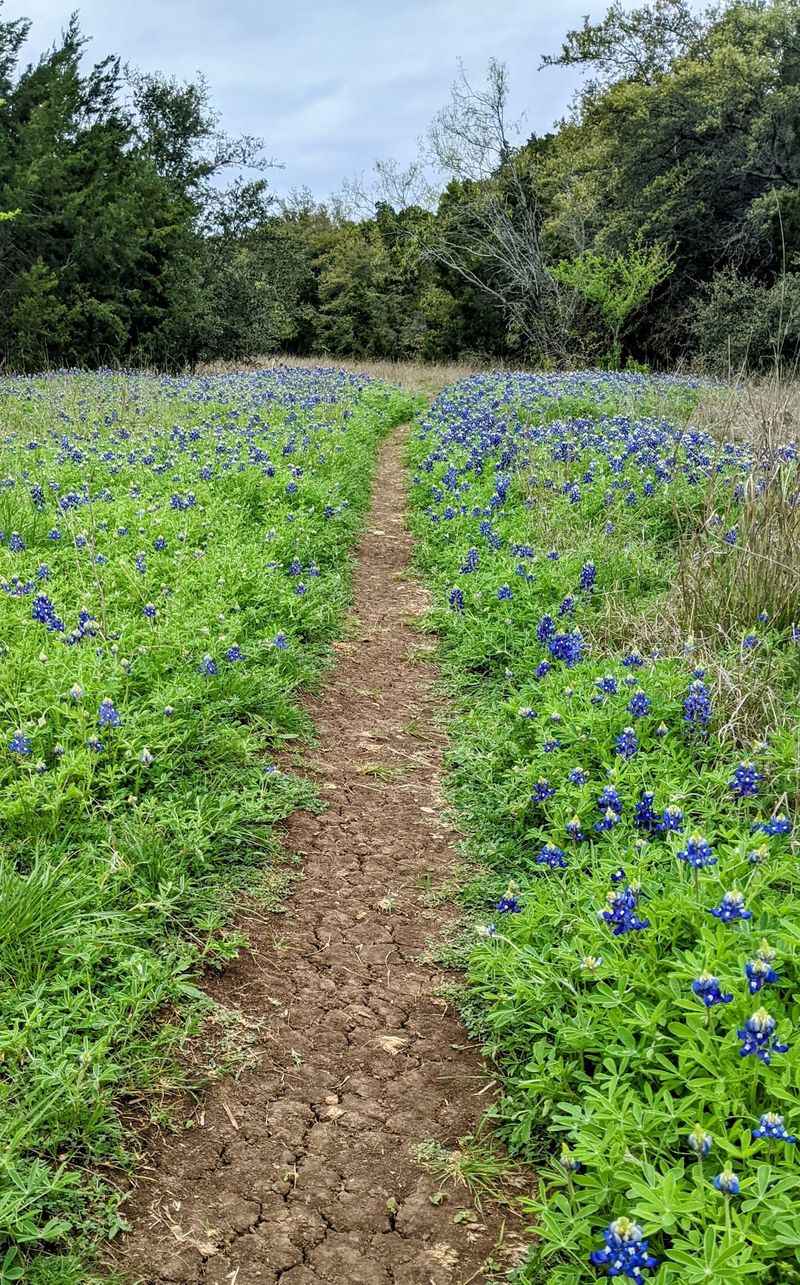
Spring stands out as the prime time to experience this trail at its absolute best. Wildflowers blanket the hillsides in a riot of color, the creek runs full from spring rains, and temperatures hover in that perfect range where hiking feels energizing rather than exhausting. March through May offers the most reliable combination of flowing waterfalls and blooming plants.
Early morning visits provide multiple advantages beyond just cooler temperatures. Wildlife is more active during dawn hours, the light filters beautifully through the tree canopy, and you’re more likely to have the trail to yourself or share it with just a few other early risers. The peaceful atmosphere at sunrise feels completely different from midday visits when traffic noise becomes more noticeable.
Weekdays see significantly less traffic than weekends, making them ideal for anyone seeking solitude or concerned about the parking situation. The trail rarely feels crowded even on busy days, but there’s something special about having a natural space mostly to yourself. You’ll hear more birds, spot more wildlife, and enjoy the waterfalls without waiting for photo opportunities.
Avoid visiting during extended dry periods if waterfalls are your main draw. The creek can slow to a trickle or dry up completely in summer and fall drought conditions, though the trail itself remains beautiful. Checking recent visitor reviews or local rain reports helps set expectations.
Post-rain visits within a few days guarantee the best waterfall flow and the most vibrant green vegetation throughout the preserve.