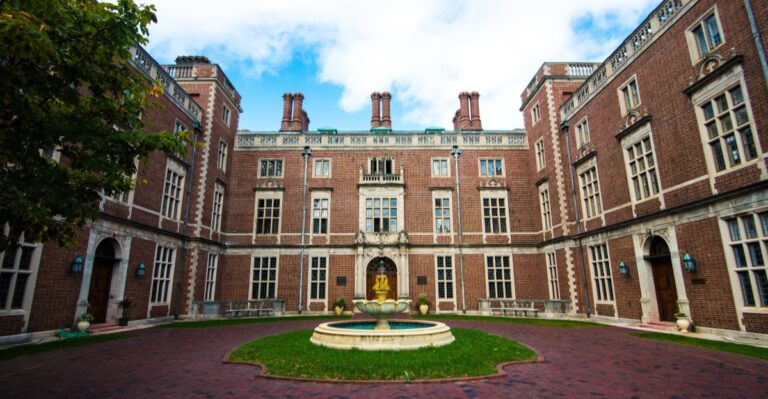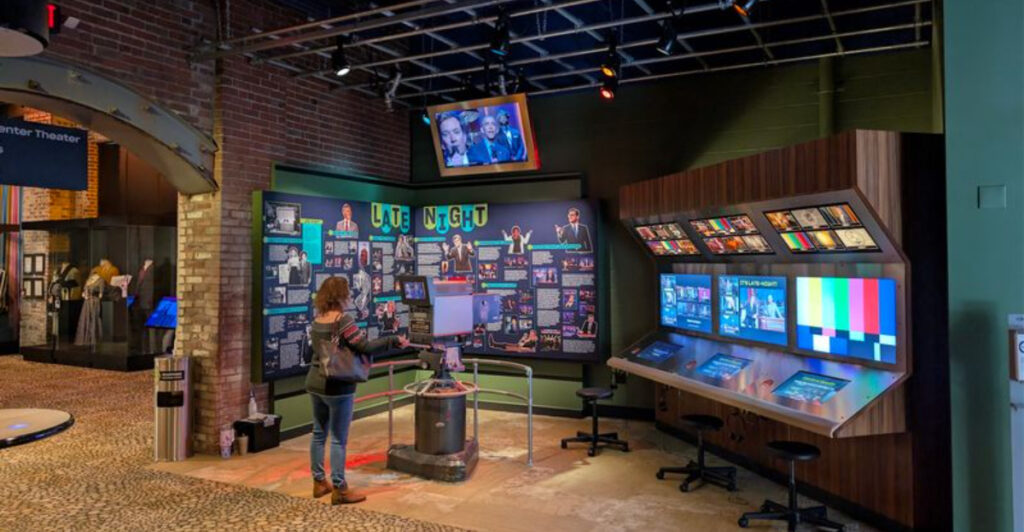
The National Comedy Center in Jamestown, New York, is not a quiet museum where you only read signs and move along. It is a lively place filled with jokes, screens, games, famous comedy history, and hands-on fun.
Visitors can learn how comedy grew from old movies and radio shows to stand-up, sitcoms, late-night TV, and internet humor. If you like to laugh, or you want to understand why laughter matters, this museum gives you a smart and silly reason to visit.
1. A Museum That Knows Your Sense of Humor
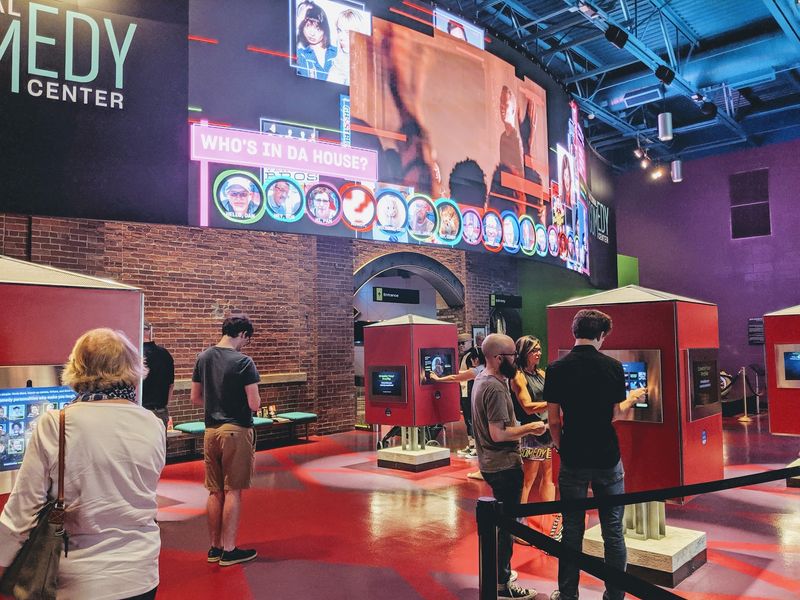
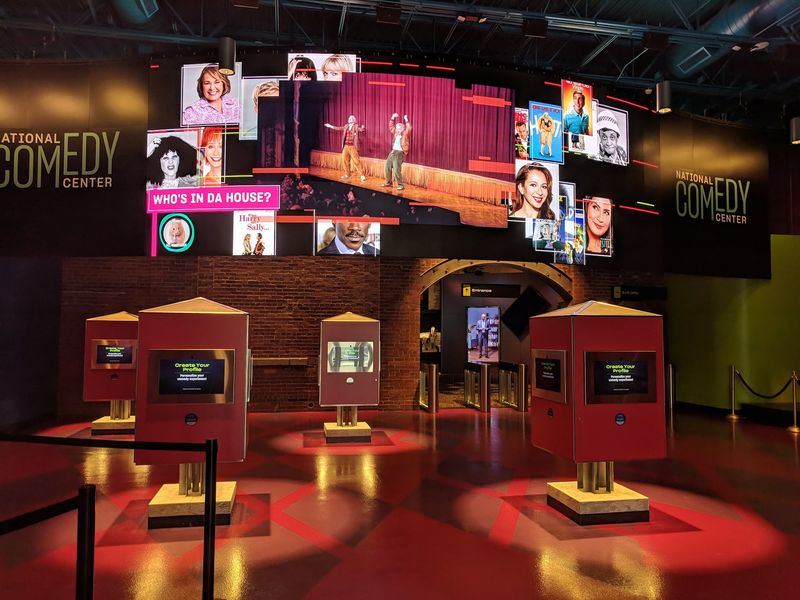
A tiny wristband can change the whole visit, and that is one of the first surprises waiting inside the National Comedy Center.
Instead of giving every guest the exact same tour, the museum asks you to choose comedians, shows, and styles of humor you already enjoy.
After that, your wristband becomes your personal comedy guide.
When you scan it at many exhibits, the screens can show clips, facts, and suggestions that match your taste.
Someone who loves slapstick may see different moments than a fan of sharp late-night jokes.
This makes the museum feel more like a playful conversation than a school lesson.
Families can compare what pops up for each person, which often leads to funny debates about who has the strangest sense of humor.
At the end, you can see a comedy profile that sums up what made you laugh most.
For the best experience, take the setup seriously and do not rush through your choices.
Pick favorites you truly enjoy, but also add a few names or topics you are curious about.
The more honest you are, the more personal the exhibits feel.
It is a smart way to handle a huge subject.
Comedy is too big for one path, so the wristband helps each visitor find a route that feels made just for them.
2. Three Floors Packed With Laughs
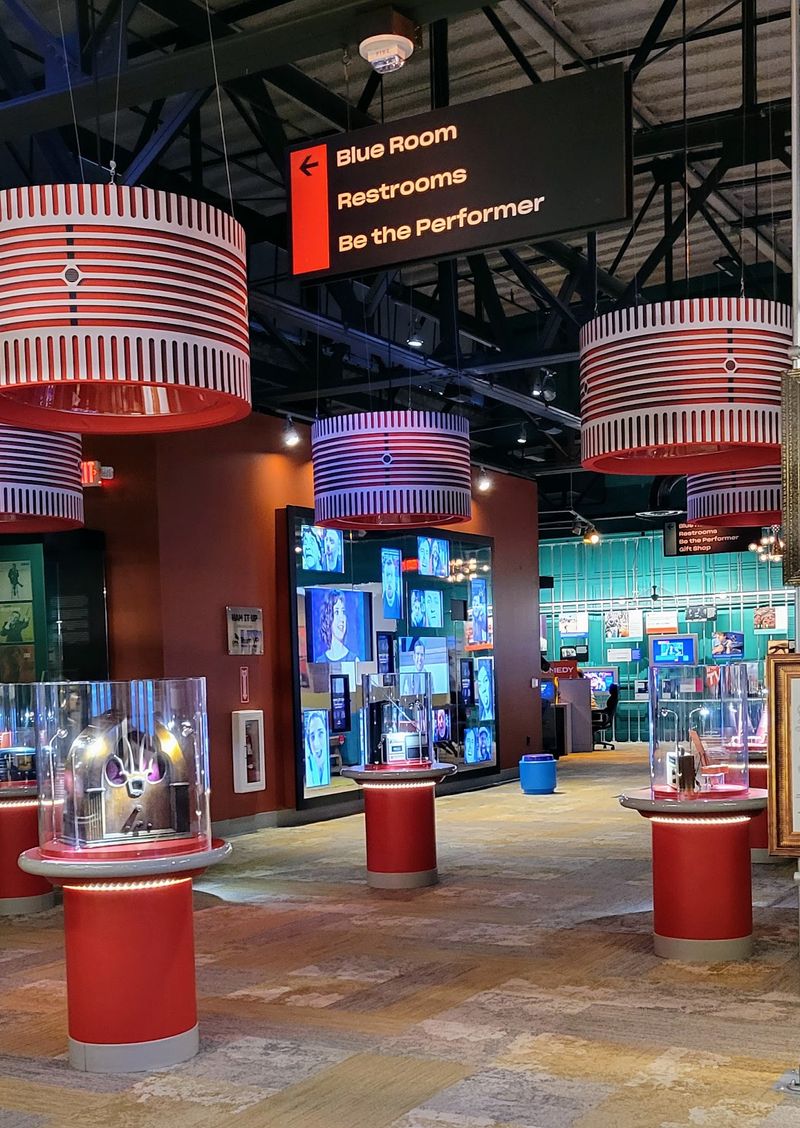
Many visitors walk in thinking they will spend an hour, then realize they have badly guessed the size of the place.
The National Comedy Center spreads its story across three floors, and each level adds a different piece to the big puzzle of American comedy.
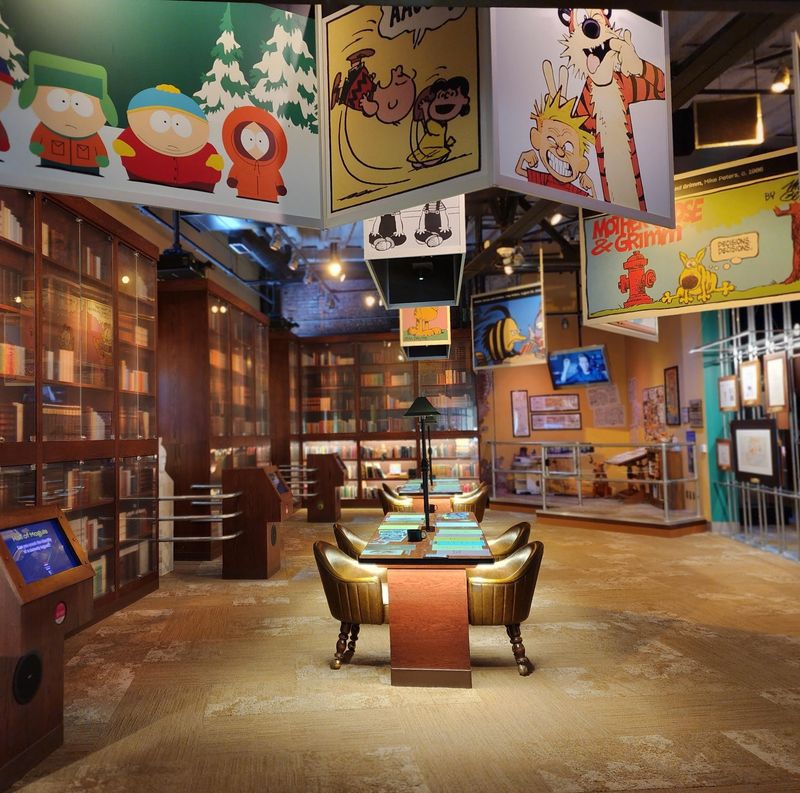
You may start with bright, busy exhibits about television, stand-up, movies, cartoons, and sketch comedy.
Then you might find yourself in areas filled with rare objects, old scripts, costumes, notes, props, and video clips from comedy legends.
The building rewards slow wandering.
Because there is so much to see, plan your time before you arrive.
Two hours can give you a taste, but three to four hours is a better goal if you want to watch clips, try games, and read the stories behind the displays.
Some fans could happily stay most of the day.
The layout is friendly, but using the museum map is still a good idea.
It helps you avoid missing smaller rooms, hidden corners, or lower-level displays that are easy to pass by when you are chasing the next laugh.
Comfort matters too.
Wear shoes that are good for standing, give yourself breaks, and do not feel bad if you skip a few videos.
Comedy works best when you are relaxed, not racing from screen to screen like you are late for a punchline.
3. Comedy History Without the Boring Parts
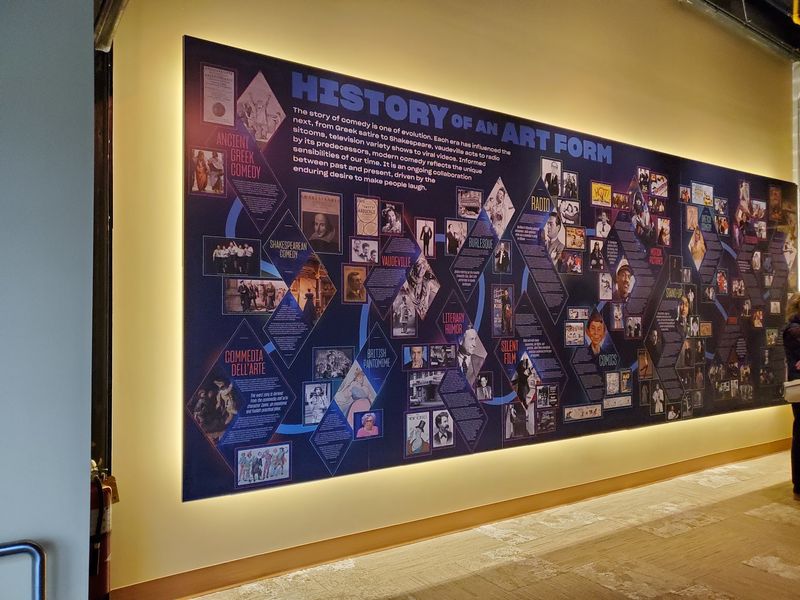
History can feel heavy in some museums, but here it wears a rubber chicken hat.
The National Comedy Center teaches the story of comedy in a way that feels lively, clear, and full of quick rewards for curious visitors.
The exhibits cover many parts of the art form, including silent films, radio, television, stand-up, late-night shows, cartoons, movies, and internet humor.
You can see how jokes changed as culture changed, and how performers used laughter to talk about everyday life, politics, family, work, and awkward moments.
One helpful part is the way the museum connects famous faces with the people behind the scenes.
Writers, sound artists, producers, cartoonists, and editors all helped create funny moments that audiences remember.
Learning about them makes comedy feel like teamwork, not just one person on a stage.
Kids and teens may enjoy seeing how older comedy still connects to jokes they hear today.
Adults may feel a spark of nostalgia when clips from favorite shows or comedians appear.
Different generations can point at screens and say, That was my favorite.
A good tip is to slow down when you reach the timeline-style areas.
They explain why certain jokes were daring, fresh, or risky in their time.
Understanding that background makes the punchlines more interesting, even when the joke itself is older than your grandparents.
4. Hands-On Exhibits That Beg You to Play
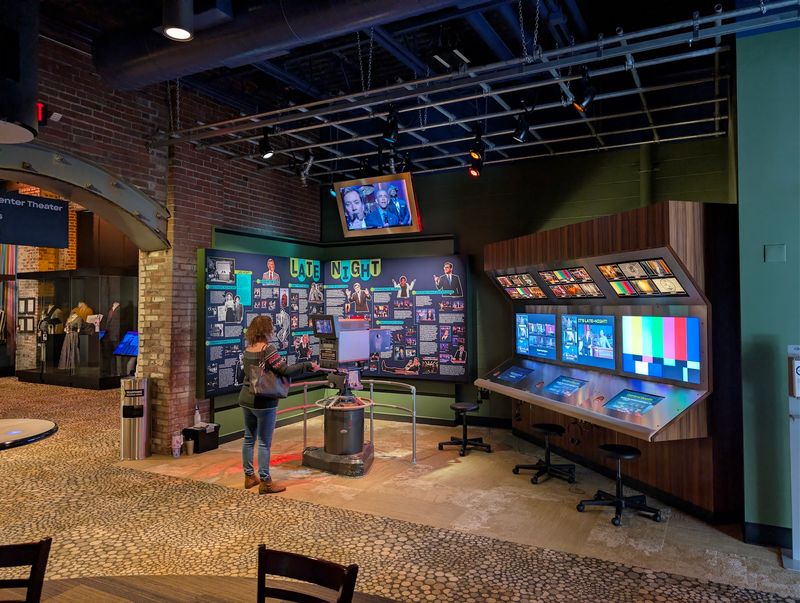
A button here, a screen there, and suddenly you are not just looking at comedy; you are helping make it happen.
The National Comedy Center is famous for being interactive, and that keeps the visit active from the first room to the last.
Guests can try activities that show how jokes are built.
You might add sound effects to a scene, create a cartoon, make a meme, test your laugh, or choose pieces of a stand-up set.
These tasks are silly, but they also teach real lessons about timing, surprise, and delivery.
The best part is that the activities work for many ages.
Teens can compete, adults can act goofy, and families can team up without needing special skills.
You do not have to be a performer.
You only need to be willing to press start and see what happens.
If the museum is busy, patience helps.
Popular stations may have short waits, especially during weekends or summer visits.
Use that time to watch how other guests play, because their choices can be just as funny as the exhibit itself.
Try not to skip the hands-on parts because you feel shy.
Comedy often feels awkward right before it becomes fun.
The museum gives you a safe place to be a little ridiculous, and that is exactly why many people leave saying it felt more like an experience than a regular museum.
5. Famous Artifacts With Real Comedy Star Power
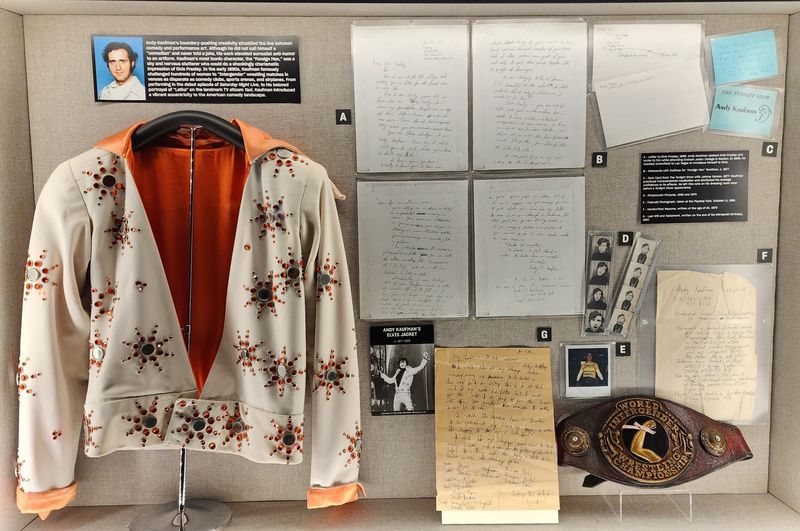
Some jokes disappear after the laugh, but the objects behind them can last for decades.
The National Comedy Center treats comedy artifacts with the same care other museums give to paintings, and that choice makes the displays feel special.
Visitors may find scripts, notes, costumes, props, photographs, and personal items tied to famous performers and shows.
These pieces help you picture the work that happened before a joke reached a stage, screen, or studio audience.
A scribbled note can show how a tiny idea grew into a classic bit.
Memorabilia also makes comedy feel human.
Famous comedians can seem larger than life, but their drafts, tools, and personal objects remind you that they practiced, edited, failed, and tried again.
Laughter may sound easy, yet the museum shows that great comedy often takes patience and craft.
Take time to read the labels near the display cases.
They often explain why an item matters, who used it, and how it fits into comedy history.
Without those details, you might walk past something small that has a huge story.
Photos are usually tempting, but remember to enjoy the moment with your eyes too.
A quick picture is nice, yet standing close to a real piece of comedy history can be more meaningful.
It is a quiet kind of thrill in a museum built around loud laughter.
6. Stand-Up Gets Its Own Spotlight
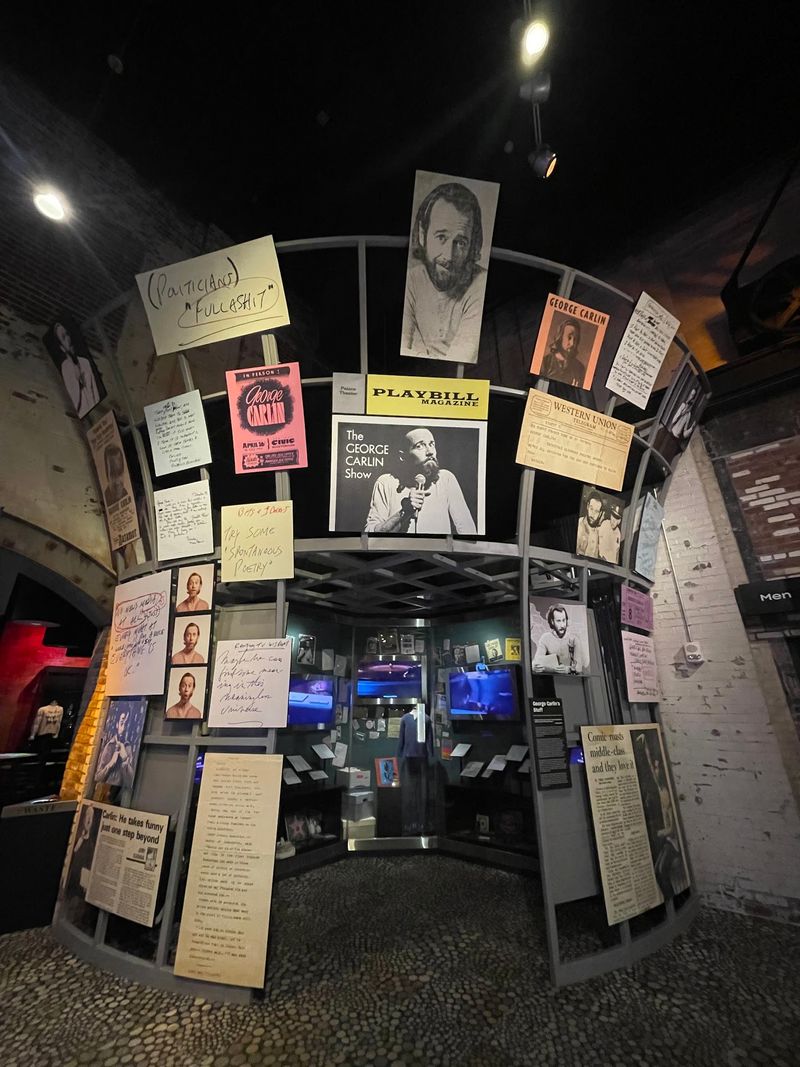
A single microphone can look simple, but in comedy it can hold a whole room in suspense.
The National Comedy Center gives stand-up the attention it deserves, showing how one person, one voice, and one sharp idea can make strangers laugh together.
The stand-up exhibits help visitors understand more than just punchlines.
They show how comedians build a set, find a point of view, handle timing, and connect with an audience.
You can see how different styles work, from storytelling and character jokes to quick one-liners and bold social comments.
Clips are a major part of the experience, so give yourself time to watch.
A short video can explain a performer better than a long paragraph.
You may recognize famous names, but you may also discover someone new who matches your humor profile.
This section is especially fun for anyone who has ever wondered why one joke lands and another falls flat.
The answer often comes down to rhythm, word choice, confidence, and surprise.
The museum makes those ideas easy to understand without turning comedy into homework.
If you are visiting with friends, compare which performers make each person laugh.
Different reactions can be funny by themselves.
Stand-up is personal, and the museum uses that truth well.
It reminds visitors that a room full of people can laugh together, even when each person hears the joke in a slightly different way.
7. A Playful Look at Television and Late-Night Comedy

Late-night desks, sitcom couches, and sketch stages have shaped the way many people understand comedy.
At the National Comedy Center, television humor gets a lively treatment that shows how the small screen became a giant home for American laughs.
Visitors can explore how sitcoms, variety shows, sketch programs, and talk shows changed over time.
The museum highlights classic moments while also showing how new styles grew from older ones.
You can move from early TV comedy to modern clips and notice how fast the rhythm of jokes has changed.
Late-night comedy is especially interesting because it mixes jokes with current events.
Hosts and writers often turn the news into monologues, sketches, and interviews by the next evening.
That speed takes a lot of teamwork, and the museum helps visitors understand the pressure behind the polished performance.
Fans of old shows may enjoy seeing familiar names and rare items.
Younger visitors may be surprised to learn how many modern comedy ideas have roots in earlier television.
The connections make the exhibits feel like a family tree of jokes.
A smart way to enjoy this area is to follow one thread, such as sketch comedy or talk shows, instead of trying to remember every name.
Comedy television has a huge history.
Picking a path helps you notice patterns and leave with stories you can actually share later.
8. Jamestown Pride and the Spirit of Lucille Ball
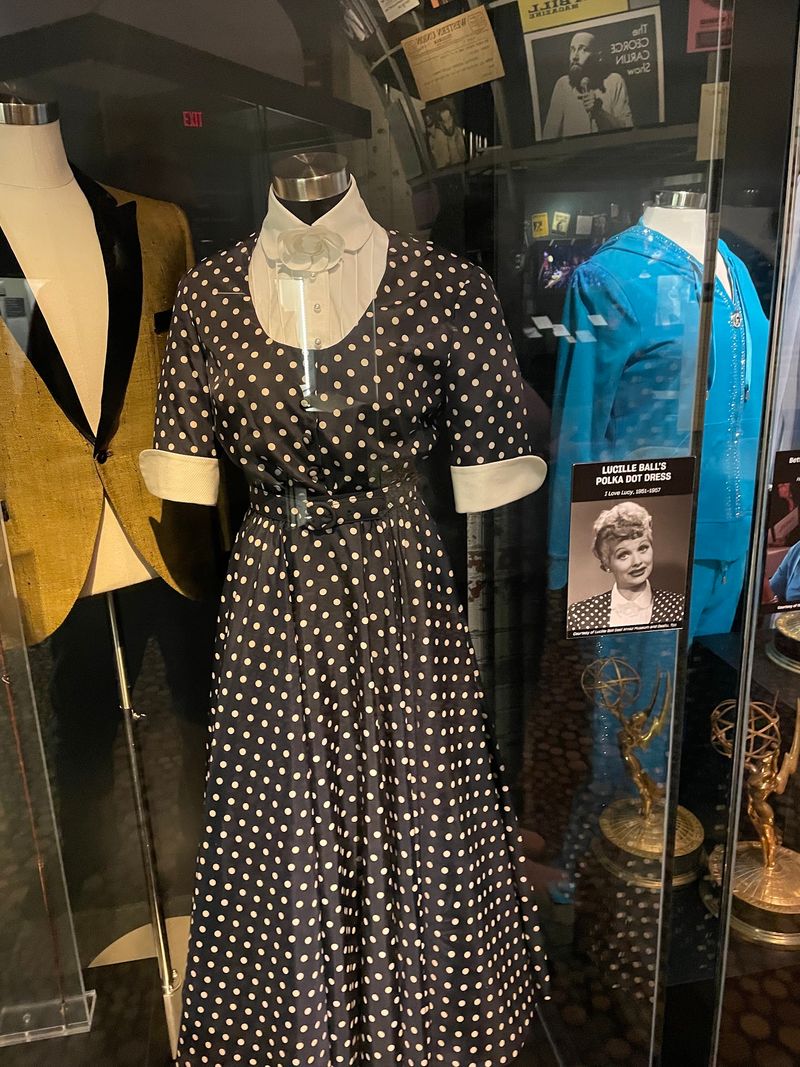
Jamestown is not just the museum’s address.
It is part of the story.
The city is famously tied to Lucille Ball, and that hometown connection helps explain why a national museum about comedy feels right here in western New York.
The National Comedy Center carries forward a larger idea: comedy deserves a serious home, even when the subject is silly.
Lucille Ball helped change television comedy with bold physical humor, sharp timing, and fearless performances.
Her legacy adds extra meaning to a museum that celebrates many comedy voices.
Visitors do not need to be experts on classic TV to appreciate the connection.
It is enough to understand that Jamestown helped shape a performer who made millions laugh.
That local pride gives the museum a warm feeling, like the city is welcoming guests into a long-running joke it is happy to share.
Before or after your visit, take a little time to notice downtown Jamestown.
The museum sits at 203 W 2nd St, close to other local attractions, food stops, and walkable streets.
Planning a relaxed day makes the trip feel easier, especially if you are driving from Buffalo, Erie, or another nearby area.
The setting also adds charm because the museum feels unexpected.
You turn a corner in a small city and find a high-tech national attraction.
That surprise is part of the fun, and it makes the laughter feel even more memorable.
9. Friendly Staff Who Help the Fun Land
A good joke needs timing, and a good museum visit sometimes needs a helpful person at the right moment.
Many guests praise the National Comedy Center staff for being friendly, upbeat, and ready to explain how the interactive experience works.
That matters because the museum uses technology in many places.
The wristband setup, scanning stations, personalized screens, and activity areas are easy once you understand them, but a quick introduction can make everything smoother.
Staff members often help visitors get started with confidence.
They can also point out exhibits, share small facts, answer questions, and help guests find their way through the building.
In a museum with so many rooms and choices, that guidance is valuable.
It keeps visitors from feeling lost or overwhelmed.
If something does not work the way you expect, ask for help instead of giving up.
A screen may need a scan, a station may have simple rules, or an activity may be more fun once someone explains the goal.
The staff is part of the experience, not just a group standing near the door.
Polite questions can also lead to great tips.
Ask how long people usually spend inside, which areas are easy to miss, or when the museum is less crowded.
A short conversation can help you shape your visit, save time, and discover a joke-filled corner you might have walked past.
10. Plan More Time Than You Think You Need
The most common mistake is simple: people do not give themselves enough time.
The National Comedy Center looks like a stop you can squeeze into a travel day, but many guests discover it deserves a much bigger space on the schedule.
Reviews often mention visits lasting two and a half, three, or four hours, with some people saying they still wanted more time.
That makes sense because the museum has videos to watch, games to try, artifacts to study, and personalized exhibits that change with your choices.
If you are planning a first visit, aim for at least three hours.
Four is better if you like to read signs, watch full clips, and try most activities.
Rushing can turn a clever experience into a blur of screens and missed jokes.
Families should also build in snack, restroom, and reset time.
Laughing, standing, and making choices can be surprisingly tiring.
A short break can help everyone enjoy the next section instead of getting cranky halfway through.
Check the hours before you go, since the museum is generally open 10 AM to 5 PM on most operating days and closed on Wednesday.
Calling ahead or checking the official website is smart, especially around holidays or special events.
A little planning protects your visit from feeling squeezed.
Comedy may be spontaneous, but your schedule should not be.
11. Games, Challenges, and Laugh-Out-Loud Moments
Some museums ask you to keep your voice down, but this place almost dares you to laugh out loud.
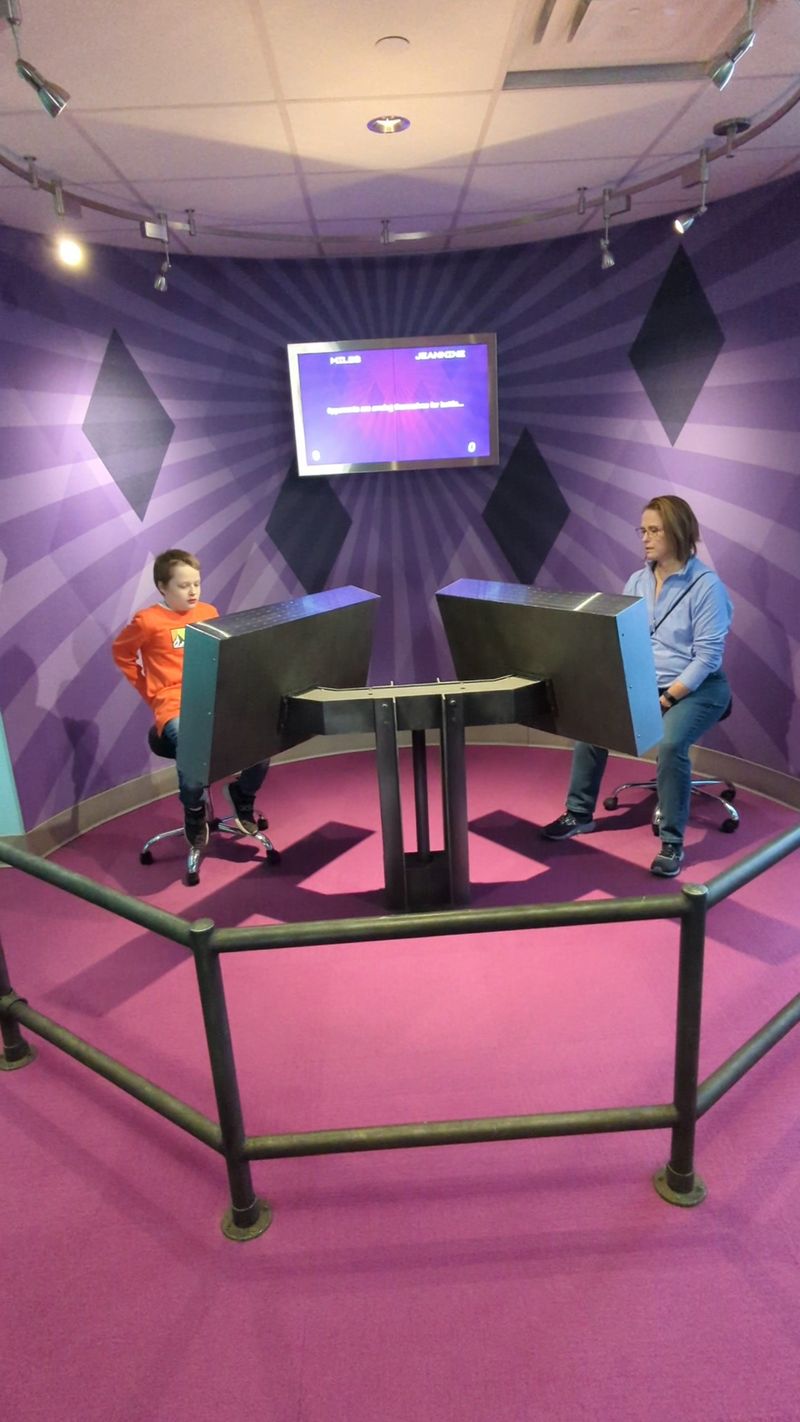
The National Comedy Center includes games and challenges that turn visitors from quiet observers into part of the joke.
You might test what makes you laugh, compete with a friend, read jokes, create silly media, or step into an activity that feels like a mini performance.
These moments are not only for people who think they are funny.
In fact, the funniest results often come from people who are a little nervous.
Group visits become especially memorable here.
Friends can tease each other kindly, parents can watch teens crack up, and couples can learn surprising things about each other’s humor.
The activities give people something to do together instead of simply walking side by side.
A good rule is to say yes to at least a few stations that feel outside your comfort zone.
You do not need to be perfect, and nobody expects a polished act.
The point is to see how comedy works when timing, sound, expression, and surprise come together.
These playful areas also make the museum easier for visitors who dislike long reading-heavy exhibits.
You still learn, but the lesson arrives through action.
By the time you leave, you may understand comedy tools without realizing you were studying them.
That is a pretty neat trick.
12. Helpful Extras Make the Visit Easier
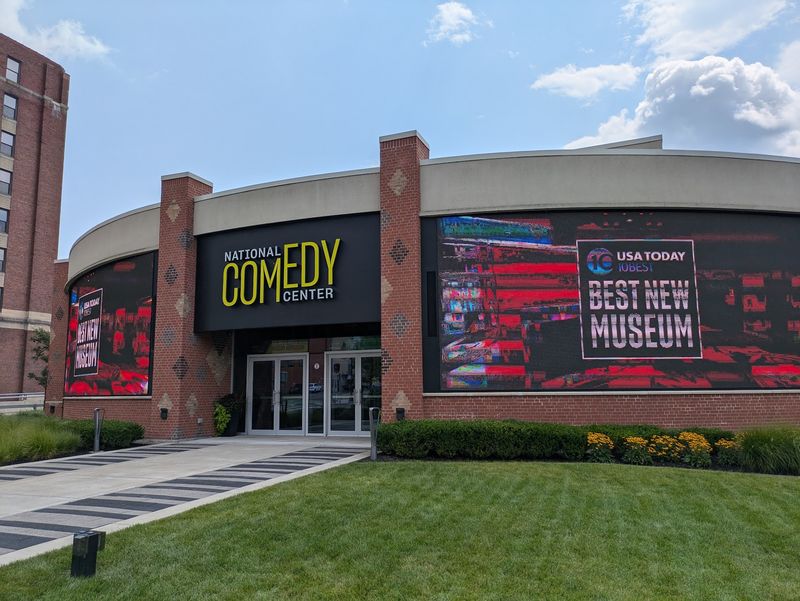
Even the funniest visitor needs a break, and the National Comedy Center makes room for that.
Along with its exhibits, the museum offers helpful extras like a cafe area, restrooms, a gift shop, and nearby parking options that make the day easier to manage.
The cafe can be useful if you need a drink or light snack between sections.
Some adult visitors also enjoy the relaxed bar-style touches mentioned by guests, while families appreciate having a place to pause.
Always check current offerings before counting on a full meal.
Parking is usually manageable, with visitors noting a dedicated lot nearby and metered spaces in the area.
Since downtown rules can change, read signs carefully and bring a payment method for meters just in case.
Arriving earlier in the day may also make parking simpler during busy seasons.
The gift shop gives you a chance to take home a reminder of the visit.
Prices and selection can vary, so think of souvenirs as optional fun, not a required part of the trip.
A joke card, photo, or memory of a favorite exhibit may be enough.
For practical planning, save the address, 203 W 2nd St, Jamestown, NY 14701, and the phone number, 716-484-2222.
Checking the official website before leaving home can help confirm tickets, hours, accessibility details, and any special programs happening during your visit.
Share this story