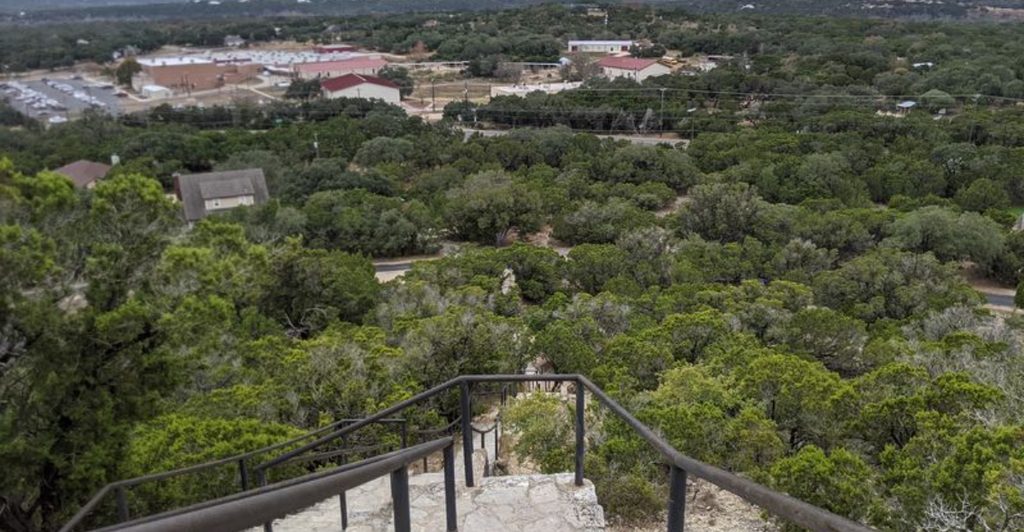
Sometimes you just need to hit the brakes on everyday chaos and recharge somewhere quiet. Texas has no shortage of charming small towns where the pace slows down, locals greet you with a smile, and the biggest decision you’ll make is whether to grab coffee or browse antique shops first. These eight towns offer the perfect mix of history, natural beauty, and small-town hospitality that’ll have you planning your next visit before you even leave.
1. Jefferson
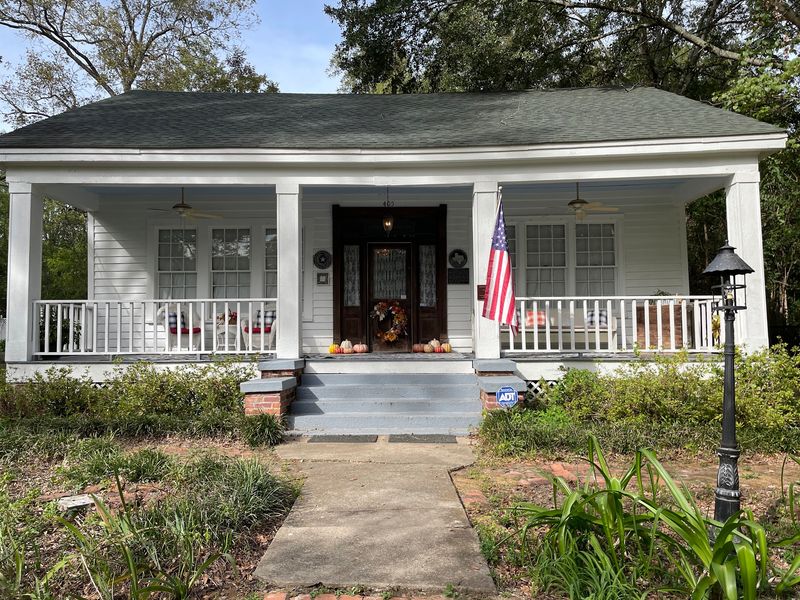
Wandering through Jefferson feels like stepping onto a movie set where the 1800s never really ended. Victorian mansions line quiet streets shaded by ancient oaks, and the whole downtown area looks like it’s been preserved in amber since the riverboat days. This East Texas gem was once one of the state’s busiest ports, and that prosperity left behind some seriously impressive architecture.
The town takes its history seriously but doesn’t make it stuffy. You can tour haunted hotels where guests claim to hear phantom footsteps, poke around museums filled with Civil War artifacts, or just wander antique stores crammed with treasures from another era. Carriage rides clip-clop past gingerbread-trimmed homes while guides share stories about the town’s colorful past.
Bed and breakfasts here are the real deal, not just themed rooms in a modern building. Many occupy actual historic homes with original fixtures, wraparound porches, and breakfast spreads that’ll keep you full until dinner. The owners usually know every story about every building in town and love sharing them.
Caddo Lake sits just outside town, offering a completely different vibe with its cypress trees draped in Spanish moss and maze-like bayous. Rent a kayak and paddle through waters that look like something out of Louisiana. Back in town, local restaurants serve up comfort food in dining rooms that haven’t changed much in decades.
Jefferson proves you don’t need theme parks or fancy resorts to unwind. Sometimes all it takes is slowing down enough to appreciate front porch rockers, friendly shopkeepers, and streets where history isn’t just preserved but actually lived in every single day.
2. Salado
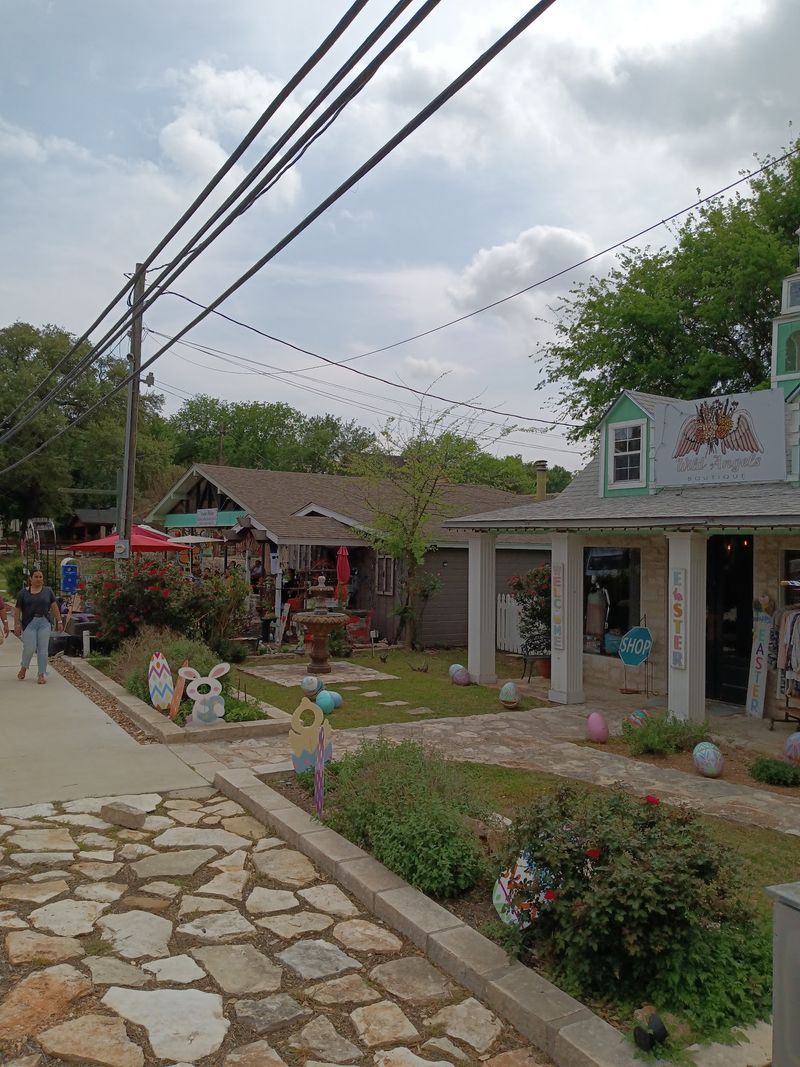
Right off Interstate 35 between Austin and Waco, Salado hides in plain sight as a creek-side village that artists and crafters have turned into their personal playground. Salado Creek runs right through the heart of things, and the sound of flowing water becomes your soundtrack as you explore galleries, boutiques, and studios tucked into historic stone buildings.
This town has serious artist credentials. Glassblowers, painters, sculptors, and jewelry makers have set up shop here, and many welcome visitors into their working studios. You’re not just buying art off a wall but watching it get created and hearing the stories behind each piece.
The quality ranges from affordable trinkets to investment-worthy originals.
Dining options punch way above what you’d expect from a town this size. Farm-to-table restaurants source ingredients from nearby ranches, and several spots offer creek-side patios where you can enjoy your meal with a view. The historic Stagecoach Inn has been feeding travelers since the 1860s, and its dining room still captures that old Texas hospitality.
Salado also knows how to throw a festival. Art fairs, wine walks, and seasonal celebrations fill the calendar, drawing crowds but never feeling overcrowded thanks to the town’s spread-out layout. Between events, the pace stays relaxed enough that you can actually browse without feeling rushed.
The surrounding area offers hiking trails, particularly at nearby Chalk Ridge Falls Park where you can scramble over limestone formations and cool off in natural swimming holes. Back in town, the shopping continues with everything from Western wear to gourmet kitchen supplies. Salado manages to feel both artsy and authentic, a place where creativity thrives without pretension getting in the way.
3. Granbury
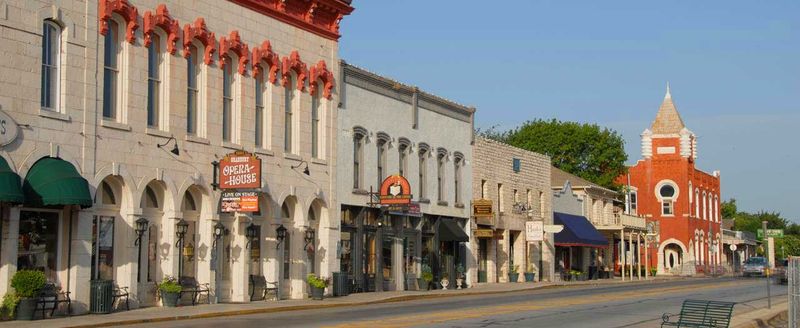
Granbury’s town square looks like it was designed specifically for Instagram, but it actually dates back to 1886 when the county built its stunning Second Empire-style courthouse. That courthouse still anchors the square today, surrounded by beautifully restored buildings housing restaurants, theaters, and shops that locals actually use, not just tourist traps.
The Granbury Opera House brings in surprisingly big-name entertainment for a town this size. Broadway-style musicals, concerts, and comedy shows fill the calendar year-round, giving you an excuse to dress up a bit and enjoy professional theater without fighting big-city traffic. Dinner and a show packages make it easy to plan a full evening.
Lake Granbury wraps around the town’s north side, offering 8,300 acres of water for boating, fishing, or just watching the sunset from one of several waterfront restaurants. The lake stays busy on summer weekends but never reaches the chaos levels of bigger Texas reservoirs. Rental options range from pontoon boats to kayaks depending on your ambition level.
Granbury’s food scene has evolved beyond chicken-fried everything, though you can still find that if you want it. Farm wineries have opened tasting rooms on the square, craft breweries pour local beers, and several restaurants focus on fresh ingredients and creative menus. The old-fashioned soda fountain still serves malts and sundaes for dessert.
Bed and breakfasts fill historic homes throughout the residential areas, many within walking distance of the square. Evening strolls past Victorian homes lit by porch lights create a peaceful end to busy days. Granbury strikes that sweet spot between having enough to do and maintaining the relaxed atmosphere that makes small towns worth visiting in the first place.
4. Wimberley
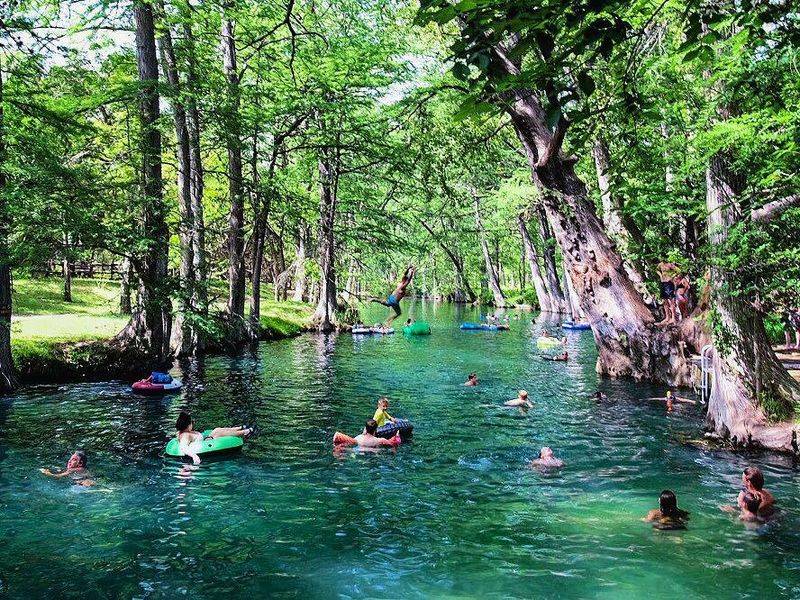
Cypress Creek cuts through Wimberley creating natural swimming holes that become the town’s social center during hot Texas summers. Locals guard their favorite spots jealously, but Blue Hole and Jacob’s Well are public enough that visitors can join the fun. The water stays surprisingly cool even in August, fed by underground springs that keep temperatures refreshing.
Wimberley bills itself as an artist community, and that’s not just marketing talk. The town hosts the second Saturday Market from March through December, where hundreds of vendors set up along Wimberley Square selling everything from hand-thrown pottery to custom leather goods. Quality varies, but serious shoppers can find genuine treasures if they’re willing to browse.
The town spreads out enough that you’ll want a car to explore properly. Ranch Road 12 winds through the area offering stunning Hill Country views, particularly during wildflower season when bluebonnets carpet the roadsides. Several wineries and distilleries have opened along this route, turning scenic drives into tasting tours.
Outdoor recreation goes beyond just swimming. Hiking trails crisscross the surrounding hills, mountain biking routes challenge riders of various skill levels, and the Blanco River offers tubing opportunities slightly less crowded than the famous Comal and Guadalupe rivers. Zip line courses and horseback riding round out the adventure options.
Wimberley’s dining scene leans casual with barbecue joints, burger spots, and Tex-Mex dominating the options. What the restaurants lack in fancy presentation they make up for in generous portions and friendly service. Several places offer live music on weekends, usually local acts playing country, folk, or Americana.
The whole town has a laid-back, creative vibe that attracts artists, retirees, and weekenders looking to escape Austin’s increasing hustle without traveling too far from civilization.
5. Bastrop
Pine trees tower over Bastrop in a way that doesn’t seem quite right for Central Texas. The Lost Pines forest creates a unique ecosystem here, more reminiscent of East Texas than the Hill Country just to the west. These trees give the town a distinctive character and provide welcome shade during scorching summers.
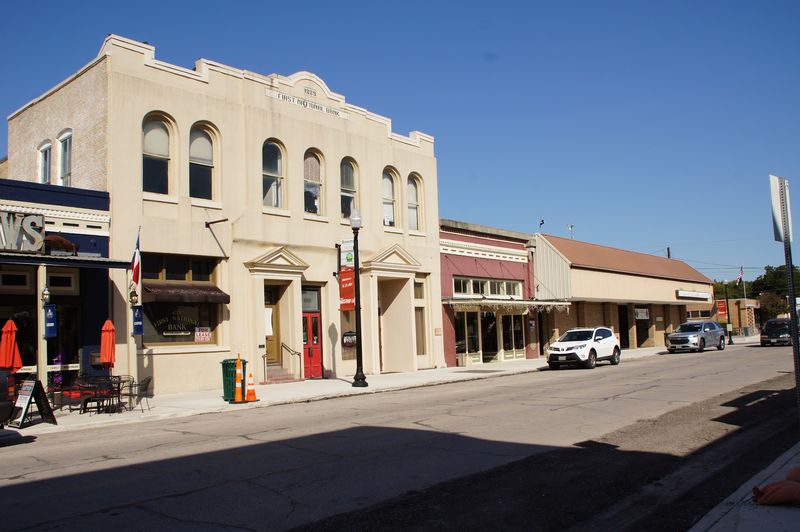
Downtown Bastrop has bounced back strong after some tough years, with local businesses filling historic storefronts along Main Street. Coffee shops, boutiques, and restaurants draw a steady stream of visitors and locals who actually seem to know each other’s names. The pace stays unhurried, and shopkeepers are usually happy to chat if you’re not in a rush.
The Colorado River flows right through town, creating opportunities for kayaking, fishing, and riverside picnics at several parks. Fisherman’s Park offers easy water access and plenty of shade, while the Bastrop River Company rents kayaks and provides shuttle service for longer floats downstream. The water moves gently enough for beginners but stays interesting for experienced paddlers.
Bastrop State Park preserves a big chunk of those unusual pines along with hiking trails, camping sites, and historic cabins built by the Civilian Conservation Corps during the 1930s. The park took a beating from the 2011 wildfires but has recovered beautifully, with young pines growing up among the survivors. Trail options range from easy nature walks to more challenging loops through the hills.
The town’s food scene keeps things simple but satisfying. Local barbecue joints smoke meat the traditional way, breakfast spots serve hearty morning meals, and a few newer restaurants experiment with farm-to-table concepts. Bastrop doesn’t try to be something it’s not, and that authenticity makes it more appealing than towns that chase trends.
It’s a place where you can genuinely relax without anyone trying too hard to entertain you.
6. Fredericksburg
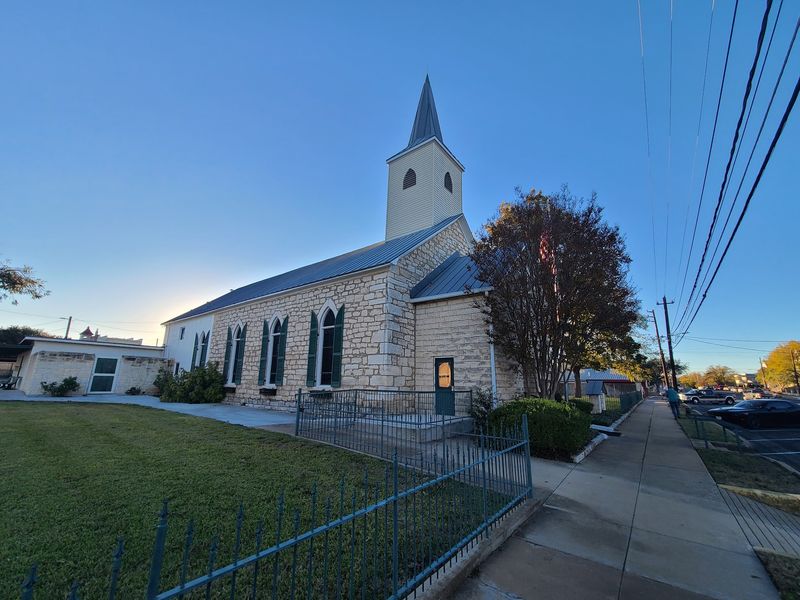
German heritage runs deep in Fredericksburg, visible in everything from the architecture to the bakeries selling authentic strudel and schnitzel. Founded by German immigrants in 1846, the town has held onto its roots while evolving into one of Texas’s premier wine destinations. Main Street stretches for blocks, lined with tasting rooms, boutiques, and restaurants that stay busy year-round.
The wine trail surrounding Fredericksburg has exploded in recent years with dozens of wineries and tasting rooms scattered across the countryside. Some occupy gorgeous hilltop locations with views that rival Napa, while others focus more on the wine than the scenery. Quality has improved dramatically as Texas winemakers figure out which grapes work best in this climate.
Beyond wine, Fredericksburg offers plenty of history. The National Museum of the Pacific War honors Admiral Nimitz, a Fredericksburg native, with extensive exhibits covering the Pacific theater of World War II. The museum takes the subject seriously with authentic artifacts, restored aircraft, and detailed historical context that even non-history buffs find engaging.
Shopping here goes way beyond typical tourist souvenirs. Main Street shops sell everything from high-end Western wear to gourmet kitchen supplies, German imports, and locally made goods. Antique stores occupy several buildings, offering real finds if you know what you’re looking for.
The browsing alone can fill an entire afternoon.
Accommodation options range from historic bed and breakfasts in town to ranch-style resorts in the surrounding hills. Many visitors rent entire cottages or guesthouses, giving them a home base for exploring the area. Weekends get crowded, especially during events like Oktoberfest or peach season, but weekdays maintain a more relaxed pace.
Fredericksburg has definitely become more popular and polished over the years, but it still delivers that small-town escape feeling, especially if you venture beyond Main Street into the quieter neighborhoods and countryside.
7. Marfa
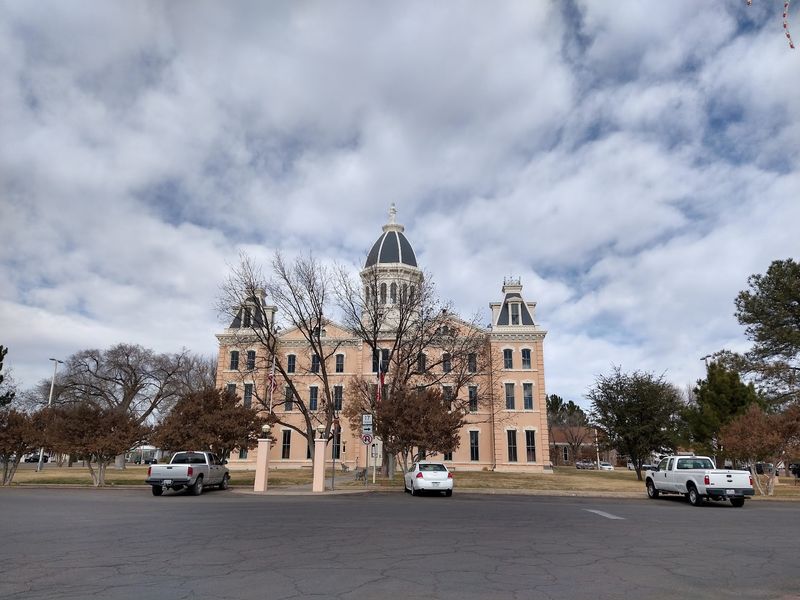
Out in the high desert of Far West Texas, Marfa has somehow become an unlikely art mecca that attracts creative types from around the world. The town sits at 4,685 feet elevation where the air is thin, the skies are enormous, and the landscape stretches for miles in every direction. Donald Judd, the minimalist artist, discovered Marfa in the 1970s and began installing large-scale art pieces that still draw visitors today.
The Chinati Foundation preserves Judd’s work along with pieces by other artists in former military buildings spread across a vast campus. Tours last hours and require advance booking, but they offer access to art installations you won’t see anywhere else. The stark desert setting becomes part of the artwork itself, creating a unique viewing experience.
Marfa’s tiny downtown punches well above its weight with galleries, boutiques, and restaurants that wouldn’t seem out of place in much larger cities. Food Network-featured restaurants serve creative menus using local ingredients, coffee shops roast their own beans, and the hotel scene ranges from renovated historic buildings to glamping options outside town.
The famous Marfa lights phenomenon draws curious visitors who gather at the official viewing area hoping to spot unexplained lights dancing on the horizon. Scientists offer various theories, but nobody has definitively explained what causes them. Whether you see them or not, the star-gazing out here is spectacular thanks to minimal light pollution.
Marfa isn’t for everyone. It’s remote, requiring a long drive from any major city, and the quirky art scene doesn’t appeal to all tastes. The town can feel a bit pretentious at times, with prices that reflect its art world reputation rather than its West Texas location.
But for those who appreciate stark beauty, contemporary art, and small towns that refuse to fit any mold, Marfa offers an escape unlike anywhere else in Texas.
8. Gruene
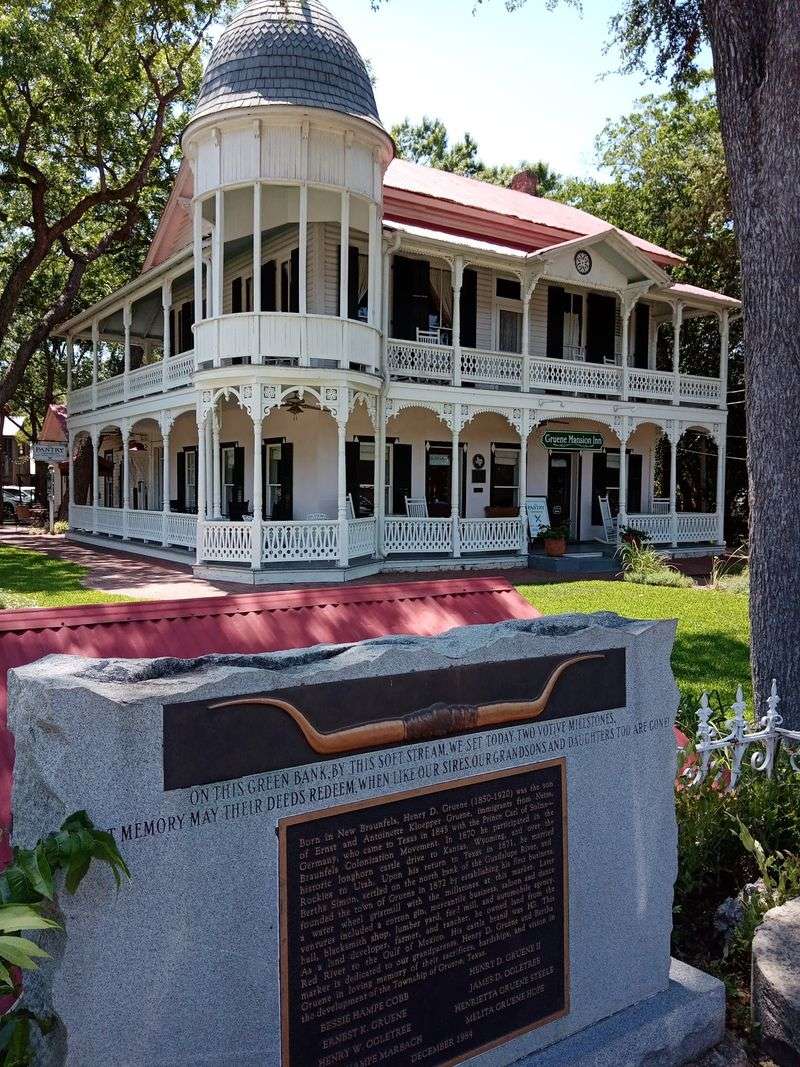
Technically part of New Braunfels, Gruene feels like its own entity thanks to careful preservation of its 19th-century buildings and resistance to modern development. The entire historic district occupies just a few blocks, but those blocks pack in enough character to justify the crowds that descend on weekends. Gruene Hall, Texas’s oldest continually operating dance hall, anchors everything.
Built in 1878, Gruene Hall still hosts live music almost every night, with acts ranging from local singer-songwriters to nationally known performers. The building hasn’t changed much over the decades, with its open-air windows, worn wooden floors, and walls covered in band posters and memorabilia. Dancing is encouraged regardless of skill level, and the crowd tends to be friendly and mixed in age.
The Guadalupe River flows right past Gruene, making it a prime spot for tubing during summer months. Outfitters rent tubes and provide shuttle service, allowing you to float for a few hours before ending up back near your starting point. The river gets absolutely packed on hot weekends, turning into a floating party, but weekday floats offer a more peaceful experience.
Gruene’s handful of shops occupy historic buildings and focus on Texas-made goods, antiques, and specialty items. The Gristmill Restaurant operates in the ruins of an old cotton gin perched above the river, offering burgers and barbecue with great views. Lines can get long during peak times, but the setting makes the wait worthwhile.
The small size means you can explore everything in a few hours, making Gruene perfect for a day trip or as part of a larger New Braunfels visit. Schlitterbahn water park sits nearby if you’re traveling with kids who need more action. But Gruene itself specializes in a slower pace, where the biggest decisions involve which band to see and whether to float the river before or after lunch.
It’s a tiny slice of old Texas that’s managed to stay authentic despite its popularity.