Missouri is full of famous places, from the Gateway Arch in St. Louis to lake towns, caves, and busy Route 66 stops. But some of the most fun road trip memories happen at odd little places that do not always get a big page in travel books.
Across the state, you can find giant objects, strange shops, surprising museums, and roadside spots that make people laugh, stop, and take one more photo. These offbeat stops show Missouri in a different way, with local humor, small-town pride, and stories that make the drive feel like part of the adventure.
1. Uranus Fudge Factory And General Store
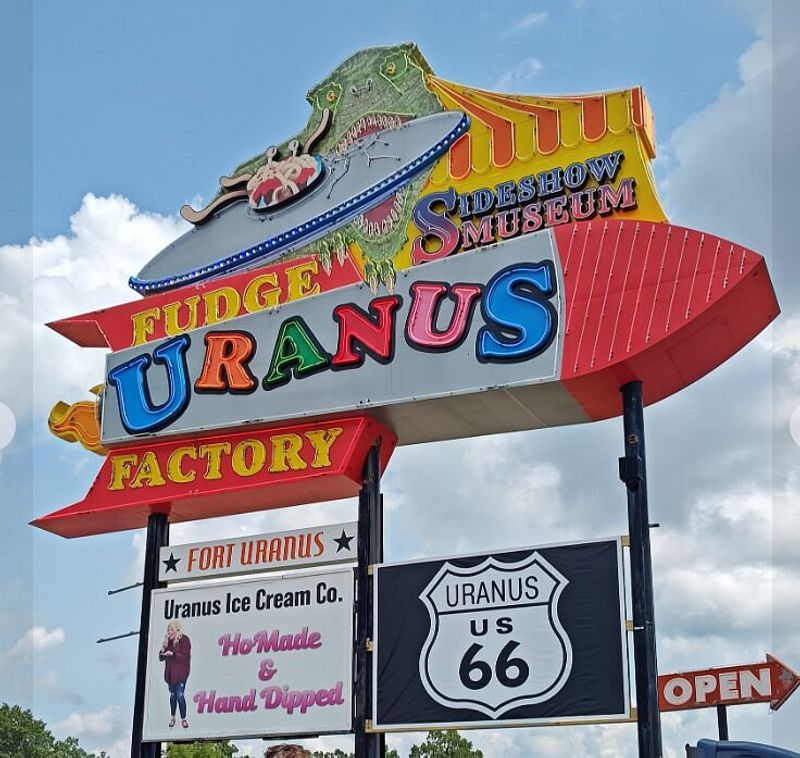
A road trip can get sleepy fast, then a sign for Uranus appears and everyone in the car suddenly wakes up.
Located near St. Robert in Phelps County, Uranus Fudge Factory And General Store leans fully into its silly name, and that is exactly why people remember it.
The main draw is fresh fudge, made in many flavors and sold with jokes that are part of the experience.
Staff members often keep the mood light, so expect a playful stop rather than a quiet candy counter.
Families should know the humor can be a bit cheeky, but most of it is harmless roadside fun.
Beyond fudge, the store feels like a mix of souvenir shop, old-time general store, and oddball photo stop.
You may find T-shirts, toys, snacks, novelty gifts, Route 66 items, and signs that beg to be photographed.
Give yourself time to wander, because the best finds are often tucked between shelves.
Travelers driving across central Missouri can use this as a stretch break with personality.
It sits close to Interstate 44, so it is easy to add without losing much time.
Parking is usually simple, but weekends and summer travel days can bring plenty of visitors.
For kids, candy and bright displays are the big thrill.
For adults, the fun is watching a place turn one long-running joke into a full roadside attraction.
Bring a sense of humor, buy a small box of fudge, and snap a picture before heading back onto the highway.
A smart tip is to stop earlier in the day if you want the best fudge choices.
Also, check hours before visiting, since roadside businesses can change seasonal schedules.
This stop is not polished like a big museum, but that is part of its charm.
2. World’s Largest Fork By Mass
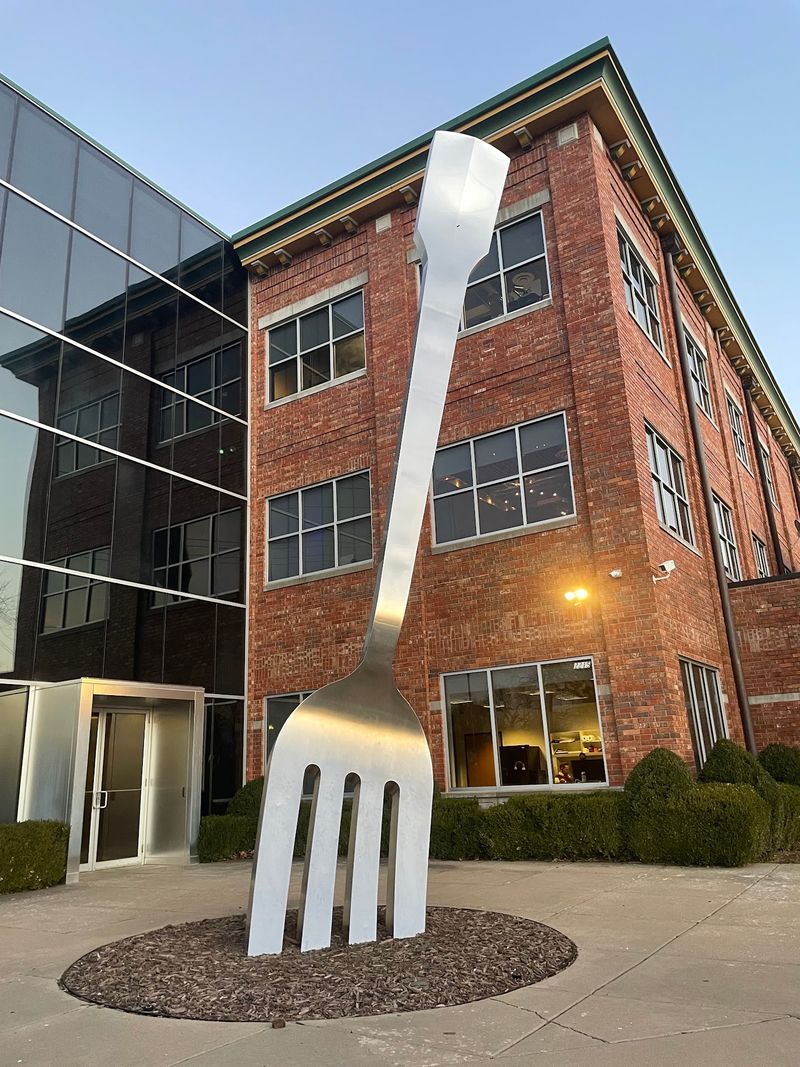
Some roadside sights are strange because they are mysterious, but a giant fork is funny because everyone understands it right away.
In Springfield, the World’s Largest Fork By Mass stands tall, shiny, and wonderfully unnecessary, which makes it a perfect Missouri photo stop.
The fork rises near an office area in the city, not in a flashy theme park.
That surprise is part of the fun.
You can be driving along a normal street, then suddenly there is a huge utensil planted in the ground like a monument to dinner.
Springfield has deep Route 66 roots, so odd stops like this fit the city well.
The fork is often linked with local creativity and the playful side of public art.
It is not a long visit, but it is the kind of stop that gives your trip a good laugh.
Bring a camera or phone, because the best part is playing with scale.
Stand far enough away so the whole fork fits in the picture.
If you travel with friends, try silly poses, like pretending to lift it or waiting for a giant plate of spaghetti.
Because the fork is outside, weather matters.
A sunny day makes the metal shine, while cloudy skies can give photos a softer look.
Early morning or late afternoon may be better for pictures because the light is less harsh.
Do not expect restrooms, a ticket booth, or a gift shop at the fork itself.
Treat it as a quick side stop while exploring Springfield.
Pair it with local food, Route 66 sites, or a walk downtown to make the detour feel fuller.
Parking rules nearby may change, so look for legal spots and respect private property.
A short, polite visit keeps quirky landmarks welcome in busy areas.
The giant fork proves that Missouri road trips do not need to be serious to be memorable.
3. Red Oak II
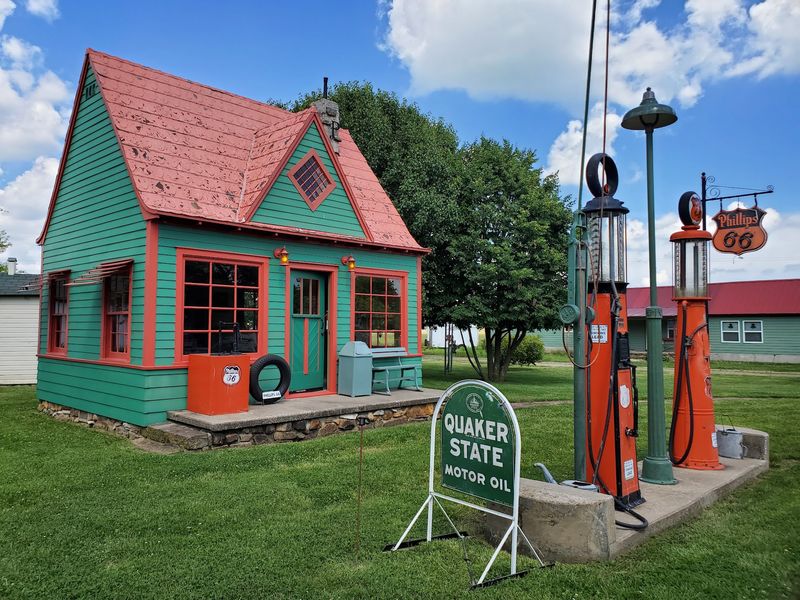
Walking into Red Oak II feels a little like stepping into someone’s memory, only the memory has been rebuilt along a quiet country road.
Near Carthage in southwest Missouri, this unusual village was created by artist Lowell Davis, who wanted to save pieces of small-town life.
Instead of one museum building, Red Oak II is a whole collection of moved and restored structures.
You may see an old schoolhouse, a church, homes, shops, signs, and vintage vehicles.
The place has a dreamy feeling, as if a vanished Missouri town decided to come back for one more visit.
Part of the joy is wandering slowly.
There is no need to rush from one display to another.
Look at the porches, old signs, funny details, and artful touches that show Davis had both skill and humor.
Photographers often love this stop because every corner seems ready for a picture.
Rusty cars, bright paint, wide skies, and country lanes create a strong sense of place.
Wear comfortable shoes, since the best way to enjoy it is on foot.
Red Oak II is especially good for travelers who like history but do not want a stiff museum visit.
Kids can compare the old buildings to the places they know today.
Adults may feel a tug of nostalgia, even if they never lived in a town like this.
Because it is a quiet site, visitors should be respectful.
Some buildings may have limits, and people may live or work nearby.
Stay on paths, follow posted signs, and treat the village like a shared treasure.
Check current visitor information before you go, since hours and access can vary.
Carthage also has Route 66 history, a lovely courthouse, and other nearby stops, so Red Oak II can fit easily into a half-day plan.
It is quirky, yes, but it is also thoughtful, handmade, and deeply Missouri.
4. Fanning 66 Outpost And Route 66 Rocker
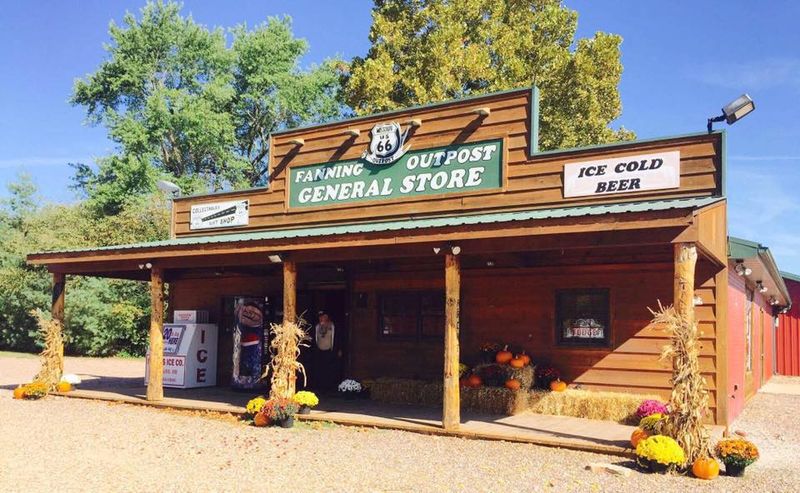
Nothing says road trip like a chair too large for any living room.
At Fanning 66 Outpost near Cuba, Missouri, the famous Route 66 Rocker still pulls travelers off the highway for a grin and a photo.
The giant rocker was once known as one of the largest rocking chairs in the world.
Even after other oversized chairs challenged its record, it stayed a beloved symbol of Missouri Route 66.
Its size makes people stop, but its location gives it extra meaning.
Route 66 has always been about movement, neon, diners, motels, and little surprises between towns.
This rocker captures that spirit in a simple way.
It is big, friendly, and a little absurd, just like the best roadside landmarks.
The outpost area has offered gifts, snacks, and travel items over the years, though services can change.
Before making it your only planned break, check current hours and whether the store is open.
Even when plans shift, the giant chair remains the main photo prize.
For a good picture, step back far enough to include the whole rocker and the Route 66 setting.
Morning or late-day light can help avoid harsh shadows.
If you collect road trip photos, this is one of those images that instantly tells a story.
Cuba itself is worth extra time.
The town is known for murals, Route 66 charm, and nearby outdoor spots.
Adding the rocker to a Cuba stop makes the visit feel more complete and less like a quick pull-off.
Safety matters near roadside attractions.
Watch traffic, keep children close, and park only where allowed.
Oversized objects make people excited, but the highway setting still needs care.
The Route 66 Rocker is not complicated, and that is its strength.
You stop, laugh, take a photo, maybe buy a snack, and keep rolling through Missouri with one more odd story to tell.
5. Missouri S&T Stonehenge
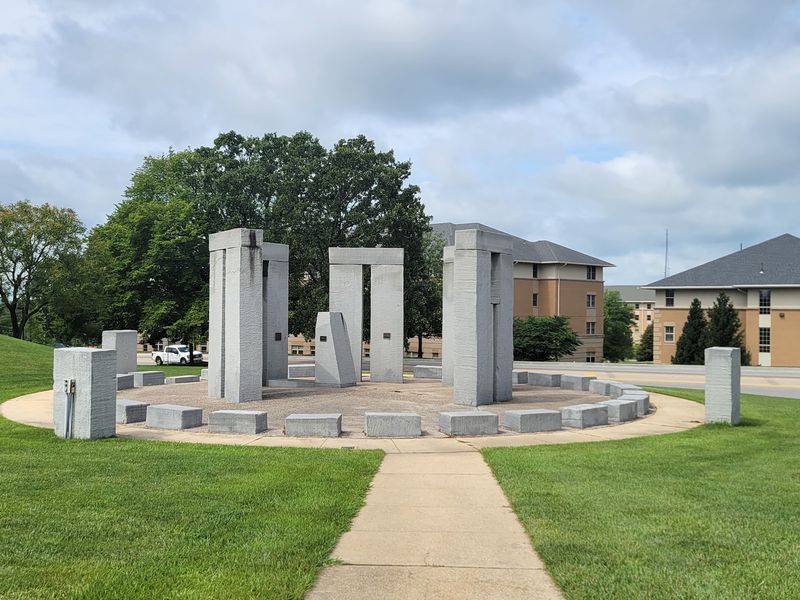
A copy of Stonehenge on a college campus sounds like a prank, but in Rolla it is also a lesson in engineering.
Missouri S&T Stonehenge sits on the Missouri University of Science and Technology campus and turns ancient mystery into modern stonework.
This is not a pile of fake blocks.
The campus landmark is a granite replica, created with careful cutting and design.
It shows how science, tools, and planning can recreate a famous ancient shape in a fresh Missouri setting.
Rolla is in Phelps County, making this stop easy to pair with Interstate 44 travel.
Many people pass through the area without knowing a campus version of Stonehenge is nearby.
A short detour can add a smart and surprising stop to the day.
The site is outdoors, so it works well for a quick walk and photo break.
Students may be moving around campus, especially during the school year.
Visitors should remember that it is part of an active university, not a theme attraction.
Look closely at the stones and the layout.
The fun is not only in seeing a familiar shape, but also in thinking about how people build big things.
For curious kids, it can start questions about ancient places, math, tools, and Missouri’s science programs.
Parking may be the trickiest part.
Check campus visitor parking rules before you arrive, and avoid blocking student or staff spaces.
If you plan ahead, the stop can be easy and stress-free.
The best photos often include both the stones and a hint of the campus around them.
That contrast helps tell the story, old-world inspiration placed inside a modern learning space.
On a quiet day, it can feel peaceful too.
Missouri S&T Stonehenge is quirky in a thoughtful way.
It does not shout for attention with bright colors or jokes.
Instead, it rewards travelers who like odd finds, smart design, and the idea that even a college campus can hide a road trip surprise.
6. Jim The Wonder Dog Museum
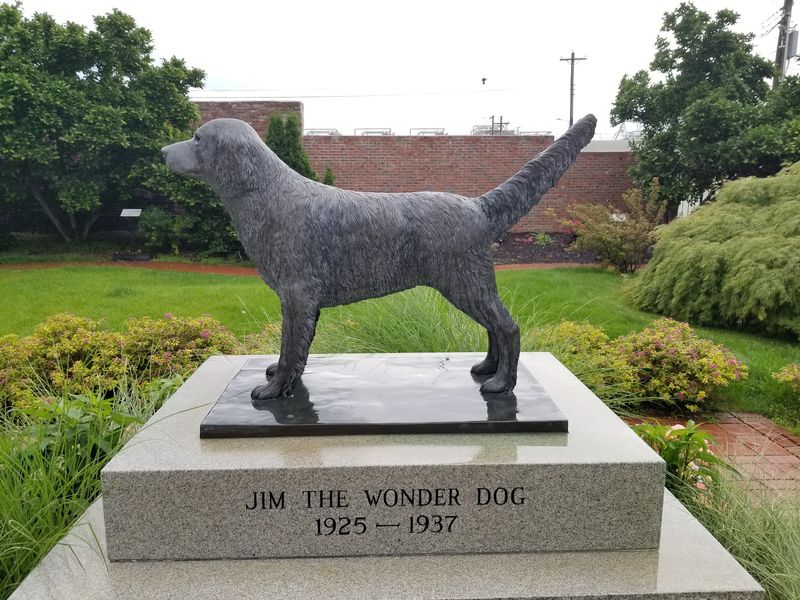
A dog who could pick winners, follow strange commands, and amaze crowds sounds like a tall tale told on a porch.
In Marshall, Missouri, Jim The Wonder Dog Museum keeps the story alive with photos, records, and local pride.
Jim was a Llewellin setter born in the 1920s, and people claimed he had almost unbelievable skills.
Stories say he could understand commands in different languages, identify people by description, and even predict race winners.
Whether visitors believe every story or not, the legend is part of Missouri folklore.
The museum is small, but that suits the subject.
Instead of feeling like a huge tourist machine, it feels personal and town-centered.
You can learn how one special dog became famous far beyond his home.
Marshall still celebrates Jim because his story belongs to the community.
There is also a statue and a gravesite connected to him, so fans can make a fuller stop if they plan ahead.
Ask locally or check visitor information for the best way to see related sites.
Animal lovers may enjoy this stop most, but history fans can have fun too.
Jim’s fame grew during a time when newspapers, word of mouth, and public demonstrations could turn local wonders into national stories.
His tale shows how people have always loved mysteries they cannot fully explain.
Because hours may be limited, do not assume the museum is open every day.
Call or check online before driving out of your way.
Small museums often depend on local staffing and community schedules.
Take your time with the displays instead of rushing through.
Read the clippings, look at old images, and imagine what it would have been like to see Jim perform.
Kids can compare the legend to stories of smart pets they know today.
Jim The Wonder Dog Museum is not loud or flashy.
Its charm comes from wonder, memory, and a Missouri town that never forgot a remarkable dog.
That makes it a sweet, unusual break from giant objects and roadside jokes.
7. Maxie The World’s Largest Goose
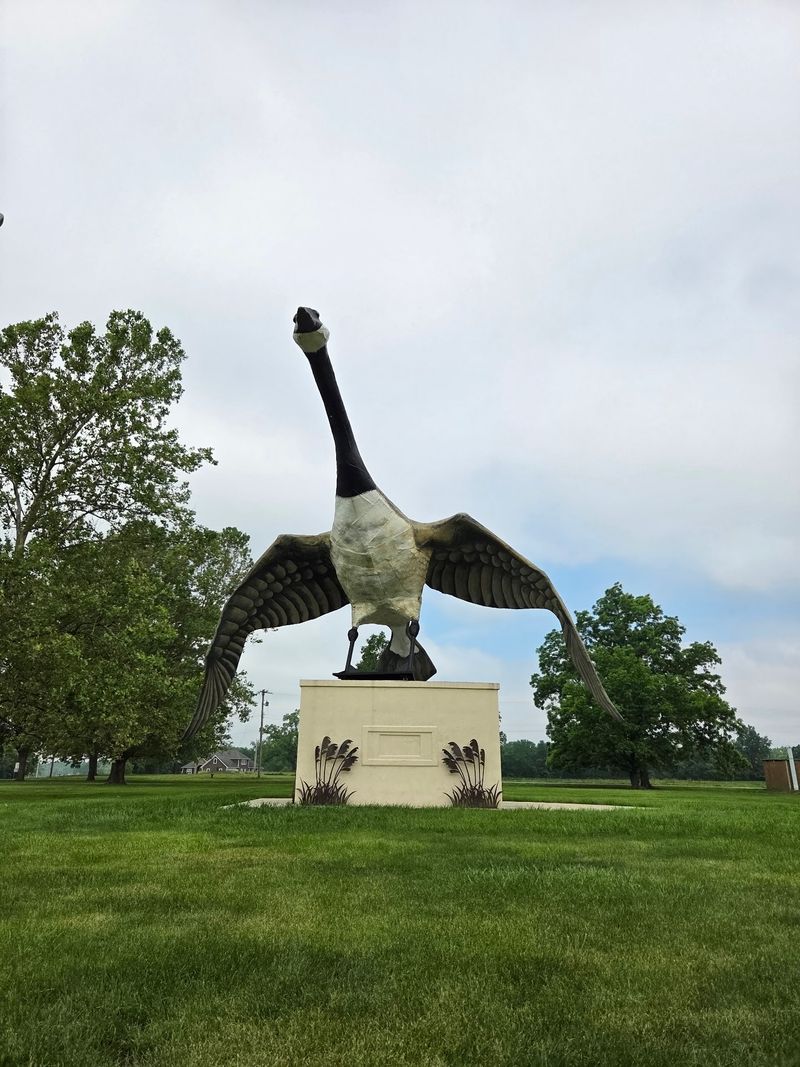
A giant goose may not be on your travel bingo card, but Sumner, Missouri, proudly offers one.
Maxie The World’s Largest Goose stands as a bold tribute to a town known for wild geese, wetlands, and bird-loving visitors.
Sumner sits near important bird habitat in north Missouri, including areas tied to the migration of Canada geese.
That background makes Maxie more than a random oversized statue.
The goose points to a real part of local identity.
The statue is big enough to make travelers pull over and laugh, but the story behind it adds meaning.
Small towns often use landmarks to say, “Here is what makes us different.” Maxie does that with feathers, height, and plenty of roadside confidence.
For bird watchers, this stop can fit nicely with a nature-focused trip.
Depending on the season, nearby wetland areas may offer chances to see waterfowl and other wildlife.
Bring binoculars if you plan to explore beyond the statue.
For families, Maxie is quick and easy.
Kids do not need a long history lesson to enjoy a huge goose.
Let them pose for photos, stretch their legs, and then talk about migration as you drive.
Since Sumner is a smaller community, plan fuel, food, and restrooms with care.
Rural Missouri drives can be peaceful, but services may be farther apart than in larger cities.
A little planning keeps the outing relaxed.
Try visiting during daylight for the best pictures and safest stop.
Look for a clear angle that shows Maxie’s size against nearby buildings or people.
Wide shots often work better than close-ups because the scale is the whole joke.
Maxie The World’s Largest Goose is a reminder that Missouri’s quirks are not limited to Route 66.
Some are rooted in wildlife, local festivals, and the pride of small places.
It is strange, simple, and surprisingly connected to the land around it.
8. World’s Largest Pecan
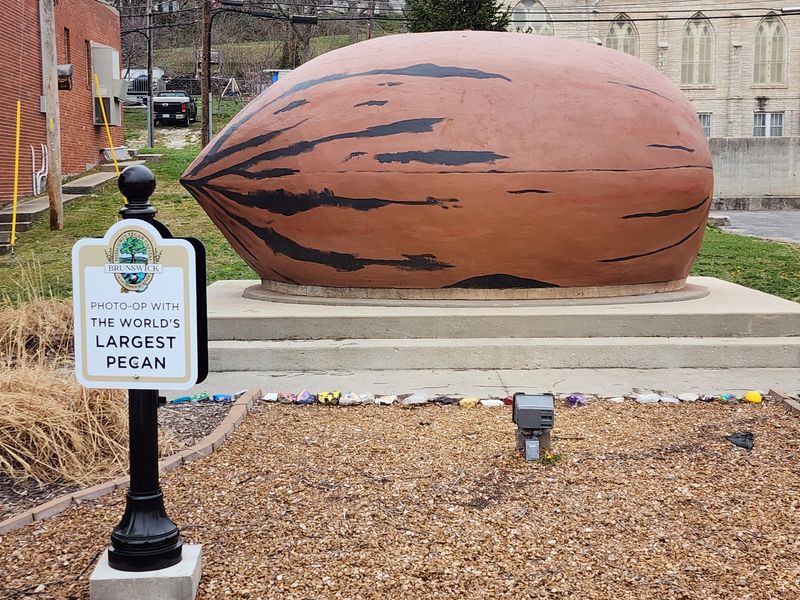
Food landmarks have a special kind of charm because they make people smile and think about snacks at the same time.
In Brunswick, the World’s Largest Pecan honors a crop that has deep roots in Missouri River country.
Brunswick is often linked with pecans, and the area’s farming history helps explain the giant nut.
This is not just a random roadside gag.
It reflects a local connection to orchards, harvests, and the pride that comes from growing something well.
The giant pecan makes an easy stop for travelers who like small-town oddities.
You can take a photo, read any nearby signs, and enjoy a quiet pause away from busier highways.
It is the kind of place where the stop may last ten minutes but the memory lasts much longer.
If you visit during a local event or festival season, the town may feel especially lively.
Check Brunswick’s current calendar before your trip.
You might find food, crafts, or community activities that turn a quick visit into a fuller experience.
Travelers who enjoy local flavors should look for pecan treats nearby when available.
Pies, candies, roasted nuts, and baked goods can make the theme more fun.
Buying from a local shop also supports the community behind the landmark.
Photos are best when you include people for scale.
Have someone stand near the pecan, then step back enough to show its full shape.
Avoid climbing on displays unless signs clearly allow it, since landmarks need care to last.
Brunswick’s location can make it a pleasant piece of a slower Missouri drive.
Instead of rushing from city to city, follow smaller roads and enjoy farm fields, river history, and quiet streets.
That slower pace fits the pecan perfectly.
The World’s Largest Pecan proves that a town does not need a huge amusement park to be memorable.
Sometimes one oversized nut, tied to real local history, is enough to turn a simple road trip into a story.
9. World’s Largest Chess Piece At The World Chess Hall Of Fame
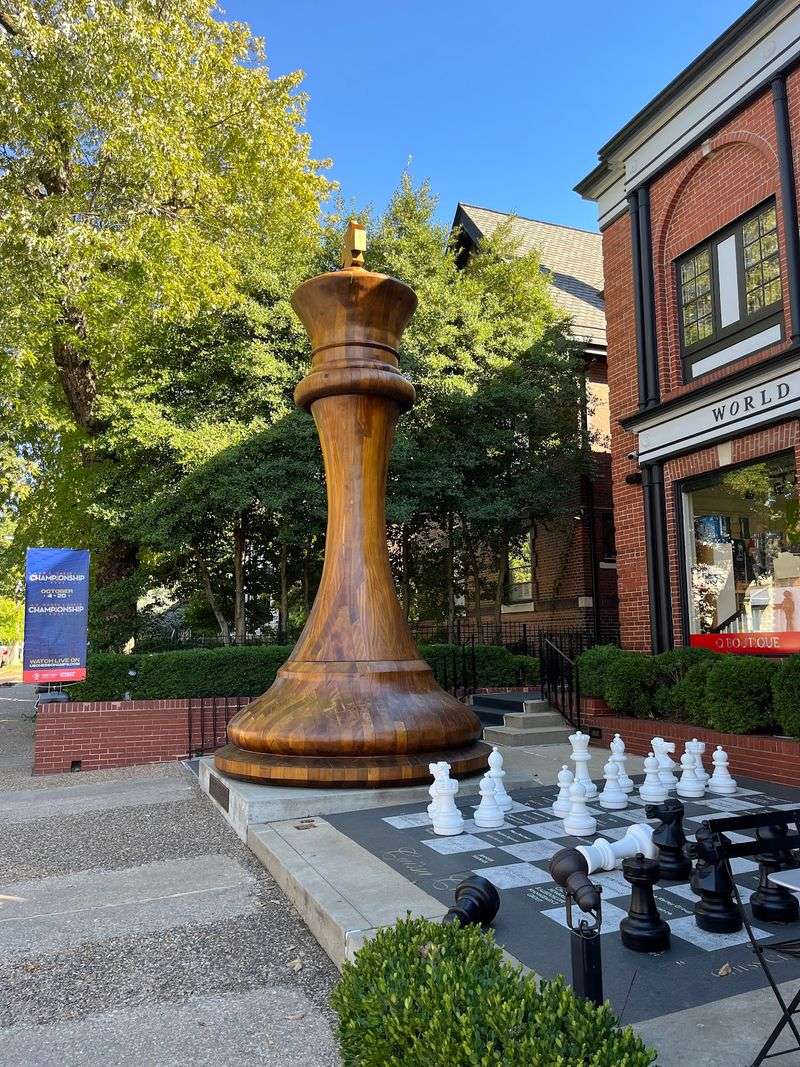
A chess piece taller than a person has a funny way of making even non-players stop and stare.
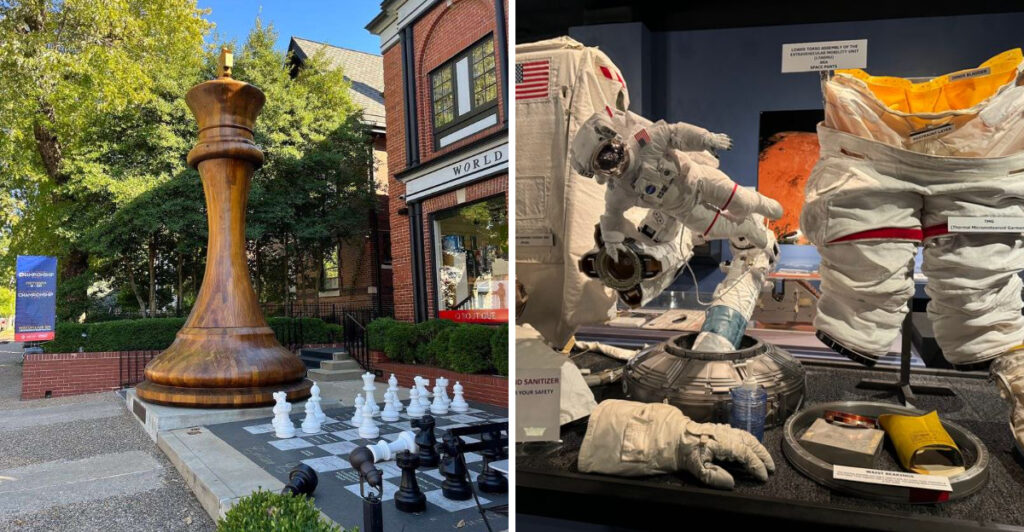
In St. Louis, the World’s Largest Chess Piece stands outside the World Chess Hall Of Fame and gives strategy a giant public face.
The piece is a king, which feels fitting because the king is the center of every chess game.
Its huge size turns a quiet board game into a bold city landmark.
Even if you do not know how to castle or checkmate, the sight is easy to enjoy.
The World Chess Hall Of Fame is located in St. Louis’s Central West End, a lively area with restaurants, shops, and walkable streets.
That makes the stop more than a quick photo.
You can pair it with a meal, a museum visit, or time exploring the neighborhood.
Inside the hall, exhibits may cover chess history, art, culture, famous players, and creative takes on the game.
Displays can change, so check the current schedule before going.
Some visitors arrive for the giant piece and end up staying because the museum is more interesting than expected.
Families can use the stop to make chess feel less intimidating.
A giant king outside sets a playful mood before anyone sees a board.
Kids may become more curious when the game feels connected to art and records instead of only rules.
City parking can take patience, so plan extra time.
Look for metered spots, garages, or public transit options depending on your route.
Comfortable walking shoes help if you want to explore nearby streets afterward.
For photos, stand across the sidewalk or street where it is safe, and include people near the base for scale.
The piece looks especially impressive when framed with the museum behind it.
Be mindful of pedestrians while taking pictures.
This stop is quirky, but it also feels polished and cultural.
It shows that Missouri oddities can be smart, urban, and record-breaking at the same time.
A giant chess king may be playful, but it also invites visitors to think a few moves ahead.
10. The Space Museum And Grissom Center
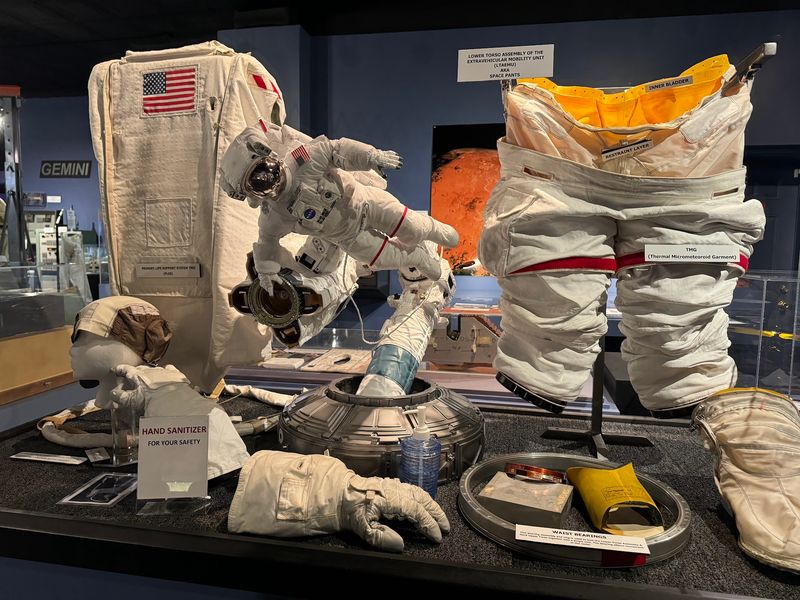
Outer space feels far away, but Bonne Terre, Missouri, gives travelers a chance to touch a little piece of that dream.
The Space Museum And Grissom Center is a surprising stop for anyone who loves rockets, astronauts, and big questions.
The museum is named in honor of astronaut Virgil “Gus” Grissom, one of America’s early space heroes.
While Grissom was from Indiana, the center in Missouri helps share the larger story of space exploration.
It connects local visitors with national science history in a hands-on, approachable way.
Expect a smaller museum experience, not a giant space center with massive crowds.
That can be a good thing.
Smaller spaces often let you slow down, read displays, and ask better questions instead of being rushed from room to room.
Exhibits may include space memorabilia, models, mission information, astronaut-related items, and educational displays.
Check current details before you go, since collections and hours can change.
A quick phone call or website visit can prevent disappointment.
This stop works well for curious kids because space naturally sparks imagination.
Parents can use the visit to talk about gravity, the moon, rockets, and courage.
You do not need to be a science expert to enjoy learning together.
Bonne Terre is also known for its historic mine, so the town offers an unusual mix of underground and outer-space themes.
If time allows, you can build a full day around both ideas.
Few Missouri towns let you think about deep earth and deep space so close together.
Plan for a calm, thoughtful visit.
Read labels, notice small artifacts, and give children time to point out what catches their eye.
Museums like this reward attention more than speed.
The Space Museum And Grissom Center may not appear in every glossy travel guide, but that is part of its appeal.
It offers a quiet burst of wonder in a state better known for rivers, caves, farms, and highways.
Sometimes the quirkiest Missouri stop is the one that makes you look up.
Share this story