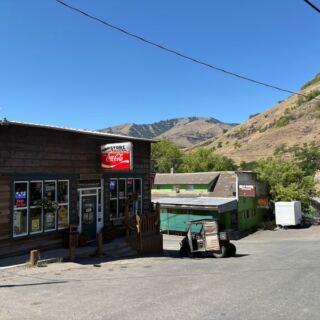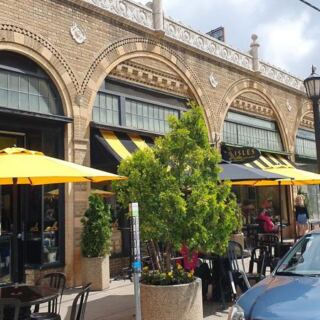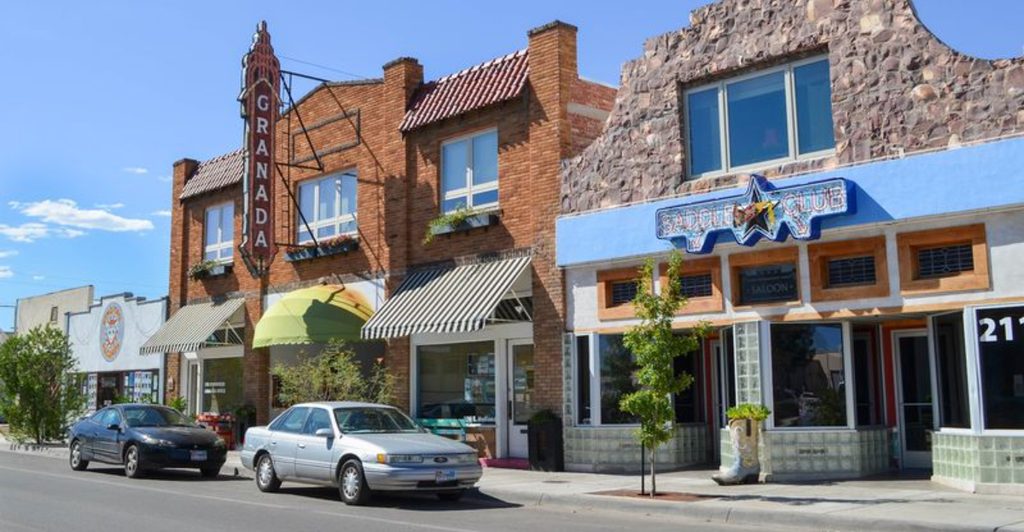
Tucked away in the high desert of West Texas, Alpine has become one of the state’s best-kept secrets for retirees seeking something different. While most people rush to the coast or settle in sprawling suburbs, this mountain town of about 6,000 residents offers a refreshing alternative that’s catching the attention of those planning their next chapter. With cooler temperatures, stunning scenery, and a cost of living that won’t drain your retirement savings, Alpine proves you don’t need to leave Texas to find your perfect retirement spot.
1. Rent That Leaves Money In Your Pocket
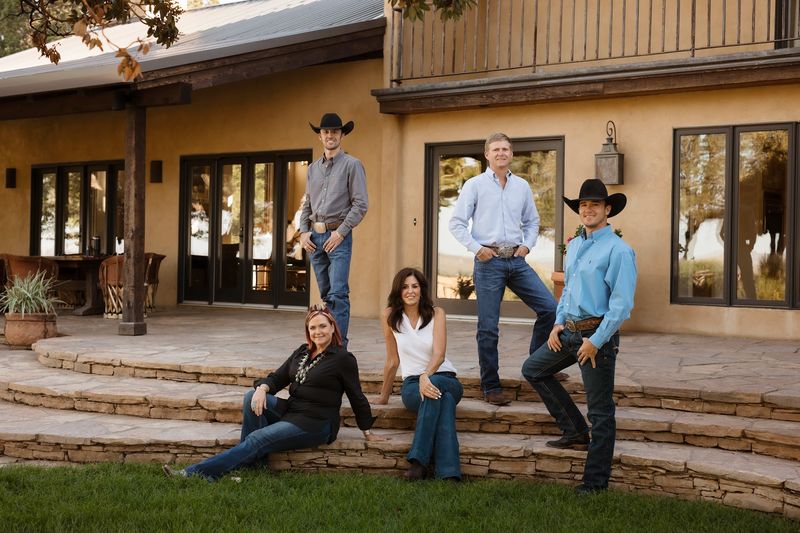
Your retirement budget stretches further here than almost anywhere else in Texas. Monthly rent for a two-bedroom place typically runs between $700 and $900, which is roughly half what you’d pay in Austin or San Antonio. That difference adds up fast when you’re living on a fixed income.
Plenty of landlords in Alpine own just one or two properties, so you’re often dealing with actual people instead of faceless management companies. They tend to be more flexible and understanding, especially with retirees who have solid rental histories. Many properties come with yards, garages, and mountain views that would cost a fortune elsewhere.
The rental market here stays relatively stable throughout the year. You won’t see the wild price swings that hit tourist-heavy areas or college towns. This predictability makes budgeting simpler and eliminates the stress of wondering if your rent will suddenly jump by hundreds of dollars.
Most rentals include space for hobbies, whether that’s a workshop in the garage or a sunroom perfect for plants. Storage isn’t usually an issue either, so you won’t need to pay for an off-site unit. Finding a place that accepts pets is also easier here than in bigger cities.
The application process tends to be straightforward without excessive fees or complicated requirements. Many landlords value long-term, reliable tenants over constantly turning over units. If you’re downsizing from a larger home but not ready to buy, Alpine’s rental market offers quality options that respect your retirement dollars while providing comfortable living spaces with character and charm.
2. Everyday Expenses That Make Sense
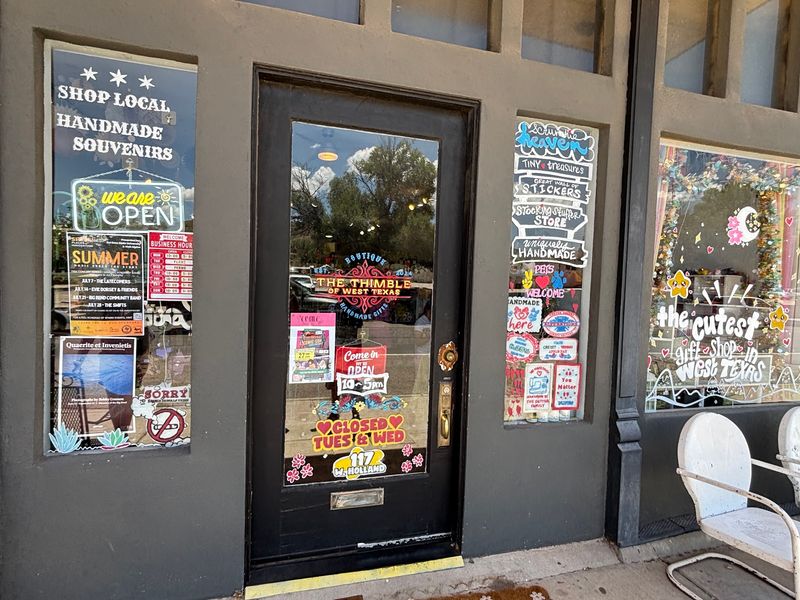
Groceries, gas, and utilities won’t eat up your retirement checks the way they do in Houston or Dallas. The overall cost of living in Alpine sits about 15-20% below the Texas average, which means your Social Security or pension goes noticeably further. You can fill your cart at the local grocery store without wincing at the register.
Gas prices tend to run just slightly above state averages due to the remote location, but you’ll drive far less than you did in a sprawling metro area. Most errands happen within a five-mile radius, and there’s rarely any traffic to waste fuel sitting idle. Your monthly gas budget will likely drop even if the per-gallon price is a bit higher.
Electricity costs stay reasonable thanks to milder summers that don’t require constant air conditioning. Water bills are straightforward, and trash service is affordable. Internet and cable packages cost about what you’d expect anywhere in rural Texas, though some retirees happily ditch cable entirely and rely on streaming services.
Dining out won’t drain your wallet either. A good meal at a local restaurant typically costs $10-15 per person, and coffee shops charge normal prices instead of the premium rates you find in trendy city neighborhoods. Entertainment options like community theater or museum visits are either free or cost just a few dollars.
Property taxes on homes are significantly lower than in major Texas cities, which matters if you decide to buy. Sales tax is standard for Texas at 8.25%, so you won’t face any surprises there. The combination of lower housing costs and reasonable day-to-day expenses creates a financial breathing room that makes retirement genuinely relaxing instead of constantly stressful.
3. Weather That Feels Just Right
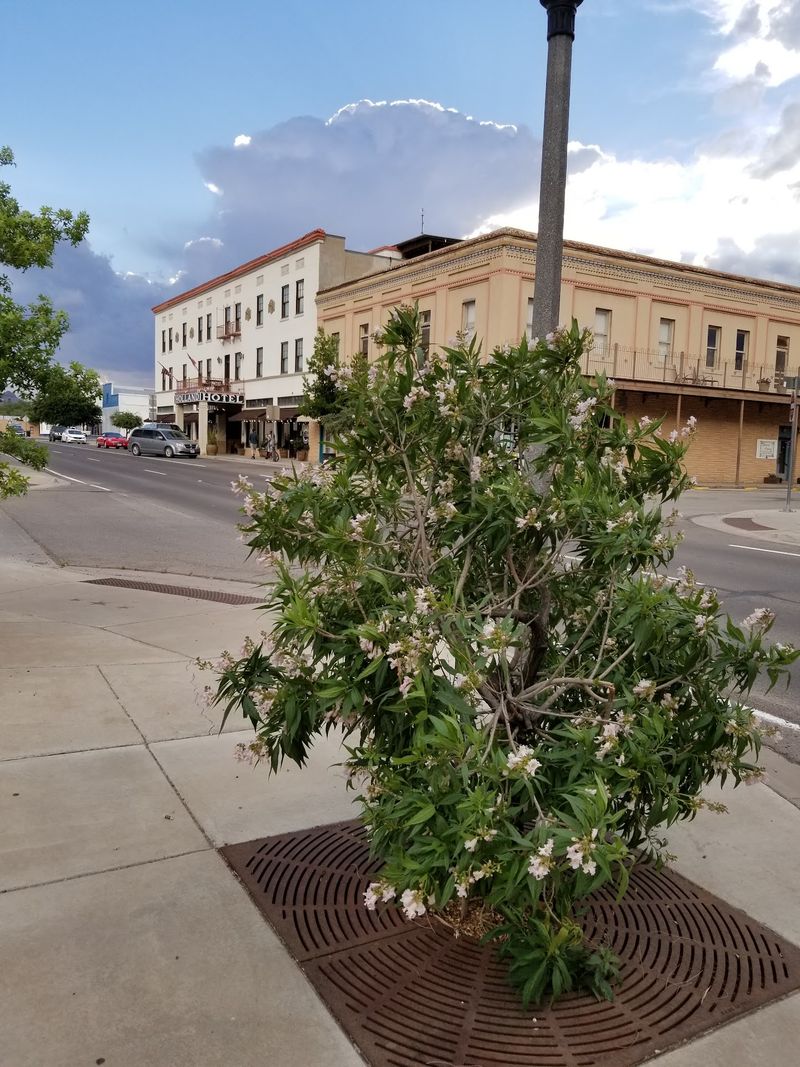
Sitting at 4,500 feet elevation, Alpine enjoys a climate that feels like a gift after decades of brutal Texas summers. July highs average around 88 degrees instead of the 100-plus temperatures that bake most of the state. You can actually sit outside in the afternoon without feeling like you’re melting into the pavement.
Nights cool down beautifully, even in summer. Temperatures often dip into the 60s after sunset, which means you can open your windows and enjoy fresh air instead of running the AC all night. This natural cooling saves money and just feels better than being sealed inside a climate-controlled box.
Winter brings mild days and chilly nights, with average January highs in the mid-50s. Snow happens occasionally but rarely sticks around long. You might see a few pretty dustings each year, but you won’t need a snowblower or worry about being trapped inside for days.
Light jackets and sweaters handle most winter weather just fine.
Spring and fall last longer here than in other parts of Texas. You get extended periods of absolutely perfect weather in the 70s, ideal for hiking, gardening, or just sitting on your porch with a book. These seasons don’t rush past in a few weeks like they do in Houston or Dallas.
Humidity stays low year-round, which makes every temperature feel more comfortable. That dry air is easier on joints and breathing, and it keeps mold and mildew from becoming household problems. Rainfall is limited, averaging about 15 inches annually, so you’ll enjoy plenty of sunny days without the oppressive mugginess that makes much of Texas miserable in summer.
4. Big Bend National Park At Your Doorstep
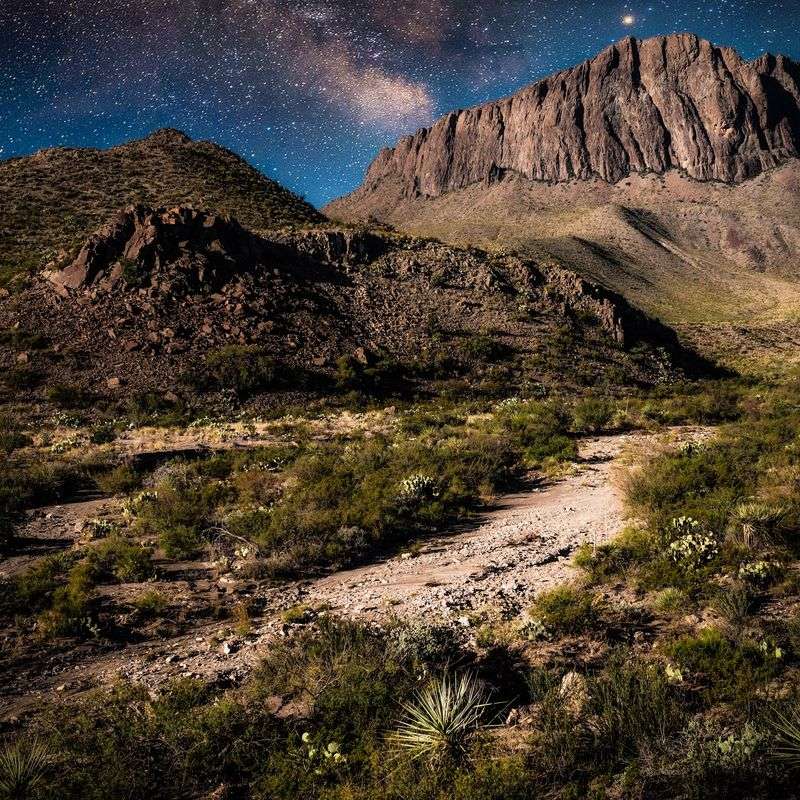
Living just 80 miles from one of America’s most spectacular national parks means your backyard is basically 800,000 acres of desert wilderness. Retirees here treat Big Bend like their personal playground, heading down for day trips or weekend camping whenever the mood strikes. The park entrance fee is just $30 per vehicle for a week, or you can grab a senior pass for lifetime access at a bargain price.
The variety of landscapes keeps things interesting no matter how many times you visit. You can hike through desert lowlands in the morning, explore forested mountains by afternoon, and watch the sunset over the Rio Grande by evening. The Chisos Mountains offer cooler temperatures and shaded trails, while the river areas provide water-based activities and birdwatching opportunities.
Crowds are manageable except during spring break and major holidays. Most weekdays, especially in fall and winter, you’ll have trails largely to yourself. This solitude is rare at popular national parks, where you often fight for parking and elbow your way past other hikers.
Here, you can actually experience wilderness without feeling like you’re at Disneyland.
The dark skies in Big Bend are protected, making it one of the best stargazing spots in the country. Rangers lead astronomy programs, and you can see the Milky Way with stunning clarity on moonless nights. Photography enthusiasts find endless subjects, from ancient rock formations to diverse wildlife including roadrunners, javelinas, and over 450 bird species.
Day trips are easy since Alpine sits at a comfortable distance. You don’t live so close that tourist traffic becomes annoying, but you’re near enough to visit regularly without major planning. Many retirees volunteer at the park, leading tours or staffing visitor centers, which adds purpose and community connection to their retirement years.
5. Downtown With Real Character
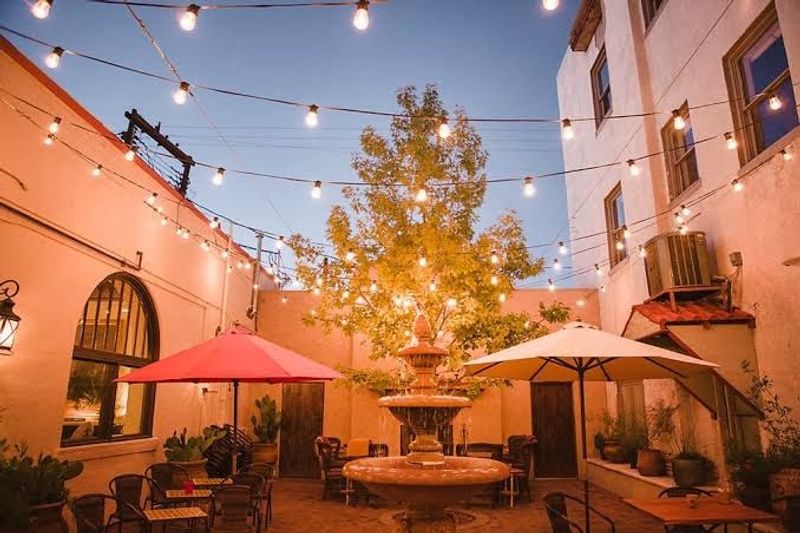
Walking down Holland Avenue feels like stepping into a Texas town that hasn’t sold its soul to chain stores and corporate sameness. The historic courthouse anchors a downtown filled with locally-owned shops, galleries, and cafes that actually reflect the community’s personality. Buildings date back to the early 1900s, with architecture that tells stories instead of looking like every other strip mall in America.
The Museum of the Big Bend sits right downtown, offering free admission and fascinating exhibits about regional history, geology, and culture. You could spend hours exploring collections that cover everything from prehistoric fossils to ranching heritage. The museum hosts lectures and special events that draw both locals and visitors interested in West Texas history.
Art galleries showcase work by local and regional artists, with everything from traditional Western paintings to contemporary sculptures. First Thursday art walks happen monthly, turning downtown into a social event where you can meet artists, enjoy refreshments, and discover new pieces. Prices range from affordable prints to serious investments, and gallery owners actually know the artists personally.
Coffee shops and bookstores provide gathering spots where conversations happen naturally. You’ll recognize faces after a few visits, and newcomers get welcomed into the community quickly. The pace is unhurried, so grabbing coffee isn’t a rushed transaction but rather a chance to connect with neighbors and catch up on local happenings.
Festivals and markets use downtown streets throughout the year, from farmers markets to holiday celebrations. These events feel authentic rather than manufactured for tourists. Local musicians perform, vendors sell handmade goods, and the whole town shows up.
There’s enough happening to stay engaged without the overwhelming commercialization that ruins the charm of many small towns trying too hard to attract visitors.
6. Art Scene That Inspires Creativity
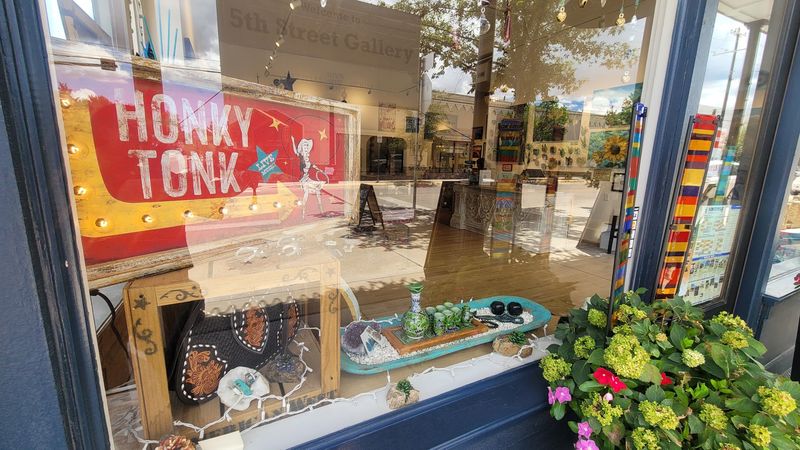
Something about the light and landscape here pulls in creative people like a magnet. Alpine has developed a thriving arts community that punches way above its weight for a town this size. Sul Ross State University contributes to the cultural energy, hosting exhibitions, performances, and lectures that keep things intellectually stimulating.
The Kiowa Gallery represents dozens of regional artists working in various mediums. You’ll find everything from jewelry and pottery to paintings and photography, all created by people who live in the area. Buying directly from local artists means you get unique pieces with stories attached, not mass-produced decoration that everyone else has hanging on their walls.
Theater productions happen regularly at the university and through community groups. The quality is surprisingly high, with passionate performers and creative staging that makes each show memorable. Ticket prices are reasonable, usually under $20, making live theater an affordable regular entertainment option rather than a special occasion splurge.
Art classes and workshops welcome beginners and experienced artists alike. Whether you’ve always wanted to try watercolors, pottery, or photography, you’ll find instruction and studio space available. Many retirees discover or rediscover creative passions they didn’t have time for during their working years.
The supportive atmosphere encourages experimentation without judgment.
Public art installations dot the town, from murals on building walls to sculptures in parks. These pieces create conversation starters and add visual interest to daily walks. The community values creativity and supports artists in practical ways, understanding that culture enriches everyone’s quality of life.
Annual studio tours let you visit artists in their workspaces, seeing how they create and often purchasing pieces directly. This connection between artists and community creates authenticity that’s increasingly rare in our commercialized world.
7. Community Events That Build Friendships
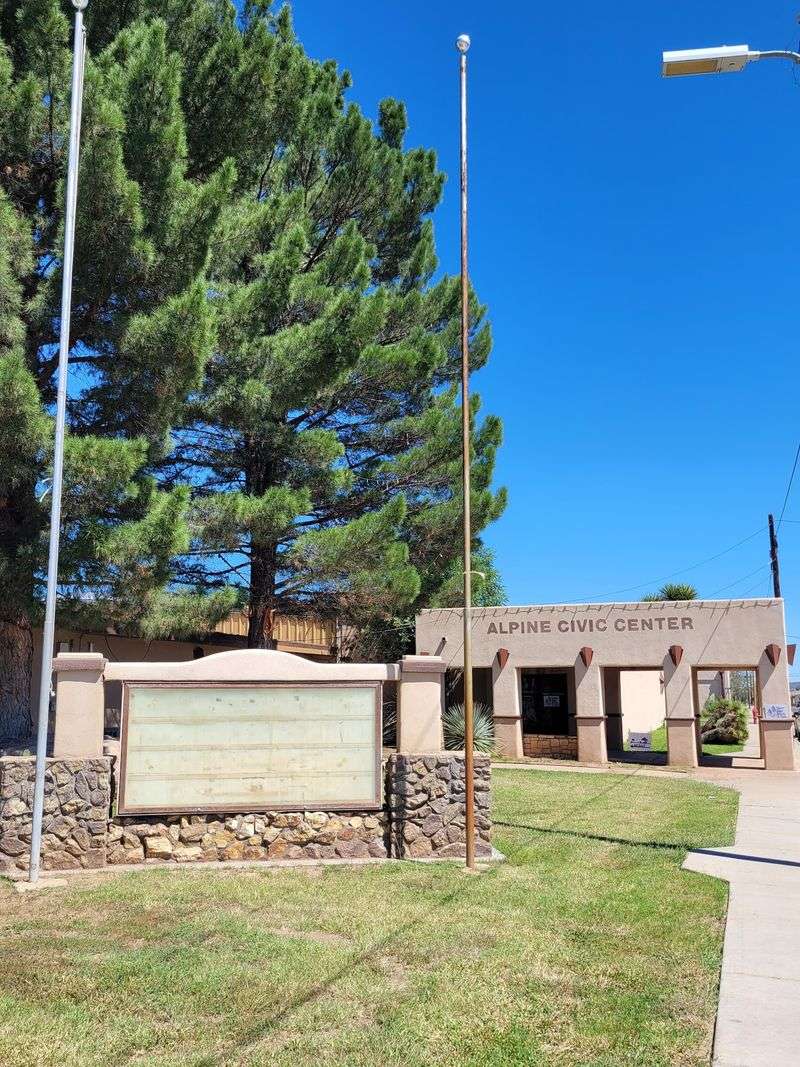
Making friends in retirement can be challenging, but Alpine’s calendar of community events practically forces you to meet people in the best possible way. The Cowboy Poetry Gathering draws folks from across the region each spring, celebrating Western heritage through verse, music, and storytelling. Even if you’ve never written a poem in your life, the event welcomes everyone and creates a festive atmosphere that’s easy to enjoy.
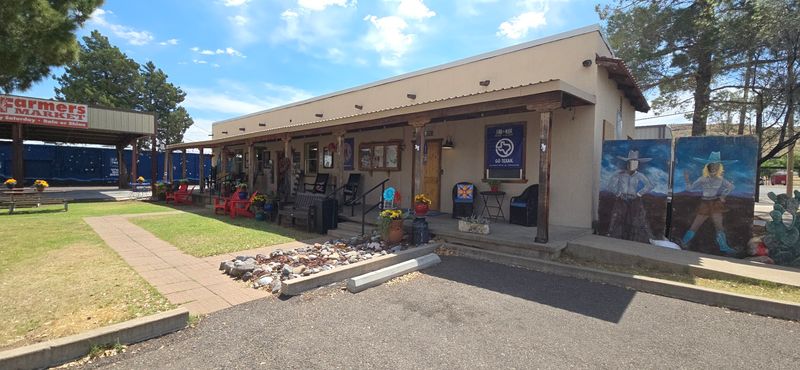
Weekly farmers markets run during growing season, offering more than just produce. They become social gatherings where you’ll run into the same friendly faces, chat with vendors who remember your preferences, and discover what’s happening around town. The relaxed pace encourages lingering over coffee and conversation instead of rushing through your shopping.
The Classic Car Show attracts automobile enthusiasts every fall, filling downtown with beautifully restored vehicles and their proud owners. Whether you’re a gearhead or just appreciate vintage style, the event offers a fun way to spend an afternoon. Car owners love talking about their restorations, and the stories behind each vehicle add depth to the shiny paint and chrome.
Holiday celebrations feel genuinely communal rather than commercialized. The Christmas parade features local kids, school bands, and homemade floats instead of corporate sponsors and professional performers. Fourth of July brings fireworks, barbecue, and patriotic festivities that bring the whole town together in the park.
Book clubs, hiking groups, and hobby organizations meet regularly, providing structured ways to connect with people who share your interests. The public library hosts author talks and discussion groups. Service organizations like Rotary and Lions Club always welcome new members, especially retirees with time and skills to contribute.
These groups do real work in the community while also providing social connections and purpose that make retirement meaningful instead of just endless free time.
8. Slower Pace That Reduces Stress
Rush hour doesn’t exist here. Your biggest traffic delay might be waiting for a train to pass through town, which takes maybe five minutes and gives you a chance to breathe instead of triggering road rage. This absence of hurry affects everything, from how people drive to how they interact in stores.
Nobody’s honking or cutting you off or treating every errand like a race.
Appointments rarely involve long waits or complicated scheduling systems. Your dentist knows you by name, and the bank teller remembers your last conversation. This personal touch reduces the friction and frustration that comes from being treated like a number in a database.
Simple transactions stay simple instead of becoming bureaucratic nightmares.
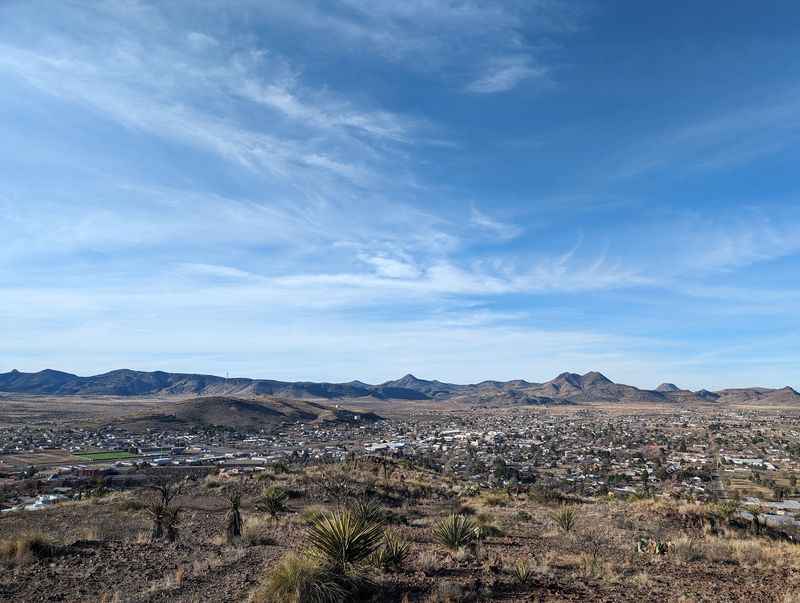
The natural environment encourages slowing down and actually noticing your surroundings. Mountains frame every view, reminding you that some things are bigger than your to-do list. Sunrises and sunsets demand attention with their dramatic colors.
Birds and wildlife move at their own pace, indifferent to human schedules and deadlines.
People here don’t fill every minute with activities and obligations. It’s perfectly acceptable to spend an afternoon doing absolutely nothing productive. Sitting on your porch watching clouds drift past the mountains isn’t seen as lazy but rather as sensible.
This cultural permission to relax helps retirees actually enjoy their freedom instead of feeling guilty about not staying busy.
The lack of constant stimulation and noise pollution allows your nervous system to genuinely calm down. You won’t hear sirens constantly or deal with neighbors blasting music at all hours. Nights are quiet enough to hear crickets and coyotes instead of traffic and car alarms.
This peaceful environment lowers blood pressure both literally and figuratively, creating space for the relaxed retirement lifestyle you probably dreamed about during all those stressful working years.
9. Stargazing Without Light Pollution
Step outside after dark and prepare to have your mind blown by how many stars actually exist. Alpine’s remote location and lack of urban sprawl mean the night sky looks like it did before electricity ruined everyone’s view. The Milky Way stretches across the heavens in a glowing band that seems almost unreal if you’ve spent years living in cities where you’re lucky to see a dozen stars.
The McDonald Observatory sits just 45 minutes away near Fort Davis, offering some of the darkest skies in North America. Public star parties happen regularly, where you can look through massive telescopes and learn about celestial objects from knowledgeable staff. Even if you’ve never been particularly interested in astronomy, seeing Saturn’s rings or Jupiter’s moons through a powerful telescope creates a sense of wonder that’s hard to describe.
You don’t need fancy equipment to enjoy stargazing from your own backyard. A simple pair of binoculars reveals countless stars invisible to the naked eye. Meteor showers put on spectacular shows without competing light pollution washing out the fainter streaks.
Learning to identify constellations becomes an enjoyable hobby that gets you outside in the evening air.
The clear, dry atmosphere means fewer cloudy nights blocking your view. Humidity and haze that obscure skies in other parts of Texas aren’t issues here. You can plan stargazing sessions with reasonable confidence that conditions will cooperate.
Full moons are bright enough to hike by, casting dramatic shadows across the desert landscape.
Photography enthusiasts find endless opportunities for astrophotography. Even basic cameras can capture stunning images of star trails, the Milky Way, and planetary alignments. The dark skies also mean you’ll see satellites crossing overhead, occasional space station passes, and the natural glow of distant galaxies.
This connection to the cosmos adds perspective and beauty to everyday life in ways that city dwellers completely miss.
10. Local Dining That’s Easy On The Wallet
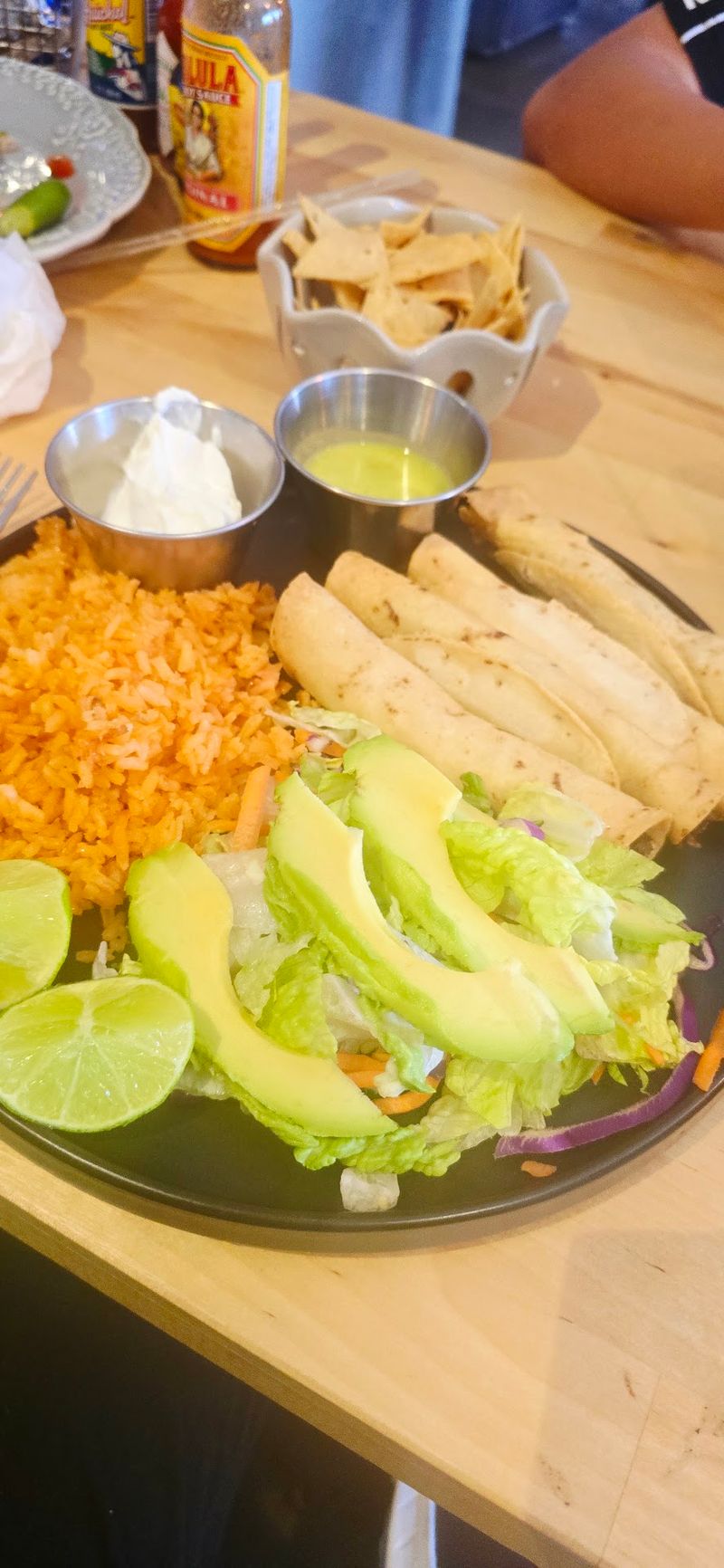
Eating out won’t require a second mortgage or settling for fast food as your only affordable option. Alpine’s restaurant scene offers genuine variety at prices that respect your budget. A satisfying breakfast with coffee typically runs $8-12, while dinner entrees at sit-down restaurants usually fall between $12-18.
These aren’t tiny portions either, but proper meals that actually fill you up.
Mexican food here is the real deal, made by families who’ve been cooking these recipes for generations. You’ll find incredible enchiladas, tacos, and tamales at prices that seem almost too good to be true. The salsa is fresh, the tortillas are often handmade, and the flavors are authentic instead of the bland, Americanized versions served at chain restaurants.
Local cafes serve excellent coffee without the pretentious atmosphere or inflated prices of trendy coffee chains. A quality latte costs $4 instead of $7, and the baristas actually chat with you instead of robotically taking orders. Bakeries offer fresh pastries and bread, perfect for breakfast or taking home for later.
These small businesses care about their products and their customers.
Barbecue joints smoke their meat properly, serving up tender brisket and ribs that rival anything in the famous BBQ cities but at more reasonable prices. Burger places use good beef and fresh ingredients, creating meals that satisfy without the greasy regret that follows fast food. Even the fancier restaurants keep prices moderate, understanding that most locals can’t afford $40 entrees regularly.
Food trucks and casual spots add even more affordable options. You can grab lunch for under $10 easily, and the quality often exceeds what you’d get spending twice as much in a bigger city. BYOB policies at some restaurants let you bring your own wine, saving the markup that usually doubles your dinner bill.
This combination of quality, variety, and affordability means you can enjoy dining out regularly without budget guilt.
11. Outdoor Recreation Without Crowds
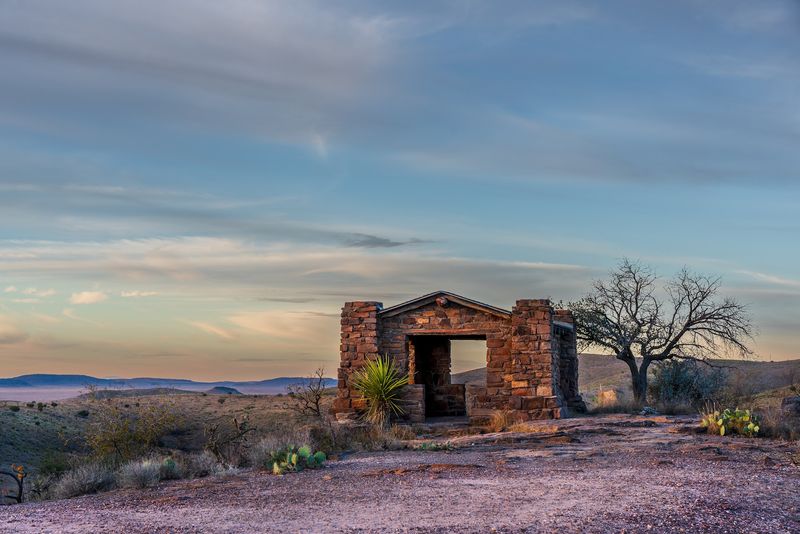
Trails around Alpine offer solitude that’s increasingly rare at popular outdoor destinations. You can hike for hours without seeing another person, experiencing nature the way it’s meant to be enjoyed. No jockeying for parking spots, no waiting in line for trailhead photos, no listening to other people’s music blasting from portable speakers.
Just you, the landscape, and maybe a roadrunner keeping pace alongside the path.
The diversity of terrain keeps things interesting whether you’re a serious hiker or prefer gentle walks. Davis Mountains State Park provides cooler temperatures and shaded trails through pine and oak forests. Desert trails offer stark beauty and wide-open views.
Rock formations create natural obstacles for scrambling if you want more challenge, or you can stick to easy paths that still deliver stunning scenery.
Mountain biking trails wind through the area, ranging from beginner-friendly routes to technical challenges. The terrain varies enough to prevent boredom, and you’ll rarely encounter crowds even on weekends. Cyclists appreciate the lack of traffic on rural roads, where you can ride for miles seeing more deer than cars.
The elevation and hills provide good workouts without requiring extreme fitness levels.
Birdwatching attracts enthusiasts from around the country because the region sits at a convergence of different ecosystems. Over 400 bird species have been recorded in the area, including rare Mexican species that barely cross the border. You don’t need to be a serious birder to enjoy spotting colorful species that never appear in other parts of Texas.
The quiet environment makes it easier to hear bird calls and observe natural behaviors.
Rock climbing opportunities exist for those interested, though this isn’t a major climbing destination. Horseback riding trails let you explore areas inaccessible by foot, and several local stables offer rentals and guided rides. The point is, outdoor recreation happens on your own terms and schedule, without the crowds and commercialization that have ruined many outdoor areas across America.
12. Medical Care Close To Home
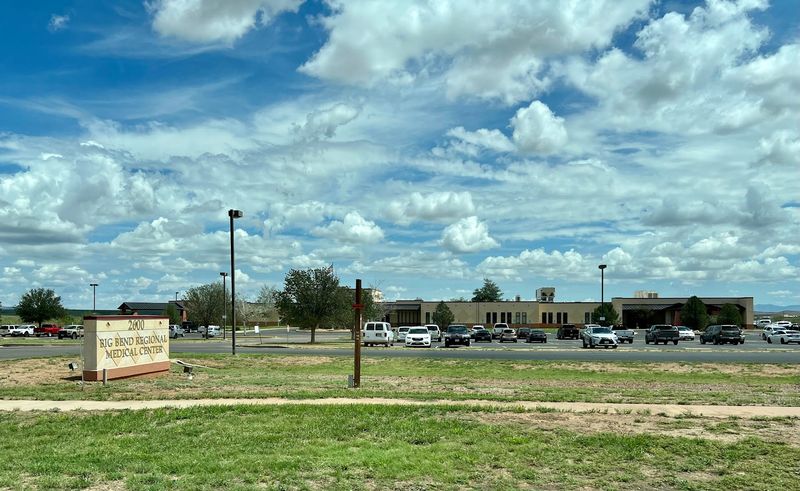
Big Bend Regional Medical Center provides essential healthcare services right in town, so you won’t need to drive hours for routine medical care. The facility includes emergency services, surgical capabilities, and various specialty clinics. While this isn’t a massive teaching hospital, it handles the vast majority of healthcare needs that arise in daily life.
Having reliable medical care nearby brings peace of mind that’s crucial in retirement.
Primary care physicians accept new patients, and you can usually get appointments within a reasonable timeframe. Doctors here tend to spend more time with patients than their counterparts in busy city practices. They know you as a person, not just a chart number, and that relationship improves care quality.
Follow-up is more personal, and coordination between providers happens more smoothly in a smaller system.
Specialists visit regularly on rotating schedules, including cardiologists, orthopedists, and other common needs for retirees. While you might need to plan around their visit dates, this system works well for non-emergency care. The alternative would be driving to El Paso, Midland, or Odessa for every specialist appointment, which is far more disruptive and expensive than waiting a few weeks for a local visit.
Pharmacy services are available locally, with knowledgeable pharmacists who recognize customers and catch potential medication conflicts. Prescription costs tend to be competitive with chain pharmacies, and the personal service adds value. Medical equipment suppliers and home health services operate in the area, supporting those who need ongoing care or assistance.
Emergency response times are good for a rural area, and the medical center is equipped to stabilize serious conditions before transferring patients to larger facilities if necessary. Air ambulance services can reach major hospitals in El Paso or Lubbock quickly when needed. For truly specialized care like complex surgeries or rare conditions, you’ll travel to bigger cities, but that’s true even for people living in medium-sized Texas towns.
The key is that routine healthcare is accessible, affordable, and delivered by providers who treat you like a valued patient rather than just another appointment on an overpacked schedule.
Share this story