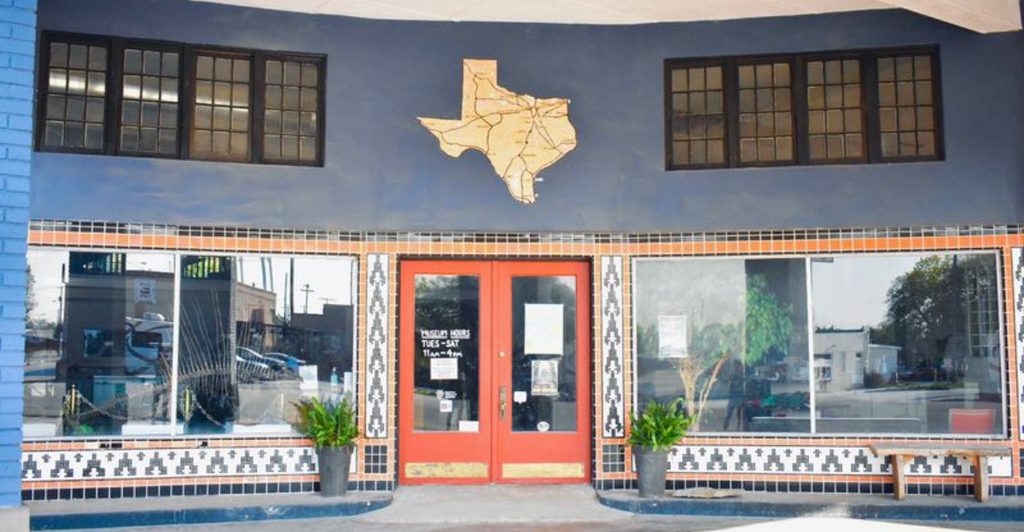
In the heart of Hillsboro, Texas Through Time gives visitors a rare chance to stand face-to-face with real fossils from creatures that roamed the Lone Star State millions of years ago. This isn’t your typical stuffy museum where you stare at displays from behind velvet ropes. Here, you can watch paleontologists clean and prepare actual fossils, dig for shark teeth yourself, and learn from staff who genuinely love what they do. Best of all, admission is completely free, making it one of the coolest family adventures in Central Texas.
1. Real Fossils You Can Actually See Up Close
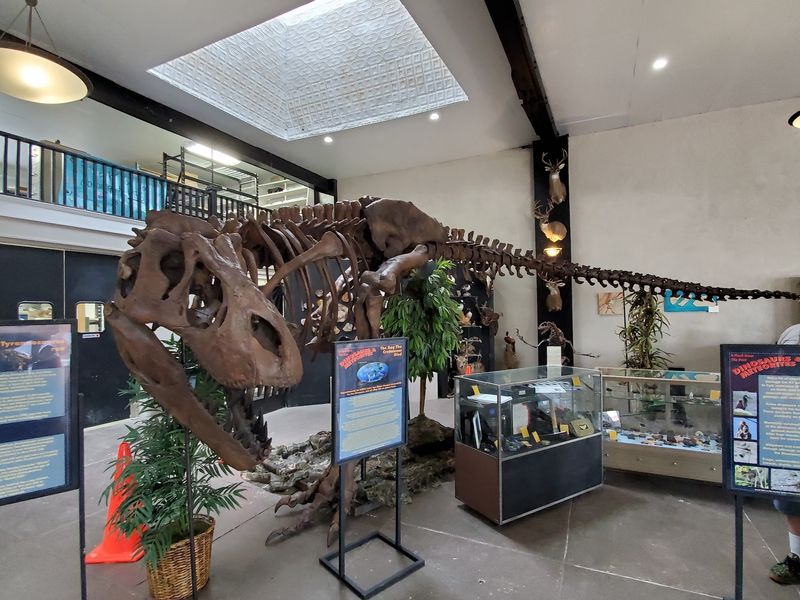
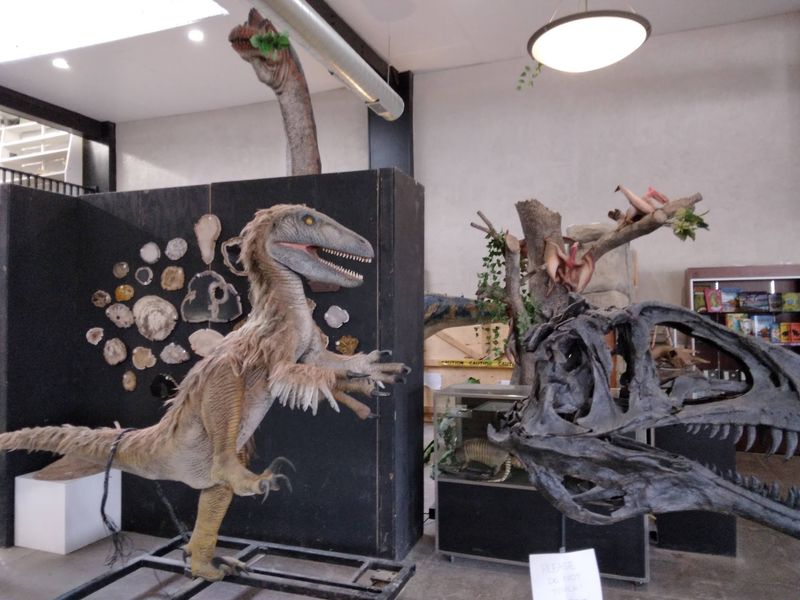
Walking into Texas Through Time feels like stepping into a working paleontology lab rather than a traditional museum. The space may be smaller than big-city institutions, but what it lacks in size, it makes up for in authenticity and accessibility. Every fossil on display comes from Texas soil, telling the story of the prehistoric creatures that once called this region home.
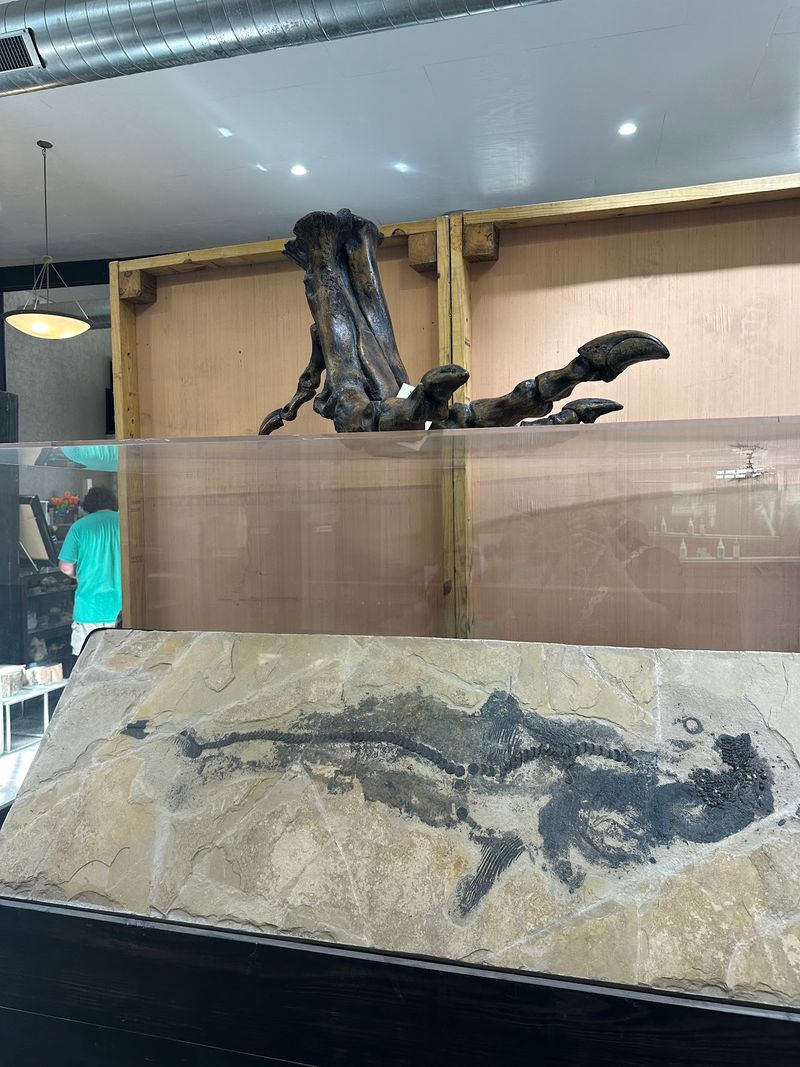
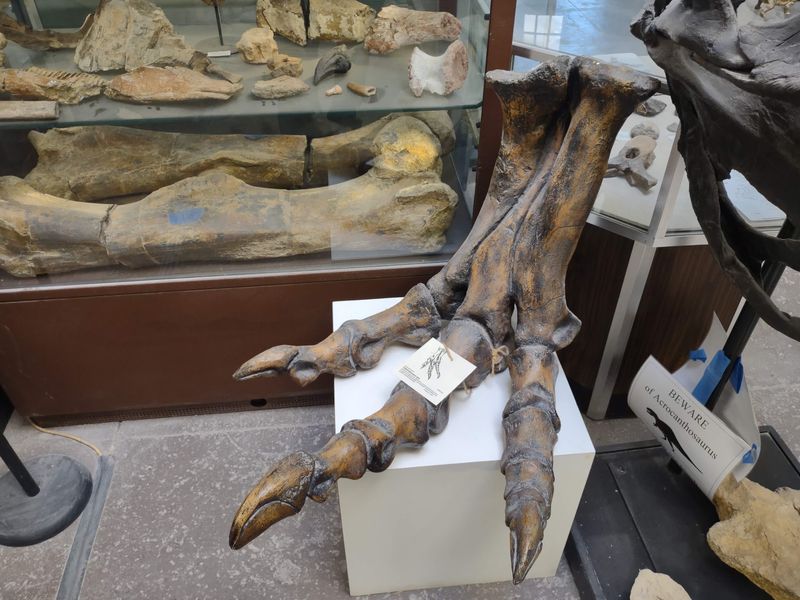
You won’t find yourself squinting at tiny specimens behind thick glass. The collection includes massive bones, skulls, and complete skeletal sections positioned at eye level. Kids can stand nose-to-nose with ancient sea creatures, examine the texture of fossilized shells, and truly appreciate the scale of these prehistoric giants.
What makes this collection special is its focus on Texas paleontology. Many visitors don’t realize that our state was once covered by shallow seas teeming with marine life, or that mammoths and mastodons wandered across the landscape. The fossils here prove it, with specimens ranging from tiny ammonites to enormous vertebrae.
The museum constantly rotates and adds to its displays as new discoveries come in. Staff members are always excited to show off recent finds and explain what makes each piece significant. Unlike larger museums where exhibits remain static for years, this place feels alive with ongoing discovery.
You might see something during your visit that wasn’t there a few months earlier, giving you a great reason to return and explore again.
2. Watch Paleontologists Work on Real Specimens
Most museums show you finished products, but Texas Through Time pulls back the curtain on the painstaking process of fossil preparation. Through viewing windows and open work areas, you can watch trained paleontologists carefully remove rock matrix from bones that haven’t seen daylight in millions of years. It’s mesmerizing to observe someone using dental picks and brushes to reveal details of a creature that lived long before humans existed.
The staff doesn’t mind answering questions while they work. In fact, they seem to enjoy sharing their knowledge and explaining techniques. You might learn why certain tools work better on different types of rock, or how they know when they’ve found something significant.
This behind-the-scenes access transforms a simple museum visit into an educational experience that sticks with you.
One of the most exciting recent projects involves a Columbian Mammoth skull discovered in the area. Watching the team meticulously clean and stabilize this massive find gives you an appreciation for how much work goes into each display. The process can take months or even years for larger specimens, requiring patience, skill, and an incredible attention to detail.
For kids interested in paleontology as a career, this glimpse into the daily work proves invaluable. They see that it’s not all about dramatic excavations in exotic locations. Much of paleontology happens in labs and prep rooms, requiring steady hands and scientific curiosity.
Several visitors have mentioned how this experience solidified their children’s passion for science.
3. Free Admission Makes It Accessible for Everyone
Here’s something rare in today’s world: Texas Through Time doesn’t charge a single penny for admission. Zero. Nada.
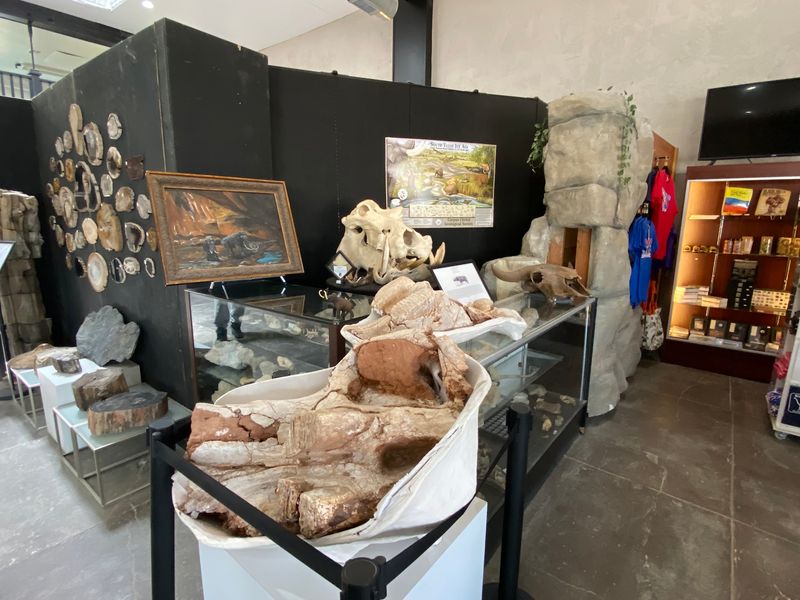
You can walk in, explore the entire collection, participate in activities, and leave without spending anything. The museum operates as a nonprofit, relying on donations and gift shop sales to keep the doors open and continue their important work.
This free admission policy makes paleontology accessible to families who might not have the budget for expensive outings. Parents consistently rave about finding such a high-quality educational experience that doesn’t require advance planning or ticket purchases. You can spontaneously stop by during a road trip without worrying about admission costs eating into your travel budget.
Of course, the museum gratefully accepts donations, and most visitors feel compelled to contribute after seeing the quality of the exhibits and the passion of the staff. Even a small donation helps them continue expanding their collection and working toward their goal of moving into a larger facility. The gift shop also offers reasonably priced fossils, books, toys, and educational materials if you want to take home a souvenir.
Free parking adds to the convenience, another rarity in popular tourist destinations. You can pull up right in front of the building on North Waco Street without feeding meters or searching for spots. This combination of free admission and free parking removes all the usual barriers that might prevent families from enjoying a spontaneous educational adventure together.
4. Incredibly Knowledgeable and Friendly Staff
Ask anyone who’s visited Texas Through Time about their experience, and they’ll probably mention Noah by name. This staff member has achieved something remarkable: becoming a local legend for his enthusiasm, knowledge, and genuine love of paleontology. Review after review specifically calls out how he made visits memorable, answered endless questions, and shared fascinating details that brought the fossils to life.
But Noah isn’t the only gem on the team. Other staff members, including a woman with glasses mentioned fondly by visitors, demonstrate the same passion and patience. They don’t just recite memorized facts.
They engage with genuine curiosity about what interests you, tailoring their explanations to your knowledge level and specific questions.
What sets this team apart is their ability to connect with visitors of all ages. They crouch down to talk with excited toddlers obsessed with dinosaurs, take time to show homeschool groups proper fossil identification techniques, and discuss complex paleontological concepts with serious enthusiasts. No question seems too basic or too advanced for their attention.
The staff’s investment in each visitor’s experience goes beyond their job descriptions. They’ve labeled fossil samples for children to take home, stayed late to finish answering questions, and clearly remember return visitors. This level of personal attention creates an atmosphere more like visiting knowledgeable friends than touring an impersonal institution.
Their passion reminds you why hands-on, community-focused museums matter in an age of digital everything.
5. Hands-On Fossil Digging Experience for Kids
Forget passive observation. Texas Through Time invites kids to become junior paleontologists through their hands-on fossil digging experience. Children can sift through sediment searching for real shark teeth and small fossils, experiencing the thrill of discovery firsthand.
There’s something magical about finding an actual piece of prehistoric life with your own hands, even if it’s a tiny fragment.
The dig area gives kids a taste of fieldwork without the Texas heat or the need to travel to remote locations. They learn that paleontology requires patience and a careful eye, not just luck. Some children spend the majority of their visit focused on this activity, determined to find the best specimens possible.
Staff members help identify finds and explain what creatures they came from. A small shark tooth might have belonged to a species that swam in the shallow seas covering Texas millions of years ago. Learning this context transforms a simple tooth into a tangible connection with deep time.
Kids suddenly grasp that these aren’t just cool objects but actual evidence of ancient life.
The museum even provides bags and labels for children to take their discoveries home. This thoughtful touch means the learning continues long after the visit ends. Many parents report that these fossils become treasured possessions, displayed on bedroom shelves and brought out to show friends.
The experience often sparks lasting interests in science, geology, and natural history that might shape future educational and career paths.
6. Perfect Stop on Your I-35 Road Trip
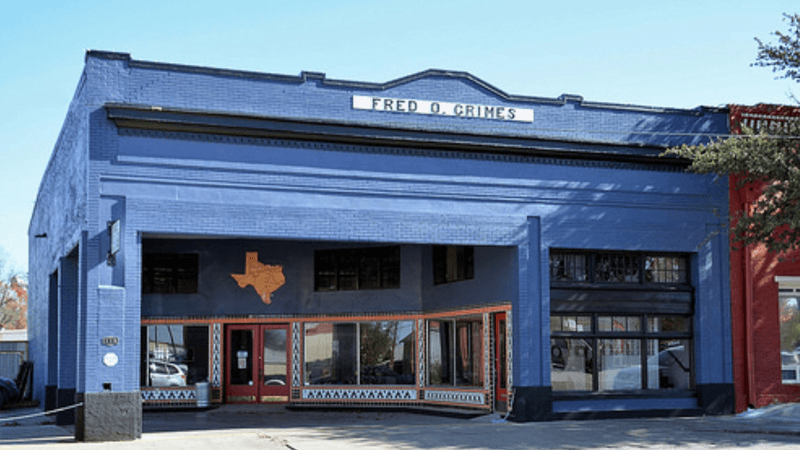
Hillsboro sits right along Interstate 35, making Texas Through Time an ideal break from highway monotony. If you’re traveling between Dallas and Austin or Waco and San Antonio, this museum offers a legitimate reason to exit rather than just another gas station stop. The detour takes minutes, and the museum’s location on North Waco Street puts it within easy reach of the interstate.
Road trips with kids often involve desperate searches for activities to break up long drives. This museum solves that problem beautifully, offering something educational and engaging that doesn’t feel like a chore. Children get to stretch their legs, explore fascinating exhibits, and burn off energy in a productive way.
Parents appreciate the mental break from driving and the chance to experience something genuinely interesting.
The museum’s compact size actually works in its favor for road trippers. You can have a meaningful visit in an hour or two without feeling rushed or exhausted. There’s no pressure to spend an entire day or navigate massive, overwhelming spaces.
You see everything, learn plenty, and get back on the road without losing much time.
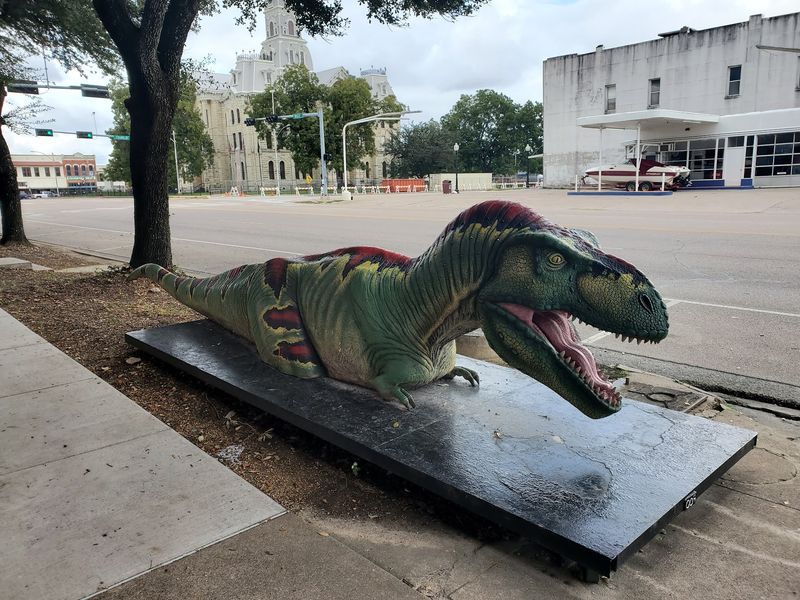
While you’re in Hillsboro, consider exploring other local attractions like the stunning Hill County Courthouse or nearby restaurants. The town offers that authentic small-town Texas charm that makes road trips memorable. Texas Through Time serves as an anchor attraction that justifies the stop, with other pleasant discoveries waiting nearby if you have extra time to explore the area.
7. Special Play Area Designed for Little Ones
Parents of toddlers and preschoolers face a common dilemma at museums: the exhibits fascinate older kids but bore or frustrate the youngest family members. Texas Through Time solves this brilliantly with a dedicated play area designed specifically for little ones who aren’t ready for detailed paleontology lessons. This thoughtful addition means families with children of varying ages can all enjoy the visit.
The play space includes a tent where small children can explore safely, coloring pages featuring dinosaurs and prehistoric creatures, and age-appropriate toys and books. It’s not just a random corner with some toys thrown in. The area connects thematically to the museum’s mission while providing developmentally appropriate activities for the youngest visitors.
This setup allows parents to divide their attention strategically. One adult can supervise younger children in the play area while another explores the main exhibits with older siblings. Then they can switch, ensuring everyone gets the experience they need.
Without this accommodation, families with multiple children might skip the museum entirely, worried about managing different age groups.
The play area also serves as a calming space when children get overstimulated. Museums can be overwhelming for little ones, with so much to see and process. Having a familiar, low-key zone where they can decompress makes the entire visit more pleasant for everyone.
Parents consistently mention this feature in reviews, noting how much easier it made their family outing and how much longer they could stay.
8. Supporting Their Mission for a Larger Facility
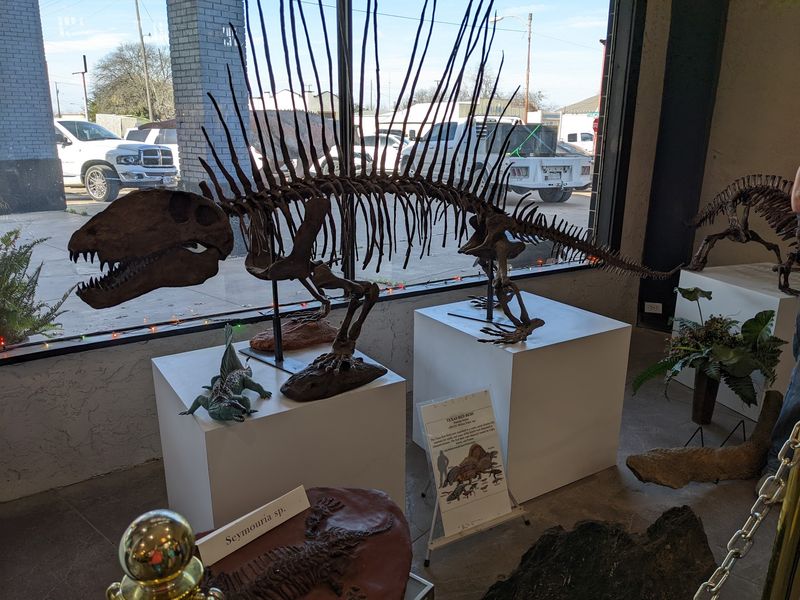
Texas Through Time has outgrown its current space. The team has accumulated far more specimens than they can display in their existing building, with incredible fossils sitting in storage simply because there’s nowhere to put them. Their dream of moving into a larger facility isn’t about prestige but about sharing more of Texas’s paleontological heritage with the public.
Every donation, gift shop purchase, and word-of-mouth recommendation helps them move closer to this goal. They’re not asking for handouts but earning support through the quality of their work and the passion they bring to education. Visitors who see the cramped but impressive current displays immediately understand why expansion matters.
Imagine what they could do with proper space and resources.
The planned larger facility would allow them to display more complete skeletons, create interactive educational programs, and establish proper research spaces. It would transform Texas Through Time from a hidden gem into a regional destination while maintaining the personal touch and accessibility that makes it special. The staff’s dedication deserves a space that matches their ambition and expertise.
Supporting this museum means investing in science education and preservation of Texas’s natural history. The fossils they collect and prepare tell important stories about our planet’s past, stories that might be lost without organizations willing to do this work. Whether you contribute financially, spread the word to friends, or simply visit and learn, you’re helping ensure that future generations can stand face-to-face with ancient life just like you did.