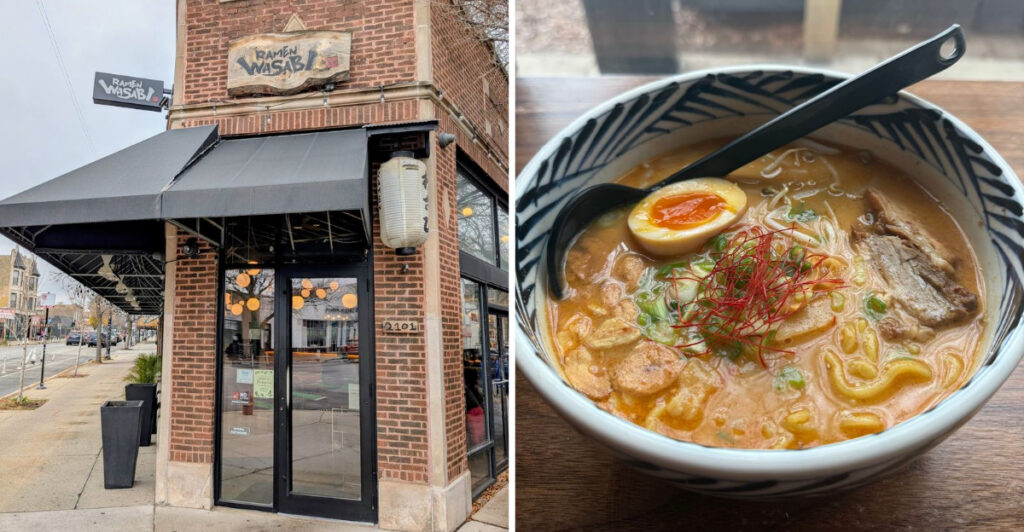
Forty-five hours of continuous simmering goes into the broth before a single bowl of tonkotsu ramen reaches the table at Ramen Wasabi in Chicago’s Logan Square neighborhood. This exceptionally patient, multi-day process builds the rich, silky, and deeply savory character that has made the restaurant a local staple.
Combined with traditional noodles and meticulously curated toppings, each bowl delivers the ultimate comfort food experience that rewards slowing down between bites. Set against a casual, welcoming backdrop, the focus remains firmly on the steaming masterpiece in front of you. At Ramen Wasabi, nearly two full days of dedicated kitchen craftsmanship come together in a dish designed to disappear in minutes.
Forty-five Hours in the Pot Change Everything
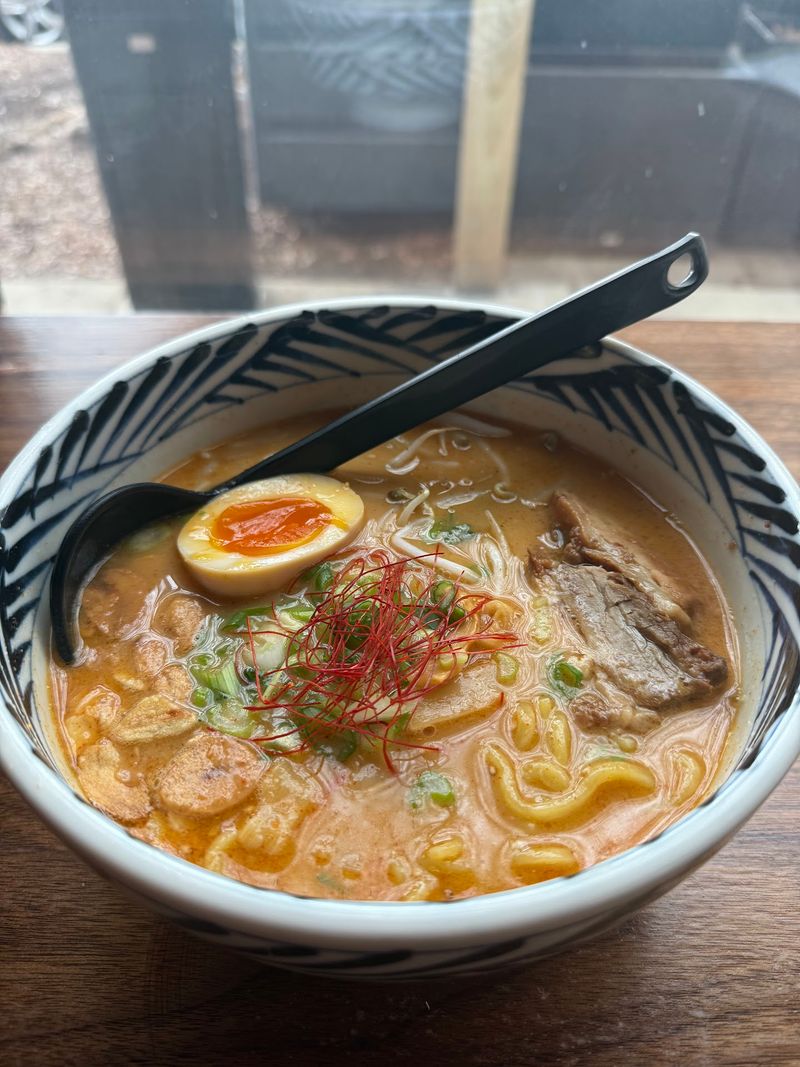
Patience is the secret ingredient here, and it shows up first in the broth. Ramen Wasabi builds its tonkotsu by letting it simmer for 45 hours, a slow process that pulls body and flavor from pork bones over many hours.
Instead of tasting thin or rushed, the soup lands with a rich, silky texture that coats the noodles and gives the bowl real weight.
That long cooking time matters because tonkotsu is supposed to have depth, not just salt. A broth like this develops layers, with porky richness, a gentle creaminess, and the kind of warmth that keeps each spoonful interesting.
Even before toppings enter the picture, the base does heavy lifting, which is exactly what a serious ramen bowl should do.
At Ramen Wasabi, the Original Tonkotsu gets plenty of attention for that reason. It is the kind of order that helps explain the restaurant in one move, since the broth sets the tone for everything else on the menu.
Noodles, pork, egg, and add-ons all matter, but they work best when the soup beneath them already tastes complete.
Long-simmered broth also changes how a meal feels on a cold Chicago day. The bowl arrives with a steady, comforting heat and a savory aroma that rises fast from the surface.
Sitting down to something that clearly took time creates a different kind of dining experience, one based on care rather than speed.
That is a big reason the shop stands out in Logan Square. Plenty of places serve ramen, but not every bowl announces the work behind it so clearly.
Here, a full day in the pot becomes more than a cooking detail. It becomes the center of the meal, the reason the first sip grabs attention, and the detail most likely to shape the whole visit.
Milwaukee Avenue Sets the Scene
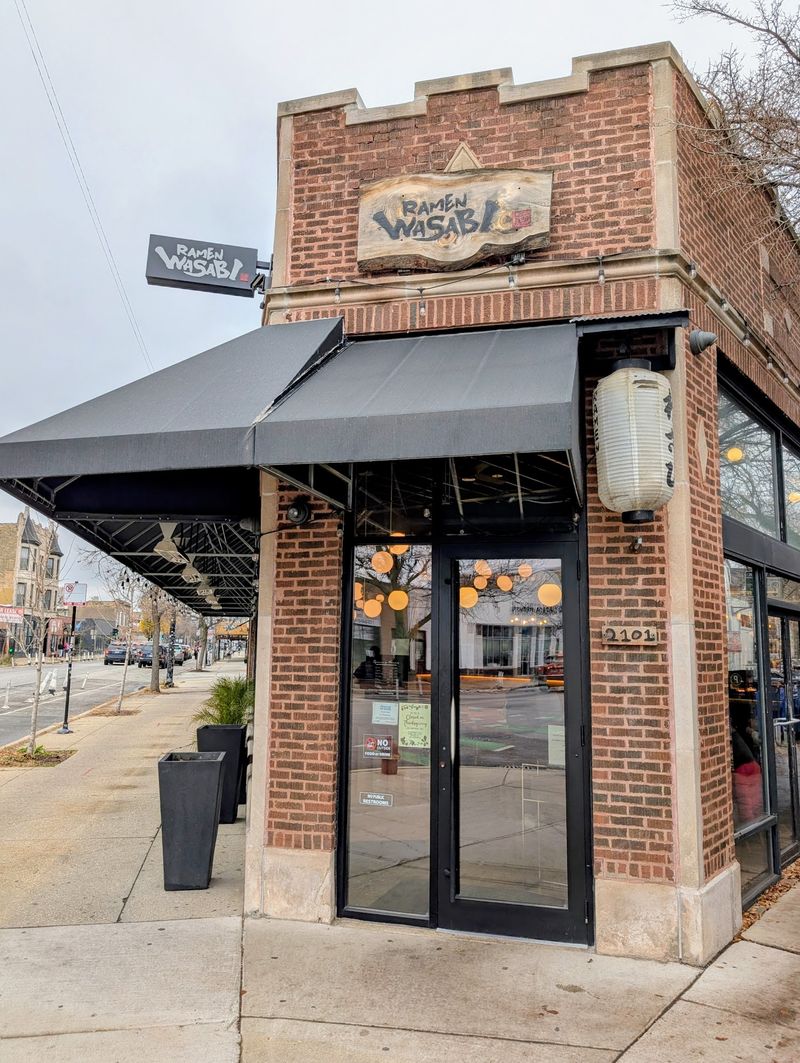
Logan Square gives this ramen shop a strong start before the food even arrives. Ramen Wasabi sits on North Milwaukee Avenue, a stretch that mixes neighborhood energy with the easy movement of a busy Chicago corridor.
That location adds real character to a meal, especially when the windows catch the street outside and turn lunch or dinner into part food stop, part people-watching session.
The restaurant is described as a contemporary Japanese spot with a bar, and that combination fits the area well. Inside, the look stays cleaner and more minimal than cluttered, which helps the bowls stay center stage.
The room can feel lively without becoming chaotic, and the sidewalk views give the place a sense of motion that matches Logan Square itself.
Seating helps shape the experience too. Bar seats, tables, booths, and a larger shared table create different ways to settle in, whether the plan is a quick bowl, a casual date, or a small group outing.
That flexibility makes the shop useful, not just trendy, which is part of why it works as a neighborhood regular and not only a special stop.
There is also a cozy side to the layout. When a ramen spot balances intimacy with activity, diners can focus on the bowl without feeling shut off from the city around them.
Window seats seem especially fitting here, since the street outside adds color and movement while the broth brings the meal back to a warm, steady center.
Chicago, Illinois has many places to eat, but location still matters. At this address, Ramen Wasabi benefits from a setting that feels plugged into its neighborhood instead of floating apart from it.
The corner of ramen, traffic, conversation, and sidewalk life gives the shop a local pulse. That pulse helps turn a simple bowl into a distinctly Logan Square outing.
Beyond Tonkotsu, the Menu Keeps Moving
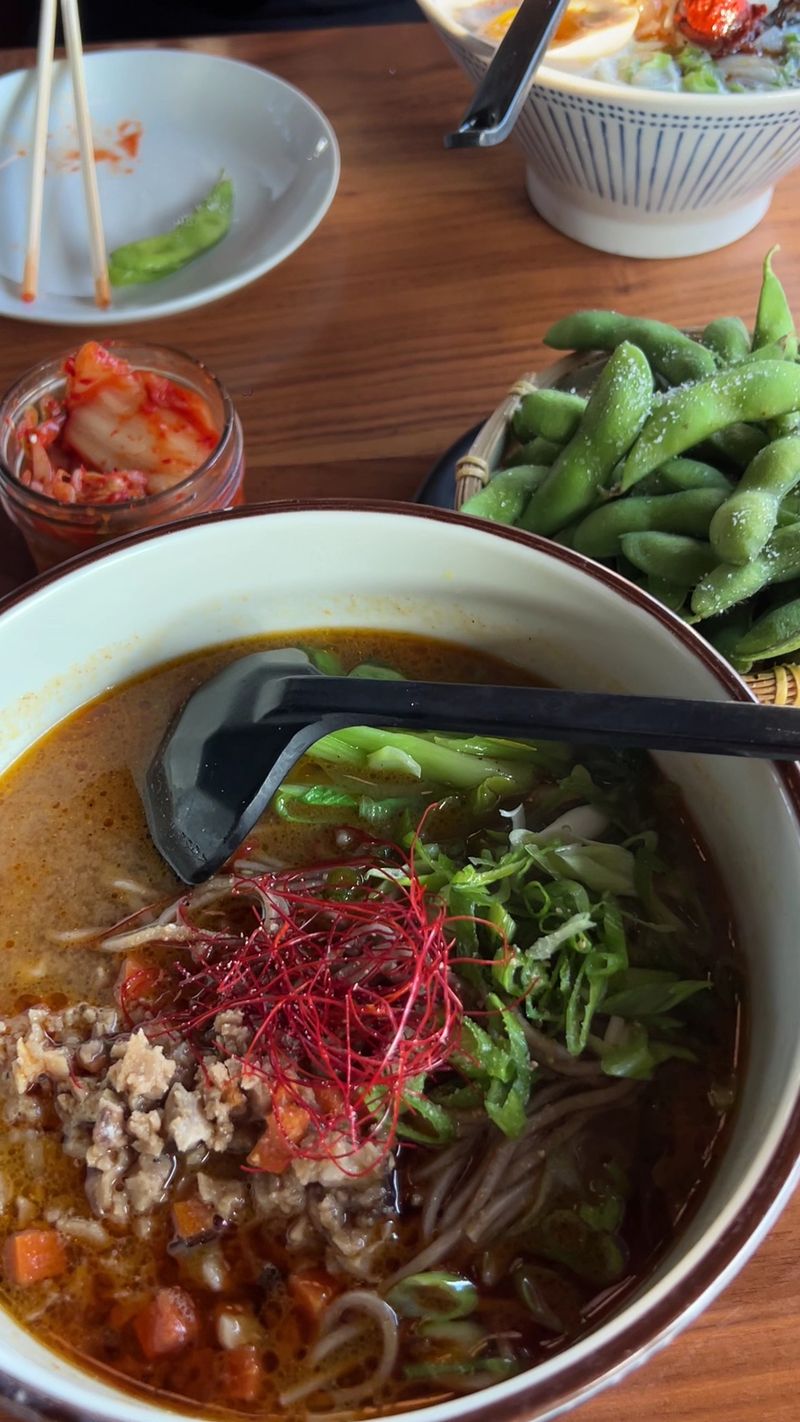
A great broth may lead the story, but the menu at Ramen Wasabi does not stop at one bowl. Spicy garlic miso ramen appears again and again in conversation about the shop, which suggests that many diners come ready for bigger flavor and a stronger kick.
That option gives the restaurant range, especially for anyone who wants richness with more heat and roasted depth.
The lineup stretches further with choices like Hakata Red, shoyu, and vegan ramen. Having that spread matters because not everyone wants the same style of soup, same toppings, or same level of intensity.
A ramen shop becomes more useful when it can welcome a tonkotsu loyalist, a spice seeker, and a plant-based eater at the same table without making any of them settle.
Side dishes add another layer to the experience. Pork belly buns, tofu buns, karaage, takoyaki, wings, gyoza, and salads help the meal unfold in stages instead of rushing straight to the main bowl.
That works especially well for groups, since the table can build momentum through small plates before the ramen arrives.
Drinks matter here too. The full bar, cocktails, beer, sake, and even Japanese whisky give the place a broader evening identity than a simple noodle counter.
Ordering ramen with a draft beer or a citrusy cocktail changes the pace of the meal, making it easier to linger, talk, and treat dinner as an outing instead of just a refuel stop.
The strongest menus create options without becoming messy, and Ramen Wasabi seems to understand that balance. Signature items still rise to the top, especially the tonkotsu and spicy garlic miso, yet the supporting cast keeps the place from feeling one-note.
For return visits, that variety matters a lot. A shop with only one reliable move gets old fast. This one gives plenty of reasons to come back curious.
When the Bowl Arrives, Texture Takes Over
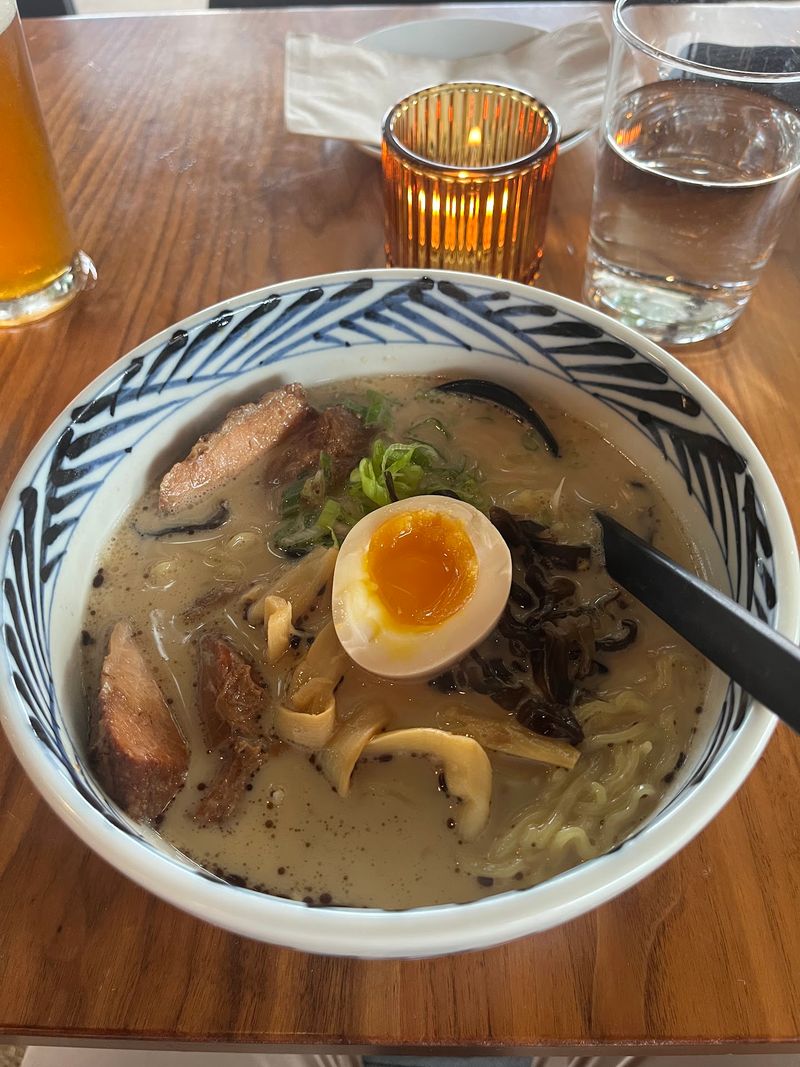
Rich broth grabs attention first, but texture is what makes a ramen bowl satisfying all the way through. At Ramen Wasabi, noodles are often described as chewy and bouncy, which is exactly the kind of structure that helps a strong soup shine.
If noodles go limp, the whole bowl can lose energy. Here, the spring in the noodles appears to be part of the restaurant’s appeal.
Pork adds a second texture story. Depending on the bowl and preparation, slices can lean silky and tender, especially when the fat softens into the broth, or a bit firmer in some orders.
That variation matters because ramen is not one-note food. Every bite works as a mix of broth, noodles, meat, egg, and any extra toppings, all landing differently in the mouth.
Then there are the supporting details that sharpen the bowl. A jammy egg brings softness and richness, while garlic, spice boosts, and other add-ons can wake up each sip.
Even a small upgrade can change how the broth reads, pushing it toward deeper heat or extra punch without burying the base flavor.
Texture also explains why appetizers fit the place so well. Crisp karaage, sticky wings, tender buns, and takoyaki with a softer center create contrast before the soup arrives.
That progression keeps the meal from feeling repetitive. Crunch, chew, steam, and silk all have a role, and the table becomes more interesting because of that variety.
The best ramen shops know that flavor alone is not enough. A bowl has to move, with different sensations showing up from bite to bite.
Ramen Wasabi seems strongest when those textures lock together, especially in its signature bowls. Creamy broth, resilient noodles, and thoughtful toppings create a meal that feels active rather than heavy.
That makes a long-simmered soup even more effective, because the structure around it keeps every spoonful lively.
Plan the Visit Like a Local
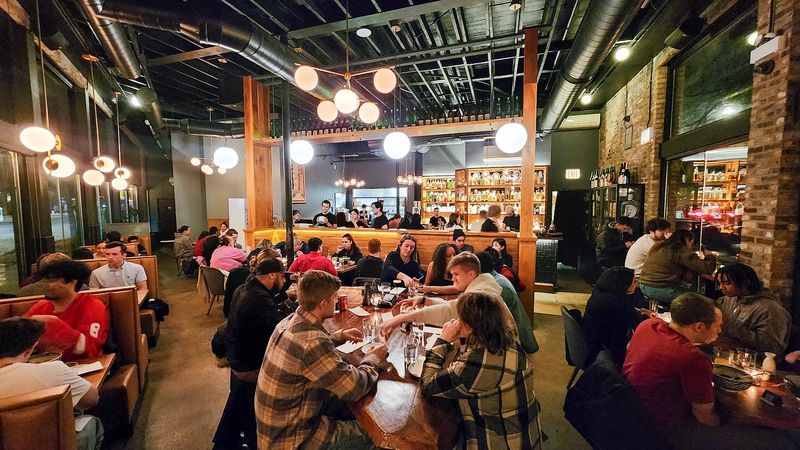
Timing can shape the whole meal at Ramen Wasabi almost as much as the menu. The shop is popular, and long waits come up often enough to treat them as part of the planning, not a surprise.
For a place serving carefully made ramen in a busy neighborhood, that demand is not shocking. Still, showing up with a simple strategy can make the visit smoother.
The listed hours are focused, with service starting at noon and a midafternoon close on open days, while Monday is closed. That narrow window means there is less room for casual delay than at an all-day spot.
Arriving close to opening can help, especially on weekends, when interest rises fast and tables can fill quickly. There is a practical upside to the popularity. A busy room usually signals that the restaurant has found a rhythm people trust, and the energy can add life to the experience.
At the same time, anyone hoping for an easy park-and-stroll meal should know that parking around Milwaukee Avenue may take patience. Street spots can be limited, so extra time helps.
Once inside, the seating options make it easier to match the visit to the mood. Bar seats suit solo diners or pairs who want a quicker pace, while booths and tables work better for longer meals with appetizers and drinks.
A larger shared table also opens the door for groups, which matters for birthdays, casual meetups, or a winter hangout built around hot soup.
The smartest plan is simple. Go early, allow time for parking, and decide in advance whether the meal is a quick ramen run or a fuller evening with sides and cocktails.
That kind of preparation frees up attention for the food itself. Instead of stressing over logistics, the focus can stay where it belongs, on the steaming bowl in front of you and the neighborhood moving outside the window.
Why This Chicago Shop Earns a Repeat Visit
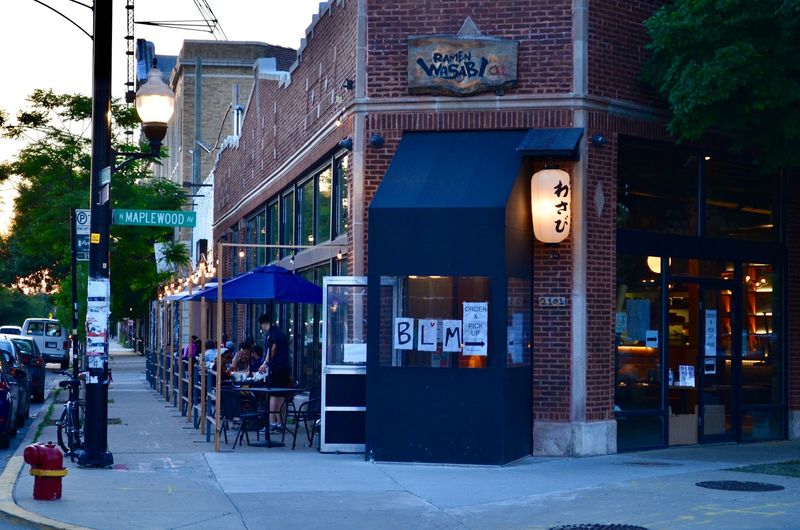
Some restaurants win attention with novelty. Ramen Wasabi seems to build its case in a steadier way, through craft, consistency, and a setting that makes a bowl of ramen fit naturally into neighborhood life.
The forty-five-hour tonkotsu simmer is the headline detail, but the bigger point is how that care shows up across the meal, from the broth base to the side dishes and drink list.
That broad competence matters in Chicago, where diners have options and do not need to settle for a place with only one good trick. A ramen shop earns repeat visits when it can handle different moods.
One day calls for the Original Tonkotsu and quiet concentration. Another calls for spicy garlic miso, wings, cocktails, and a louder table. Ramen Wasabi appears built for both.
The restaurant also benefits from being specific without turning narrow. It is a contemporary Japanese restaurant with ramen at the center, but the menu stretches enough to welcome groups with mixed tastes.
Vegan ramen, buns, karaage, salads, and drinks widen the appeal while keeping the identity clear. That makes the place useful for real life, not just for a one-time food mission.
Logan Square adds another advantage. The neighborhood energy, sidewalk views, and compact urban setting give the meal context.
A bowl here is tied to a Chicago street, not sealed off from it. That connection keeps the restaurant grounded and helps explain why it can work equally well for nearby regulars, first-time explorers, and friends meeting halfway across town.
The sharpest takeaway is simple. A full day of simmering is not just a catchy line for a title. It points to a kitchen choice that shapes the restaurant’s identity and gives the tonkotsu real depth.
Add a strong location, a flexible menu, and a room that stays lively, and Ramen Wasabi becomes more than a lunch stop. It becomes one of Logan Square’s clearest arguments for slowing down and eating well.